France Travel Guide to Design a Seamless First Trip for planning a trip to France, luxury and travel advice
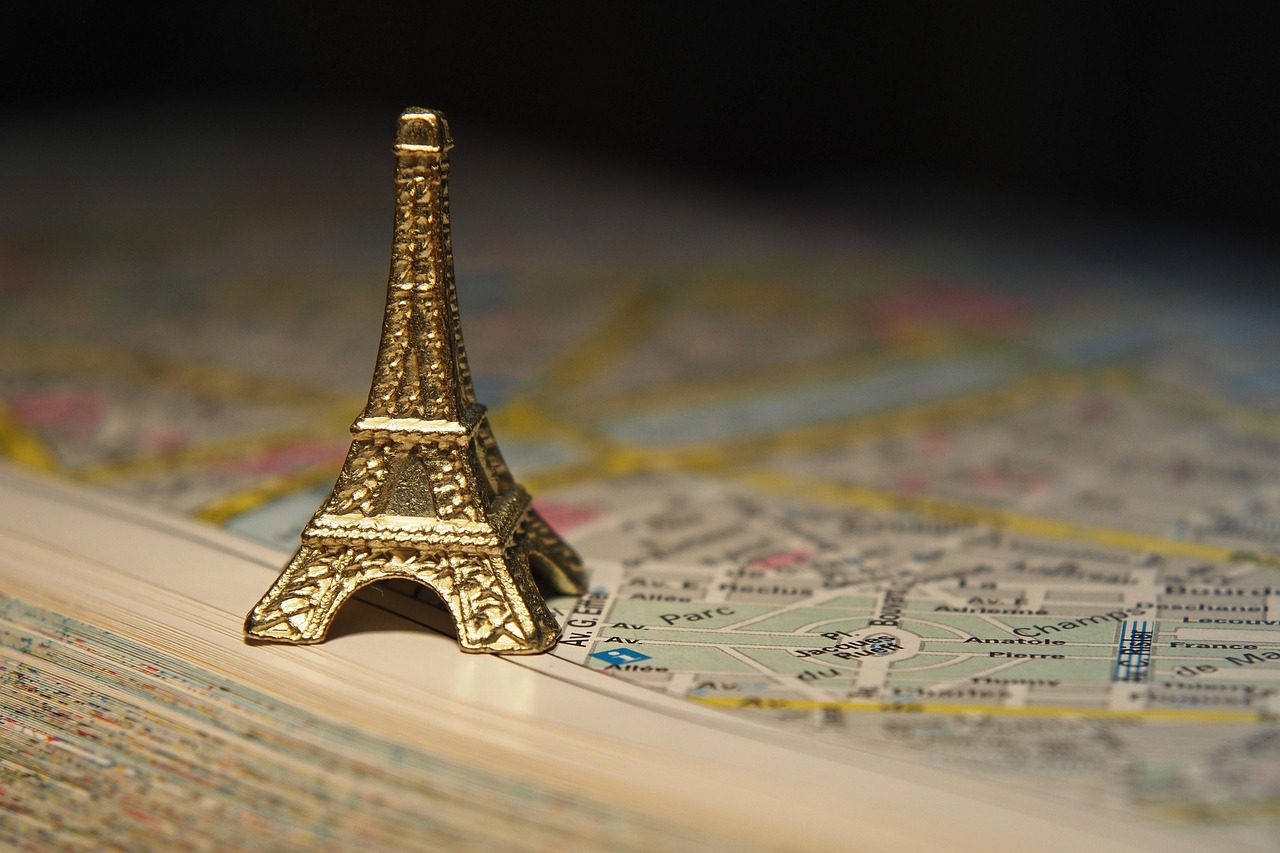
France Travel Guide to Design a Seamless First Trip with the Eiffel Tower as your first landmark
This chapter is your anchor for planning a trip to France luxury-style—quietly organised, beautifully flexible, and grounded in travel advice that protects your time. Consider it the reassuring layer beneath your spontaneity: the details that let you say yes to a last-minute gallery stop or a lingering lunch without worry. If you’ve read Rick Steves for charm or Lonely Planet for breadth, think of this as a more tailored France guide—designed around comfort, access, and trusted support.
Start with the essentials: check travel documents well ahead (passport validity and any entry rules relevant to your nationality). For some travellers, visa requirements are straightforward; for others, a visa may be required depending on passport and length of stay—confirm early so nothing feels rushed. Choose travel insurance that matches how you actually travel (private drivers, high-value items, pre-paid reservations), and keep digital copies of policies and IDs stored securely.
For money matters, France uses the euro, and premium experiences often require deposits at the time of booking. Most high-end hotels, guides, and restaurants accept cards, yet it’s wise to carry a small amount of euros for taxis, markets, and tips when service feels exceptional. This is also where good etiquette begins: a simple “Bonjour” before any request sets a warm tone and opens doors.
Time to visit and how to shape your trip to France
The best time to visit for a polished, unhurried feel is spring (April to June) or early autumn (September to October), when light is soft, and terraces feel inviting without the most intense crowds. Build your days around iconic landmarks in the early morning or late afternoon, then leave the centre hours open for long lunches, boutique browsing, and museum calm. With thoughtful pacing, a visit to France can feel both elevated and deeply personal.
Way to get around across France with seamless support
Your way to get around should match your energy and your appetite for control: a private transfer for airport arrivals, a car-and-driver for multi-stop days, and the train when you want to glide city-to-city without parking stress. In Paris, public transport can be efficient, but many luxury travellers prefer a driver at key pinch points (museum mornings, dinner reservations, luggage days). For regional arcs across France, plan a “Paris base + two regions” logic: Paris first, then a wine region, then countryside or coastline—so each move feels like a gentle chapter, not a scramble.
- Art-led route: Paris museums → Loire for châteaux elegance → a final coastal pause.
- Wine-led route: Paris → Bordeaux vineyard appointments → a countryside stay to reset.
- Sea-and-sun route: Paris → south of France coastline days → a calm inland finish.
If you’d like inspiration for how this can look in real life, browse our Trip gallery—a starting point to create something entirely your own, with contingency planning built in (backup museum slots, weather swaps, and on-call local support).
Paris Private Access and Iconic Landmarks for Paris, France luxury experiences
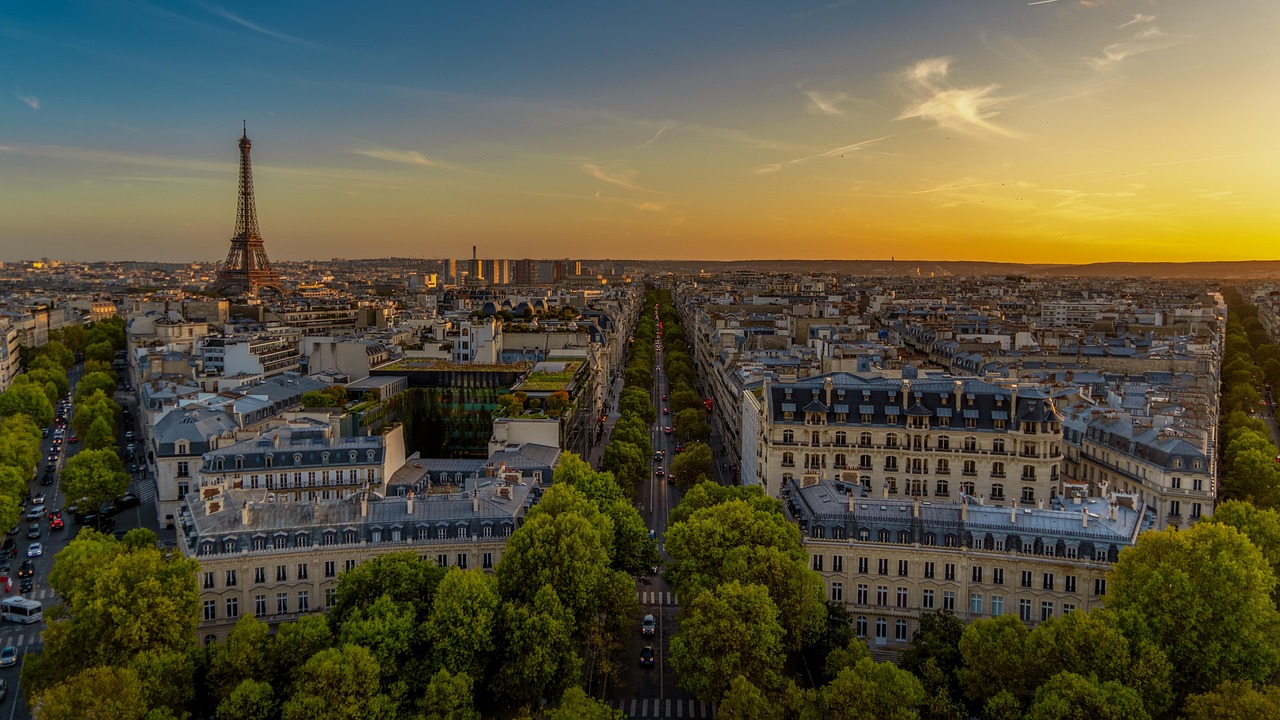
Paris Private Access and Iconic Landmarks with a twilight view across the Seine
This section focuses on Paris, France, luxury experiences, the Eiffel Tower, the Louvre, and the Musée d’Orsay—because in Paris, access and timing are everything. With the right expert hands, the city’s grand stages become intimate: fewer queues, better sightlines, and stories that land with real insight. It’s the difference between seeing Paris and feeling it.
Eiffel Tower private moments and a sunset ritual
For the Eiffel Tower, arrange a private guided visit with a champagne pause at sunset, timed so you arrive as the light turns honey and the city begins to glitter. One traveller told us their private nighttime visit transformed their Paris experience: the crowds softened, the wind at the top felt almost cinematic, and the city lights gave them a new, calmer perspective—more intimate than expected, and quietly unforgettable.
Louvre and Musée d’Orsay with skip-the-line access
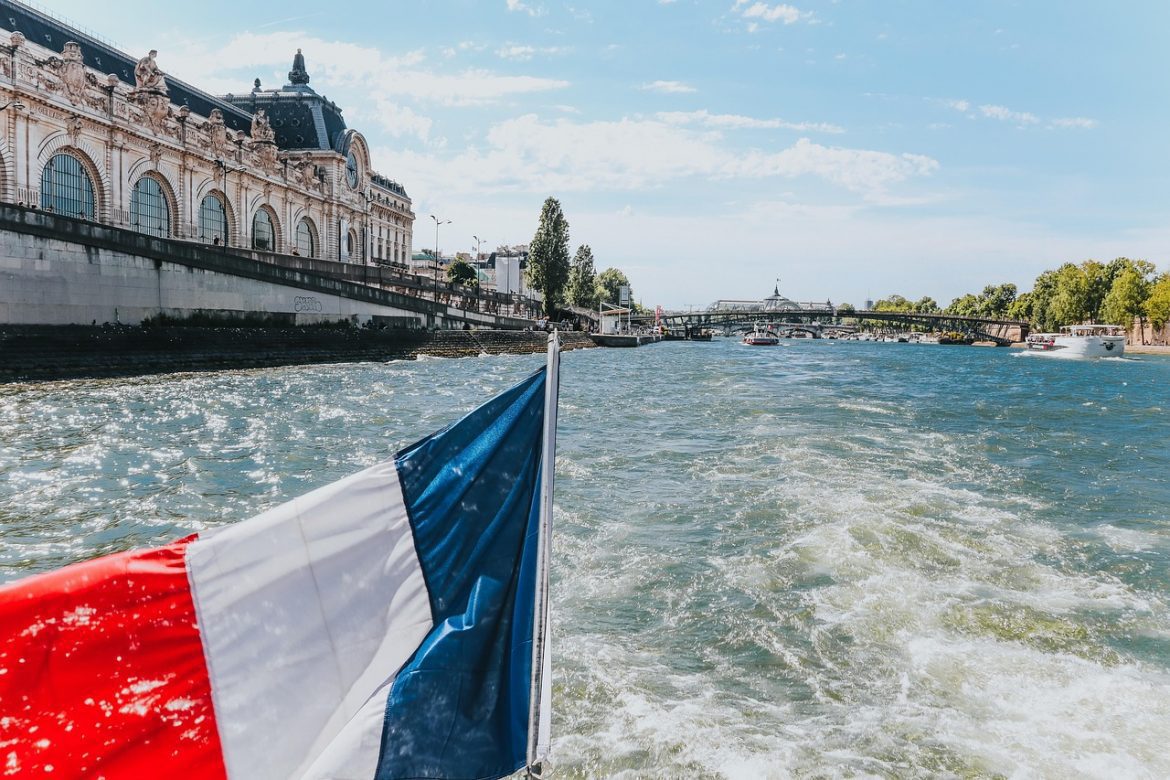
The Louvre and Musée d’Orsay reward a curated approach. With skip-the-line access and an art historian guide, you can uncover the human drama behind masterpieces rather than drifting room to room. Paris truly earns its title as the capital of art when someone helps you read the details—why a brushstroke mattered, how a patron shaped a scene, where a revolution left its mark.
Plan museum visits early in the day, then step out for a late lunch to process what you’ve seen. If you prefer quiet, request a guide who can adapt in real time—shortening, deepening, or rerouting as your energy shifts.
For evening glow, a luxury Seine dinner cruise is the most effortless “yes” you can give yourselves. Choose a later sailing for softer reflections, and request a window-side table with a crafted setting; it’s also worth asking for a slightly quieter corner for a more personal atmosphere. The menu should feel like a travel experience in itself—gourmet French cuisine, beautifully paced, with panoramic views that do the rest.
Montmartre offers a different kind of privilege: time and access to local creativity. Wander atelier-lined lanes with pre-arranged studio visits and café pauses, and let it feel unhurried. A couple once described their leisurely stroll through Montmartre’s art studios as the highlight of their week—meeting emerging artists who personalised small souvenirs and shared insider stories of the neighbourhood, as if they were being welcomed rather than simply shown.
If you want one classic night out, Moulin Rouge remains a landmark choice; the rouge glow, the choreography, and the sense of Parisian theatre can be thrilling when it’s handled with VIP seating and smooth transport. Afterwards, lean into refined bustle with carefully chosen bars and restaurants—somewhere you can talk, linger, and feel the city moving around you without being swallowed by it.
South of France and the French Riviera: Along the Coast for south of france french riviera luxury itinerary and plan your trip
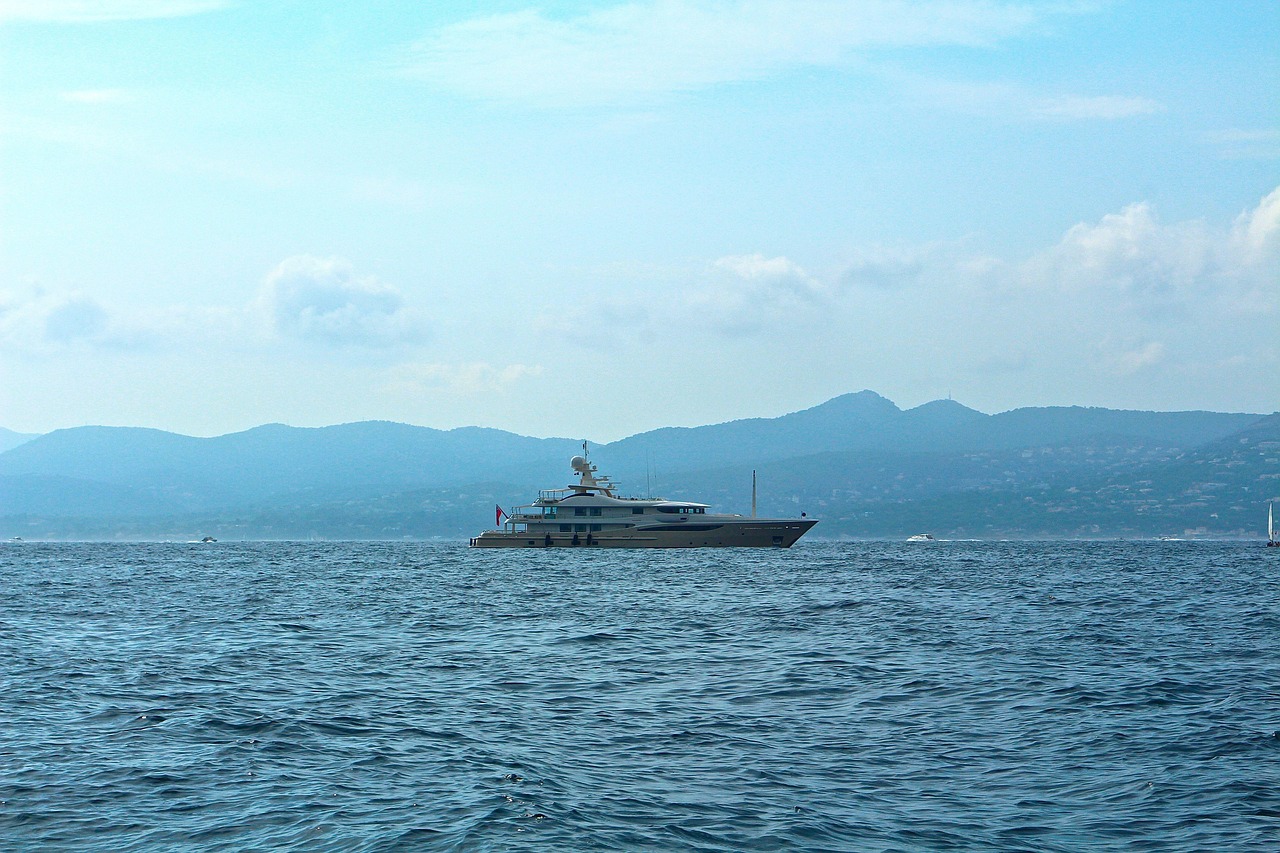
South of France and the French Riviera Along the Coast with a private yacht day
This chapter is for travellers searching for South of France French Riviera luxury itinerary ideas—designed to feel bright, scenic, and surprisingly restorative. Southern France moves to a coastal rhythm: beach mornings, gallery afternoons, and dinners that start late and end gently. Think of it as a place to exhale, not to chase.
Along the côte and into the Côte d’Azur, the French Riviera can be as glitzy as you like—yet it’s most rewarding when you keep your days intentionally light. Choose two or three bases rather than five, and let the coastline reveal itself through small choices: a quieter swim, a market stop, a table booked just slightly away from the main promenade.
French Riviera highlights from Cannes to Antibes to Villefranche-sur-Mer
In Cannes, it’s worth seeing the famed promenade that comes alive each May for the Cannes Film Festival—an event with film festival history baked into its glamour. Even outside the Cannes film festival weeks, the city still knows how to do polished ease: smart hotels, excellent shopping, and a beach club lunch that stretches into afternoon shade. Antibes offers a softer edge, with a marina mood and old-town lanes that feel charming rather than performative. For pure beauty, Villefranche-sur-Mer is the kind of bay where you simply stop speaking for a moment.
Plan your trip along the coastline with a crafted mini-itinerary
To plan your trip well here, treat the Riviera as a sequence of textures, not a checklist. Consider this simple, high-end flow along the coast: arrive and settle, then one day on the water, then one day inland to reset. A private boat excursion brings the French Riviera into focus—hidden coves, a swim stop, and a relaxed lunch where the sea air does half the work.
- Day 1: Easy arrival, sunset aperitif, and a calm dinner reservation.
- Day 2: Beach club morning, gallery stop, and a late, elegant meal.
- Day 3: Private boat day—ask for a shaded area and flexible timing.
- Day 4: Inland art and markets in Vence for a quieter perspective.
Vence is your counterpoint—an art town where a local guide can uncover studios, viewpoints, and market stalls away from popular tourist areas. You’ll still feel the Riviera light, but with more space around it.
One practical note: in peak season, parking can turn a beautiful day into a tense one. A car-and-driver often feels most seamless for dinners and multi-stop days, while self-drive can work if you stay slightly outside the busiest centres and keep expectations flexible. Either way, build in buffer time so transfers feel like part of the pleasure, not a race.
Bordeaux Vineyards and a Foodie Heartbeat for Bordeaux, France
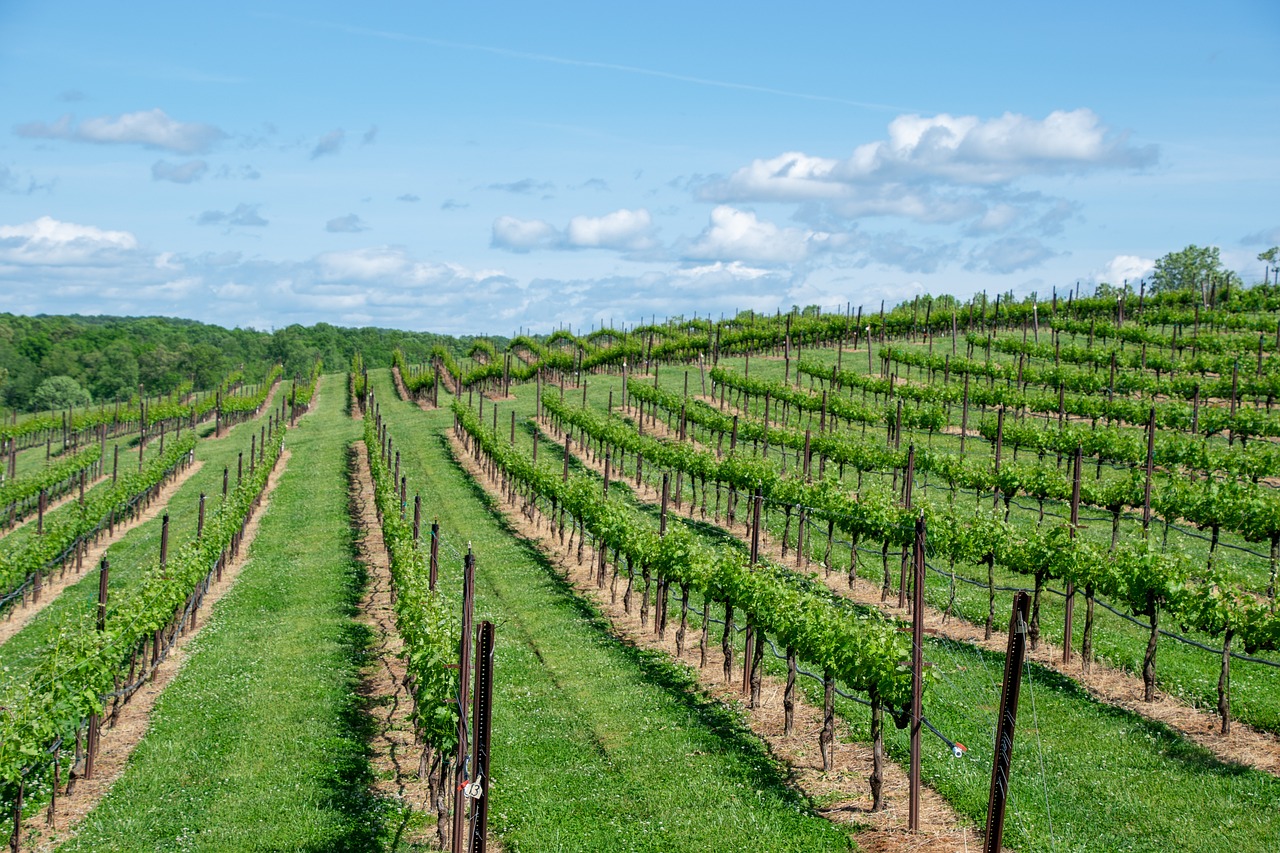
Bordeaux Vineyards and a Foodie Heartbeat with an elegant tasting at a private estate
If Bordeaux, France, vineyard wine tasting luxury is on your wish list, design it like a private invitation rather than a tour. The right day includes an expert sommelier, thoughtful pacing, and confirmed appointments long before you arrive. Bordeaux is not about rushing; it’s about trust—letting the place reveal itself slowly, glass by glass.
One traveller still talks about tasting rare vintage wines while chatting with a vineyard owner in Bordeaux. There was no performance, just warmth: a conversation about harvest risks, family decisions, and why a particular parcel tastes as it does. That kind of local connection can’t be faked, but it’s more likely when your visits are carefully chosen.
How to book prestigious estates with confidence
Many top estates are appointment-only, sometimes with limited daily slots. Arrange transport logistics first—either a private driver for the day or a car service that can adapt if a tasting runs long. Then build a crafted arc: a cellar visit for context, a blending workshop if you love detail, and a long lunch pairing where you can actually taste the food rather than simply eat between stops.
For wine lovers who want a broader lens, add Burgundy as a counterpoint—starting in Beaune. The town of Beaune is ideal for boutique tastings and shopping; if you buy bottles, arrange proper shipping so your purchases travel safely and legally. It’s a small detail, but it keeps pleasure from turning into logistics.
To weave in a culinary heartbeat, consider Lyon as a stop along the way. It’s the kind of foodie city where a market-led meal feels elevated yet authentic—less about status, more about flavour and craft. Ask for a guide who can steer you towards small producers and a table that understands pacing.
- Premium tasting expectations: private visits and top cuvées are priced accordingly, especially at famous châteaux-adjacent brands.
- Fine dining: plan one “anchor” meal, then keep other meals simpler but excellent.
- Comfort-first choices: fewer stops, longer visits, and better conversation.
Handled well, Bordeaux doesn’t just deliver pleasure—it offers insight into how French craft is protected, debated, and passed on.
Loire Valley Châteaux and the Grace of Central France for Loire Valley
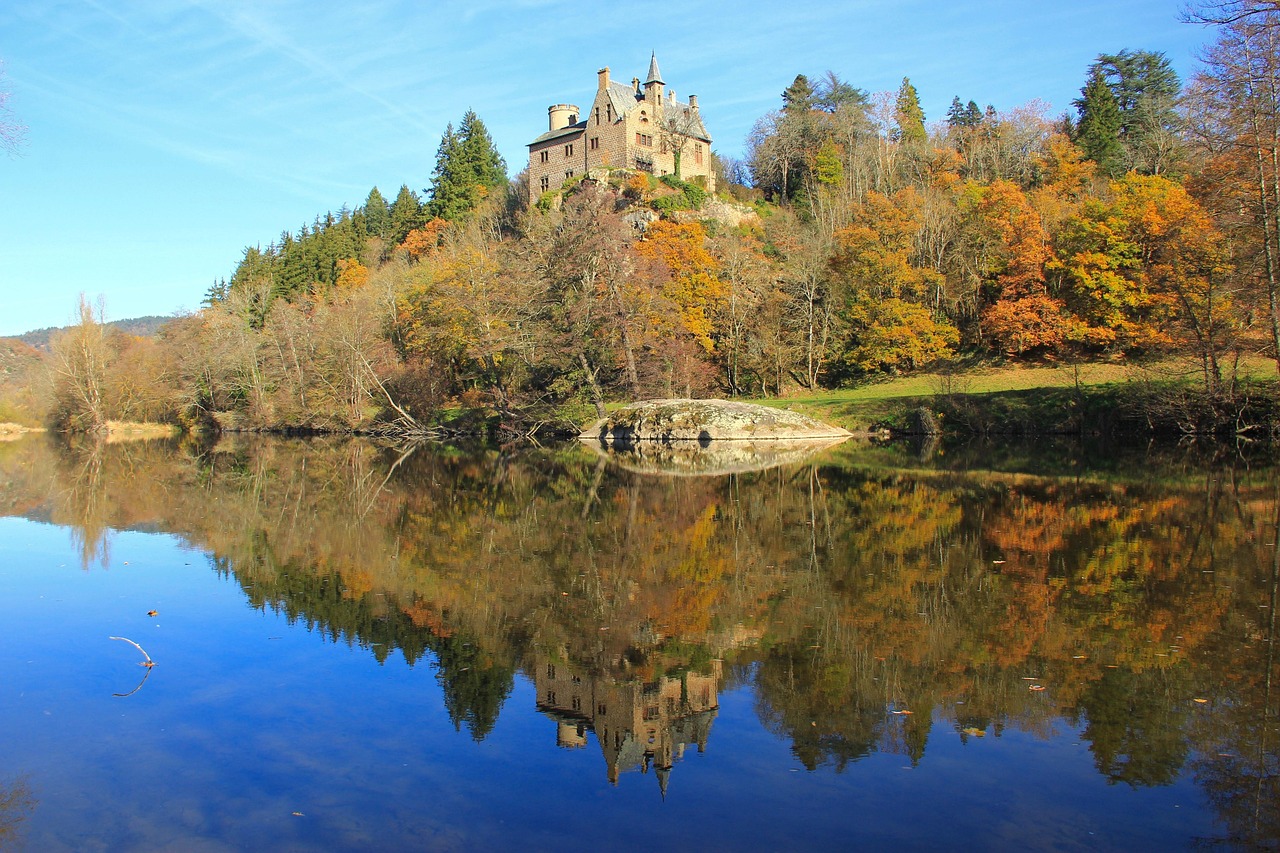
Loire Valley Châteaux and the Grace of Central France with a sunrise view over a château garden
For travellers drawn to a Loire Valley châteaux stay in France luxury-style, the magic is in the combination: historic grandeur with modern ease. Choose a property that feels like a real home—beautiful linens, thoughtful service, and grounds you’ll actually want to wander. A solo visitor once recalled the peaceful dawn in a Loire garden: mist lifting, birdsong, and the sense of being held by quiet care in a place where time slows naturally.
Signature experiences that slow the pace without losing comfort
The Loire rewards gentle days. Private cycling between estates can be arranged with e-bikes, luggage support, and a perfectly timed picnic, so you never feel you’re “working” for the view. Add a chef’s table dinner at your chateau, or a curated tasting that focuses on regional producers rather than volume.
Central France is deep with refined excursions
For more texture in central France, consider an excursion into Dordogne for hilltop villages and prehistoric caves—handled with a trusted driver so you can simply look out of the window and arrive calm. If you’re moving south-west, Albi makes a graceful cultural pause, especially for travellers who love quieter, atmospheric towns between bigger names.
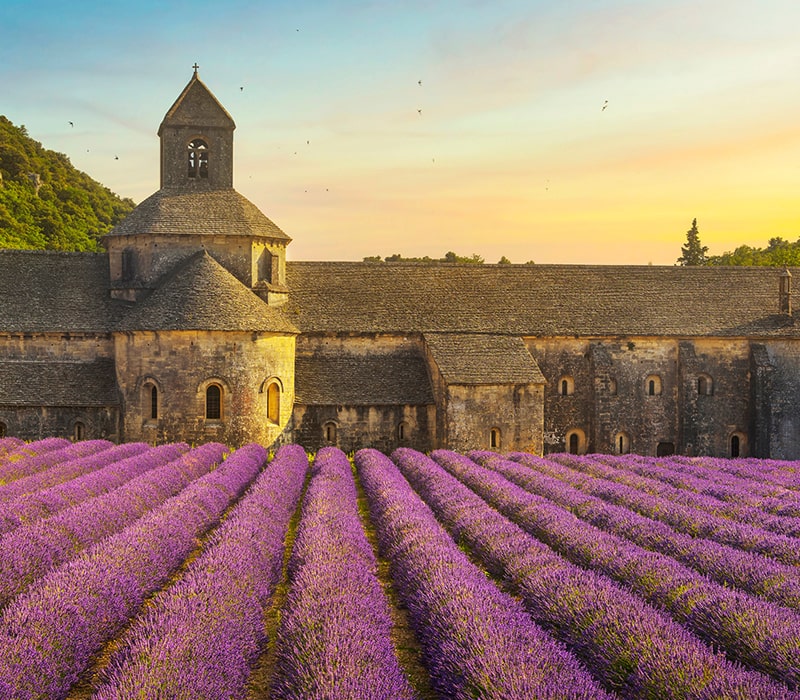
Another beautiful pairing is Provence: a day around Avignon and nearby villages, timed for lavender fields when in season. It’s a small detour that can feel like a private painting—soft colour, warm air, and slow lunches.
- How many nights: Two nights is a taste; three allows for unhurried mornings and one longer day trip.
- What to pre-book: Private rooms, special tastings, and standout dining—especially in peak months.
- Tour guides: The best can unlock private rooms, archives, and after-hours moments you’d never find alone.
This is where France feels least like a performance and most like a lived place—elegant, grounded, and generous with space.
Best Places for Nature, Ski and Storybook Coasts in France
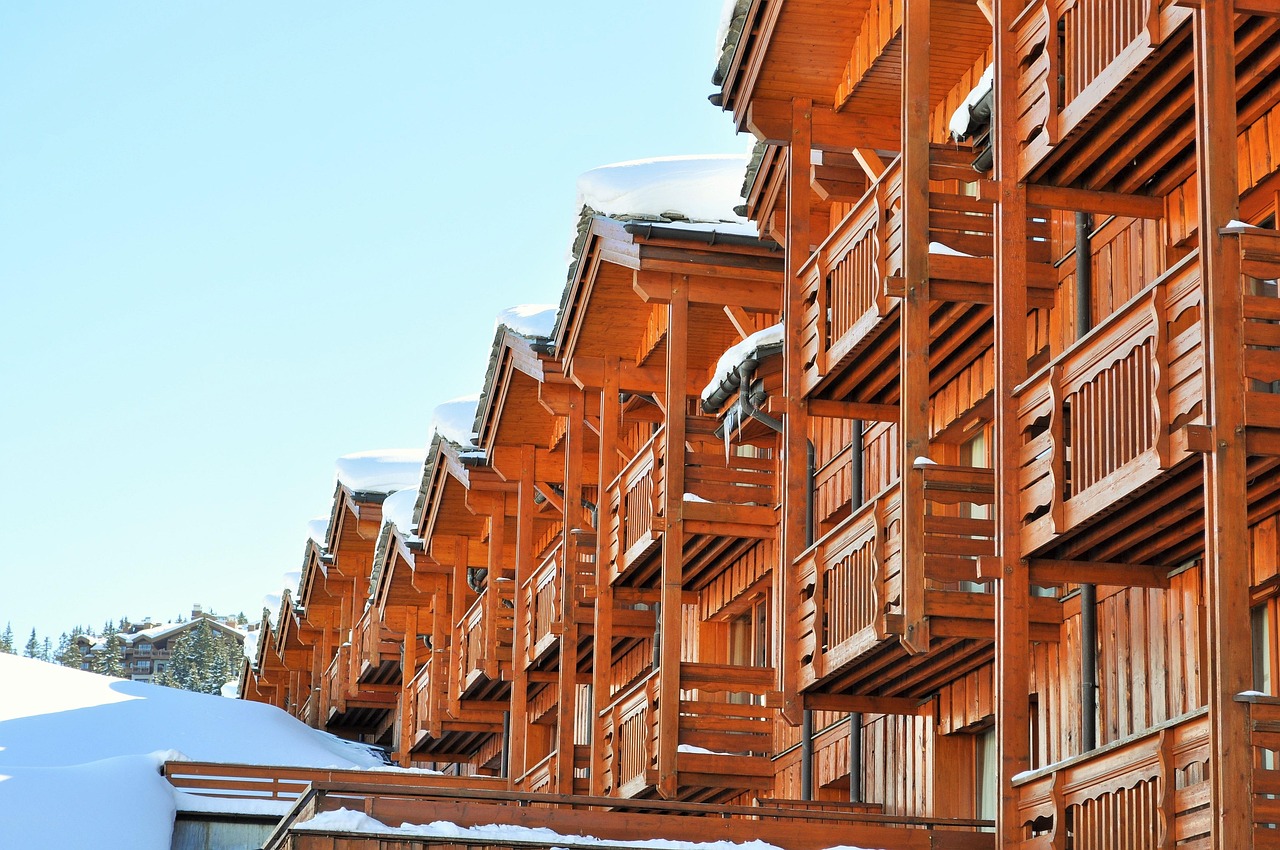
Best Places for Nature, Ski and Storybook Coasts with fresh snow in the Alps
This chapter responds to travellers searching France best places Alps ski Brittany Normandy—and it’s especially useful if you want to see the best without being pulled towards every popular tourist destination. The goal is breathing space: nature that feels close, towns that feel lived-in, and transitions that don’t cost you your calm. With the right design, these places to go become restorative rather than demanding.
French Alps luxury with spa-forward ease
For the French Alps, aim for a “ski once” mindset: one big, beautiful day on the slopes with private instruction, then let spa rituals and long lunches carry the rest. Weather can change quickly in the Alps, so schedule the most important mountain views early in your stay and keep a flexible backup plan. Even non-skiers can fall in love with the mountain light, the fireside calm, and the sense of clean air resetting everything.
For lake-and-mountain elegance, Annecy is a soft landing between cities and alpine resorts. It suits couples and solo travellers alike—slow waterside walks, small boutiques, and a gentle rhythm that feels quietly luxurious.
Storybook coastline in Brittany and Normandy
If you’d rather trade mountains for sea air, Brittany offers rugged beaches, small harbours, and dramatic sunsets where the coastline feels alive without constant crowds. Go in late spring or early autumn for the sweet spot: warm light, fewer queues, and long lunches that don’t require fighting for a table.
For Normandy, choose Bayeux for half-timbered charm and a reflective sense of history, then add Honfleur for art, harbour light, and a slower afternoon. This kind of day works best when it’s unrushed—one museum, one long meal, one gentle walk, and then back to your hotel before you feel tired.
These are the chapters of France that often linger longest, precisely because they’re not rushed. You don’t have to chase the popular tourist moments; you can choose the ones that match your pace.
F.A.Qs
What is the 5 to 7 rule in France?
The “5 to 7” rule in France commonly refers to the early-evening window, roughly 5 pm to 7 pm, when people slip into an apéritif, a stroll, or a quiet social pause before dinner. For travellers, it’s a beautiful time to reset: return to your hotel, refresh, and then head out for a curated drink or a reservation. It’s less a strict rule than a cultural rhythm that makes evenings feel unhurried.
How many days are enough to visit France?
For a first trip with a luxury pace, 7 to 10 days is often enough to feel Paris properly and add one region without constant packing. If you have 10 to 14 days, you can add a second region—such as Bordeaux or the Loire Valley—while still keeping calm mornings and long meals. The best length is the one that lets you linger, rather than “fit it all in”.
What not to do in France as a tourist?
Avoid rushing service or assuming every meal can be done quickly; France rewards patience and presence. Don’t skip greetings—starting with “Bonjour” in shops and restaurants is a small courtesy that matters. In crowded hotspots, don’t leave valuables exposed, as pickpockets can operate where tourists cluster. Finally, try not to over-plan every hour; leaving space often leads to the most meaningful encounters.
What is the perfect month to visit France?
April, May, September, and early October are often ideal for high-end travel: mild weather, softer light, and fewer crowds than peak summer. You’ll find it easier to secure the best guides and reservations, and days feel more spacious. If you’re focused on the coast, late June can be glorious before the busiest weeks begin. The “perfect” month ultimately depends on whether you prioritise museums, countryside, or seaside time.
Final Thought
This is the quiet truth of French luxury travel: what stays is rarely the grand plan, and more often the small, personal moments that caught you off guard. The night lights in Paris when the city felt like it belonged to you for a breath; the vineyard conversation that turned a label into a face and a family; the Montmartre atelier where an artist worked with you, not for you; the Loire dawn where everything looked softened, as if the world had learned to speak more gently.
When a journey is designed with trust and held by expert support, you stop bracing for what might go wrong. You notice taste, texture, and light—how butter smells in a morning bakery, how stone walls hold the day’s warmth, how a room goes quiet when a painting truly lands. France invites you to uncover something in yourself, too: curiosity without urgency, creativity without noise, and a softer relationship with pace.
Long after you’ve returned home, the country doesn’t feel like a list you completed. It feels like a place that met you in particular ways—through people, through craft, through the calm confidence of being looked after with genuine care. And perhaps that’s why the idea of returning never feels like repetition, but like a gentle question waiting for its next answer.