Post Contents
- Golden Gai Tokyo A Retro Alley of Small Bars in Shinjuku
- Shinjuku alley bar route in Tokyo Golden Gai vs Piss Alley and Omoide Yokocho
- Golden Gai drink price and cover charge foreigner etiquette in Tokyo Japan
- Golden Gai bar Tokyo Shinjuku live music jazz and themed nights
- Leaving Golden Gai Tokyo Shinjuku with personal memories and local connection
- F.A.Qs: Golden Gai Tokyo Shinjuku bar travel help
Golden Gai Tokyo A Retro Alley of Small Bars in Shinjuku
Golden Gai Tokyo A Retro Alley of Small Bars in Shinjuku
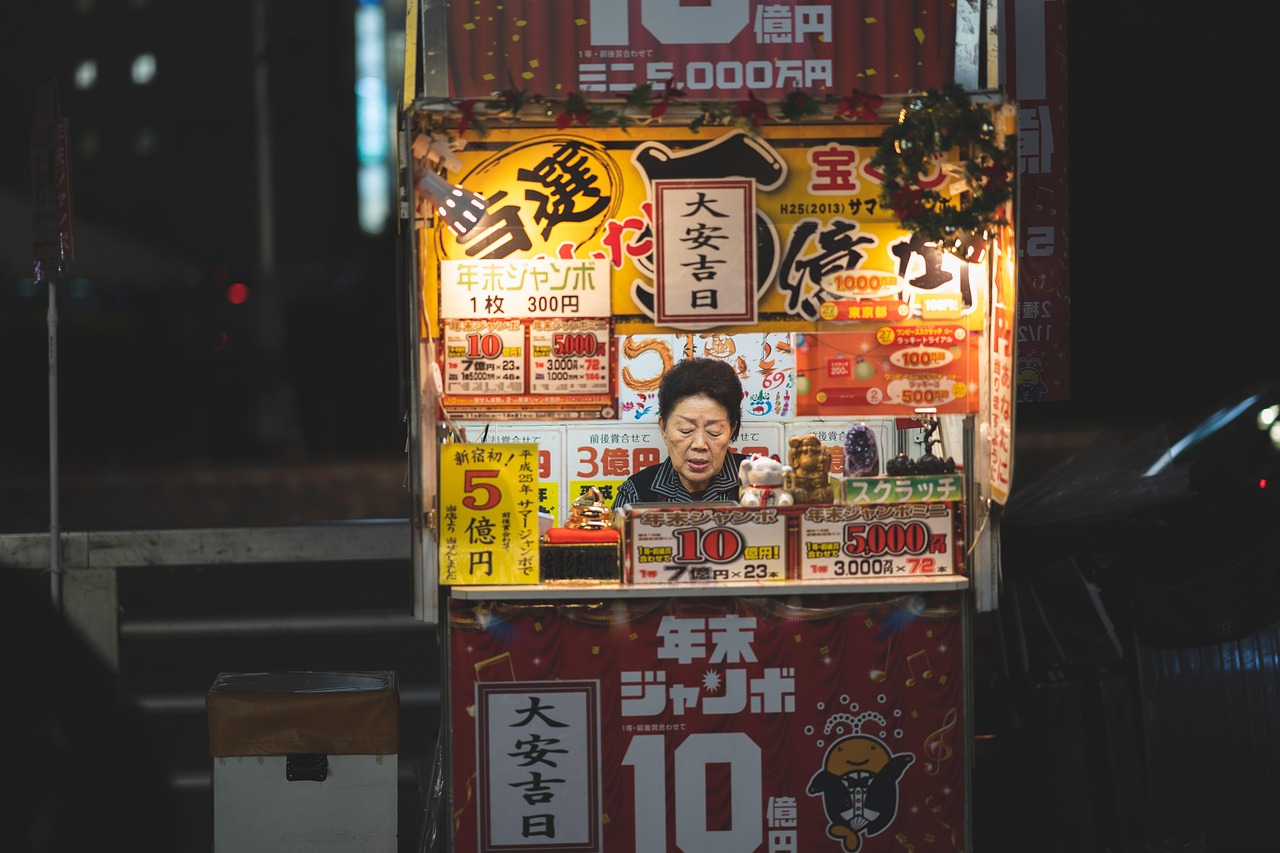
Golden Gai Tokyo Shinjuku small bars and Showa architecture in Japan aren’t a slogan here—they’re what you feel the moment you step off the street and into the alley network. Wooden façades lean at slightly strange angles, each building stacked with little quirks, and the lantern glow softens the edges of the city outside. It’s narrow, a touch ramshackle, and quietly thrilling in a way that invites you to slow down.
Golden Gai endured because it stayed useful to people who needed a place to gather after the post-war years—writers, filmmakers, musicians, and night-shift workers who preferred conversation to spectacle. It also sits beside Kabukicho, where neon and noise can feel relentless, making this small area a kind of counterpoint: intimate, crafted, and surprisingly calm once you’re inside.
Golden Gai light and Showa-era design you can touch
There are 200 bars in these alleyways, and each door tends to lead into a single idea—one mood, one obsession, one memory. You’ll see tiny bars that hold only a handful of people, a cosy place where the décor might be film posters, antique radios, or shelves of odd little artefacts that look like they’ve been gathered over decades. For high-end travellers, the luxury is not space, but access: a chance to be a customer rather than a passer-by.
Shinjuku’s micro-bar connection and regular culture
What makes Golden Gai special for a visitor is the closeness: a seat or two away from someone who’s lived in Tokyo far longer than your stay, and a bartender who remembers what you ordered five minutes ago. Regular culture exists, but it isn’t closed to outsiders when you move with care. If you arrive with quiet confidence and respect for the room, the neighbourhood often supports you right back—through small nods, small talk, and the gentle sense that you’re part of something local for an evening.


Shinjuku alley bar route in Tokyo Golden Gai vs Piss Alley and Omoide Yokocho
Shinjuku alley bar route in Tokyo Golden Gai vs Piss Alley and Omoide Yokocho
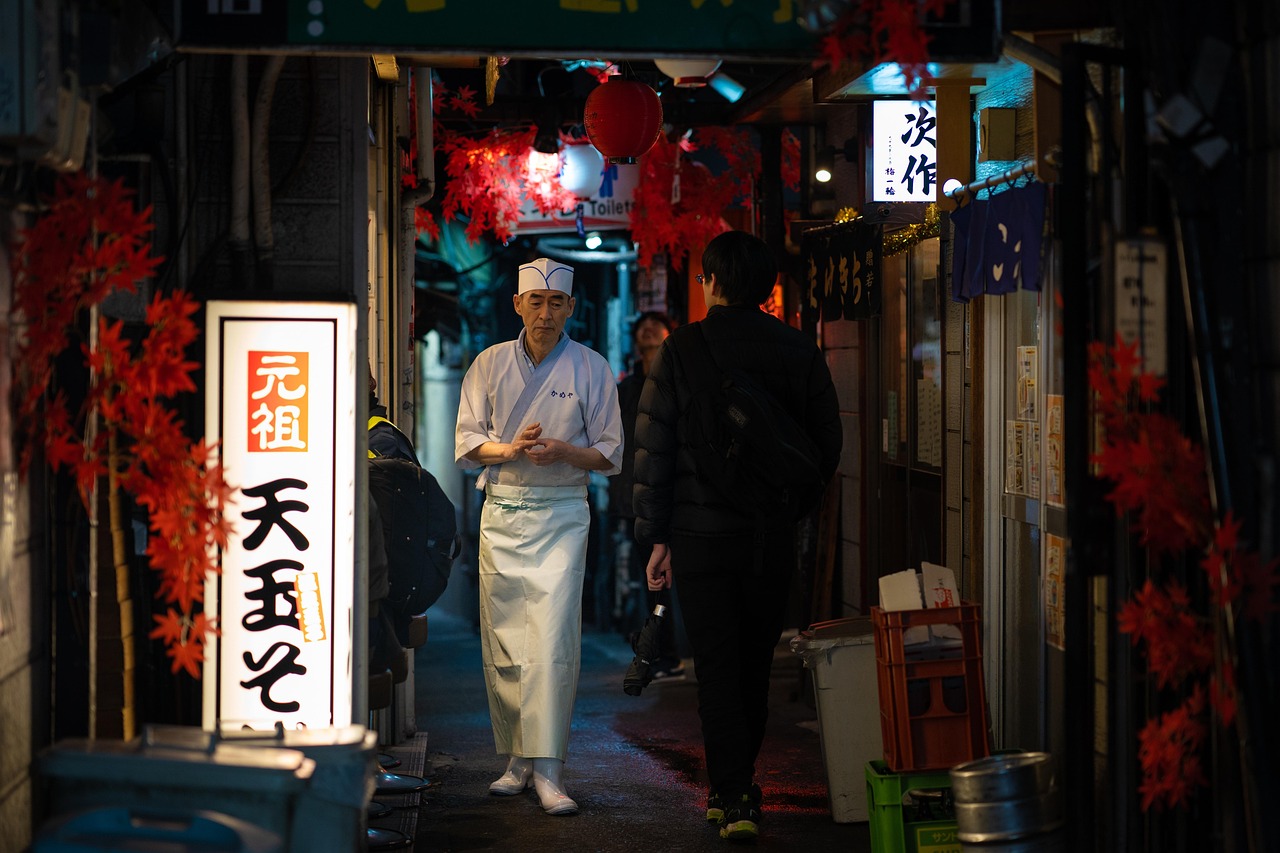
For a Shinjuku alley bar route, Golden Gai vs Piss Alley Omoide Yokocho becomes an easy pairing once you realise both are best discovered on foot. Start at Shinjuku Station, then walk 5–10 minutes; the best place to begin is wherever your curiosity lands, not a schedule that forces you to rush. This is Tokyo at close range—designed for wandering, pausing, and letting the crowd shape your choices.
Golden Gai is micro-bar culture: doorways, staircases, and rooms with five or six stools. Omoide Yokocho is more about yakitori smoke, quick beer, and a restaurant-style buzz where you can dine without overthinking. One feels like an invitation into someone’s living room; the other feels like a lively lane where you can reset your energy before going deeper.
Omoide Yokocho travel pacing for one night
If you’re an adventure seeker, bar-hopping can still be seamless when you design it around timing rather than distance. Early evening gives you the best chance of getting a seat in Golden Gai, while later hours suit the louder lanes nearby. If you want to imagine the night as a storyline, treat Omoide Yokocho as the opening chapter, and Golden Gai as the close-up scene where conversations happen.
- Start: Omoide Yokocho for something casual (it can be relatively cheap compared with micro-bars).
- Pause: Walk past the shrine at Hanazono for a quiet contrast and a breath of calm.
- Shift: Enter Golden Gai once you’re ready for smaller rooms and slower talk.
- Finish: Return towards Kabukicho’s neon when you want the bigger city feeling again.
Golden Gai alley etiquette and the myth of illegal nightlife
Golden Gai isn’t illegal; it’s simply old, densely packed, and regulated by etiquette. Keep your group small, speak at a modest volume, and move on kindly if a doorway looks full. If you’d like more inspiration for things to do in Japan beyond Tokyo nights, you can browse our Trip gallery and create a wider journey around your preferred pace.
Golden Gai drink price and cover charge foreigner etiquette in Tokyo Japan
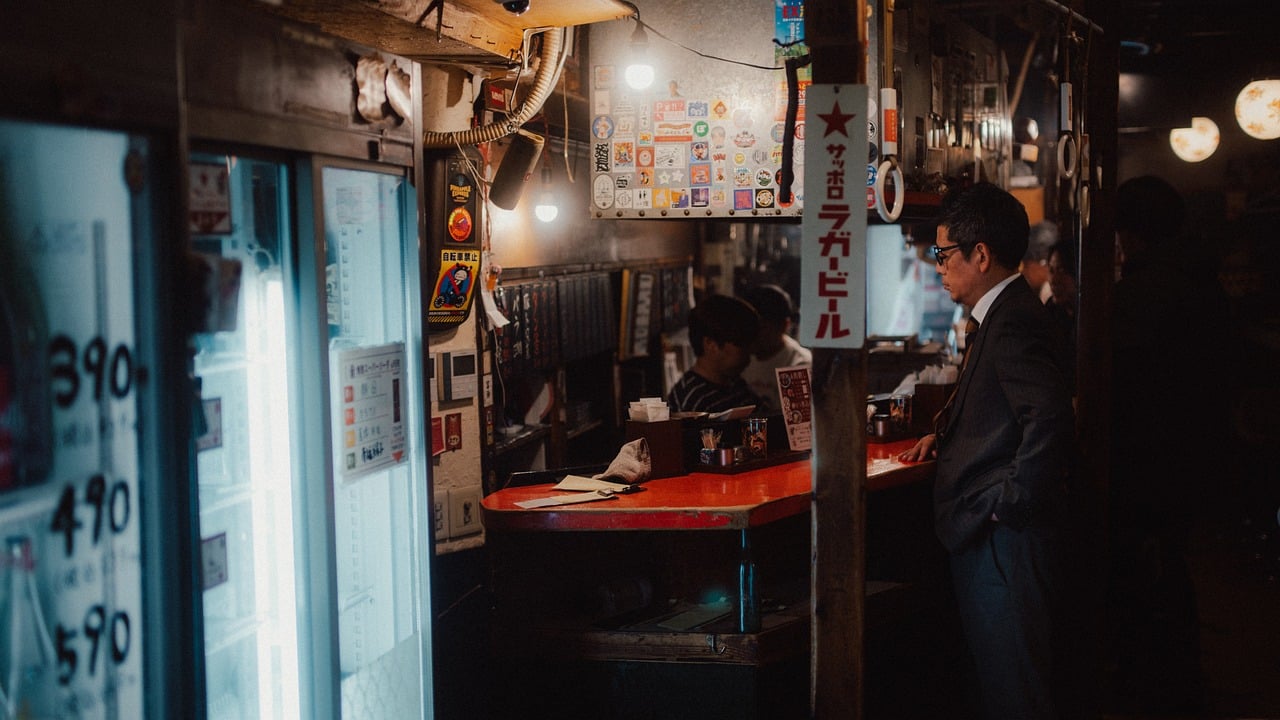
Golden Gai drink price and cover charge foreigner etiquette in Tokyo Japan
Golden Gai drink price and cover charge foreigner etiquette in Tokyo Japan is where many travellers feel a flicker of uncertainty, so let’s make it reassuringly clear. Many venues charge a cover charge of around 500–1000 yen, and some have a drink minimum; occasionally you’ll see wording like cover fee on the sign. Think of it as a small fee that protects the experience—space, a snack, and the service that keeps a tiny room running smoothly.
Prices vary because each bar is essentially a curated room, not a mass-market venue. In exchange, you get a high-touch experience: you’re close to the conversation, close to the craft, and close to the small rituals that make Japanese culture feel lived-in rather than performed.
Foreigner doorway checklist before you step inside
Golden Gai rewards quick observation. Before you enter, take five seconds to read the signs and scan the room; it’s an easy way to show trust and respect, and it helps you avoid awkwardness for both you and the patron already inside.
- Capacity: if there’s no visible seat, don’t squeeze in—smile and move on.
- Notes: some doors are members-only; treat it as a boundary, not a judgement.
- Pricing: look for the charge a cover notice, and decide if the value fits your evening.
- Language: if a sign mentions support for visitors, it’s often more welcoming for a tourist.
Five-seat bar manners that build confidence quickly
Inside a five-seat room, etiquette is a form of care. Keep voices modest, ask before photos, and remember tipping isn’t customary; also be mindful of bags so you don’t block the narrow passage. If you’re unsure, a single line in english can be enough, followed by a gentle pause that lets the room respond.
A solo traveller once told me that one respectful phrase in Japanese was all it took: a greeting, a small bow, and a simple request for a drink. The bartender softened, then a local regular asked where they were from, and soon the conversation unfolded naturally—an unexpected friendship born from quiet manners rather than big gestures.
Golden Gai bar Tokyo Shinjuku live music jazz and themed nights
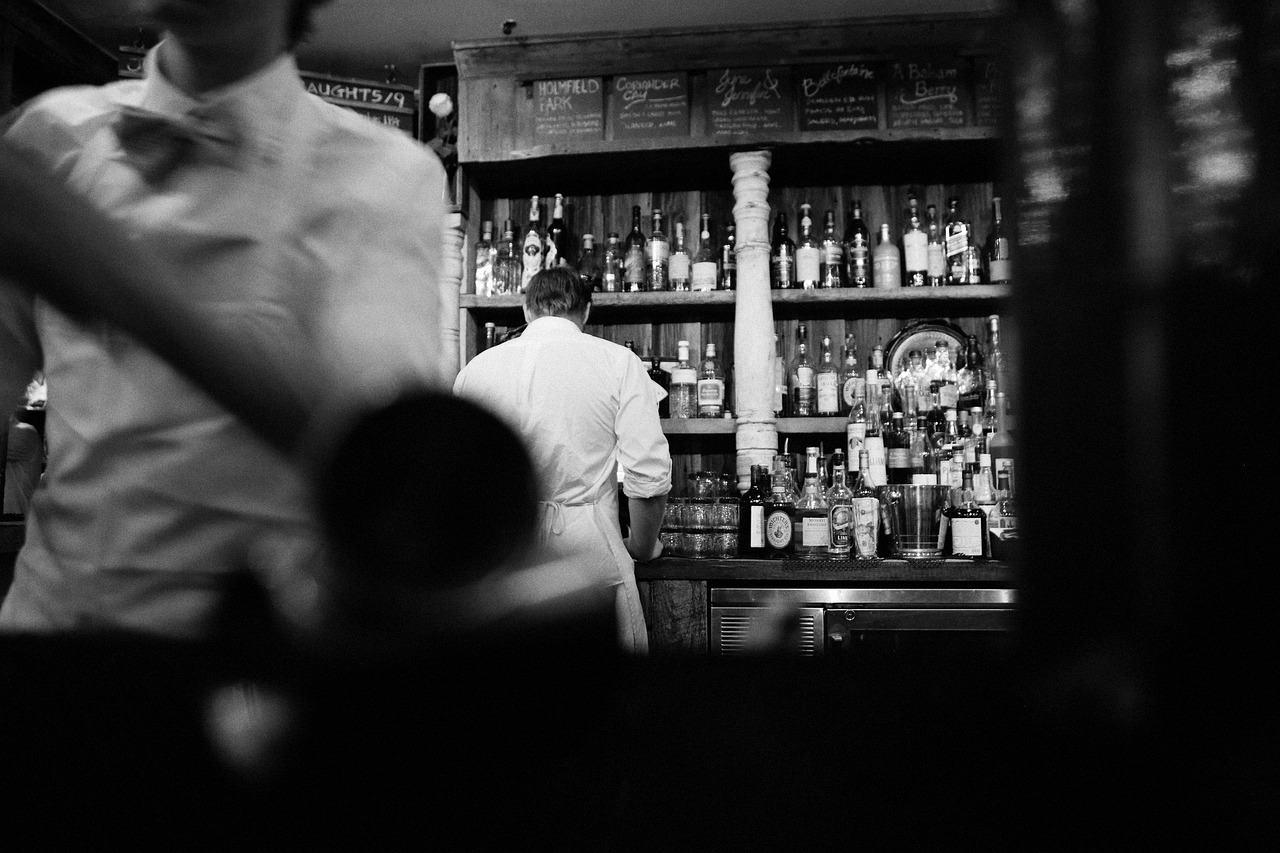
Golden Gai bar Tokyo Shinjuku live music jazz and themed nights
Golden Gai bar Tokyo Shinjuku live music jazz themed nights are where the neighbourhood’s creativity becomes tangible. This is the part of Tokyo that encourages you to explore without needing to perform your knowledge—just show up with curiosity and let the doors guide you. Even the staircases feel like invitations to uncover a new scene.
Iconic bars in Golden Gai and how they feel inside
If you want a few names to anchor your wander, start with Albatross, famous for bizarre memorabilia and design details that feel like a curated cabinet of curiosities. Then try Bar Darling, known for a welcoming vibe that helps newcomers settle in; it’s one of those places where the room seems to support conversation rather than drown it out. In a neighbourhood with many bars, these two offer distinct emotional textures while still feeling unmistakably Golden Gai.
Themed nights, artwork, and the creative undercurrent
Look beyond the counter and you’ll notice tiny galleries, micro-theatres, and references to film tucked into corners—posters, flyers, and little pieces of artwork that feel personal rather than commercial. It’s easy to see why an artist might draw inspiration from the gritty nostalgia here, especially when Shinjuku’s modern skyline is only minutes away. If you’re hoping for themed experiences—jazz corners, karaoke backrooms, or special nights—ask simply, then let the answer be whatever the venue offers.
One group of adventure seekers described the thrill of moving together from one cramped room to the next, each bar offering a different pour and a different story. Another couple returned for an anniversary, revisiting familiar doorways from years ago; they said Golden Gai felt timeless yet alive, as if the neighbourhood had been carefully crafted to hold memories without freezing in time. Moments like these are why “bars in golden gai” can mean far more than nightlife—it can feel like a small cultural museum that’s still breathing.
Leaving Golden Gai Tokyo Shinjuku with personal memories and local connection
Golden Gai Tokyo Shinjuku personal memories local connection in Japan often arrive as you leave, not while you’re still inside. You step back into the city’s neon, and the contrast lands softly—the noise, the movement, the sense of Tokyo re-expanding around you. Yet something in you stays quiet, as if you’ve been let in on a smaller truth.
What lingers is rarely the drink itself. It’s the brief exchange with a bartender who watched the room with expert ease, the gentle nod from a regular as you made space at the doorway, the feeling that trust can be earned quickly through small courtesies. For a foreigner, that welcome can feel surprisingly personal: not a performance of hospitality, but a shared agreement to treat the night with respect.
Golden Gai leaves an insight that high-end travellers often recognise instantly: the most meaningful luxury can be intimacy. Not the kind you buy, but the kind you’re invited into—created through scale, etiquette, and the warmth of people who keep showing up for each other. When you next find yourself drawn towards an unremarkable alley, you may notice your curiosity feels calmer now, and your sense of belonging arrives a little more naturally.
F.A.Qs: Golden Gai Tokyo Shinjuku bar travel help
Is Golden Gai Tokyo worth visiting?
Yes, if you value intimate spaces and cultural texture. Golden Gai offers micro-bars with Showa-era character, where you can connect with locals, creatives, and the rhythm of Tokyo nightlife in a way big venues rarely allow.
Is Golden Gai a tourist trap?
It can feel touristy on busy nights, but it isn’t a trap by nature. Many bars are long-running, community-led places with regulars, and respectful visitors are often welcomed—especially if you accept cover charges and follow the room’s etiquette.
What time should you go to Golden Gai?
Go in the evening, ideally earlier if you want a seat and a calmer start. Later on, the lanes fill and the mood becomes louder, which can be fun—but the smallest venues may be full more often.
Does Golden Gai allow foreigners?
Many places do, and some are especially welcoming. A few bars are members-only or prefer regulars, so it helps to read signs, stay polite, and move on gracefully if a door isn’t the right fit.