Gorges du Verdon, France basics: why this Verdon Gorge in Provence feels so sublime
Gorges du Verdon, France basics: why this Verdon Gorge in Provence feels so sublime
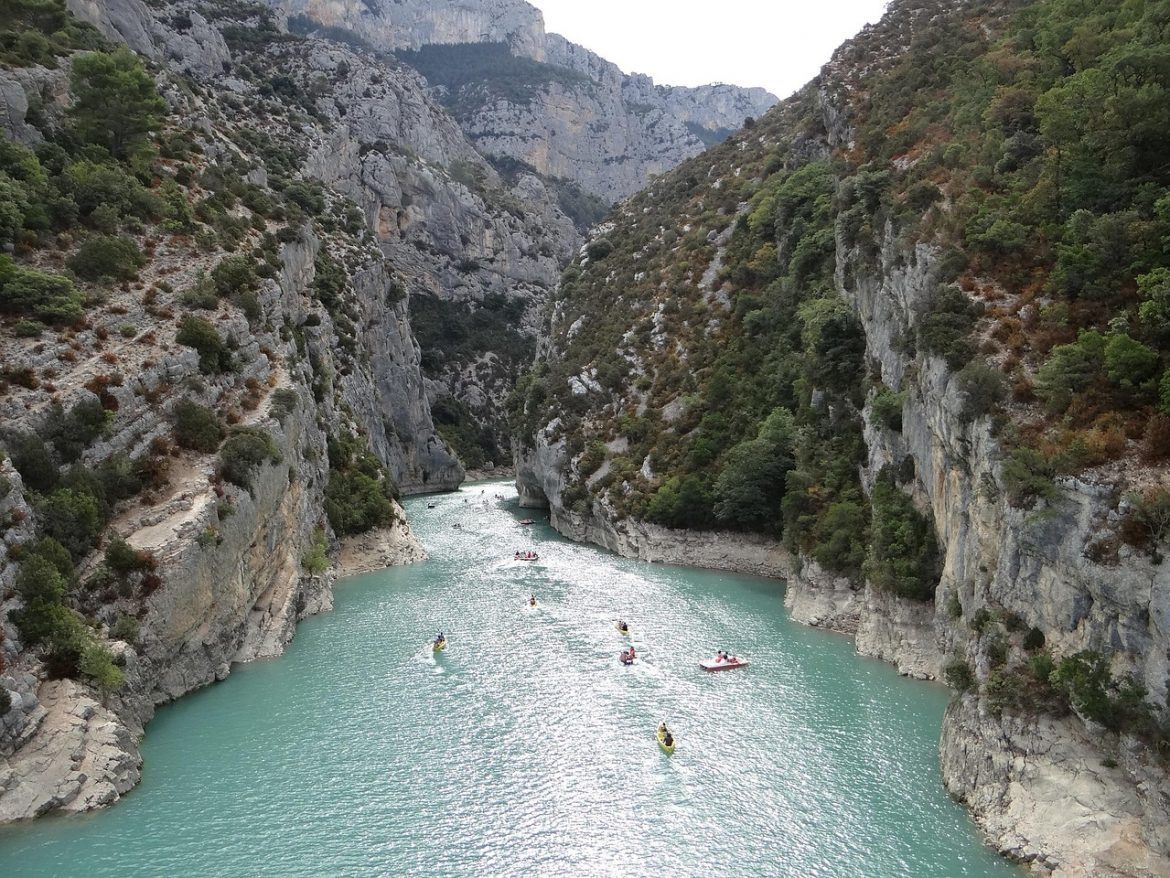
If you’re looking for a gorge overview with context and calm guidance, begin with the feeling: the gorges du Verdon are vast, quiet, and strangely intimate. In gorges du verdon France, the canyon reads like a softer grand canyon—still one of the most beautiful natural wonders of Provence—scented with thyme, pine, and sun-warmed stone. On bright days, the cliff faces glow, and the water far below can look almost turquoise, creating a breathtaking contrast of light and depth in southern France.
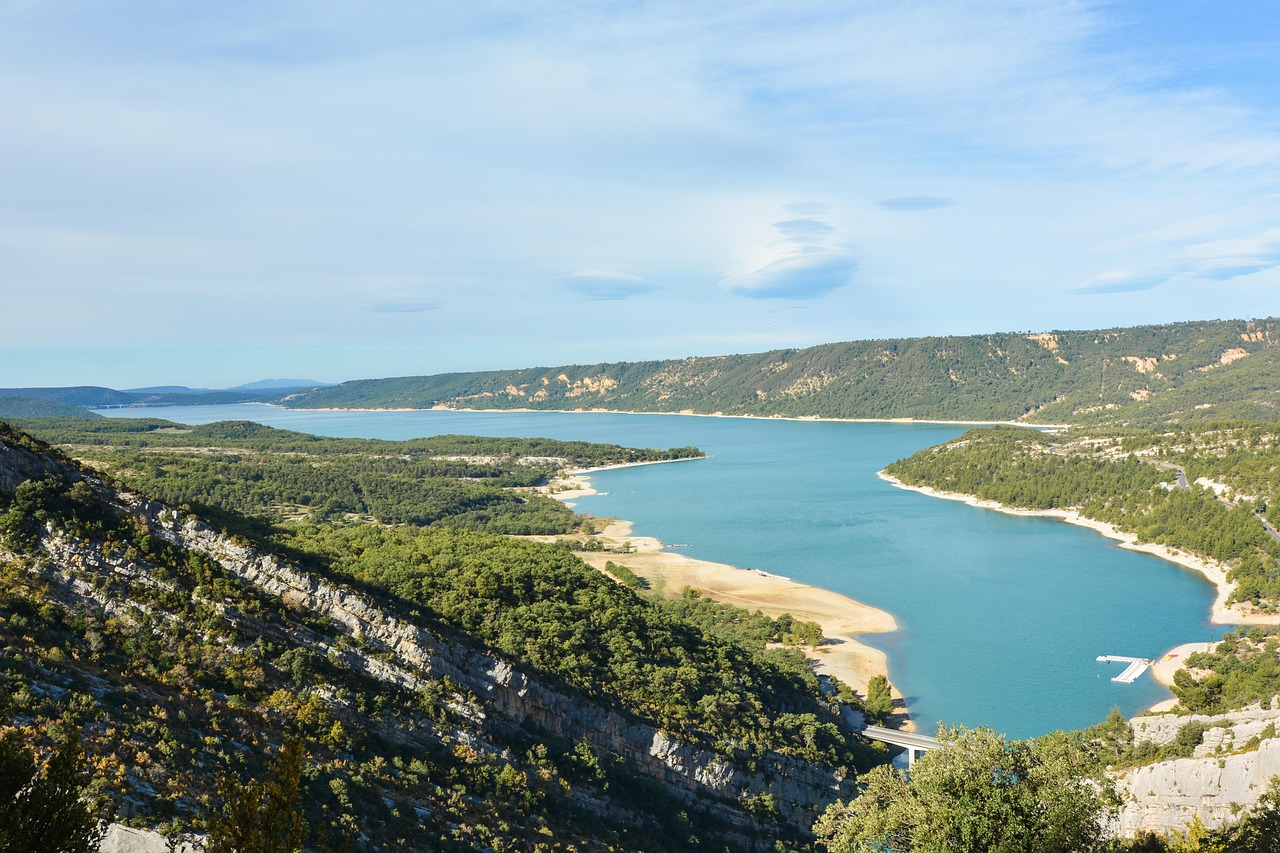
Geographically, the Gorges du Verdon lie within the Verdon Regional Nature Park, straddling the border between the Alpes-de-Haute-Provence and the Var. That border matters for planning because viewpoints, villages, and road access change on both sides of the gorge. This is the information about the region that makes everything else click: you’re in a protected park with free entry, but conditions can shift quickly depending on wind, season, and traffic.
Verdon Regional Nature Park: key zones of the gorge, from canyon rim to lake
Locals often explain the Gorges du Verdon with a few simple mental maps. There’s the high-drama rim around the canyon viewpoints—where you look down into Europe’s largest canyon and understand why it’s described as one of the most beautiful and the largest canyon in France and Europe. There are the lower gorges, where the waterway widens and feels gentler, and the approach from Castillon down towards Sainte-Croix, where the gorge opens into a brighter, more playful palette.
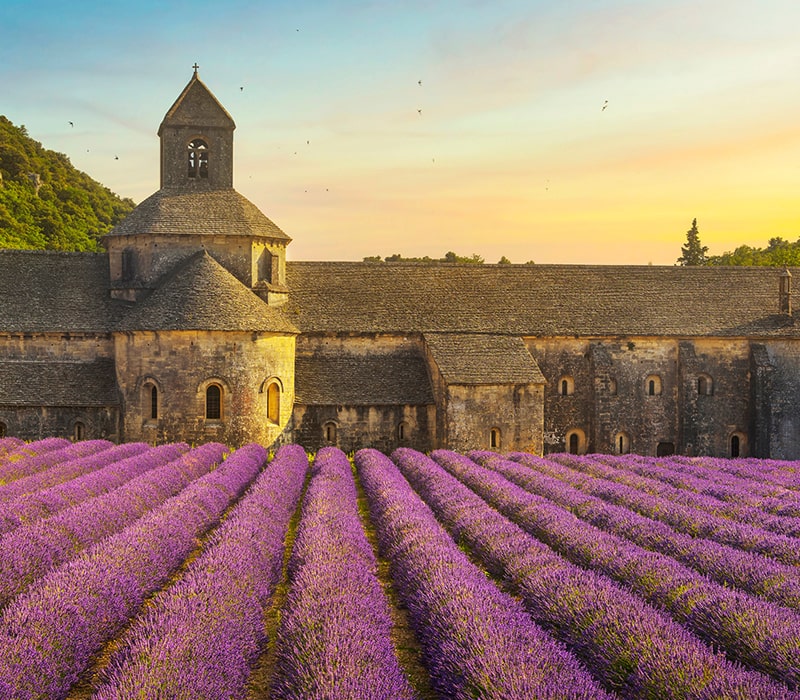
You’ll also see the name written in different ways on signs and maps—sometimes as gorges de verdon—so don’t let spelling variations throw you off as you navigate. As you move between zones, the landscape shifts by altitude and exposure: one bend feels almost alpine, the next unmistakably Mediterranean. In early summer, the lavender fields of Provence on the Valensole plateau (even a single nearby lavender field) can perfume the drive in and turn the journey itself into part of the experience.
Planning your visit: safety, weather shifts, and timing around the canyon
The Gorges du Verdon reward confidence, but they also deserve care. Wind can funnel through the gorge, making the Verdon River feel choppy; heat intensifies quickly on exposed roads and paths; and water levels can change near lake access points. None of this should create anxiety—just a sense of respectful preparation around the canyon.
My reassurance is simple: keep a flexible plan, check forecasts before committing to a long hike, and build in generous timing (the time to visit varies by light and season). When you do, you can discover the Gorges du Verdon in a way that feels crafted rather than rushed—high-end in spirit, even when the experience is gloriously raw.
Visit the Gorges du Verdon by car: road trip itinerary from Nice, Marseille & Aix-en-Provence
Visit the Gorges du Verdon by car: road trip itinerary from Nice, Marseille & Aix-en-Provence
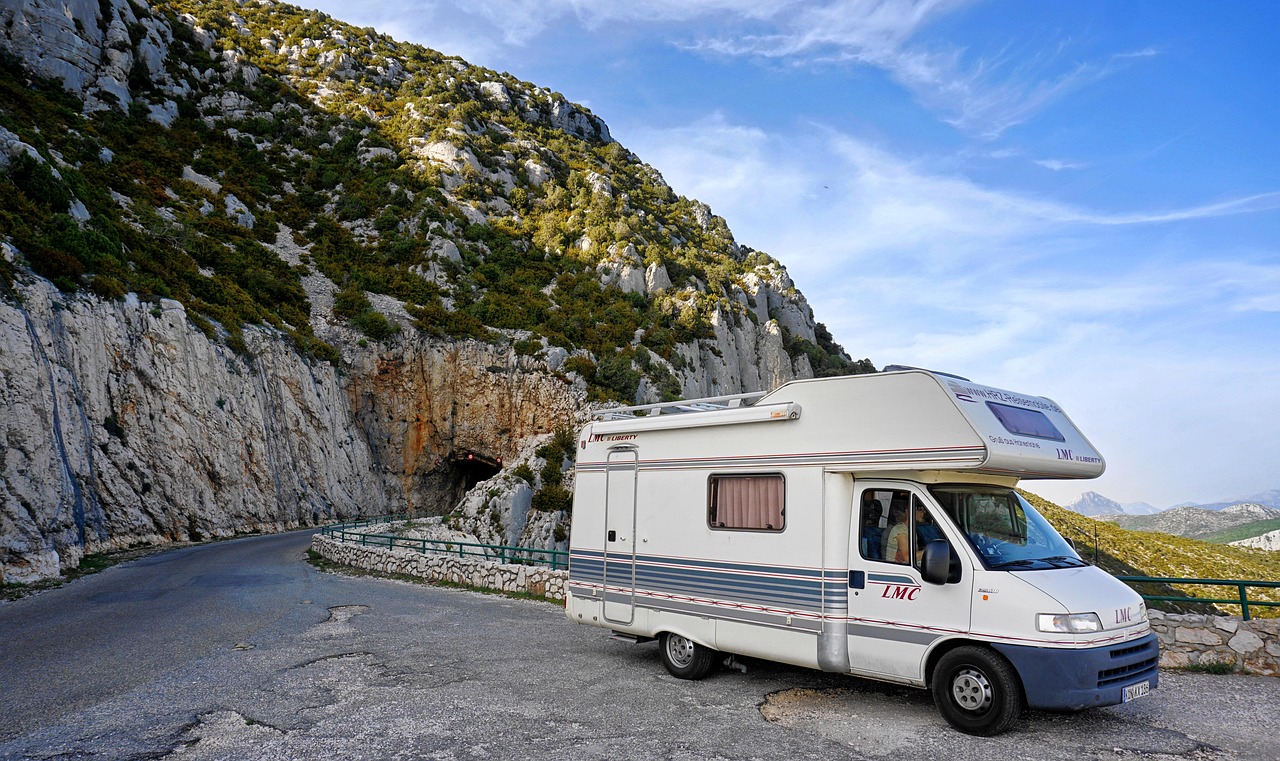
If you’re planning a self-drive road trip into this canyon, the golden rule is rhythm: travel in, settle, then explore in layers. Most high-end travellers fly into Marseille or Nice, then lean into renting a car for the final 2–3 hour drive. If you have time, Cannes and the French Riviera make an elegant add-on before you trade sea-glitter for gorge depth in the south of France.
This is the one moment I’ll say it plainly: driving the Gorges du Verdon makes the whole region feel seamless. For many travellers, doing the Verdon by car means you can design each day around light—stopping where the gorge calls you, rather than where a timetable insists.
Long-weekend driving plan with km distances (Castellane, La Palud-sur-Verdon, Moustiers)
Here’s a flexible, calm-flow plan that links Castellane, the village of La Palud-sur-Véronne, and Moustiers-Sainte-Marie—three bases that each reveal a different side of the Gorges du Verdon. Distances vary slightly by route, but these figures keep planning grounded and realistic.
- Day 1: Arrive Nice → Castellane (approx. 90–110 km). Settle in, take a gentle evening stroll, and go to bed early.
- Day 2: Castellane → La Palud-sur-Verdon (approx. 25–35 km). Drive key rim viewpoints in soft morning light, then linger on a terrace for a slow lunch.
- Day 3: La Palud-sur-Verdon → Moustiers-Sainte-Marie (approx. 40–55 km). Browse ateliers, then head to the Lake of Sainte-Croix for water time.
- Day 4: Moustiers-Sainte-Marie → Nice or Marseille (often 130–180 km). Add a detour via Aiguines, Quinson, Esparron-de-Verdon, or Castellane if you want one last, quieter pause.
That final note matters: Quinson can feel like a softer edge of the area, while Aiguines delivers classic lake viewpoints and great views with minimal effort. Both add a cultural thread to the gorge’s raw scale, especially if you’re balancing scenery with slow travel.
Driving essentials on the D952 & Route des Crêtes scenic loop (right bank)
On the practical side, the D952 (d952) is a key artery along parts of the gorge; it’s scenic and generally straightforward, but can feel narrow in places. Parking near trailheads fills quickly in peak season, so early starts buy you comfort—especially around popular lookout areas near the canyon rim.
The Route des Crêtes scenic loop is the drive many visitors remember most: a dramatic ring of viewpoints along the rim, with short stops that feel curated by the landscape itself. Choose the right bank for a particular style of drama—sheer drops and long lines of sight—then don’t miss a lookout such as Point Sublime when the light is gentler, and the canyon looks almost painted.
Day trip or overnight? A day trip can work from Aix-en-Provence, but overnight stays uncover stillness—early morning silence, uncrowded bends in the road, and the sense that the gorge is letting you in. For more inspiration to create a broader Provence journey, you can browse our Trip gallery and imagine pairing the gorge with vineyard stays or the lavender fields of Provence.
Turquoise water adventures on the Verdon River: Lake of Sainte-Croix, Pont du Galetas Bridge & paddleboard
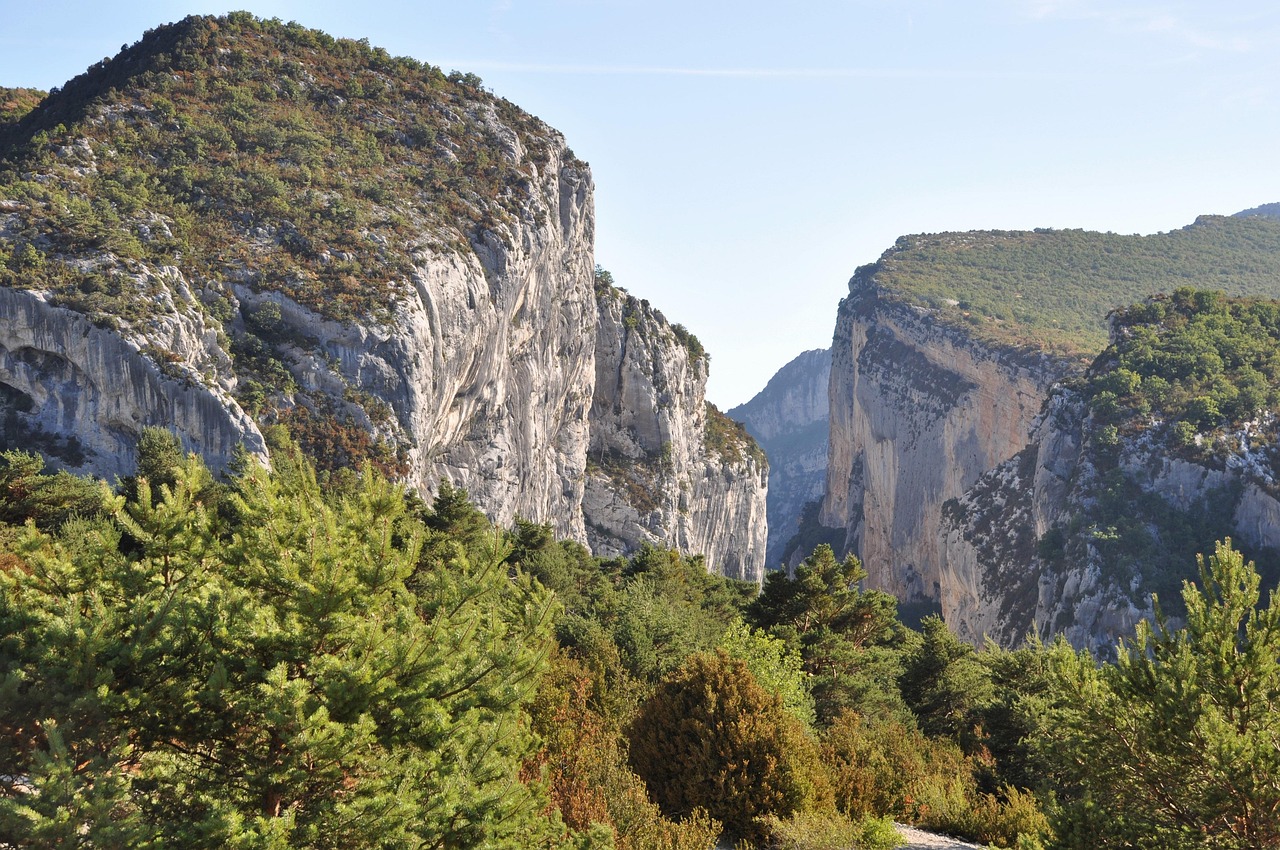
Turquoise water adventures on the Verdon River: Lake of Sainte-Croix, Pont du Galetas Bridge & paddleboard
For anyone planning water time on the Verdon River, the heart of it is wonderfully simple: you’re floating into the mouth of the Gorges du Verdon, and the cliffs rise like theatre curtains. The easiest launch is Lac de Sainte-Croix, with classic access at the Pont du Galetas bridge—an ideal spot to rent a kayak or simply start paddling into the canyon. In bright sun, the turquoise water can shift into a layered blue hue—deeper teal in shade, milky aqua where the lake turns shallow.
One traveller told me about paddling here in late afternoon, when the gorge cooled, and the air softened. They described the exhilaration of gliding under towering walls, feeling completely immersed—small in the best way, but safe, held by the stillness around them.
Where to launch near Sainte-Croix: rentals, parking, and timing
For a high-end experience, it’s less about luxury equipment and more about ease. In peak summer, booking ahead protects your time—especially if you want specific start slots or a longer rental. Many hire points near the port area can sort you out quickly, but the calmest days are the ones you’ve designed with a little foresight.
- Easy aquatic paddle: calm lake edges and a gentle entry into the gorge, ideal for first-timers.
- Kayaking and paddleboarding: the signature way to explore the canyon mouth at your own pace.
- Short raft experience: often guided, a lively option when you want shared energy and an expert eye.
- Bateau rental: a relaxed alternative if you’d rather drift and photograph than work for distance.
A few of these can be arranged on the day, but summer weekends can sell out. If your schedule is tight, pre-booking is the most seamless choice.
Safety, comfort, and supporting local life in the gorge
Water time in the Gorges du Verdon is joyful, but it’s also exposed. Pack sunscreen, plenty of water, and insect repellent; then add wind awareness, because gusts can change your return paddle and tire you faster than expected. If conditions shift, trust your instincts and shorten your route—there’s no need to “push on” to make the day count.
Keep the culture close by supporting local hire shops and cafés. A simple coffee and a chat can anchor the day: you’re not only passing through the gorge, but you’re also travelling together with the local community that keeps access possible.
Hike the Sentier Blanc-Martel (Martel Trail) in Verdon Gorge: Point Sublime to La Maline
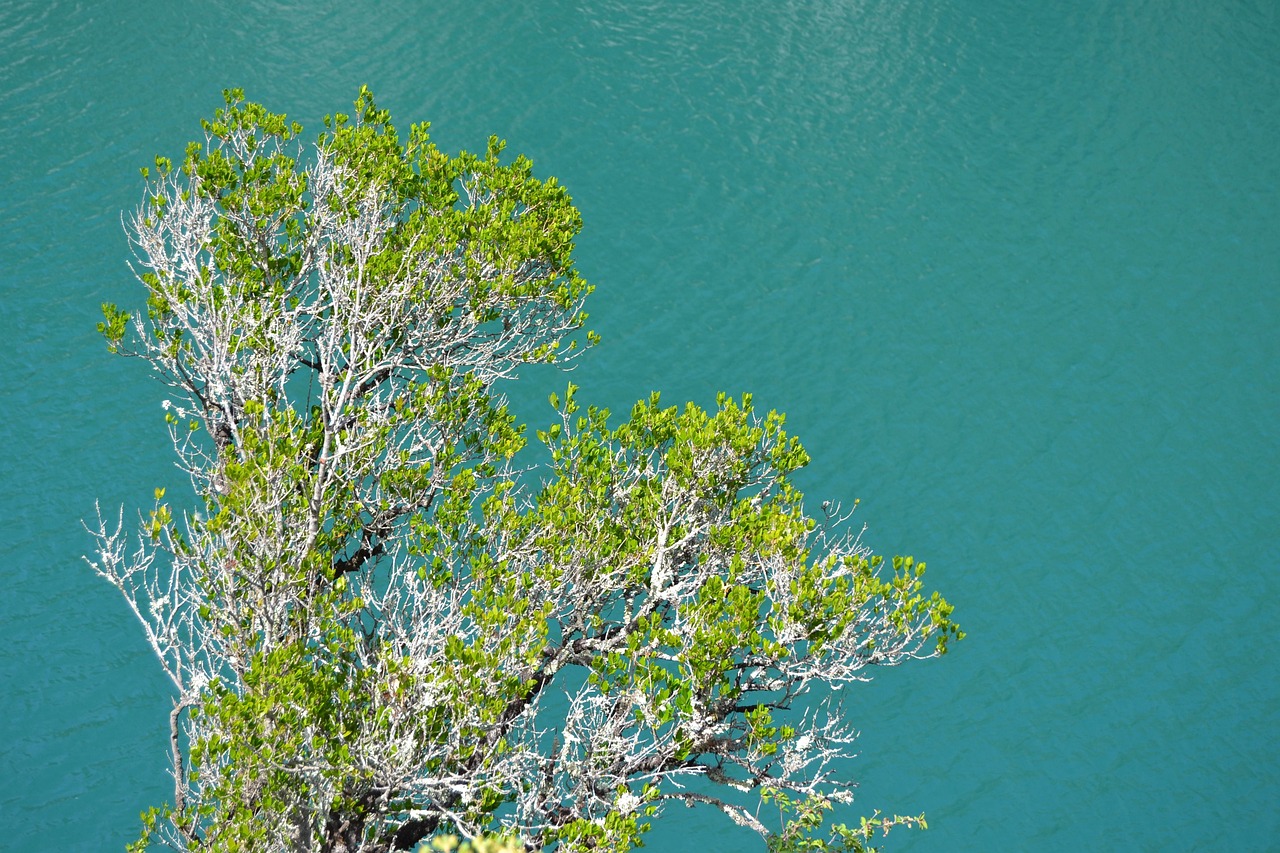
Hike the Sentier Blanc-Martel in Verdon Gorge: a classic point-to-point day
If your goal is to hike the Sentier Blanc-Martel in the Verdon Gorge, you’re choosing the classic line through the Gorges du Verdon. The Sentier Blanc-Martel is named after Alfred Martel, and it’s often walked as a one-way route between Point Sublime and the final descent to your pickup point. That point-to-point logic is part of what makes it feel like a journey rather than a loop: you move through the gorge’s moods, and the scenery unfolds in chapters.
This is a must-see for Adventure Seekers, but it also suits the culturally curious. You start noticing small details—how steps are set, how tunnels were carved, and how the route is “designed” by necessity and care.
Spectacular views, tunnels, and the living texture of the canyon
The trail delivers panoramic vistas without constant exposure, but it does demand attention. You’ll pass through tunnels, trace pale rock walls, and see how flora and fauna shift with shade and moisture. In quieter corners, the gorge can surprise you with a cool ribbon of water or a hidden cascade that turns the air silky for a moment.
One adventurer shared how the day tested their endurance—particularly in warmer stretches—yet rewarded them with unforgettable moments of silence beside small waterfalls. It’s that “earned calm” that stays with you: the moment the path finally opens, and the canyon feels less like a challenge and more like a conversation.
Practical care, best time to visit, and optional Imbut angles
Footwear matters here: sturdy shoes with grip, not fashion trainers. Carry more water than you think you need, and check the weather before you commit. The best time to visit is late spring to early autumn, when daylight is long, and footing is typically drier—though summer heat still demands respect.
- Timing: Start early to avoid the heat and finish with time to spare.
- Hydration: Plan steady sipping, not rescue gulps at the end.
- Weather: Storms can change the gorge quickly; postpone if the forecast looks unstable.
- Transfers: As it’s often one-way, organise car shuttles or taxis in advance.
For confident explorers, Imbut is a name you’ll hear—the more committing, wilder-feeling sections where the gorge narrows, and the atmosphere deepens. If you’re unsure, choosing a guided option can add expert reassurance and keep the day feeling supported rather than stressful.
Rock climbing in Verdon Gorge near La Palud-sur-Verdon: limestone cliffs and classic lines
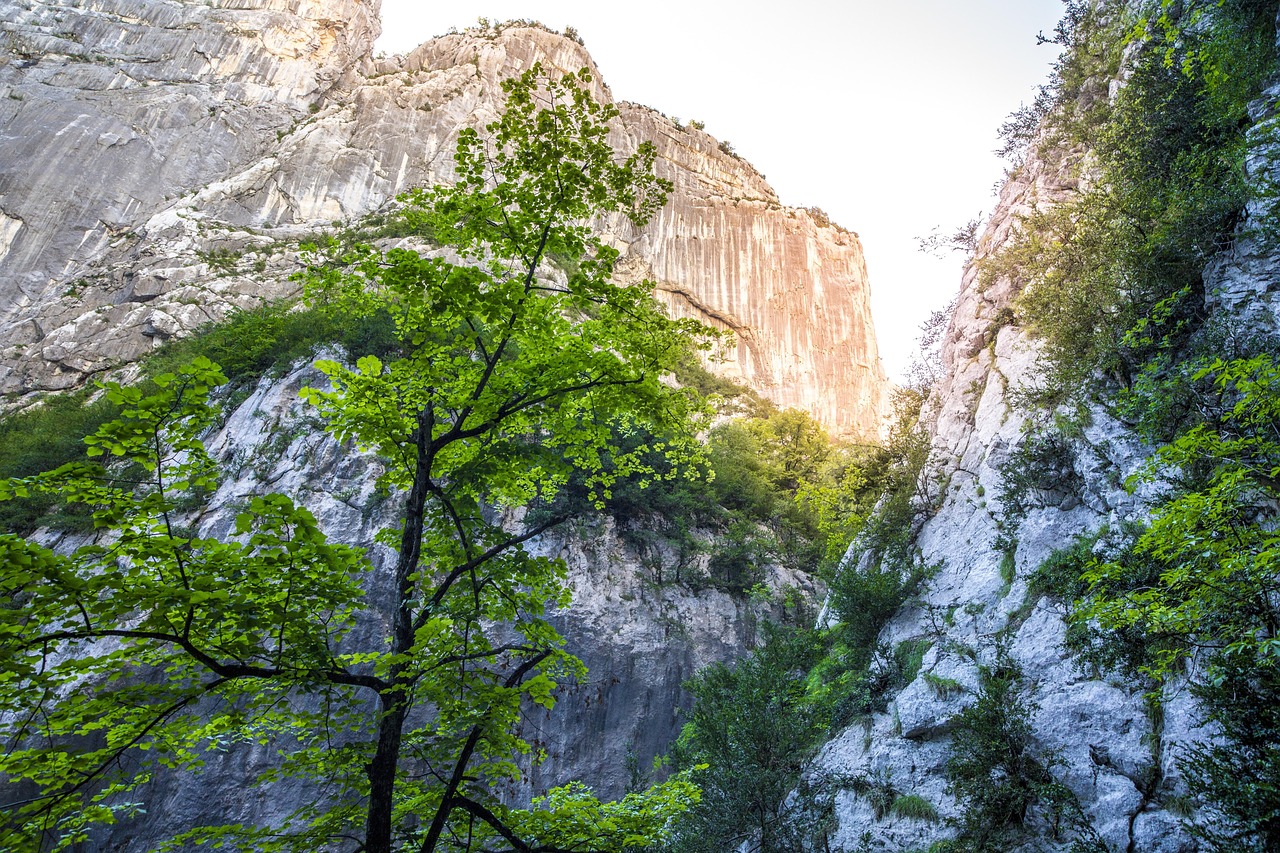
Rock climbing in Verdon Gorge near La Palud-sur-Verdon: classic lines above the canyon
If you’re researching rock climbing in the Verdon Gorge near La Palud-sur-Verdon, you’re already tuned to the area’s reputation: serious walls, clean lines, and a community that feels surprisingly warm. Around the village, the climbing culture gathers in cafés, gear shops, and quiet lay-bys where people compare notes before heading along the canyon.
The Gorges du Verdon are famous for steep, technical faces, but the energy isn’t exclusive. With the right guide, beginners can try safe, confidence-building routes, while experienced climbers can uncover longer, more technical lines that feel almost architectural in their precision.
Routes for every level: when a guide adds confidence and safety
For newcomers, the most important “luxury” is guidance. A good instructor keeps you within your limits, manages safety systems, and lets you enjoy the cliff experience without mental overload. For experienced climbers, local knowledge still matters—weather, rock conditions, and approach paths can make or break a day in the gorge.
Climbers often speak about the thrill of topping out after a demanding pitch, then turning to see the gorge fall away beneath them. Just as often, they mention the human side: the bonds forged together, swapping beta and encouragement, and laughing at small mishaps once you’re back on safe ground.
Along the canyon: landmarks like Artuby, pont de soleil, and quiet reference points
To enrich your sense of place, you’ll hear names that anchor the map: Artuby as a nearby point of reference, and landmarks such as the Pont de Soleil that help climbers orient themselves. You might also come across quieter mentions like Chaudanne in local conversation—small cues that you’re moving through France’s lived-in region, not just a postcard.
Leave-no-trace principles are not optional here. Stick to marked approaches, avoid litter, and respect closures. Supporting local guiding services and shops keeps the climbing ecosystem healthy, and it keeps access to this gorge experience viable for the next generation.
F.A.Qs
Is Gorges du Verdon worth visiting?
Yes—especially if you want a gorge that blends dramatic canyon viewpoints with real village life. The Gorges du Verdon offer turquoise water, iconic drives, and places like Moustiers-Sainte-Marie, so your days feel both adventurous and grounded. With early starts and a flexible plan, it can feel calm rather than crowded.
Can you swim in the Gorge du Verdon?
In many areas, yes, especially around the calmer edges of the Lake of Sainte-Croix near designated access points. Conditions vary with wind, water temperature, and local guidance, so avoid swimming where currents, cliffs, or boat traffic make it unsafe. When in doubt, ask local operators on the day.
What to do in the Gorges du Verdon?
Core experiences include paddling into the gorge from the lake, driving the Route des Crêtes for panoramic lookouts, and choosing a classic hike such as the Sentier Blanc-Martel. You can also explore small villages, viewpoint stops, and outdoor sports like climbing—best enjoyed with guides for extra reassurance.
How many days are in the Gorges du Verdon?
Two to three days is ideal for a balanced pace: one day for water time, one for hiking or viewpoints, and one for village culture and quieter drives. A single-day visit is possible, but an overnight stay helps you experience the gorge in softer light and with less rushing.
Afterwards, back in ordinary life, the memory doesn’t shout. It settles. The gorges du verdon leave you with a calmer confidence—proof that you can trust your body, your judgement, and the care you built into the plan. And sometimes, weeks later, you may catch yourself imagining the same Verdon gorge in another season—not to do more, but to feel differently.
What stayed with me after the Gorges du Verdon in Provence, France: scale, stillness, and light
When I think back on the Gorges du Verdon in Provence, what returns first is scale—not in a dramatic, chest-thumping way, but in a quiet recalibration. The gorge makes you feel small beneath its walls, yet strangely steady, as if the landscape has lent you some of its patience. In the deepest gorges, sound changes too; it’s softer, less cluttered, and your thoughts follow suit.
There’s a particular kind of stillness you carry out of the Gorges du Verdon. It isn’t emptiness; it’s spaciousness. It’s the sense that you can move through big places—through the canyon’s immensity, through effort, through uncertainty—and remain intact.
Later, in the village of Moustiers-Sainte-Marie, that steadiness found a cultural echo. A couple once described to me how they discovered local artisan pottery after a day of adventure, and how the gentle attention of the craft—glaze, curve, weight—helped them connect with the heart of Provence. That’s the secret gift of Provence: wildness and tenderness exist side by side, from the rock to the human hand—traditional provençal in spirit, but never staged.
And then, as so many people tell it, there was the Route des Crêtes at dusk. Not the rush of “one more viewpoint”, but the slow glide of a sunset drive—pink-hued skies, a final lookout, and the gorge below turning from spectacle into silhouette. Nothing asked anything of you in that moment. You simply watched and felt cared for by the light.