Japan Korea Trip Itinerary: A Crafted Luxury Route Through South Korea, Seoul, Tokyo, and Kyoto
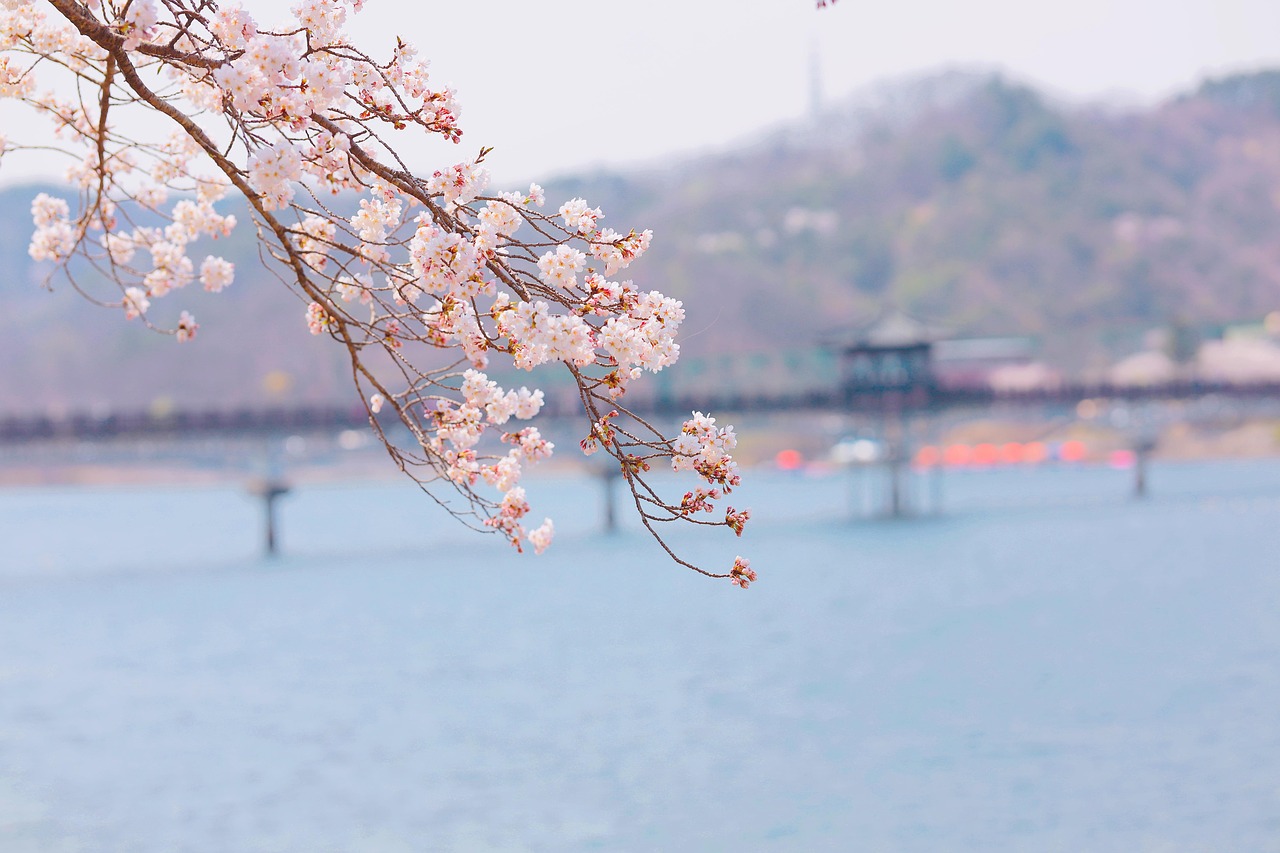
South Korea and Japan in One Crafted Itinerary with cherry blossoms as a luxury travel opening
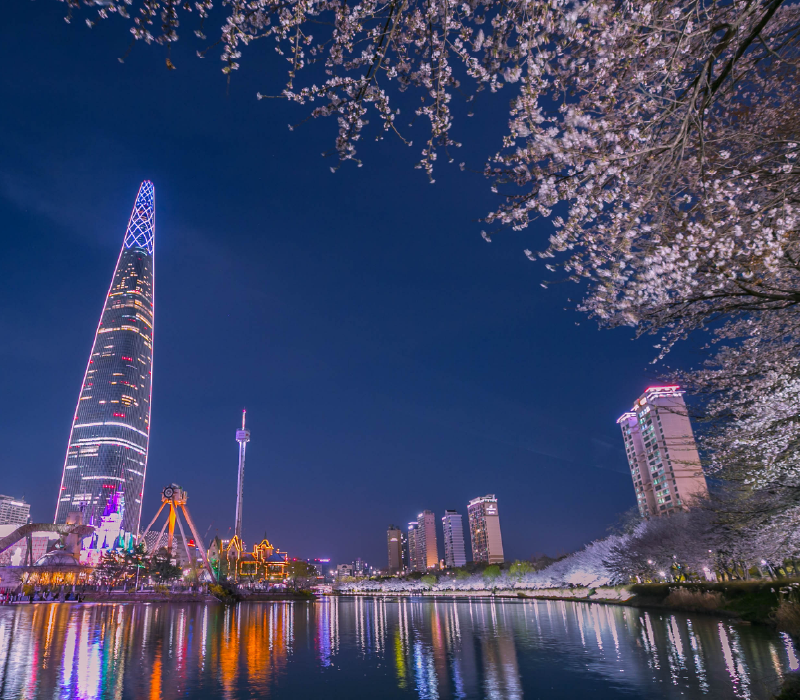
A luxury Japan-Korea trip that begins in South Korea works beautifully when Seoul sets the mood, then Japan adds contrast and cadence. Start in Seoul to settle into the rhythm of South Korea’s capital city—excellent service, modern design, and a reassuring sense of order—before moving on to Tokyo, Kyoto, Osaka, and Hakone, then returning to Seoul (or continuing beyond). With two countries in one journey, the secret is not speed; it’s pacing and quiet support that keep each transition effortless.
A logical route for Japan and South Korea is Seoul → Tokyo → Hakone → Kyoto → Osaka → fly back to Seoul (or extend to Busan). If you prefer fewer hotel changes, you can reverse it: Tokyo → Hakone → Kyoto/Osaka → Seoul. Either way, the goal is the same: curated mornings, unhurried afternoons, and elegant evenings—guided activities and free time that feel balanced rather than over-scheduled.
Itinerary pacing for 10–14 days across South Korea and Japan
Here’s a sample 12-day itinerary designed for high-end travellers who want time to breathe, space for sensory detail, and the confidence that comes with calm logistics:
- Days 1–3 Seoul (South Korea): arrive with an airport meet-and-greet, a gentle orientation, and a refined first dinner. Leave one morning open to explore Seoul on your own—spa time, café wandering, or a short shopping street stroll to ease into local rhythm.
- Days 4–6 Tokyo: choose one signature day for Ginza and Michelin tables, then keep the rest flexible for neighbourhood discovery and design-led galleries.
- Day 7 Hakone: a restorative ryokan night near Lake Ashi with private onsen rituals, thoughtful service, and in-room dining.
- Days 8–10 Kyoto: early temple visits, one private guiding moment, and a calm evening in traditional Japanese lanes.
- Days 11–12 Osaka: a private hanami cruise in spring, plus one outstanding tasting menu before flying onwards.
If you have 14 days, add a South Korea extension to Busan and Gyeongju, then return to Seoul for a final night with lounge access and a relaxed departure.
When to go, plus days prior planning that protect your pace
For most luxury travellers, spring (March–May) brings cherry blossoms and a celebratory mood across Seoul and Osaka, while autumn (September–November) offers colour, softer light, and a quieter tempo in Kyoto. Pricing and crowds can jump in the days before peak bloom forecasts and public holidays, so it’s wise to make key reservations early, then keep the rest of the plan flexible.
Planning style matters. Independent travel gives you freedom, but a discreet tour director can add seamless logistics—airport transfers, luggage forwarding, and last-minute adjustments—without sacrificing intimacy. If you want a reassuring middle ground, choose a light-touch design where your hotels, key dining, flights, and rail are handled, and you keep free time to explore between highlights.
For inspiration as you design your route, browse our Trip gallery and imagine the story you want your days to tell across East Asia.
Tokyo in Style: A Refined Japan Tour from Ginza Luxury Shopping to Michelin Dining
Tokyo Luxury Tour of Tokyo from Ginza to Michelin Tables with Ginza evening lights
A Tokyo Ginza luxury shopping Michelin dining Japan tour is best approached as a refined edit, not a marathon. Tokyo can feel infinite at first, so give it a graceful centre: Ginza for luxury boutiques, immaculate pavements, and reservation-led dining that makes evenings feel composed. This is the kind of Tokyo day where you dress well, walk slowly, and let Tokyo meet you at your pace.
For first-timers, one grounding detail helps: Tokyo is Japan’s capital, and neighbourhood choice shapes everything. Ginza and Marunouchi are polished and convenient; Aoyama feels design-forward; and quieter pockets near a garden can help you sleep deeply between late dinners. If you value calm, choose hotels with excellent soundproofing and a concierge who can map transport like a private tour through Tokyo.
Tour of Tokyo highlights: Ginza, craft, and calm discovery
Start with a late morning coffee, then an intentional loop through Ginza’s flagships and galleries—less “shopping for shopping’s sake”, more discovering craftsmanship. Reserve a counter seat for a seasonal tasting, and keep one hour unassigned so you can step into a bookshop, a ceramics store, or a hidden bar without feeling rushed in Tokyo.
A traveller once described a stay that felt “Michelin three-star”, not because of spectacle, but because the service anticipated needs with quiet care. Their favourite memory wasn’t a landmark; it was returning after dinner to find thoughtful details waiting—pressed clothing, a warm towel, and a note that made the room feel personal. That same sensibility runs through Japan’s kaiseki tradition: attentive timing, exquisite ingredients, and the comforting sense that Tokyo will look after you.
Tokyo etiquette: polished habits and one guided tour for depth
Tokyo rewards subtlety. Speak softly on trains, queue patiently, and offer a respectful bow when you’re greeted. Carry some cash even in luxury districts, as small counters and taxis can still prefer it, and keep evenings calm by building in a reset at your hotel before dinner in Tokyo.
If you want deeper context, choose a single guided tour focused on food, architecture, or design, then release the rest of the day back to your own discovery. In Tokyo, that balance—expert insight, then space—often creates the most memorable luxury.
Kyoto Cultural Heritage: Temple Visits, Shrines, and Tea Ceremonies Done Quietly
Kyoto Temples Tea Ceremonies and Tranquil Cultural Heritage in a serene traditional setting
Kyoto temple tours, private tea ceremonies, and luxury are most powerful when they’re quiet. Kyoto’s atmosphere gives you space to slow down—early morning paths, soft light on wood and stone, and the gentle formality of entering a temple or shrine with confidence. Rather than trying to see everything, design two or three temple visits you can truly feel, and let the rest remain open for wandering.
Local guides often say the real gift of a private visit is not access—it’s tempo. They’ll pause where the crowd moves on, and invite you to notice details: the sound of gravel underfoot, the angle of a roofline, and the way a shrine gate frames the sky. Those small moments create a deeper relationship with cultural heritage because you’re not just travelling; you’re simply present in Kyoto.
Kyoto itinerary ideas for calm mornings at a temple and iconic sites
A classic pairing is the Golden Pavilion in the morning, then a slower walk through neighbouring lanes. Kyoto’s most iconic landmarks sit within a broader UNESCO story, and it helps to visit early, then retreat to a garden café or your hotel lounge before the afternoon crowds arrive.
If you’d like to add one more layer, visit a Buddhist temple with a guide who can share meaning gently rather than academically. You’ll learn about the history through lived stories—how rituals support daily life, how seasons shape decoration—without turning your day into a lecture on history and culture.
Tea ceremonies: simple etiquette and an evening of refined arts
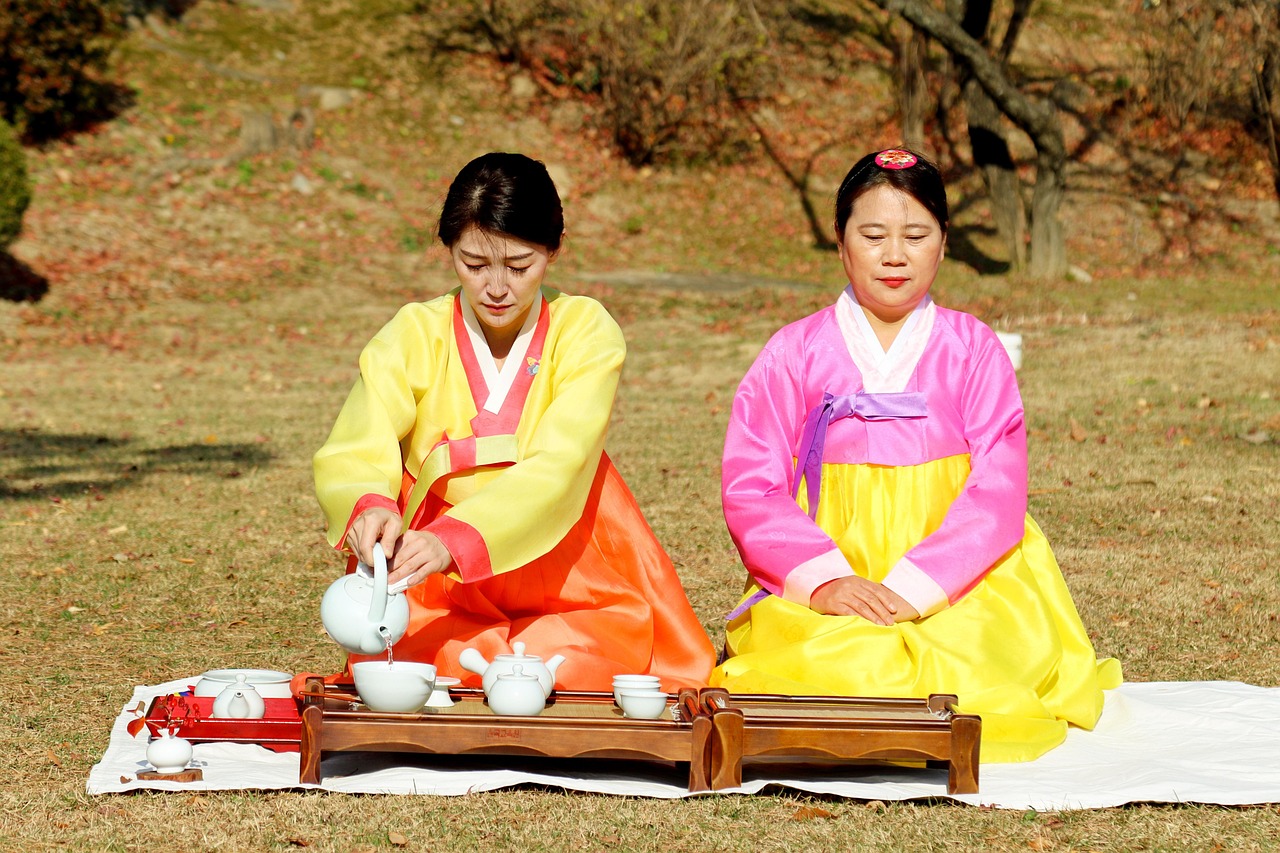
For tea ceremonies, choose a private or small-group setting to relax. The etiquette is simple: arrive on time, follow the host’s cues, and accept the bowl with two hands. You don’t need to overthink it; a calm smile and a willingness to try is more than enough in Kyoto.
In the evening, consider a discreet glimpse of the city’s arts—perhaps a stroll through lantern-lit lanes where you may spot geisha moving between engagements. Keep it respectful: no chasing photos, no loud commentary. In Kyoto, your quietness is part of the elegance.
Osaka in Cherry Blossom Season: Hanami, Fine Dining, and an Unhurried Rhythm
Osaka Hanami and a Private Cruise for Cherry Blossom Season on the Okawa River
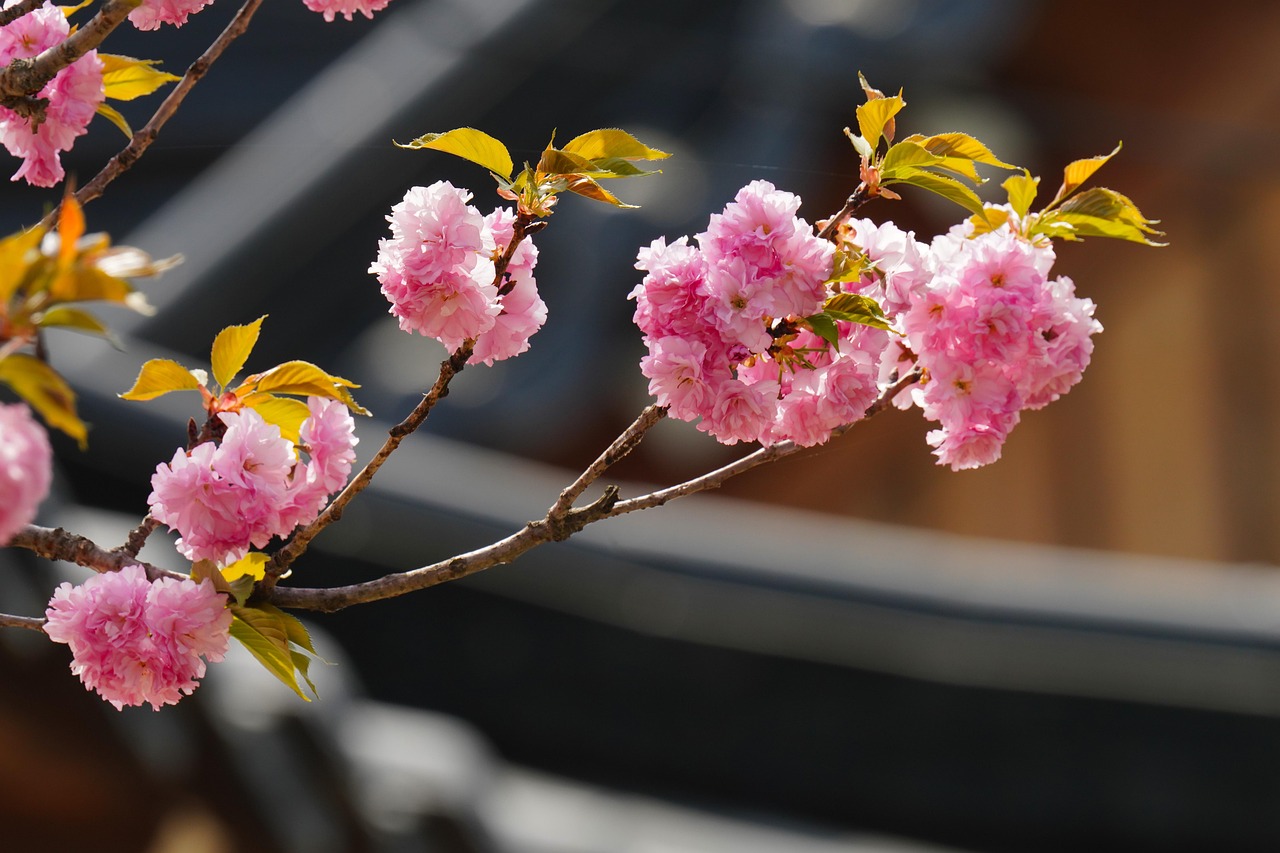
An Osaka private hanami cruise on the Okawa River is the sort of spring moment you’ll remember in fragments: petals on the water, a soft breeze, and a quiet champagne toast under blossoms. A couple once told us their cruise felt “romantic without trying”—no crowds pressing in, just time together and a sense of being gently carried through the season. If you’re travelling for a celebration, this is an experience worth designing around.
Because bloom timing shifts, premium blossom experiences should be booked months ahead where possible, with a plan B held lightly. In the days prior to travel, stay flexible: your concierge can often adjust timing, swap the departure point, or shift you to an alternative viewing river if the forecast moves.
How to sightsee Osaka without rushing (and keep your itinerary light)
Osaka’s energy is part of its charm, but your itinerary should include restorative pauses. Plan one anchor event a day—cruise, tasting menu, or a design-forward hour—and leave the rest open. This is how you sightsee without becoming hurried, even when the city is buzzing.
Pairings that complement a high-end tempo: a pre-cruise wander through curated boutiques, a post-cruise tasting menu that leans seasonal, and a late-night viewpoint that still feels safe and serene. If you’re travelling in spring, you may notice how Seoul’s atmosphere can mirror this poetry—different textures, same feeling—creating a sense of continuity as you move between destinations.
Hakone Ryokan Retreat: Hot Springs, Lake Ashi, and Mount Fuji Natural Beauty
Hakone Ryokan Hot Springs with Mount Fuji Views and a restorative luxury pause
Hakone ryokan with Lake Ashi hot springs and Mount Fuji views is the phrase many travellers search for, but the experience is more intimate than any checklist. Hakone is where you exhale: exclusive ryokan stays, attentive service, and the quiet luxury of a day structured around bathing, resting, and beautifully timed meals. It’s a restorative interlude that makes the pace of Tokyo and Kyoto feel even more vivid.
Lake Ashi offers calm water and gentle horizons, and a simple route keeps logistics effortless. Consider taking a cable car ride if the weather is kind; the panoramic view can be extraordinary, and you can return to stillness without adding extra stops. On rare clear days, Mount Fuji appears like a gift rather than a promise—Fuji at its most understated—and that restraint is part of the natural beauty.
Ryokan manners: quiet rituals, onsen flow, and respectful timing
Ryokan life is designed around quiet. Respect quiet hours, keep conversation soft in corridors, and follow the in-room dining cadence rather than trying to control it. When staff offer guidance—how to wear the yukata, when to enter the onsen—accept it with gratitude, and you’ll feel the trust that makes these stays so special in Hakone.
Seamless onward travel from Hakone towards Tokyo and onward to Seoul
From Hakone, return towards Tokyo for your flight to Seoul with minimal friction. Arrange luggage handling so you travel with a small overnight bag, and ask your concierge to confirm transport steps in writing. When transitions are calm, you arrive in South Korea feeling looked after rather than depleted.
Seoul Luxury Style: Gangnam Spas, Palace Heritage, and South Korean Design
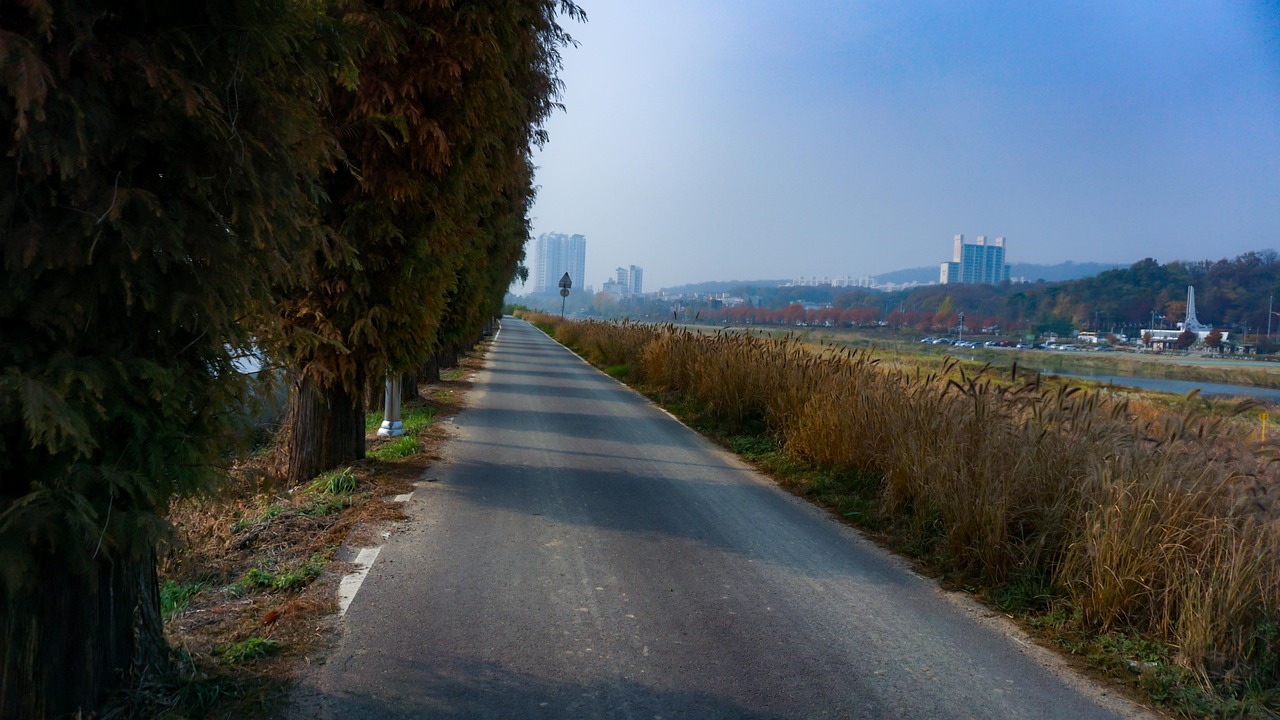
Seoul Style Gangnam Spas and the Palace Heart of South Korea from boutiques to heritage
Seoul’s Gangnam luxury boutiques, spas, and hanbok capture Seoul’s most compelling contrast: modern polish alongside deep roots in South Korea. Start in Gangnam for luxury boutiques and a spa experience that feels genuinely restorative, then shift to the historic core where palace courtyards and tiled rooftops soften the pace. Seoul is a city of design and devotion, and luxury here often means simplicity done exceptionally well.
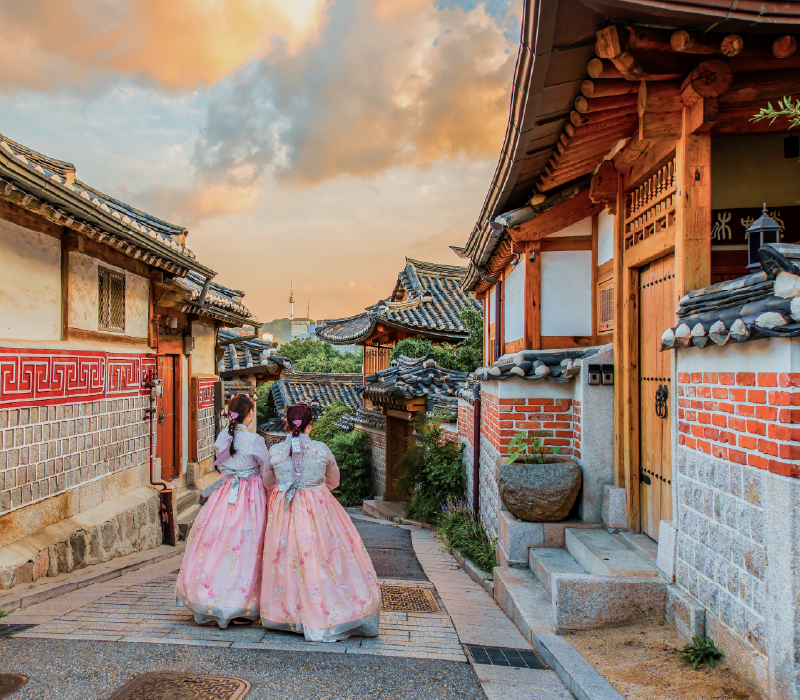
For a special cultural moment, choose a premium hanbok rental for an upscale photo session at Gyeongbokgung Palace. Go early for gentle light and fewer crowds, select styling that feels elegant rather than costume-like, and move respectfully within the palace grounds. The result can feel surprisingly personal—like stepping into a living chapter of South Korea’s story.
Seoul walking tour: Bukchon Hanok Village and a living sense of heritage
An influencer once described her morning in Bukchon Hanok Village as “quietly transformative”. Wearing a hanbok, she joined a royal-inspired tea moment and found herself listening more than speaking—hearing the creak of wood, noticing the slope of tiled roofs, and feeling Seoul’s history as something lived. That kind of experience works best with a light-touch walking tour for orientation, followed by time alone to wander and uncover details at your own pace in Seoul.
One museum anchor in Seoul for context and confidence
If you want a single indoor anchor, choose the National Museum of Korea. It adds depth to everything you see outdoors—so when you return to a palace gate or ceremonial courtyard in Seoul, the symbolism feels clearer. In Seoul, knowledge doesn’t need to be heavy; it can be a gentle support as you explore Seoul.
Beyond Seoul: Busan, Gyeongju, and the DMZ on a South Korea Tour
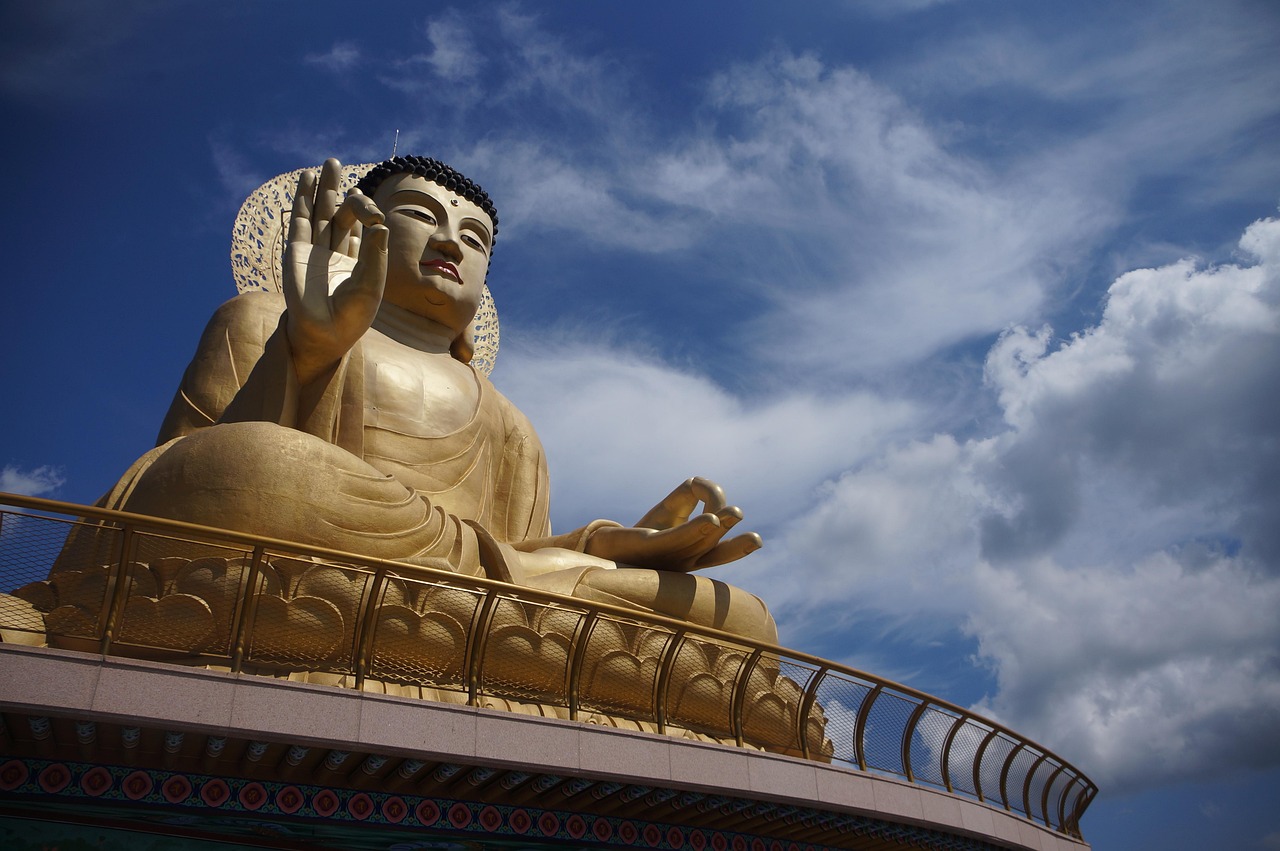
Busan Gyeongju and the DMZ A South Korea Tour Beyond Seoul with coastal and heritage depth
A Busan Gyeongju DMZ extension becomes truly rewarding when you add just two to four days beyond Seoul. Busan brings coastal energy and the Sea of Japan air; Gyeongju adds UNESCO depth; and a DMZ visit offers perspective. Together, they expand South Korea’s story beyond the capital without stretching your comfort.
Movement is easy and premium-friendly. KTX high-speed trains connect Seoul and Busan quickly, which means you can leave Seoul after breakfast and arrive in time for a long lunch. If your schedule is tight or you want extra comfort, a local flight can make sense—especially if you’re pairing Busan with a late return.
Busan flavours and Gyeongju UNESCO World Heritage site moments
Design Busan as an edited afternoon: a guided tasting stop at Jagalchi Fish Market (comfortable, hygienic, and well-managed), then a calmer seaside stroll with space to breathe. With the right guide, even a market visit feels elegant—focused on flavour, not crowds.
In Gyeongju, choose one UNESCO World Heritage site to linger in rather than racing between them. Gyeongju’s cultural heritage is best felt slowly—stone textures, wide skies, and a sense of time that stretches. This is where South Korean history can feel surprisingly intimate.
DMZ visit and the demilitarised zone: learn with sensitivity
A visit to the DMZ should be approached with accuracy and emotional care. The demilitarised zone is not an attraction; it’s a place to learn about the history and reflect on division, including the reality of North Korea, without sensationalism. Choose a reputable operator, listen closely, and allow the experience to be quiet.
For the return to Seoul, book early, aim for lounge access if you’re flying onwards, and leave time for contingencies. Luxury is often just good design: no rushing, no friction, and plenty of support if plans change.
Transport, Etiquette, and a South Korea Package Plan: KTX, Bullet Train, and Smooth Connections
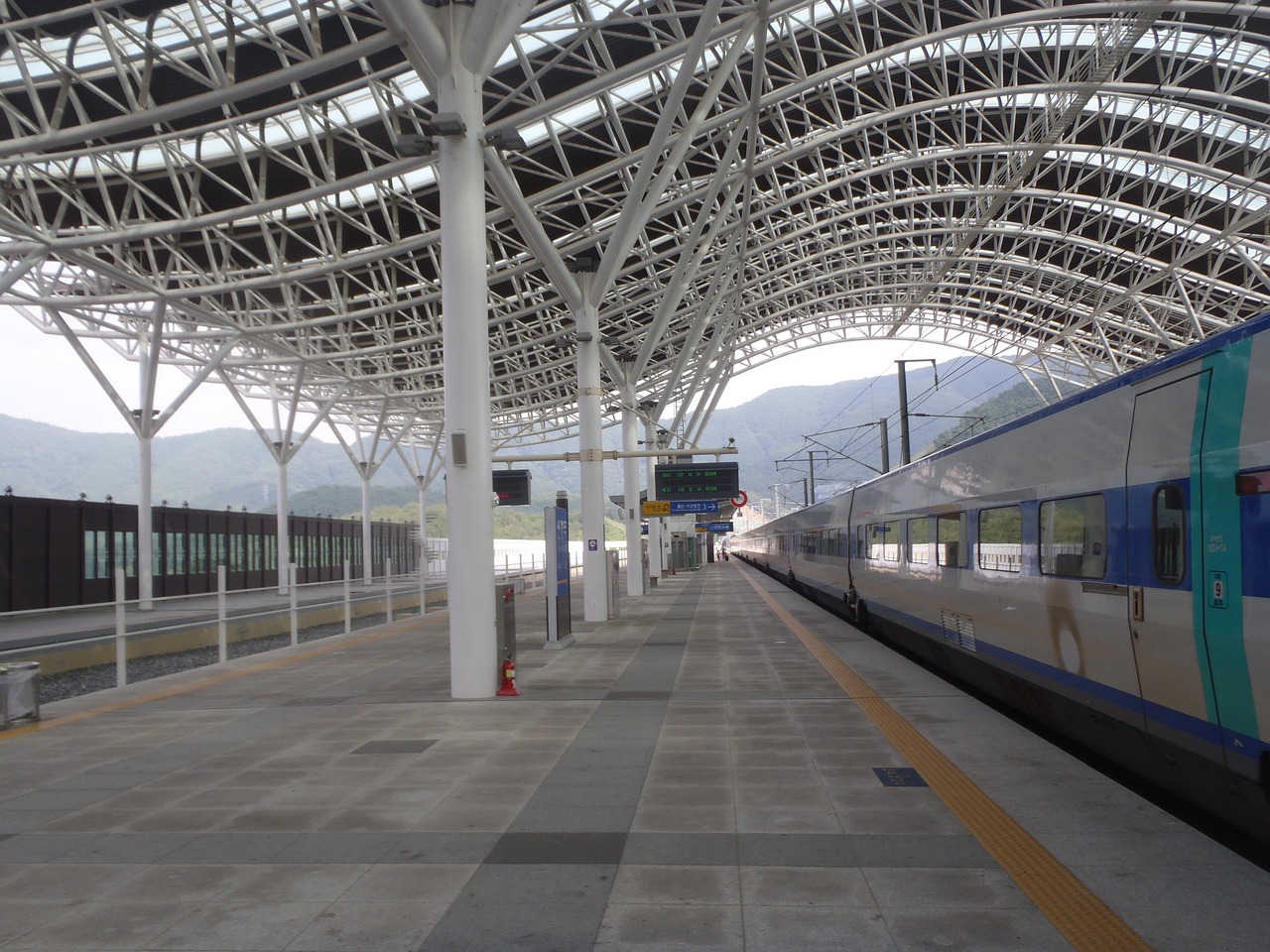
Seamless Transport Etiquette and a South Korea Package Plan with stations and smooth connections
A South Korea package plan is where your journey becomes effortless—especially when you’re pairing Japan’s rail with Korea’s fast connections. In Japan, consider whether the Japan Rail Pass suits your route between Tokyo, Kyoto, and Osaka; in South Korea, KTX bookings make the Seoul-to-Busan route feel quick and calm. The handover between the two—usually a flight—should be designed like a soft landing, with airport services that keep you comfortable from Tokyo to Seoul.
Itinerary logistics: bullet train reservations, rail timing, and airport handovers
If you’re using rail in Japan, reserve seats where possible and travel outside the heaviest commuter windows. A bullet train ride is wonderfully civilised when you know where to stand, how to store luggage, and when to eat (quietly). In South Korea, book KTX first class for extra space, and let your hotel team confirm platform details so you don’t need to second-guess anything.
In the days prior to departure, use a simple checklist: hotel confirmations, dining reservations, ticket screenshots, trip cancellation cover, and one printed page of key addresses in Japanese and Korean. If you prefer, you can tour directly on your mobile while still keeping the human touch—your concierge or travel experts are just a message away when you need reassurance.
Etiquette, confidence, and whether you want a tour director
Small etiquette cues build trust quickly. Bow respectfully, remove shoes indoors, and handle gifts with two hands. A few phrases help too—polite greetings and “thank you” in Japanese and Korean go further than perfect grammar.
Money is the final piece of calm. Carry local currency even if luxury venues accept cards, and remember that tipping norms differ; service charges are often discreetly included. If you’re weighing an organised option, you might compare an EF Tour style itinerary with bespoke planning: the tour price varies by hotel level, season, and inclusions, and “value” in luxury terms means time saved, comfort protected, and support that feels personal. For travellers who want a little more structure, a tour director can coordinate transfers, reservations, and contingencies without making the trip feel packaged—and still leave room for a tour package to feel only where it adds comfort.
A Culinary Thread Across Seoul, Tokyo, and Kyoto: Kaiseki and Hanjeongsik
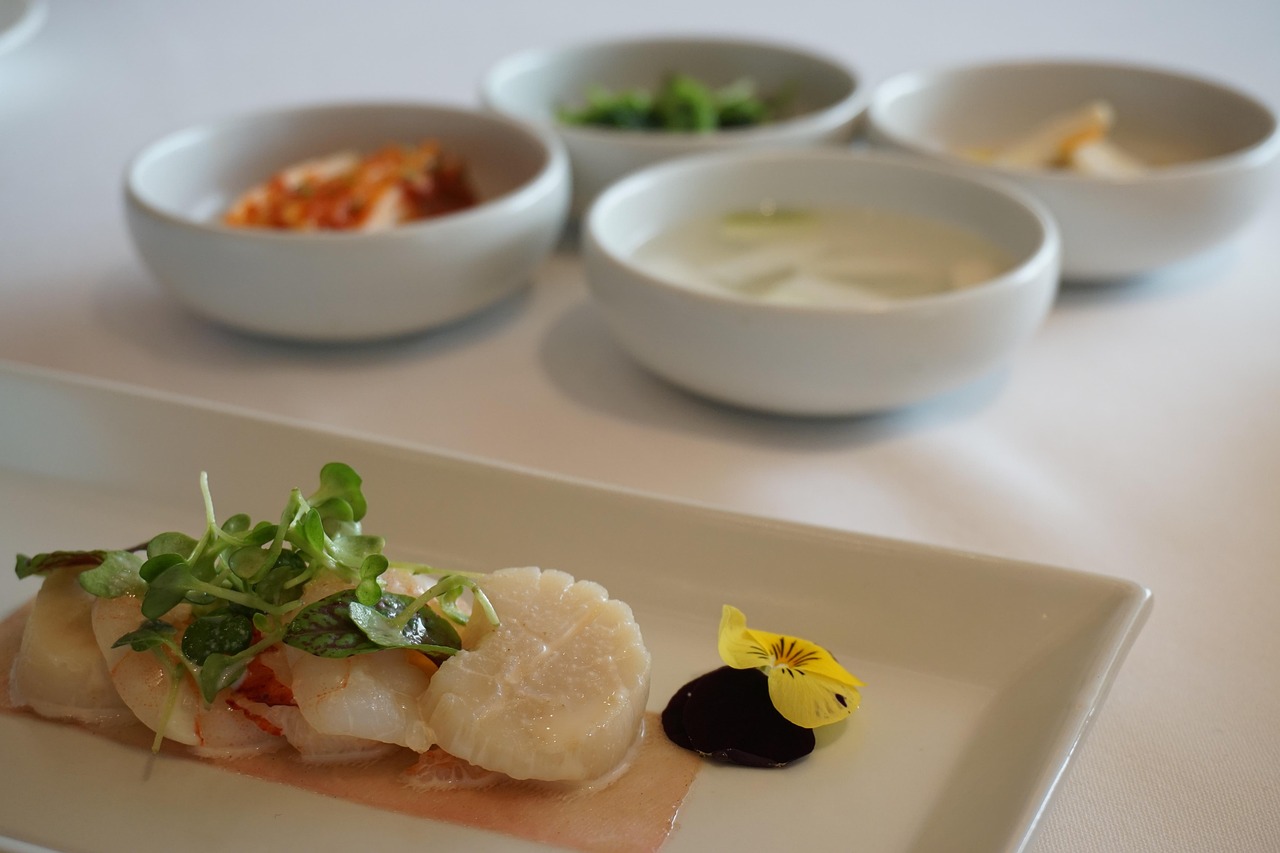
A Bespoke Culinary Journey from Kaiseki to Hanjeongsik with refined Korean flavours
Seoul fine dining, Korean hanjeongsik, and Japanese kaiseki luxury is more than a trend—it’s a narrative you can taste. Japan’s kaiseki offers seasonality and restraint; Korean hanjeongsik offers abundance and harmony. Across Seoul, Tokyo, and Kyoto, hospitality becomes the shared language: careful timing, beautiful ingredients, and a feeling of being welcomed with quiet pride.
In Seoul, design your dining like you design your days: one exceptional tasting menu, then one relaxed local favourite, then a night off for room service and early sleep. At the chef’s counters, etiquette is simple—arrive on time, keep fragrance to a minimum, and let the chef set the pace. If you have preferences, ask with confidence; the best restaurants in Seoul and Tokyo appreciate clarity.
Michelin moments paired with local favourites in Tokyo, Kyoto, and Seoul
The most elegant culinary journeys aren’t performative. Balance a Michelin-starred evening in Tokyo with a smaller, reservation-only counter; balance a Kyoto multi-course experience with a quiet lunch near a garden; balance Seoul’s contemporary tasting menus with a warm, traditional spread that feels like comfort. This is how you create a journey through Japan and South Korea that feels crafted rather than curated for show.
Dietary needs: clear communication in Korean and Japanese
If you have dietary needs, share them early and kindly. A concierge or expert guide can communicate in the local language so nothing is lost in translation, and you can relax at the table in Tokyo, Kyoto, or Seoul. Food becomes the most personal souvenir—an insight you carry home long after the final night lights of Seoul fade from view.
F.A.Qs: Japan Korea Trip Planning
Japan-Korea trip: Can you do South Korea and Japan in one trip?
Yes. With thoughtful pacing, South Korea and Japan can sit together in one seamless journey—often via flights between Seoul and Tokyo. The key is to design a calm route, keep hotel changes sensible, and book a few high-value experiences early so you still have breathing space and support throughout.
Budget question: Is $5000 enough for 2 weeks in Japan?
It can be, but it depends on your travel style. For luxury travellers, $5000 is usually tight for two weeks in Japan, once premium hotels in Tokyo and Kyoto, Michelin dining, and private guiding are included. For a more mid-range approach—mixing comfortable hotels with selective splurges—it may be workable, especially outside peak seasons.
Timing: How long does it take for a Japan-Korea trip?
A well-designed Japan and Korea trip typically takes 10–14 days to feel unhurried, especially if you include a tour of Tokyo, Kyoto, and Seoul with a restorative interlude like Hakone. Shorter trips are possible, but you’ll need to be more selective and prioritise fewer bases to keep it comfortable.
Flights and costs: How much does it cost to go from Japan to Korea on a round trip?
Round-trip costs vary widely by season, airline, cabin, and how far in advance you book. The Japan–Korea flight segment is often reasonable, but total costs rise quickly if you choose business class, peak cherry blossom dates, and luxury hotels. Booking early and staying flexible with dates helps—especially for Korea-Japan combinations during holidays.
After Your Japan Korea Trip: What Stays With You from Seoul, Tokyo, and Kyoto
Reflecting after a Japan-Korea trip is often less about what you saw and more about what you felt. There’s a particular hush that returns to you later—the quiet of a temple courtyard in Kyoto, the soft click of a door closing in Tokyo, the way Seoul’s night lights can feel like a gentle reassurance rather than a rush. Even small gestures linger: a respectful bow, a warm drink offered without fuss, a stranger making space on a platform so you can stand comfortably together.
Something shifts when you allow yourself to be looked after. Confidence grows in small steps—when transfers run smoothly, when a table is waiting, when you don’t have to prove you deserve to be there. Trust builds through human moments: a guide who speaks softly so you can hear the city, a host who notices you’re cold and adjusts the room, a waiter who reads the mood and gives you time.
And then there is Seoul itself, holding modernity and memory in the same hand. You may find that long after you’ve unpacked, you still remember how it felt to walk through a palace gate with steady breath, or to watch the city from above and realise you were never truly alone in a new place—because care was designed into each day. If you return to South Korea one day, perhaps in another season, it might not be to chase more sights, but to uncover a deeper relationship with wonder itself.