June in South Korea best time to visit South Korea, and the Korea weather travel guide
June in South Korea best time to visit and Korea weather
For many travellers, June is the best time to visit South Korea. Korea weather travel guide is not just a search phrase—it’s a strategy. June can be a good month to explore in comfort, often sitting between the peak rhythms of spring and autumn and the heavier patterns of summer in South Korea, when heat and monsoon rains begin to assert themselves. It’s also a month where design-led travel feels easy to create: long dinners, galleries, and evening walks that don’t require an early retreat indoors.
Early to middle of june, the mood is usually light and open—more sunny days, and temperatures remain pleasantly wearable with the right fabrics. Toward the end of June and into the end of the month, the air can tip towards higher moisture as the monsoon edges closer, so building a flexible plan is part of travelling with confidence.
Korea weather by region with a calm read on conditions
Weather conditions vary across South Korea, and that’s good news for travellers who like to design days around the weather. In Seoul’s basin, you can expect warm afternoons and evenings that may turn a touch chilly after rain. On the coast—think busan—the sea breeze can soften the feel of early summer, while jeju island often delivers a gentler early-summer palette for walkers and food lovers alike.
As a guideline, average high temperatures in Seoul in June often sit in the mid-20s°C, with rising humidity levels as the month progresses; coastal areas may feel more ventilated. Rainfall can be sporadic, and there’s always a chance of rain, especially later in the month—less a reason to worry, more a reminder to keep your plans beautifully adaptable.
What to wear when visiting Korea in June
For high-end travellers, comfort is most elegant when it feels effortless. Think breathable fabrics that handle heat and humidity, plus a refined extra layer for hotel lobbies, late-night river walks, and cooler hilltop viewpoints. A light rain shell is often the one item that quietly saves the day without changing your style.
- Daytime: linen, fine cotton, and light layers—warm enough without feeling overdone.
- Evenings: a neat jacket or wrap for rooftop bars and sunset viewpoints.
- Accessories: compact umbrella and sunglasses; footwear you can walk in for hours.
For planners weighing the best month of the year, remember cherry blossom season and the cherry blossom festival belong to spring (think Jinhae), while July and August can bring higher humidity and heavier downpours. Winter travellers often aim for snow culture in places like PyeongChang, while autumn colours make spring or autumn a classic choice—yet June can be the understated month to visit if you value space and softness.
Finally, practical reassurance: daylight hours are generous, ideal for long, unhurried days. Air quality can vary, so check daily forecasts, then carry on—because a well-crafted trip to South Korea’s cities and landscapes is built on calm adaptability, not perfection.
Seoul in June best time to visit Seoul, South Korea
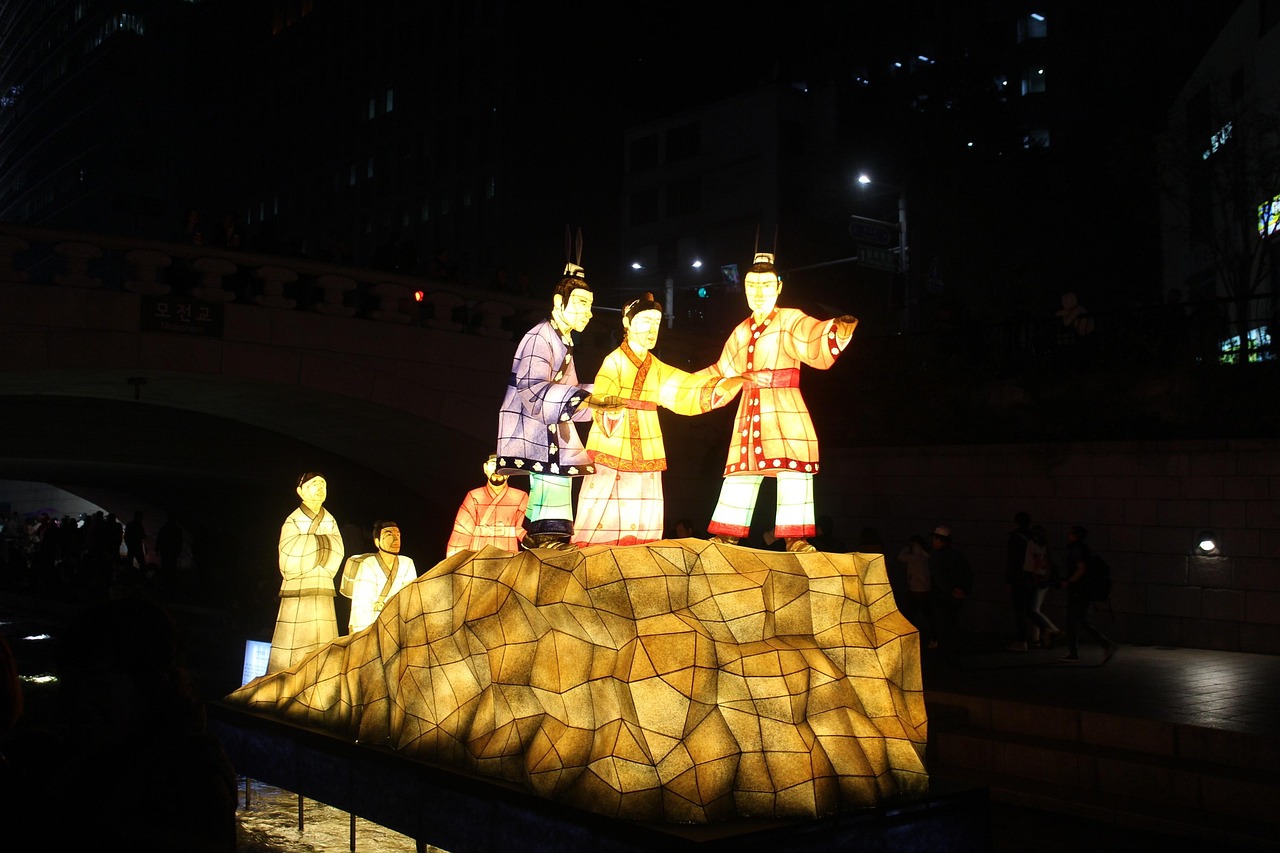
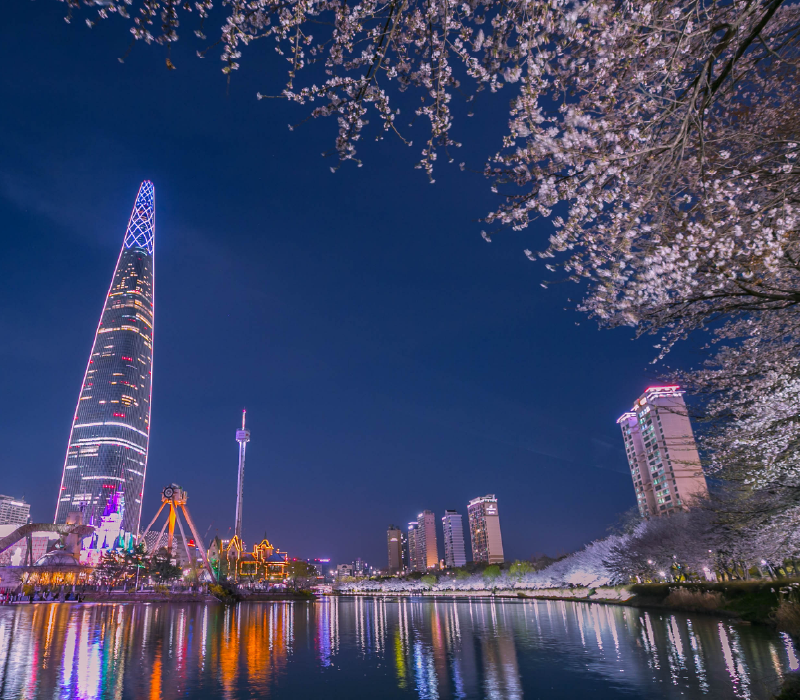
Seoul in June, lantern light lotus calm and skyline views
If you’re searching for Seoul in June, the best time to visit Seoul, South Korea, the Seoul Lantern Festival travel guide, you’re likely hoping the city will feel vivid without feeling relentless. In June, Seoul often becomes more intimate after dusk: lantern light, water reflections, and a gentle evening pace that lets you explore with trust in your own rhythm.
Seoul Lantern Festival and the city that turns quietly magical
Design a perfect June evening around the Seoul Lantern Festival along Cheonggyecheon Stream. The light installations have a way of softening the city’s edges—suddenly, the crowds feel like a shared hush rather than a rush. One traveller told us that attending in June brought a surprising mix of wonder and tranquillity, like finding a calm room inside a busy house.
To uncover quieter viewing moments, arrive slightly earlier, then linger later when the crowds descend elsewhere. Stand back from the most obvious bridges, and let the lanterns come to you—reflections on moving water are often the most personal part of the scene.
Lotus calm at Seokchon Lake and skyline grace at Namsan
For a local insight that feels like a small gift, slip to Seokchon Lake to see lotus buds and flowers in full bloom as the month warms. Insiders favour the less-busy paths away from the loudest photo clusters; look for angles where the blooms sit against clean lines of sky, and be respectfully present—many locals pause there for quiet rather than spectacle. It can be the best time to see the lake’s softer side, especially in the early morning.
Later, move towards Namsan Seoul Tower for a refined skyline moment—June evenings are often clear enough for panoramic views, and the air feels slightly warmer after sunset. Pair it with a gentle palace stroll earlier in the day, or a long walk beside the Han River—locals also call it the Hangang River—when the city’s tempo begins to ease.
Micro-logistics for the capital are refreshingly seamless. Tap-and-go transport works well, taxis are straightforward, and a simple “Annyeonghaseyo” offered with care goes a long way—small gestures that build confidence and warmer interactions at tourist sites and neighbourhood cafés alike.
Jeju Island Hallasan hike in June
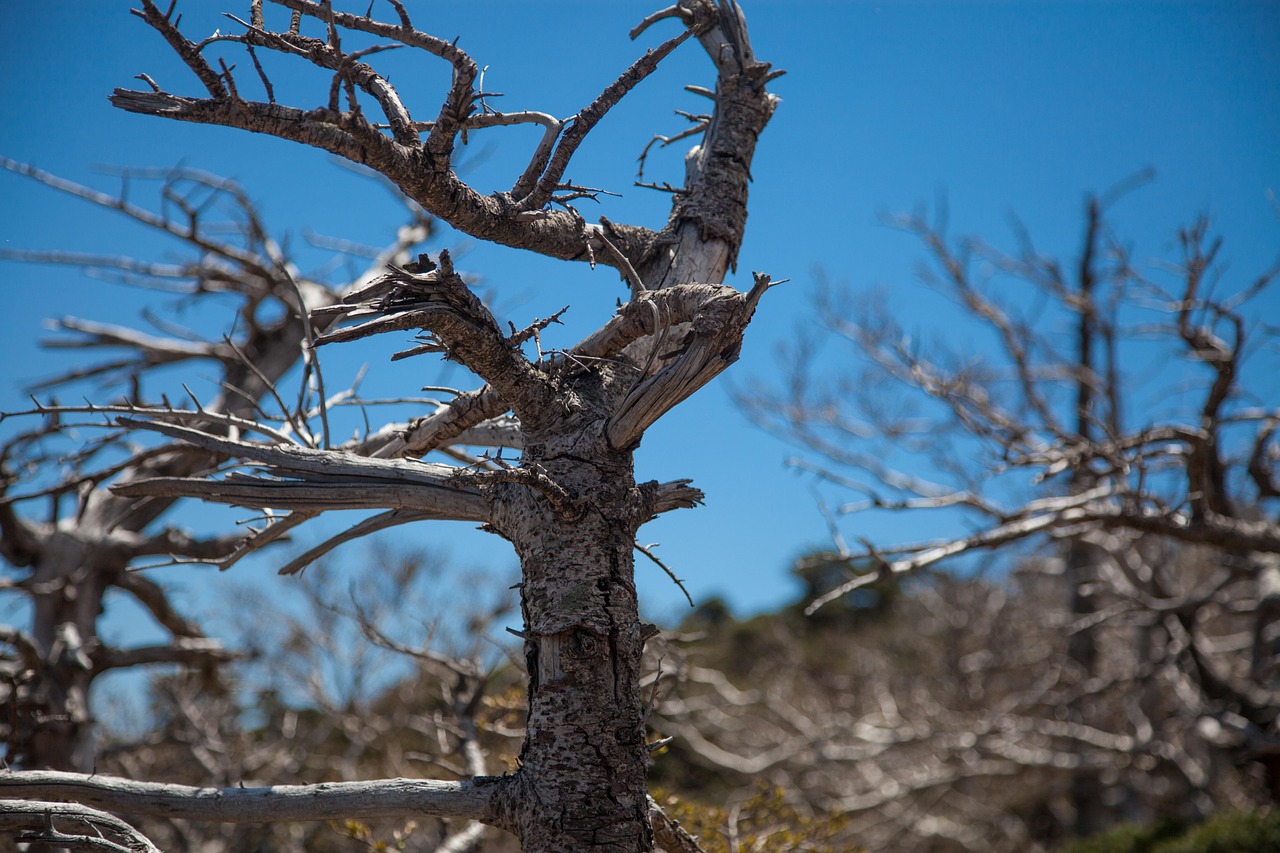
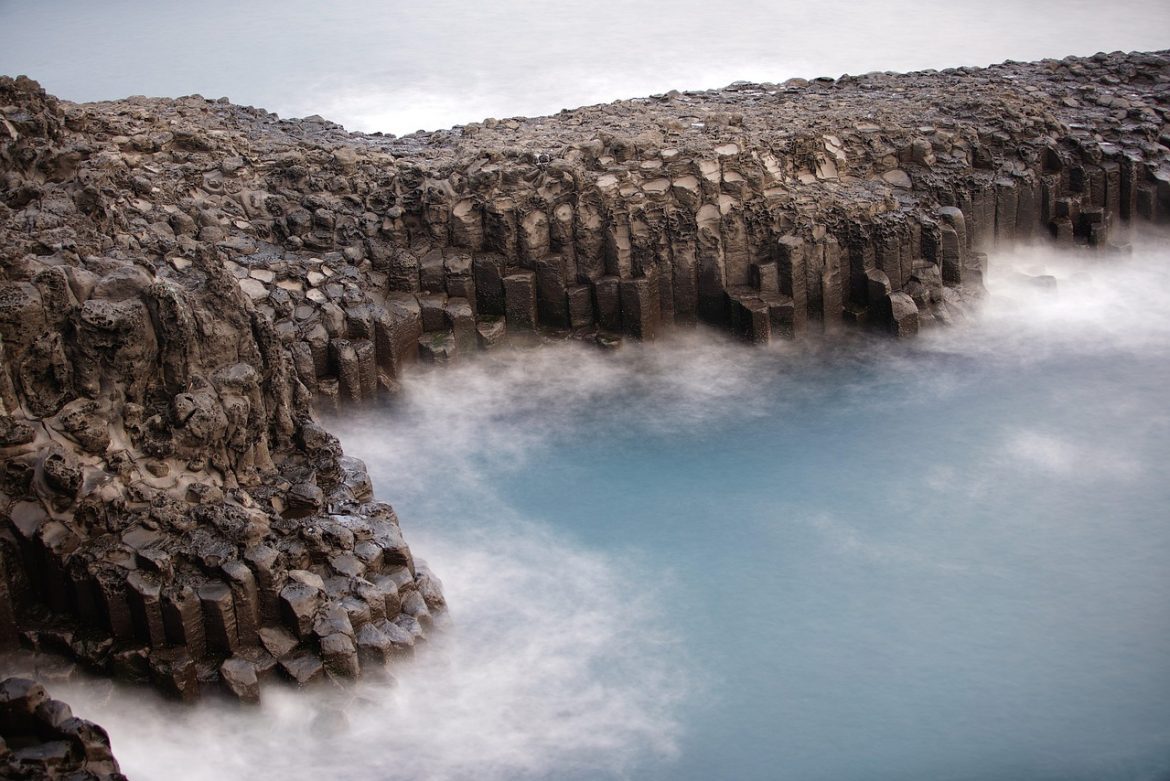
Jeju Island in June Hallasan at dawn and the great outdoors
For travellers drawn to nature, the Jeju Island Hallasan hike in June, South Korea, is the kind of outdoor activity that balances freedom with comfort. Jeju Island is the great outdoors counterpoint to Seoul, and June is often the time for outdoor exploration before high humidity becomes the day’s defining note.
Hallasan at dawn with a luxury-friendly pace
Imagine a pre-dawn start where everything feels private: your car arrives on time, your guide (if you choose one) keeps the pacing unhurried, and the trail begins in quiet confidence. A luxury traveller once described hiking Hallasan at dawn as breathing in clean, refreshing air that felt like an exclusive retreat. At sunrise, the mountain can sit around 60°F, and the light turns slightly warmer as it climbs. For some, that shift alone becomes the most memorable detail of the trip to South Korea.
Trail choice depends on fitness, but the best experiences are designed around comfort rather than conquest. If you’re unsure, outsource the planning: a guide can handle timing, weather checks, and the gentle reassurance that you’re always on the right path.
What to pack for shifting, elevation and comfort
Even when the coast feels mild, weather can change quickly at elevation, and a 66°F afternoon can still feel cooler with wind. Bring a light shell, water, and footwear you truly trust—then let the mountain do what it does best: slow your thinking, open your perspective.
- Light shell and a thin layer for the early start.
- Hydration and a small snack to keep energy steady.
- Comfortable hiking shoes with grip for damp sections after rain.
Afterwards, add indulgence without breaking the spell: a quiet tea stop, then a lunch focused on local produce that tastes like early summer. It’s a simple way to explore, recover, and feel looked after—together, exertion and ease create a day that feels crafted rather than rushed.
Visit Busan in June, Gyeongju day trips from Seoul
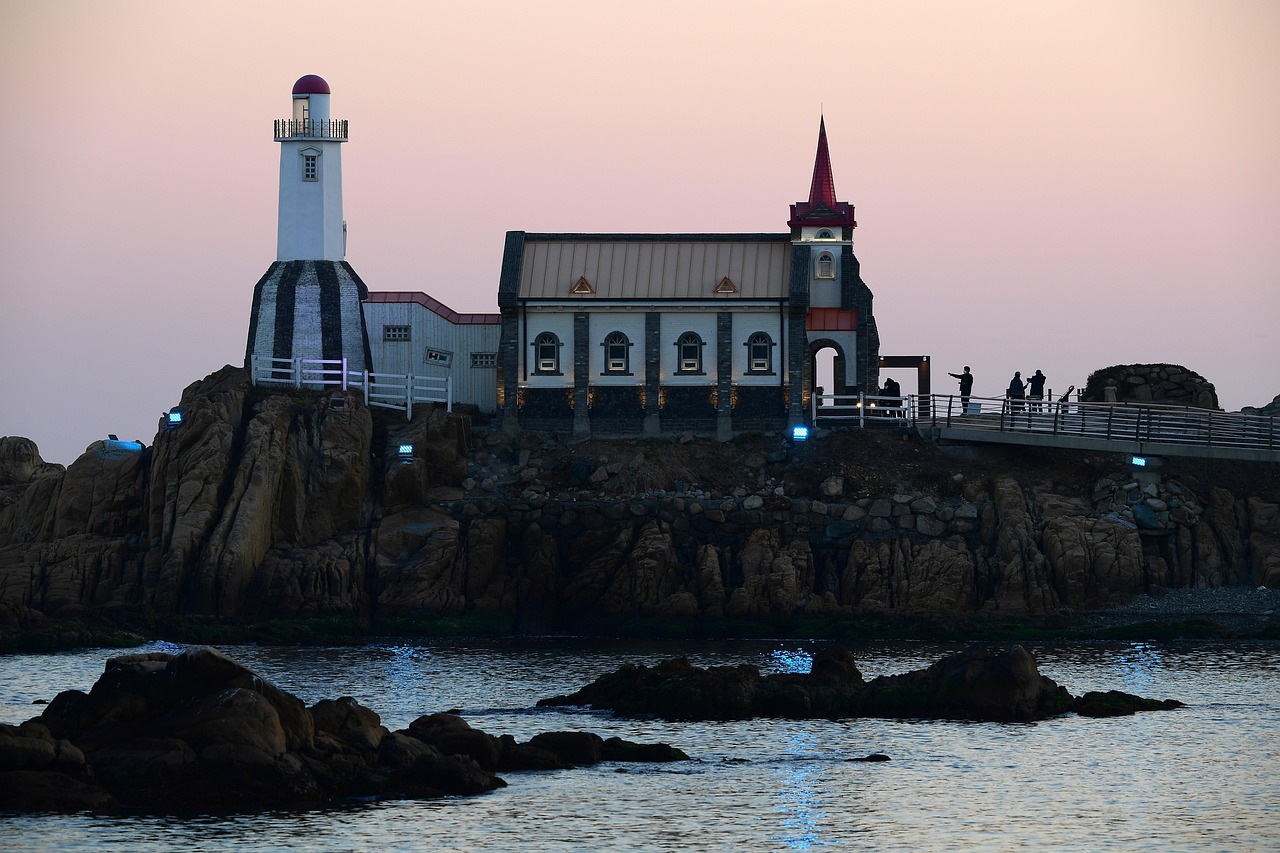
Beyond Seoul visit Busan Gyeongju and elegant day trips
A well-designed itinerary doesn’t try to do everything; it chooses beautifully. If you’re looking to visit Busan in June, Gyeongju day trips from Seoul, South Korea, places to see, think of these as elegant extensions rather than add-ons—ways to keep South Korea feeling spacious beyond Seoul.
Visit Busan for breezy early-summer coastal moods
Visit Busan in June for café culture, coastal walks, and sea air before summer is hot and humid in earnest. For a softer experience, start with sunrise beach time—there’s a quiet, silver-blue window before the crowds descend later in the morning. Then retreat to a design-forward café where the day can unfold slowly, with enough comfort to keep your pace calm.
Busan’s coastal character is especially appealing if your Seoul days are museum- and dining-heavy; the contrast helps you appreciate both with fresh eyes.
Gyeongju heritage with a museum-like cadence
Gyeongju offers a different kind of luxury: time, space, and history that doesn’t demand performance. Move through ancient sites and temple grounds with quiet behaviour and respectful dress—covered shoulders, a calmer tone, and a moment’s pause before photographs. These small choices show care, and locals notice the trust you extend to their sacred places.
For day trips that suit high-end travellers, keep the palette curated: Nami Island for scenic paths, a folk village for craft and design details, or a palace-focused day in Seoul that blends architecture and garden light. And if you’re wondering about festivals, note the Boryeong mud festival is later in mid-summer—June can feel relatively quiet and less crowded, which is precisely its charm.
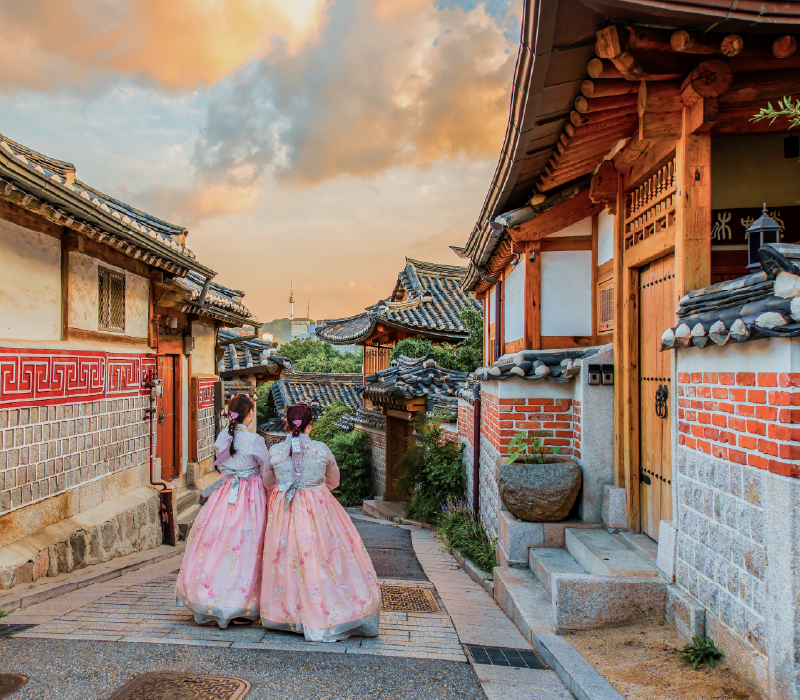
South Korea accommodation, luxury hanok boutique hotels, Seoul hanjeongsik fine dining
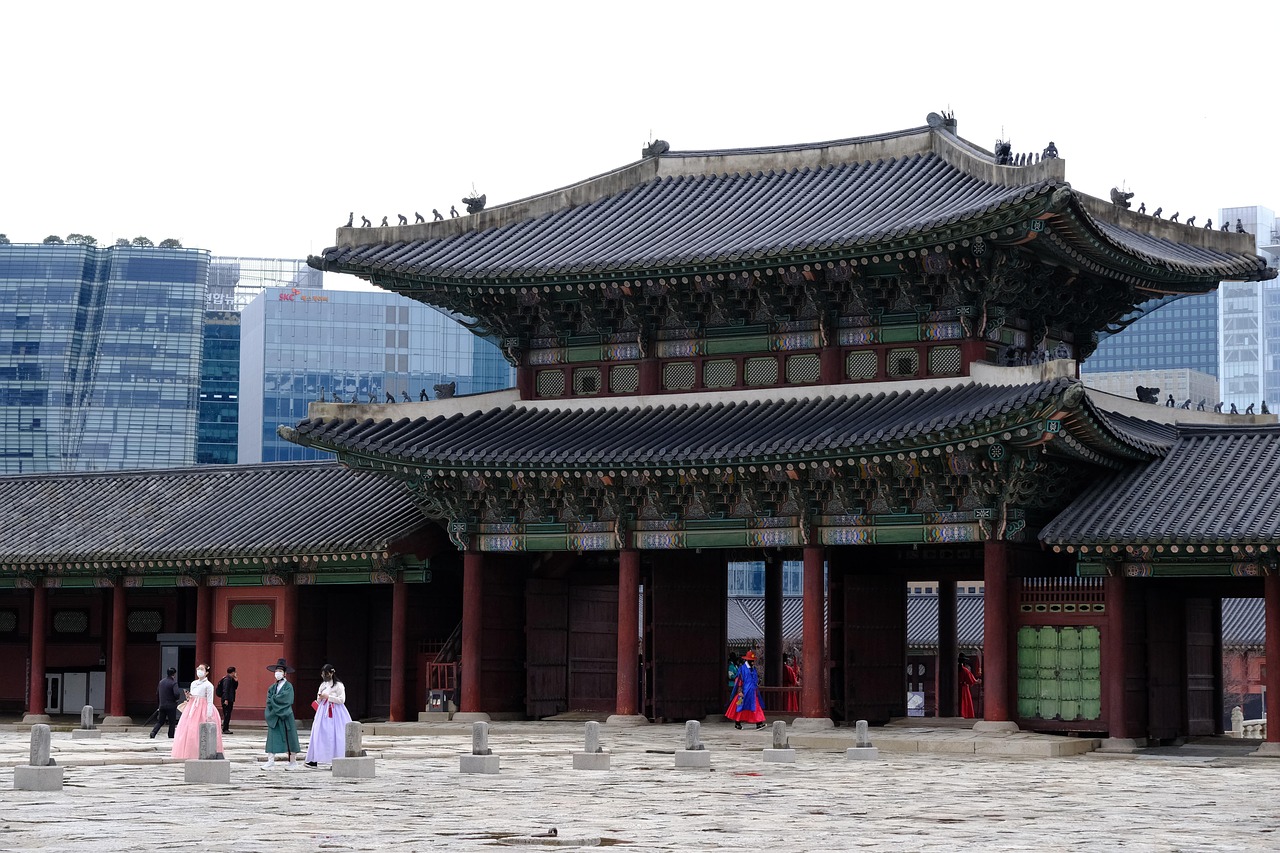
Accommodation and dining, a crafted high end June itinerary
For travellers comparing options, South Korea accommodation, luxury hanok boutique hotels, Seoul hanjeongsik fine dining, is where the trip becomes truly personal. June demand rises, so the most reassuring move is to book early—especially if you want a boutique address in Seoul or a high-end hanok stay where privacy, service, and atmosphere are part of the experience.
Where to stay in Seoul for design, calm, and seamless evenings
Neighbourhood choice shapes how your nights feel. Choose central areas if you value galleries, cocktails, and late reservations; choose quieter residential streets if you want to return to stillness after dinner. A good concierge becomes your discreet support system—securing tables, arranging car services, and helping you discover spaces that feel local rather than staged.
- Choose this if you value walkable restaurants and contemporary art: a central boutique hotel near gallery districts.
- Choose this if you value calm and tradition: a refined hanok stay with considered details and attentive service.
Hanjeongsik dining with seasonal produce and quiet theatre
Make hanjeongsik the culinary centrepiece of your Korea travel story. A gourmet traveller once described the joy of discovering a boutique Seoul restaurant where seasonal produce arrived in a rhythm of small plates—each one precise, yet inviting unhurried conversation—paired with fine tea that felt like its own gentle ceremony. If you’re nervous about kimchi or spice, simply mention your comfort level; the best kitchens respond with care and pride.
Costs are refreshingly transparent at the top end: fine dining hanjeongsik often runs about $50 to $100 per person. Reserve in advance, dress smart-casual, and allow time—this is a meal designed to be savoured, not rushed.
For variety, add a chef’s counter Korean tasting or a refined market-led lunch where a chef guides you through ingredients and stories. For visual inspiration as you design your own route, browse our Trip gallery and imagine the version of Seoul that best suits you.
Travel to South Korea, Incheon AREX transport tips, Seoul taxis
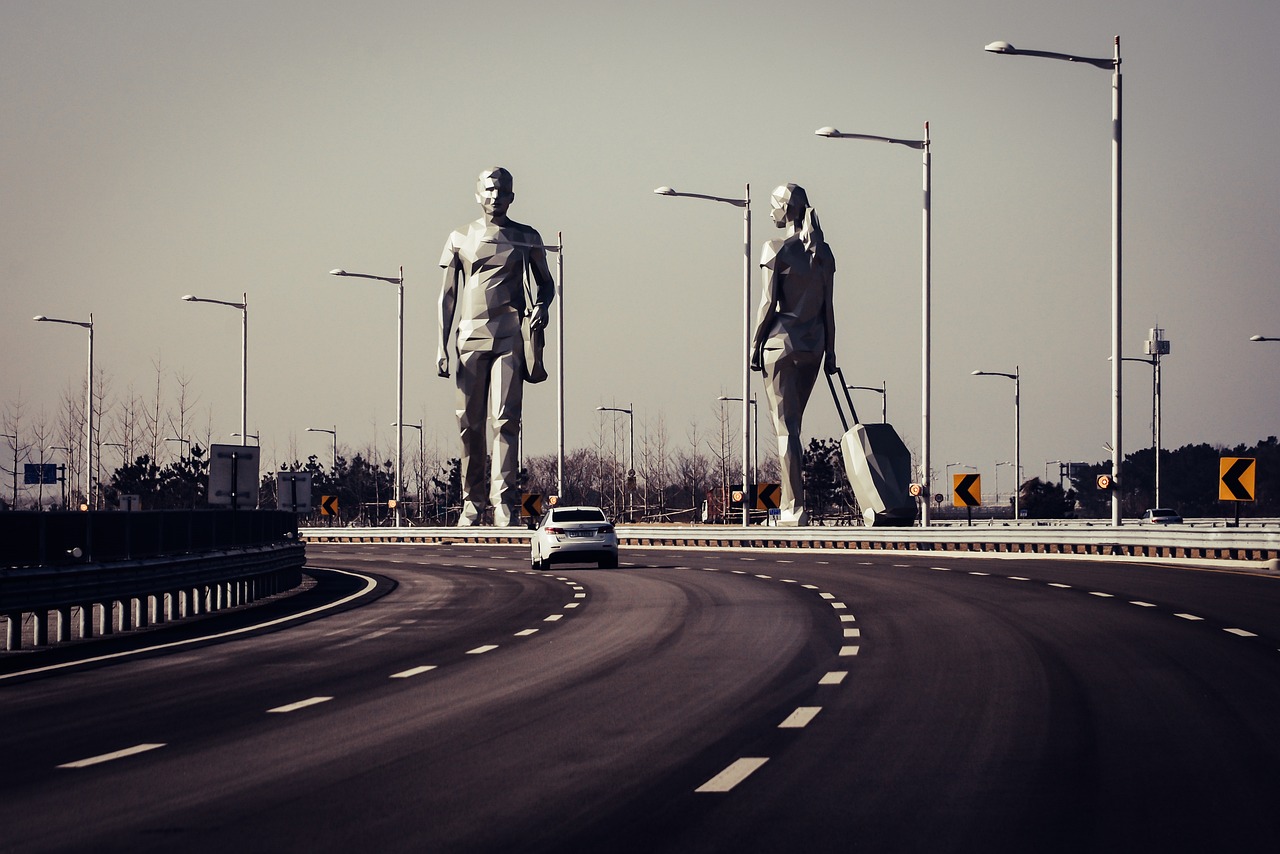
Travel to South Korea in June arrivals transport and seamless support
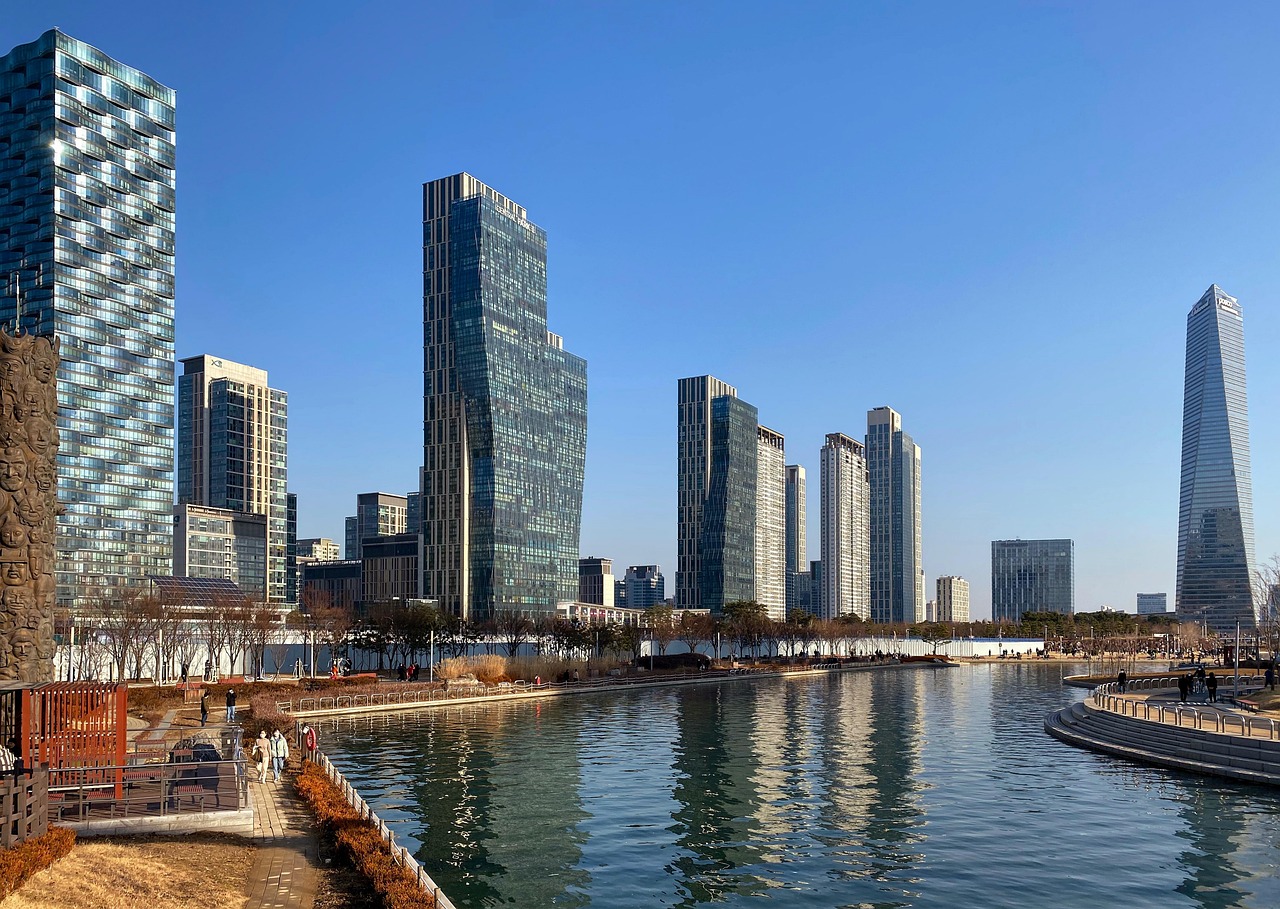
To travel to South Korea, Incheon AREX transport tips, Seoul taxis, well, is to begin with an arrival that feels calm. Land at Incheon International Airport, then take the AREX express train for a fast, predictable route into Seoul—or choose a chauffeured transfer when you want door-to-door ease and zero friction after a long flight.
Getting around Seoul with confidence and care
Public transport is reliable and intuitive once you’ve done it once; taxis are often the smartest option for late dinners and polished returns to your hotel. If you’re visiting Korea for the first time, keep addresses saved in Korean where possible—your driver will appreciate the clarity, and you’ll move through the city more seamlessly. It’s a simple way to visit South Korea with confidence, even when the streets feel unfamiliar.
Cultural cues matter, and they’re easy: polite greetings, calm tones, queue etiquette, and respectful behaviour at busy tourist sites. These small details build trust quickly, and you’ll often feel that warmth reflected back in service and everyday exchanges.
Rain-ready elegance when the rainy season edges closer
If the rainy season begins to edge in, don’t let it shrink your days. Swap in air-conditioned galleries, tea houses, and design shops—indoor experiences that still feel crafted rather than compromised. This is also why early to mid-June can be the best time for many: you keep the outdoor freedom, with a graceful indoor plan ready as backup.
- Outsource: key restaurant reservations, a guided walk in Seoul, and a driver day on Jeju.
- Explore independently: neighbourhood cafés, slow shopping streets, and evening riverside strolls.
Held together, these choices create a trip to Korea that feels balanced—expert support where it matters, and personal discovery where it counts.
F.A.Qs: June in Korea travel questions
Are there still cherry blossoms in June in Korea?
Typically, no. Cherry blossom season in South Korea is in spring, with peak bloom often in late March to early April, depending on the region. By June, blossoms are usually long gone in Seoul, and popular viewing areas such as Jinhae are replaced by lush greenery and early-summer flowers.
What is the 52-hour rule in Korea?
The 52-hour rule refers to South Korea’s standard maximum working week, introduced to support work–life balance. It caps weekly working hours at 52 (generally 40 regular hours plus up to 12 overtime hours), though specific industries and cases may vary.
What is the best month to go to Korea?
The best month to visit depends on your style: spring (especially April) for cherry blossom, and autumn (October) for crisp days and autumn colours are classic favourites. June can also be an excellent choice for long daylight hours and vibrant city nights, especially if you travel in early to mid-June before monsoon season strengthens.
Is it typhoon season in Seoul in June?
Typhoons are not common in Seoul in June. Early summer may bring increasing humidity and the start of the wider rainy season later on, but typhoon impacts are more typical later in summer. It’s still wise to check forecasts, particularly towards the end of June.
June in South Korea reflections Seoul Jeju calm travel memories
When June in South Korea is over, it rarely leaves you with a checklist. It stays as a lantern light moving on water in Seoul, a hush beside lotus blooms where people naturally lower their voices, and the clean breath of a mountain morning on Jeju Island that makes you feel quietly awake. The memories feel luminous and grounding at once—less about what you “did”, more about how the place taught you to notice.
There’s something reassuring about early summer here: a sense that the country’s distinct seasons can hold both energy and gentleness, even within the same day. You might remember the way the air changed after rain, or how a stranger’s small kindness—an offered direction, a patient pause—helped you move with more confidence than you expected.
Travel with care tends to invite care in return. And perhaps that’s what lingers most: the feeling that moving thoughtfully through a fast city, a quiet lake path, and a wide mountain landscape can make you more attentive—not only to place, but to your own pace. Long after you’ve left, you may still find yourself wondering what other layers early summer might reveal, next time you return with fresh curiosity.