Seoul in January: Winter in Seoul at a Glance + Korea Weather Snapshot
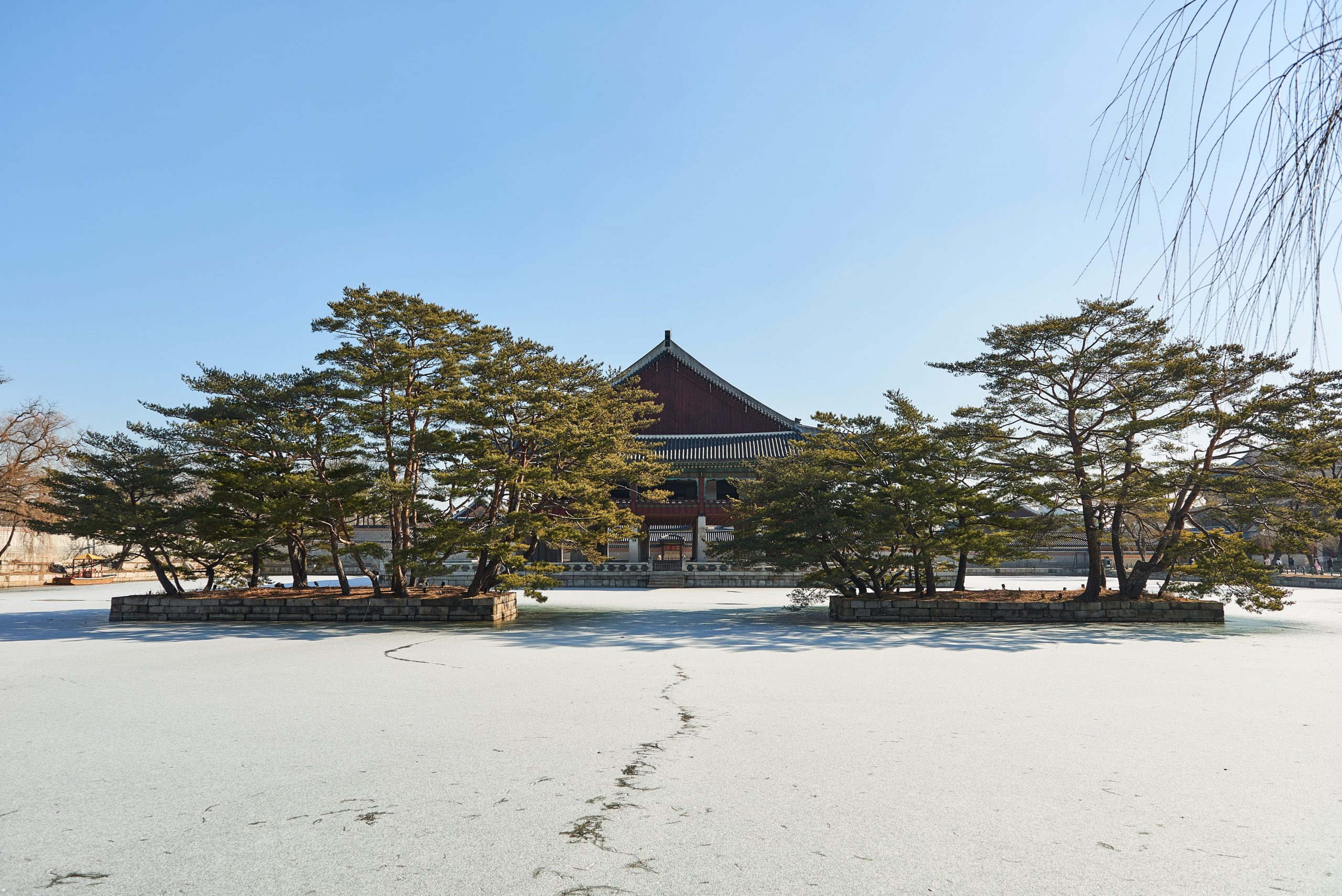
Snowy palace courtyards and crisp morning light—what a January stay in Seoul can feel like.
For travellers weighing a winter break in Seoul, the headline is simple: January is the coldest month, and it arrives with a clarity that makes the city feel freshly designed. Expect blue-sky days, occasional snowfall in Seoul, and pavements that can turn icy after sunset; these shifting weather conditions are part of the experience. In this winter in Korea, “feels like” temperatures matter as much as the reading on your phone—wind funnels between buildings and can make a short walk feel sharper than expected.
It’s also the coldest month of the year for many itineraries, which is exactly why a crafted plan matters. Start later, build in indoor pauses, and let your concierge pace the day so you’re never rushing from sight to sight. When you move through the city with care, the cold becomes an atmosphere rather than an obstacle.
See Seoul in winter: palaces, cafés, and modern design highlights
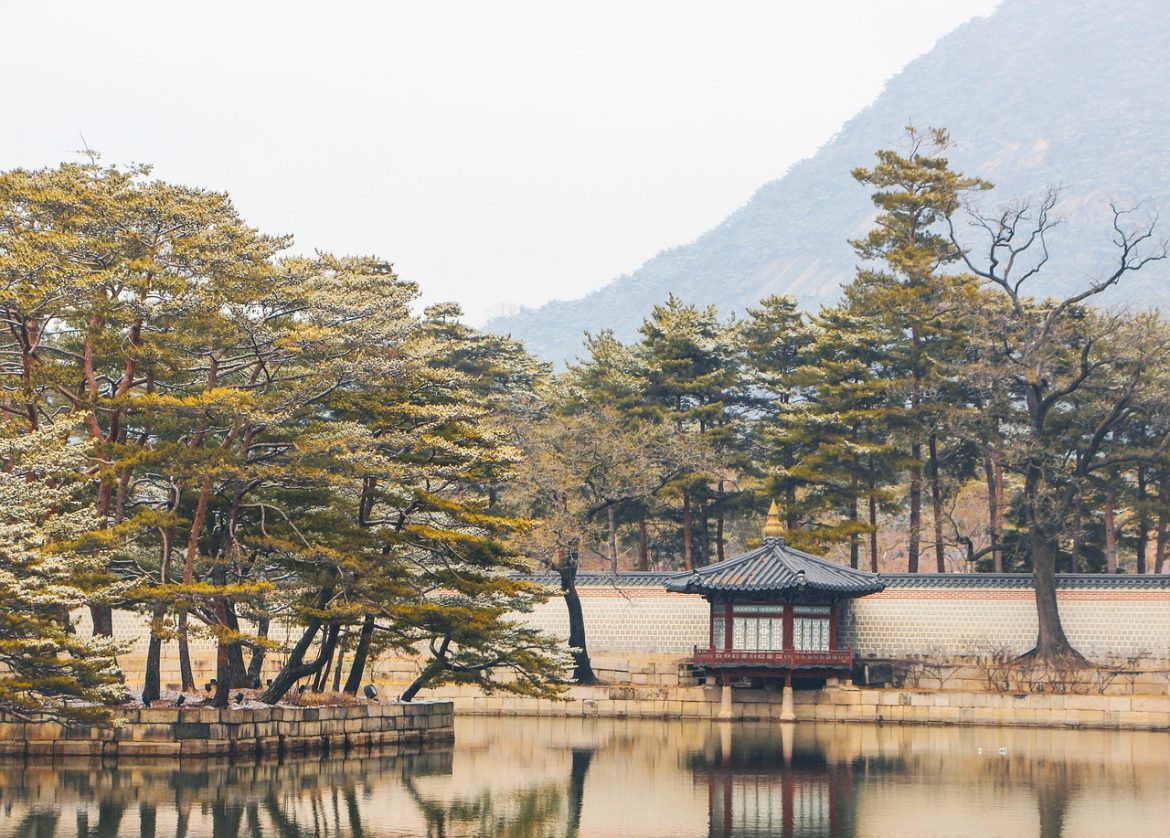
Imagine an early palace arrival, before the main gates feel busy. Gyeongbokgung’s courtyards can look almost theatrical after snow in Korea, and the quiet lets you notice small details—paintwork under eaves, footsteps on gravel, steam from a nearby coffee stall. If you’re design-minded, the Dongdaemun Design Plaza is a natural counterpoint: smooth, futuristic lines that feel even more dramatic against a pale winter sky.
When you want warmth without losing the sense of place, Seoul’s café culture delivers. Choose a dessert café in Insadong for traditional flavours, or a sculptural coffee bar in Seongsu where the interiors feel like a gallery. For an elegant indoor reset, the National Museum of Korea offers calm scale and beautiful lighting—ideal when you want to keep moving without spending the whole day outdoors.
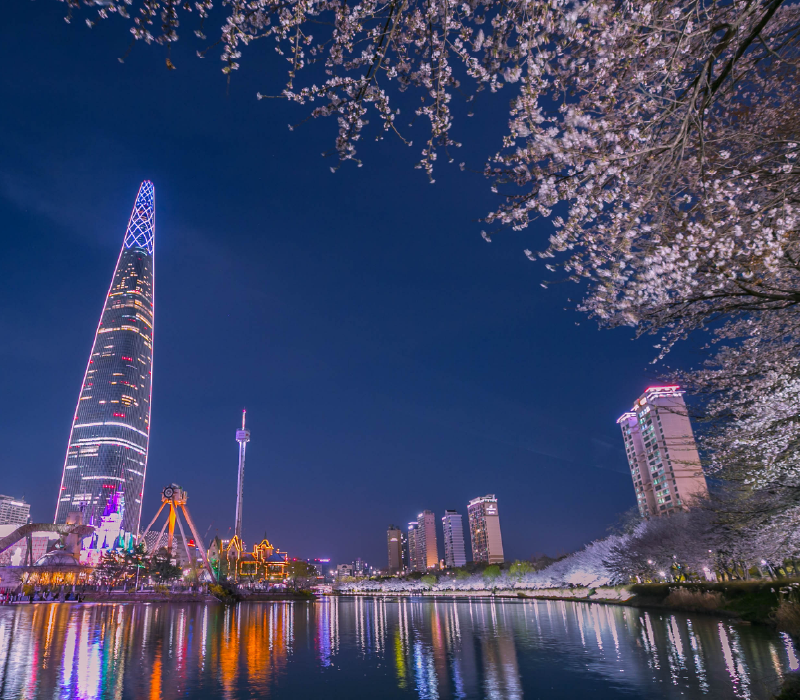
Seoul Tower at twilight and the Han River on a clear Seoul winter night
Winter evenings in Seoul can be quietly spectacular. A refined visit to Seoul Tower is less about ticking a view and more about timing: arrive just before twilight, linger as the city lights rise, then depart for dinner while others queue. On especially crisp nights, the Han River seems to hold the skyline in sharper focus, and the riverside ambience feels clean and uncluttered.
One foodie we travelled with still talks about stepping from the cold into a market stall for winter foods like hotteok, then warming up again with spicy tteokbokki—street food that tastes brighter when your hands are cold. It’s a small local insight: Seoul’s winter isn’t only something you endure; it’s something you savour.
Getting around Seoul city: Seoul subway basics, taxis, and private cars
In a trip to Seoul, transport choices set the emotional tone of the day. The Seoul subway is efficient and safe, ideal for short hops between neighbourhoods when you’d rather be independent than wait for a car. However, at peak commuting times, a private vehicle becomes the more comfortable option—especially if you’re dressed for dinner or travelling with shopping and camera gear.
- For comfort, use a private car for early mornings, late evenings, and any day with palace timing or theatre reservations.
- For ease, keep a subway card ready for flexible neighbourhood wandering when the streets are clear, and the air feels bright.
- For accessibility, choose stations with lifts when possible, and ask your hotel to map out step-free routes in advance.
- For winter safety, wear grippy soles on icy pavements and take short taxi rides when windchill climbs.
With the right balance, you’ll feel supported rather than managed—free to explore, yet always with a seamless back-up plan. If you’re planning to visit Seoul for the first time, this mix of independence and comfort is often what makes winter feel easy.
January festivals in South Korea: best festivals and events + events in January
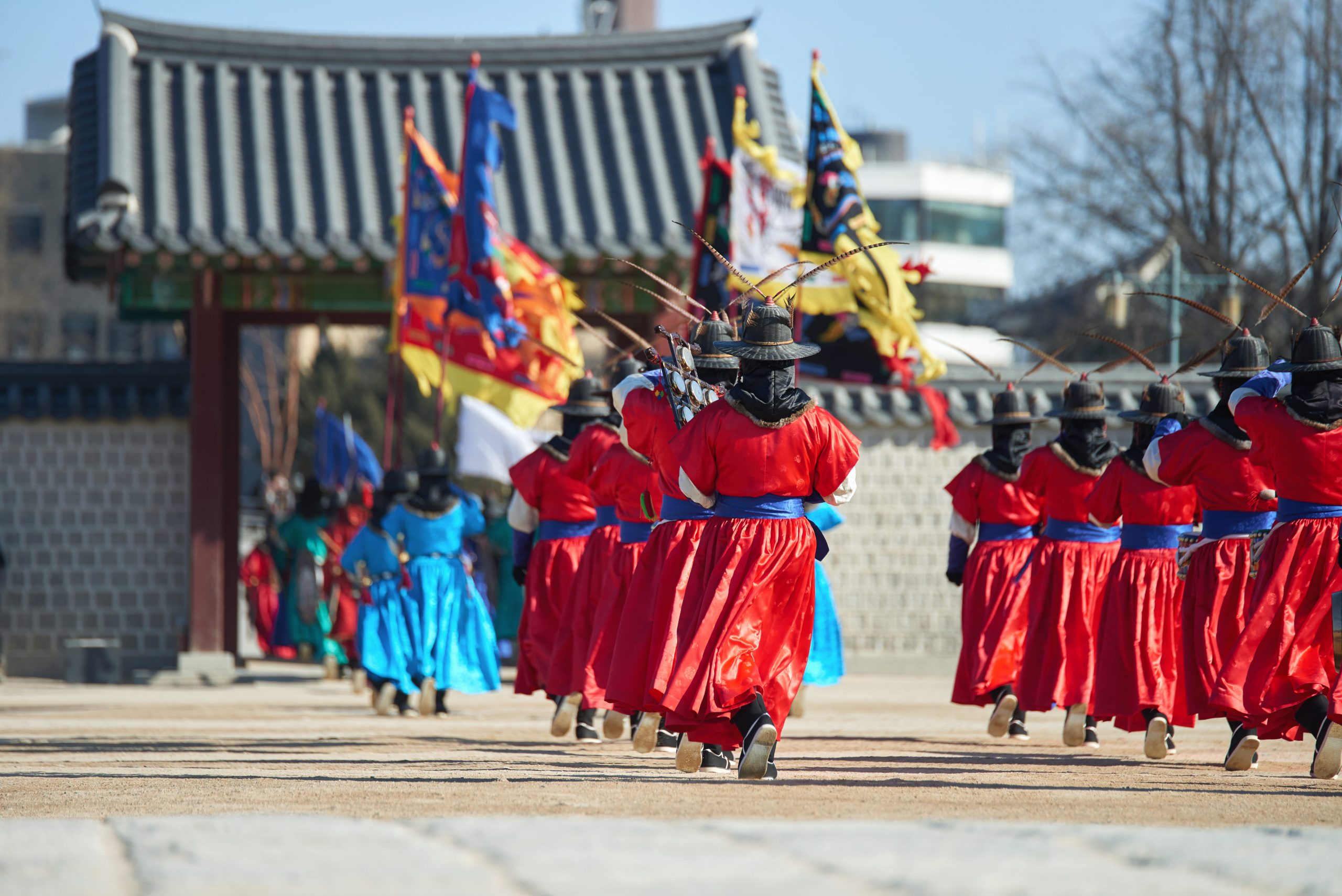
Glowing winter lights and festive streets—January celebrations across the country.
If you’re searching for standout seasonal experiences, think of January as a curated calendar rather than a checklist. Korea in January is at its most playful: families gather, snow scenes serve as backdrops, and winter traditions sit comfortably alongside modern city sparkle. The trick for high-end travel is choosing the experiences that feel personal, then elevating them with warmth breaks, private transfers, and crowd-smart timing.
This is also a communal moment in the year in South Korea, when winter celebration feels genuinely shared. You don’t have to do everything; you simply choose what fits your pace, and let expert support keep the day calm and beautifully timed.
Hwacheon winter festival: ice fishing, snow and ice, and easy logistics
Hwacheon Sancheoneo is the winter festival most visitors dream of: ice fishing, snow slides, and a whole town built around snow and ice. A group of colleagues from New York once told us the magic wasn’t just the catch—it was grilling fresh trout together after, cheeks pink from the cold, laughing like children as they learned the rhythm of winter play. Shared cold turns into shared joy, and it’s surprisingly moving.
To keep it refined, arrive early with a private guide, then step inside for warming breaks between activities. Your guide can secure a good fishing spot, translate instructions, and steer you away from the most congested lanes, so the day feels enjoyable rather than exhausting.
Taebaeksan Mountain Snow Festival in Taebaek: sculpture walks and winter landscapes
For a quieter, photographic alternative, the Taebaeksan Mountain Snow Festival is a beautiful addition. This mountain snow festival in Taebaek pairs sculpture displays with winter landscapes that feel almost minimalist—great for travellers who enjoy slow walks and thoughtful framing. Visit earlier in the day for softer light, and plan a short café stop afterwards so the cold never becomes tiring.
Even if you only spend an afternoon, the mood is distinctly Korean: calm, communal, and quietly proud of winter’s artistry.
Seoul Winter Festa near Seoul City Hall: Seoul light and a romantic light festival stroll
Back in Seoul, winter takes on a more polished glow. This evening can anchor an elegant night itinerary—pair the outdoor installations with a dinner reservation you won’t have to rush to, and keep a warm cocktail bar in mind as a backup. It’s a simple formula: minimal travel, maximum atmosphere, and a gentle sense of discovery even when the weather in Korea isn’t perfectly predictable.
For couples, this style of night feels effortless: you can dress well, move slowly, and let the city do the work for you.
Shopping in Seoul: Korea Grand Sale perks and curated luxury neighbourhoods
If your dates overlap with seasonal promotions, treat them as a bonus rather than the purpose. Choose boutique neighbourhoods like Apgujeong and Hannam-dong for designer shopping, then balance it with craft-led souvenirs—lacquerware, ceramics, or modern hanji pieces that travel well. This approach keeps the city buzzing while still feeling curated, not crowded.
When your itinerary is designed with breathing space, the city’s energy becomes something you enjoy rather than something you manage.
Ski and snowboarding in Gangwon-do, PyeongChang: ski resort picks for South Korea travel
For travellers planning a winter escape beyond the capital, Gangwon-do is where the season becomes exhilarating rather than simply pretty. The region is compact enough for a short escape from Seoul, yet developed enough to feel effortless with the right hotel and transfers. Whether you ski daily or simply want snowy scenery with fireside comfort, PyeongChang delivers with confidence.
Think of it as a winter interlude: clean air, calm mornings, and an après rhythm that suits travellers who want both activity and recovery.
Yongpyong vs Alpensia: choosing the right ski resort for your group
Yongpyong tends to feel expansive, with a good spread of terrain and a sense of classic scale. Alpensia is slightly more compact and convenient, often appealing to those who want quick access to lessons and gentle runs. Each ski resort makes it easy to rent equipment, book English-speaking instructors, and ensure a seamless experience for first-timers.
If one member of your party doesn’t ski, plan it as a shared winter sports day anyway: spa time, café lounges with mountain views, and short scenic walks can run in parallel. For beginners, a private lesson is often the most confidence-building way to start.
A personal PyeongChang morning: ski-first routines and spa recovery
A luxury traveller once described their January rhythm at a five-star resort in PyeongChang as “the kind of calm you can only earn in the cold”. They’d wake early, watch pale light settle on the runs, then head out for a few focused hours on the slopes while the air still felt crisp and empty. By lunchtime, they were back indoors—steam room, massage, then fireside dining that turned the day into a gentle celebration rather than a workout.
It’s a reassuring model: you don’t need to push. You simply create a pace that feels personal, with support from staff who understand winter comfort as a form of quiet luxury.
Olympic legacy and 2018 Winter Olympics venues: quick photo stops between runs
There’s also a subtle sense of history here. The 2018 Winter Olympics venues can be a graceful stop for photos without turning your mountain break into a timetable. Think of it as a scenic layer—something to notice on the way to lunch, rather than a must-do list.
This approach keeps the focus where it belongs: on your experience, not on rushing between landmarks.
Logistics that keep South Korea travel seamless between Seoul and the slopes
Comfort in Gangwon-do is largely decided before you arrive. Private transfers from Seoul remove weather anxiety, and luggage-forwarding can mean you travel light, arriving composed and ready. Your concierge can also align lift passes, equipment fitting, and dining reservations so you never queue in the cold.
- Ask for equipment pre-fitting and lessons booked for quieter morning slots.
- Request suite upgrades near spa facilities for an easy recovery rhythm.
- Confirm fireplace or lounge seating for a relaxed end to the day.
- Arrange door-to-door transfers timed to avoid weekend traffic from Seoul.
When these details are handled, your ski escape feels crafted—simple, warm, and genuinely restorative.
Visiting Korea in January: Seoul and beyond day trip ideas + tour from Seoul
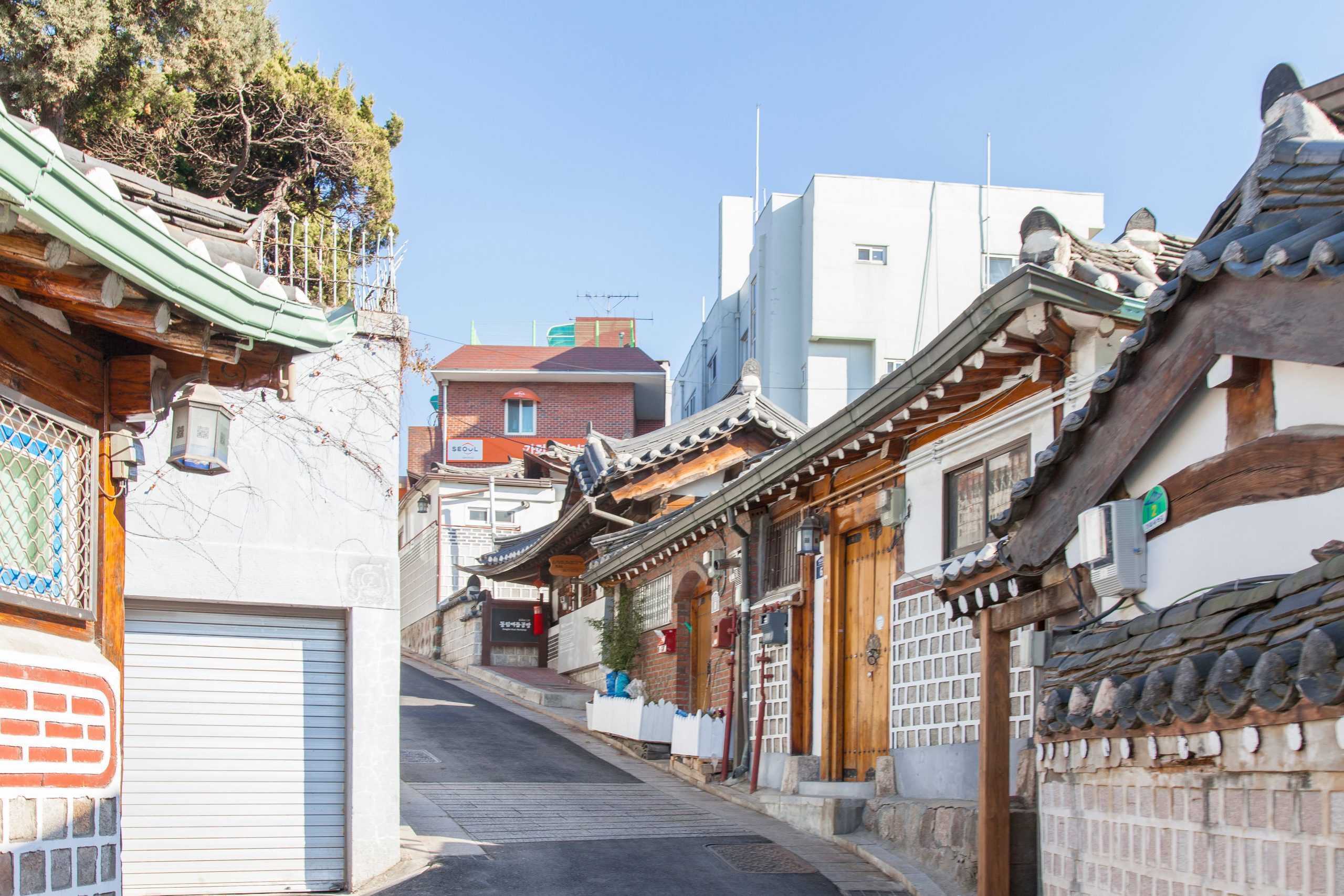
Quiet winter paths and a softer pace on short January excursions.
For those mapping winter escapes from the capital, contrast becomes the joy. You can begin with Seoul’s structured beauty, then step into landscapes that feel quieter, whiter, and unexpectedly romantic. The key is to design short, satisfying distances around Seoul and keep indoor comfort close at hand.
When planned well, a single outing can feel like a complete story—nature, culture, and warmth, all held together seamlessly.
Nami Island, closest to Seoul: quiet winter paths and places to warm up
Nami Island is a natural choice for a snow-softened landscape. After fresh snow, the tree-lined paths feel hushed, and the best photos come mid-morning when the light lifts but before crowds fully arrive. In good years, the island can feel like it’s wearing a blanket of snow, which makes even simple strolls look cinematic.
To keep the day comfortable, build in unhurried café stops and small galleries—simple comforts that matter in deep winter. As a quick escape near Seoul, it’s especially easy to enjoy without feeling rushed.
Bukchon Hanok Village in winter: hanbok photos and traditional Korean etiquette
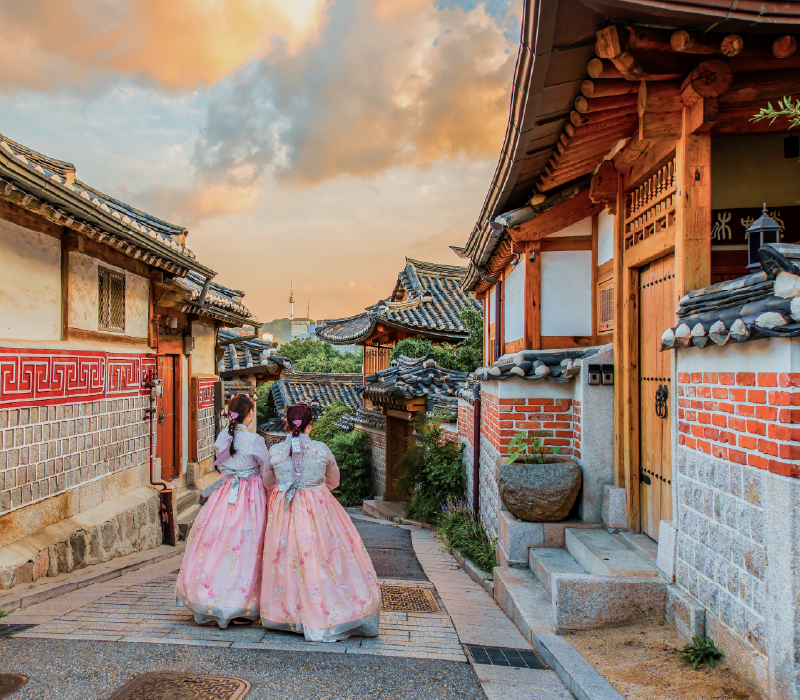
Back in Seoul, a couple once told us their most unforgettable winter memory was a hanbok photoshoot in snowy Bukchon Hanok Village. The styling felt joyful rather than costume-like, and the snow turned the alleyways into a soft studio. The result was romantic without being staged—two people laughing together as the city moved quietly around them.
Because these moments may take place in private homes or sensitive cultural spaces, gentle etiquette is important. Remove shoes indoors when invited, and offer a small bow to elders—traditional Korean gestures that show respect without feeling performative. With a thoughtful photographer and a warm coat waiting between shots, the experience stays comfortable and deeply personal.
Beyond the capital: a 2 to 3 night Busan extension outside of Seoul
If you have time to explore beyond the capital, consider a short extension to Busan. In the winter months, the coast feels calmer and more contemplative; the sea air is cold, but the mood is restful. Plan to visit Busan for seafood markets, gentle temple visits, and café terraces overlooking grey-blue water.
It’s a different kind of luxury: less sparkle, more spaciousness. For travellers who want contrast in one journey, the shift in pace is exactly the point.
Jeju Island is a softer counterpoint for spa-focused days
For an alternative pivot, Jeju Island offers a wind-swept softness rather than deep snow. It’s ideal if you want slower days—spa rituals, ocean views, and long lunches that feel sheltered from the city’s pace. For travellers who love nature but prefer gentle walks to icy streets, it can be a smart winter balance.
It’s a reminder that January travel can be designed in different ways, depending on what your body and mood most need.
Time to Visit South Korea: best time to visit, travel tips, and winter accommodation planning
January rewards travellers who plan with intention. The air is clear, city nights are crisp, and mountain snow feels reliably wintery—especially for a trip to South Korea that blends city and countryside. Many travellers find it’s the perfect time to visit if you value atmosphere and seasonal experiences, as long as you build in warmth and flexibility.
The goal is simple: a trip to Korea that feels composed, with expert support in the background and comfort in the foreground.
Time to visit Seoul: early January vs end of January (and Lunar New Year timing)
To decide the ideal time, think in terms of Early January, which often feels slightly calmer after the holiday peak, with a good chance of snow scenes and fewer domestic breaks. The end of January can bring a stronger winter rhythm and more event atmosphere, and it may align with the lunar new year in South Korea, depending on the year.
For many travellers, weekdays feel more relaxed than weekends; keep mornings flexible and let your schedule breathe when January weather changes quickly.
Where to stay in Seoul and in the ski regions: hotel selection and upgrades
In Seoul, choose a base that matches your style: central for museums and palaces, or slightly quieter neighbourhoods for design hotels and calmer evenings. In ski regions, book early to secure rooms with the best views and spa access—January availability can fill up quickly, especially for family suites.
When requesting upgrades, be specific: ask for club access, a high floor, and tailored amenities like a humidifier (a small but meaningful comfort in dry winter air). Thoughtful hotel choices can make even the coldest days feel indulgent.
Incheon arrival flow and seamless movement with private transfers
Arriving through Incheon is generally smooth, and VIP meet-and-greet services can turn a long flight day into something surprisingly gentle. If you’re heading straight to the mountains, private transfers are often the most reassuring option—particularly if there’s fresh snowfall or you’re travelling with fine luggage.
For inspiration as you begin designing your route, browse our Trip gallery and imagine the balance that suits you: Seoul first, slopes second, or the other way around.
Chic cold-weather packing and wellness habits that protect energy
January demands layers you can adjust indoors and out. Choose thermal bases that sit invisibly under tailoring, and add a long insulated coat that still feels polished at dinner. Footwear matters more than most travellers expect—icy corners can appear after dark, even when roads are clear.
- Layers: thermal tops, cashmere mid-layers, and a wind-resistant outer coat.
- Feet: grippy soles, warm socks, and discreet hand warmers for longer photo moments.
- Skin: richer moisturiser and lip balm for dry air and cold winds.
- Energy: warm teas, short indoor pauses, and a slower morning start when needed.
These small habits make winter travel feel steady, so you stay present and comfortable all day.
Money, SIMs, and quiet cultural confidence for winter travel
Carry some Korean Won in cash for market snacks and taxis in remote areas, where card readers can be inconsistent. Tipping is not expected in the same way as elsewhere, though high-end hotels may have their own guidelines. Set up a SIM or eSIM before you land so navigation is effortless from the first step.
If you’re combining Japan and South Korea in one journey, build a buffer day on either side of international transfers. It’s a simple way to keep the trip feeling seamless, with the flexibility to adapt when Korean weather and transport plans shift. A little South Korean cultural awareness—speaking softly on public transport and queuing patiently—goes a long way.
F.A.Qs: January in Korea
Is January worth visiting South Korea?
Yes—especially if you enjoy crisp winter scenery, seasonal festivals, and a calmer feel in key areas of Seoul. January brings clear skies, occasional snow, and standout options like ice festivals and a mountain escape near PyeongChang. With warm hotel planning, private transfers, and a paced itinerary, the cold becomes part of the atmosphere rather than a barrier.
What does the “3-day rule” mean for a first visit?
The “3-day rule” is informal advice rather than an official policy: give yourself at least three days in Seoul to adjust to the climate, recover from flights, and see palaces, neighbourhoods, and museums without rushing. For many travellers, three well-planned days is the minimum for a relaxed first taste.
How cold is January in Seoul and across the country?
January is very cold in South Korea, especially in Seoul and the inland regions, with temperatures often below freezing. Wind can make it feel colder, particularly at night. Dress in layers, choose footwear for icy pavements, and plan indoor stops to warm up between outdoor highlights.
When are flights and hotels usually cheapest?
Prices vary, but late autumn and parts of winter outside peak holiday periods can be more affordable than the spring cherry blossom season or summer. January can be a good value in cities, though ski areas and festival weekends may raise rates. Booking early and staying flexible with dates usually helps secure better fares and hotel deals.
After South Korea: what South Korea leaves with you in January
Long after the flight home, what remains is not a list of sights, but the texture of winter travel done with care. You might remember the hush of palace courtyards, then the comforting contrast of stepping into warm interiors without losing the sense of place. Or the warmth of local hospitality—hands wrapped around a cup placed in front of you without fuss, a door held open, a small kindness that made the cold feel lighter.
There’s a particular calm that comes from moving through the city with confidence, knowing each detail was quietly supported. Even the coldest days can feel gentle when your pace is right and your evenings are warm. Somewhere between the glow of a late dinner and the clean morning air, you may find your perspective subtly shifting: less urgency, more attention, and the time to explore details you’d usually miss.
One last image returns often: colleagues from New York at Hwacheon, cheeks flushed, laughing as they grilled trout together after ice fishing. It wasn’t grand, and it wasn’t staged—just people discovering joy in the cold, together. That is the gift January travel here tends to leave behind: a reminder that comfort and adventure can coexist, and that winter has its own kind of light.
And when you think back, it may not be the skyline you recall first, but the quiet in-between moments—footsteps on snow, steam in the air, a city that felt both vast and close, palace roofs blanketed in snow. If you ever feel the pull of that clarity again, you’ll know there is still more to uncover, in your own time.