Post Contents
- June Weather in South Korea: Korea in June, Humidity, and the Best Time to Visit
- Arriving in Seoul during June: Seamless Luxury Bases, Transfers, and Timing
- Seoul’s best attractions: Gyeongbokgung Palace, Bukchon Elegance, and Iconic Moments
- Nami Island Day Trip: Nature, Shade, and Quiet Renewal from Seoul
- Festival Season in June: Seoul Nights, VIP Comfort, and Coastal Play
- Michelin-Starred Seoul: Seasonal Dining and Traditional Korean Flavours in June
- Jeju Island and Busan Add-Ons: A High-End Trip to Korea Beyond Seoul
- F.A.Qs: Korea in June
- After South Korea: What Stayed With You from June
June Weather in South Korea: Korea in June, Humidity, and the Best Time to Visit
If you’re weighing up Korea in June, it’s time to visit South Korea, the best time to visit Seoul. It helps to picture the month as early summer with a gentle start, until it turns properly steamy. In June, South Korea’s climate typically brings average highs near 26 °C, with temperatures feeling warmer as the days lengthen. You’ll notice humidity building as the weeks progress; humidity levels can rise quickly, and the chance of rain increases as monsoon season approaches.
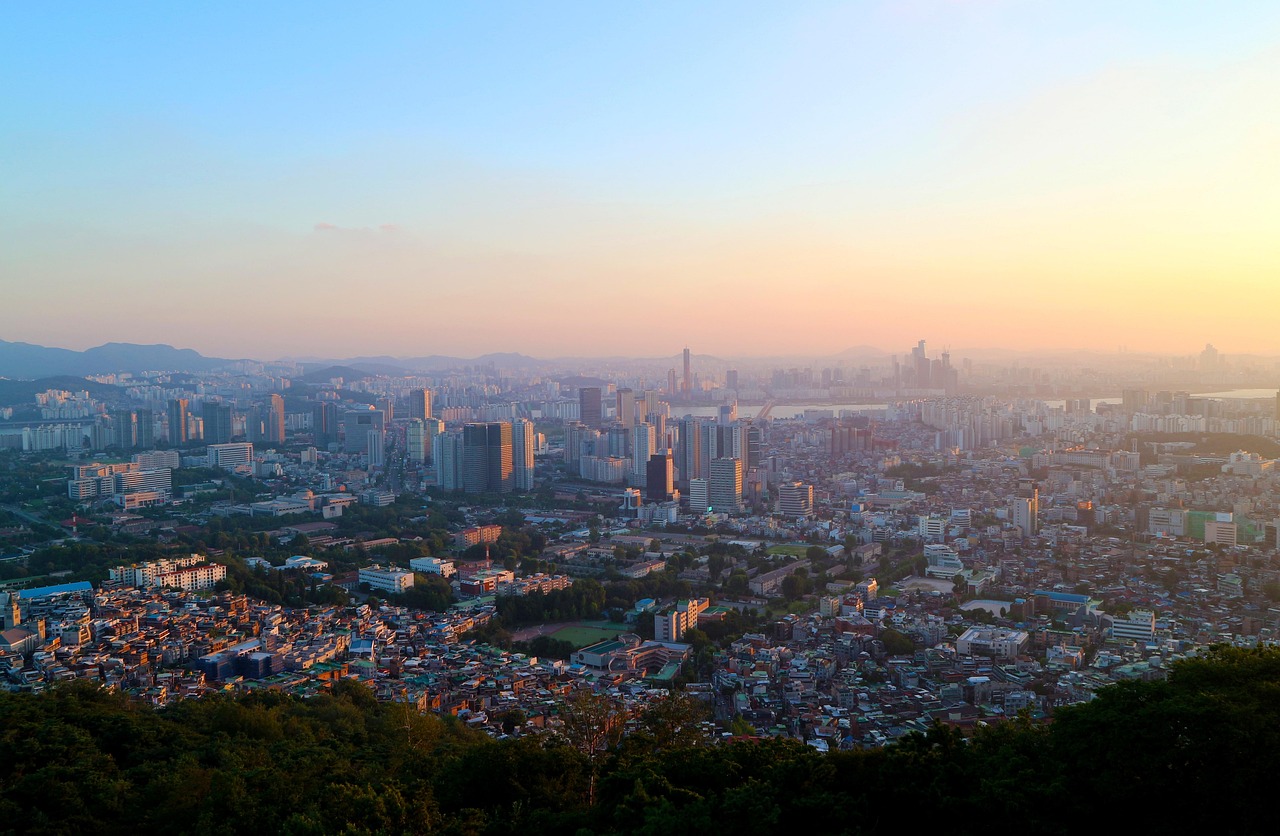
Warm early-summer skyline views over Seoul, with June weather shifting from bright days to heavier showers.
For many travellers, the beginning of the month is the sweet spot: you can still find pleasant weather for rooftop aperitifs, palace courtyards, and riverside strolls. By the end of the month, the early monsoon pattern can bring stickier afternoons and heavier rainfall. It’s still very doable—simply more rewarding when your days are designed with flexibility and a few well-chosen indoor alternatives.
Korea weather expectations: temperatures, humidity, and why June is a good month
Compared with cherry blossom season (and the beloved cherry blossom festival atmosphere), June is less about petals and more about colour in volume: deep green trees, gardens filling out, and long daylight for outdoor activities. It’s not the same crispness as autumn colours, yet it can be a good month if you want time to explore without winter layers or peak-season pressure.
For luxury travellers, June’s advantage is the ease of curating each day around comfort. Think: early starts, shaded lunches, and a calm return to your hotel for a mid-afternoon reset before an evening reservation. This is the kind of time for outdoor exploring that feels energising rather than exhausting.
Travel tips for visiting Korea: what to pack for hot and humid days
Pack for warm days and cool interiors—Korea’s air-conditioning can be enthusiastic. When afternoons turn hot and humid, you’ll be grateful for breathable fabrics, comfortable shoes, and a polished rain layer that still looks sharp at a bar or gallery.
- Light layers: linen-blend shirts, a fine-knit cardigan, and a scarf for museum air-conditioning.
- Chic rain option: a compact umbrella and a water-resistant trench you’d happily wear to dinner.
- Day design: plan “big sights” for mornings, then create space for a restful midday pause.
- Plan A/Plan B: pair an outdoor attraction with an indoor alternative (museum, tea house, spa).
One small note on tourism: early June often feels less crowded, particularly mid-week. If you’re choosing the best time to visit for a quieter, more curated experience, that first half of the month tends to support it.
Arriving in Seoul during June: Seamless Luxury Bases, Transfers, and Timing
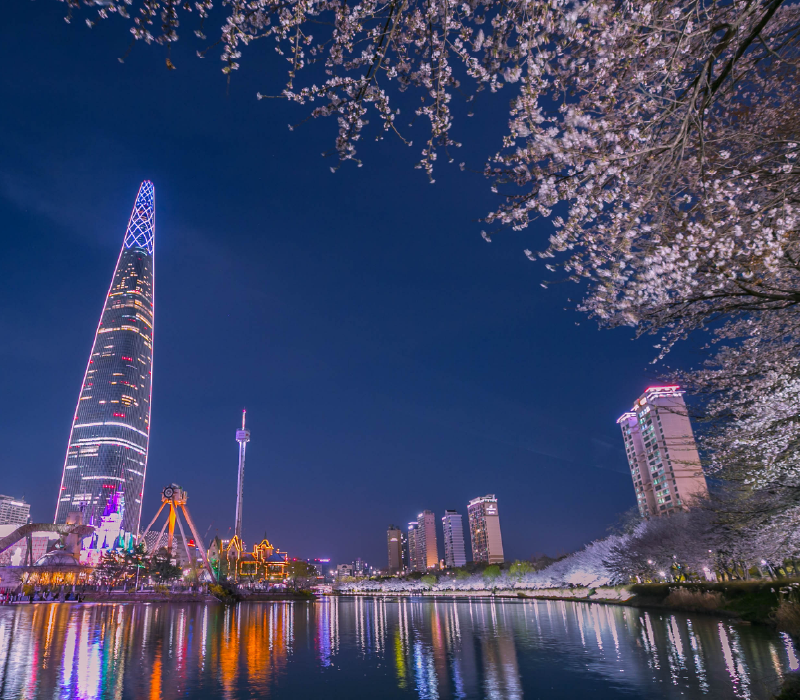
For Seoul luxury hotels, visit Seoul. The best time to visit South Korea, and arrival matters as much as your first day. Landing at Incheon International Airport is wonderfully straightforward, and with the right support—meet-and-greet, a private transfer, and a gentle first evening—you’ll feel settled enough to explore with confidence the next morning. This is one of the simplest ways to make travel to South Korea feel calm rather than rushed.
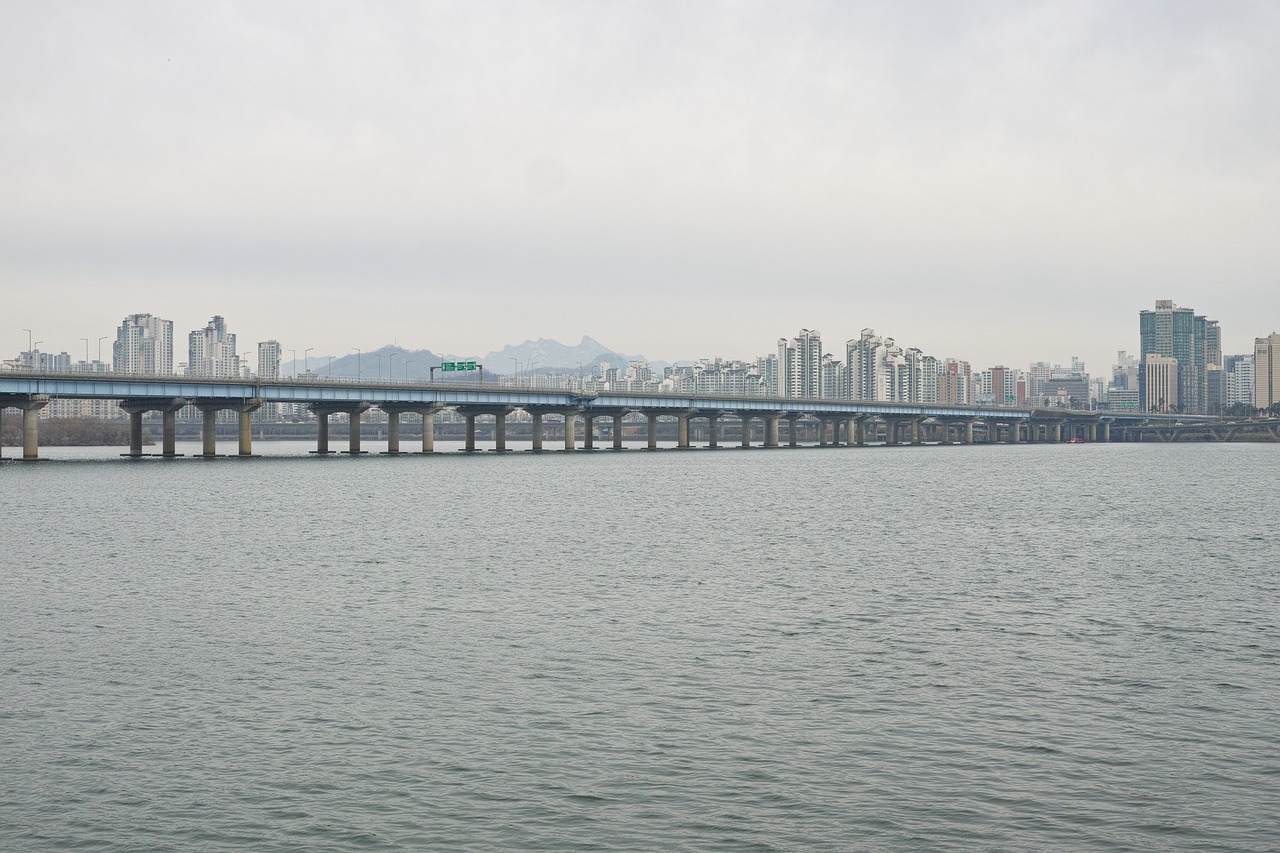
A calm first evening in Seoul, with Han River views that set the tone for an unhurried start.
After a long-haul flight, design your first night like a soft landing: a light supper, a short walk, and early sleep. You’ll wake ready for a palace morning rather than chasing your body clock through traffic—and you’ll be better placed to visit Seoul at its most graceful.
Where to stay in Seoul: Myeongdong convenience, the heart of Seoul, and Han River views
Choosing a base is a quiet form of future-proofing. For shopping and convenience, a hotel near Myeong-dong keeps you close to department stores and easy taxi connections. If you want heritage at your doorstep, stay in or near the heart of Seoul, where palace districts and traditional lanes are a short ride away. For calm, look for Han River views—sunset here can become a gentle ritual in itself.
Wherever you stay, prioritise concierge strength. In summer, the difference between “we’ll see” and “it’s confirmed” is what makes the experience feel truly seamless.
Pre-booking together in Seoul: private guiding, dining, and trust-building details
A high-end trip to Korea is best when the foundations are quietly secured. Book ahead, then give yourself the freedom to wander without friction. If you’d like to preview the tone of curated journeys, take a look at our Korea trip gallery.
What’s worth reserving in Seoul:
- Airport meet-and-greet and a private driver for the first day
- Key dining reservations (especially Michelin-starred counters)
- Private guiding for major tourist sites, so history becomes personal
This “together” approach creates trust: you’re supported, but never over-scheduled.
Seoul’s best attractions: Gyeongbokgung Palace, Bukchon Elegance, and Iconic Moments
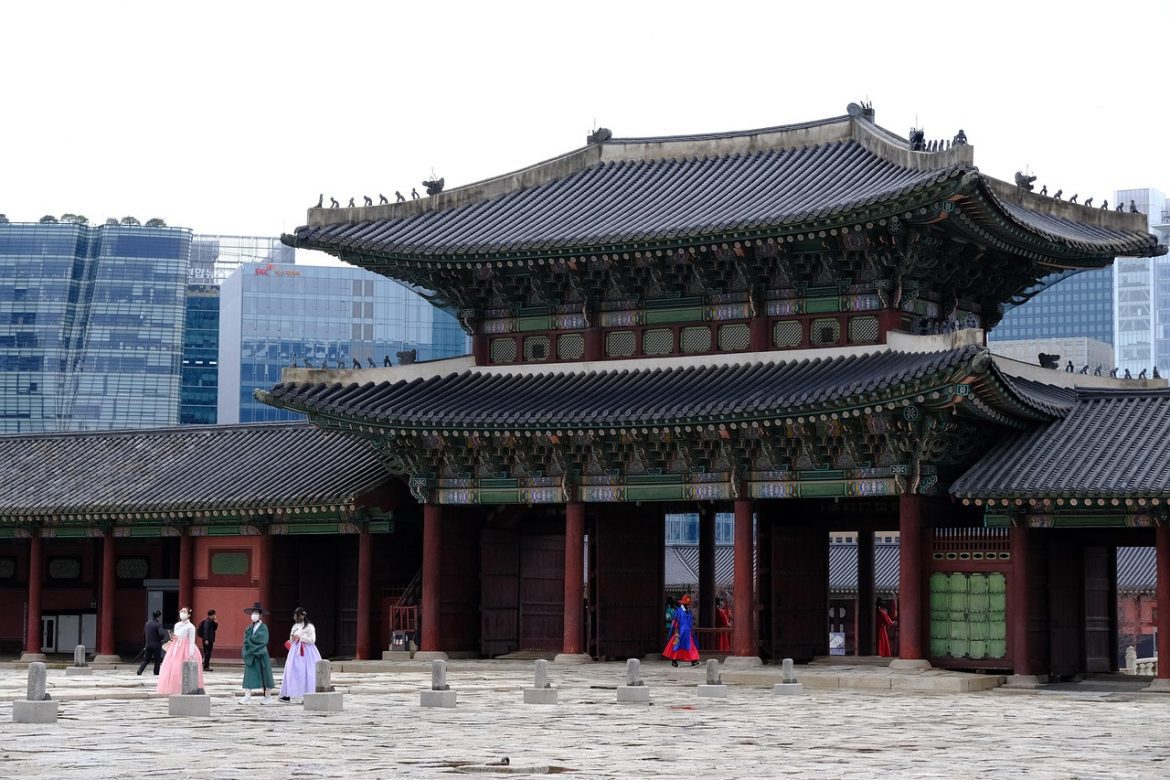
When travellers search for Seoul’s best attractions, they’re often hoping for a day that feels iconic without feeling crowded. In June, the most elegant way to experience Gyeongbokgung is early—before the heat settles in and before tour groups fully arrive. We recommend visiting close to opening time, arriving with space to breathe, and letting the palace’s geometry and quiet courtyards do their work.
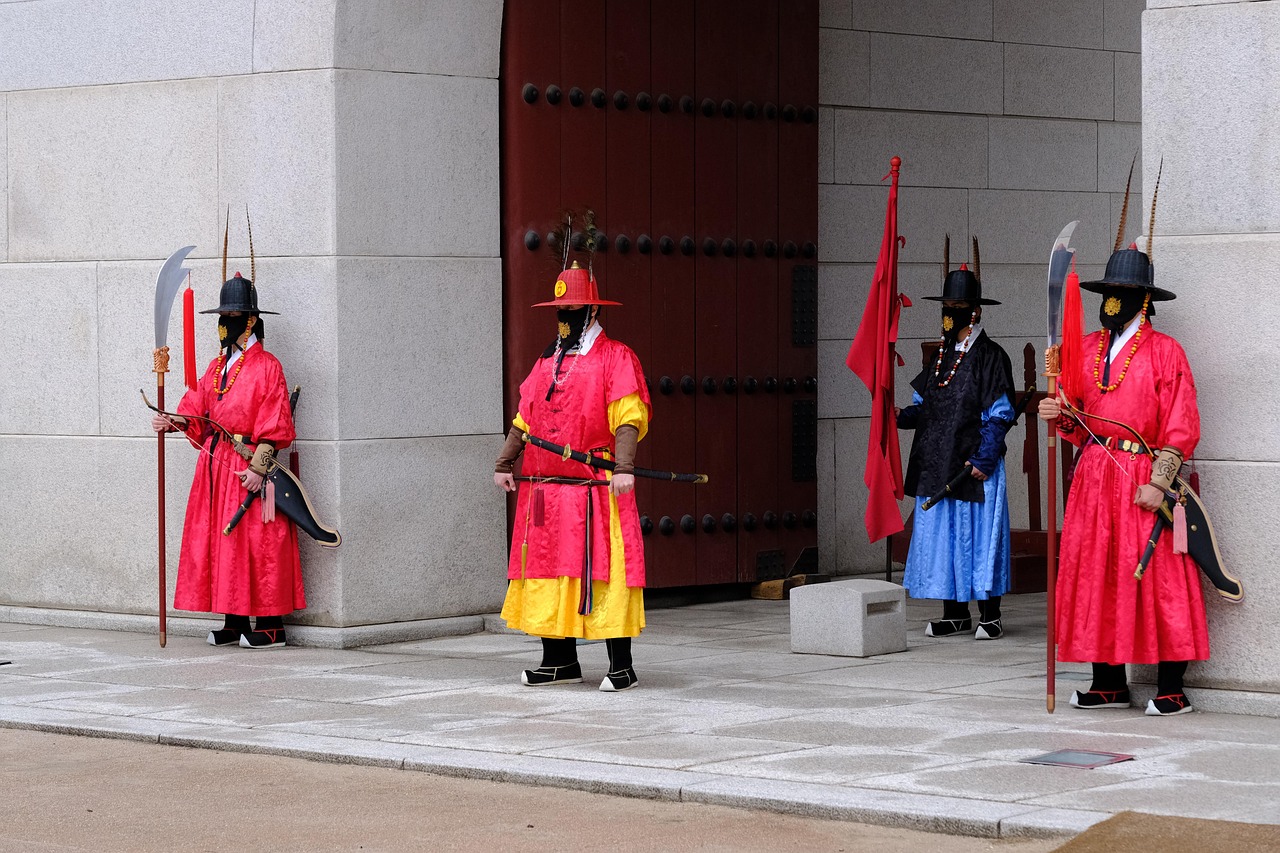
Gyeongbokgung’s courtyards and gates feel especially serene in the morning light of early summer.
Gyeongbokgung Palace: best time to see the royal guard changing ceremony
Time your visit around the royal guard changing ceremony, and treat it as a theatre with historical weight. The best time to see it is usually late morning, but arriving earlier lets you settle in, scout angles, and avoid the thickest lines. Stand slightly off-centre from the main viewing line for cleaner photos, and consider a private guide—suddenly the architecture reads like a story, and court rituals gain meaning beyond spectacle.
A high-end traveller once told us that what surprised them most wasn’t the scale, but the intimacy: the intricate costumes, the steady drumbeat, and the way the historic ambience made modern Seoul feel momentarily distant. That kind of personal connection is why this attraction remains one of the best things to do in the city, even for seasoned travellers.
Entry fees are modest, but the value lies in the context. With expert insight, you don’t just “see a palace”—you uncover how power, beauty, and ceremony shaped a nation.
Bukchon Hanok Village hanbok photo shoot: etiquette, styling, and quiet lanes
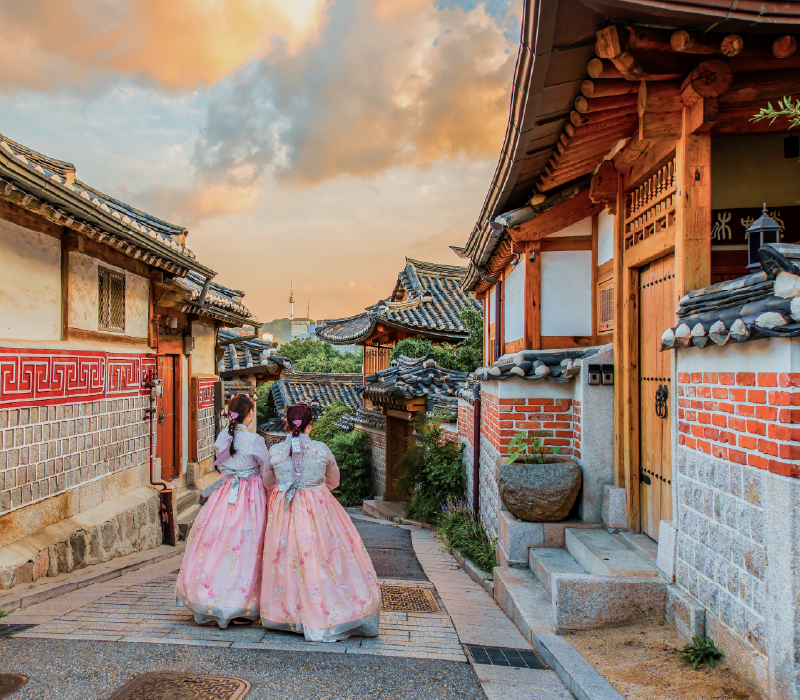
After the palace, create a luxurious hanbok moment in Bukchon Hanok Village. Choose styling that feels contemporary yet respectful—clean lines, refined colours, and comfortable footwear for gentle slopes. A well-planned photo route can avoid peak lanes, especially if you begin before midday and slip into quieter alleys as others queue for the obvious viewpoints.
- Timing: morning light is softer, and the lanes feel more residential than performative.
- Etiquette: speak quietly, avoid blocking doorways, and keep a respectful distance from homes.
- Dress modestly: especially if you add a temple or shrine stop.
If you want one extra layer of cultural context, the National Museum of Korea is a graceful pairing—cool galleries, excellent curation, and an unhurried pace that suits June’s warmth. Alternatively, pause for a quiet tea stop that feels local and crafted, then return to your hotel to reset before dinner.
Nami Island Day Trip: Nature, Shade, and Quiet Renewal from Seoul
For the Nami Island day trip from Seoul, South Korea, in June, a nature escape, the appeal is simple: within reach of the city, yet emotionally far from it. A day trip to Nami Island is one of those rare experiences that feels cinematic without trying. In summer in South Korea, the island’s tree-lined paths become a cool-toned sanctuary of shade and birdsong.
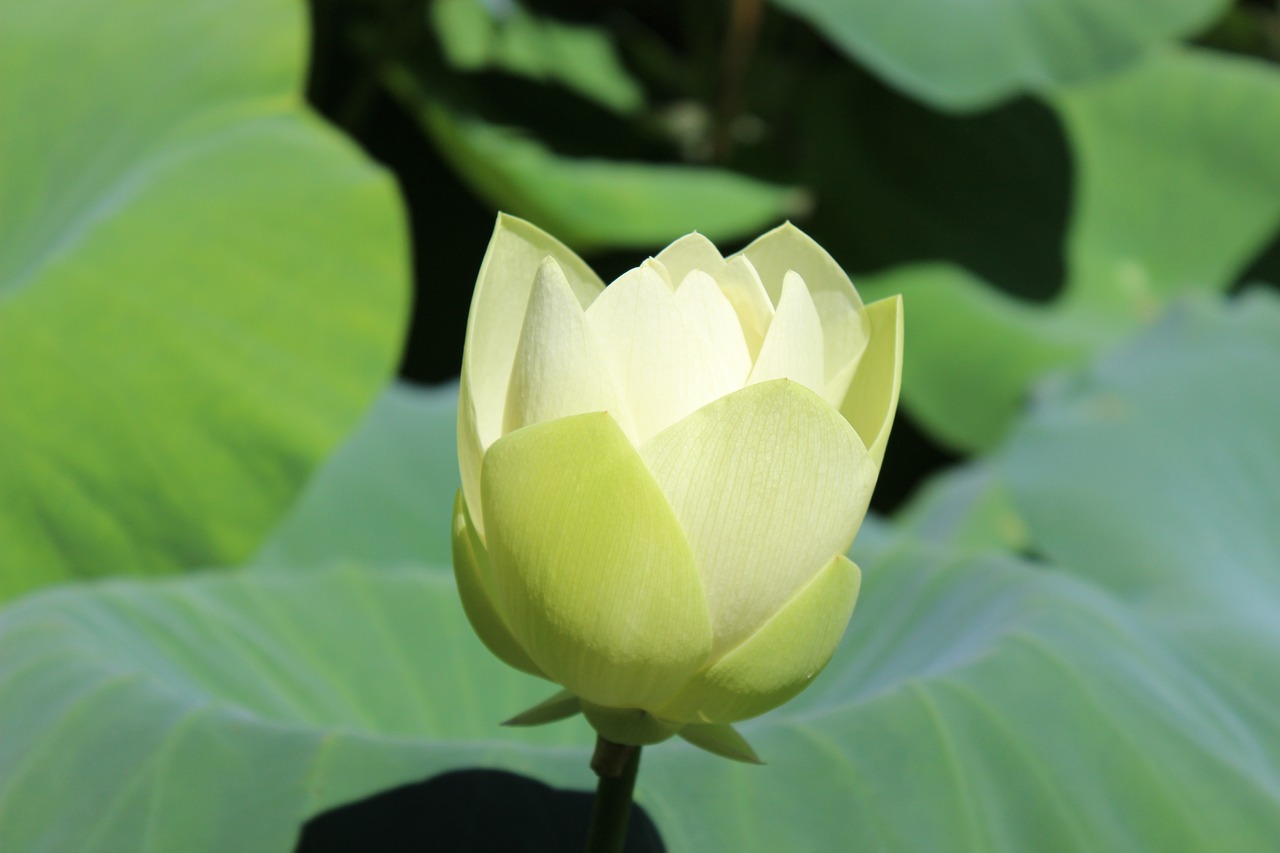
A calm, green escape on Nami Island—perfect for slowing the pace on a warm June day.
Start earlier than you think you need to. You’ll have more comfortable ferry timings, and you can cycle before the day’s warmth reaches its peak. If you’re travelling privately, pre-arranged transport keeps the whole experience effortless—no guesswork at the end, when you’re pleasantly tired and ready for air-conditioning and a cold drink.
Designing the slower loop: the best things to do on Nami Island
Rent a bicycle and choose the slower loop: stop for photographs, sit beside the water, and do less. A solo traveller once described the peaceful ferry ride as a kind of reset—watching the shoreline recede, then cycling beneath dense summer leaves until their thoughts finally softened. Even with temperatures and humidity rising, the rhythm felt genuinely renewing.
For couples, it’s quietly romantic; for solo travellers, it’s grounding. Either way, you can explore at your own pace and still feel that you’ve discovered something personal.
Comfort notes: high humidity, shaded pauses, and an easy return to Seoul
Bring hydration and sun protection that suits your style—think a well-cut cap, light long sleeves, and breathable trainers. If you’re sensitive to high humidity, build in shaded pauses and choose a café stop rather than pushing through the heat.
Best things to add without complicating the day:
- Picnic-ready snacks from Seoul (fruit, pastries, chilled tea)
- A short forest walk that still feels lush and cinematic
- A few set photo viewpoints, then plenty of unplanned “wandering around”
Back in Seoul, a shower and a slow evening will make tomorrow feel bright again.
Festival Season in June: Seoul Nights, VIP Comfort, and Coastal Play
Searching for festivals in Korea in June, Seoul’s night events are often code for one thing: you want energy after dark. June brings a playful calendar, and the key for high-end travellers is to choose events that feel exciting without feeling punishing—VIP seating where possible, a private car on standby, and breathable schedules that protect your mornings. Think of this chapter as contrast: palace calm at dawn, modern music at midnight; it’s the layering that makes a trip to Korea feel designed rather than accidental.
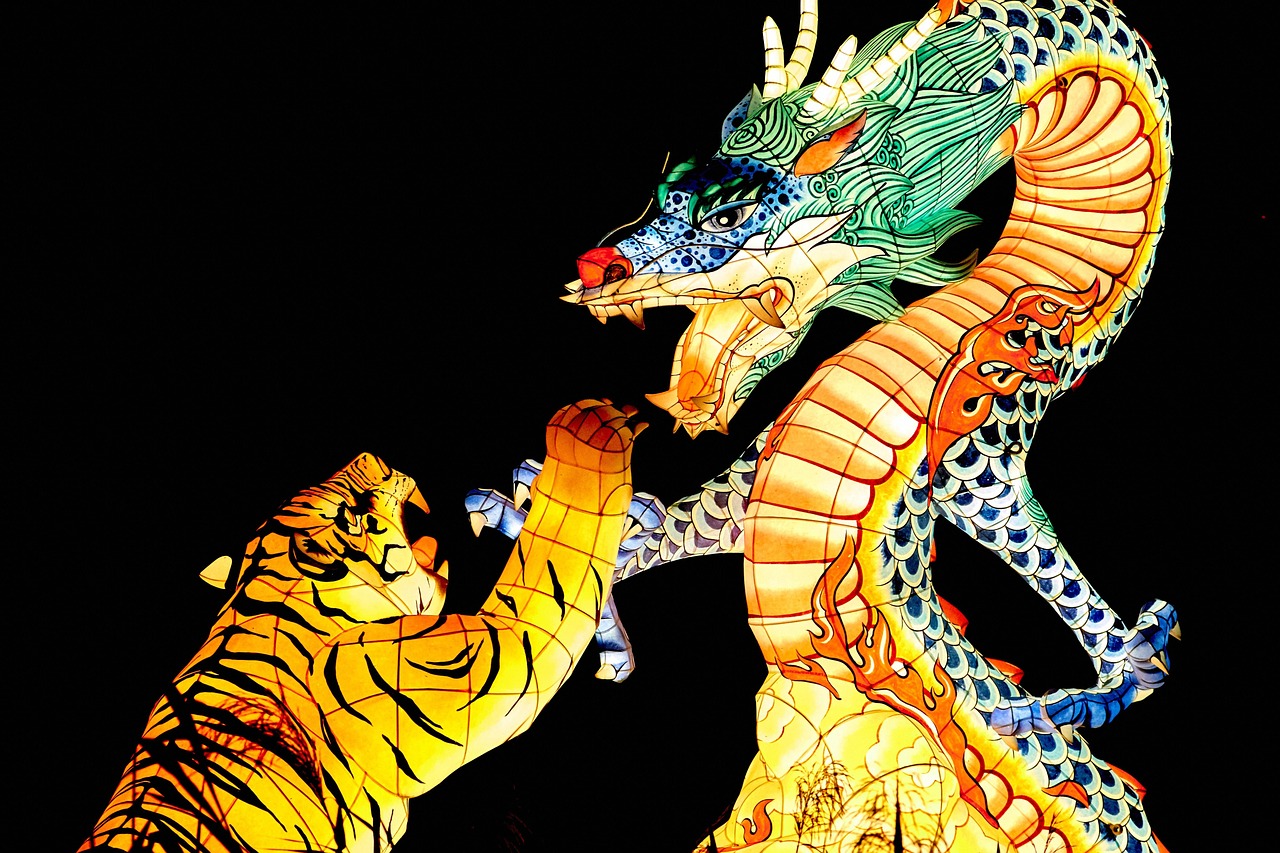
June’s festival energy is best enjoyed with smart pacing—late nights, then restorative mornings.
World DJ Festival in Seoul and balancing late nights
World DJ Festival is a modern counterpoint to heritage mornings—big sound, big lights, and locals and tourists moving together as one crowd. If you go, commit fully, then protect the next day: sleep in, book a leisurely brunch, and plan something restorative like a gallery visit or a spa circuit.
The goal is confidence, not stamina. In June, when the average temperature in Seoul climbs, the most luxurious choice is often the one that leaves you feeling well.
Boryeong Mud Festival: care, comfort, and coastal logistics
This coastal mud event can fall in late June or slip into July, depending on the year, so it’s wise to check dates before you design your route. An international visitor once recounted the sensory delight: cool mud against sun-warmed skin, laughter everywhere, and a feeling of cultural immersion that was both silly and oddly freeing—even in the heat.
- What to wear: simple swimwear, a cover-up, and shoes you can rinse.
- Heat care: plan shade breaks and keep water close; humidity can feel sudden near the coast.
- Afterwards: prioritise proper showers and a clean change for the return to your hotel.
If you’d rather keep things romantic, choose a lantern-themed evening instead: seasonal light displays can appear around the city, and a riverside walk near Dongdaemun Design Plaza or along the Han River can feel quietly magical. If your dates align with a formal lantern programme, it’s a lovely way to end the night without noise.
And for travellers who like a lighter, local festival mood, the Toechon Tomato Festival is another seasonal option to look out for—cheerful, summery, and very Korean in spirit.
Michelin-Starred Seoul: Seasonal Dining and Traditional Korean Flavours in June
If you’re searching for Michelin-starred restaurants in Seoul, seasonal Korean gourmet, June ingredients, you’re already thinking the way a luxury traveller does: meals as moments, not just meals. In Seoul, June offers tasting menus that feel precise rather than showy—built on market-fresh produce and seafood, and on techniques that let ingredients speak clearly. Put simply, June offers a seasonal table that feels both modern and rooted in traditional Korean sensibility.
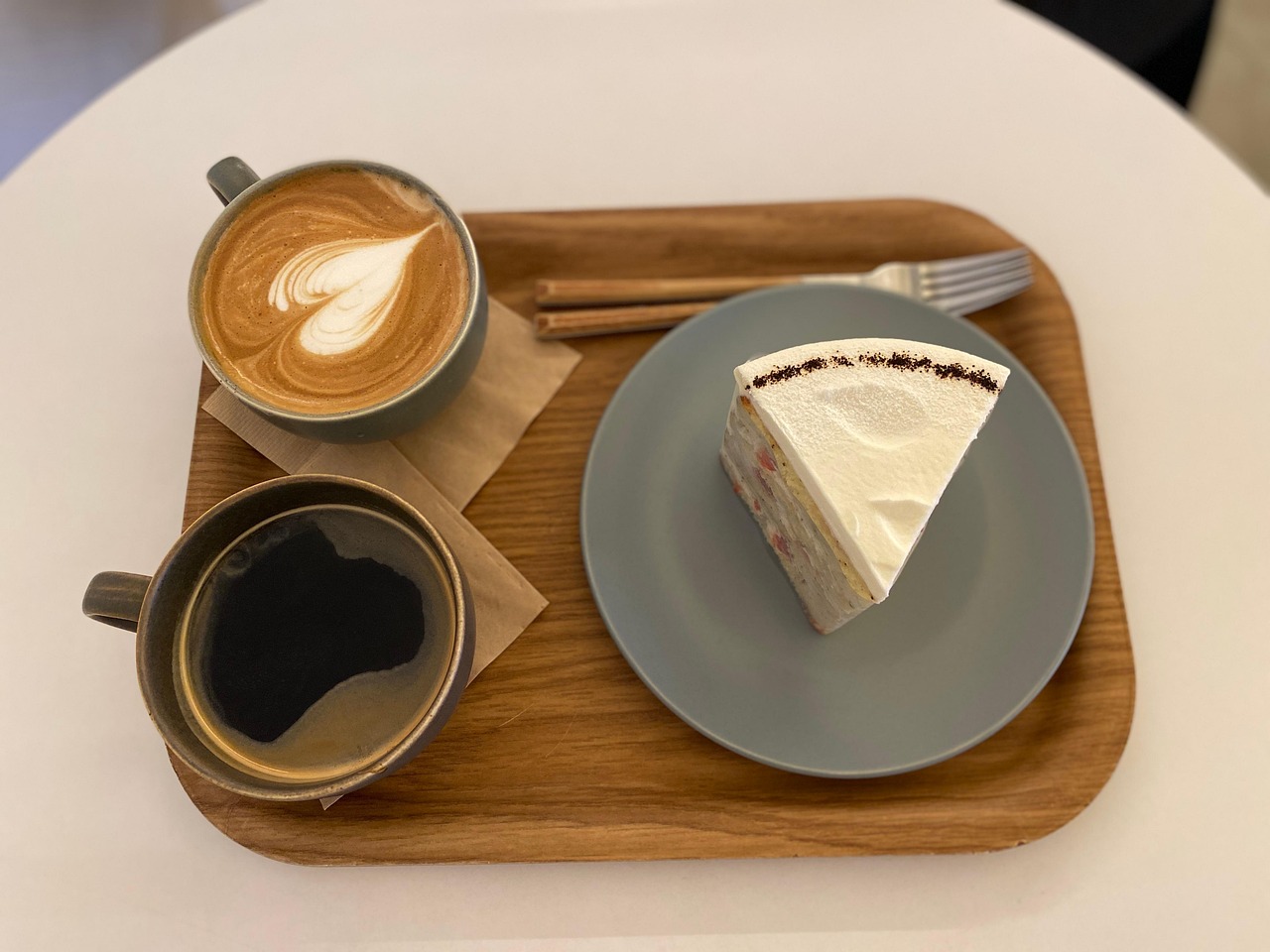
Seoul’s evening dining scene pairs beautifully with a gentle café culture for post-dinner strolls.
Reservation strategy with expert reassurance
Book early—particularly for intimate dining rooms and chef’s counters. Hotel concierges are invaluable here: they can confirm dietary needs, secure preferred seating, and discreetly note celebrations. This is where luxury support feels most meaningful, because it removes the “what if we can’t get in?” anxiety before it starts.
If you’re planning to visit South Korea during the summer months, reservations matter more than you might expect. Seoul’s best rooms are in demand, and a crafted evening deserves a guaranteed table.
Dining culture, tipping, and quiet confidence
Dining in South Korea is warm, professional, and often beautifully efficient. You’ll notice how South Korean chefs and service teams balance speed with care, especially in fine dining, where the atmosphere is part of the artistry. Tipping is generally not expected, though appreciation can be shown through premium service channels: booking a return visit, thanking staff with genuine care, or letting your concierge handle service nuances appropriately.
After dinner, keep the night soft. Pair richer courses with lighter flavours earlier in the evening: a tea house, an elegant dessert café, or a slow stroll through a nearby neighbourhood. In June, when the air stays warm, this is a lovely way to let the city settle around you.
Jeju Island and Busan Add-Ons: A High-End Trip to Korea Beyond Seoul
For travellers comparing Jeju and Busan travel in South Korea, the best time to visit is June, which can be a surprisingly graceful window for add-ons. It can feel like a nice weather bridge between spring’s brightness and July and August, when heat and heavier rain can intensify. Korea is still settling into summer in early June, and Jeju can be a beautiful place in June for nature-forward days—just keep plans flexible later in the month.
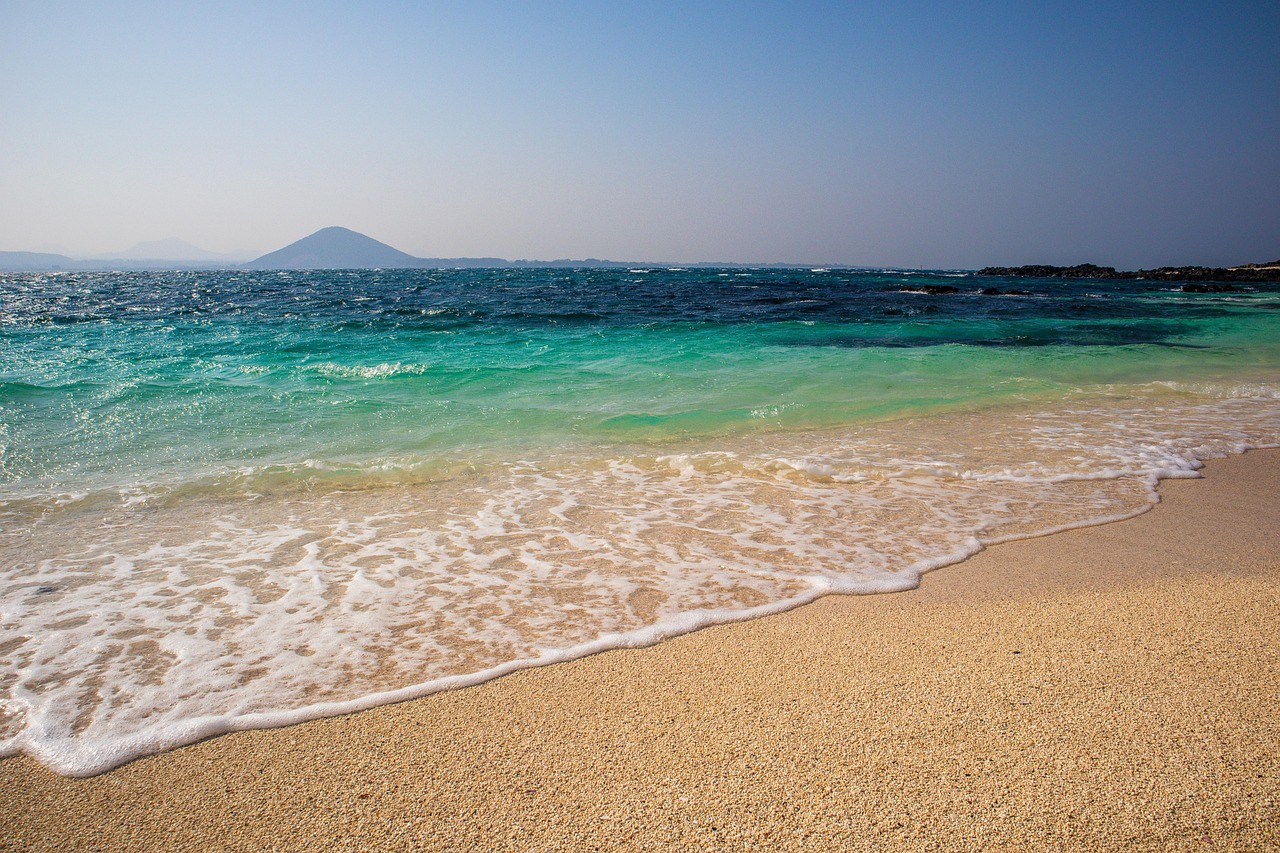
A refined June extension: seaside time in Busan, then open horizons and sculpted landscapes on Jeju Island.
A simple coastal extension with Busan, then Jeju
Consider a gentle two-stop extension: visit Busan for 2–3 nights, then continue to Jeju for volcanic landscapes and boutique stays. Busan is a true coastal reset—beaches, seafood markets, and a slower pace that contrasts beautifully with the capital. Jeju, meanwhile, is where you trade skylines for wide horizons and sculpted stone.
If you’re returning to Korea, this also helps you experience a different texture of the country—less city polish, more nature and open space.
Best time to visit the South and how June compares with the cherry blossom
If your dream is flowers in full bloom, you’ll likely prefer spring and the classic cherry blossom festival period. But if you want long light, greenery, and more time exploring outdoors, June can be a beautiful choice—especially early June, when the country hasn’t fully tipped into peak heat and storms.
This is also why some travellers say June is a great compromise: you get warmth without the peak intensity that can define later summer.
Logistics that keep the journey calm
To keep South Korea travel effortless, choose the mode of transport that suits your pace. Domestic flights are quick for Jeju, while KTX trains can make city-to-city travel smooth and comfortable. Between cities and tourist hubs, small details—like lounge access, pre-booked seats, and luggage forwarding—are what keep you feeling composed in warm weather.
- KTX: comfortable for city connections when you want to see the landscape.
- Flights: ideal for Jeju Island and tighter timelines.
- Luggage support: helps you travel light and stay composed in warm weather.
With the right design, even multi-stop travel to South Korea can feel unhurried.
F.A.Qs: Korea in June
Is June a good month to visit Korea?
Yes—June can be a good month, especially early on. Days are long and warm, gardens are lush, and many outdoor attractions are enjoyable if you plan mornings for sightseeing and allow for midday breaks. Later in June, humidity and rain can increase as the monsoon approaches, so flexible plans and smart packing make the experience far more comfortable.
What is the cheapest month to go to Korea?
Prices vary by city, events, and school holidays, but late winter (often January to February, excluding Lunar New Year) is frequently among the cheapest times for flights and hotels. You may find better value in shoulder periods, too. If you’re travelling in June, book key hotels and dining early to keep choice and pricing on your side.
What is the 52-hour rule in Korea?
The “52-hour rule” refers to South Korea’s labour regulation that caps the standard maximum working week at 52 hours (typically 40 regular hours plus up to 12 overtime). For travellers, it’s not something you need to follow, but it can subtly influence business hours, staffing patterns, and service pace in certain industries.
Is Seoul usually crowded in June?
Seoul can be busy in June, but it’s often more manageable than peak cherry blossom weeks or autumn weekends. Early June is typically calmer, while the latter part of the month can feel busier with summer travel and festivals. You can keep it serene by booking private guides, choosing early-entry times, and leaning on your hotel concierge for timed reservations.
After South Korea: What Stayed With You from June
After you visit South Korea in June, what remains isn’t a checklist of places to see—it’s atmosphere. It’s the soft weight of history at dawn, when palace stones hold the cool of night. It’s the warmth of summer air by the Han River, and the way the city’s sound changes as evening arrives: calmer, lower, more intimate.
Often, it’s the smallest moments that return with the most clarity. A shared smile during a ceremony when you and a stranger both recognise the beauty of it. A private photograph in a hanok lane that feels like time paused. A taste—clean, seasonal, quietly assured—that you can almost call back on an ordinary evening at home.
When a journey is crafted with care, you don’t just collect experiences; you uncover a rhythm. You move differently afterwards—more patient with heat, more open to detours, more willing to design your day around what makes you feel well. The trip lingers as confidence and as trust in your own sense of pace.
And somewhere in the background, without urgency, another month of the year begins to glow with possibility—waiting to be imagined when curiosity gently returns.