Start Your South Korea Itinerary 2026 With Confidence – A 12-day Korea Trip Plan with Luxury Pacing
Start your South Korea journey with a calm, well-paced 12-day route
When you begin a 12-day South Korea itinerary for 2026, the aim isn’t to cram in every landmark—it’s to design a rhythm that lets you actually feel this North Asian destination. The itinerary starts with a smart flow: Seoul for royal heritage and design districts, Busan for sea air and colour, Gyeongju for ancient depth, Jeonju for craft and cuisine, and Jeju Island for nature-led restoration. With thoughtful routing, private drivers where it matters, and efficient rail, days in Korea can feel unhurried even when you’re seeing a lot.
For many travellers, a Korean itinerary works best when it alternates “grand” moments with soft pauses. That might mean a palace morning followed by a café afternoon, or a cultural visit balanced with a curated shopping street where you can linger. If you’d like to see how Designer Journeys shapes these rhythms across South Korea trips, you can explore our Trip gallery and imagine what a tailored trip to South Korea could look like for you.
Time to visit South Korea: seasons, cherry blossoms, and comfort-first planning
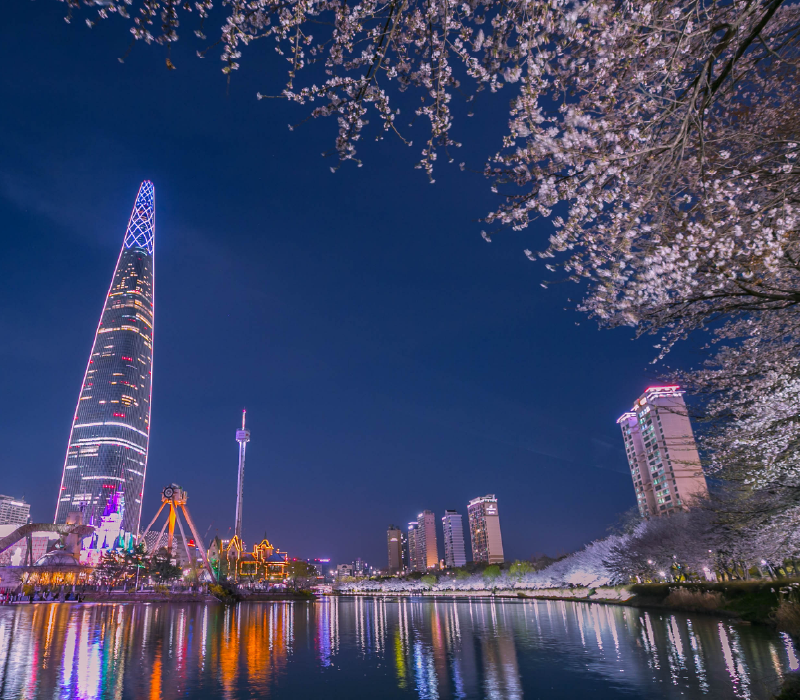
If you’re considering the time to visit South Korea for comfort, light, and photogenic streets, two seasons consistently shine. April to June brings crisp mornings and cherry blossoms, while September to November offers mild weather and clearer scenic views. These windows can also feel calmer in premium neighbourhoods and at high-demand restaurants, where atmosphere matters as much as access.
In winter, Seoul’s interiors—galleries, tea rooms, and refined dining—become part of the charm, while summer can be humid and busy. If you’re travelling with couture pieces, planned shoots, or a preference for long walks, those shoulder seasons tend to be the most forgiving.
Arrival at Incheon: a seamless first hour with pre-planned transfers
Landing at Incheon should feel like the first exhale of your holiday, not the first task. Many high-end travellers choose a private transfer for door-to-door calm, especially if you’re arriving late, travelling with luggage, or simply value quiet. A luxury limousine bus is also reliable and surprisingly easy—ideal if you’re staying in central Seoul and prefer a smooth, cost-effective option.
We encourage booking core transfers early so your first evening feels held. That may be as simple as ensuring the driver knows your hotel’s exact entrance, or arranging a discreet meet-and-greet that helps you bypass busy arrival halls.
Practical confidence for visiting South Korea: payments, etiquette, and comfort
Visiting South Korea is refreshingly straightforward once you know a few on-the-ground details. Cards are widely accepted, but it’s wise to carry a small amount of Korean won for markets, taxis in quieter areas, and small vendors. For your most serene photo opportunities—particularly at major landmarks—choose early-morning entry slots whenever possible.
- Payments: Tap-to-pay works in most places; keep cash for artisanal stalls and street snacks, and note prices are in South Korean won.
- Comfort: Wear supportive footwear for palace courtyards, long pavements, and stair-heavy neighbourhoods.
- Etiquette: A slight bow when greeting, and remove shoes in homes and many hanok spaces.
- Temples: Dress modestly and bring layers; interiors can be cool even in warmer months.
Above all, travel here rewards gentle attentiveness. With the right support, your South Korea itinerary becomes less about logistics and more about presence—especially on a luxury-led Korea trip.
Seoul Royal Heritage Itinerary – Gyeongbokgung Palace, Bukchon Hanok Village, and Jogyesa Temple Stay
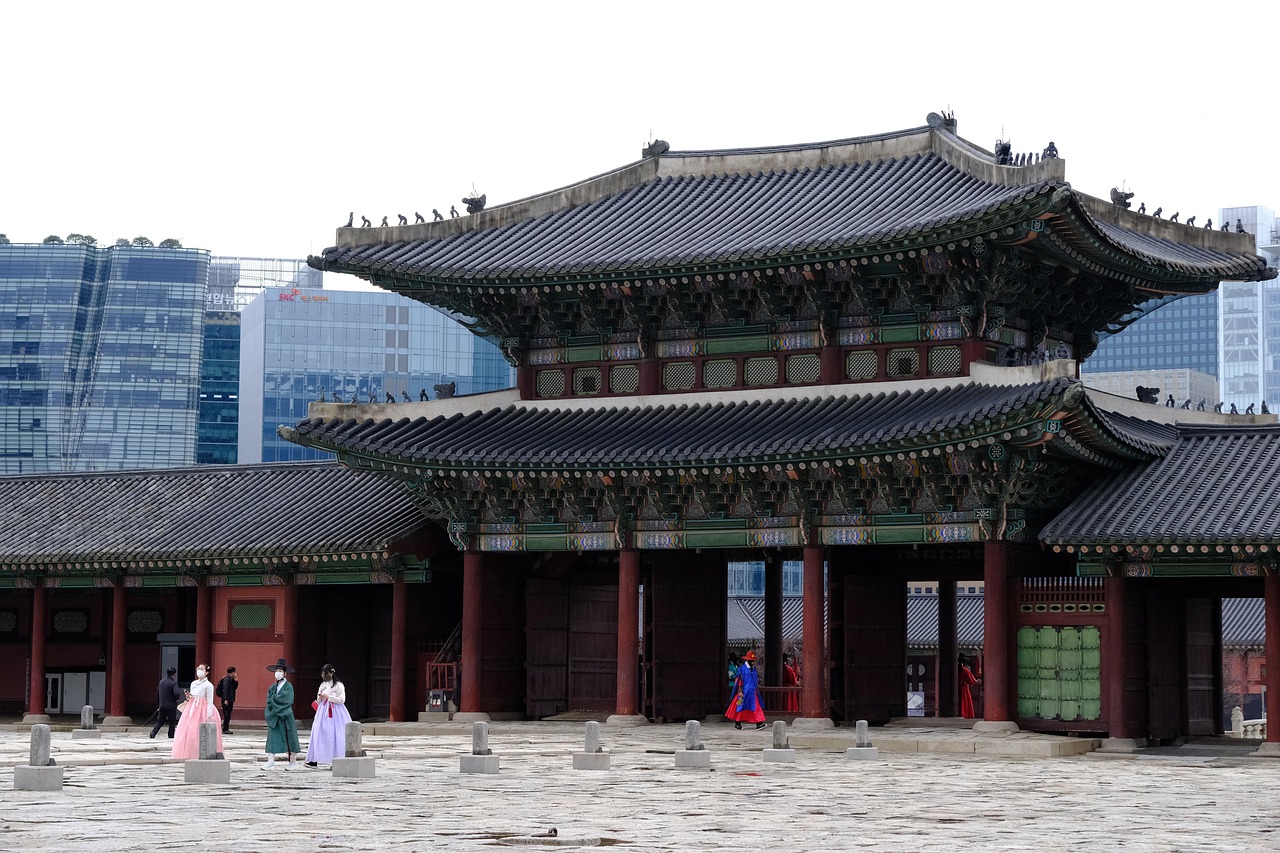
Seoul heritage walks through hanok lanes and royal courtyards
Build your first Seoul days around Gyeongbokgung Palace, Bukchon Hanok Village, and a quiet visit to Jogyesa, and you’ll feel the capital’s contrasts in the most reassuring way. Seoul holds history close, yet never feels stuck in it; there’s always a modern line or a contemporary detail nearby. Begin with Gyeongbokgung Palace, where broad courtyards and painted eaves create a sense of scale that photographs can’t fully capture.
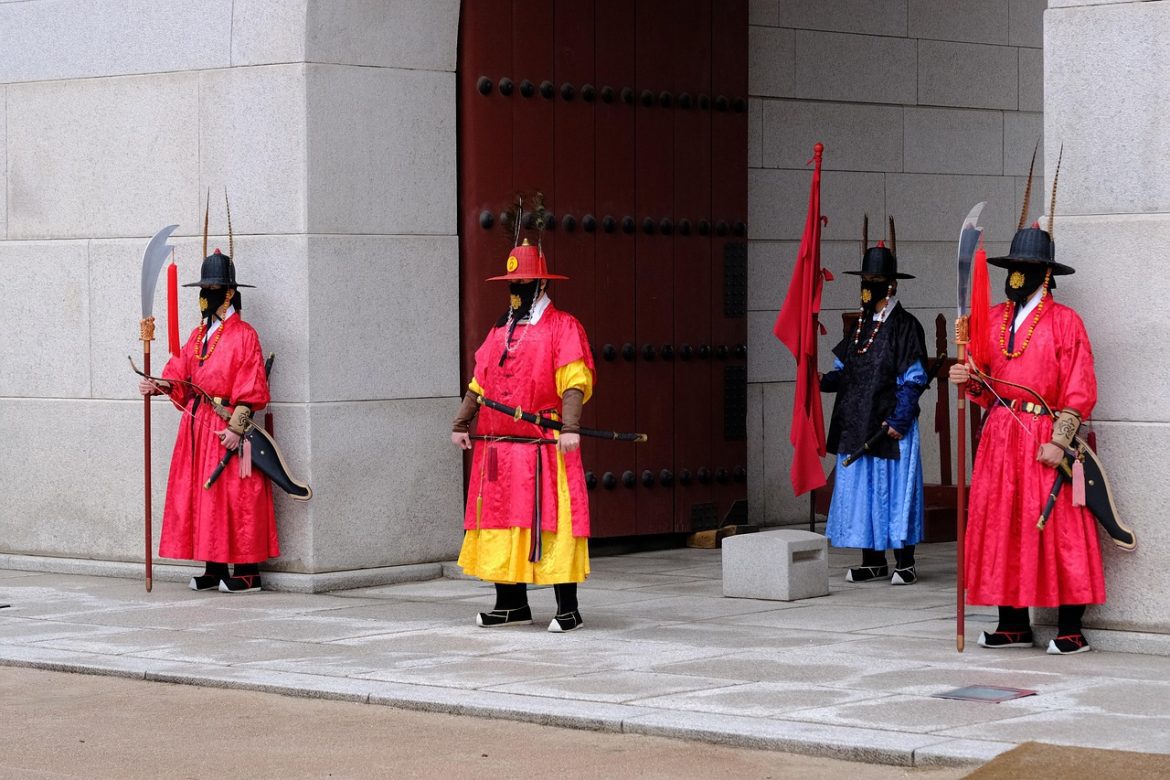
If timing allows, plan your visit around the royal guard changing ceremony. It’s ceremonial, colourful, and unexpectedly moving—especially when you’re standing quietly at the edges, watching tradition become present tense.
Gyeongbokgung at dawn: a guided tour, lighter crowds, and elegant hanbok portraits
A high-end traveller once shared that a private guided tour at dawn gave them a profound sense of Korea’s royal heritage without the crowds. In those early minutes, the air is cooler, the stones feel almost hushed, and the guide’s storytelling lands with more clarity. You begin to notice tiny details—carved beams, the way light catches tiled roofs—because you’re not rushing.
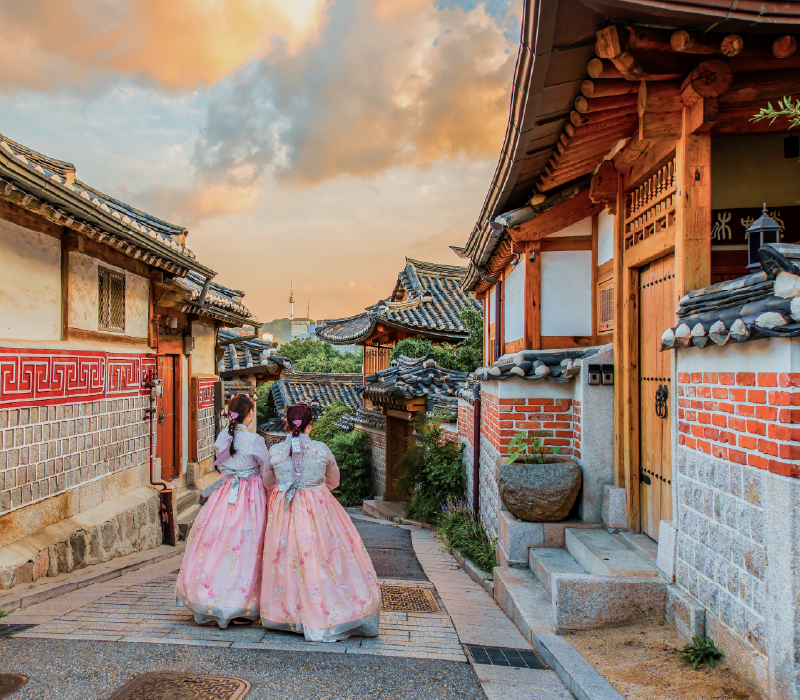
If you’d like to deepen the immersion, rent a hanbok for portraits and a more tactile connection to place. When done thoughtfully, it feels less like a costume and more like a crafted way to step into history for an hour.
Bukchon Hanok Village: respectful wandering through traditional Korean streets
Bukchon Hanok Village is a living neighbourhood, not a museum set. Its lanes are photogenic, yes—but the most meaningful way to explore is with soft voices, slower steps, and an awareness of private homes. This is where traditional Korean architecture sits beside modern Seoul, and the mix feels natural once you let go of the urge to “complete” it.
For an additional heritage layer, Changdeokgung can be a beautiful companion visit if you want another palace perspective—more garden-led, and quietly elegant in a different way.
Between cultural sites, take a restorative pause at Cheonggyecheon Stream. Even fifteen minutes here can reset your nervous system before your next museum, fitting, or boutique appointment in Seoul’s most walkable neighbourhoods.
To close the chapter with calm, consider a temple stay in the capital at Jogyesa Temple. One visitor described the warm hospitality as transformational, noting peaceful mornings, mindful meditation, and a tea ceremony that felt genuine rather than performative. Even a short visit brings a subtle kind of trust—like the city is offering you space as well as spectacle.
Seoul Style Districts Itinerary – Garosu-gil, Insadong, and Michelin Korean Food in Seoul’s Creative Core
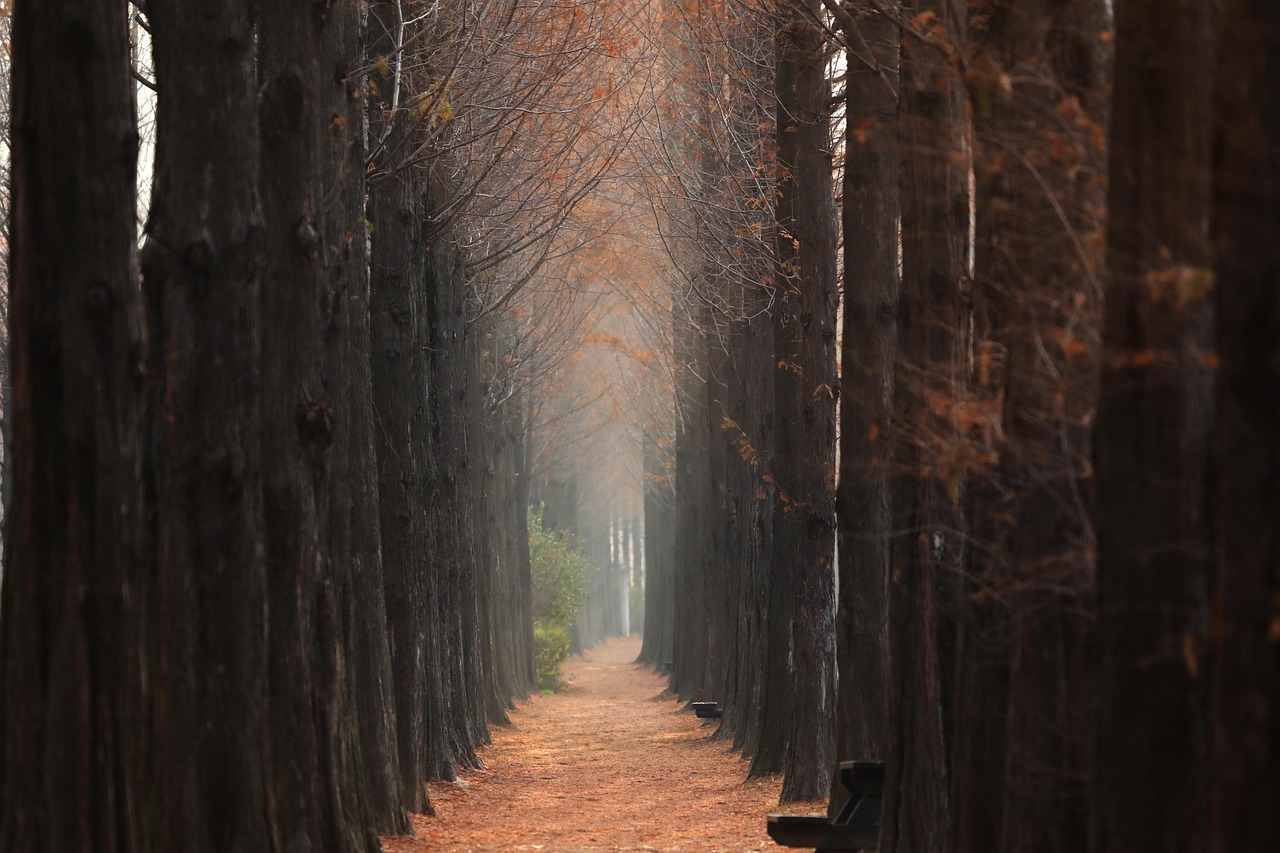
A polished Seoul day: design streets, artisan finds, and a well-timed table
For an elevated city day, the Seoul luxury shopping and Michelin Korean food pairing is one of the most satisfying ways to explore. It’s not simply about spending—it’s about uncovering Seoul’s design language, from fashion to ceramics to the choreography of a perfectly timed meal. With local insight, these districts feel curated rather than commercial, and Seoul’s creative energy feels effortless.
Garosu-gil: design-forward boutiques and calm café pacing
Garosu-gil is Seoul’s design-forward district, where boutiques sit alongside small galleries and chic cafés. The most rewarding approach is to choose a few anchors—one standout store, one gallery, one slow coffee—then allow time to drift. When you travel this way, you notice textures: the quiet confidence of shop interiors, the way staff offer support without hovering, and the street’s gentle hum.
If you’re travelling with a personal shopper or stylist, appointments can be arranged so you’re not queuing or rushing. This is where premium transport—taxis or a private car—keeps the day seamless, especially if you’re carrying purchases or changing outfits for dinner.
Insadong: artisan side streets, hanok tea, and Korean culture in small details
In Insadong, the charm is in the side streets. A traveller once described the excitement of discovering hidden galleries and small ateliers here, where cultural authenticity and high-end taste meet without trying too hard. You can browse hanji paper, calligraphy tools, ceramics, and modern art pieces that feel both local and collectable.
This is also an ideal place to pause for a traditional tea ceremony in a hanok teahouse. One couple told us it became the moment they felt most connected to Korean culture—quiet conversation, warm cups, and the sensation of time slowing down in the middle of the city.
Evenings are where Seoul can feel truly crafted. For the highest level of Korean cuisine, Michelin-starred restaurants bring precision, storytelling, and a kind of calm theatre. Booking is essential for the most sought-after seatings, and we recommend confirming dietary preferences in advance so the experience feels personalised rather than procedural.
A small food story that stays with many travellers is jeonbokjuk, abalone porridge, enjoyed at a renowned Seoul restaurant. The flavour can be exquisite—sea-sweet and deeply comforting—made even better by thoughtful pacing and attentive service that never interrupts the moment.
If you want optional add-ons with varied energy, consider Myeongdong for polished beauty shopping, Hongdae for contemporary creativity, or Namsan for an observatory view that turns the city’s lights into something softly cinematic.
A Private Day Trip to the DMZ: Demilitarised Zone context with a private guide from Seoul
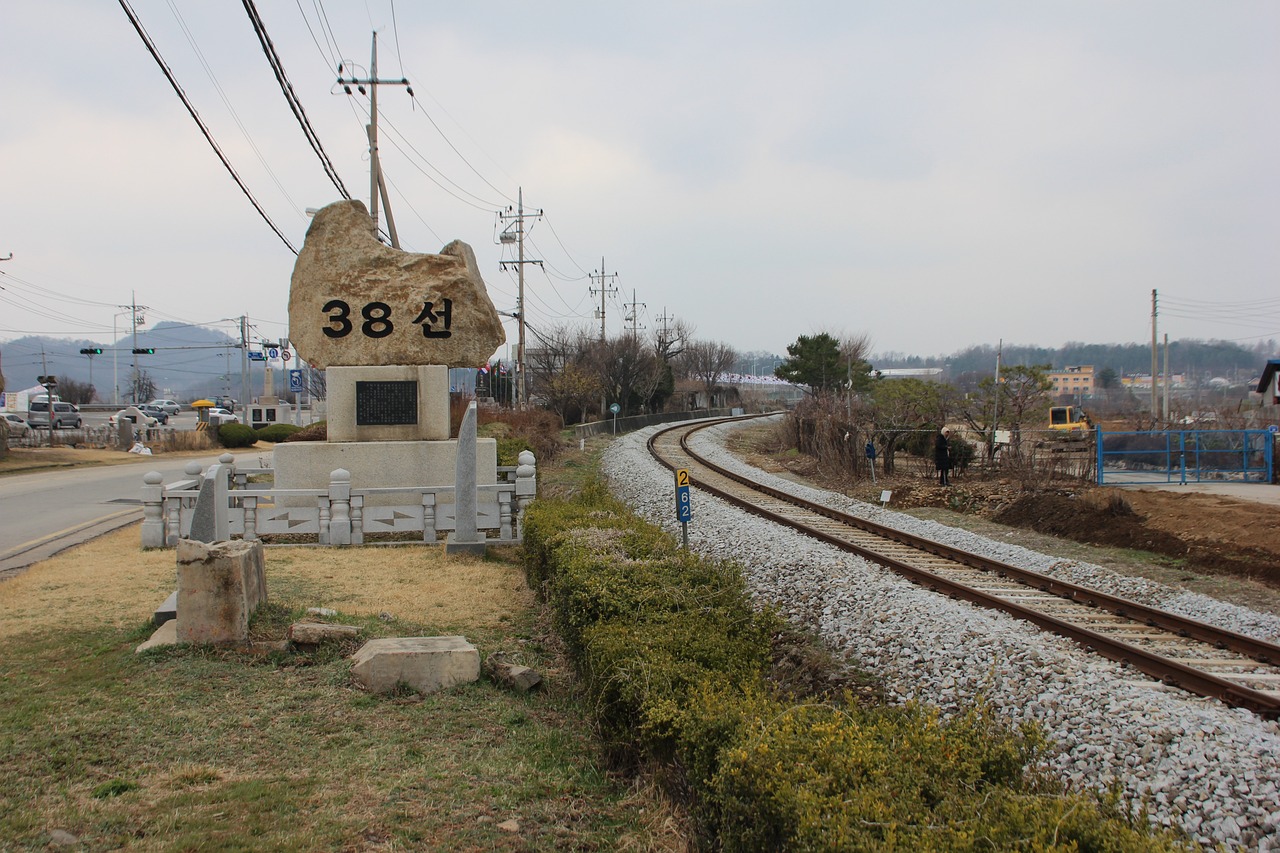
A private, context-rich excursion designed for perspective
A private day trip to the DMZ adds depth to your itinerary in a way that feels thoughtful rather than heavy. This is a respectful look at the demilitarised zone, approached with sensitivity and clear context. It’s also one of the few excursions where travellers often leave with quieter voices than they arrived with.
Why a private guide supports context, timing, and a composed experience
For comfort and clarity, choose a private experience with an expert who can translate not only language, but nuance. A well-designed experience keeps the day calm: private transport, timed entry, and a guide who can explain complex history without spectacle. In a region shaped by North Korea’s story, this kind of measured support matters.
In practical terms, the tour includes the logistics you don’t want to think about and the human insight you genuinely do. For most guests, the tour runs from early morning to early afternoon, depending on stops and traffic back to Seoul.
What to bring: booking details, dress codes, and observation points
Security protocols vary, and passport requirements depend on the operator, so confirm details at booking. Dress codes are generally simple—neat, comfortable, respectful—and it’s wise to avoid overly provocative slogans on clothing. Departing early helps you move through checkpoints more smoothly and arrive before the largest groups, which can make time at an observatory feel calmer and less crowded.
- Bring: passport if required, water, and a light layer for breezier viewpoints.
- Wear: comfortable shoes and understated clothing for a composed experience.
- Expect: security etiquette and a more reflective pace than typical sightseeing.
Emotionally, many visitors report a renewed sense of empathy—an understanding of resilience and a deeper trust in the everyday peace that makes travel possible. It’s not a day for dramatic photographs; it’s a day for perspective within a South Korea tour that prioritises meaning over spectacle.
12-day South Korea Trip Itinerary Highlights – Busan, Gyeongju, Jeonju, and Jeju Island
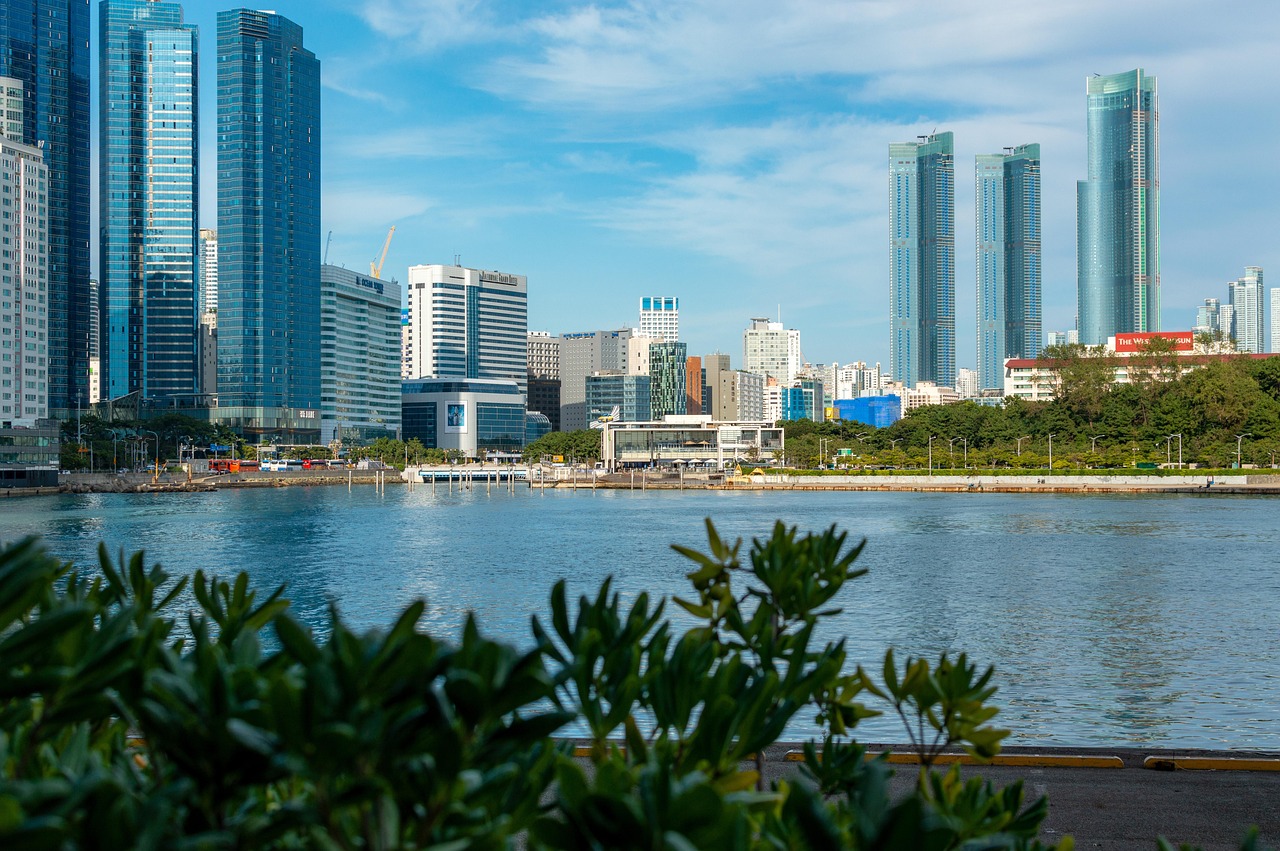
A 12-day tour arc: coast, ancient capital, craft city, and island nature
When you plan Busan, Gyeongju, Jeonju, and Jeju Island into one 12-day story, the secret is to let each place do one thing beautifully. Busan gives you sea air and colour; Gyeongju offers time travel; Jeonju brings craft and flavour; and Jeju Island invites nature-led rest. This is where a 12-day tour can feel like a complete narrative rather than a checklist, and where South Korea’s variety becomes tangible.
Busan by high-speed train: Haeundae, Jagalchi Fish Market, and Gamcheon Culture Village
Busan is a coastal counterpoint to Seoul, and arriving by high-speed train makes the transition feel effortless. If you want a classic first impression, start with a scenic walk at Haeundae, then give yourself one sensory hour at Jagalchi Fish Market—just long enough to absorb the energy without overwhelming your senses. Later, Gamcheon Culture Village adds colour and craft, best enjoyed with a relaxed pace and attention to small details.
For transport confidence, many high-end travellers blend rail with private drivers. The train keeps your schedule efficient, while a driver in Busan helps with flexible pacing, luggage, and those small timing adjustments that keep a day feeling calm—especially if you’re continuing onward on a tour from Busan the next day.
Day 7 in Busan: Haedong temple is quiet, a marine cable car, and Spa Land Centum City
Day 7 can be your anchor for pacing: begin with a gentle temple moment at Haedong, then ease into lunch and a slow afternoon. From there, a Songdo marine cable car ride offers a beautiful perspective over the coastline, followed by a cruise around the bay at golden hour. If you prefer something deeply restorative, Spa Land Centum City is an elegant way to unwind after consecutive travel days.
This is also a good reminder that you don’t have to do everything. The most luxurious choice is often to do fewer things, more fully.
Gyeongju, Korea’s ancient capital: Silla history, tomb landscapes, and UNESCO sites
Gyeongju, Korea’s ancient capital, is where history feels close enough to touch. As the capital of the Silla, it holds stories that stretch back over a millennium, and the landscape carries that weight with grace rather than gloom. Prioritise a UNESCO World Heritage Site such as Bulguksa Temple, often shortened to Bulguksa, where stonework and symmetry create a quiet, reverent rhythm.
Pair it with a walk through Tumuli Park, where a tomb landscape of grassy mounds creates an unflashy kind of awe—one that stays with you because it’s so understated. If you enjoy slow photography, arrive early for softer light and fewer tour groups.
Jeonju and Jeju Island: hanok stays, bibimbap, and Jeju’s volcanic landscapes
Jeonju is a perfect interlude for craftsmanship and Korean food, especially if you enjoy slow evenings in beautiful architecture. A night near Jeonju Hanok Village can feel intimate and grounding, and it’s the ideal place to try bibimbap in the city that’s most proud of it. For better sleep, choose accommodation set slightly back from the busiest lanes, and confirm check-in details during booking if you’re arriving late.
Then Jeju Island opens into wide skies and volcanic landscapes, with a softer pace that suits a restorative final stretch. Plan one early morning for Seongsan—sunrise here can feel like a private ceremony with the horizon—and give yourself time to simply walk, breathe, and reset. Many travellers describe Volcanic Jeju as quietly wild, shaped by wind, sea, and lava-formed coastlines.
If you’re extending beyond this core Korea itinerary, Seoraksan National Park and Suncheon Bay can be exquisite nature additions to top South Korea plans—especially for travellers who want more green space between cities. Even without them, this route offers an exceptionally well-balanced 12-day trip to Korea in 2026.
F.A.Qs
What is the 52-hour rule in Korea?
The “52-hour rule” usually refers to South Korea’s labour guideline that caps the standard workweek at 52 hours (40 regular hours plus up to 12 overtime hours). For travellers, it’s useful context rather than a travel regulation: some businesses may have staffing patterns or slightly adjusted service rhythms. In luxury hotels, private transfers, and curated experiences, service remains consistent, but it’s still wise to confirm timings when booking high-demand appointments.
What month is the cheapest to fly to Korea?
Cheapest months can vary by route and airline, but late winter often has better-value airfares outside major holidays. Prices tend to rise around cherry blossom season and autumn’s peak foliage weeks. For a high-end trip, value isn’t only the ticket price—consider comfort, arrival time, and baggage allowances. If you can be flexible by a few days, premium cabins and preferred flight times sometimes become more accessible.
Is 7 days in Korea enough?
Seven days in South Korea can be enough for a focused experience, especially if you concentrate on Seoul and one additional region such as Busan or Jeju Island. You can still enjoy palaces, contemporary districts, and a memorable dining programme without rushing. That said, travellers who prefer a slower rhythm often find that a longer itinerary creates more space for rest, private guiding, and those unplanned moments that make a journey feel personal.
Is it safe to go to Korea right now?
South Korea is generally considered a safe destination with excellent infrastructure, particularly in major cities such as Seoul and Busan. As with any international travel, stay aware of your surroundings, keep valuables secure, and follow local guidance in busy areas. For sensitive excursions such as border-region visits, use reputable operators and follow instructions carefully. Before travel, check your government’s latest advisories and ensure your insurance and documentation are in order.
After South Korea: what stays with you after a 12-day itinerary
South Korea travel reflections after a 12-day itinerary are rarely about a single landmark; they are about atmosphere. It might be the hush of palace stone at dawn, or the way Seoul’s light turns gentle on the edges of tiled rooftops. It might be the kindness of a temple morning—how a cup of tea was placed in your hands with quiet care, and how you felt yourself breathe more slowly without being told to.
There’s a particular harmony to South Korea’s contrasts: old and new, fast and still, formal and warmly human. South Korea’s design is often in the details—how a door closes softly, how a meal is paced, how a guide waits while you take one more photograph. Without trying to change you, the country can leave you with a slightly deeper trust in your own pace.
Back home, you may find yourself remembering small gestures: a slight bow, the sound of water along a city stream, the calm of a Buddhist temple in the middle of a capital. Korea’s ability to hold intensity and gentleness together can quietly reshape how you move through ordinary life—more attentive, more open, and more willing to let a moment be enough.