Post Contents
- Why Kawaguchiko and Mount Fuji Feel Like a Designed Dream – A View of Mount Fuji in Japan
- How to Get to Kawaguchiko from Tokyo: Bus, Train Options, and Kawaguchiko Station Tips
- Things to Do in Kawaguchiko: Lake Kawaguchi Lakeside Walks, Parks, and Fuji Views
- See Mount Fuji from Mount Tenjo: Fuji Panoramic Ropeway Kawaguchiko or a Scenic Hike
- Lake Kawaguchi Culture: Kawaguchi Asama Shrine and the Itchiku Kubota Art Museum
- Fuji Five Lakes Area: Saiko Onsen, Lake Saiko, and Fuji-Q Highland Near Lake Kawaguchi
- What Stayed With Me After Lake Kawaguchi Japan: Personal Reflections and Quiet Design
- F.A.Qs: Lake Kawaguchi and Lake Kawaguchiko travel
Why Kawaguchiko and Mount Fuji Feel Like a Designed Dream – A View of Mount Fuji in Japan
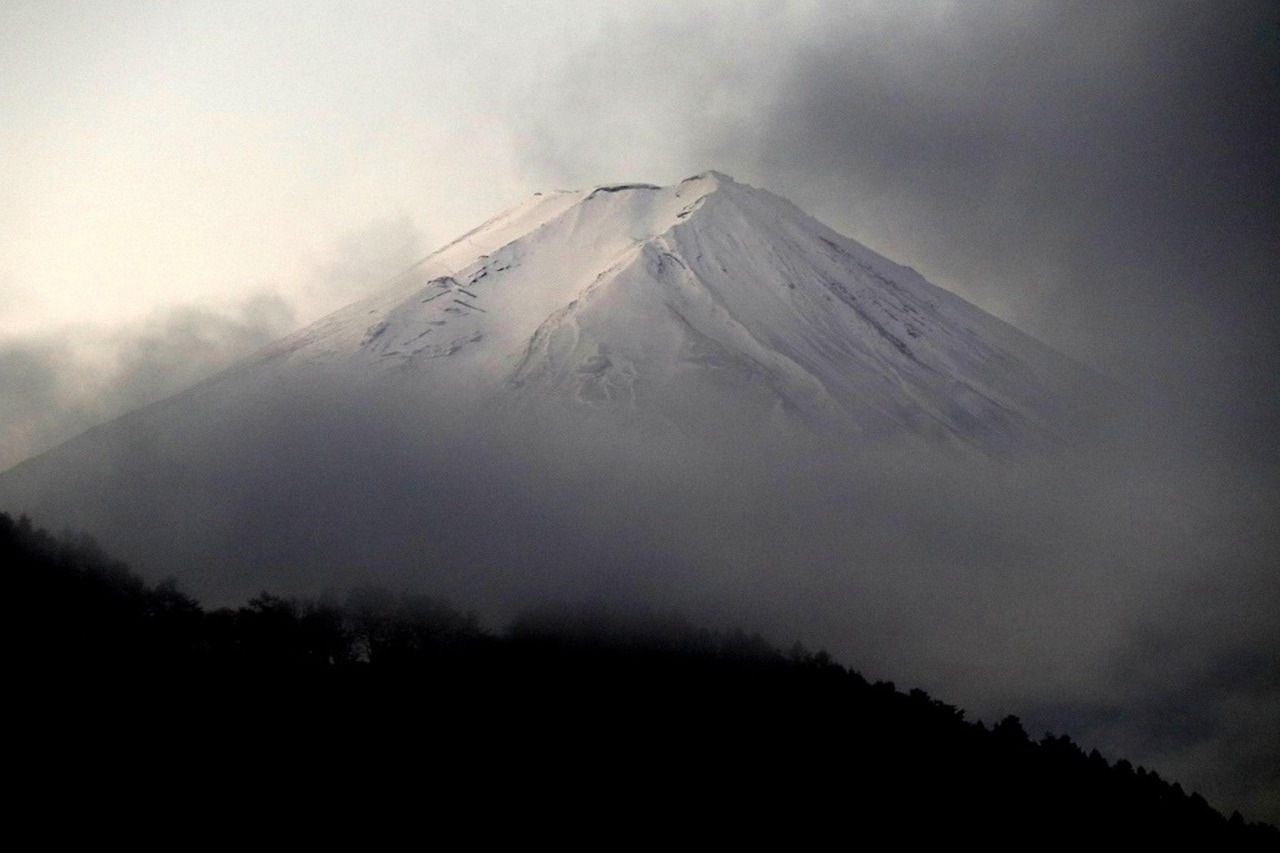
Kawaguchiko and Mount Fuji: why the lake-and-mountain pairing looks purpose-built for photographers
The first time you catch kawaguchiko and Mount Fuji together—an almost theatrical view of Mount Fuji in Japan—the pairing feels intentional, as if nature has been quietly designing a stage set for photographers and hikers. Lake Kawaguchiko (often written as Lake Kawaguchi) sits at the Fuji area’s gentler edge, where the shoreline opens into wide, uncluttered sightlines and the mountain reads like a steady presence rather than a backdrop you must “win”.
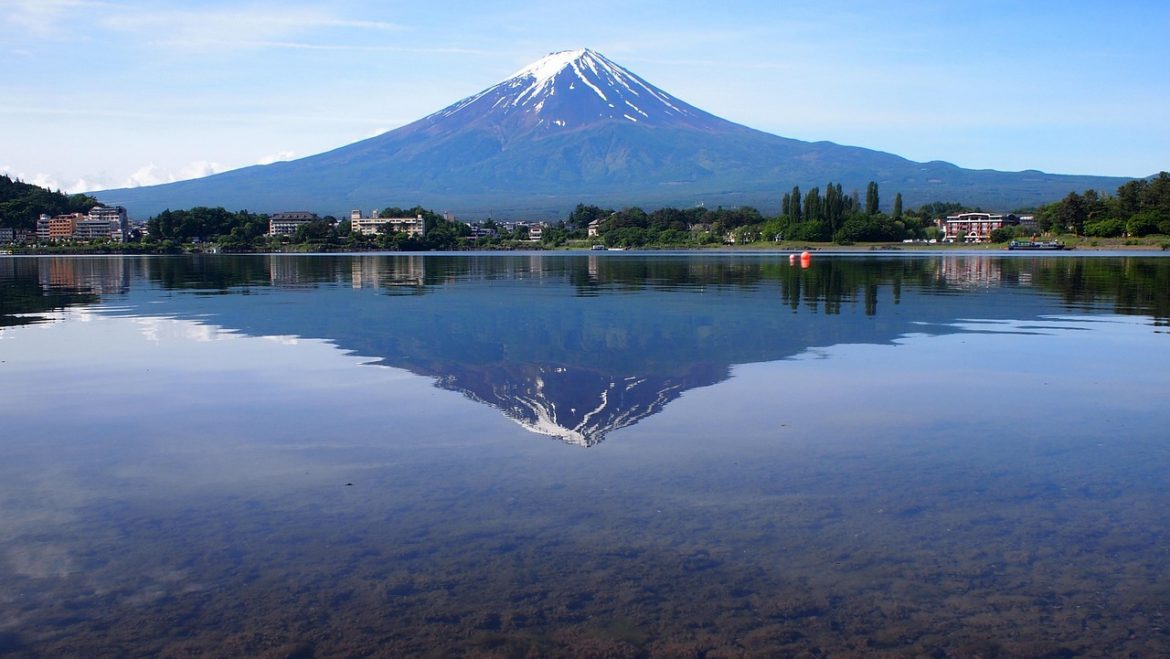
One traveller told me an early morning boat ride became one of my top things they did while visiting Japan: the water was still, the air had that cool, clean bite, and Mt Fuji appeared first as a soft silhouette before sharpening into a full reflection. That hush—oars and water, nothing else—gave them calm confidence for the day ahead and set the tone for a thoughtful Japan adventure.
How weather shapes Mount Fuji views (and why flexibility wins)
Part of the romance here is that the mountain doesn’t always reveal itself on command. Clouds can cling to the peak, wind can ruffle the surface, and days in Kawaguchiko can shift quickly between crisp clarity and dreamy haze. Instead of chasing certainty, build a plan that keeps your spirit steady: treat a clear day as a gift, and keep alternatives that still feel meaningful when the summit hides.
A simple strategy is to prioritise early mornings (before winds pick up), then hold a flexible window later for a second look. If you also have time to slip to Arakurayama Sengen Park for the Chureito Pagoda viewpoint, you’ll understand how the same iconic mountain can offer a completely different frame from every angle.
A two-speed Lake Kawaguchi itinerary for different fitness levels
Lake Kawaguchi suits travellers who want both slow wandering and a high-energy push. You can begin with lakeside coffee and a gentle shore walk, then choose a ropeway or hike for a panoramic reward. The best design is “two-speed”: build in care for knees, time for photos, and the confidence of knowing you won’t miss the magic if you move at your own pace.


How to Get to Kawaguchiko from Tokyo: Bus, Train Options, and Kawaguchiko Station Tips
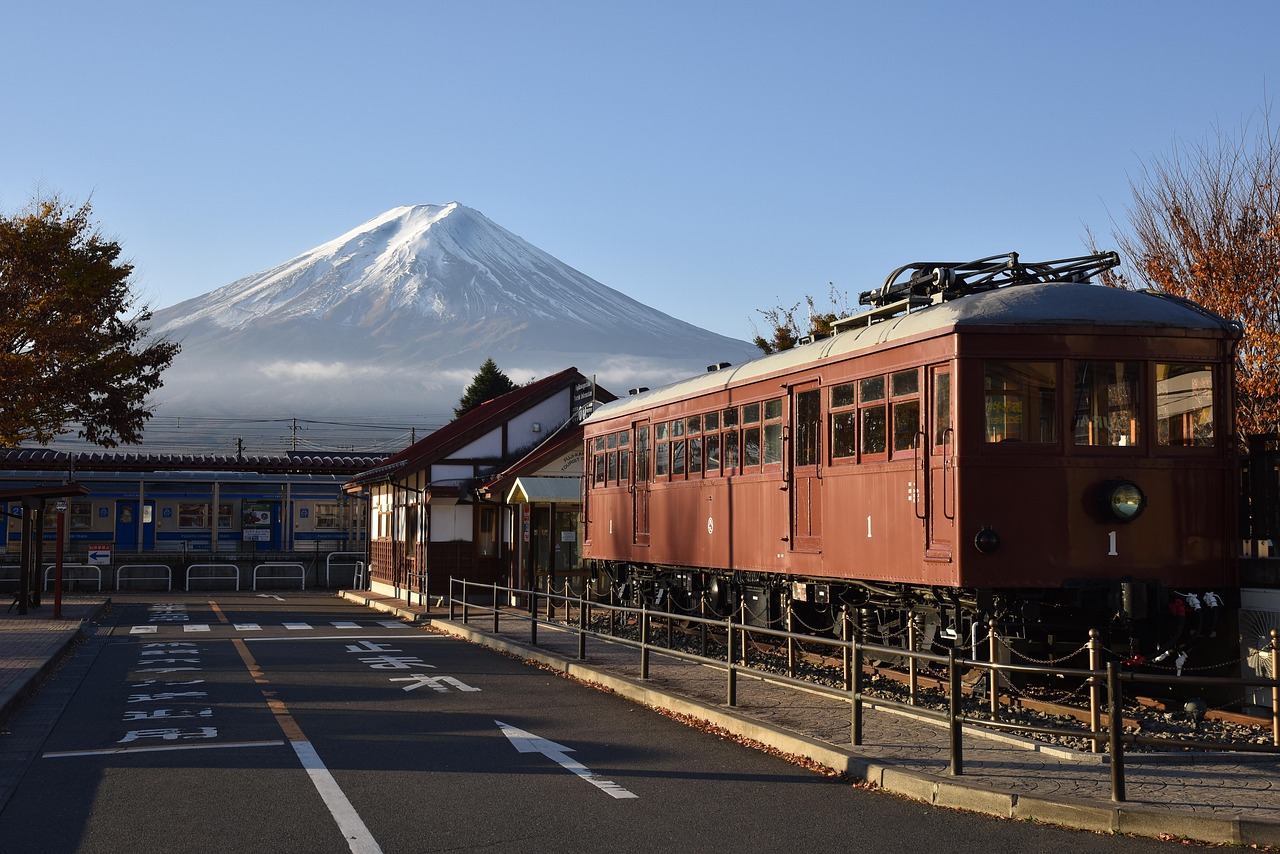
Planning access from Tokyo: arrive at Kawaguchiko Station and start exploring with ease
If you want to get to Kawaguchiko from Tokyo with minimal friction, aim for a direct option that lands you beside the lake’s main gateway: Kawaguchiko Station. Many travellers choose a highway bus from Shinjuku Station (around 2 hours), which makes a polished day trip feel genuinely doable—and a round trip easy to plan with confidence.
Trains can also work (typically with connections) and feel scenic, especially if you enjoy building a route like a mini Japan guide. Still, the simplest “set-and-settle” choice for many travellers is the direct bus—particularly when your schedule is tight or you’re carrying a daypack plus camera kit.
Arriving at Kawaguchiko Station: luggage, lockers, and the small train station layout
Kawaguchiko Station is small enough to be friendly, yet busy enough that a calm approach matters. Orient yourself first at the train station: find the bus bays, pick up local maps, and decide whether you’ll circle the lake or head uphill. If you have luggage, use coin lockers or station services so you can move lighter; it’s a small act of care that keeps your day seamless, especially if you’re staying near Kawaguchiko Station or meeting friends near kawaguchiko station cafés.
- Day trip rhythm: arrive mid-morning, explore around Lake Kawaguchiko, catch late-afternoon light, then return to Tokyo after dinner.
- Weather check: if clouds sit low, start with museums and culture, then watch for late openings in the sky.
- Local transport: the first bus ride from Kawaguchiko Station to the north shore sets you up for classic angles and a memorable view of Mount Fuji.
Tokyo Haneda Airport, Japan Rail Pass vs rail pass decisions, and smooth transfers
Landing at Tokyo Haneda Airport? Build in a gentle buffer: get into Tokyo first, then continue to the Fuji Kawaguchiko area. For pass questions, the Japan Rail Pass can be brilliant across Japan, but it won’t always beat the simplicity of a direct bus on this route; a regional rail pass (or individual tickets) may suit train lovers. For many itineraries, it’s the cleanest way to keep the trip from Tokyo straightforward and stress-light.
If you’d like to browse a few curated routes before you commit, our Trip gallery can help you imagine how this stop fits into a wider itinerary through Tokyo and beyond.
Things to Do in Kawaguchiko: Lake Kawaguchi Lakeside Walks, Parks, and Fuji Views
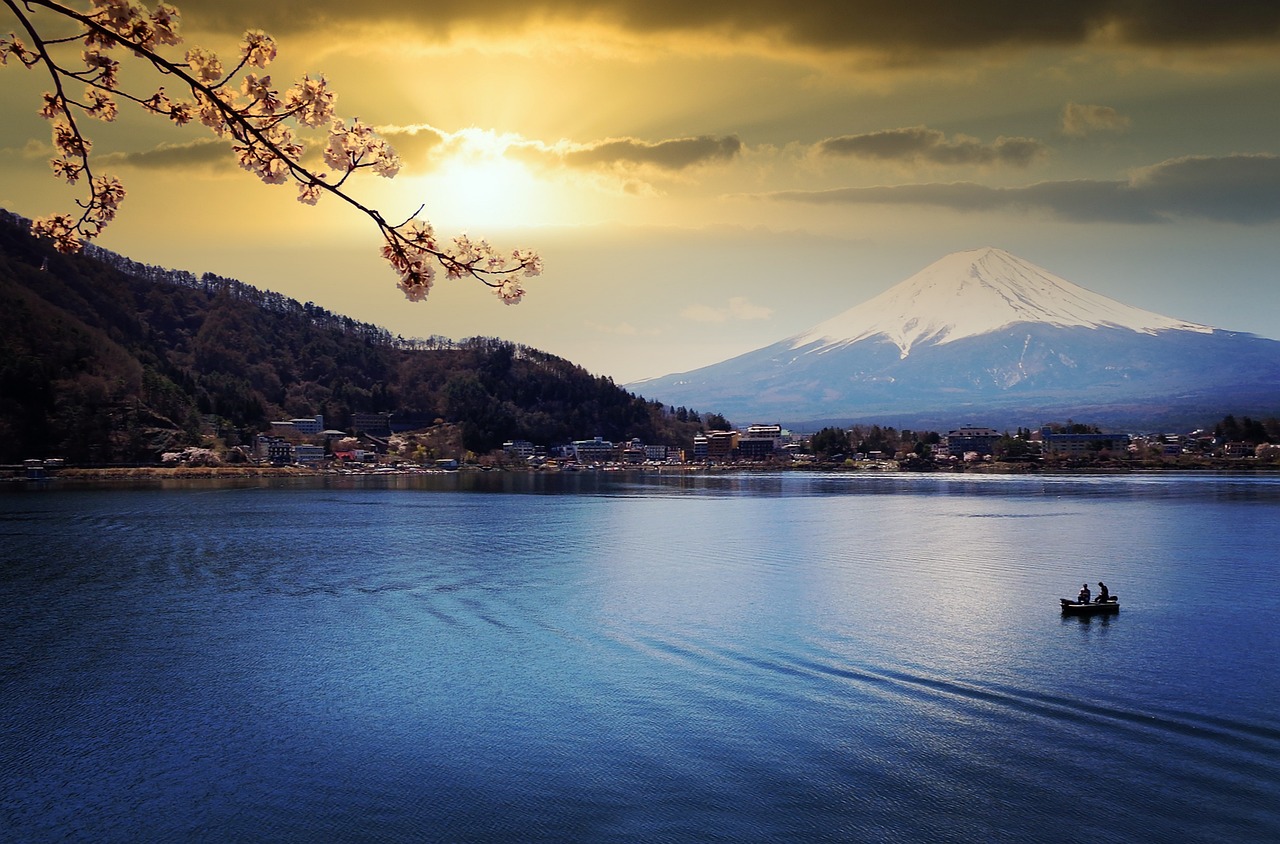
Things to do in Kawaguchiko: lakeside paths, bridges, and calm viewpoints around the water
The most satisfying things to do in Kawaguchiko begin simply: follow Lake Kawaguchi’s lakeside edge and let the mountain come to you. You’ll find gentle paths, photo stops at the shore of lake, and moments where the fuji and lake composition looks almost too perfect—especially when the water is calm enough to be reflected in the lake.
A lovely “loop” doesn’t need to be athletic. Think of it as a designed wander with space for discovery: pause at viewpoints, slip into a park, and cross the Kawaguchiko Ohashi Bridge for a wide, open Fuji view that makes the landscape feel cinematic.
Cherry blossom season timing: softer crowds, better photos, and lakeside colour
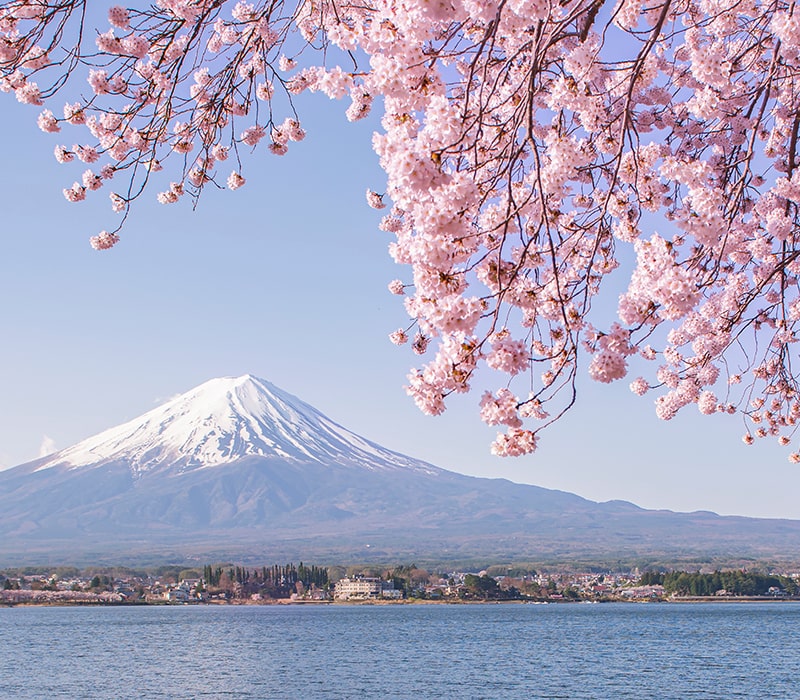
If you’re visiting between April and early June, cherry blossom season brings a delicate, celebratory colour to the shoreline. For photos, aim for early morning or a weekday: you’ll get cleaner compositions, softer light, and a calmer atmosphere that feels personal. During cherry blossom season, even if the peak is coy behind cloud, the blossoms and water still create a crafted scene.
On the north side, Oishi Park is a favourite for sweeping perspectives, a fuji view, and seasonal flower displays, and it’s the park on the north shore many visitors picture when they imagine the lake’s postcard angle. You may also see mentions of Kawaguchiko herb when lavender blooms later on. Nearby, the Kawaguchiko Natural Living Center makes a gentle, practical stop for local products and an easy breather.
On the water: an easy attraction even when Fuji hides
Seeing the lake from the lake changes everything. Short boat cruises are an easy, reassuring attraction, typically around 500–1000 yen, and they feel surprisingly grand when the mountain emerges between drifting clouds. Families often love renting pedal boats: one family told me it turned a “quick look” into a together hour of laughter and movement, with just enough effort to feel like a mini-adventure.
For a quieter pause, Oike Park is a calm green break near the water—ideal when you want to slow the pace, breathe, and trust the day to unfold.
See Mount Fuji from Mount Tenjo: Fuji Panoramic Ropeway Kawaguchiko or a Scenic Hike
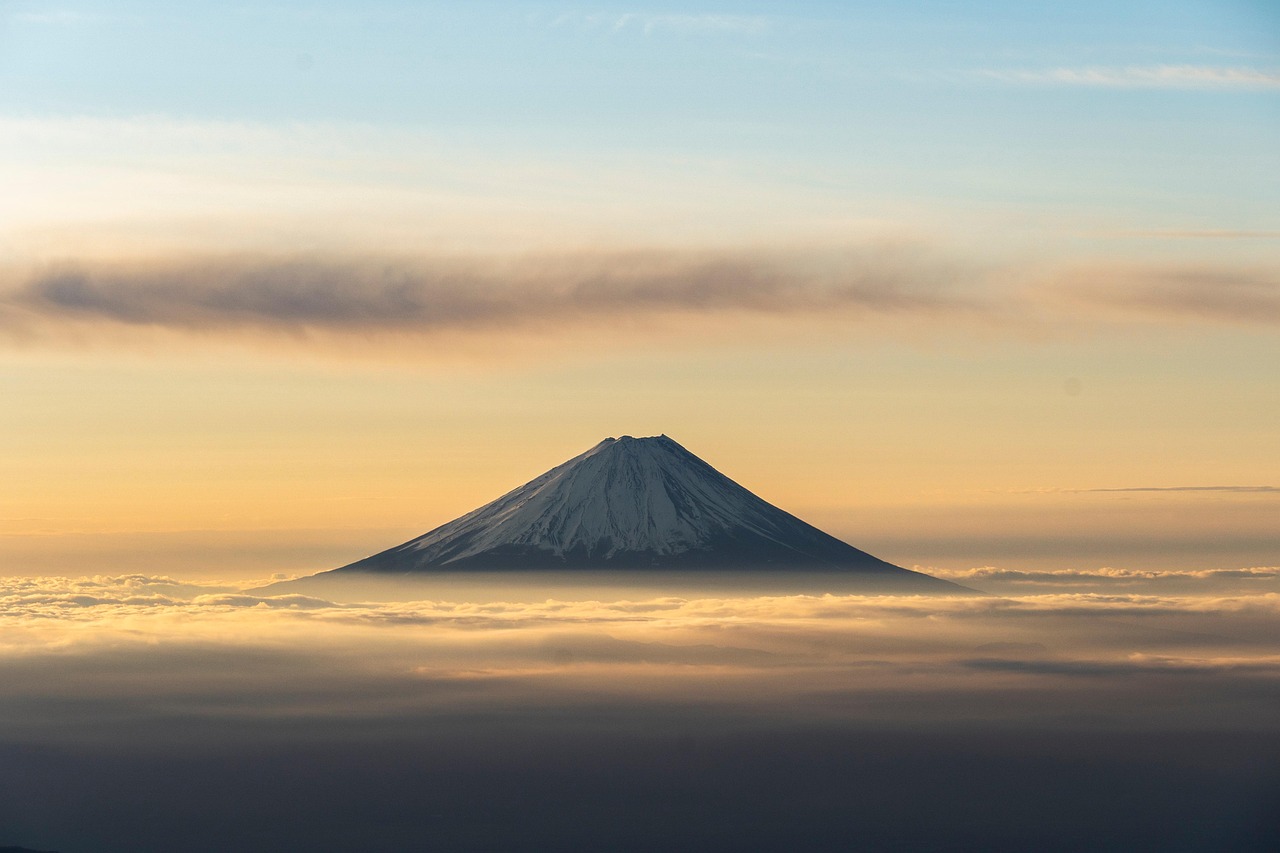
Choose a hike or cable car for height: Mount Tenjo rewards you with big lake-and-mountain perspective
For travellers who want to see Mount Fuji with a bit of earned perspective, choose between the Mount Tenjo hike and the Fuji Panoramic Ropeway Kawaguchiko route. In other words: do you want a swift cable car ascent, or the satisfaction of climbing to the summit of Mount Tenjo under your own power? Both deliver views of mt fuji that feel expansive—panoramic without being punishing.
The ropeway is ideal if you’re short on time, travelling with mixed fitness levels, or simply want to keep your energy for lakeside culture later. The hike, meanwhile, turns the view into a small personal victory.
Ropeway vs hiking: panoramic views, cable car convenience, and timing for the best view
The Fuji Panoramic Ropeway gives you height quickly, and it’s wonderfully supportive if you’re designing a day that balances comfort with adventure. If you hike, expect a steady climb and changing temperatures as you gain elevation. Either way, aim for good visibility: a clear day can reveal not just the lake’s curve, but the scale of the base of mount and the wider ridgelines beyond—and for many first-timers it’s the best view to anchor the whole itinerary.
Mount Tenjo trail care, wildlife moments, and a tougher option for best views of Mount Fuji
A couple once described their Mount Tenjo morning as the moment they felt most together on the trip. They shared water, swapped “you’ve got this” encouragement, and spotted rare wildlife moving quietly through the trees—small details that made the mountain feel alive, not staged. At the top, the best mount fuji views felt intimate because they’d earned them.
- Footwear: wear grippy shoes; uneven ground can be slippery after rain.
- Carry: water, a light layer, and sun protection—conditions shift fast.
- Safety: stay on marked trails and watch weather changes before committing higher.
If you’re an advanced hiker, Mount Mitsutoge is often cited for best views of Mount Fuji, but it’s wiser to choose the ropeway if weather is unstable or you’d prefer a gentler adventure. And if climbing Mount Fuji itself is on your wish list, remember that the lake is also a thoughtful place to practise pacing, gear choices, and trust before aiming for the 5th station in season.
Lake Kawaguchi Culture: Kawaguchi Asama Shrine and the Itchiku Kubota Art Museum
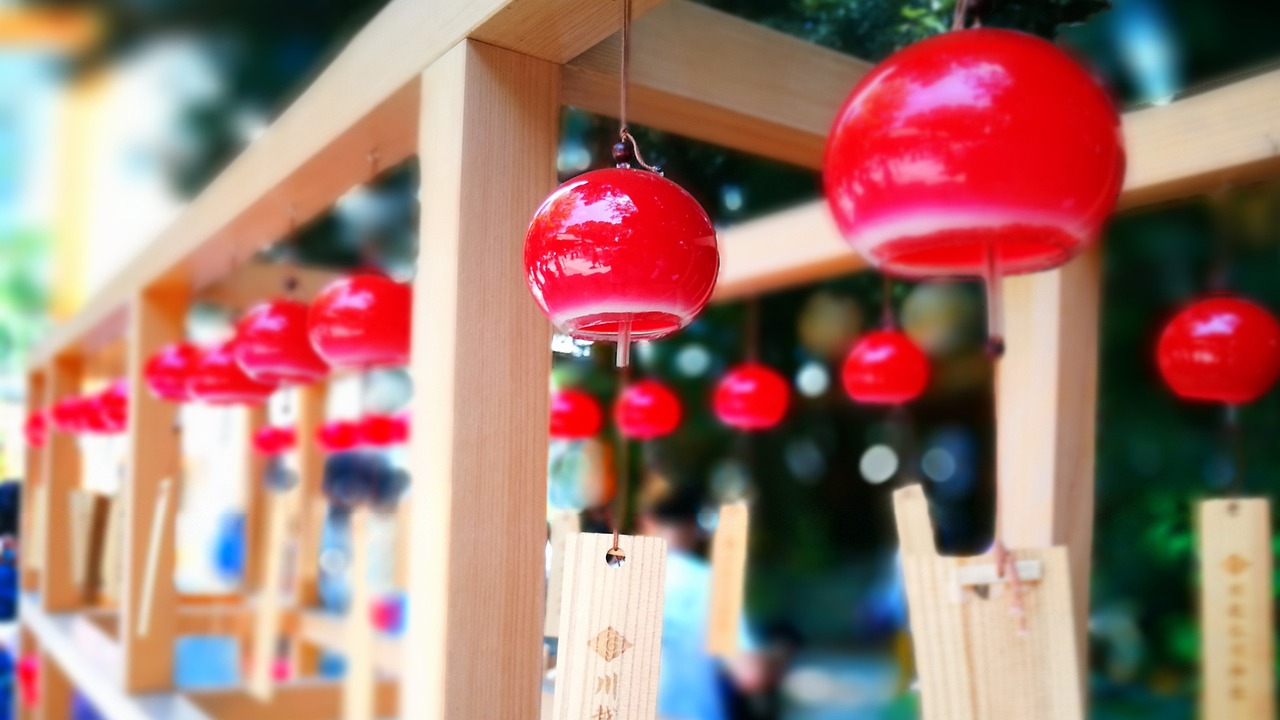
Cultural pauses near the lake: shrine calm and design-led museum craft
For cultural enthusiasts, Lake Kawaguchi cultural sites are where the trip gains texture: Kawaguchi Asama Shrine offers living tradition, and the Itchiku Kubota Art Museum brings crafted artistry into sharp focus. This pairing—spirit and design—grounds your time near Kawaguchiko in something deeper than scenery, and it’s a rewarding option near Kawaguchiko when clouds cover the peak.
It’s also a gentle reminder that adventure doesn’t always mean speed. Sometimes it means showing up with care, noticing details, and letting a local place set the tempo.
Kawaguchi Asama Shrine etiquette: respectful steps and a local welcome
At Kawaguchi Asama Shrine, the atmosphere invites softness: speak quietly, move with respect, and remove shoes indoors where required. A visitor once shared how they joined a small festival moment here—nothing performative, just a community rhythm—and how locals welcomed them with warm patience. That kind of support turns “sightseeing” into connection, and it stays with you long after you’ve left.
If you’re unsure what to do, follow what locals do, pause before stepping into sacred spaces, and let your curiosity be gentle.
Itchiku Kubota kimono art: the stillness of Kubota and a romantic music museum
The Itchiku Kubota collection is stunning not because it’s loud, but because it’s precise. A solo adventurer told me they wandered slowly, mesmerised by Itchiku’s kimono designs that seemed to carry landscapes, seasons, and myth into cloth. In the quiet, they felt unexpectedly brave—like the Itchiku Kubota Art Museum was giving them permission to travel in their own way.
For complementary culture, the Kawaguchiko Music Forest Museum (also seen as Kawaguchiko Music Forest) offers romantic gardens and musical instruments that feel delightfully old-world. Go earlier in the day to avoid crowds and keep the experience serene.
Fuji Five Lakes Area: Saiko Onsen, Lake Saiko, and Fuji-Q Highland Near Lake Kawaguchi
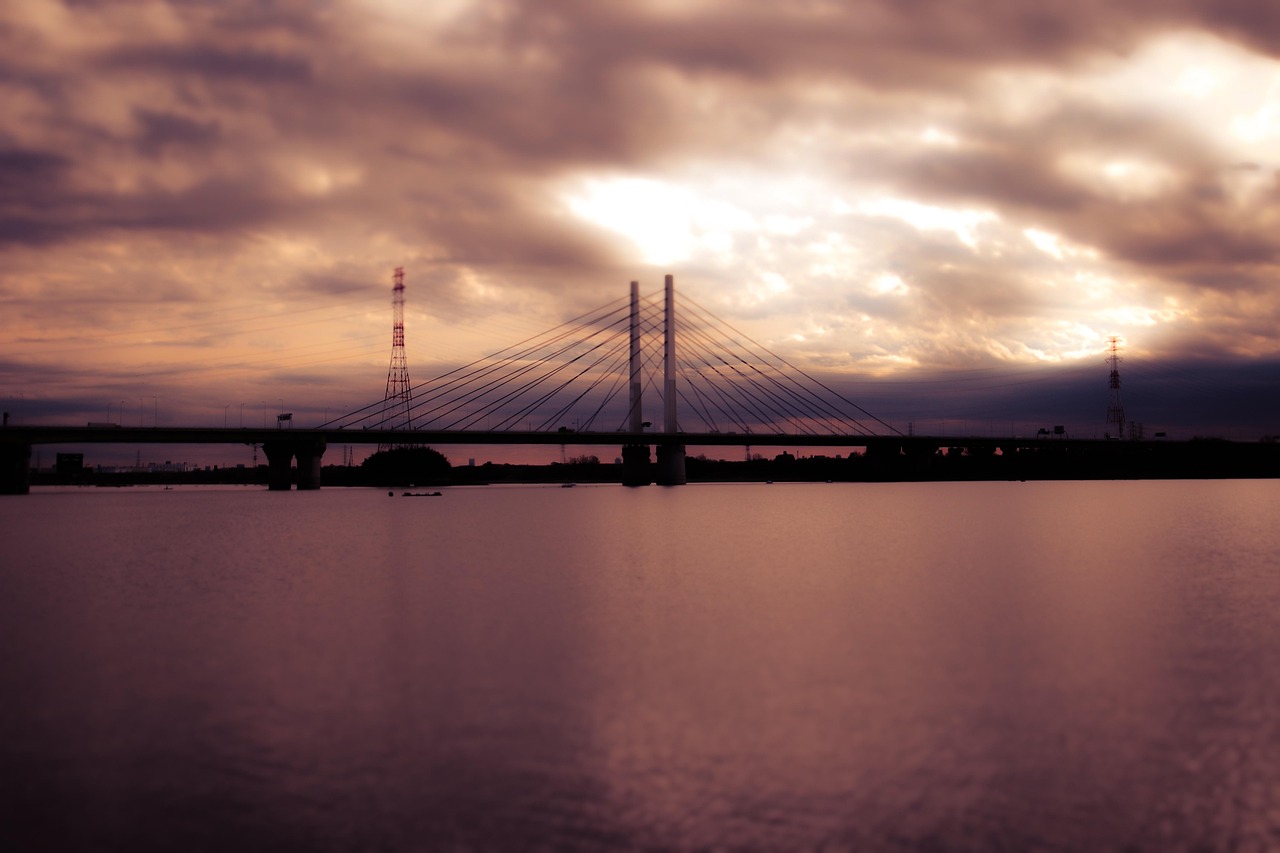 Explore beyond the main shore: Saiko calm, onsen recovery, and theme park thrills
The Fuji Five Lakes area rewards travellers who look beyond the obvious. A half-day to Lake Saiko (Saiko) can feel like a secret exhale—quieter paths, softer crowds, and a different mood of the mountain at a distance. It’s a beautiful counterpoint on busy weekends near Lake Kawaguchi, and it helps you explore with steadier confidence across the fuji five lakes area.
This is where you can design a day that honours both adrenaline and recovery: thrill, then warmth; speed, then stillness.
Saiko calm + onsen: a hot spring bath to reset after walking
After hikes, nothing feels more caring than sinking into an onsen. Look for a hot spring near the lakes (or ask your hotel for their favourite local option) and plan a proper hot spring bath as a ritual: rinse before entering, keep voices low, and give yourself time to settle. If communal bathing feels intimidating, check for private options—comfort matters, and Japan is often quietly accommodating.
Even a short soak can make the next morning’s walk feel lighter, especially if you’re stacking adventure days.
Fuji-Q Highland thrills: theme park strategy and where to stay
If you want a burst of theme park energy, Fuji-Q Highland (Fuji Q) delivers roller coasters with a dramatic mountain backdrop. The trick is balance: go early, pick your must-do rides, then return to the lake for an unhurried evening so the day still feels cultural rather than chaotic.
- Where to stay: a hostel near Kawaguchiko Station suits fast-moving travellers; a Kawaguchiko lakeside hotel suits those who want sunrise views and a slower pace.
- Getting around: buses connect key stops; learning the way to get around keeps your plan seamless.
- Night rhythm: for a night in Kawaguchiko, confirm last buses or take a short taxi so you’re not rushing after dinner.
Whichever base you choose, staying near the Kawaguchiko hub makes dawn photography and quick food stops much easier—small logistics that protect the feeling of the trip.
What Stayed With Me After Lake Kawaguchi Japan: Personal Reflections and Quiet Design
In the days after Lake Kawaguchi Japan kept returning to me in quiet flashes rather than highlights: a half-second of still water, a soft bell sound near a shrine, the way Mount Fuji can feel close even when it’s distant. Thinking back, I realise the place taught me a gentle discipline—waiting without forcing, trusting that beauty doesn’t always arrive on schedule.
There was the boat-ride hush, when the lake held the sky like glass. There was the shared hike breath, when effort made the view feel personal and earned. There was museum stillness, when crafted colour and pattern reminded me that culture is also a landscape you can walk through slowly, with care.
At dusk, the shore of the lake felt like the edge of a theatre after the show—emptying out, quiet again, with Fuji in the background like a steady stage light. Even when clouds softened the peak, the mountain’s presence remained reassuring. It wasn’t a trophy; it was a companion, constant enough to calm the mind and spacious enough to let your thoughts breathe.
And perhaps that’s the real gift: this destination makes room for adventure and stillness together, without asking you to choose. It leaves you with confidence in your own pace, gratitude for local kindness, and an insight that the most meaningful journeys are often the ones that don’t demand proof. Somewhere in another season—cherry blossom, autumn colour, winter clarity—near the Kawaguchiko shoreline the same water will be waiting, and the same mountain will be there, quietly becoming new again.
F.A.Qs: Lake Kawaguchi and Lake Kawaguchiko travel
Is Lake Kawaguchi worth visiting?
Yes—especially if you enjoy a blend of culture and outdoors. Lake Kawaguchi offers classic Mount Fuji scenery, lakeside walks, boat time, museums, and shrine visits, with enough comforts to keep the experience smooth. Even when the peak is hidden by cloud, the atmosphere, food stops, and seasonal colour make the trip feel rewarding and thoughtfully paced.
How do I get from Tokyo to Lake Kawaguchiko?
The simplest route is a direct highway bus from Shinjuku Station to Kawaguchiko Station (often around two hours). Trains are possible with connections, but the bus is usually the most seamless for a day trip. If arriving via Tokyo Haneda Airport, travel into Tokyo first, then continue onwards to the Fuji area.
Can I swim in Kawaguchi lake?
Swimming isn’t the main focus at Lake Kawaguchi, and conditions can vary by area and season. Many travellers choose boat cruises, pedal boats, and shoreline walks instead. If you’re keen to be in the water, check local signage and current guidance on permitted zones and safety before you plan to swim.
How many days to stay in Lake Kawaguchiko?
One day is enough for a highlight experience, but two days feels more luxurious and calm. With two days, you can time your Mount Fuji viewing windows better, add the ropeway or a hike, and include cultural stops like a shrine and museum without rushing. It’s also easier to avoid crowds by travelling early or on weekdays.