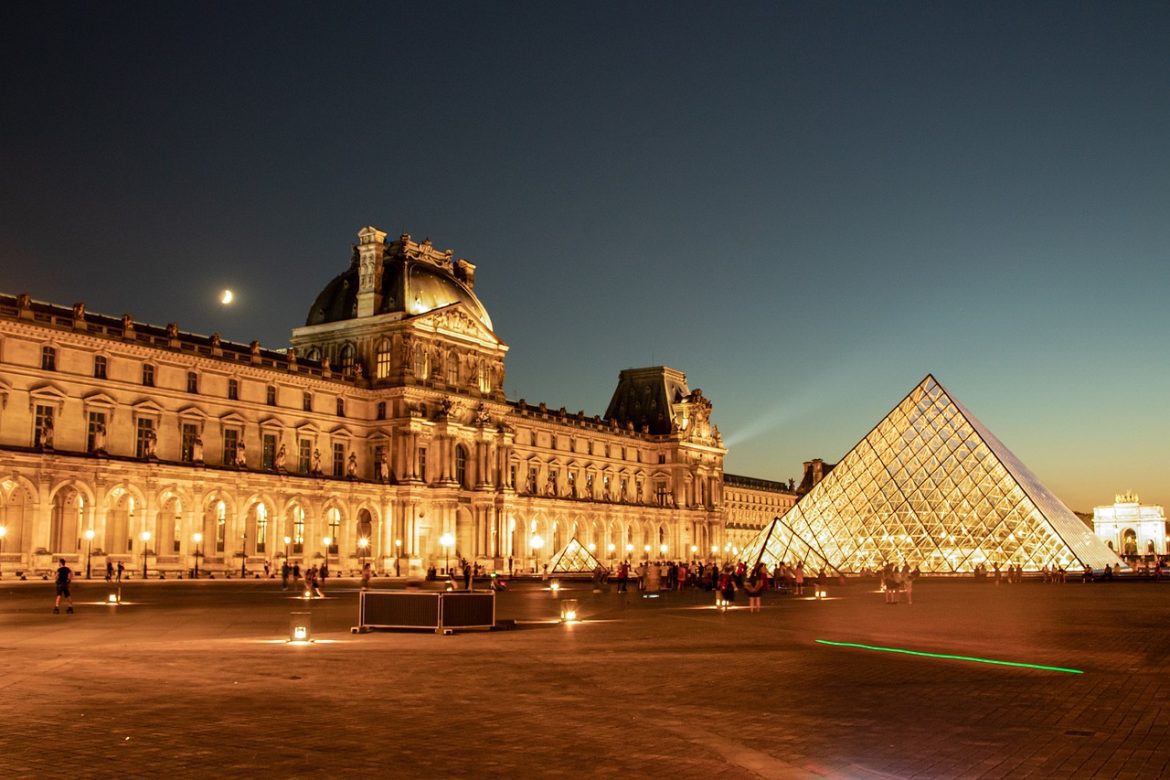
The Louvre Museum is a Historic Paris Landmark and a Palace Fortress
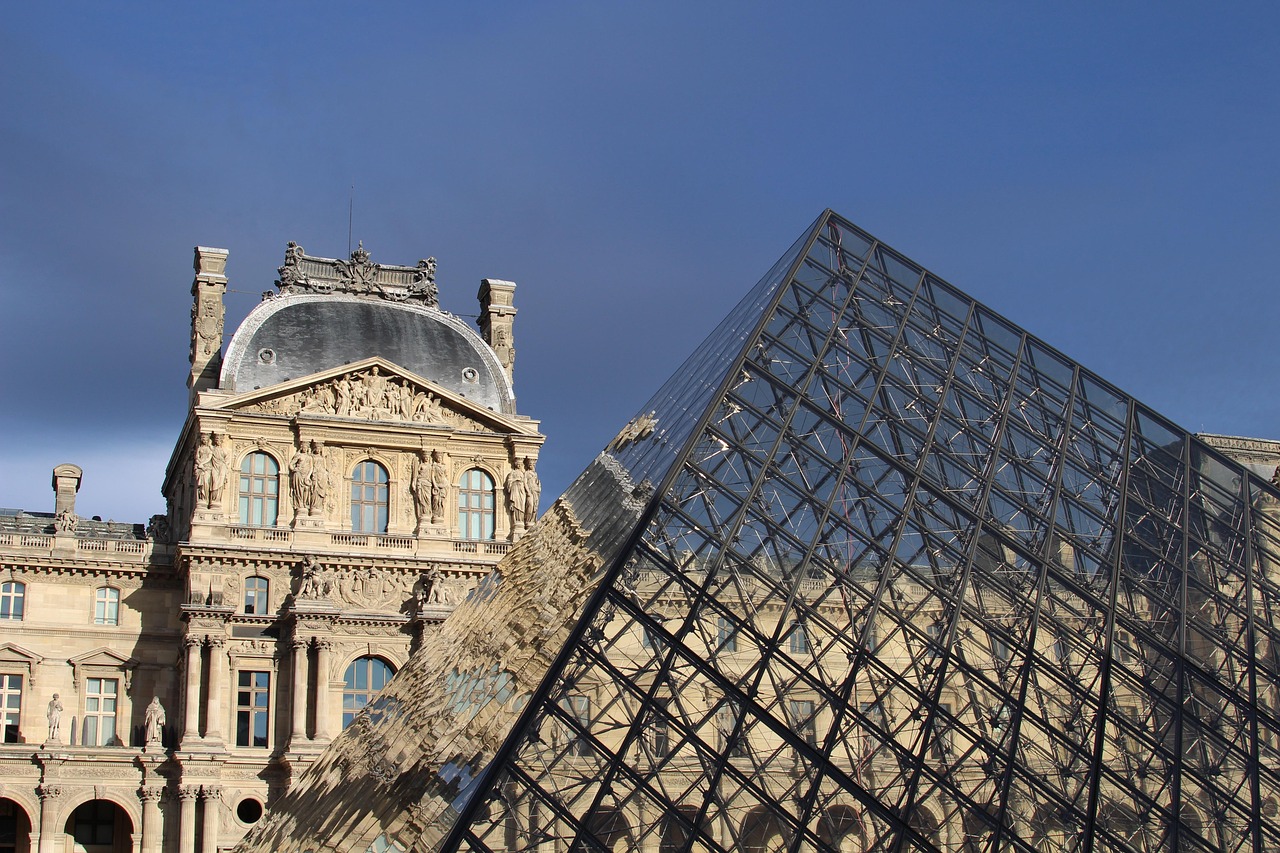
The Louvre Museum as a Historic Paris Landmark and a Palace Fortress
If you’re searching for a Louvre museum in Paris, France, a historic palace fortress story, you’re in the right place—because the Louvre is both. It’s the world’s most visited museum, yet this museum in Paris can still feel intimate when you arrive with intention and a little Trust in your own curiosity.
Long before it became an art museum, the Louvre began as a late 12th-century fortress commissioned by Philip II. Over time, it grew into a royal palace, and when Louis XIV moved the court to Versailles, the building’s role shifted again—ready for a new public life.
From fortress to national museum in France
After the French Revolution, the idea of a shared cultural treasure took hold, shaped by the national assembly era and the birth of a public institution. The museum opened in 1793, setting the tone for what would become one of the most influential collections in the world’s cultural landscape.
Today, the Louvre’s collection is measured in the million range of objects, organised across eight curatorial departments. You’ll encounter everything from antiquities to prints and drawings, spread across a size and complexity that can feel like the largest storybook in stone—if you try to “do it all”.
A heist, real drama, and a quest mindset
For adventure seekers, the Louvre isn’t only hushed halls: it carries real drama too. The 1911 Mona Lisa heist is a reminder that the museum in the world you think you know still holds surprises, legends, and bold human choices.
My Expert advice is to create a “quest mindset” before you go: choose two or three themes—painting, sculpture, or antiquities—so your Louvre visit feels crafted and human. You’re not here to finish a catalogue; you’re here to notice what pulls you closer.
Seamless Arrival Tickets and Visit Strategy in France for Musée du Louvre, Paris
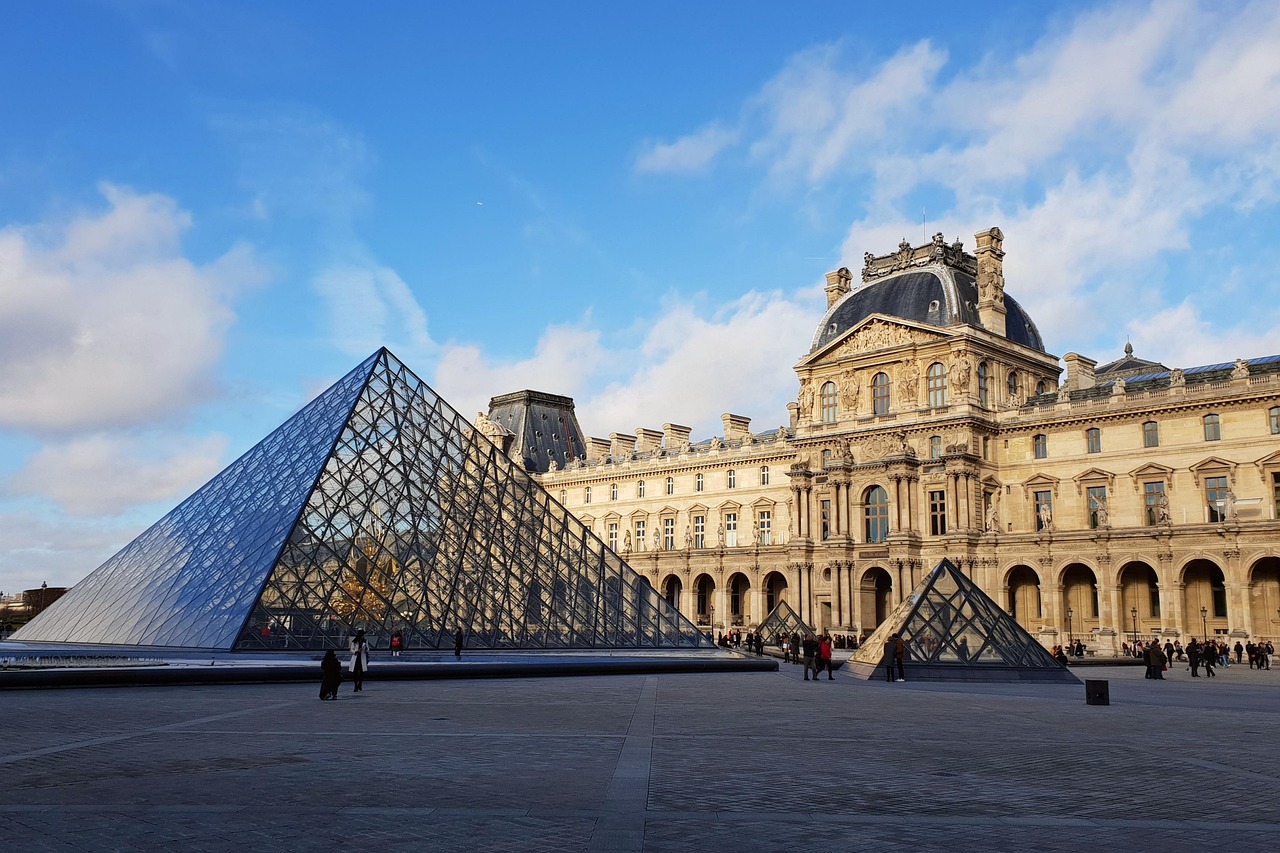
Seamless Arrival Tickets and Visit Strategy in France for Musée du Louvre Paris
To visit the musée du Louvre, Paris, France, tickets, opening hours, and metro without stress, start with a Seamless plan: timed entry tickets booked online. Standard tickets are around 17 euros, with discounts for EU residents under 26, and free entry on the first Saturday of each month (availability can change, so always double-check).
For breathing room, choose early morning, or late evening during extended hours—especially Wednesdays and Fridays—when the museum’s rhythm softens. That single choice can turn a busy site into a calmer, more elegant experience.
Metro access, meeting points, and Support for groups
Getting there with Confidence is straightforward: use the Palais Royal – Musée du Louvre station on lines 1 and 7. If you’re travelling together, set a simple meeting point under the pyramid so no one feels rushed or lost.
For travellers who like to keep options open, you can also browse our Trip gallery for Design inspiration around Paris and beyond.
Security, etiquette, and safety with Care
Security screening is real, so arrive a little early and check bag rules in advance. Photography is allowed, but avoid flash to protect every artwork—and in crowded rooms, speak softly and give others space, as you would in any national cultural home.
- Timing tip: If you crave calm, aim for early entry or a late slot on Wednesday or Friday.
- Practical tip: Keep valuables close in the entry halls and near the Mona Lisa room; pickpockets thrive in dense queues.
- Regroup tip: Choose two “regroup stops” (a café and one landmark staircase) so everyone feels supported without constant messaging.
Glass Pyramid Entrance by I. M. Pei and How to Explore the Louvre Site
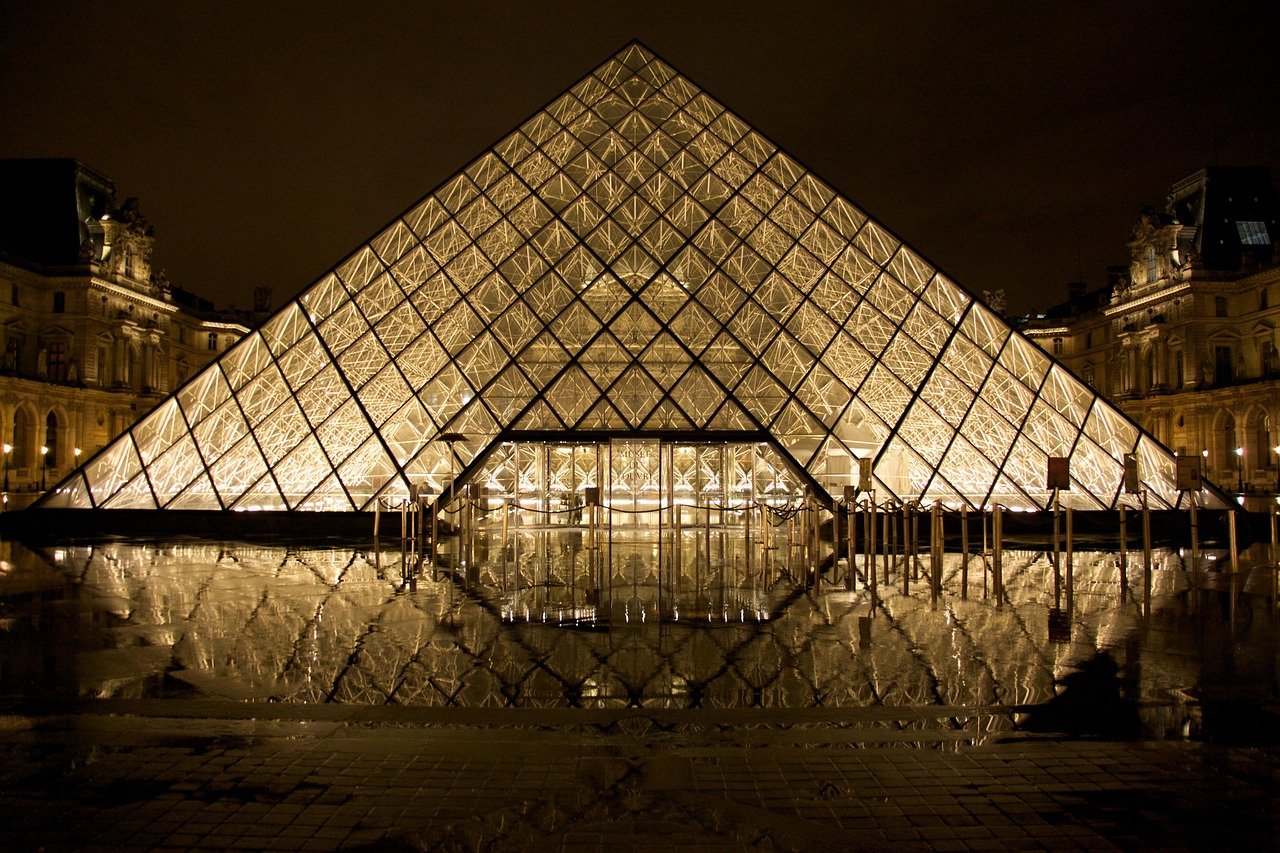
Glass Pyramid Entrance by I. M. Pei and How to Explore the Louvre Site
The I. M. Pei glass pyramid entrance louvre site explore Paris moment is your first real highlight: modern build against the historic palace, clean geometry set into centuries of stone. It’s a confident contrast, and it sets the tone for a day where old and new keep speaking to each other.
Inside, the museum’s layout becomes easier when you think in wings and corridors rather than “rooms”. With a little orientation, the Louvre museum stops feeling chaotic and starts to feel like a curated city you can explore with purpose.
Explore by route for a Crafted Louvre visit
If you want a short, high-impact experience, design a 90-minute classics loop—one or two anchor galleries and a single centrepiece room—then leave while you still feel energised. For a half-day deep dive, choose one major exhibition or a gallery cluster and let it breathe, rather than racing from icon to icon.
A small trick that changes everything: plan a “reset” between sections. Step outside to the Louvre gardens, watch Local street performances, and browse nearby art vendors—then return refreshed, ready to meet the next corridor with calmer attention.
Facilities that keep the museum Seamless
For a truly Seamless day, note the practical basics early: cloakroom for extra layers, cafés when energy dips, and lifts if anyone in your party needs mobility support. When the logistics are handled with Care, your attention stays on the art—not on tired feet.
Mona Lisa Energy and Louvre Collection Highlights in Paris, France
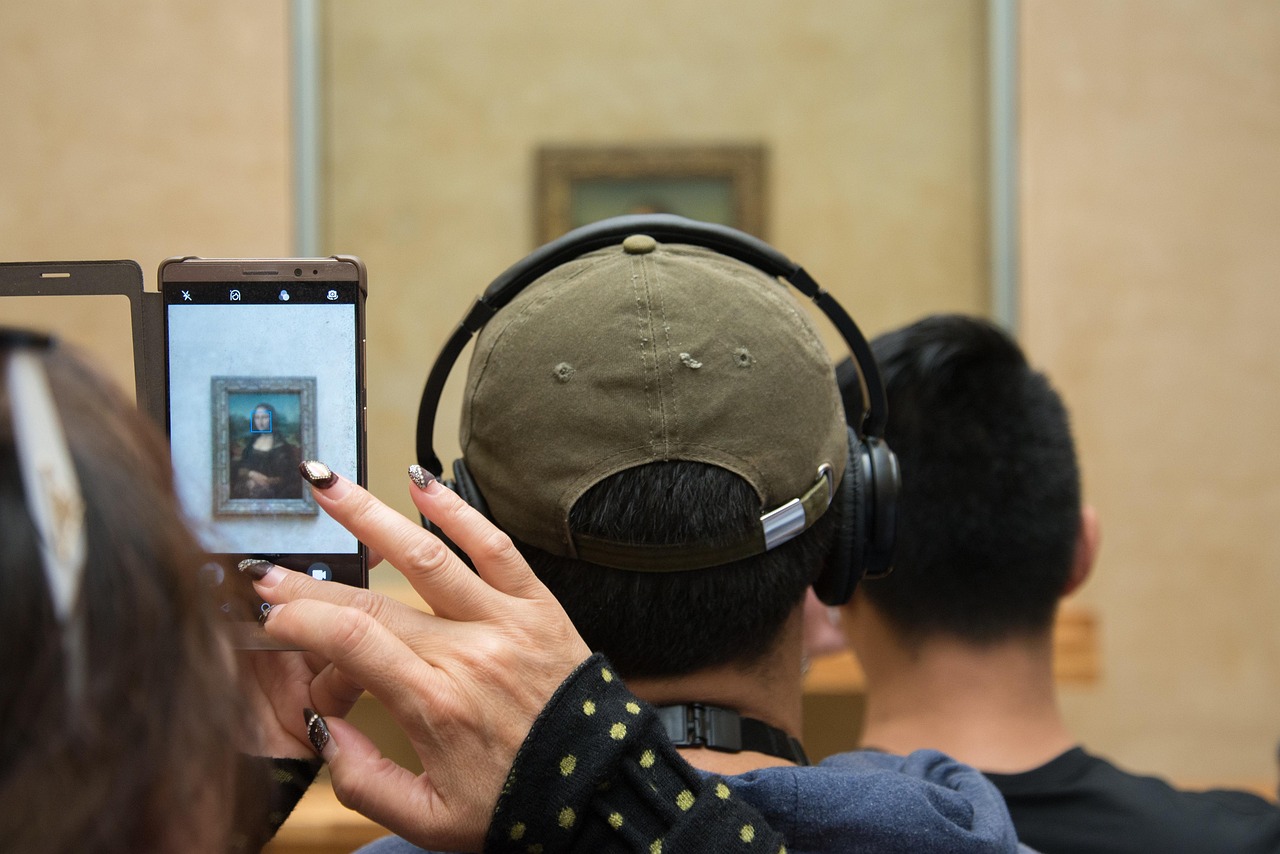
Mona Lisa Energy and Louvre Collection Highlights in Paris France
When people search for Mona Lisa louvre collection highlights Paris, France, Louvre Museum, they’re often imagining a single room and a single photo. In reality, the Mona Lisa moment is an atmosphere: a vibrant crowd, a low hum of languages, and that small painting holding its ground with an enigmatic smile.
I still remember edging closer, not to “capture” her, but to feel the painting as a real work—quietly self-possessed in all that motion. The energy can be intense, yet you can create a personal pocket of calm by standing slightly back and letting the room settle for a moment before you move on.
Balance the Louvre museum highlights beyond one room
To widen your cultural Insight, pair the Mona Lisa with the Greek grace of the Venus de Milo and one grand Jacques-Louis David canvas. In a single sweep, you’ll feel how the Louvre museum holds radically different ideas of beauty, power, and storytelling—without turning your day into a marathon.
A gentle crowd strategy helps: arrive early to this zone, or go later in the day when tour groups thin out. Afterwards, retreat to a quieter gallery so your senses can recalibrate, and the experience lands with more meaning.
A three-masterpiece rule to keep your visit rewarding
For adventure seekers who love intensity but hate exhaustion, I recommend a “three-masterpiece rule”: choose one painting, one sculpture, and one surprise find that simply delights you. That surprise might be a tiny object behind glass or an unexpected portrait—one piece you didn’t plan for, but will remember.
- Do: Let one room feel unhurried, even if the day is busy.
- Do: Check what’s on—special exhibition listings can shift your priorities in a good way.
- Don’t: Treat the Louvre collection as a checklist; treat it as a conversation.
Uncover Quiet Wings Islamic Art Galleries and Napoleon III Apartments at the Louvre Museum
Uncover Quiet Wings Islamic Art Galleries and Napoleon III Apartments at the Louvre Museum
If your plan is to uncover Islamic art galleries, Napoleon III apartments, and the Louvre Museum in Paris, France, you’re about to find the Louvre’s “secret level”. These quieter wings reward bold curiosity: less queueing, more discovery, and a deeper sense of Trust in your own taste.
The Islamic art galleries feel like a breath of patterned light—geometry, calligraphy, and craft that shifts how you see surface and shadow. Then, the Napoleon III Apartments pivot hard into splendour: decorative arts at their most theatrical, a world of gilding and texture that makes you feel the era’s ambition in your bones.
A focused antiquities trail through the collections the Louvre
When you want a time-travel jolt, follow a focused antiquities trail: start with Egyptian antiquities, then move into the Near Eastern antiquities for a wider sense of early civilisations. If time allows, add Roman antiquities, then an Etruscan display—a compact loop that makes the span of history feel tangible rather than abstract.
As you go, you’ll notice how the signage sometimes references collections du louvre, and how curators talk about les collections du museum with pride. Even the French phrasing—des collections—carries a sense of guardianship, as if each object is being held in trust for the public.
Night tours, Local creatives, and a calmer connection to art
If you can, join a night tour or visit during the evening opening hours. In the softer light, the museum’s pace changes; you can linger, read, and look again, building Confidence with each room rather than skimming the surface.
One of my favourite Local stories is how contemporary artists come here to sketch details—folds of fabric, hands, architectural lines—then rework them into modern pieces back in their studios. The Louvre’s energy stays alive that way, not as a monument, but as a living source of creative fuel.
What Stayed With Me After the Musée du Louvre: Reflection and Personal Insight
After a day inside the Musée du Louvre, what I carried back into Paris wasn’t a list of rooms or a tally of photos. It was smaller than that: the hush of a corridor just beyond the crowds, the way a painted face seemed to watch you leave, the strange comfort of stone that has held centuries of footsteps in France.
The Louvre is a palace scaled for kings, yet the most lasting moments can feel like a private conversation. You can stand in front of one artwork and feel your thoughts slow, as if the city outside has briefly loosened its grip.
What stayed with me most was a simple Insight: the Louvre isn’t about finishing a collection, or proving you’ve seen enough. It’s about noticing what you’re drawn to, and letting that quiet preference shape how you travel—how you look at streets, faces, and light long after the museum’s doors close.
Imagine returning one day with a different question in mind, and letting yourself drift towards a corner you missed before—no urgency, just gentle Confidence in your own curiosity.