Post Contents
- Mont Saint Michel Abbey, France – First View, Legends, the Monument, and the Archangel
- Abbey of Mont-Saint-Michel Visit France – Gothic Height, Romanesque Choir, from Crypt to Cloister
- Mont-Saint-Michel and Its Bay: Tide, Highest Tides in France, Safety, and Sand Walks
- Mont-Saint-Michel: Abbey Rampart Walks, Medieval Streets, Night Tour in France, and a Local Norman Feast
- F.A.Qs
- What Stayed With Me After Mont-Saint-Michel
Mont Saint Michel Abbey, France – First View, Legends, the Monument, and the Archangel
Mont-Saint-Michel Monument: First Sight, Silhouette, and Legends
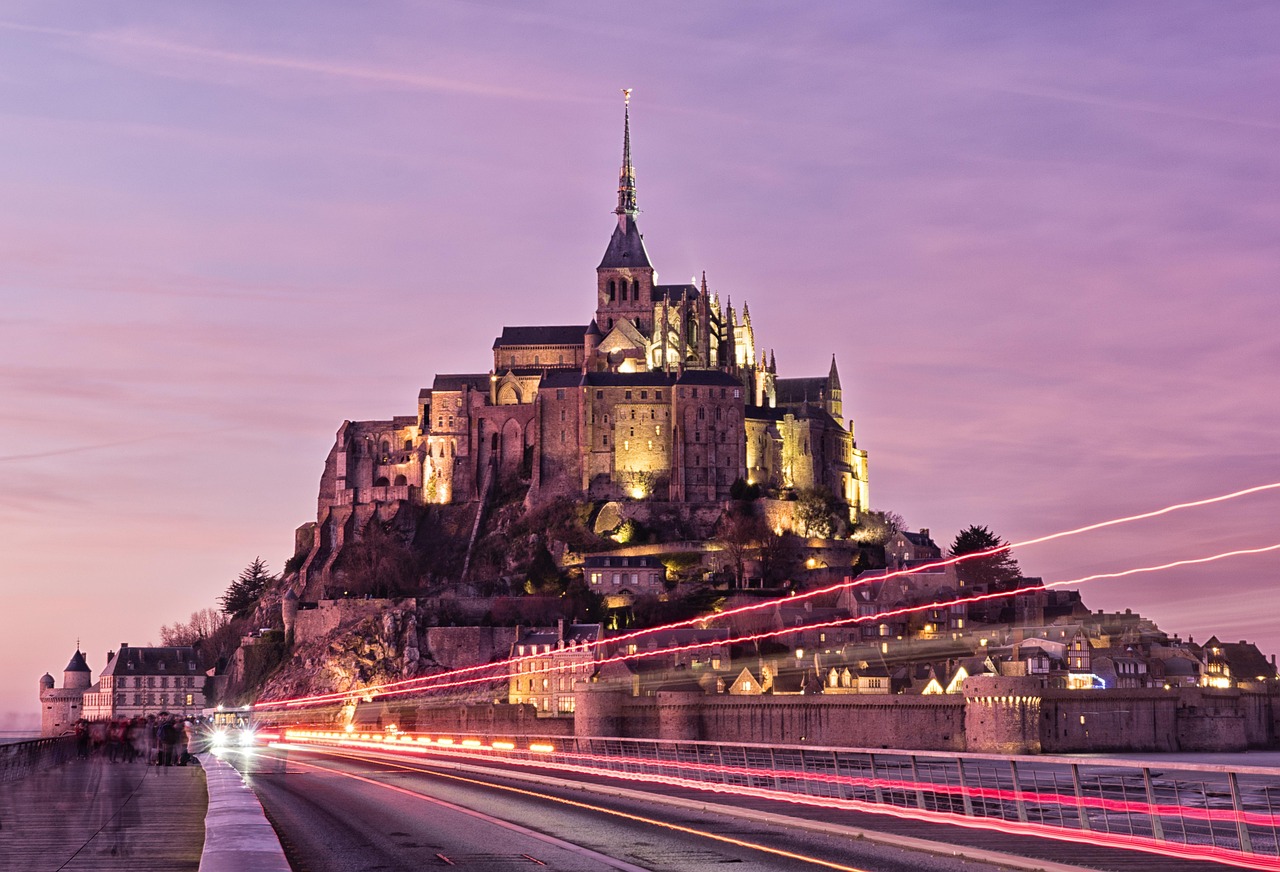
The first time you approach the causeway, the mont seems to float—its silhouette sharpening as the light slides over the flats. That quiet “is it real?” moment is exactly what travellers describe when they talk about mont saint michel abbey france, and it’s oddly reassuring to know you’re not the only one who feels a little awed. Pause, breathe, and let your eyes travel from the tidal sands to the spire; you don’t need to rush for it to feel extraordinary.
To uncover the origin story, begin with Aubert, the bishop of Avranches, who—according to tradition—was urged by Saint Michael to build the first sanctuary on this rock. Devotion to the archangel, including the French phrase l’archange saint michel, shaped Mont-Saint-Michel into a place of pilgrimage, drawing pilgrim after pilgrim who wanted to stand between sea and sky. There’s comfort in realising this destination was never meant to be merely scenic; it was designed as a sanctuary that lifts the spirit.
Historical anchors help you hold the timeline lightly as you explore. Tradition points to 708 for the early shrine, then a decisive monastic turn in 966, when Benedictine life took root, and the complex grew throughout the Middle Ages. Over time, the mount’s sacred centre gained defensive strength too, becoming a fortress as much as a holy site—an unmistakable monument on the Normandy coast.
That blend of nature and human craft is why Mont-Saint-Michel and its bay are recognised as a UNESCO World Heritage landscape, a UNESCO World Heritage setting at the heart of the bay. Even before you step into the monastic rooms, you can feel the dialogue between stone and water—world heritage shaped by weather, devotion, and time.
Best first viewpoint on Mont-Saint-Michel and a calm, step-by-step pace
For your first crafted view, linger on the approach where the path widens, and the whole profile reveals itself. If it’s busy, don’t fight the flow—create your own rhythm by stepping aside for 30 seconds, then continuing when you’re ready. The ramps and stairs can feel like a steady climb, so take it in stages and support your pace with small pauses.
- Viewpoint tip: stop once before the gate so the entire monument sits cleanly against the sky.
- Energy tip: expect steps and sloping lanes—walk slowly and keep your hands free for railings.
- Crowd tip: arrive early in the morning or late in the afternoon for a more personal, spacious feel.
As you pass the walls, notice how the village and sacred buildings stack vertically—an old-world design that still guides your feet today. With a little trust in the pace you’ve chosen, Mont-Saint-Michel becomes less intimidating and more intimate, even on a popular day.
Abbey of Mont-Saint-Michel Visit France – Gothic Height, Romanesque Choir, from Crypt to Cloister
Explore the Abbey of Mont-Saint-Michel: From Crypt to Cloister
A visit to the abbey of Mont-Saint-Michel in France is best designed like a slow ascent, not a checklist. Inside l’abbaye, let your route be simple: climb, pause, look out, then return to the interiors. This gentle rhythm helps first-timers because it turns the visit into a sequence of calm rooms rather than one long uphill push.
Gothic lift and the abbey church: one clear panorama at the location at the top
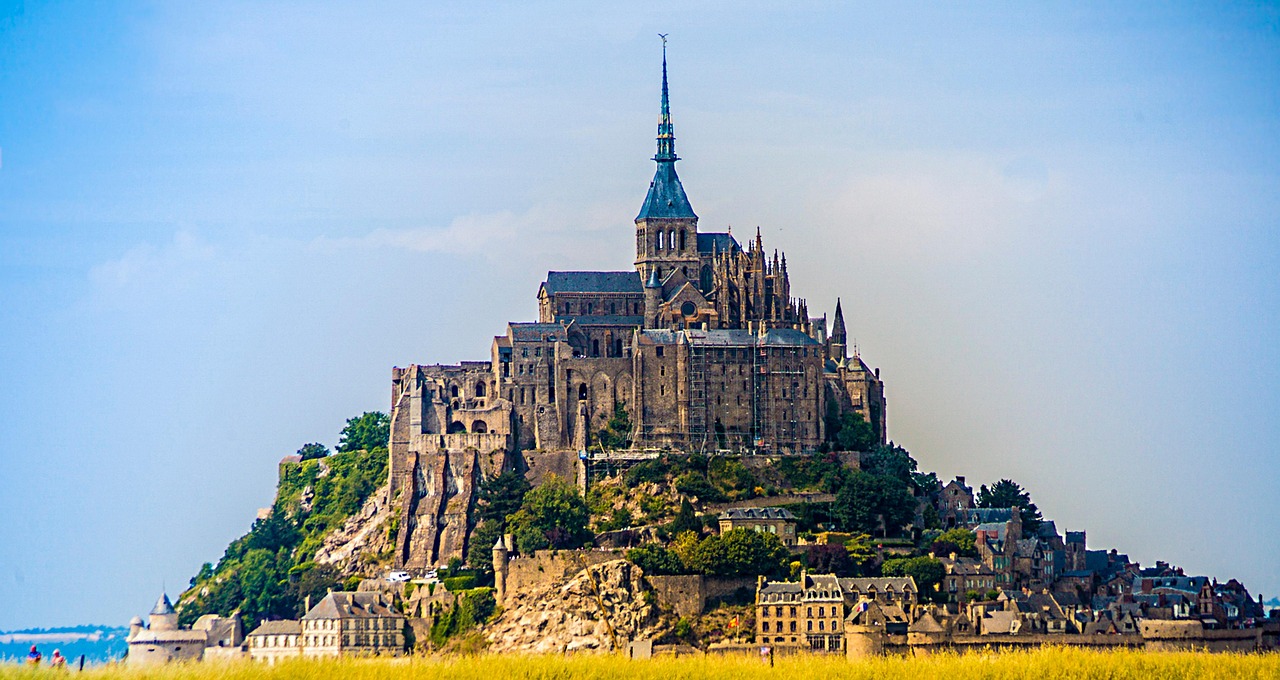
Architecture lovers will feel the shift in atmosphere as the building rises: later Gothic elements bring height and light, while older stonework stays grounded beneath. The abbey church is the heart of this vertical story, and if you time it well, you’ll find a single panoramic moment where the bay opens beyond the arches. That contrast—weight and light—helps you understand why builders kept returning to the same location at the top, shaping it century by century.
Look for details that whisper rather than shout: a carved capital, a worn threshold, or an elegant flamboyant flourish where late stonework became more expressive. If there’s an exhibition on during your visit, it can add context without pulling you out of the place’s atmosphere.
La Merveille, the refectory, and a monk’s quiet rhythm
La Merveille is where daily life becomes tangible: the refectory, workspaces, and the graceful upper levels that once held the cadence of a monk. It’s easy to picture the discipline of a Benedictine abbey—prayer, work, and silence—threaded through stone corridors and airy rooms. The effect is subtle but lasting, especially if you slow down and listen as much as you look.
To place the abbey in a wider map of meaning, it helps to see it alongside Jerusalem and Santiago de Compostela—different journeys, yet the same pull to move, reflect, and arrive as a pilgrim. Today, the site is open to the public, supported by French heritage stewardship, including the Centre des monuments nationaux, which helps preserve this fragile marvel while welcoming visitors with care.
Modern history adds another layer. During the French Revolution, the abbey was used as a prison; later, 19th century restoration returned dignity to the structure and renewed its symbolic role in the national imagination. By 1863, its story had shifted again—less confined, more shared—reminding us that even ancient monuments continue to change.
If you notice a chaplaincy noticeboard or references to the monastic fraternities of Jerusalem, it’s a gentle reminder that the spiritual thread never fully disappears here. This monument is not frozen in the XI century; it’s a living site, still holding space for contemplation alongside careful tourism and the steady work of preservation.
Mont-Saint-Michel and Its Bay: Tide, Highest Tides in France, Safety, and Sand Walks
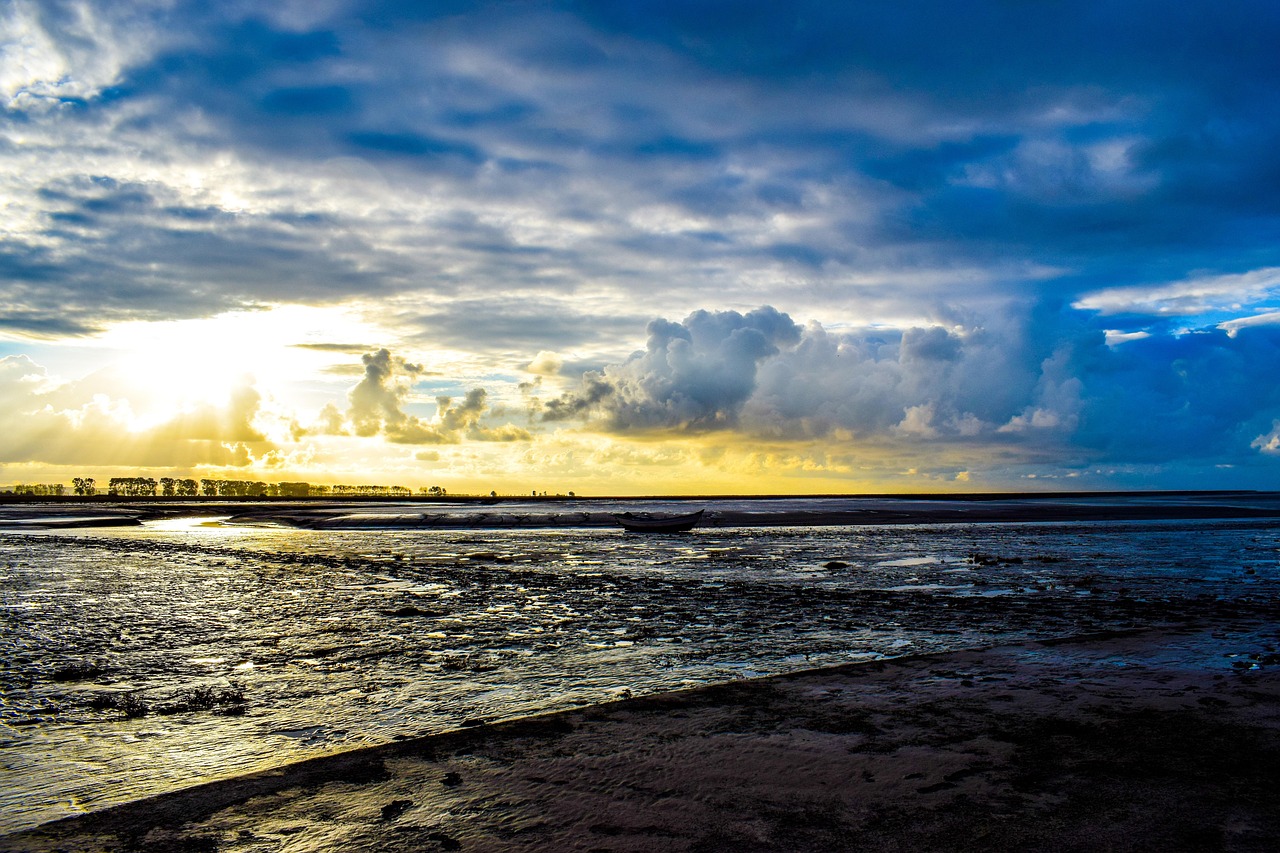
Mont-Saint-Michel and Its Bay: Dramatic Water, Sand Walks, and Safety
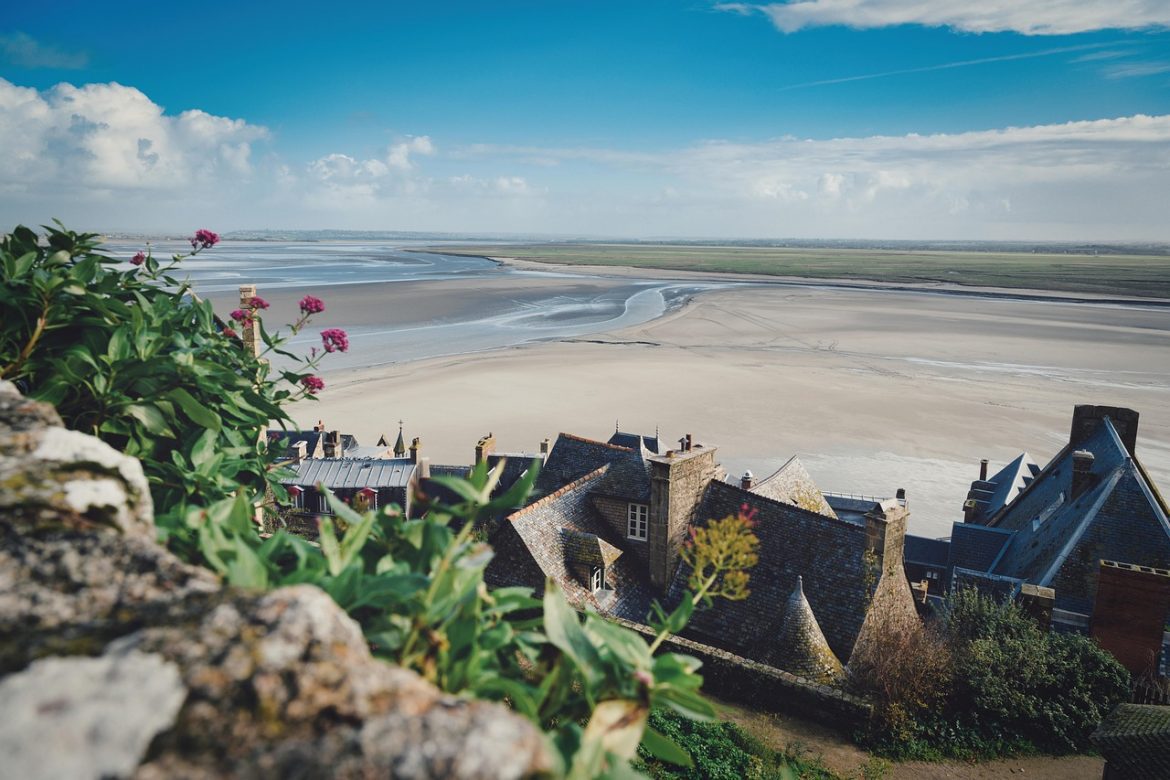
For many travellers, the real drama is the way the landscape seems to breathe. The tide here doesn’t just creep; it transforms the bay of Mont-Saint-Michel, sometimes making the islet feel sealed by water, then opening it again to sand and sky. The simplest explanation is also the most helpful: huge tidal ranges and a shallow bay create fast, wide changes, and the water can return sooner than you expect.
Peak seasonal water, soft light, and planning without overthinking
The most dramatic water levels tend to arrive in spring and autumn, when the bay can feel theatrical and vast. For photos, “good light” usually means early or late—when the monument glows, and the flats show texture, rather than the bright, flat glare of midday. You don’t need to over-design the perfect shot; a little patience and curiosity usually deliver something more personal.
Crossing the sands with local guidance, respect, and trust
One traveller shared an unforgettable experience trekking across shifting sands at low water, guided by locals who knew exactly where the ground held firm. That’s the key: trust local expertise, because there are pockets of soft ground and the risk of quicksand is real. A guided crossing turns the walk into a story you’ll carry, not a gamble.
Geographically, Mont-Saint-Michel sits on a granite islet, shaped by currents and the Couesnon River. Engineering has played its role too: a dam helps manage silting and supports the bay’s changing character, balancing heritage needs with natural flow. It’s a powerful reminder that protecting a world heritage landscape takes both reverence and practical choices.
- Check tide tables before you go, and be ready to adjust your timing with confidence.
- Never cross alone; choose an expert guide for context and safety.
- Wear sturdy, secure footwear—wet flats and slick patches can catch you off guard.
Done well, the bay feels like a living stage—one where nature and the monument are equal leads, and you’re simply invited to witness.
Mont-Saint-Michel: Abbey Rampart Walks, Medieval Streets, Night Tour in France, and a Local Norman Feast
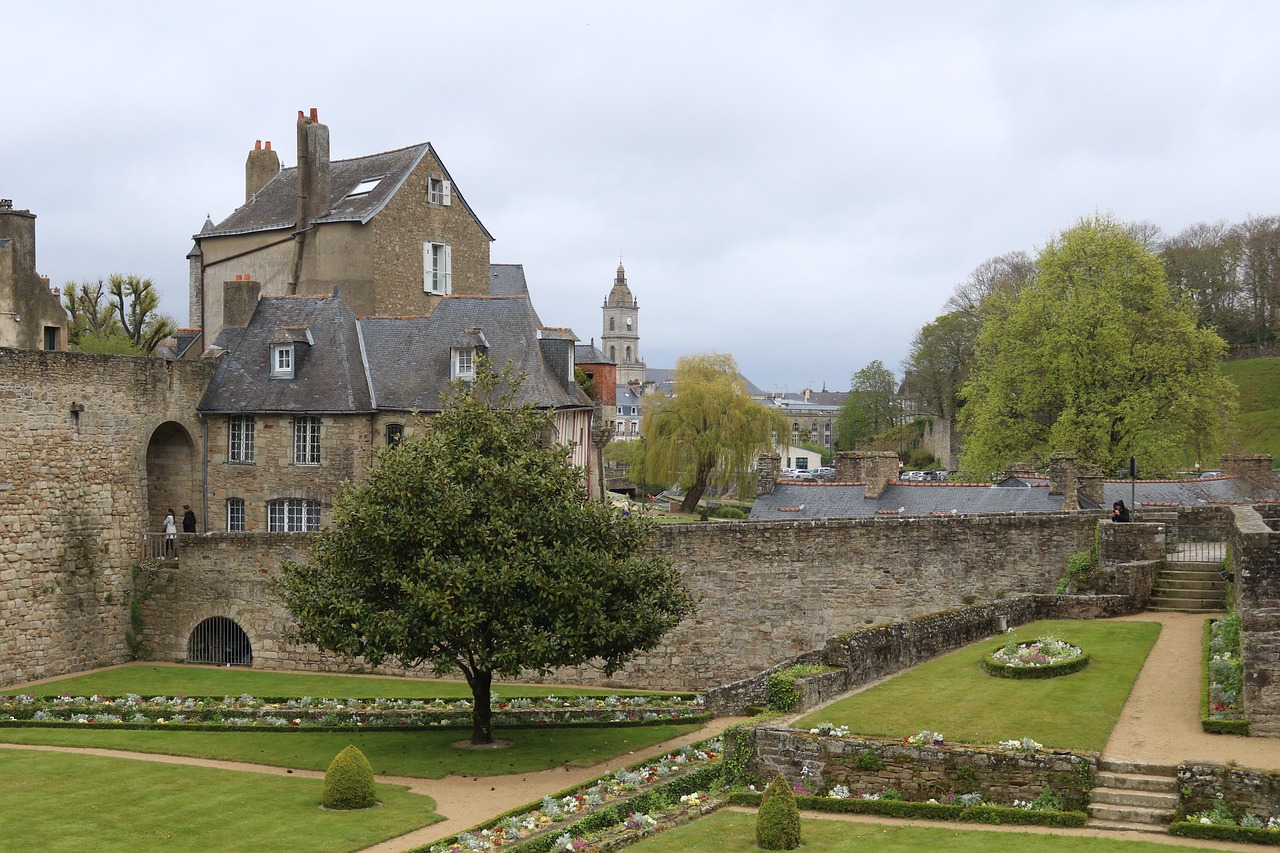
Ramparts, Streets, and Night Tours: A Local Norman Feast
After your time in the abbey, the next chapter is more tactile and playful. The lanes twist and tighten, then suddenly deliver “window” views across Normandy and Brittany, as if the village is letting you peek behind the curtain. This is where you can explore at street level: stone steps, archways, and small shopfronts that give the mount a lived-in feel, not just a photographed one.
Rampart walks and wide angles across Normandy and Brittany
A rampart stroll offers varied perspectives: the sea line, the rooftops, and the far sweep towards Brittany, Bretagne, and the fields beyond. Choose one section, then stop—really stop—so the view becomes an experience rather than a passing backdrop. It’s a simple way to create calm, even when the main street is busy.
A Norman tasting path and a seamless logistics plan from Paris
For a local food moment, keep it simple and intentional. Dining is limited on the island, so bringing small snacks supports a seamless day, but do make room for Norman favourites: a warm omelette and a glass of cider can feel like the perfect comfort after cobblestones and steps. Pick one trusted eatery, linger, and let it be part of the memory rather than a rushed refuel.
Getting there can be effortless if you plan with care. Many travellers prefer public transport to reduce parking stress: from Paris, you can connect via Pontorson on the Mont-Saint-Michel train route and onward connections, then take the shuttle to the entrance. Another option is routing through Caen for Normandy coast stops before continuing towards the mountain. If you do drive, use the mainland parking and enjoy the approach along the modern footbridge, which replaced the older road access and helps protect the bay.
On the ground, design your flow: arrive, orient yourself, and accept that cobblestones can be uneven and slippery in places. Good shoes are your quiet luxury here. If you want inspiration for extending your journey through France, you can browse our Trip gallery for refined routes that pair well with Normandy’s coast.
Finally, consider a guided night tour. Seeing Mont-Saint-Michel illuminated under the moonlight changes everything—the stone feels warmer, the shadows deeper, and the silence more pronounced. Speak softly, avoid flash photography, and check seasonal schedules; in January 2026, opening hours and evening access can shift, so confirm timings in advance. It’s a small act of planning that pays you back with atmosphere.
F.A.Qs
Why is Mont-Saint-Michel Abbey famous?
Mont-Saint-Michel Abbey is famous for its dramatic setting on a tidal island in France, its layered architecture, and its long history as a place of pilgrimage for generations. The monument rises like a defended sanctuary above the bay, with far-reaching views and a unique relationship to the surrounding water. As part of a UNESCO World Heritage landscape in Normandy and Brittany, it’s also recognised for the way nature and human craft have shaped one another over time.
Is Disney Castle based on Mont St Michel?
Mont-Saint-Michel is often cited as an inspiration for fairy-tale castles in popular culture because of its steep, layered silhouette and spired profile. While Disney has drawn on many European sites, the mountain’s dramatic form is often cited as a visual reference point. Whether or not it’s a single direct model, the resemblance is easy to understand when you see the monument rising from the flats.
Who lives in Mont-Saint-Michel Abbey?
Today, Mont-Saint-Michel Abbey is primarily a historic monument visited by tourists, rather than a large resident monastery. Religious presence can vary over time, and the wider mount has a small local community tied to services and visitor support. You may also see references to chaplaincy activity or faith communities connected with the site, but most travellers experience it as a heritage site managed for visits.
How do I go to Mont-Saint-Michel from Paris?
From Paris, a common route is to take a train towards Pontorson and then continue by shuttle or local connection to Mont-Saint-Michel. Many travellers choose this option to avoid parking and enjoy a smoother, more relaxed arrival. If you drive, you’ll park on the mainland and walk or take the shuttle over the footbridge to the mount. Always check timetables in advance, especially outside peak season.
What Stayed With Me After Mont-Saint-Michel
What stays with you after Mont-Saint-Michel is rarely the single grandest scene, even though the abbey of Mont-Saint-Michel is unforgettable. It’s the sensation of standing between sea and sky, hearing wind where you expected noise, and noticing how your own inner pace adjusts to match the place. The monument holds opposites together—bright courtyards and shadowed passages, busy lanes and sudden quiet—and somehow makes that contrast feel steady rather than overwhelming.
I think of a family I met whose children listened wide-eyed as a local guide shared Middle Ages legends, turning stone into story and history into a shared spark. I also remember another traveller describing the profound hush in an arcaded garden space high above the village—how it felt like the world had stepped back to let them breathe. Those moments are small, but they carry a kind of care that stays with you long after you leave.
Mont Saint-Michel isn’t only about ticking off attractions; it’s about trusting what draws your attention, then letting that curiosity lead—slowly, gently, together. When you travel this way, even a brief visit becomes personal, because you’re not collecting sights so much as uncovering meaning in a place of pilgrimage. And then, when you’re home, it returns in quiet flashes: a bell note in the air, the sheen of wet sand, the outline softening at dusk. Imagine the bay settling into evening light, and let that thought linger a while.