First steps in Montparnasse, Paris, France – a local walk in the 14th arrondissement neighbourhood
First steps in Montparnasse: a lived-in neighbourhood walk in Paris
In this Montparnasse Paris, France guide, think of the Montparnasse area of Paris as a place where the city exhales a little. It often feels less touristy than the postcard hotspots, yet it keeps an intellectual pulse—art, books, and everyday life moving at a Parisian pace. For travellers planning a trip to Paris who want culture without the crowds, it’s one of the best areas to step off the beaten track while staying well connected.
Finding your bearings from Gare Montparnasse to Vavin – métro connections made simple
Begin nearby and use Montparnasse-Bienvenüe métro as your practical anchor for arrivals and late returns. At street level, Boulevard Raspail works as a clear north–south guide, and once you’re walking, you’ll quickly notice how the district shifts between busy corners and calm side streets. This simple “main line + side streets” approach keeps your first wander relaxed, even if you haven’t planned every stop.
From there, follow the rhythm of the main street without rushing. The point of this neighbourhood isn’t to tick boxes; it’s to notice atmosphere—quick greetings, small galleries, craft shops, and those ordinary moments that make you feel included rather than herded.
A walking loop from Boulevard Montparnasse into quiet lanes, markets, and side-street charm
Start your loop along Boulevard Montparnasse, then peel away whenever curiosity tugs—this is where the best insights tend to appear. For a detour that feels genuinely lived-in, thread towards rue Daguerre for market energy and local snacks, then curve back when you’re ready for café time. Keep your phone away at busy crossings and trust your instincts; a little awareness is the best support for an easy day on foot.
- Polite starts: a simple “Bonjour” as you enter shops and cafés goes a long way.
- Best seasons: spring and early autumn for comfortable walks and fewer crowds.
- Where to base yourself: if you want to stay in Montparnasse, choose a street just off the main avenue for quiet sleep with easy access to evening plans.
- Booking hotels: request a higher floor or courtyard-facing room if you’re a light sleeper—rest matters when you want to enjoy long days.
If you’d like to see how this destination pairs with the rest of France in a crafted itinerary, browse our Trip gallery for inspiration you can shape into your own style.
Next, we go upward—because Montparnasse rewards a little skyline bravery.
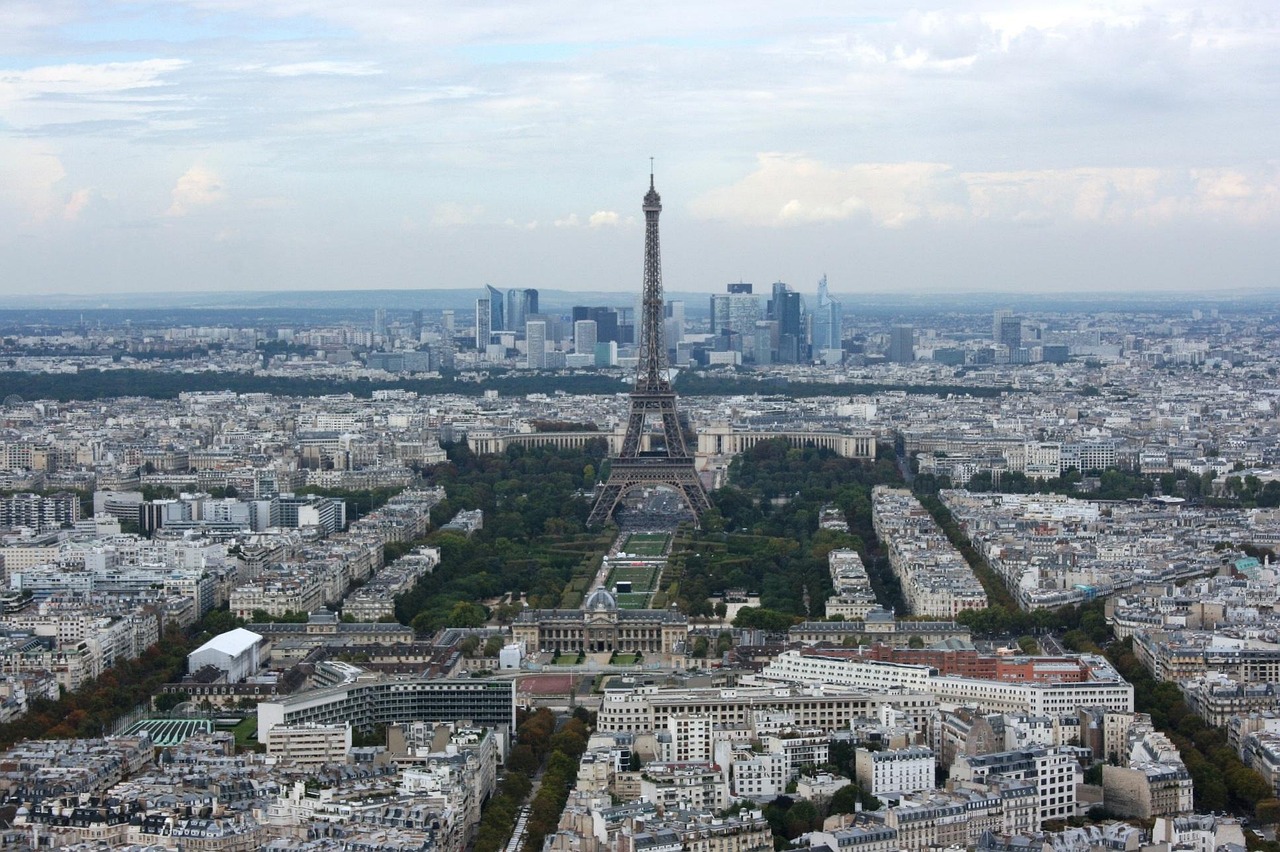
Montparnasse Tower rooftop and observation deck – best views of Paris in Montparnasse, Paris, France
Montparnasse Tower rooftop views above the city
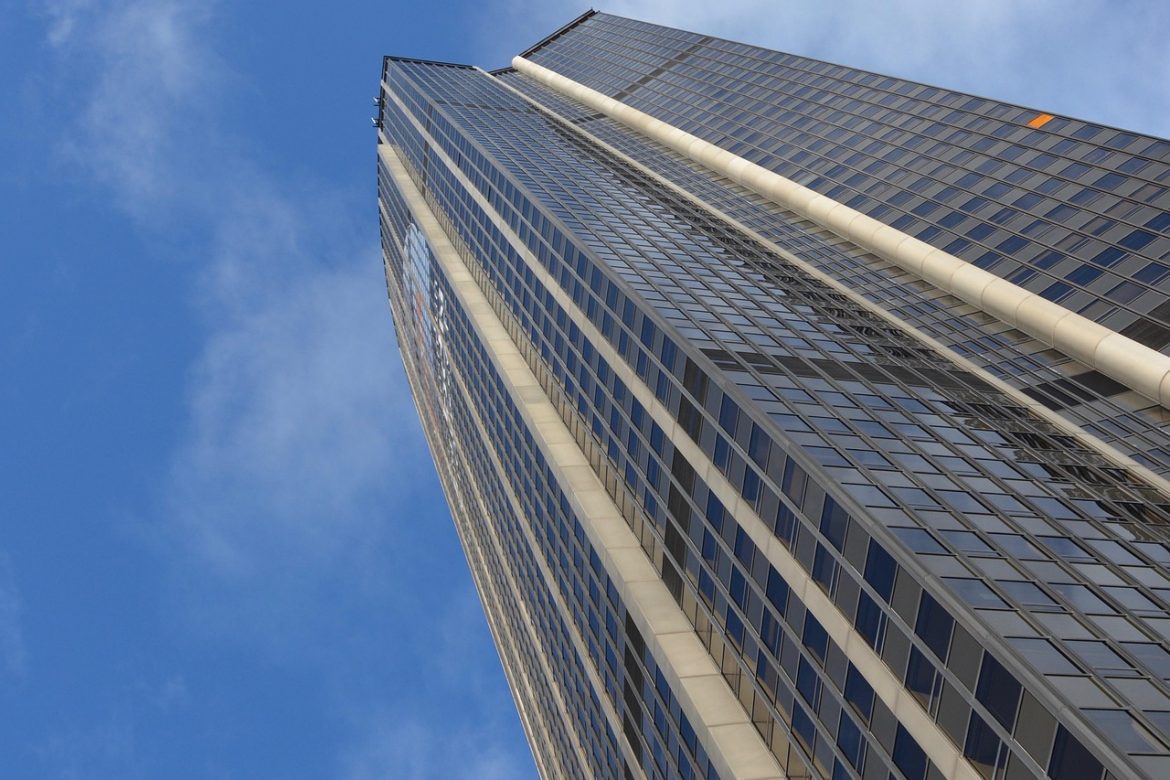
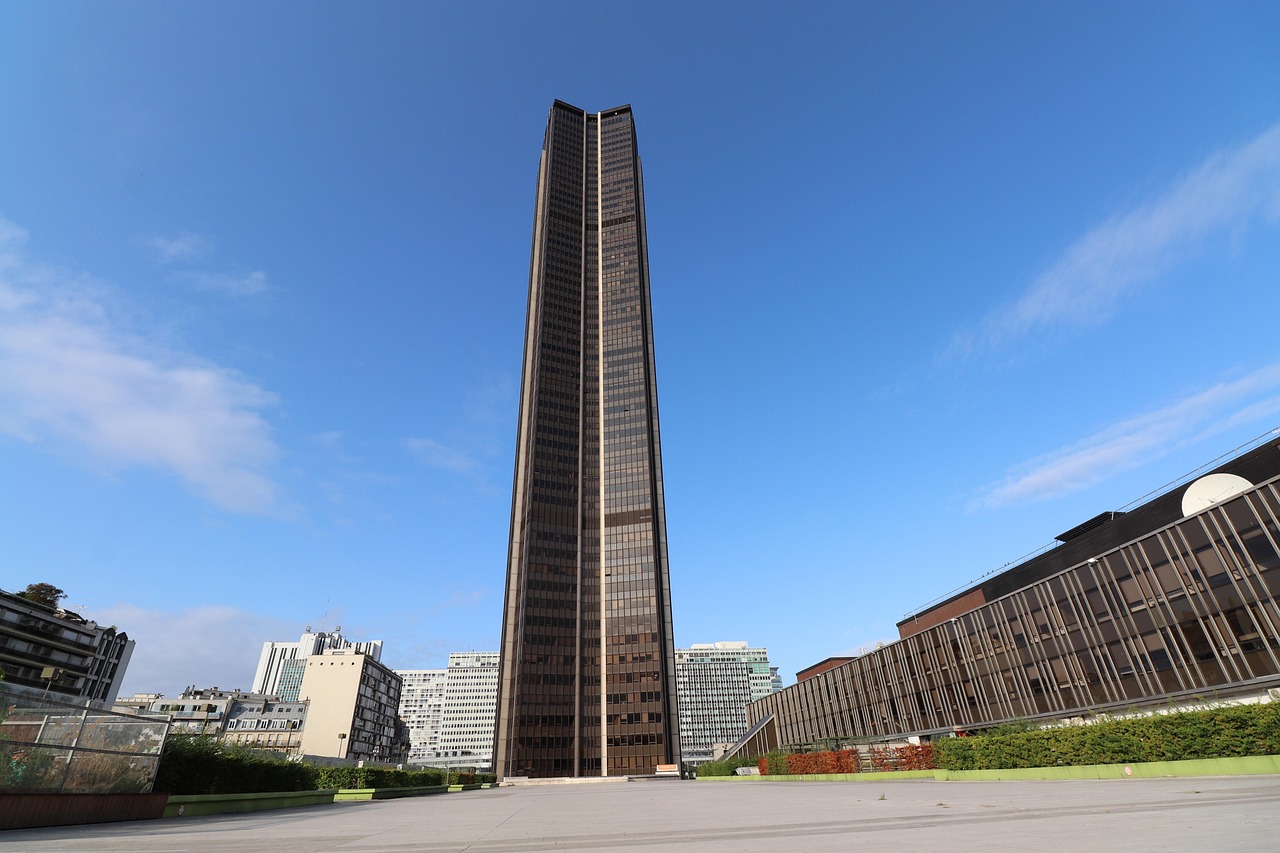
For a view that surprises people—in the best way—Tour Montparnasse is the move. This skyscraper, built in 1973, may not win hearts from street level, but up high, the city opens into a truly panoramic map. From the Montparnasse observation deck, you can frame the Eiffel Tower in context and understand Paris at a glance, which is why it’s one of the best places for photos that feel timeless.
Rooftop timing and a terrace plan for calm, panoramic photos
To keep the experience smooth, aim for golden hour when the light softens edges, and the city looks almost brushed into place. The route moves through indoor viewing zones and out onto the terrace, and the open-air rooftop is where the wind, scale, and skyline really land. If it’s busy, don’t fight the crowd—circle once, then return to your favourite angle with patient confidence.
A traveller once told us they caught sunset here almost by accident—one extra lift ride before dinner. Paris turned gold, the skyline sharpened, and then the lights began to flicker on across the city. In that breath-catching pause, adventure didn’t mean speed; it meant daring to be still and letting a vast view do the work.
Seamless entry, cost, and safety tips for a stress-free visit
Entry is around €20, and online booking is the easiest way to skip queues and keep your evening designed rather than delayed. Transport links back through the main interchange make returns straightforward, especially if you’re pairing the tower with dinner nearby. As in any major capital, keep an eye on pockets and zipped bags in crowded lifts and foyers; a little care lets you stay present without losing joy.
Once you’ve taken in that high-level perspective, it feels natural to return to street level—where the area’s creative history still murmurs between tables.
Cafés and classic brasseries on boulevard de Montparnasse – La Coupole, Le Dome, La Rotonde and Le Select
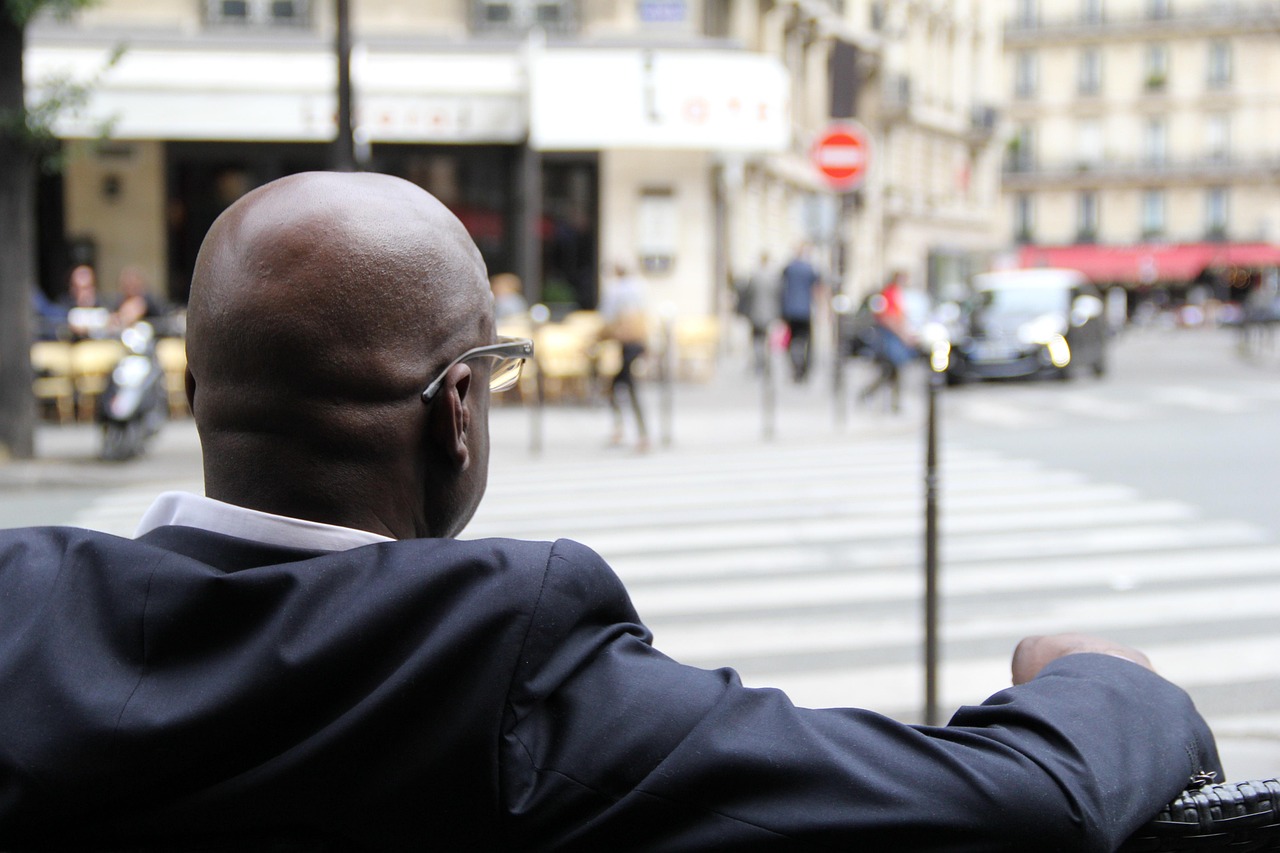
Cafés and brasseries in the heart of Montparnasse
To understand the Montparnasse story, linger along Boulevard de Montparnasse with intention. The strip is lined with iconic cafés and brasseries where ideas were once exchanged as freely as espresso, and the people-watching still feels wonderfully local. Settle in, slow down, and let the room teach you how this neighbourhood likes to be enjoyed.
La Coupole, Le Dome, La Rotonde, café de la rotonde and Le Select – how to do them well
Start with La Coupole for Art Deco glamour and classic brasserie confidence; order seafood or a simple plate and let the room do the talking. Slide to le dome for a quieter elegance, where old-school service still rewards good manners, and notice the subtle dôme details that echo the venue’s history. Then there’s la rotonde—and the adjoining café de la rotonde—often lively and slightly theatrical, ideal for an espresso and a reset before you continue. If you want something a touch more understated, Le Select keeps the energy steady and is a comfortable place to write a few lines without feeling hurried.
An art enthusiast once shared a personal moment here: sitting in the kind of corner where Modigliani once lingered, they felt unexpectedly connected to the early 20th-century spirit. It wasn’t about reenactment; it was about noticing how creativity still thrives when you give it time. When you think of Picasso, Chagall, and Ernest Hemingway passing through these rooms, you realise this isn’t just a famous Parisian postcard scene—it’s a living mood.
Food guidance you can trust: best restaurants, traditional French menus, and smart ordering
For a high-end traveller, the goal isn’t “fancy” as a default—it’s comfort with character. Look for traditional French menus that stay focused: seasonal staples, a good wine list, and staff who respond warmly when you begin with “Bonjour”. Beware of laminated, photo-heavy menus on the busiest corners; better flavours often hide one street away.
- How to spot the right places: busy tables of locals, concise menus, and confident classics.
- Where a creperie fits: a relaxed option between galleries, shopping, and theatre plans.
- Best restaurants note: ask your hotel concierge for one recommendation off the main street, then explore the side lanes with trust in your instincts.
After the café warmth, it’s a gift to step into quiet—Montparnasse holds space for that too.
Quiet reflections at Montparnasse Cemetery, plus parks in Paris and Luxembourg light nearby
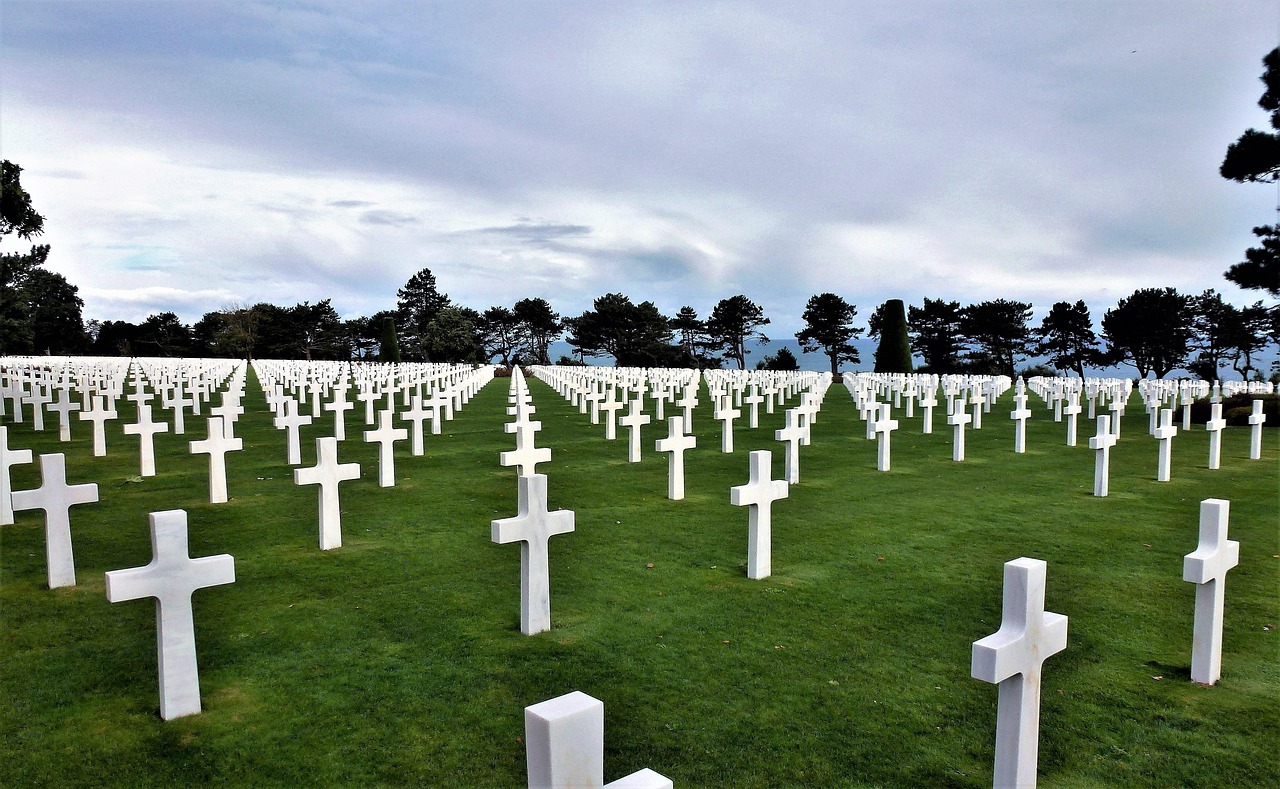
Quiet reflections near Montparnasse Cemetery
Montparnasse Cemetery is an attraction that rewards gentleness. The cemetery entrance feels like a threshold: step through, lower your voice, and let the pace of Paris soften. Move respectfully, keep pathways clear, and remember this is a place of remembrance, not a set.
Notable names, Edgar Quinet, wayfinding, and when a guided tour helps
Many visitors come to pay respects to Jean-Paul Sartre and Simone de Beauvoir, whose shared resting place draws quiet contemplation rather than spectacle. Use Edgar Quinet as a helpful navigation cue nearby, and consider a guided tour if you want deeper context without the overwhelm of trying to decode every name on your own. Even if you don’t recognise every figure, this cemetery has a way of making cultural history feel human.
A traveller once described their walk here as unexpectedly peaceful: they moved slowly among writers and artists, watching leaves shift in the light. The city’s noise didn’t disappear, but it became distant—like a radio in another room. In that stillness, the mind makes space, and you can hear your own thoughts again.
From cemetery hush to Jardin du Luxembourg – an easy green reset
When you’re ready to rejoin the day, design a gentle detour to Jardin du Luxembourg on the edge of the 6th arrondissement. The Luxembourg gardens offer a different kind of calm—chairs you can claim for a moment, paths for an unhurried loop, and that soft Parisian light that makes even an ordinary afternoon feel intentional. It’s a beautiful bridge between reflection and the energy you’ll return to later.
And when evening arrives, Montparnasse changes tone—without losing its authenticity.
After dark on rue de la gaité – jazz, theatre, and Parisian joy in Montparnasse

After dark: jazz and theatre in Montparnasse
The evening scene here feels local rather than staged. Montparnasse is also a place for theatres, small jazz clubs, and late suppers that don’t require you to switch to “holiday mode”. One visitor told us about a night in a jazz club where the musicians were close enough to smile back—an intimate set that felt like being welcomed into a living room. When someone slipped an Edith Piaf melody into the mix, the room seemed to breathe together.
An evening route that Parisians actually enjoy – dinner, lights, and a show
Start with a bistro dinner, then walk the Boulevard Montparnasse as the lights come on and the pavement tables fill. From there, turn onto the theatre street for a show—comedy, theatre, or jazz, depending on your mood. Parisians tend to pace the night: no rush, no drama, just a steady unfolding of pleasure.
A practical night-out plan: bookings, dress code, and staying comfortable
Book ahead for popular performances, especially at weekends, and dress smart-casual—think elegant comfort rather than formality. Keep valuables zipped and avoid leaving phones on tables; it’s simple vigilance that protects your joy. If you’re travelling together, decide on a meeting point outside the venue just in case, and you’ll move through the night with relaxed confidence.
- Best time to go out: dinner from 19:30, shows from 20:30 onwards.
- Sound check: smaller clubs can be loud—ask for a table slightly back if you prefer comfort.
- Next-day adventure: consider a tour of the Paris catacombs; if enclosed spaces worry you, go early, breathe slowly, and give yourself permission to step out if needed.
After nights like this, the neighbourhood doesn’t just feel visited—it feels lived.
F.A.Qs
Is Montparnasse a nice part of Paris?
Yes. It’s generally safe, well-connected, and feels lived-in rather than purely touristic. Like anywhere in Paris, stay aware of pickpockets in crowded spots—especially around big transport hubs—and you’ll be able to enjoy the area with ease and confidence.
What is Montparnasse known for?
It’s known for its creative café culture, historic addresses like La Coupole and the Rotonde, and lively theatres and jazz venues, alongside quieter places such as Montparnasse Cemetery. It also offers standout city views from Montparnasse Tower, making it a strong choice for travellers who like to mix culture with scenery.
What caused the Montparnasse train crash?
The 1895 Montparnasse train crash was caused by the train failing to stop in time at the station. Reports commonly cite issues with braking and high speed on approach, leading the locomotive to overrun the buffers and crash through the front of the building.
Who is famous and buried in Montparnasse?
Montparnasse Cemetery is the resting place of major cultural figures, including philosophers and writers such as Jean-Paul Sartre and Simone de Beauvoir. Many other artists and notable Parisians are also buried there, making it a meaningful place for a reflective walk.
What stayed with me after Montparnasse
What lingers about montparnasse paris france is the way the place holds height and hush without contradiction. There’s the memory of a panoramic pause above the city, and then the softer recollection of street-level life: a waiter’s nod, a warm chair by the window, the quiet dignity of names carved in stone. In the wider Montparnasse area, you realise travel isn’t always about collecting moments—it’s about letting a few moments collect you.
I keep thinking about how the neighbourhood seems to give permission: to slow down, to notice, and to be fully present even when the day is full. A small creative ritual has stayed with me—ordering a simple drink, opening a notebook, and writing one honest line before moving on. It’s a way to carry the journey home, not as a souvenir, but as space inside a busy life.
Sometimes, I remember the Parisian light on the pavement and the way conversation rises and falls along the boulevard, like music you don’t have to chase. Montparnasse doesn’t demand devotion; it simply waits, and in that waiting there’s trust—an understanding that you’ll return when the moment is right, and uncover a different corner of the story.