Musée d’Orsay Paris museum basics and how to skip lines for a Seamless visit
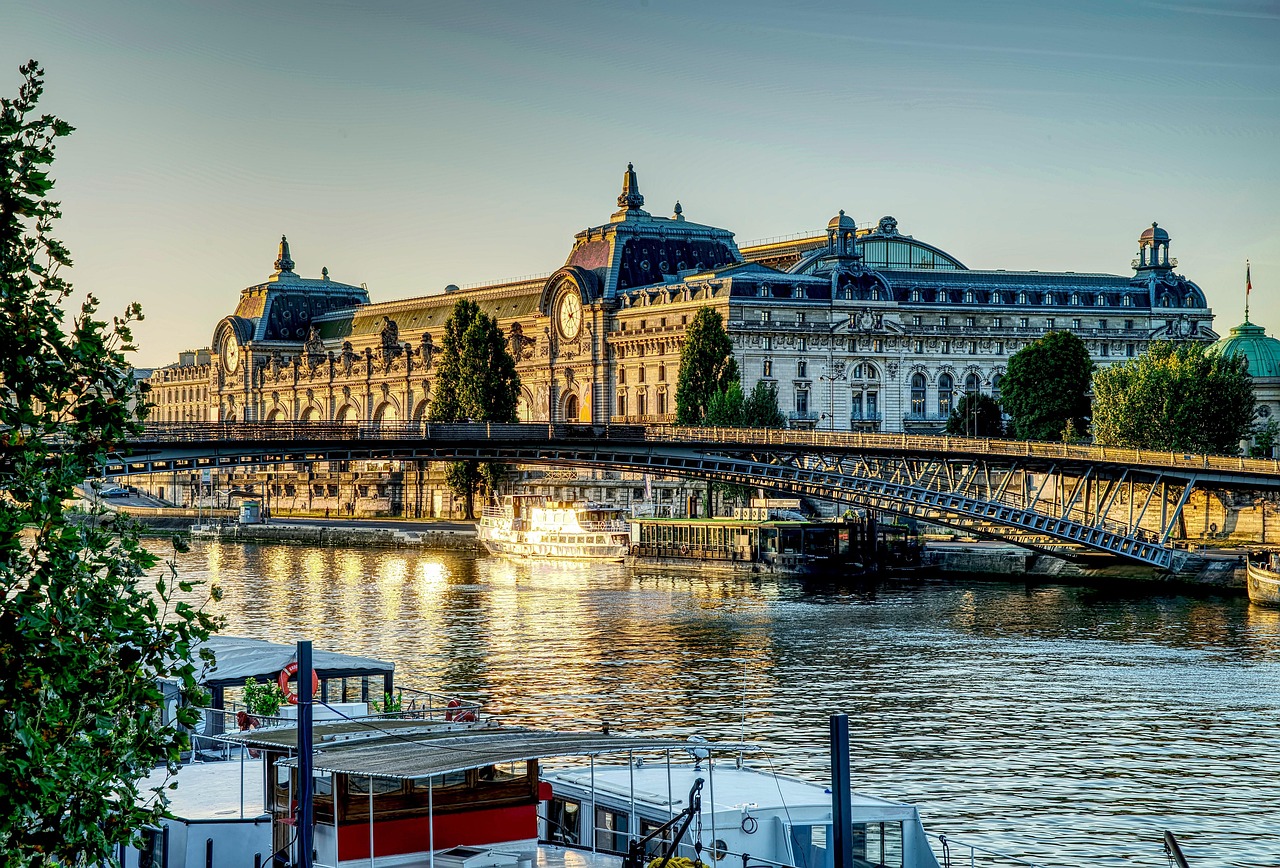
Musée d’Orsay Paris museum basics and how to skip lines with a Seine-side approach in France
Think of a musée d’Orsay museum visit and how to skip queues in France as an active cultural mission: you’re here to discover a collection that rewards curiosity and momentum, not to shuffle from room to room. Adventure seekers tend to thrive at Orsay because the building invites movement—long sightlines, changing light, and constant “what’s next?” energy.
The practical magic is in your start. The museum uses timed entry, and the opening rhythm can change with seasons, special events, or holiday weeks, so treat the official website as your Expert confirmation source. Buying online is the easiest way to arrive with calm Confidence, especially when you have a full day designed around galleries, river walks, and a café reset.
Tickets, admission and how to skip the longest queues
Expect admission to be around €16 for adults, with discounts for EU residents aged 18–25 and free entry on the first Sunday of each month (spaces can be limited, and rules can shift). If you want to skip the most time-draining lines, reserve a timed ticket in advance and arrive a little early so security feels unhurried rather than hectic.
- Best crowd windows: weekday mornings or late afternoons for a calmer pace and better “slow-looking” time.
- Security prep: keep bags minimal; foldable umbrellas controlled; pockets cleared before you reach the trays.
- Comfort strategy: wear supportive shoes—this is a surprisingly generous set of long indoor miles.
Access by station and a graceful approach along the water
For simple access, aim for Solférino station on Metro line 12. From there, the walk naturally funnels you towards the banks of the Seine, which sets the tone: you’re arriving with presence, not rushing through a checklist. If you’re early, wander the nearby streets on the Left Bank, or drift towards the Tuileries gardens for a gentle pre-museum warm-up.
If you’re building a multi-museum day, the Paris Museum Pass can make sense for a tightly scheduled itinerary with several entrances. For many travellers, though, a single entry is simpler—less admin, more Trust in your own pace. If you’re shaping a bigger, high-end itinerary through France, you can browse our Trip gallery for Crafted routes that keep transitions Seamless.
From the Gare d’Orsay former railway station history 1900 France, to a museum masterpiece
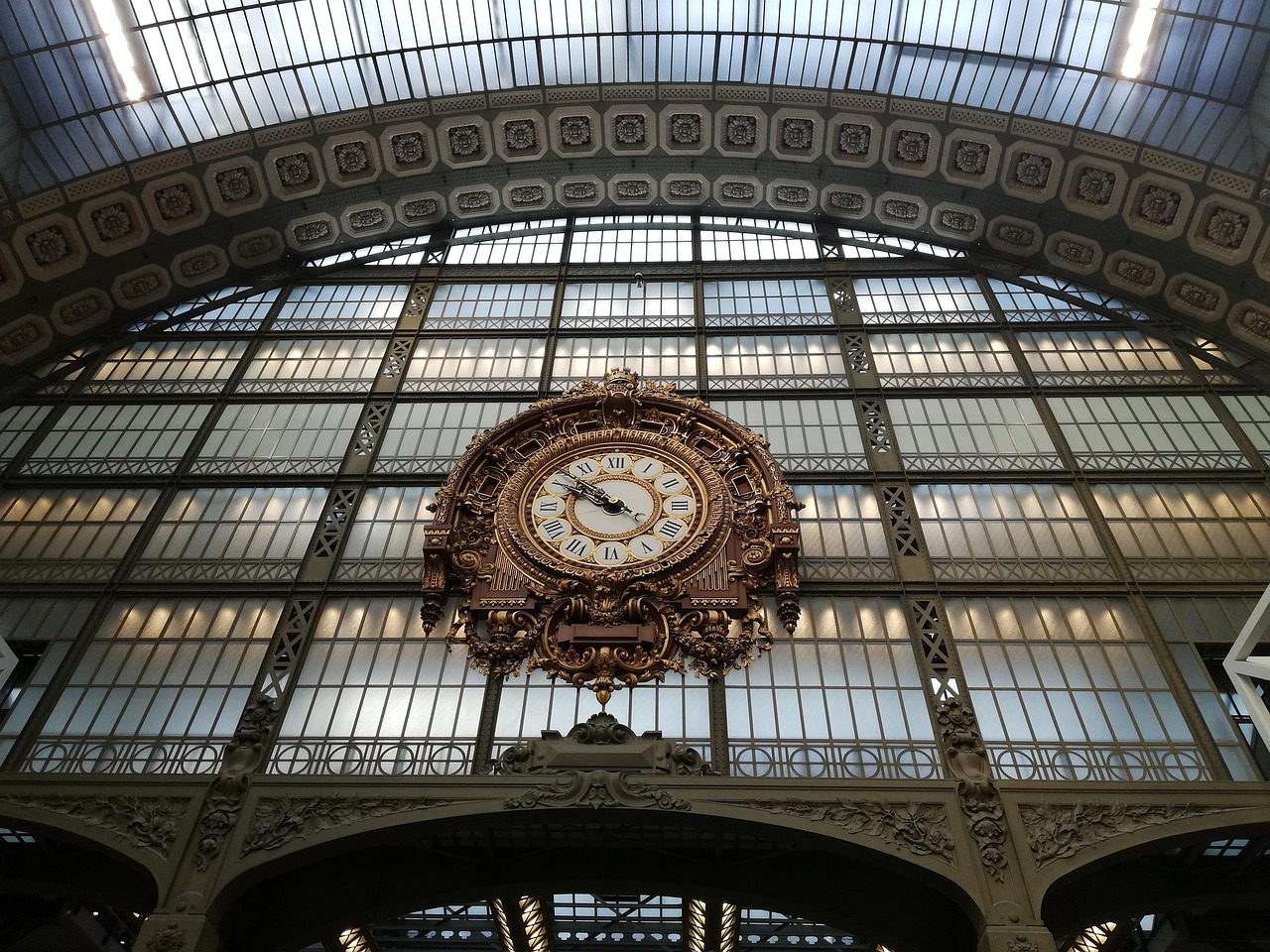
From Gare d’Orsay station to museum masterpiece inside the Beaux-Arts hall
The Gare d’Orsay, a former railway station history 1900 in Paris, France, is the first story you feel under your feet. Built for the universal exhibition of 1900, the Gare d’Orsay once welcomed arrivals with the same drama you sense today—except now the destination is colour, texture, and modernity. It’s the rare setting where architecture doesn’t simply hold a collection; it performs alongside it.
The collection’s timeframe—1848 to 1914—serves as a bridge between tradition and bold experimentation. That period matters because it explains why you’ll see academic grandeur beside quick brushwork, and why the museum feels like a turning point in the history of seeing.
A Design-led route through the Beaux-Arts centre
To explore without feeling rushed, start in the grand central nave, then drift to quieter side rooms when the energy spikes. This is a Design choice: wide, luminous spaces first, then intimate galleries where you can create your own rhythm. If you’re travelling together, agree on a simple meeting point (the central aisle works well) so everyone can roam with Confidence and regroup without stress.
Sculptor moments, decorative arts and photography for texture
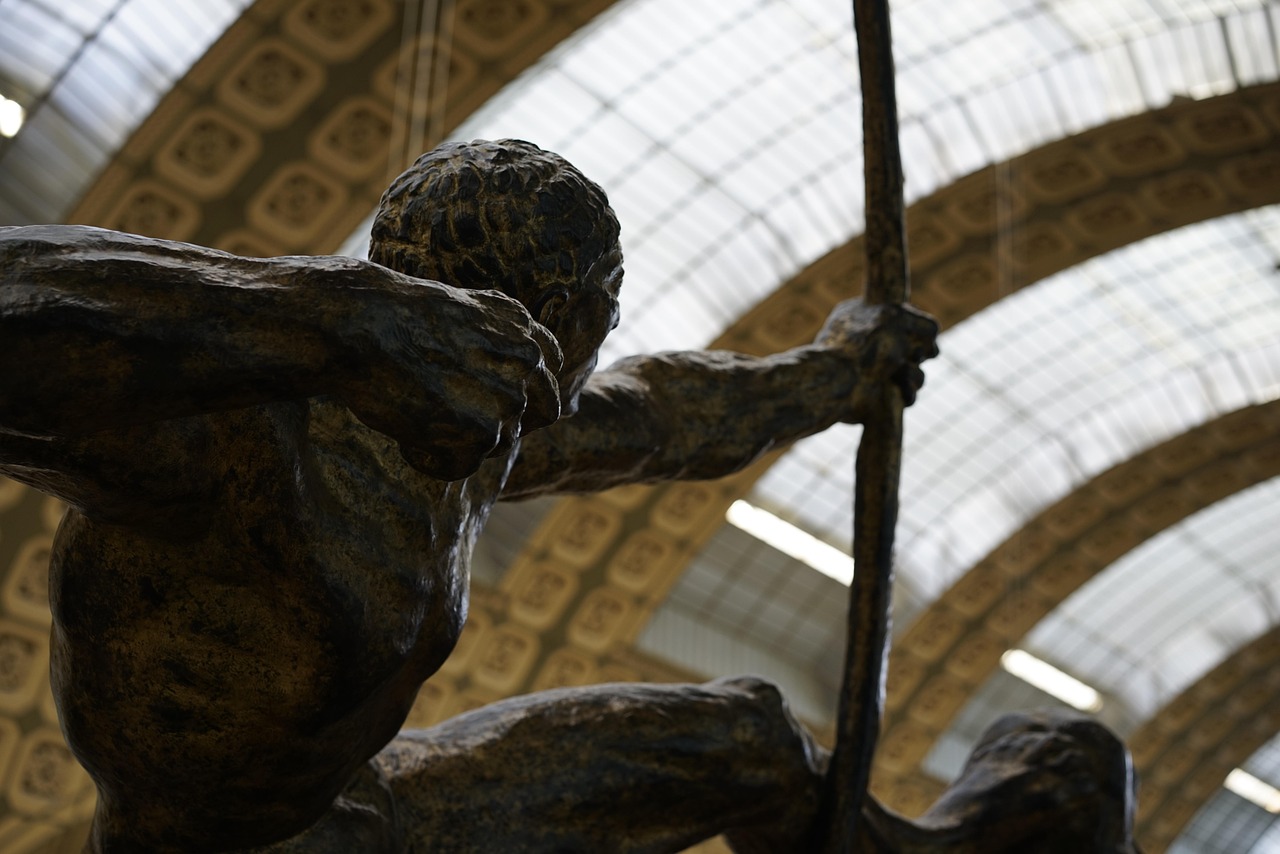
Don’t let paintings take all the oxygen. Pause for sculpture—there’s a special charge in seeing a sculptor like Rodin turn weight into emotion—and then soften your gaze in rooms of decorative arts. Photography adds another layer of truth: a glimpse of everyday life that makes the whole story feel human, Local, and immediate.
Before you move on, take a small Personal pause. Listen to the soundscape—footsteps on stone, the murmur of learners, the hush of attention—and notice how ironwork and daylight create theatre. It’s a former railway station that became a museum, and that transformation is its own kind of masterpiece.
Orsay collection: what to see for first timers with Monet and Renoir
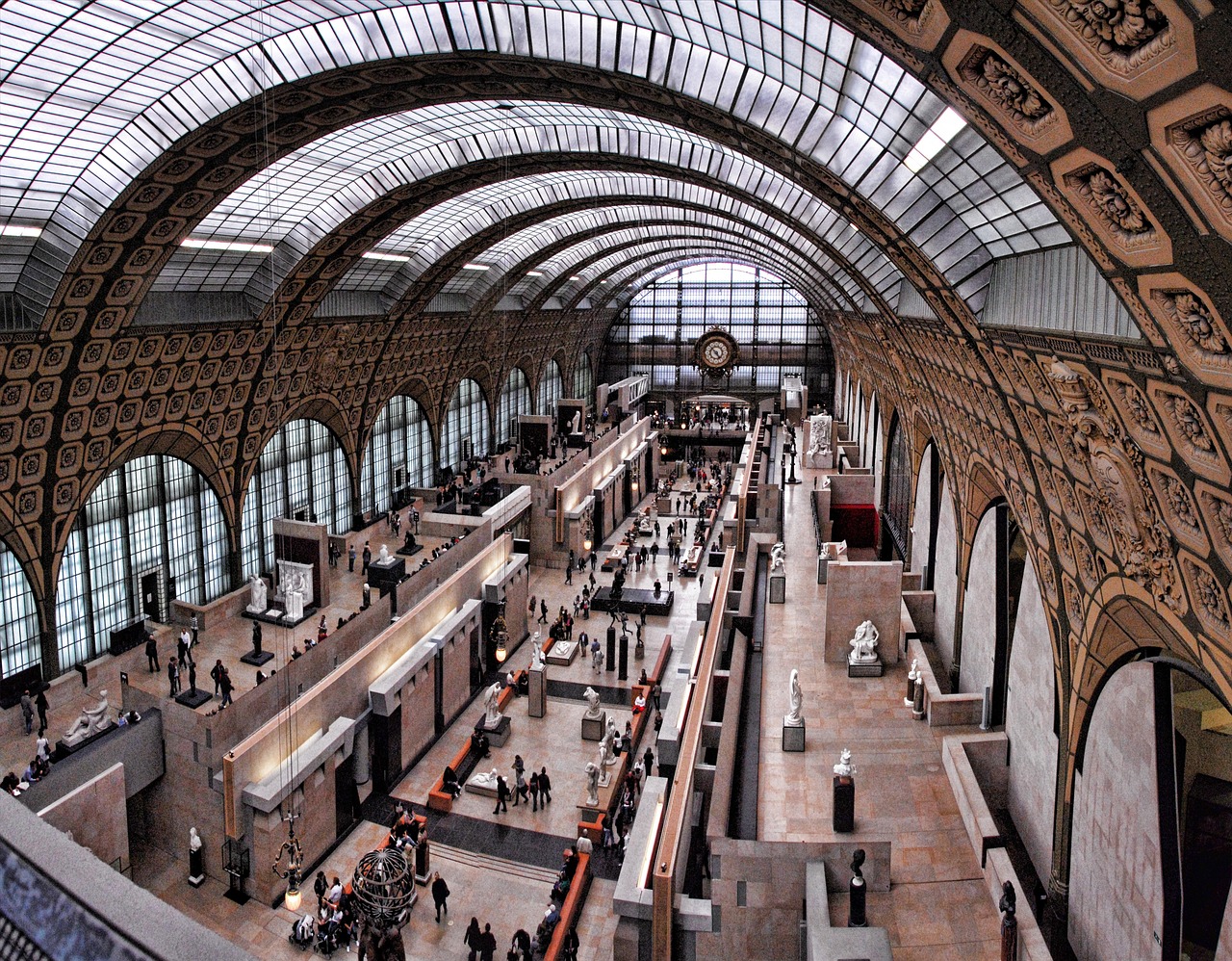
What to see in the Orsay collection for first timers in the light-filled galleries
If you’re wondering about the Orsay collection, what to see Monet, Renoir, Degas, Manet, Gauguin in France, build your day around a “must-see with breathing room” approach. This is where adventure seekers can thrive: set intentions, then let surprise guide you. The aim isn’t to cover everything; it’s to uncover what genuinely lands in you.
Begin with the Impressionist highlights—monet, renoir, and degas—then widen the story with manet and gauguin (yes, paul Gauguin, whose colour choices can feel like a door opening). One influential artist after another nudges you away from certainty and into experimentation, which is exactly why this collection still feels alive.
A must-see list with space to breathe
Rather than sprinting, try this pacing-friendly flow that keeps your attention fresh and your body comfortable:
- Start with the big rooms: take in the largest art hits early, when your focus is sharp, and the rooms are easiest to navigate.
- Detour into quieter corners: smaller works can deliver outsized Insight, especially when you give them two full minutes.
- Reset often: a bench is not “stopping”, it’s building stamina for a better look.
Slow-looking and museum Care that protects the work
A traveller once told us they were mesmerised by Van Gogh while viewing Starry Night Over the Rhône, describing it as a vivid experience that transported them into the night sky. That kind of encounter happens when you let your gaze settle and your breathing slow—when you trust the painting to meet you halfway.
As you explore, hold gentle museum etiquette with Care: no flash photography, respect barriers, and keep bags close in tight rooms. You’ll notice the atmosphere feels vibrant rather than rigid—students, locals, and art lovers mingling—sometimes exchanging quiet comments that become a tiny, unexpected gift.
Before you leave a room, choose one unexpected work that surprises you. Make a small note in your phone: one colour, one line, one feeling. That single detail can become your Personal compass later, long after the gallery noise fades.
Musée d’Orsay clock tower view to see the Seine and Sacré-Cœur
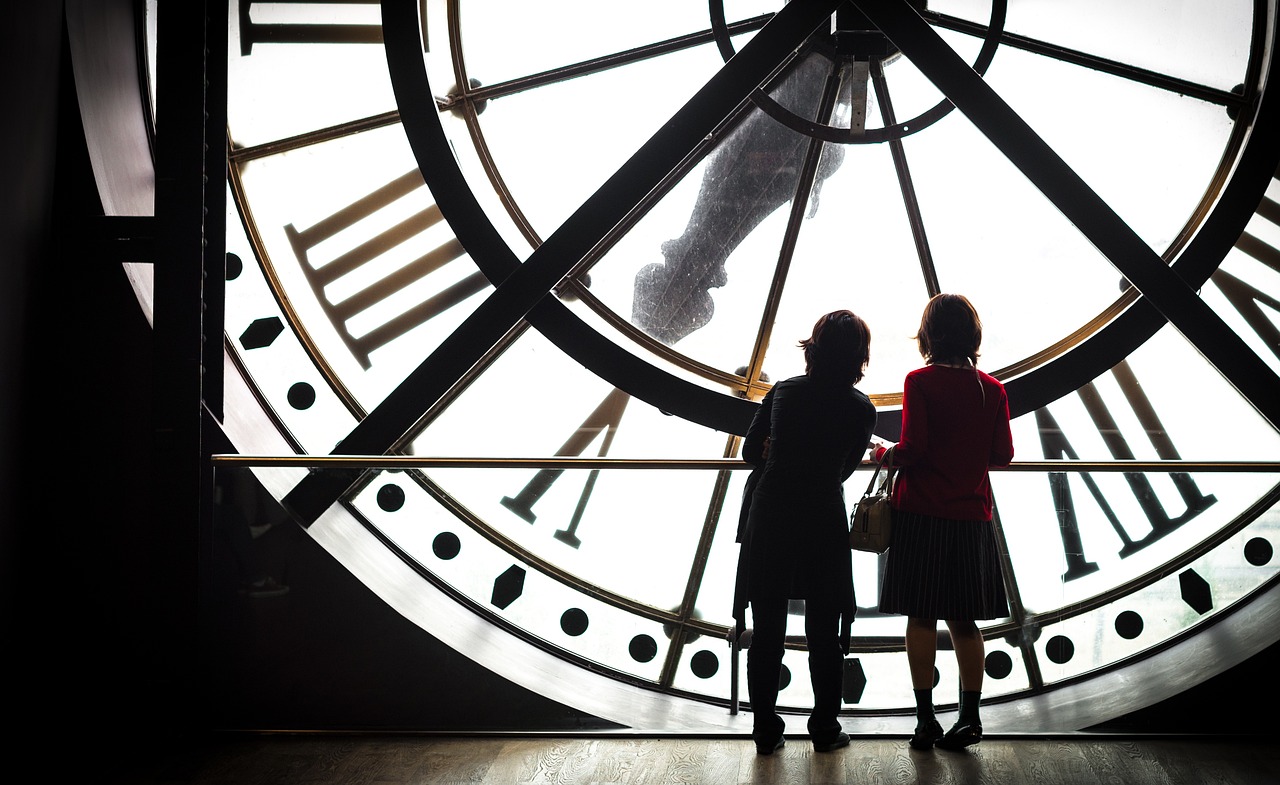
Clock tower views and a photo quest in Paris beneath the Musée d’Orsay clock
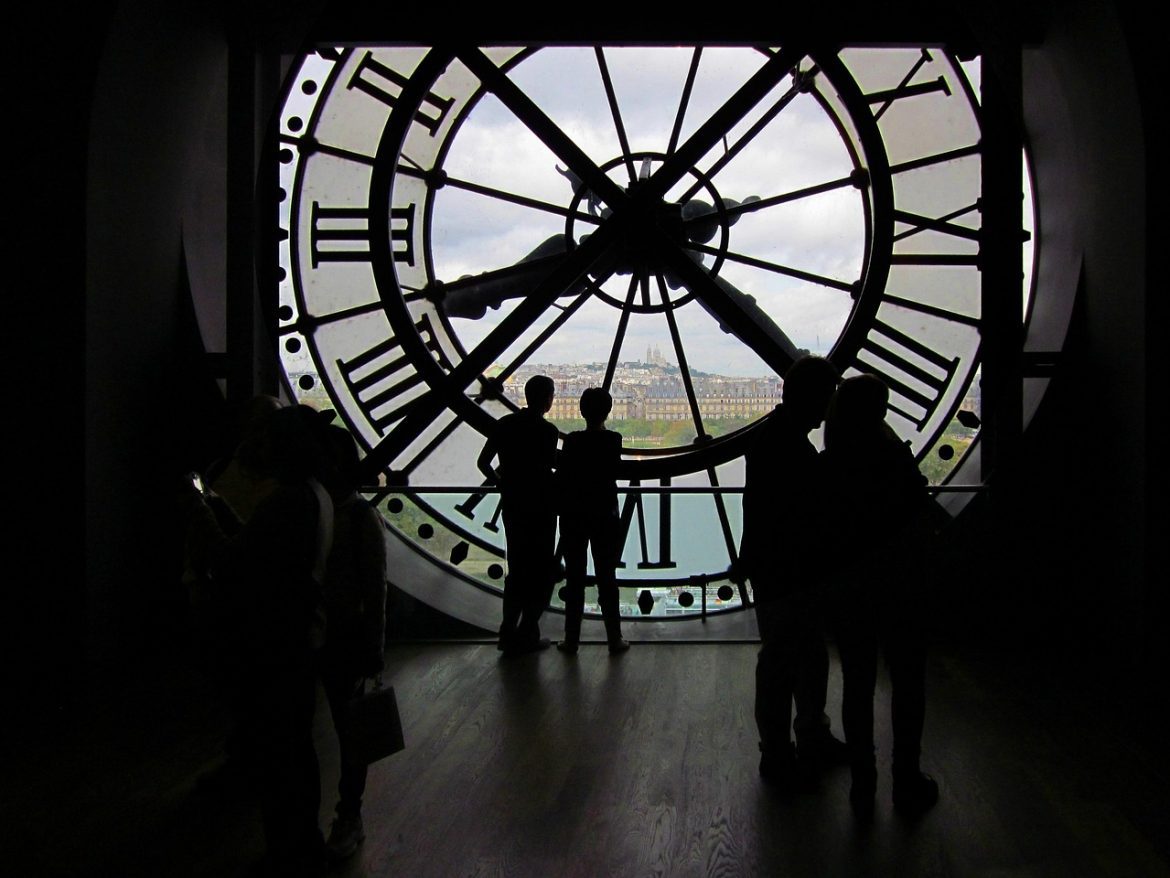
For many travellers, the Musée d’Orsay clock tower view, which sees the Seine, Louvre, and Sacré-Cœur in France, is the day’s most cinematic moment. Treat it like a mini-expedition: a purposeful climb that shifts your perspective from gallery intimacy to skyline scale. From up here, you can see the river, the Louvre’s long presence, and Sacré-Cœur holding the horizon like a promise.
The journey matters as much as the viewpoint. You’ll feel the building change around you—more stairwells, less chatter—and then the light opens out, giving you that quiet rush adventure seekers recognise: the sense of arriving somewhere earned.
A respectful photo quest by the giant clock window
One visitor told us about a spontaneous photo session beneath the giant clock window, capturing magical moments as light and shadows slid across the floor and framed the water beyond. If you want your own version, keep it simple: wait for a clear pocket of space, hold your camera close, and be mindful of those behind you. The best images often come from patience, not pushing.
Timing, pacing, and returning to the galleries with momentum
Go up on a weekday morning or late afternoon if you can; the space feels calmer, and it’s easier to linger. Give yourself 10–20 minutes—long enough to feel the view, short enough to keep energy for the rest of the museum. When you re-enter the galleries, you’ll notice your eye has changed: colours feel sharper, and movement in paintings suddenly echoes the life outside.
Try a mindful ritual before you descend. Pause, breathe, and let the city feel close. Confidence isn’t only logistics; it’s presence.
Afterwards, plan a café reset and a quick foot check. Comfortable shoes and a warm drink are small acts of Support that keep the second half of your visit feeling calm and intentional.
Orsay tour tours and workshops, and Orsay on Stage exhibition information
Orsay tours and workshops for deeper adventure with expert-led experiences
If you want to go beyond highlights, Orsay tours and workshops, Orsay on Stage talk, and exhibitions in France, is where your day can shift from “seeing” to understanding. The good news is you can choose your own depth: a guided group, an audio guide, or themed trails that give structure without turning your visit into a lecture. This is high-end travel at its best—easy, intentional, and tailored to how you like to learn.
Special programming can add real energy. Orsay on stage is one example of an event format that can bring performance and conversation into the museum’s rhythm, turning an exhibition day into something memorable and alive. Check what’s upcoming before you finalise dates so you can design your timing around what excites you most.
Talks, trails, and exhibition context that feels human
Look out for a curator-style talk or lecture session when you want history with human stories. These moments often unlock details you’d otherwise miss—why a technique mattered, how collectors shaped taste, or what a critical review did to an artist’s confidence. When the calendar aligns, it’s a simple way to add Insight without adding stress.
Tours and workshops that help you create
Hands-on options are ideal for adventure seekers who like to do, not just observe. Consider tours and workshops that include sketching, technique demos, or family-friendly formats that make creativity feel accessible. Even a short exercise—drawing one curve from a sculpture, noting one palette choice—can turn looking into learning.
- Book ahead for popular sessions and evening events, especially during peak travel months.
- Check official information for time slots, language options, and any access adjustments.
- Build flexibility: leave a small buffer so you can linger if a room holds you longer than planned.
If plans change, let them. A Seamless day isn’t perfectly controlled; it’s supported enough that you can adapt with Trust and still feel held by the experience.
After the musée d’Orsay, Paris, France, visit what stays with you
After a musée d’Orsay, Paris, France, personal reflection after the museum visit, the world outside can feel subtly re-tuned. You step back into daylight and notice colour with fresh honesty: a green that feels newly mixed, a shadow that looks carefully placed. Even the river seems to move with more intention, as if it has learned something from the paintings you’ve been quietly keeping company with.
There are Local moments that return to you later, uninvited and welcome. A shared bench-space with a stranger who offered a half-smile of Togetherness. A soft exchange overheard—someone explaining a brushstroke to a friend—reminding you that learning doesn’t have to be loud to be real.
One final image tends to linger: perhaps the clock’s pale circle, perhaps a single canvas you didn’t expect to love, perhaps the way iron and stone held the light like a promise. In that memory, there’s a lesson about Care—how attention protects what is delicate—and about courage too, the quiet kind that lets you look longer even when life moves fast.
And so the best souvenir isn’t a photograph at all, but a change in how you see. The musée d’Orsay leaves you with calm curiosity and a gentle readiness to notice beauty in ordinary hours, wherever you happen to be walking next.