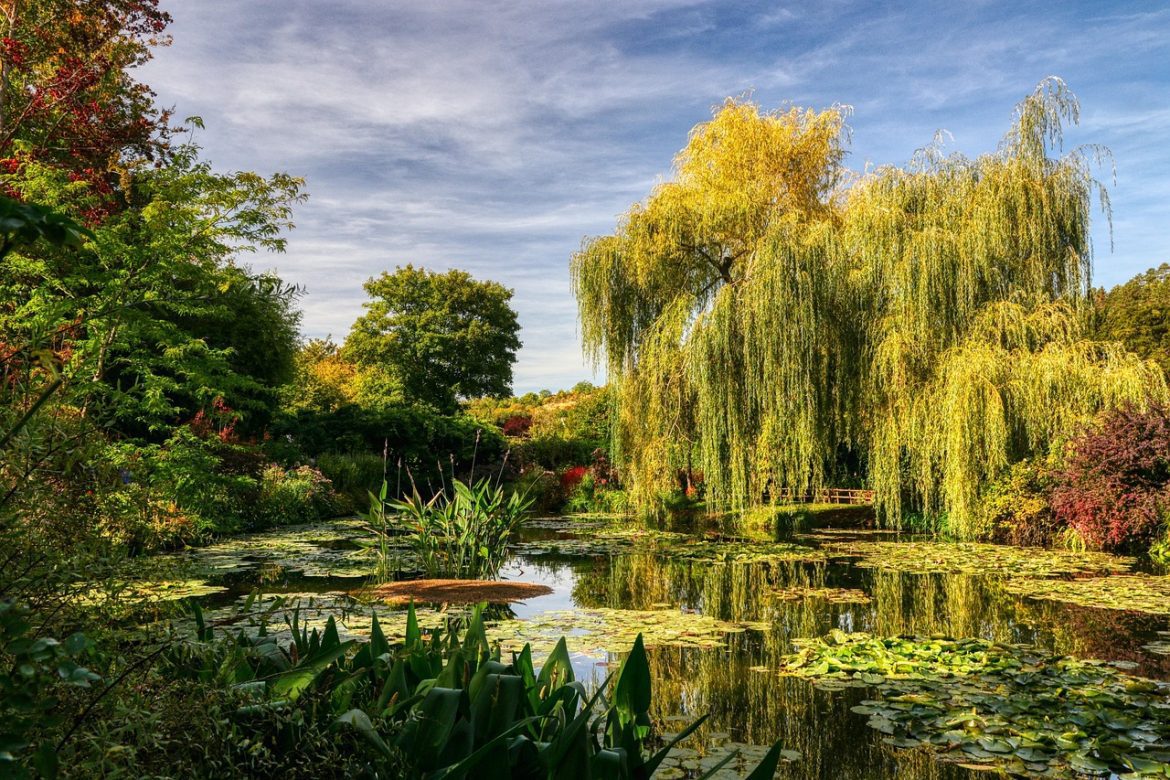
Why Marmottan-Monet Feels Like a Paris Hidden Quest in an Impressionist Museum
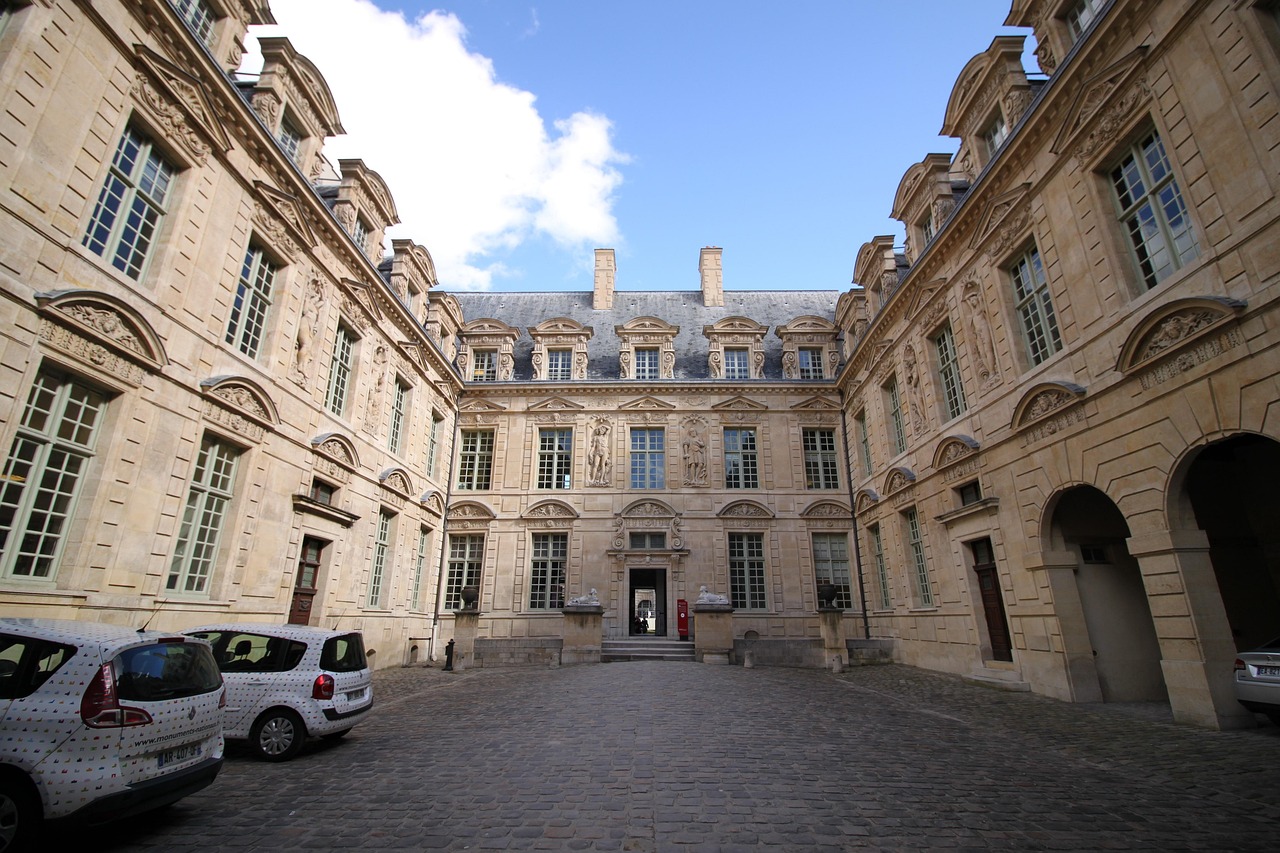
Why Marmottan-Monet Feels Like a Paris Hidden Quest in the 16th arrondissement
If you’ve been searching for a musée marmottan monet hidden gem in Paris, France, an impressionist museum experience, this is the one that feels made for travellers who prefer to uncover the city rather than tick it off. The Marmottan–Monet story isn’t about scale; it’s about atmosphere, care, and the quiet thrill of stepping into rooms where great works sit close enough to invite real connection.
Set in the 16th arrondissement, near Passy and the green edge of Bois de Boulogne, the pace changes as you arrive. After the buzz of the river and the grand avenues, the museum’s intimacy is reassuring—more like visiting a well-kept home than navigating a monumental institution like the Louvre or Orsay.
Paul Marmottan and a house museum open to the public
The building began as the home of Paul Marmottan, whose passion for art and decorative arts shaped the collection’s character. Over time, gifts and legacies helped the museum grow, and it became open to the public with a clear purpose: to protect a refined art world in a setting that still feels lived-in.
That sense of guardianship matters for high-end travellers: you can trust you’re in the right place, and you can create space for wonder. Imagine it as a gentle Paris quest—one where the reward is not a panoramic view, but a feeling that the French capital has held something back, just for you.
Design a Seamless Visit to Musée Marmottan Monet
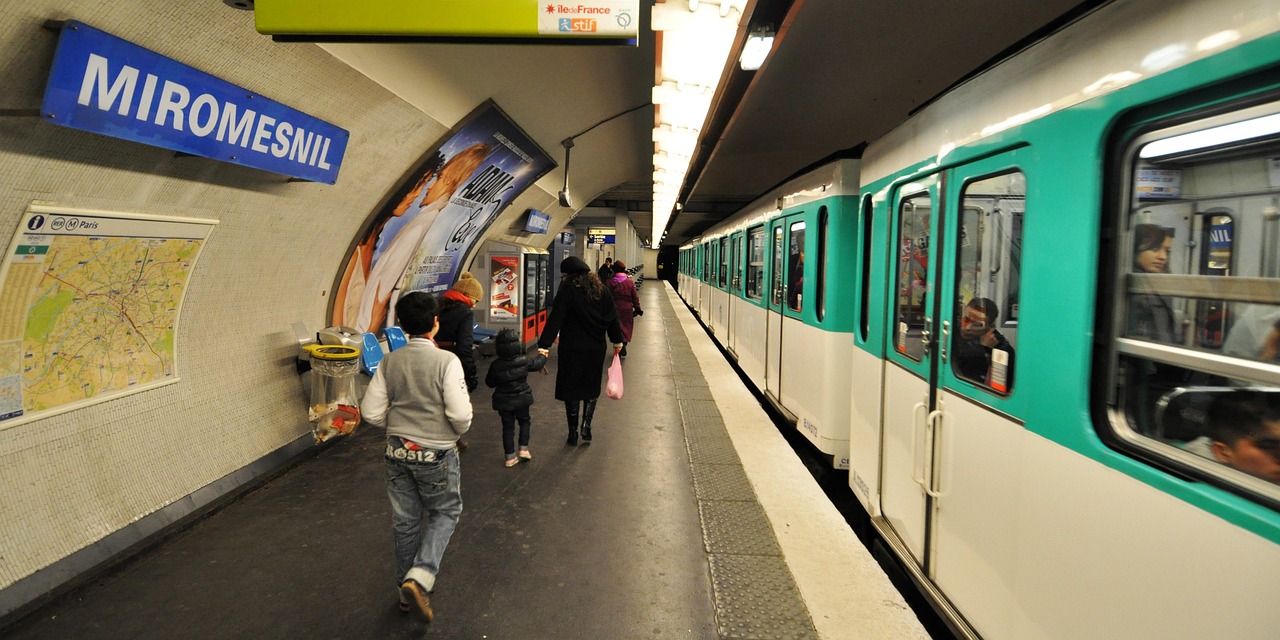
Design a Seamless Visit to Musée Marmottan Monet with the metro La Muette
For a how-to visit Musée Marmottan Monet in Paris, France, with tickets and the metro La Muette plan that feels effortless, start with the simplest route and build your day around calm. The museum is well connected, yet it still feels tucked away—perfect for adventure seekers who want their next cultural hit without the crush.
Take Paris Metro line 9 to La Muette, then enjoy a short walk through the neighbourhood. If you’re coming from Gare Saint-Lazare, you can link across the city smoothly; from the left bank of the Seine (including the 6th arrondissement), it’s a clean cross-town ride that sets you up for a seamless morning.
Tickets, timing, and the confidence of a crafted plan
Go early or visit on weekdays—spring and summer are especially popular when the jardin feels at its most alive. Buying tickets online is the easiest way to skip queues; adult admission is often around €12, with reduced rates for students and seniors (do check current prices before you travel).
- Passes: many combo options focused on the Louvre or Orsay don’t include musée marmottan monet, so design your day accordingly.
- Accessibility: the museum is wheelchair accessible, though it’s wise to check specifics ahead of time for lifts and routes.
- Etiquette: speak softly, avoid flash photography, and never touch the artwork—everyone’s experience is supported by shared care.
When you remove the friction, you arrive with more curiosity. And that’s when this museum begins to feel personal.
Claude Monet Up Close in the Salle Claude Monet claude monet musée marmottan monet Water Lilies
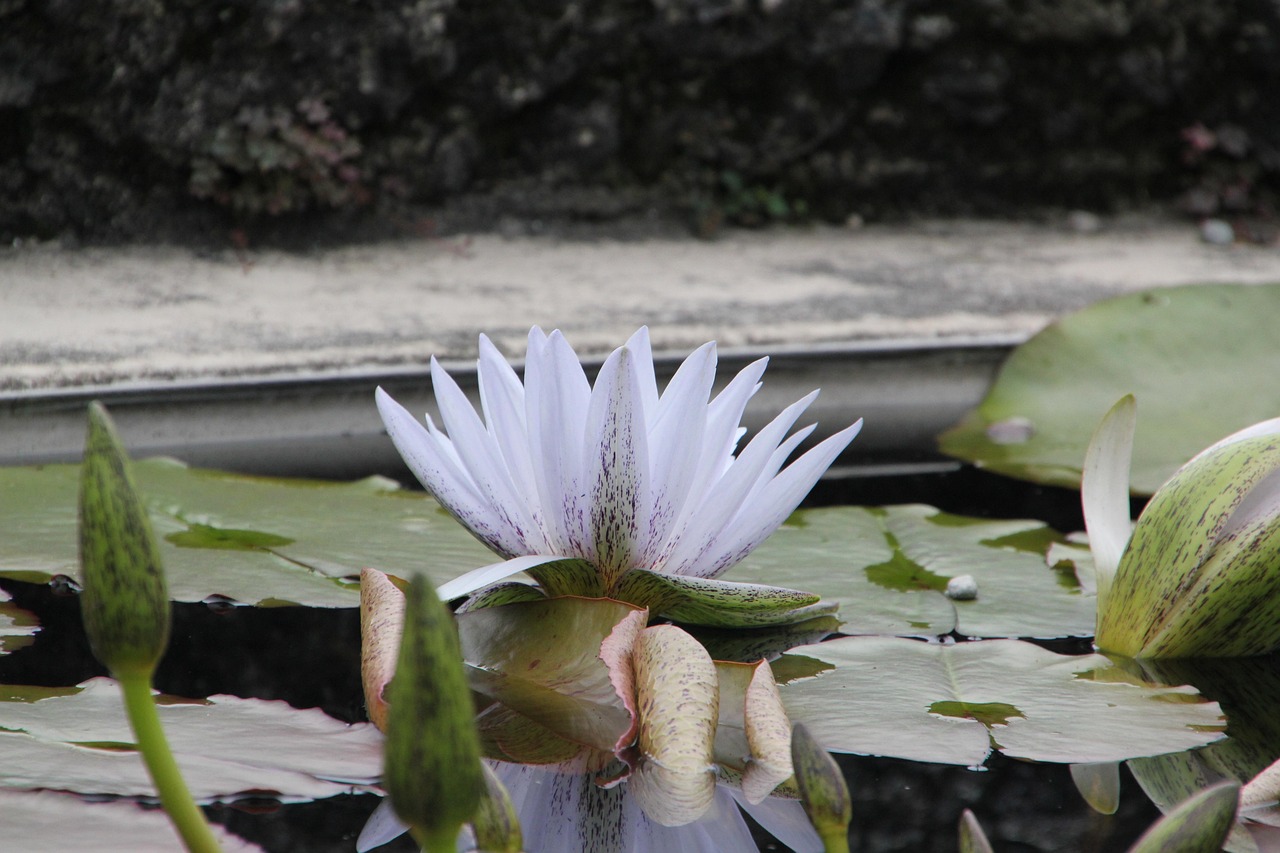
Claude Monet Up Close in the Salle Claude Monet at Musée Marmottan Monet
The museum’s reputation is earned: Claude Monet, Musée Marmottan Monet, Water Lilies, Impression, Sunrise, Paris, France, isn’t a marketing line; it’s your lived reality inside these rooms. This is the largest collection of Monet’s works in Paris, a Monet collection that feels intimate rather than encyclopaedic—like a conversation carried across time.
The Salle Claude Monet is the emotional heart of the permanent collection. Canvas after canvas invites slow looking, and the hush encourages you to trust your own pace—especially if you’re used to racing through bigger art collections.
Water Lilies, Impression, Sunrise, and the Impressionist movement
Standing before Water Lilies, travellers often describe an unexpected peace, as if they’ve stepped into Monet’s garden air. And seeing Impression, Sunrise in person can feel like witnessing the dawn of a new era—the spark that gave the Impressionist movement its name and changed how modern eyes understand light.
Look closely at Monet’s brushwork: how a quick mark can suggest wind, how a softened edge can make a surface breathe. The recurring motif of water and sky becomes a masterclass in attention, not perfection.
Technique-led insight through places that shaped Monet’s vision
Monet’s series thinking is rooted in place—Argenteuil, Rouen, and the house in Giverny echo through shifts in colour and atmosphere. If you’ve ever visited Giverny, you’ll recognise how his garden became both subject and studio, shaped by family life with Camille and later supported by his estate.
For adventure seekers, try a simple challenge: choose one masterpiece and “camp out” for five minutes. Let the light settle, then notice what changes—your own seeing becomes part of the journey.
Beyond Monet: The Circle of impressionist Voices berthe morisot musée marmottan monet
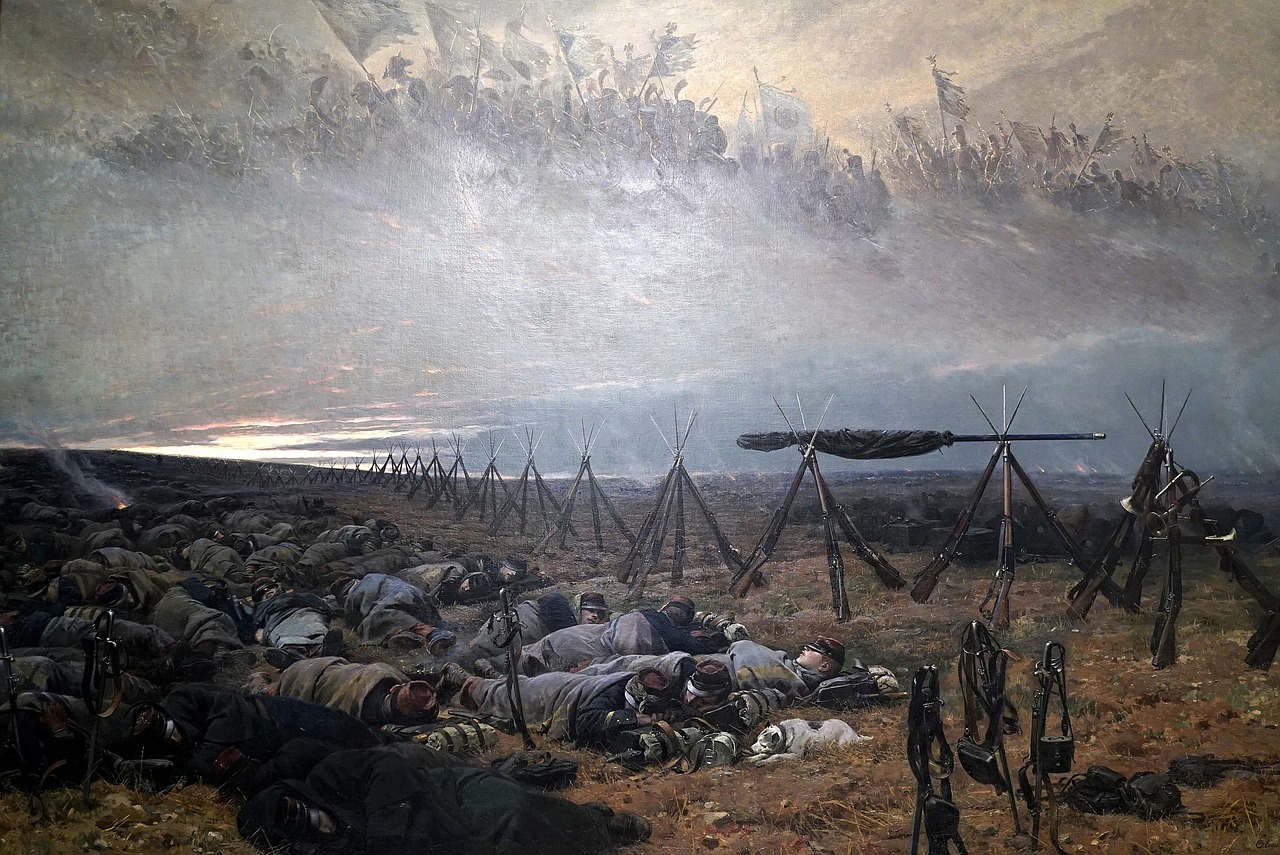
Beyond Monet The Circle of Impressionist Voices with Berthe Morisot at Musée Marmottan Monet
Don’t come only for Monet: Berthe Morisot Musée Marmottan Monet, Impressionist Artists, Paris, France, is another reason this museum stays with you. Morisot’s work brings a warm, human perspective—glances, interiors, moments that feel like real life unfolding rather than history being staged.
Berthe Morisot also helps you understand the wider network around Monet without turning your visit into a lecture. In these rooms, you feel the texture of relationships, influences, and brave choices that shaped impressionism.
Manet, Renoir, Degas and the quiet power of close viewing
In the Salons Marmottan, smaller formats reward attention: a delicate pastel passage, luminous oil paintings, and compositions that feel like private thoughts. You’ll see the conversation of themes across Manet, Renoir, Degas, Pissarro, Caillebotte, and Alfred Sisley (and yes, Sisley has a particular quiet elegance here).
This is where Marmottan-Monet complements Orsay beautifully: Orsay delivers scale and spectacle; here you get discovery, fewer crowds, and the confidence to linger. It’s a different energy from musée d’orsay, but it completes the picture.
- Personal vignette: I uncovered a lesser-known Monet and felt like Paris had kept a secret just for me.
- What to notice: how light lands on skin, fabric, and windows—then how that same light returns in landscapes.
There’s also room for unexpected bridges to later movements—threads that can lead your curiosity towards Delacroix or even Chagall elsewhere in the city, if you want to keep following colour.
Interactive Insight and Temporary Exhibitions at Musée Marmottan Monet exhibition guided tour
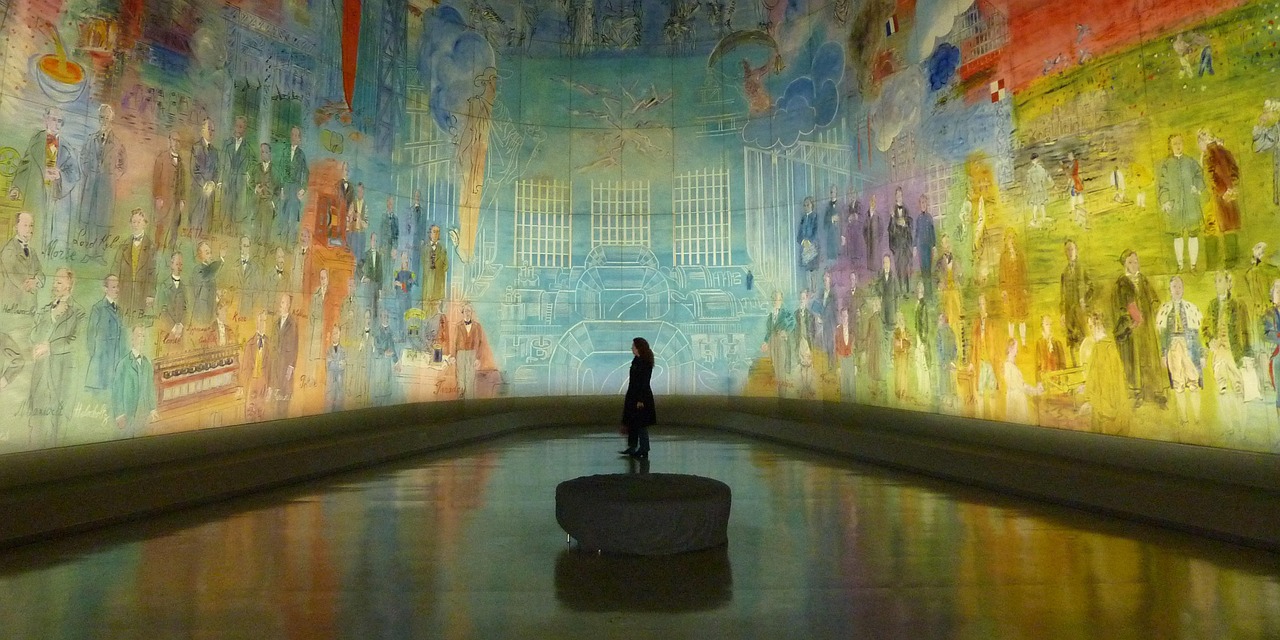
Interactive Insight and Temporary Exhibitions at Musée Marmottan Monet
If you’re drawn to context as much as beauty, musée marmottan monet exhibition interactive exhibits guided tour Paris, France options add a layer of meaning without dulling the magic. Interactive insight can reveal how Monet built surfaces through layering, light studies, and repetition—series thinking that influenced modern art far beyond the Impressionist label.
A guided tour (often multilingual) is an expert-led shortcut that supports first-time visitors and deepens your relationship with the permanent collection. It also reassures you that you’re not “missing” something—because you’re learning how to look, not just what to look at.
Temporary exhibitions and the wider circle of modern art
Watch the calendar: temporary exhibitions sometimes spotlight artists connected to Monet’s orbit or the ideas he helped unlock. You might encounter an exhibition that nods to Gauguin, Cézanne, or Rodin, showing how different mediums and ambitions grew from the same restless curiosity.
To plan your visit well, check dates before you travel and consider crowd patterns—popular shows can change the mood of the galleries. If the museum is lively, create your own quiet lens: follow a watercolour wash, track a sky across rooms, or look for Japanese bridges as a recurring idea rather than a single image.
Even a small interactive moment can make Monet’s processes feel close—less like legend, more like a craft you can understand.
Local Strolls After the Museum itinerary
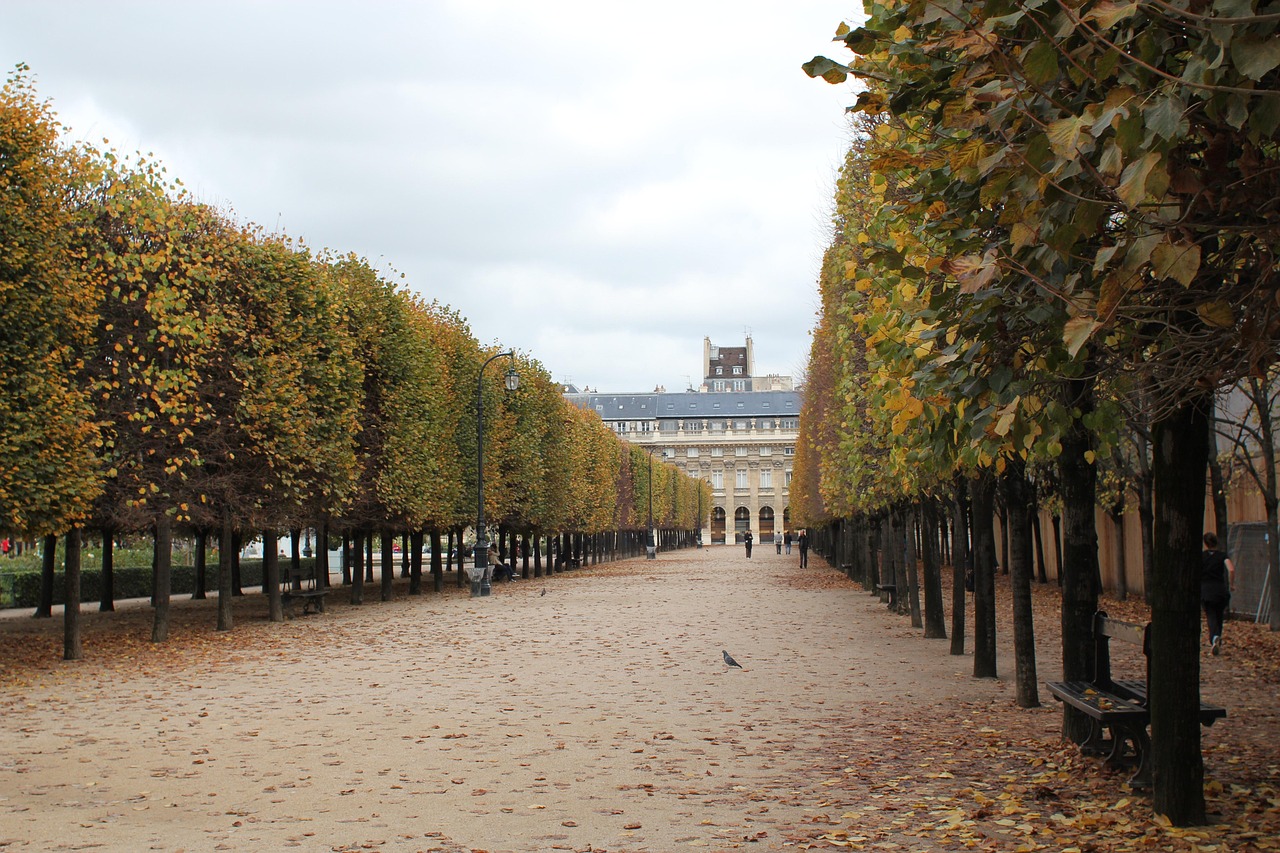
Local Strolls After the Museum from the jardin to Bois de Boulogne
For a musée marmottan monet jardin Bois de Boulogne Paris France itinerary orsay louvre that feels balanced, begin with a slow transition rather than a sprint to the next landmark. Step into the museum’s jardin first—just a few minutes can reset your senses after the galleries and help the colour settle.
Then explore locally: the streets of Passy feel residential and refined, and a gentle loop towards the Bois de Boulogne park offers fresh air and a softer Paris rhythm. It’s a high-end travel pleasure: moving through the city with quiet confidence, unhurried and attentive.
A crafted two-museum day with the Orsay or the Louvre
If you have energy for more, pair Marmottan with Orsay or the Louvre—but keep it thoughtfully crafted. Marmottan gives you intimacy; Orsay can give you a broader context in a single sweep. Leave space for reflection so the day feels designed, not packed.
- Monet threads for later: plan a day trip to Giverny, or follow the series idea through Paris scenes like Rouen Cathedral, Gare Saint-Lazare, and the distant glow of Houses of Parliament he painted while travelling.
- Return with ease: metro links make it seamless to reach the 1st arrondissement or the Tuileries for a gentle sunset wander.
If you’d like to imagine a broader France arc beyond Paris, you can browse our Trip gallery and create a journey that keeps art, place, and pleasure in harmony.
F.A.Qs
Where is the best place to see Monet in Paris?
The Musée Marmottan Monet is one of the best places to see Monet in Paris because it holds the world’s largest collection of works by Claude Monet in an intimate setting. The Salle Claude Monet is especially moving for slow, close viewing.
Where is Monet’s museum in Paris?
Monet’s museum in Paris is commonly understood to be the Musée Marmottan Monet, in the 16th arrondissement near Passy and La Muette. It’s easy to reach by Metro line 9 and feels calmer than many central museums.
Are Monet’s water lilies at Musée d’Orsay?
Orsay has important Impressionist art, but the Musée Marmottan Monet is particularly known for key Monet works, including Water Lilies, within its permanent collection. If Water Lilies is your priority, Marmottan is a strong choice.
Which museum has the most Monets?
The Musée Marmottan Monet is widely recognised for having the world’s largest collection of Monet’s paintings, shaped in part by gifts from Monet’s son, Michel Monet, who helped bequeath significant works to the museum.
Final Thought
For me, the Musée Marmottan Monet, Paris, France, impressionist reflection begins in the hush—how sound softens in those rooms, and how your shoulders drop without you noticing. The colour and light don’t demand anything; they simply offer themselves, and you receive them at your own pace. That’s the gift of this museum: it lets you trust your personal way of seeing, whether you arrived as a seasoned collector of culture or an adventure seeker who just wanted to feel something real.
Days later, I still remember the sensation of standing close to a single canvas and feeling time widen. Not the kind of awe that shouts, but the kind that steadies you—like a hand on your back, reminding you that beauty can be quiet and still powerful.
And as you step back into the French capital, it’s as if the light on water follows you through the streets—past stone façades, into the trees, and towards whatever you choose next. Somewhere ahead, there’s another morning where you’ll see differently, and it will feel completely natural.