Why the Musée Rodin in Paris Feels Like an Adventure for Museum Visit Adventure Seekers
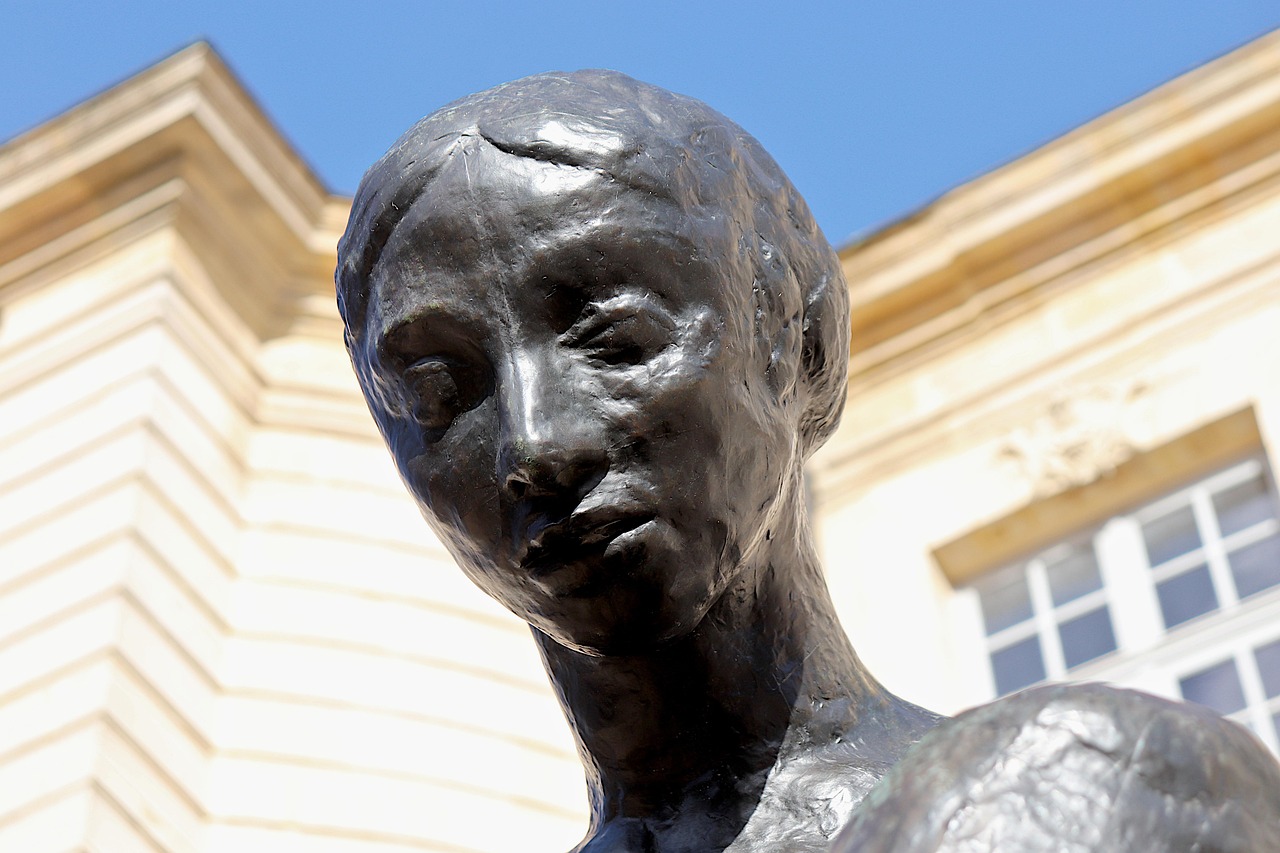
Why the Musée Rodin Paris Feels Like an Adventure in the museum garden
A musée rodin paris museum visit adventure seekers style day doesn’t begin with rushing—it begins with choosing curiosity. The Musée Rodin is a museum in Paris that rewards anyone willing to slow down, look closely, and uncover small details that most people glide past. Part gallery, part sculpture garden, part quiet urban escape, it’s a place where you can imagine you’re stepping between chapters of a living studio rather than corridors of a traditional museum.
For adventure seekers, the joy is in how the experience shifts as you move: polished rooms, then sunlit terraces, then gravel paths where a bronze silhouette appears between clipped hedges. The whole site invites a kind of gentle exploration—less about distance covered, more about attention gathered.
Design your route like a mini expedition through the Musée Rodin
Try treating the visit as a small expedition you design for your own pace. Begin indoors to ground yourself in Rodin’s world, then step outside when you feel your focus soften. You don’t need to “do it all”; you need to choose where you’ll give your full presence.
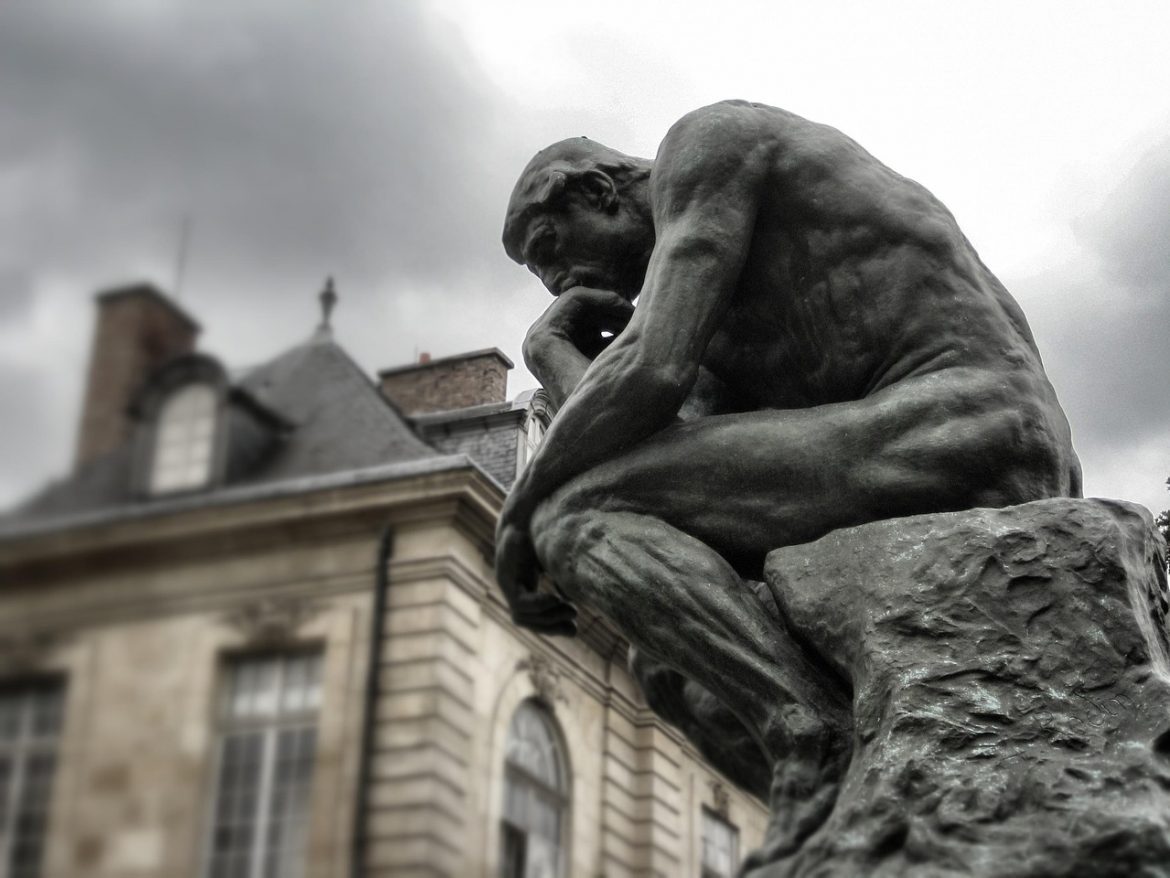
One Personal moment returns again and again in travellers’ stories: that first close encounter with The Thinker. A visitor once told me they expected to snap a photo and move on—yet standing near the figure’s tense stillness, the day changed from sightseeing into reflection. In a city as bright and busy as Paris, that quiet pivot can feel like a secret passage.
Slow looking, thoughtful pauses, and the Care of noticing
This is a place for slow looking. Let your eyes travel across a hand, a shoulder, a turn of the head; then step back and see how meaning changes with distance. Trust your instincts: if a piece pulls you in, give it time. The museum’s calm encourages Support for your own rhythm—pause, breathe, and then move on with Confidence.
Plan Your Visit to the Rodin Museum Paris
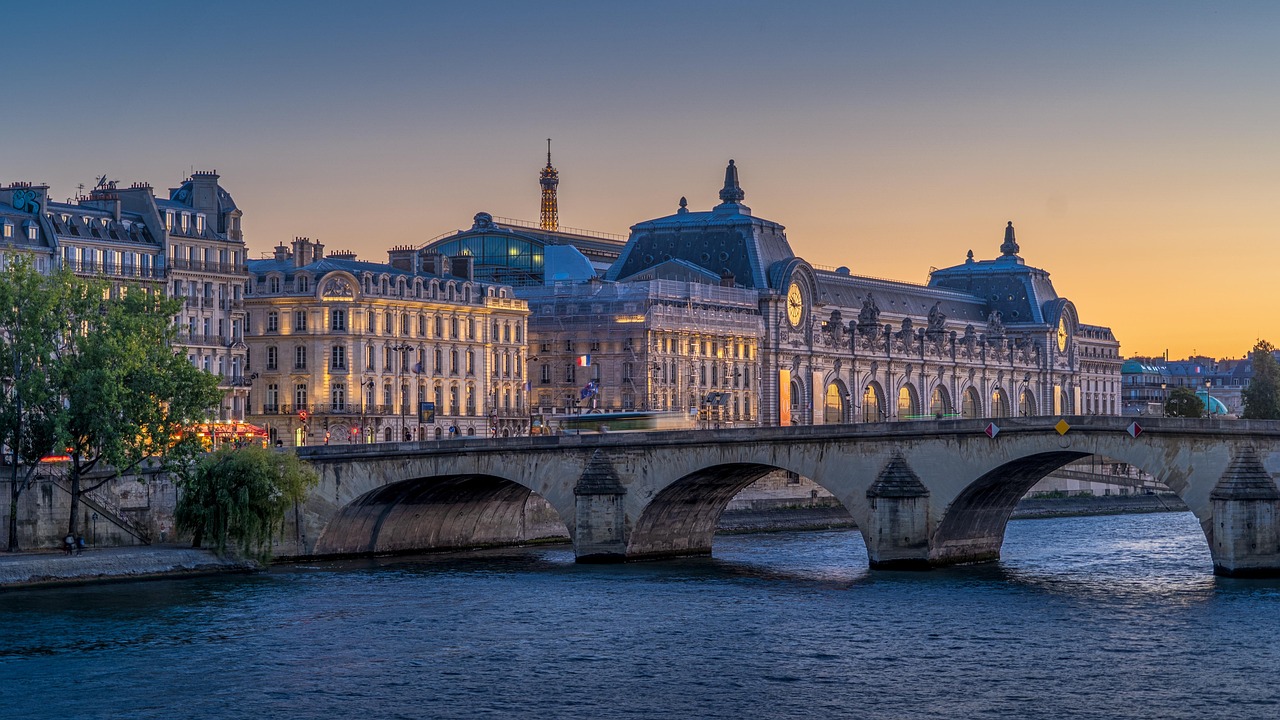
Plan Your Visit to the Rodin Museum in Paris with metro and ticket tips
To plan your visit to the Rodin Museum in Paris, France, tickets, and metro hours with ease, focus on timing and comfort first. The Musée Rodin is at its most intimate on weekday mornings, when you can move room-to-room without feeling hurried, and the garden paths feel almost private. Seasonal opening times can shift, and winter reductions are common, so it’s wise to check the current hours before you lock in a day.
“Quiet zones” here aren’t complicated—they simply mean you’ll want to keep voices low and let others have their moment. If you’re travelling Together, it can help to agree a meeting spot in advance so no one feels pulled into constant coordination.
Seamless arrival via Metro line 13 to Varenne station
Getting there is Seamless: take Metro line 13 to Varenne and enjoy the short walk through Local streets near Les Invalides. That approach is part of the pleasure—Paris softens into a quieter register as you near the museum.
Tickets, value, and access with Confidence
Admission is typically around 13 euros, with free entry for EU residents under 26. If you’re building a high-end cultural day across multiple institutions, a pass-style option can make sense—but only if it truly fits your pace; the Musée Rodin rewards unhurried looking.
- Accessibility and comfort: ask about step-free routes; the mansion has historic constraints, but staff are generally supportive.
- What to wear: comfortable shoes are essential for garden exploration, especially on gravel paths.
- Weather planning: carry water in warmer months; bring a light layer in cooler seasons for indoor-to-outdoor transitions.
- Photography: allowed without flash—use Care in quiet spaces and be mindful of sightlines.
Once you’ve planned your visit, you can stop thinking about logistics and start noticing texture, light, and atmosphere—exactly what this Paris museum does best.
Inside the Hôtel Biron site at Musée Rodin, Paris museum permanent collections
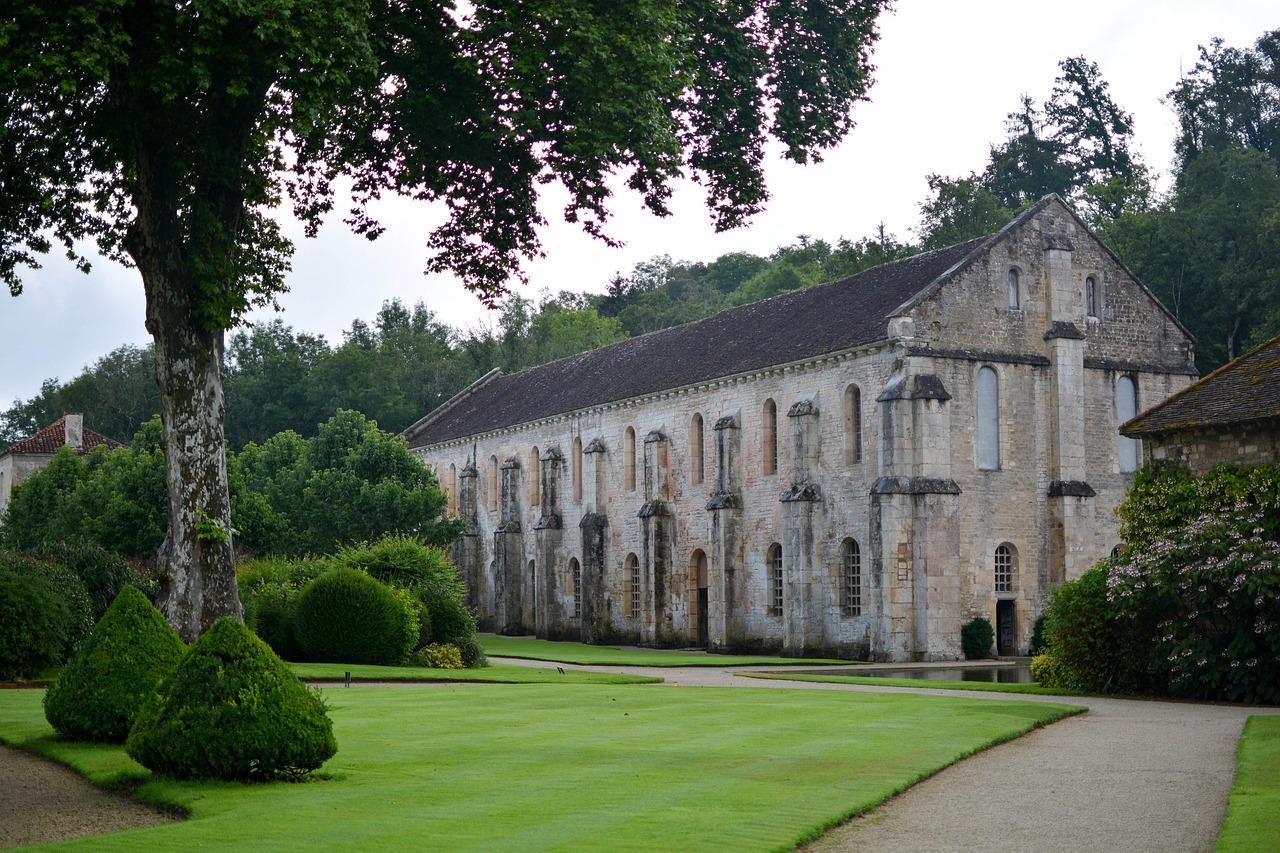
Inside the Hôtel Biron site and permanent collections at the Musée Rodin Paris
The phrase Hôtel Biron site Musée Rodin Paris museum permanent collections sounds formal on paper, but in person, it feels quietly human. The Hôtel Biron mansion is not just a container for art; it shapes your mood as you move through it. High windows, softened light, and the sense of a lived-in past give the museum’s experience an intimacy that many larger Paris institutions can’t replicate.
This site matters because it holds you in a particular tempo—slow steps on wooden floors, long glances across a room, then a door opening onto green. You feel the artist’s world without needing an exhibition to shout it at you.
Permanent collections with a studio mindset at the Musée Rodin
Beyond the famous works, the permanent collections reward patient travellers: studies, fragments, and a single revealing drawing can make you feel the studio process behind the finished sculpture. You begin to sense the sculptor’s hand not as myth, but as daily practice—adjusting a shoulder line, reshaping a torso, searching for truth.
There’s also a thread of the wider French artistic world, where decorative arts and portrait commissions shaped reputations. When you see small works alongside larger statements, you realise how Auguste Rodin built his language in increments, not miracles.
Local Insight for moving room-to-room with Confidence
A little Local Insight helps: start with the rooms that feel most “classic” to you, then follow your curiosity rather than a strict sequence. If a space is busy, step into a quieter room and return later; the museum supports this gentle looping.
To seed your sense of history, keep a simple timeline in mind: 1840-1917. Those years frame Rodin’s life and the Paris Salon era around him, but the museum never asks you to memorise dates—just to feel how modern his searching still seems.
Auguste Rodin sculpture The Thinker Gates of Hell Balzac, Paris
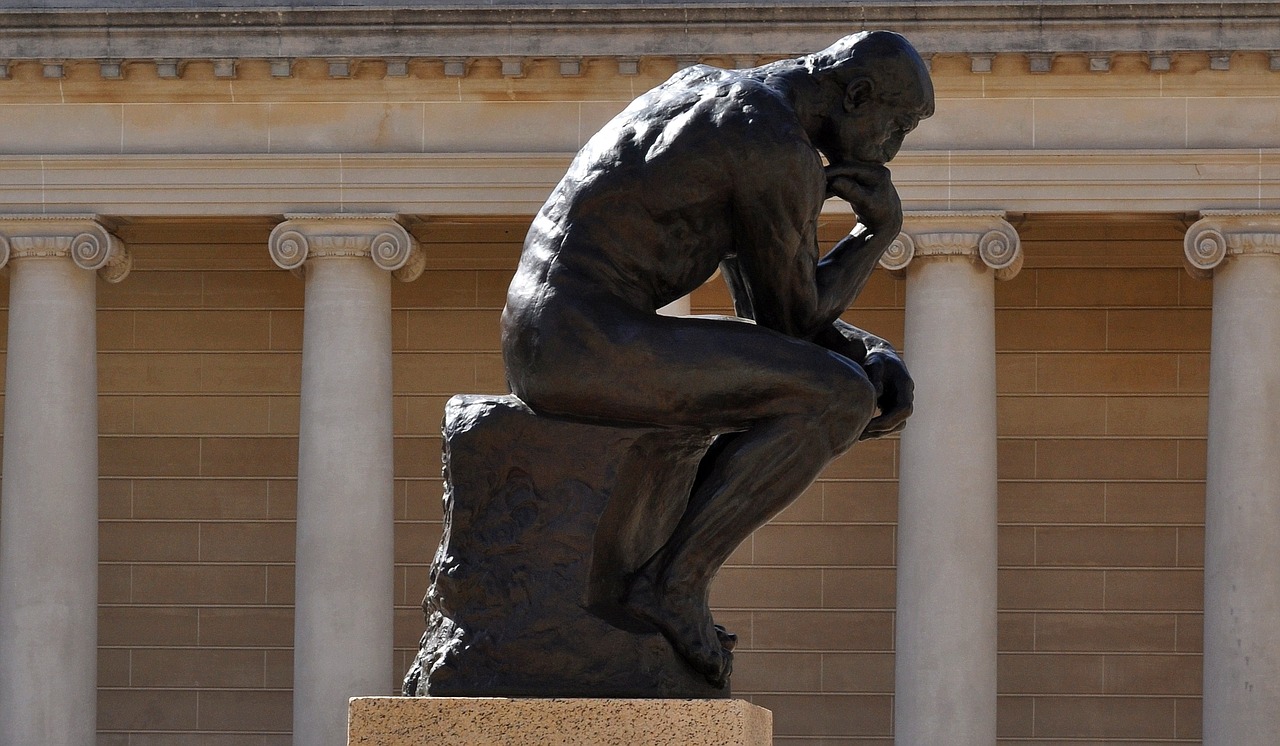
Auguste Rodin masterpieces in Paris including The Thinker and Gates of Hell
For first-timers, Auguste Rodin sculpture The Thinker, Gates of Hell, Balzac, Paris can sound like a checklist—yet in the Musée Rodin, it becomes a “masterpiece map” you can follow with feeling. Think of The Thinker as your emotional anchor, Gates of Hell as the dramatic centrepiece, and Balzac as a bold monument of form that refuses easy answers.
Stand close, then step back. Rodin’s work changes with distance, and it’s part of the adventure to notice your own reactions shifting. If you let it, the museum becomes a quiet mirror.
What to notice in bronze and stone at the Rodin museum
Look for the surface language: the bronze patina where light pools, tiny tool marks that catch shadow, and edges that feel almost unfinished on purpose. These aren’t imperfections; they’re choices. A hand can look tender from one angle and defiant from another, depending on how daylight falls across it.
In the Gates of Hell, allow your gaze to roam—figures seem to emerge and recede like thoughts you can’t quite pin down. You’ll often see visitors fall silent here, not from instruction, but from instinctive Care.
Paris Salon context and the Confidence to feel controversy
In Rodin’s time, the Paris Salon could shape an artist’s fate, and debate was part of the air he breathed. Those public arguments matter because they sharpen modern appreciation: what once unsettled the French establishment now feels honest and alive. It’s worth remembering that Rodin’s visits to public conversations and criticism were part of how his voice grew—his courage wasn’t separate from his craft.
- Photography: permitted without flash; frame respectfully and keep noise low in intimate rooms.
- Give space: if someone is having a quiet moment with The Thinker, let them finish before stepping in.
- Change your angle: one extra step left or right can transform what you see.
When you’re ready, carry that heightened attention outside—where the garden takes the story further, in fresh air.
Musée Rodin sculpture garden, Paris garden outdoor installations
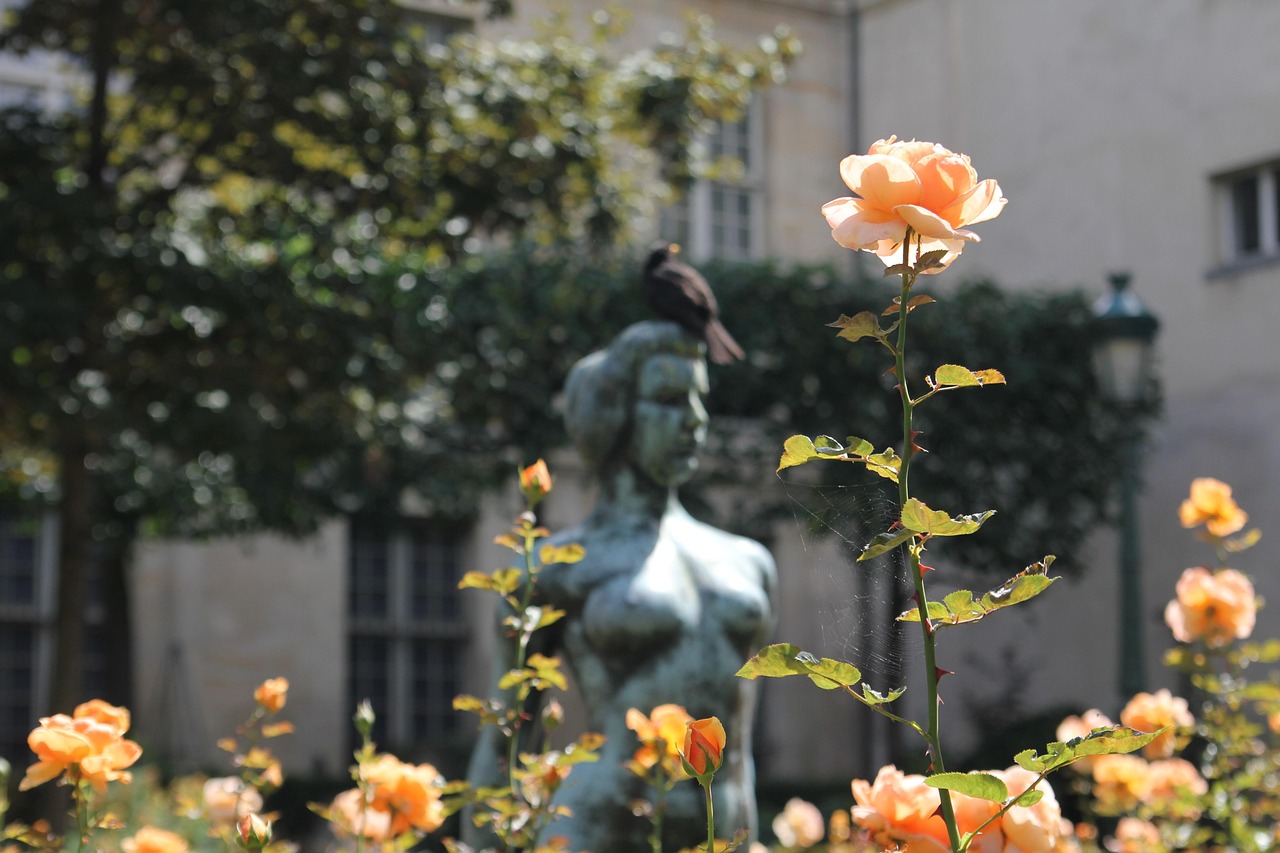
Explore the Musée Rodin sculpture garden in Paris like a treasure hunt
If you’re craving fresh air and open space, Musée Rodin sculpture garden, Paris garden, and outdoor installations are where the day becomes a personal treasure hunt. The sculpture garden is an outdoor gallery set against greenery and historic architecture, where each path feels like an invitation to explore. Here, art and nature stay in conversation—stone against leaves, bronze against sky, and a mansion façade behind it all.
Adventure seekers often say this is where the museum becomes playful. You’re not just observing; you’re searching, choosing, and noticing what calls you in.
Uncover quieter corners in the sculpture garden
Try a choose-your-own-path loop. Follow the main route first, then drift towards quieter corners where lesser-known works wait. One traveller described the joy of discovering sculptures tucked away behind hedges and benches, as if the museum had created a private game just for them. That’s the kind of Uncover moment that turns a cultural visit into a memory with texture.
Another visitor shared how wandering these calm paths felt like stepping away from busy Paris streets—an unexpected escape that helped them create again later that evening, notebook open in a café.
Light, seasons, and Careful pauses for reflection
For photographs, the softer light of morning or later afternoon often flatters the works and reduces harsh contrast. In spring and summer, blooms add a gentle frame; in cooler months, the garden feels more sculptural, with branches and stone echoing each other.
- Rain plan: keep a small umbrella; move between outdoor works and indoor rooms to stay comfortable.
- Where to pause: choose edges of paths so you’re not blocking others; the museum’s calm depends on shared Trust.
- What to carry: water, a light layer, and shoes that handle gravel with ease.
When you’ve had your fill of open-air wandering, a guided perspective can add depth—especially if you enjoy stories that connect people, place, and artistic risk.
Musée Rodin Paris tour guide Biron Camille Claudel
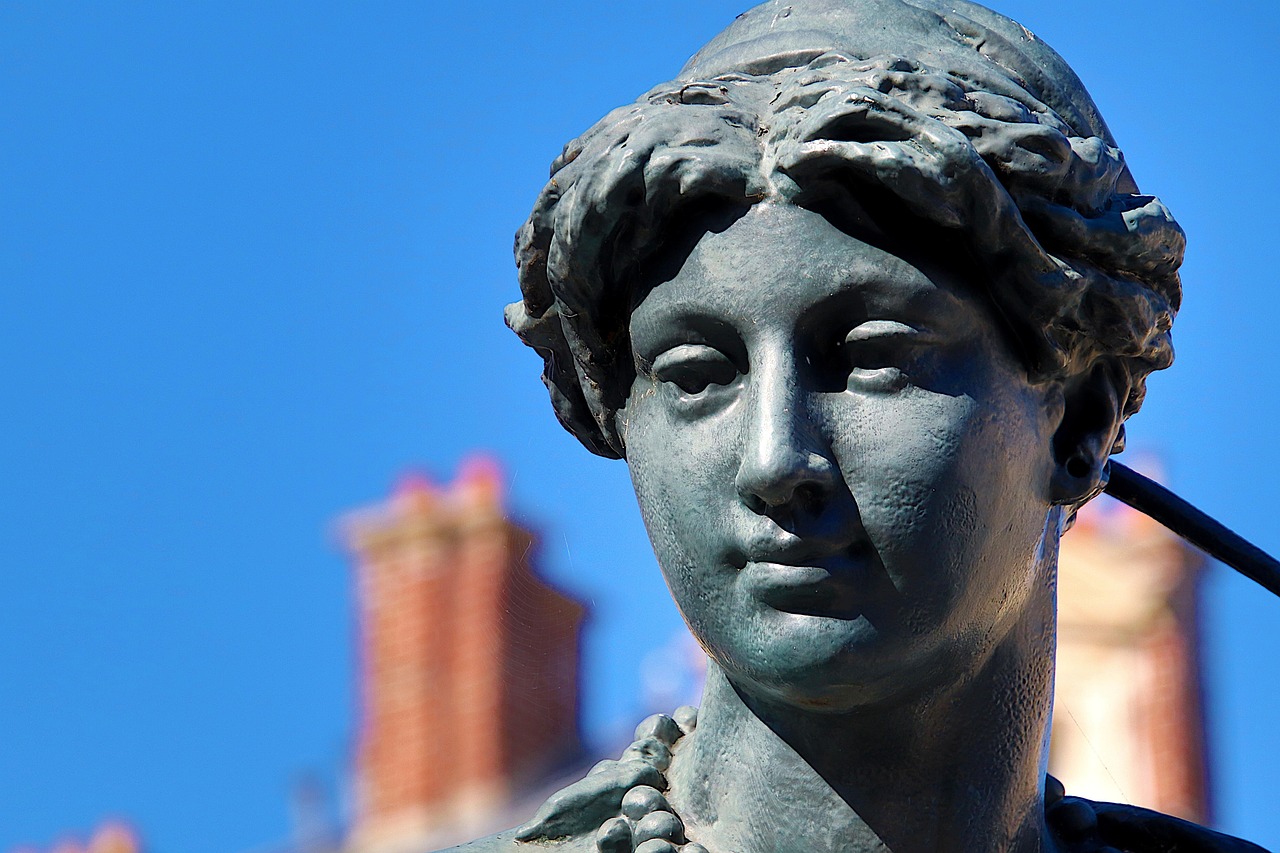
Tour and guide options at the Musée Rodin Paris for deeper insight at Biron
Choosing a Musée Rodin Paris tour guide, Camille Claudel Biron experience, can be the difference between “seeing” and truly understanding. On a first visit, a good guide helps you read the mansion rooms, connect motifs across the site, and notice how Rodin’s ideas evolve from study to monument. If your time is limited, a tour also creates a Seamless structure—so you can relax into the experience with Confidence.
For many high-end travellers, Expert interpretation is part of the pleasure: not louder, not faster, just deeper. The right guide supports your curiosity without taking away your own conclusions.
Camille Claudel with warmth, context, and Care
It’s natural to wonder about Camille Claudel—her story intersects with Rodin’s artistic circle, and a thoughtful guide can hold that history with Care rather than sensationalising it. Seen through a respectful lens, the conversation becomes about craft, influence, and the complex realities of being an artist in that French world.
Context helps: Rodin’s training and proximity to the école des Beaux-Arts, early work with sculptor Albert-Ernest Carrier-Belleuse, and the steady presence of Rose Beuret in his life. Even the practicalities matter—how a French government decision can shape legacy-making and preservation, turning a personal estate into a public treasure.
Extend your day beyond the museum site
Once you step back onto Paris streets, you’re well placed for a wider cultural drift. Nearby invalides (and, more formally, les invalides) can pair beautifully with Rodin’s world, offering a different view of French history. If you glance further afield, you might catch a glimpse of the Eiffel Tower between rooftops—just enough to remind you where you are.
If your curiosity continues beyond the arrondissement, consider future explorations: Rodin’s connections in Meudon in Hauts-de-Seine, or a day shaped by impressionist light—allowing room for Monet elsewhere in France. If you’re collecting ideas for a Crafted itinerary, our Trip gallery can support that planning gently.
However you choose to go deeper, the museum’s gift is that it meets you where you are—whether you want scholarship, story, or simple stillness.
What Stayed With Me After Musée Rodin Paris reflection sculpture garden
Long after a Musée Rodin Paris reflection sculpture garden afternoon, what stays with me is not a list of works but a softened way of seeing. Paris can make you feel as though you must keep moving, keep proving you’re present. Yet the Musée Rodin offers something quieter: permission to linger, to let time stretch, to trust that a single room or a single path can be enough.
I still think of standing near The Thinker, not searching for an official meaning, but recognising a feeling, like being briefly understood by a figure made of metal and silence. In that moment, Rodin’s and Rodin’s legacy felt less like history and more like companionship, a reminder that inner life deserves space even on a celebrated journey.
The garden returns too: trimmed green, pale stone, and a calm that seemed to hold the day in place. I remember how easy it was to breathe there, as if the museum’s walls kept the city’s urgency at a respectful distance. Later, I learned that the collection’s public life continued to settle into place after Rodin’s death, with the museum’s story carrying forward into 1919 and beyond, but the feeling remains simple—stillness, possibility, and gentle care.
Perhaps that is the real souvenir from this corner of France: a calmer gaze, a renewed creative spark, and a deeper trust in slow travel. Wherever you go next, may you keep looking closely—letting art and nature speak in their own time.