Palais Royal, Paris France – A Calm Guide to the Heart of Paris
Palais Royal in the Heart of Paris
Use this Palais Royal Paris France guide as a gentle orientation to the heart of Paris: Palais Royal sits beside the Louvre, tucked into the centre of the capital with a presence that feels grand, yet surprisingly intimate. You sense it immediately—stone, symmetry, and a softened hush that invites you to slow down rather than perform your visit. It is a royal palace in reputation, but in experience, it can feel like a quiet address you get to share together.
Stand for a moment on the main axis of the city, then imagine stepping through the arcades into a calmer world. This building frames the streets rather than competing with them, and that is where its quiet luxury lives: in proportion, restraint, and the trust of spaces designed to be used, not merely admired.
History of the Palais Royal: Richelieu, the Revolution, and what changed
In the history of the palais, the first chapter begins with Cardinal Richelieu—richelieu in 1628 marked his commission for a residence here, and it later passed to king louis xiii (louis xiii). Over time, it became the Palais Royal, a setting that witnessed courtly life under Louis XIV and, later, the shifting moods of a changing nation. In the arcades, the story turns more public: under Philippe d’Orléans, the galleries were opened in 1790, and the area carried a distinctly revolutionary charge during the French Revolution, when ideas travelled as quickly as footsteps.
Today, that layered past sits quietly beside modern civic life—the constitutional council occupies part of the complex, and one administrative wing supports public functions—yet the overall feeling remains humane and approachable.
How to arrive at Palais Royal from your hotel with confidence
For a seamless start, take the Palais Royal – Musée du Louvre station on Lines 1 and 7; it is the most convenient access point and sets you down where the route feels naturally crafted. From there, enter via the main passages into the d’honneur, then drift under the arcades towards nearby addresses on a rue or two for context. Keep your pace unhurried—comfortable shoes matter on cobblestones, and the pleasure is in the slow reveal.
- Timing: Visit early morning or late afternoon to avoid crowds and uncover the quietest corners of Palais Royal.
- Etiquette: Speak softly, avoid large groups, and hold the refined atmosphere with relaxed confidence.
- Access: The garden and the main public areas are free, though some exhibitions may require tickets.
With that settled, you are ready to explore the arcades as they were meant to be experienced—at human speed, with local insight rather than urgency.
Galerie de Valois at Palais Royal – Grand Arcades, Boutiques, and a Design-Led Gallery Walk
Galerie de Valois and the Grand Arcades du Palais Royal
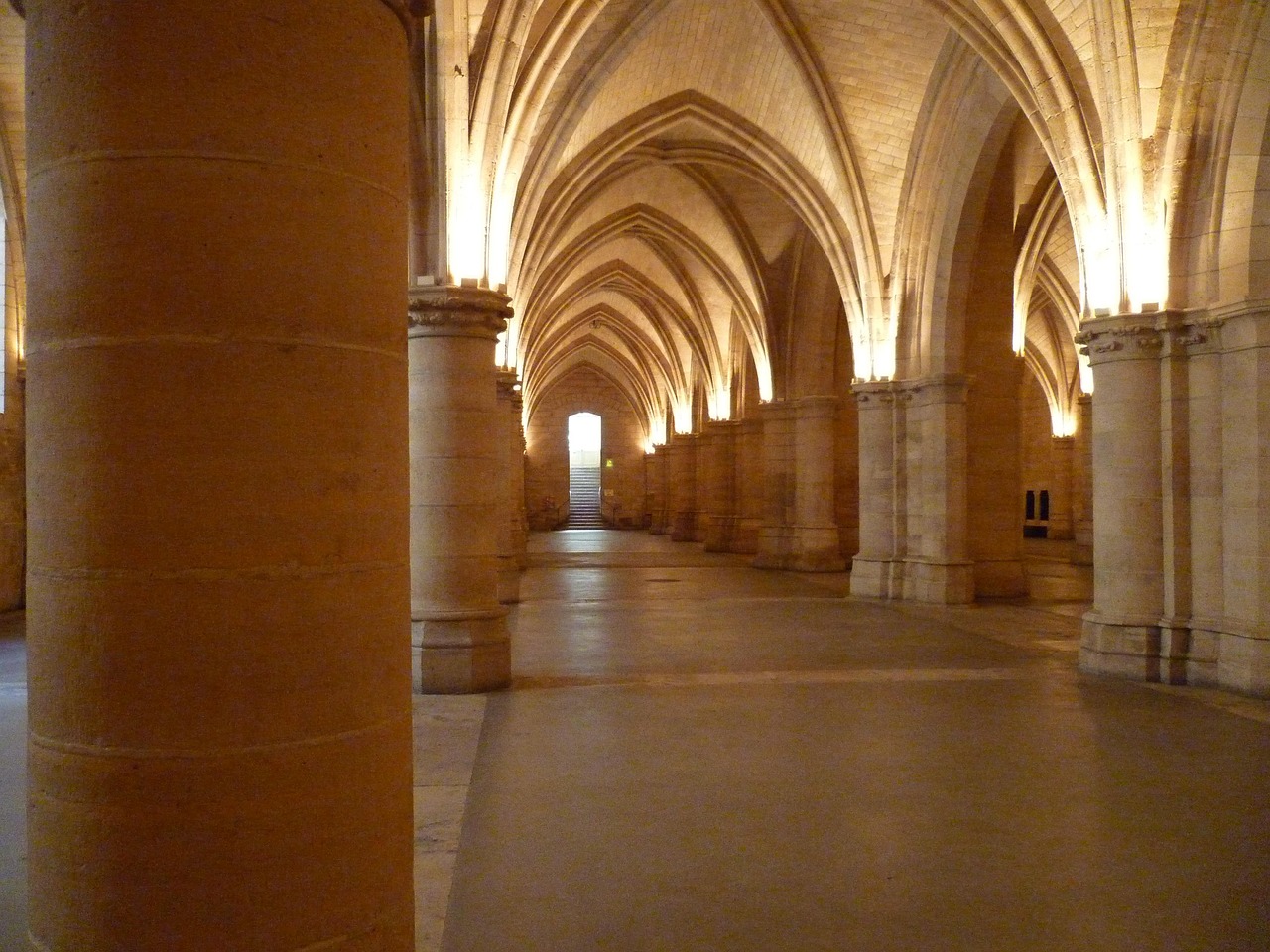
This section on Galerie de Valois at Palais Royal begins with the architecture itself: a 17th-century rhythm of stonework and measured light that makes even a simple stroll feel curated. The galerie rewards attention—notice how the arches frame each view, how reflections shift as you move, and how the design creates a calm corridor even when the city feels busy beyond the walls. It is an elegant gallery in the truest sense: a passage that softens the streets.
Shopping the arcades with a crafted eye for heritage and modern boutique style
If you love heritage, look for materials, provenance, and the discreet signs of atelier work: refined leather, fine paper goods, or objects that feel built to bequeath rather than replace. If contemporary style is your language, you will discover clean lines, playful colour, and limited pieces that feel personal rather than loud. This is not a place to rush a single shop; it is a place to design a small ritual of browsing, from Galerie de Valois to Galerie de Montpensier.
Choose one thoughtful purchase—something that anchors memory. A beautifully bound notebook for the next journey, a scent that carries you back in winter light, or a gift that feels specific to this arcade and no other.
Best timing, light, and an unexpected contrast moment
For photographs without pressure, arrive early when the arcades are nearly empty, and the symmetry reads like a private set. Later, in the gentle golden hour, the atmosphere becomes more Parisian: softer shadows, a quieter hum, and just enough movement to feel alive. One art lover once told us they were enchanted by the contrast between the historic arcades and vibrant contemporary pieces during a special exhibition—proof that the most memorable moments often come when you let the setting surprise you.
Let yourself create that “unexpected contrast” too: a classic façade paired with a modern detail, a restrained corridor leading to an expressive window display, or a simple pause where the city’s noise dissolves.
Palais Royal Garden – Tranquil Formal Gardens for a Calm Pause in Paris

Palais Royal Garden Calm in Paris
For many, Palais Royal is not a headline—it is the feeling that stays. One visitor described a profound sense of tranquillity while wandering the garden here, as if the city’s tempo lowered by instinct the moment they stepped through the gates. In Paris, that kind of calm is a quiet form of ease: not more, but better.
Formal gardens, soft sound, and a single fountain
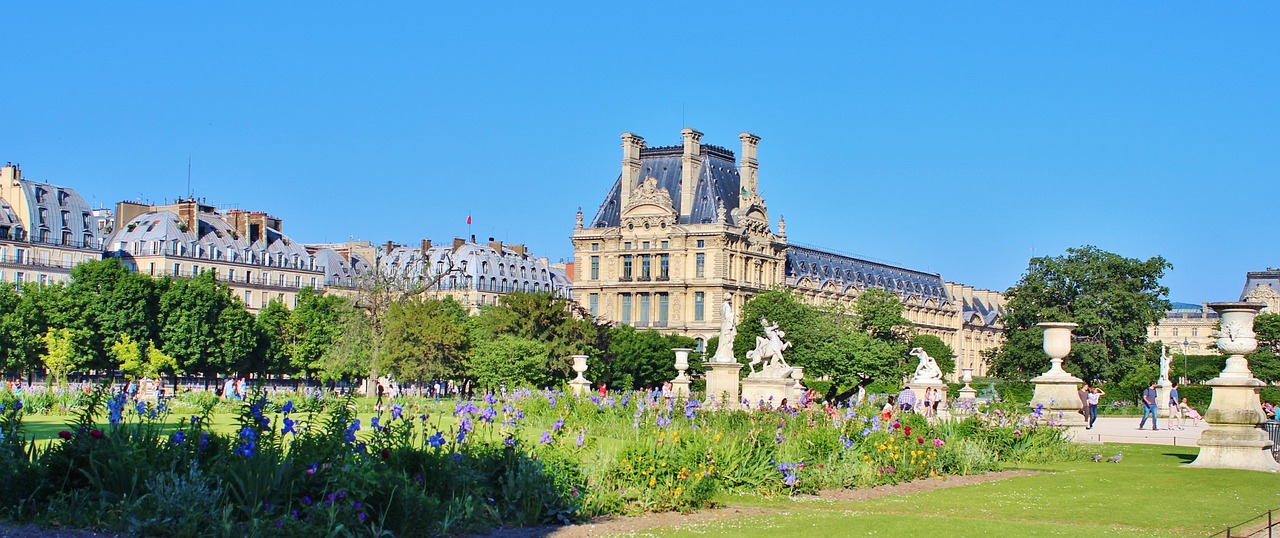
The formal gardens are composed with clipped lines and a central path that gently draws you forward. Seasonal colour appears like a curated detail—a single flower border catching light, fresh green in spring, deeper tones as autumn arrives. At the centre, a fountain offers a steady point of focus, and the sound feels like a soft filter over the day.
It is the sort of garden that supports you: a place to reset between museums, meetings, or a late dinner reservation, without ever asking you to buy a ticket to belong.
Pacing your loop with care and shared quiet
Keep it simple: one slow loop is a pleasant, restorative rhythm, especially if you are travelling together and want conversation without competing with crowds. Find a bench with a view down the clipped lines, and let your gaze do the work—this is where the mind unknots. Respect the mood by speaking softly; the calm here is communal, and it is part of the trust that makes the space feel so well kept.
- What’s free: Entry to the gardens and public areas is free, so you can return for a second, shorter pause.
- What changes: Seasonal events and temporary installations can subtly transform the experience—check what is on for your dates.
- Best times: Early morning for solitude; late afternoon for warmer light and softer edges.
If you are looking for a refined version of the capital, this is it: a composed breath between grander sights.
Palais Royal Courtyard – Daniel Buren Columns and Contemporary Art in the Palace
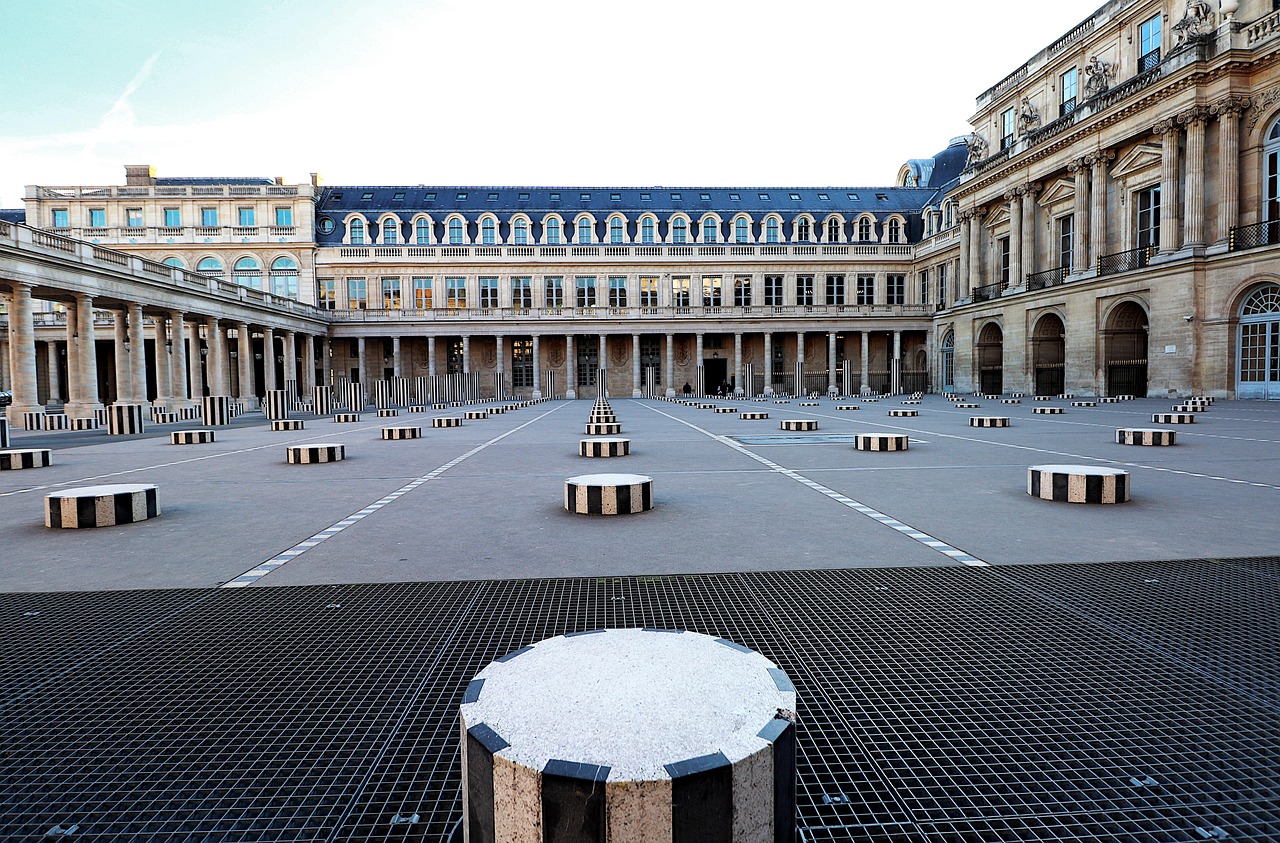
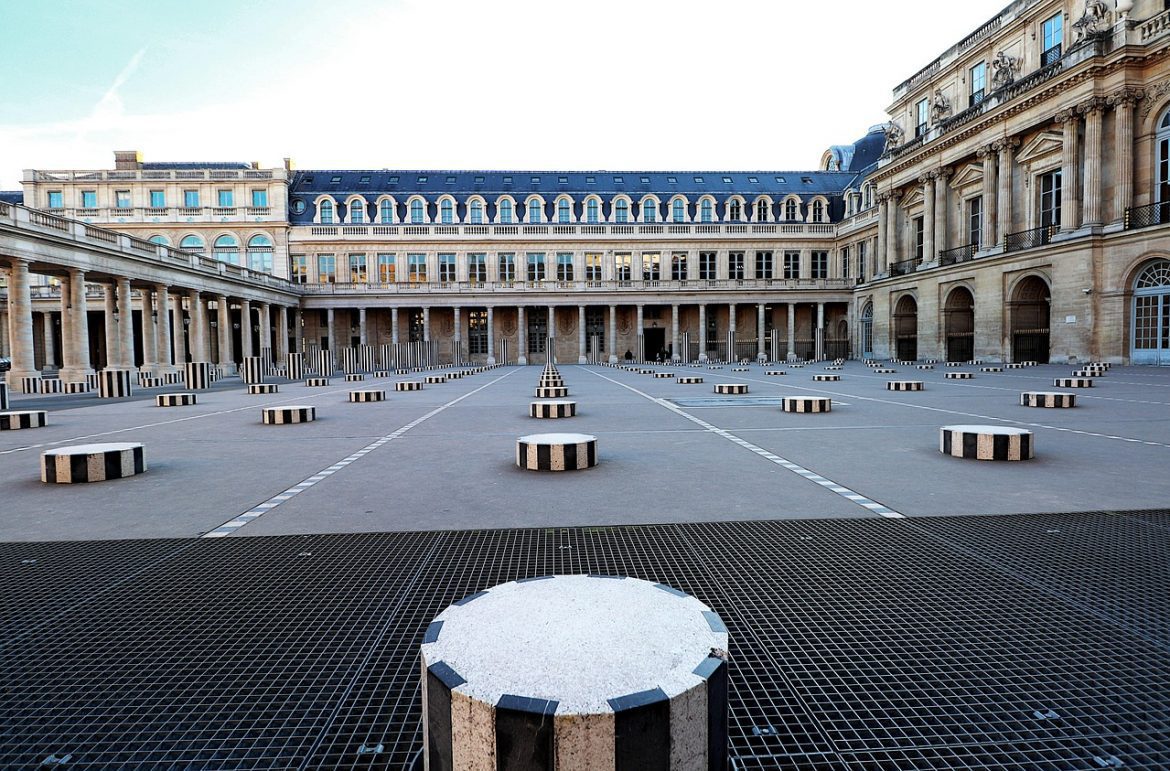
Courtyard Art and the Buren Column Installation
The focus of the Palais Royal experience here is the moment where classic palace geometry meets contemporary creativity. Created by artist Daniel Buren, Les Deux Plateaux (1986) is the iconic column work that turns the space into a living stage—playful, graphic, and surprisingly harmonious against centuries of stone. It is a contemporary installation that asks you not just to see, but to look.
How to look at Palais Royal with confidence (and take better photos)
Travel is often about pacing, and art is no different. Slow down; shift angles; notice scale. Watch how the black-and-white stripes change as you move, how children treat the columns as a game while adults consider them as design. Reflection is part of the experience too—stone, light, and the subtle sheen after rain can make the work feel newly composed.
Rather than rushing a photo stop, give yourself permission to respond personally. The central court becomes a quiet dialogue between old and new, where your own interpretation is the point.
Theatre, stewardship, and an evening thread near the Comédie-Française
When a temporary show is present, check ticketing requirements in advance; programming and care sit under the ministry of culture, and the site is treated with the seriousness it deserves by the responsible minister. Just across the street, the Comédie-Française carries the spirit of molière, linking Palais Royal to the living heartbeat of French theatre. If you would like to extend the mood into the evening, the nearby Paris Opera district offers a graceful pairing—one performance can be the perfect final note after the day’s art and quiet.
As you step back under the arches, you will notice how effortlessly the city can move between eras—without ever losing its sense of self.
Palais Royal Café Kitsuné and Le Grand Véfour – Restaurant & Michelin Planning
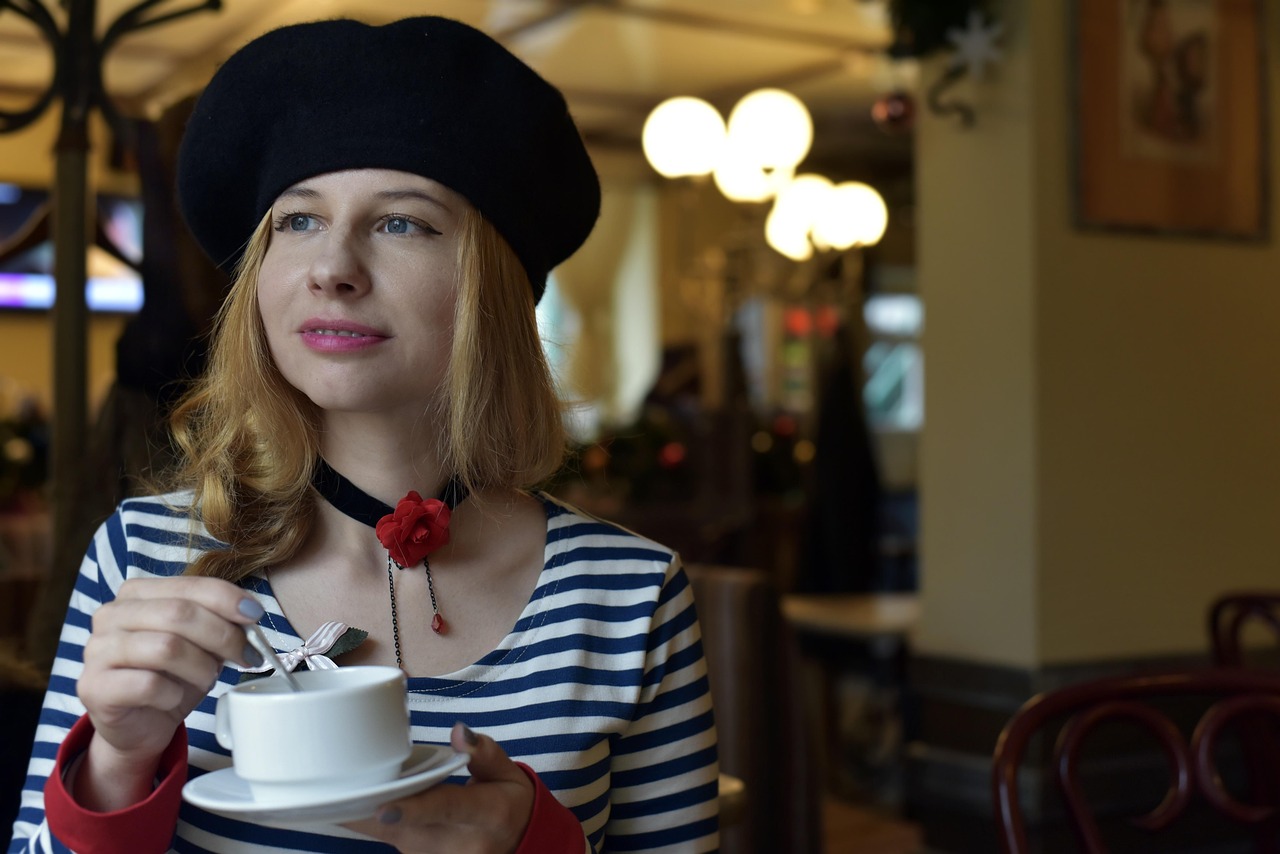
Seamless Luxury Planning from Café to Michelin Restaurant
For those planning a visit to Palais Royal café, Kitsuné, and Le Grand Véfour Michelin, the magic is how easily the day can feel seamless. A well-travelled couple once shared an unforgettable moment: sipping champagne at the elegant Café Kitsuné, letting the setting settle like silk. Arrive early, choose a table with a view into the arcades, and let the morning unfold—this is how you discover the area with quiet confidence.
Café stops and classic cafés for a calm start under the arcades
Order something simple and let the setting do the work. The best cafés do not demand you rush; they support a slower rhythm. If you are travelling together, it is a gentle place to plan the next hour—gallery, garden, art—without ever feeling like you are managing logistics.
A grand restaurant anchor at Le Grand Véfour
For dinner, Le Grand Véfour is a legend—grand véfour as a name carries weight for a reason. It is a Michelin landmark, and Chef Guy Martin brings a sense of culinary craft that justifies the reputation; the chef keeps flavours precise, seasonal, and composed. When you hear two Michelin stars, expect polished service, refined pacing, and a restaurant team that reads the room with expert ease. This is gourmet dining that feels considered rather than showy.
Book ahead, especially for prime evenings, and request a table that suits your mood—a quiet corner for intimacy, or a more open view if you enjoy the room’s energy. Dress smartly; you do not need to overthink it, but a little elegance matches the setting and helps you feel at home.
Micro-itinerary (crafted, 200 words): Start at Palais Royal – Musée du Louvre and step into the main court before the city fully wakes. Wander under the arcades du Palais-Royal, pausing for a discreet shop window that catches your eye, then drift into the Galerie de Valois for a single, well-chosen object. From there, take ten unhurried minutes in the jardin du Palais Royal—one loop, one bench, one quiet reset. Continue to the Buren columns and let yourself change perspective: move slowly, look down, look up, and notice how the palace lines hold the modern stripes in place. Return for a late morning café moment at Café Kitsuné, then leave the afternoon open—perhaps a small exhibition if it is on, or simply time back at your hotel to freshen up. In the evening, arrive at Le Grand Véfour with calm confidence and let the restaurant carry you through the final act of the day, unhurried and beautifully timed.
If you want more inspiration for designing a wider France journey around the capital, our Trip gallery offers beautifully paced ideas.
F.A.Qs
Who lives in Palais Royale, Paris?
No one lives there as a private residence today. The Palais Royal complex is mainly used by French state institutions, including the Constitutional Council, and also hosts offices linked to cultural administration. The public gardens and arcades remain open to visitors, which helps create an atmosphere that feels both official and welcoming.
What is Palais Royal Paris?
Palais Royal is a historic palace complex near the Louvre, known for its elegant arcades, tranquil garden, and contemporary art in the central space. It began as a 17th-century residence and later became closely tied to royal and public life in France. Today, it blends history, culture, and quiet everyday life in one beautifully composed setting.
Can you go inside the Palais Royal in Paris?
You can freely visit the central court and gardens, and you can walk through the arcades where restaurants, shops, and a café operate. Many of the formal government interiors are not open to the public, but temporary exhibitions or guided cultural visits may be available at certain times and could require tickets. For most travellers, the open-air experience is the highlight.
What is the dress code for Palais Royal?
There is no formal dress code for visiting the gardens and arcades, but a smart, understated look fits the refined setting. Comfortable shoes are practical for cobblestones and long strolls. The key “code” is behavioural: keep voices low, avoid blocking pathways for photos, and move with calm confidence so you blend naturally into the elegant atmosphere.
What Stayed With Me at Palais Royal in Paris, France
What stayed with me at the Palais Royal was not the feeling of having “done” the city, but of being gently held by it. There is a particular stillness here—an intimate pause inside the capital—where care shows up in small things: the hush of gravel underfoot, the way light settles on stone, and the quiet confidence of a palace that does not need to shout. Even when you glance towards the Louvre and the surrounding arrondissement, the mood remains composed, as if the streets are offering you a softer version of themselves.
I think that is why the contrast feels so human: historic arcades, contemporary art, a garden that steadies the day, and a sense that France trusts you to meet it halfway. You leave not with a checklist, but with a calmer inner tempo—something you carry back to your hotel like a private souvenir, warm with reassurance.
And later, when you remember it, you do not only picture the palace; you remember the space between moments—footsteps fading under arches, light on stone, and the feeling that you could return in another season and discover the same place transformed by new shadows.