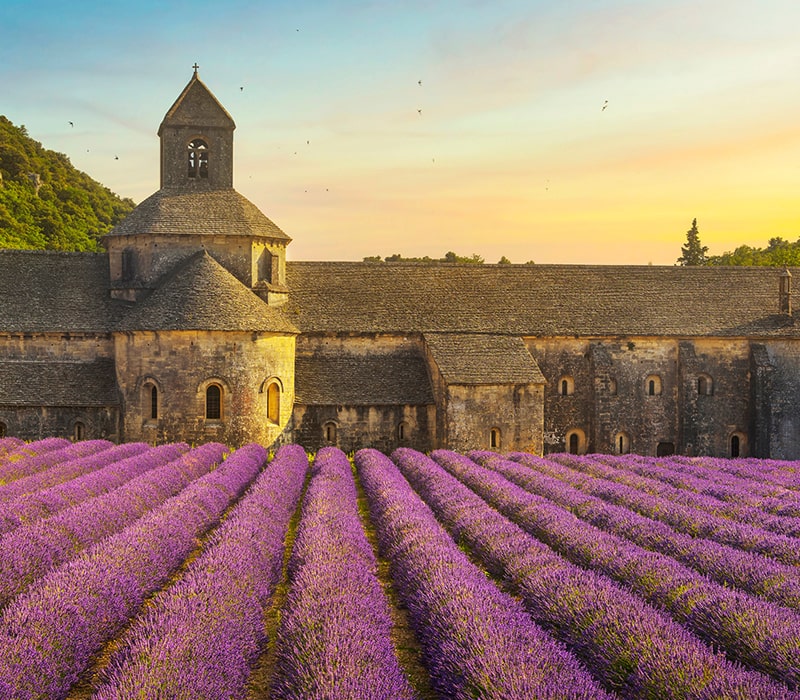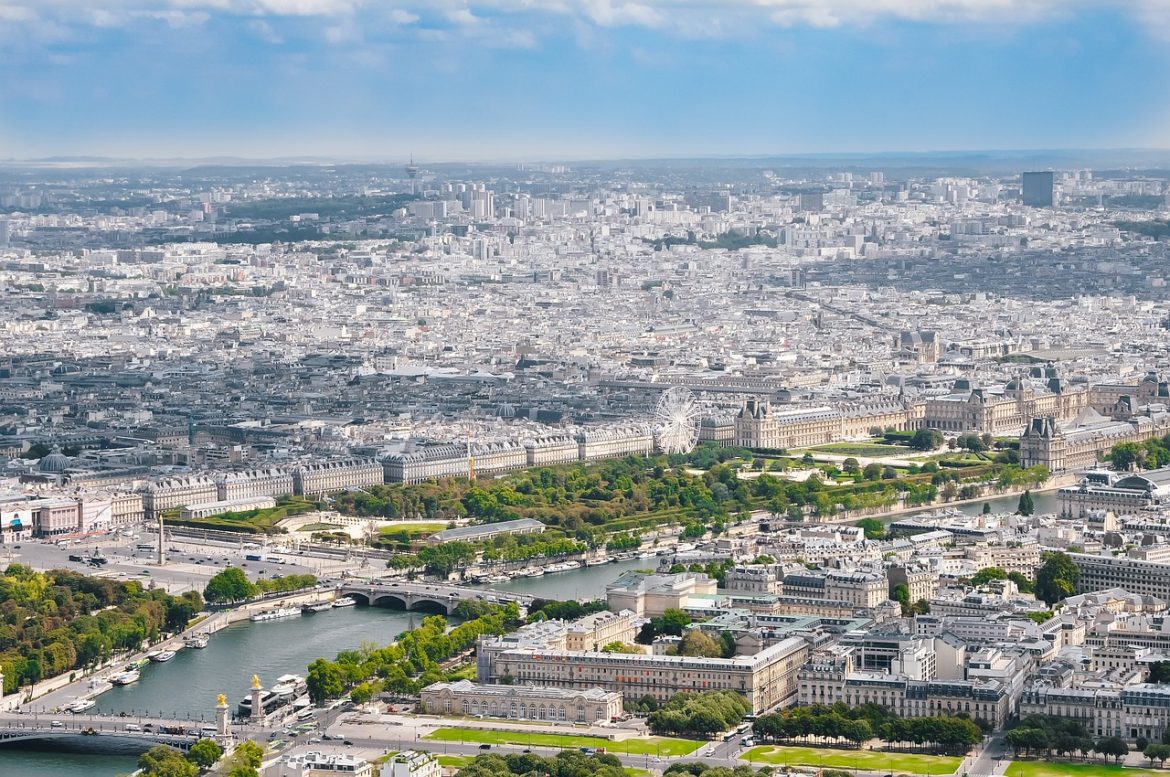
A Paris travel guide to begin your visit with confidence for high-end travellers in France, and a guide to Paris
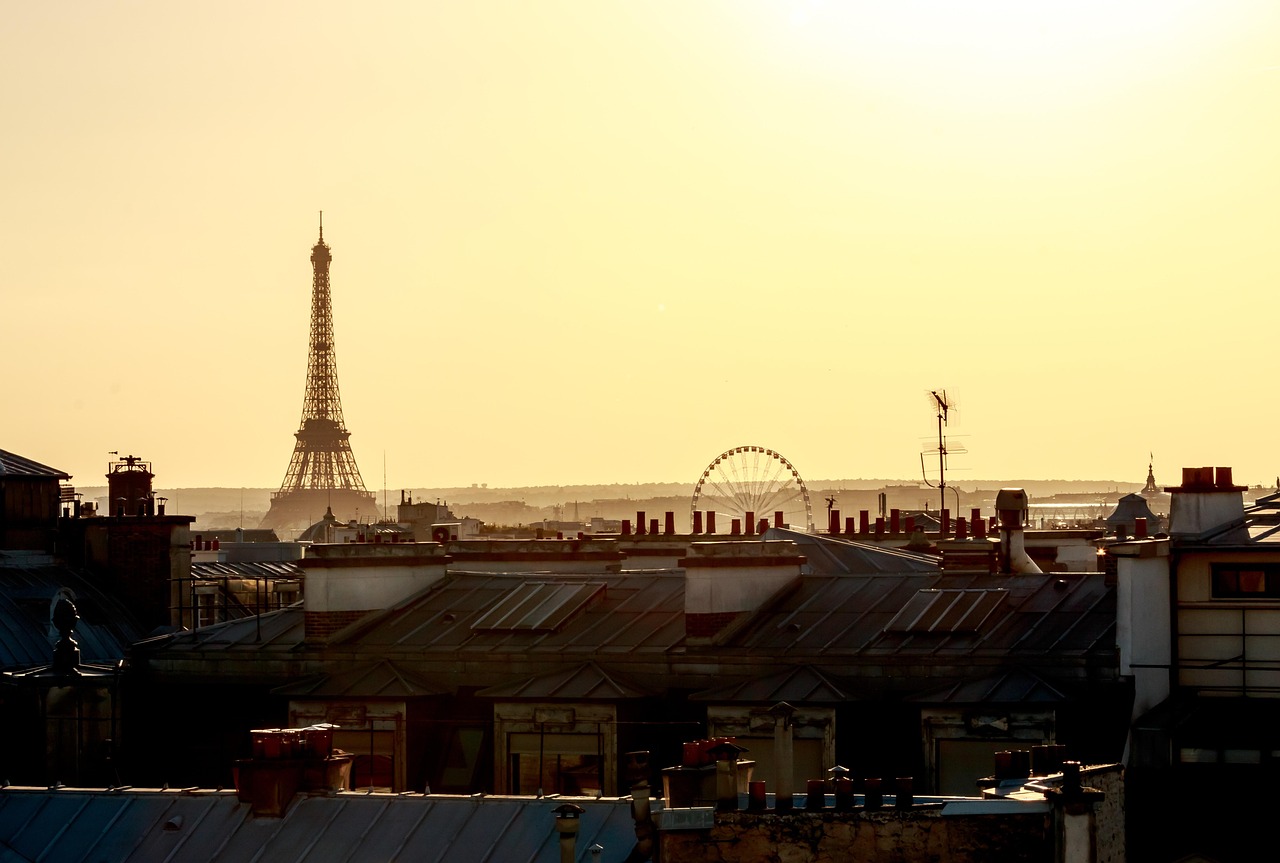
A Paris travel guide to begin your visit with confidence with a timeless Paris skyline
This chapter is a Paris travel guide for high-end travellers in France, written from a Paris mindset: you want the romance, but you also want the rhythm to feel seamless. Paris can be cinematic and modern in a single glance—an 18th-century façade beside a contemporary gallery, a quiet street opening onto a bright avenue. The trick is to create days that breathe, so you’re not rushing from attraction to attraction, but discovering the city’s texture as you go. With expert planning, you can plan a visit that feels calm, cared for, and entirely personal.
Start by giving yourself permission to go slowly. The heart of Paris reveals itself amid the big sights: the early-morning café espresso, the way Parisians greet shopkeepers, the soft light on limestone, and the ease of a well-timed reservation. If you’re building a first trip to Paris, think in three layers: one landmark, one neighbourhood, and one long lunch or dinner each day. That simple structure creates confidence, and it makes room for the kind of quiet luxury that high-end travel is really about.
Best time to visit and weather in Paris for elegant comfort
The best time to visit is typically April to June and September to October, when the weather in Paris is mild, and the city feels more navigable. Spring brings gardens into focus, while early autumn delivers warm afternoons and softer evenings—ideal for a stroll along the river. In these shoulder seasons, you’re also more likely to secure private experiences without contending with peak holiday demand. It’s the difference between merely seeing the city and feeling held by it.
Pack with an eye for polish and practicality. Paris rewards beautiful basics: layers that look composed from morning museum hours to an evening tasting menu. A light trench, a cashmere wrap, and shoes that can handle cobblestones will take you around Paris with ease. If you’re planning Michelin-starred dining, include something elegant that still feels like you—Paris style is confident, never costume.
- What to pack: a tailored layer, a scarf, comfortable leather shoes, and one refined evening outfit.
- Small essentials: a compact umbrella, a crossbody bag with a secure closure, and a portable charger for long museum days.
- Mindful etiquette: a simple “Bonjour” on arrival sets a tone of trust and warmth in boutiques and hotels.
Where to stay in Paris by arrondissement and mood
Where you stay in Paris shapes the entire feeling of your trip. Choosing the right arrondissement isn’t about being close to everything (Paris is wonderfully connected), but about waking up inside the atmosphere you most want to explore. For Right Bank glamour, consider areas near the grand avenues, where designer houses and classic hotels create an effortless sense of occasion. For Left Bank calm, look for a more literary pace—bookshops, galleries, and a slower morning rhythm.
Central Paris convenience can be the ideal starting point for travellers who want to balance museums, dining, and shopping without spending their best hours in transit. If you love being able to step outside and immediately feel “this is Paris,” choose a place that’s walkable to the river and a few key métro lines. A good concierge becomes part of your support system—securing the right table, adjusting plans for weather, and quietly protecting your time.
To begin without overwhelm, orient yourself to parts of Paris with four anchors: the Eiffel Tower for skyline romance, the Louvre for museum depth, Notre-Dame Cathedral for atmosphere on the island, and the Arc de Triomphe for symmetry and perspective. From there, you can design your days around what you want to uncover—fashion, food, art, or a little of everything.
Budget expectations are best considered upfront, in euros, so you can prioritise what matters most. For high-end travellers, luxury experiences often begin at several hundred euros per person: private guided tour access, a fine dining tasting menu, or a sunset yacht cruise. If you’re choosing between experiences, invest in what changes the emotional quality of your time—private access, expert storytelling, and pacing that lets you breathe.
If you’re imagining a longer journey through France beyond Paris, keep inspiration close with our Trip gallery, then return here to refine your Paris plan with care.
Design note: You don’t need to do all the things to do in Paris; you need a crafted selection that feels like you.
Getting around Paris in seamless high-end style with private chauffeurs and the metro and getting around
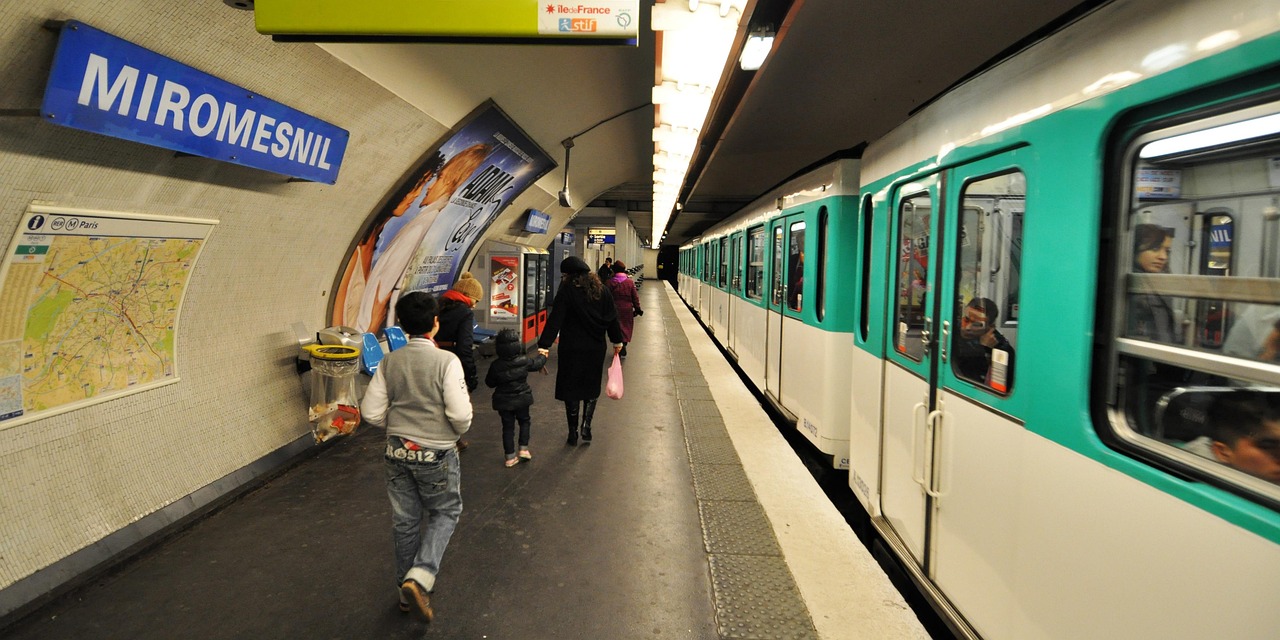
Getting around Paris in seamless high-end style with metro entrances and city rhythm
This chapter focuses on getting around Paris, France, with private chauffeurs and the metro, so your days feel smooth rather than fragmented. Getting around is where luxury becomes practical: it’s the difference between arriving flustered and arriving composed. Paris rewards walkers, but it also rewards those who know when to step into a car and protect their energy. Your ideal mix is often a blend—short walks, strategic rides, and planned pauses that keep you present.
Public transportation is excellent in Paris, and the Paris Métro is often the fastest option for hopping between neighbourhoods. Yet high-end convenience is about door-to-door ease when it matters: evenings in heels, late theatre returns, or tight museum timings. A private chauffeur offers calm transitions, and it’s especially helpful if you’re carrying purchases from boutiques or travelling with older relatives. Think of it as designing comfort into the spaces between your experiences.
How to get around Paris, and a reassuring way to get around
To get around Paris efficiently, learn the basics once, then let the city carry you. Metro stations are clearly marked, and etiquette is simple: keep to the right on escalators, let people exit before you enter, and avoid blocking doors. If you’re unsure, ask with a polite greeting; Parisians respond warmly to courtesy, especially when you begin with “Bonjour.” For quick simplicity, consider a Paris pass only if you’re planning intensive museum-hopping—many high-end travellers prefer curated private access over rushing to “maximise value.”
A reassuring way to get around is to plan each day in three beats: walk, ride, rest. Walk for neighbourhood immersion and the small details, ride for longer cross-city jumps, and rest for a long lunch or a quiet hour back at the hotel. This rhythm preserves your energy, so your evenings—often the most magical part of Paris—still feel bright.
Walking tour routes around Paris via pont crossings and the River Seine
A walking tour doesn’t have to mean a formal group. Some of the best routes are simply well-chosen connections around the city: crossing a pont at the right time, catching the shimmer of the Seine, then turning onto a quieter street where the city suddenly feels local. Try linking districts by the river: one bank for grand façades, the other for smaller streets and hidden courtyards. These transitions create the emotional pacing that makes Paris feel timeless.
Arrivals and departures set the tone, so treat them as part of the journey, not an inconvenience. From Charles de Gaulle Airport, a private car transfer protects your first hours—no navigating ticket machines, no wrestling luggage, no guessing where to stand. A good driver will handle timing, luggage, and a calm route into central Paris, so your first view of the city is through the window, not through stress.
Finally, a note on safety with care. Paris is generally safe, but pickpocketing can happen near tourist attractions and on crowded trains. Keep personal belongings secure, avoid placing phones on café tables by busy pavements, and wear bags zipped and close to your body. Quiet confidence is the goal: aware, not anxious, so you can keep your attention on the city.
Eiffel Tower and skyline moments designed for you with a private dining experience in Paris, France and sights of Paris
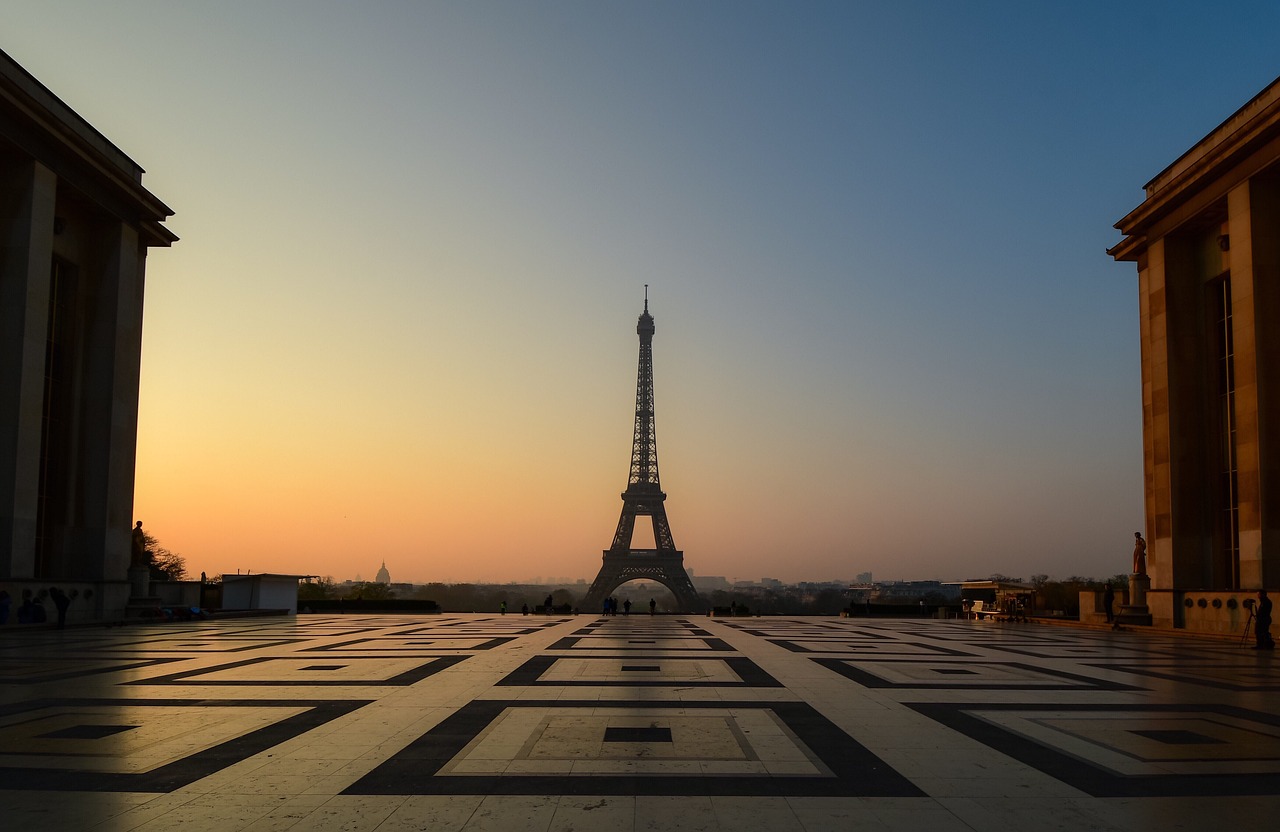
Eiffel Tower and skyline moments designed for you with Paris views at golden hour
For many travellers, the Eiffel Tower private dining experience in Paris, France, is the moment that makes the dream feel real. The Eiffel Tower is not just an attraction; it’s a piece of living design, changing mood with the light and the season. When you plan it well—timing, access, and a touch of ceremony—it becomes intimate rather than crowded. This is where a high-end approach matters most: you’re not trying to “do Paris,” you’re creating a memory.
Exclusive access can mean a private dining reservation with carefully chosen timing, or a guided arrival that bypasses some of the friction of peak hours. Aim for early or late windows to take in the view with less noise. If you want to see the Eiffel Tower in a calmer atmosphere, choose a weekday and avoid midday, when queues swell, and the experience can feel rushed. When it’s done right, you’ll feel the city’s scale without losing your own calm.
A champagne dawn story and how to take in the view of Paris
One high-end traveller once described a champagne toast atop the Eiffel Tower at dawn as “the most private moment I’ve ever had in a public place.” The lift opened, the air was cool, and the view of Paris felt endless—soft roofs, pale sky, and the city waking below in gradual layers. There was a sense of being suspended above the ordinary day, held in silence for just a few minutes before the rhythm returned. That solitude is rare, and it’s why timing is a form of luxury.
If you’re tempted by the stairs, remember that the Eiffel Tower is generous but not effortless. There are 284 steps to the top of certain stair-access sections before you switch to lifts, and even seasoned travellers feel it after a long day. Comfortable footwear matters, and so does pacing: plan your Eiffel Tower visit on a day when you’re not sprinting across the city afterwards.
Pairing viewpoints around Paris with the Arc de Triomphe for a great view
For a different perspective on the sights of Paris, pair the Eiffel Tower with the Arc de Triomphe terrace. The Arc de Triomphe gives you a structured, geometric view—avenues radiating like ribbons, the city arranged with surprising order. It’s one of the best views in Paris for understanding how Paris was designed, and it’s a perfect companion to the Eiffel Tower’s romance. Afterwards, take a gentle stroll down the grand boulevard, stopping for a pastry and a slow coffee when you feel like it.
Photographic design notes can transform your experience. For flattering light, aim for early morning or the last hour before sunset; the city’s stone warms and the skyline looks painted. For elegant compositions, stand back far enough to include trees, balustrades, or bridges—details that make the image feel Parisian rather than generic. And if you want fewer crowds in your frame, arrive before tour groups and let your day unfold from there.
Dress codes are rarely strict for viewpoints, but polish is appreciated. For upscale venues linked to a private dining experience, choose elegant but comfortable attire—tailored layers, a refined coat, and shoes that won’t punish you on steps or cobblestones. In Paris, comfort and style aren’t opposites; they’re partners.
Museums and palais after hours from the Louvre to Grand Palais as a guide to Paris private museum tours in France and museum culture
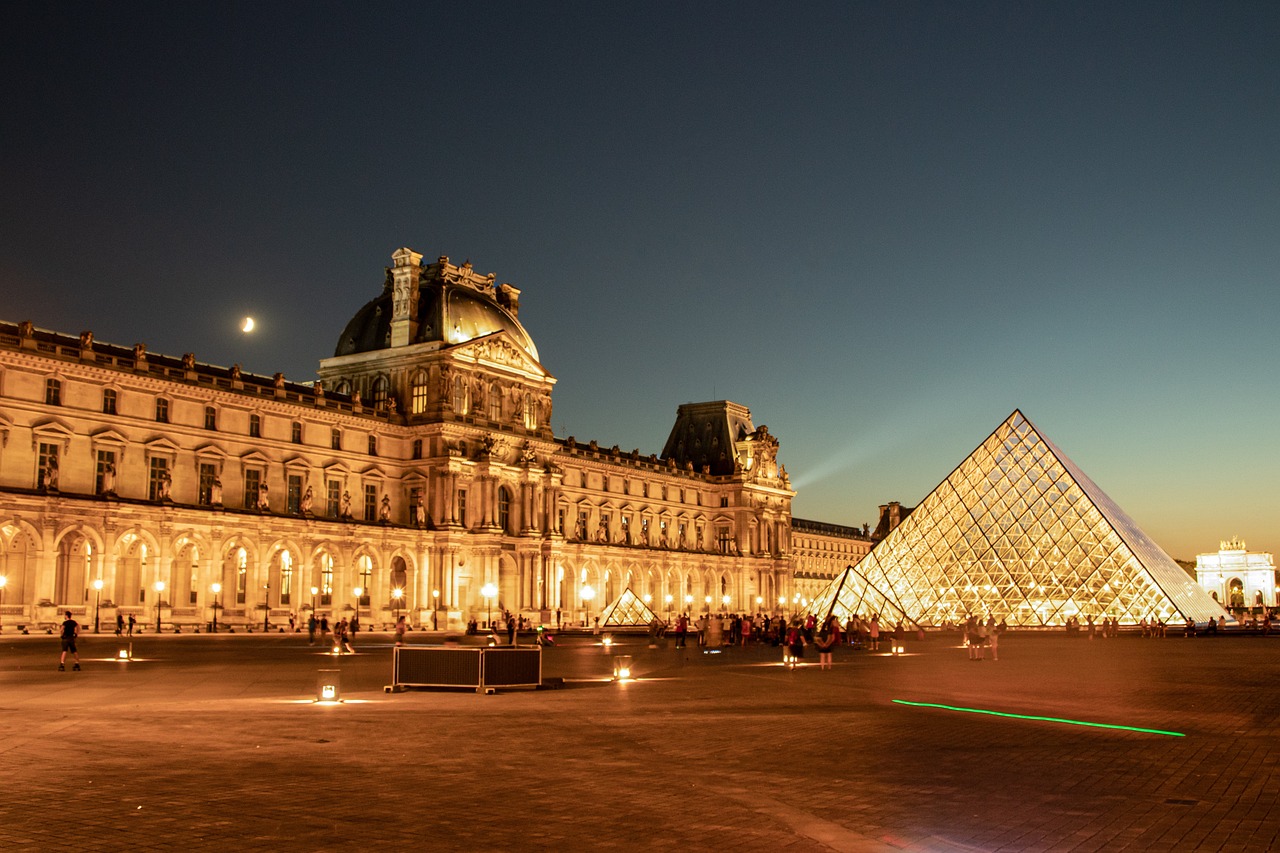
Museums and palais after hours from the Louvre to Grand Palais with a quiet gallery atmosphere
This guide to Paris private museum tours, the Louvre, Grand Palais, France, is for travellers who love art but don’t love queues. The right museum strategy is less about cramming and more about pacing—knowing when to arrive, what to focus on, and how to move through a vast collection without fatigue. Paris is one of the great museum cities in the world, and its Palais de la Culture adds a sense of theatre to learning. With expert support, a museum visit can feel like a private conversation with history.
The Louvre deserves special handling. A private, after-hours or before-opening guided tour is the single most transformative choice you can make if you’re serious about art. You avoid the usual crowds, you hear the stories that connect rooms, and you keep your energy for the details: brushwork, symbolism, and the quiet power of scale. Your guide can design a route that suits your taste—ancient civilisations, Renaissance mastery, or the pieces that shaped the history of Paris and France.
The Louvre museum, beyond the queue, and the Mona Lisa as a one-room wonder
One art lover shared an emotional moment during a private Louvre tour before the public opening. They expected grandeur; they didn’t expect the near-silence, the way footsteps softened on the floor, or the intimacy of standing with rare Impressionist works without the usual bustle. When they finally paused for the Mona Lisa, it wasn’t a frantic crowd scene—it was simply a brief, quiet encounter with a painting that has travelled through centuries. Treated as a one-room wonder, it becomes part of a curated morning rather than the whole day.
To keep the Louvre from overwhelming you, set a clear intention: two to three themes, not the entire building. Plan a pause—perhaps in a courtyard or a nearby café—so the experience stays absorbable. The Louvre is a museum you can revisit across a lifetime; it doesn’t need to be “completed” in one go.
Musée highlights from Orsay to Rodin, plus Versailles as a day trip
For Impressionist depth, the Musée d’Orsay offers a museum experience that feels both scholarly and accessible. It’s one of the most satisfying places to understand how Paris influenced light, modernity, and daily life through painting. For a different mood, Musée Rodin pairs sculpture with gardens, where you can slow down and let the work meet you in the open air. And for a genuinely intimate museum moment, the musée de la Vie Romantique is a small jewel—quiet rooms, soft edges, and the feeling that you’ve been let into someone’s private world. (If you’re collecting these details for later, note the name exactly: musée de la Vie Romantique.)
Grand Palais is another essential piece of Paris culture, though it depends on what’s on. Check exhibitions in advance, stay flexible, and time your visit to avoid peak crowds—late afternoon on weekdays can feel calmer. Nearby palais spaces often host fashion, photography, or major touring shows, so keep an open window in your itinerary. The pleasure here is in allowing Paris to surprise you.
If you want a day trip with luxury logistics, Versailles is the classic choice—especially with a private guide who can help you read the symbolism rather than just photograph it. The Hall of Mirrors still has the power to stop conversation, even when you’ve seen it in books. A well-designed Versailles plan includes early departure, pre-arranged entry, a gentle route through the gardens, and a return strategy that protects your evening plans back in Paris.
- Museum pacing tip: choose one major museum in the morning, then something airy (gardens, river walk, or a long lunch).
- What to book early: private guided tour slots for the Louvre and timed tickets for the Musée d’Orsay.
- Dress and comfort: light layers and supportive shoes; museum floors can be unforgiving after hours.
Le Marais to haute couture Paris, a crafted style story to explore Paris luxury boutiques and fashion ateliers in France and around Paris
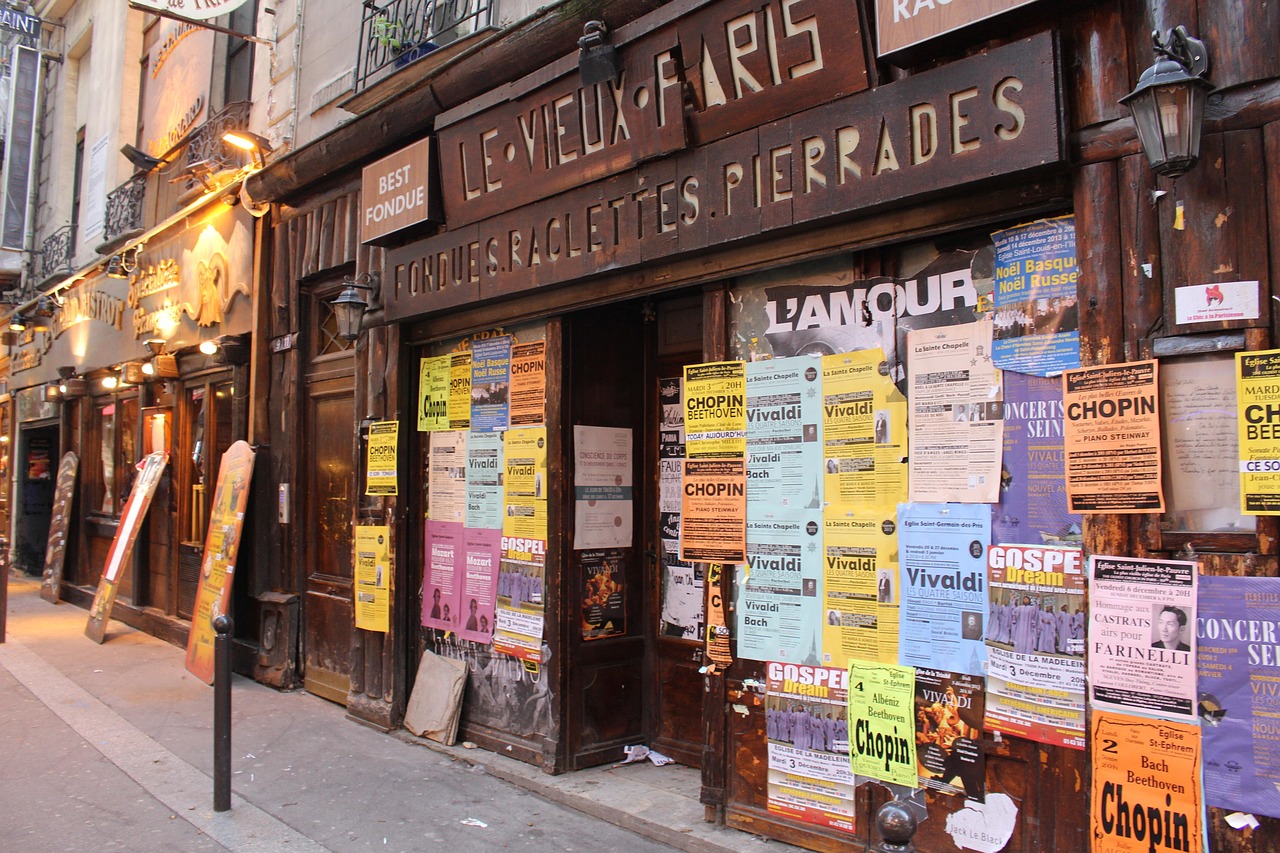
Le Marais to haute couture Paris a crafted style story through elegant streets and boutiques
This chapter is for those who want to explore Paris Le Marais luxury boutiques and fashion ateliers in France with intention, not impulse. Le Marais is where history and modern taste sit comfortably together: stone courtyards, galleries, small designers, and shops and restaurants that feel genuinely local. It’s an area of Paris that rewards wandering, especially if you allow yourself to uncover one beautiful object at a time. Think of it as a crafted style story rather than a shopping sprint.
Begin with a curated route along a few key route threads, then give yourself permission to turn off-plan when something catches your eye. The best purchases often come from a conversation—an artisan explaining a technique, a boutique assistant helping you find a piece that fits your life back home. In Le Marais, luxury is often quieter: impeccable leatherwork, niche fragrance, jewellery with a story, and contemporary art that feels personal rather than obvious.
Fashion insider access in haute couture and how to go to Paris with etiquette
For true insider access, consider attending a fashion show or arranging a private atelier visit in the haute couture district. This is where Parisian craft becomes visible: the handwork, the fittings, and the creative process behind garments that look effortless on a runway. Etiquette matters—arrive on time, dress elegantly, and listen as much as you speak. Thoughtful questions uncover the soul of the work: “What inspired this collection?” or “How do you choose fabrics for movement and light?”
A fashion enthusiast once recalled the thrill of meeting a renowned designer during an exclusive atelier visit in Paris. They expected glamour; what stayed with them was the discipline—pattern pieces pinned with precision, the quiet concentration, the respect for technique. It changed how they saw Parisian identity: not just style, but artistry and craft sustained by people who care deeply. Experiences like this are why many travellers go to Paris again and again, each time noticing more.
Neighbourhood contrasts from the Latin Quarter to Montmartre, plus landmarks in passing
To add texture, contrast Le Marais with the Latin Quarter, where bookish corners and a lingering café pause feel almost ceremonial. If you’re drawn to literary Paris, you may enjoy a thoughtful stop connected to names like Oscar Wilde, Jim Morrison, or Edith Piaf—artists whose stories still echo in the city’s creative mood. These aren’t checklist moments; they’re small, human points of connection that make the city feel lived-in rather than staged.
Then lift the perspective with Montmartre, where the basilica crowns the hill and the city opens out beneath you. Montmartre can be lively, but early in the day it feels gentler; you can watch painters set up and hear the neighbourhood waking. If you want a touch of evening theatre energy, a Moulin Rouge cameo can be fun—best as a single, sparkling night rather than the centre of your trip.
Between districts, let landmarks appear naturally. Notre-Dame Cathedral remains one of the most moving sights, especially around Île de la Cité, where the river wraps the island like a ribbon. Step inside when possible for stained glass and atmosphere, then cross a pont and feel the city reset around you. These transitions—bridge, river, neighbourhood—are the quiet architecture of a seamless Paris day.
- Le Marais tip: start late morning, browse slowly, then book a long lunch so your bags don’t dictate your pace.
- Atelier tip: keep questions respectful and specific; designers respond to genuine curiosity and insight.
- Montmartre timing: go early for quieter streets and softer light across the rooftops.
F.A.Qs
What is the best month to visit Paris?
For most high-end travellers, May, June, September, and early October are especially rewarding. The weather is usually mild, the light feels flattering for views in Paris, and it’s easier to secure refined reservations without peak-season pressure. April can also be lovely if you pack layers and plan for occasional showers.
What not to do in Paris as a tourist?
Avoid squeezing too many tourist attractions into a single day, and don’t underestimate travel time between neighbourhoods. Skip unverified ticket sellers and be cautious with your phone and wallet in crowded areas. Also, don’t walk into boutiques or restaurants without greeting; a simple “Bonjour” matters.
How many days are enough for Paris?
Four to five days gives you a satisfying first shape of the city: one or two major museum visits, a few neighbourhoods, and time for long meals. If you want a slower, more luxurious pace with Versailles or deeper shopping and dining, plan six to seven days so you never feel rushed.
Do and don’ts in Paris?
Do book key experiences well ahead, dress elegantly for fine dining, and build in time to wander. Don’t be overly loud on public transport, don’t ignore dress codes at high-end venues, and don’t treat Paris like a checklist. The city rewards attention, politeness, and an unhurried heart.
What Paris leaves with you after France, and visit Paris, France luxury travel reflections as a travel guide
This final chapter holds the quieter truth of a journey: what stays with you long after you leave France. Visit Paris, and you’ll remember the big silhouettes—the Eiffel Tower, the river curve, the museum façades—but you’ll also remember the smaller, more personal things. The soft hush in a gallery, the way a waiter adjusted a chair without interrupting your conversation, the glow of the City of Light when you didn’t even realise evening had arrived. These are the moments that don’t ask to be photographed; they simply settle into you.
One couple once reminisced about a serene dinner cruise along the Seine aboard a luxury yacht at sunset. The service was impeccable without being performative, and the illuminated cityscape felt like a moving stage set designed just for them. They spoke less about the menu and more about the ambience—how the river seemed to steady time, how the bridges passed like chapters, how Paris looked both grand and strangely intimate. That is the gift of Paris: it can feel iconic and still feel yours.
An art lover described leaving a museum not energised by accomplishment, but softened by attention. Another traveller remembered a Michelin three-star evening when the maître d’ seemed to anticipate needs before they were spoken, pairing each course with a story and offering a wine suggestion that felt uncannily right. In those moments, luxury isn’t loud; it’s care, expertise, and trust—a human connection that makes you feel supported. Paris becomes less about doing, and more about noticing: the texture of stone, the cadence of language, the way beauty can be functional.
As dusk falls, imagine standing on a pont with the city lights beginning to flicker. Somewhere nearby, Place de la Concorde opens into a wide space, and the Tuileries Garden offers a calm line of trees and paths. You may realise that the greatest souvenir is not an object from a boutique, but a new way of seeing—more patient, more curious, more willing to let a place reveal itself. Paris will still be there when you return, not asking you to do more, only to notice differently.