Post Contents
- Paris travel guide, luxury City of Light mindset for a first trip
- Best time to visit Paris, France: travel to Paris and arrive in style
- Stay in Paris luxury hotels by arrondissement with confidence
- Getting around Paris, metro, taxis private driver for Seamless ease
- Things to do in Paris: Eiffel Tower, Arc de Triomphe, Seine and the best things
- Paris guide Louvre after-hours museum in Paris Rodin Musée
- Around Paris, Le Marais, Montmartre Latin Quarter walking tour
- Best shopping, Paris boutique, haute couture, perfume workshop, and design
- Day trip to Versailles from Paris, Hall of Mirrors best ways
- F.A.Qs
- What stayed with me after Paris, France travel guide reflection, City of Light
Paris travel guide, luxury City of Light mindset for a first trip
Paris travel guide to the City of Light mindset for a first trip
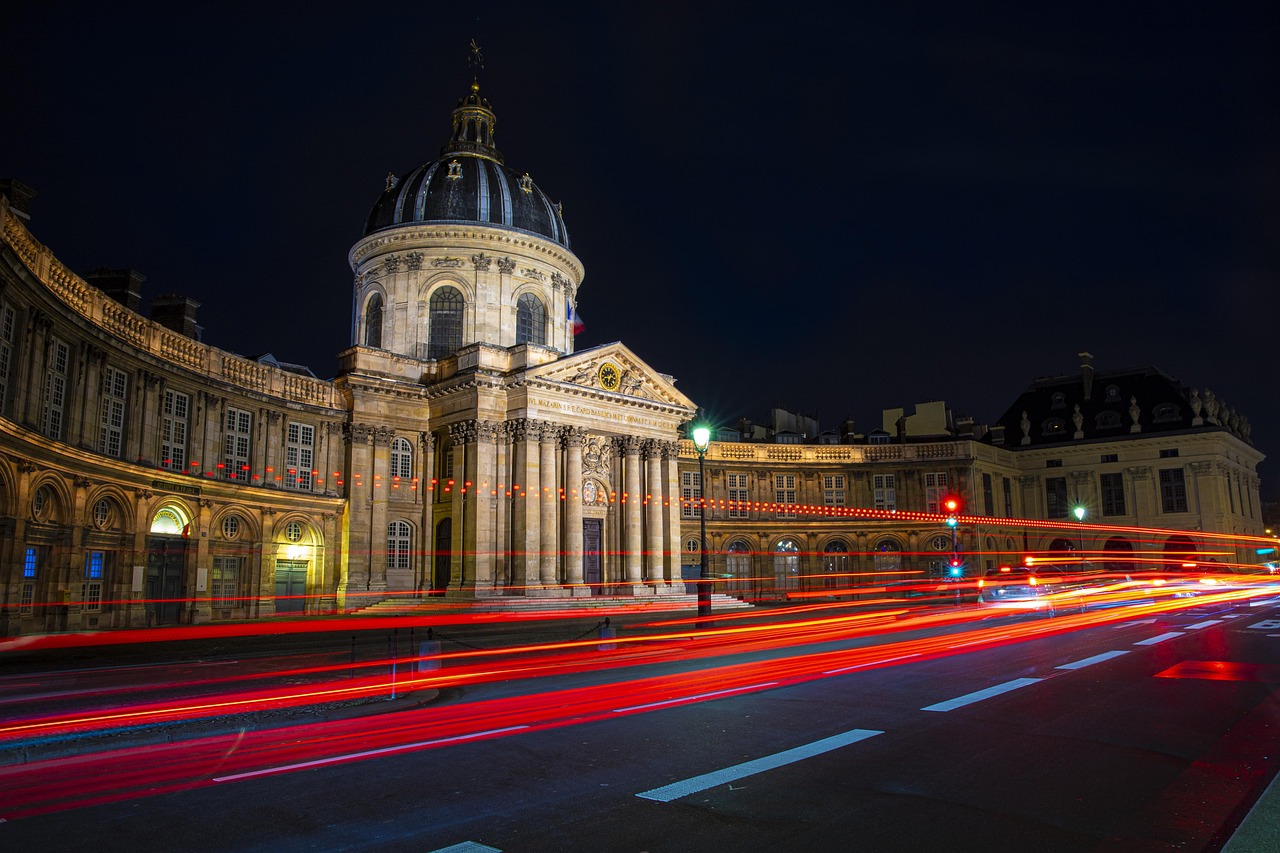
Think of this as a Paris travel guide, a luxury City of Light approach, not a checklist. Paris is one of those rare places where history and modern creativity sit together—stone façades, daring fashion, and quiet courtyard light all in the same afternoon. For a first trip to Paris, the most indulgent choice is often pace: fewer appointments, more depth, and the kind of Support that lets you relax into the city.
My favourite way to frame a trip to Paris is by rhythm rather than landmarks. When you design each day around calm mornings, focused art time, and a glowing evening finish, Paris becomes effortless—less “popular tourist” pressure, more Personal delight. You’ll still reach the top attractions, but you’ll do it in a way that feels considered.
Itinerary design for quality over quantity
A refined itinerary doesn’t mean doing less; it means seeing more clearly. If you’re wondering how to explore Paris without feeling hurried, try this simple structure and let your hotel concierge fine-tune it to your tastes.
- Morning calm: a neighbourhood stroll, a café pause, and one meaningful stop (a chapel, a gallery, a market).
- Afternoon art: one major museum or exhibition, plus time to linger—no rushing from room to room.
- Evening glow: an elegant dinner, a Seine walk, or a perfectly timed view of Paris from a terrace.
For this audience, quintessential Paris is private access, intelligent timing, and Local encounters that feel natural rather than staged. That might be a short conversation with a bookseller, a first-class seat at a small performance, or simply being greeted warmly—Bonjour first, always—with Trust on both sides.
What makes this guide to Paris different is the attention to comfort details: curated museum time, smart transfers, and the little decisions that protect your energy. If you’d like a visual starting point for what’s possible across France, browse our Trip gallery and imagine what your Paris chapter could look like.
In the chapters ahead, we’ll preview Paris sights that define the city—alongside quieter corners that keep it intimate. You’ll see how to create a city break that feels like it was made for you.
Best time to visit Paris, France: travel to Paris and arrive in style
Best time to visit Paris and arriving in style for a luxury trip
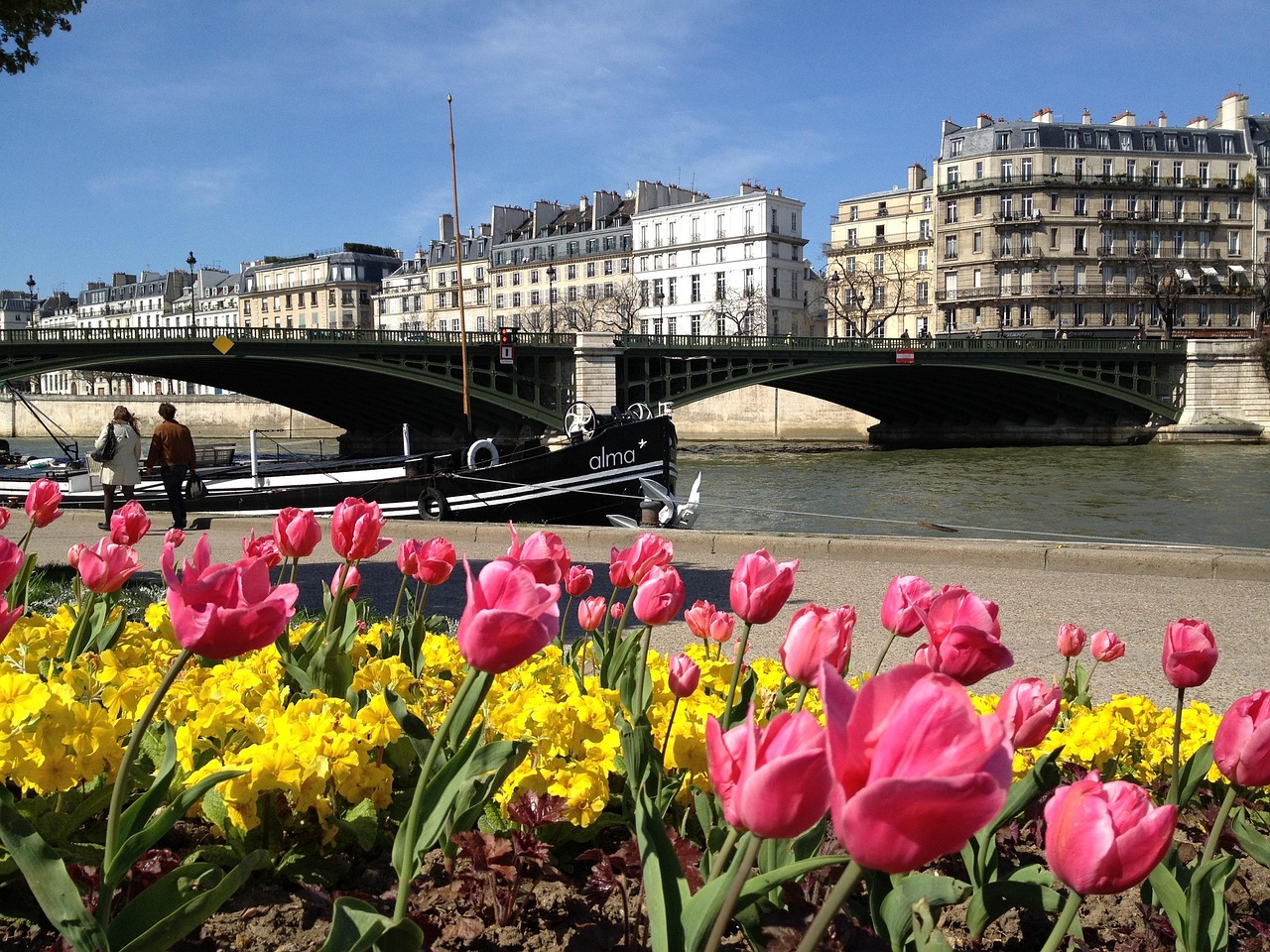
The best time to visit Paris, France, is in late spring and early autumn, when the light is soft, and the streets are lively without feeling overcrowded. “Time to visit” isn’t only about weather; it’s about atmosphere—terraces returning, gardens in Paris looking their best, and evenings that invite you outside. If you can, choose May–June or September–early October for pleasant temperatures and a calmer sense of space.
Arriving well matters, especially after a long flight. From Charles de Gaulle Airport, a standard taxi is perfectly workable, but a pre-booked private driver often turns arrival into a gentle exhale—no queues, no language pressure, and a calm route directly to your hotel. That small piece of Care can change the entire first day.
Time to visit and the soft-landing first afternoon
For the first time in Paris, I recommend choosing central Paris access while protecting quiet. Look for soundproofing, a strong concierge team, and a spa or wellness space—your own reset button. Saint-Germain and the Left Bank are particularly good for a first base: you can reach major attractions quickly, then retreat to quieter streets.
Reservations are the hidden luxury. Book ahead for tourist attractions and restaurants in Paris so your days feel intentional rather than reactive, especially for the Eiffel Tower and the Louvre. If you’re travelling in peak season, think weeks ahead for timed entries and signature tables.
- Before you fly: pre-book airport transfer, museum times, and one “anchor” dinner.
- On arrival: drop bags, take a short café terrace pause, then a gentle riverside stroll.
- Early night: keep it simple—room service, a warm bath, and sleep that resets you.
This is the kind of elegant beginning that lets you enjoy the city rather than recover from it.
Stay in Paris luxury hotels by arrondissement with confidence
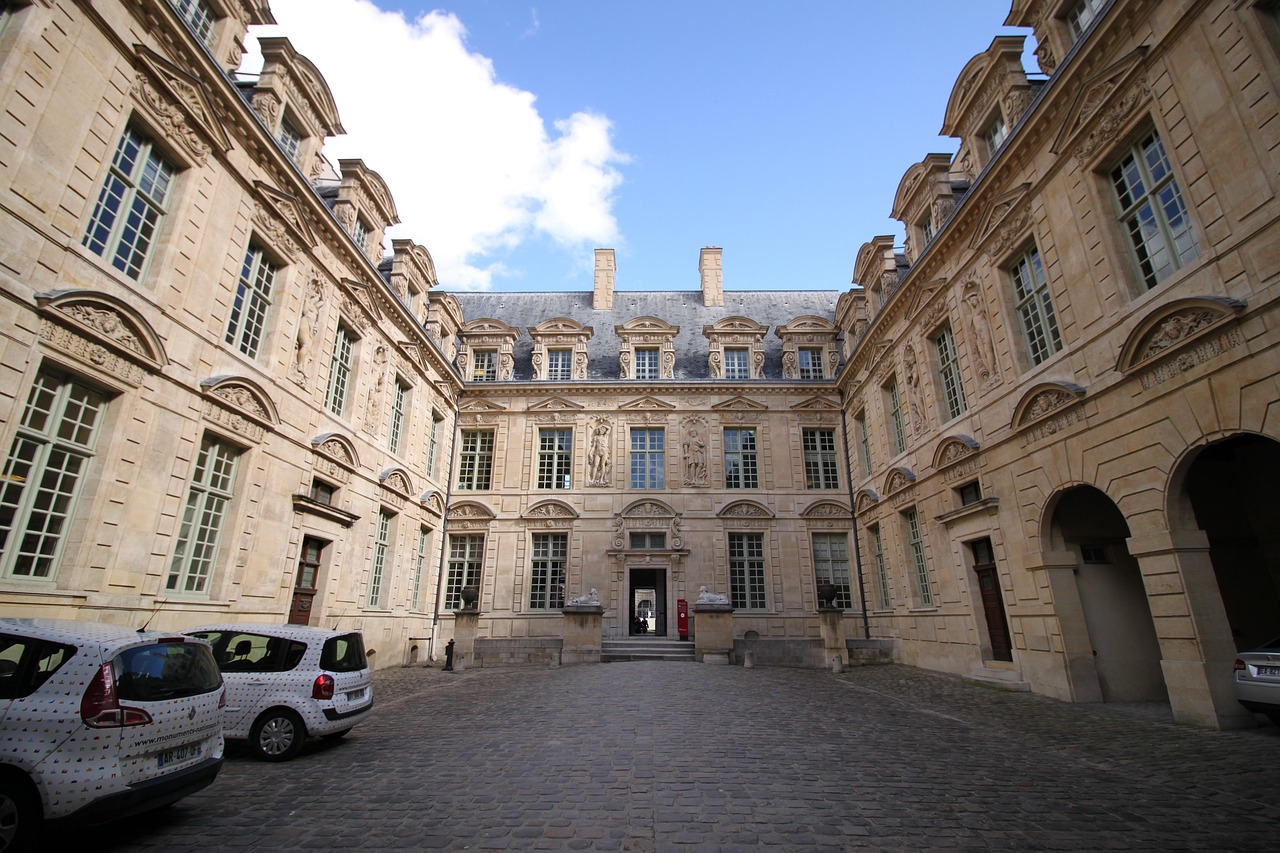
Stay in Paris with confidence by arrondissement and luxury hotel style
To stay in Paris luxury hotels by arrondissement is to choose a mood. An arrondissement is more than a number—it’s the texture of your mornings, the ease of your evenings, and the kind of street you return to after dinner. When the base is right, everything else becomes simpler: you step out, and Paris meets you halfway.
For high-end travellers, I like to translate the postcode into a feeling. Do you want literary charm and polished calm, gallery energy and boutique discoveries, or classic grandeur near the biggest avenues? Your answer shapes not just your hotel, but your whole sense of the city.
Stay in Paris, where the vibe matches your pace
Saint-Germain and the Left Bank suit travellers who love elegant cafés, bookshops, and understated luxury. It’s a refined base for museum afternoons and late-night walks, with a reassuring sense of order. Le Marais is art-led and design-forward, perfect if you want galleries, independent fashion, and courtyard cafés within easy reach. For classic Parisian glamour, the avenues near the Champs-Élysées offer polished service and effortless access to landmarks.
Decision filters that keep you in Confidence: walkability to your key museum choices, proximity to the metro without feeling on top of it, and “quiet-luxury” cues like discreet entrances, generous room size, and privacy-minded service. If you’re travelling with older family members, lift access and step-free entry are not afterthoughts—they’re part of Design.
Concierge Support that feels like magic
An excellent concierge can make Paris feel intimate. They can secure a last-minute table, align timed entry tickets, and recommend a guided tour that matches your interests rather than a generic script. I’ve watched plans transform in minutes: a fully booked dining room becomes a corner table, and a sold-out exhibition turns into a private slot because the request was made with the right tone and timing.
Before you book, ask for specifics: room views, quiet room placement, bedding preferences, late check-out, and car access for smooth pick-ups. When these details are handled upfront, your stay feels crafted rather than improvised.
Getting around Paris, metro, taxis private driver for Seamless ease
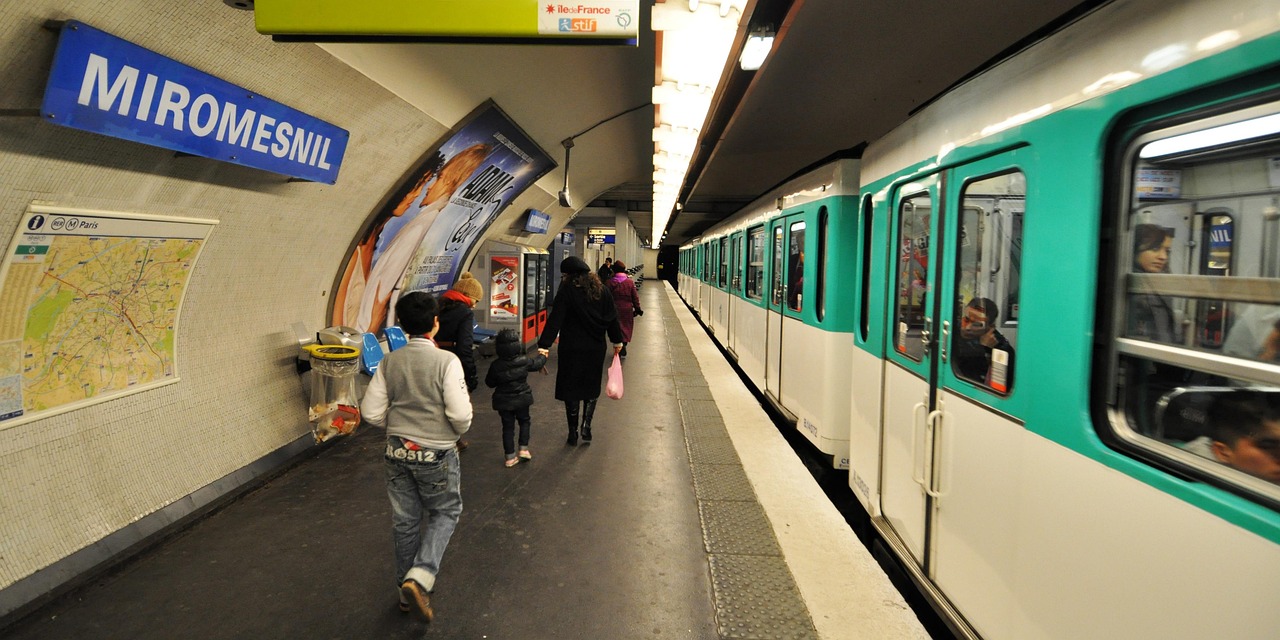
Getting around Paris the Seamless way with metro taxis and private driver
When it comes to getting around, Paris metro, taxis, and private driver options each have their moment. The Paris Metro is fast and efficient for straight lines across the city, taxis are ideal for door-to-door comfort, and a private driver is often the most protective choice when your schedule includes reservations, formalwear, or a tight museum window. For many travellers, the luxury isn’t the car itself—it’s the Seamless feeling of never being late.
Public transportation is part of the Paris experience, but you don’t need to force it at peak times. Avoid the morning and early-evening crush if you can, and use taxis after dark if that feels more comfortable. Keep valuables minimal and close, especially near major attraction zones.
Get around Paris with smart timing and calm routes
Plan mornings on foot where Paris is most beautiful: small streets, river edges, and gentle bridges. Then switch to car between appointments, especially if you’re crossing the city for dinner. This is how you “see the city” without arriving tired—walk for pleasure, drive for efficiency.
- Peak-hour avoidance: Schedule museum entry mid-morning or early afternoon, and travel between neighbourhoods outside rush.
- Belongings: Use a crossbody bag, keep phones away from train doors, and never place bags on chair backs.
- Comfort after dark: Choose well-lit streets and pre-arranged pick-ups for late reservations.
Ask your hotel to arrange pick-ups and coordinate timed entry with your driver. If accessibility matters, request vehicles with easier entry and discuss walking distances in advance—Support that lets everyone enjoy the day with Confidence.
Things to do in Paris: Eiffel Tower, Arc de Triomphe, Seine and the best things
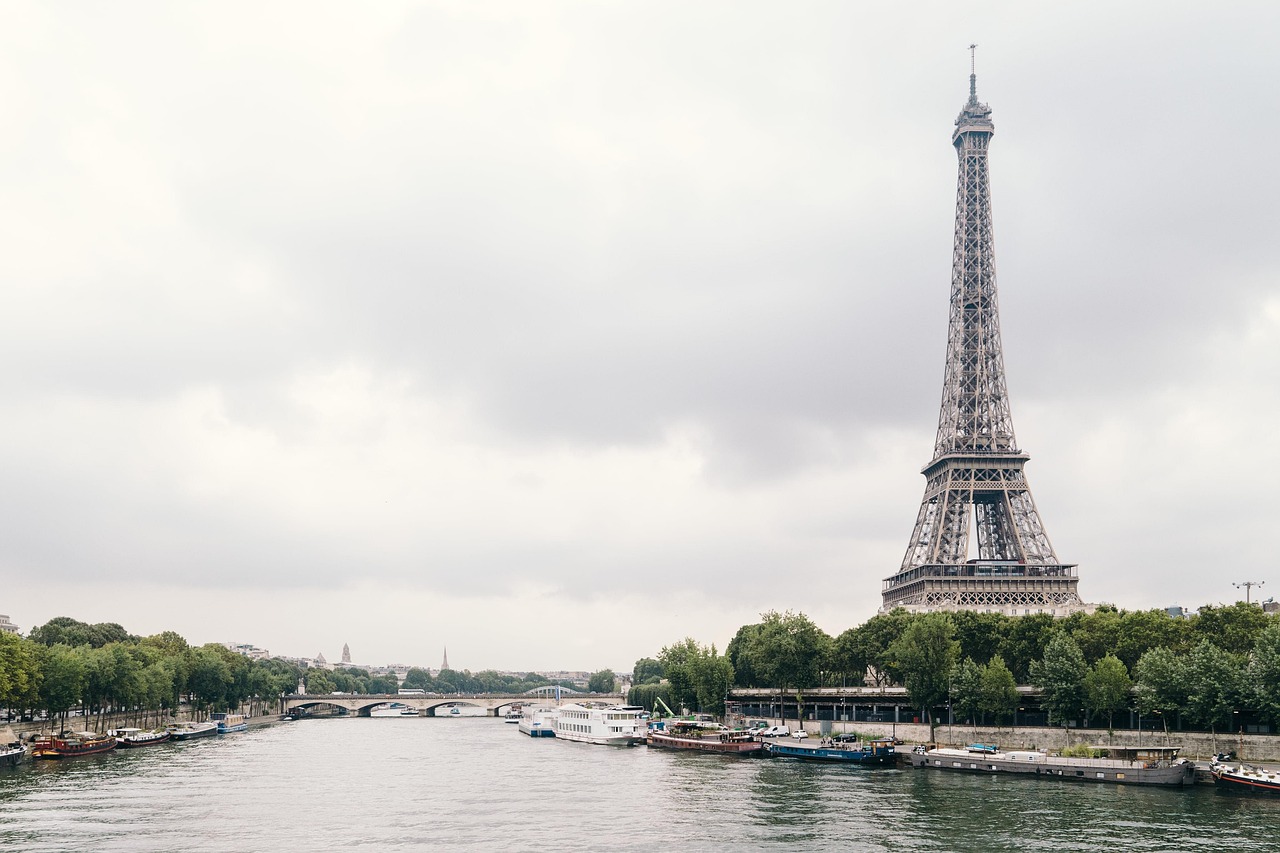
Things to do in Paris with the Eiffel Tower reimagined in luxury
This chapter is your things to do in Paris, the Eiffel Tower, the Arc de Triomphe, and the Seine, shortlisted, but reimagined through private access and elegant timing. The famous sights are worth it—truly—when you approach them with Expert pacing and a little local Insight. The goal is not to tick them off, but to feel them.
If you want the best things without the busiest moments, think in bookends: early starts, late finishes, and restorative pauses in between. Paris becomes more beautiful when you stop wrestling for space and start choosing your windows.
Eiffel Tower moments with private access and champagne
The Eiffel Tower is at its most memorable when you see the Eiffel Tower with a private guided tour and priority access. Add a champagne experience, and suddenly it isn’t just a landmark—it’s a celebration. If you want the best view of the Eiffel Tower, aim for late afternoon as the light softens, then stay through the first evening sparkle if your schedule allows.
To create a calmer experience, book a timed slot and let your guide manage security, lift logistics, and positioning for photos. From certain angles, you’ll catch a view of the Eiffel Tower framed by classic rooftops—one of those views in Paris that feels instantly cinematic.
Seine sparkle, Arc de Triomphe gold, and slow beauty near Notre Dame
A Seine evening can be the most effortless luxury of all. Choose a River Seine dinner cruise aboard a small yacht: linen tables, polished service, and the city turning luminous as you pass each pont. As the Seine reflects the lights, Paris feels like the City of Light in motion rather than a postcard.
For an elevated view of Paris, time the Arc de Triomphe for golden hour, arriving just before the busiest wave. From the top, the city’s avenues radiate outward with impressive symmetry. Nearby, the Notre Dame area is worth visiting for atmosphere: riverside walks, architectural context, and that sense of continuity even as restoration continues.
Between stops, take a refined pause in the Tuileries Garden. It’s a quiet reset: green symmetry, elegant chairs, and the permission to do nothing for a moment before dinner.
Paris guide Louvre after-hours museum in Paris Rodin Musée
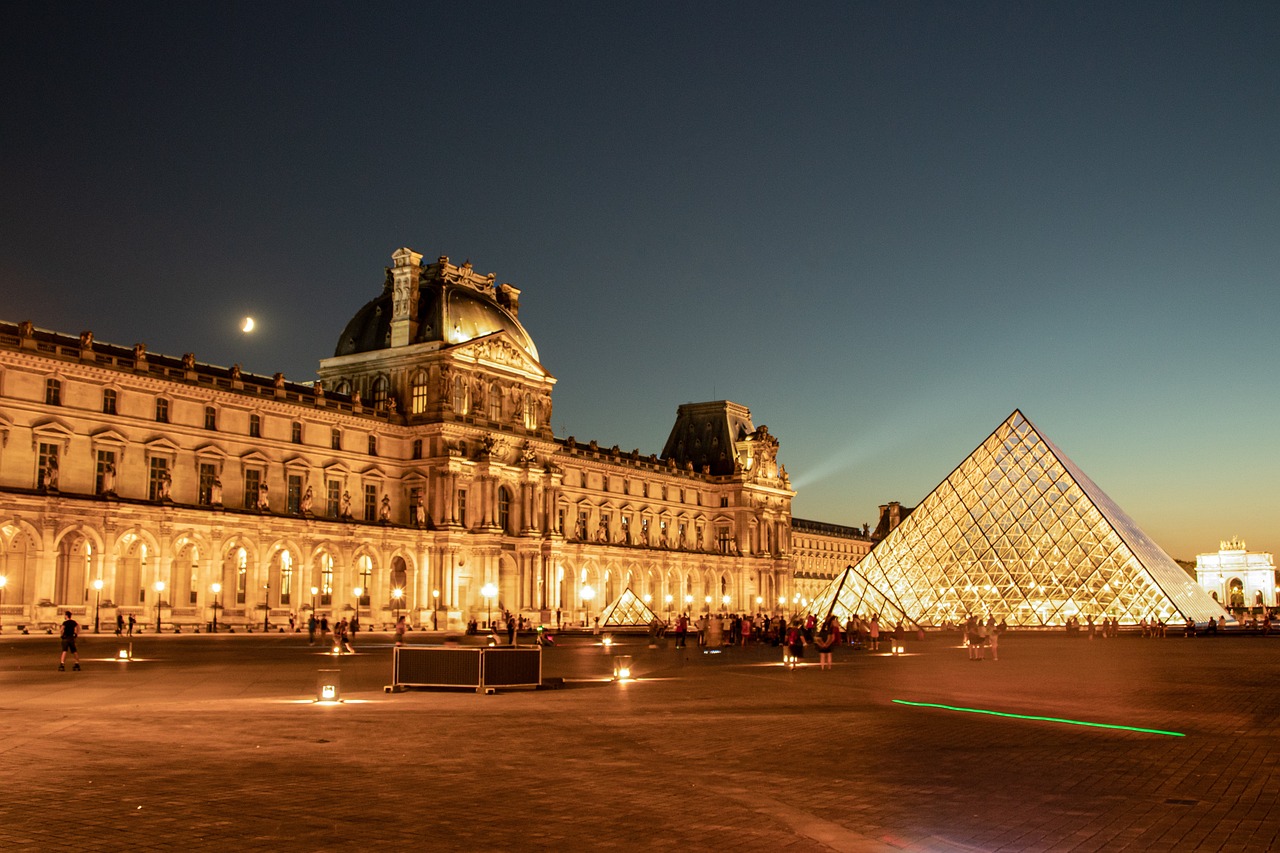
Paris guide to Louvre after hours and quiet masterpieces in a museum
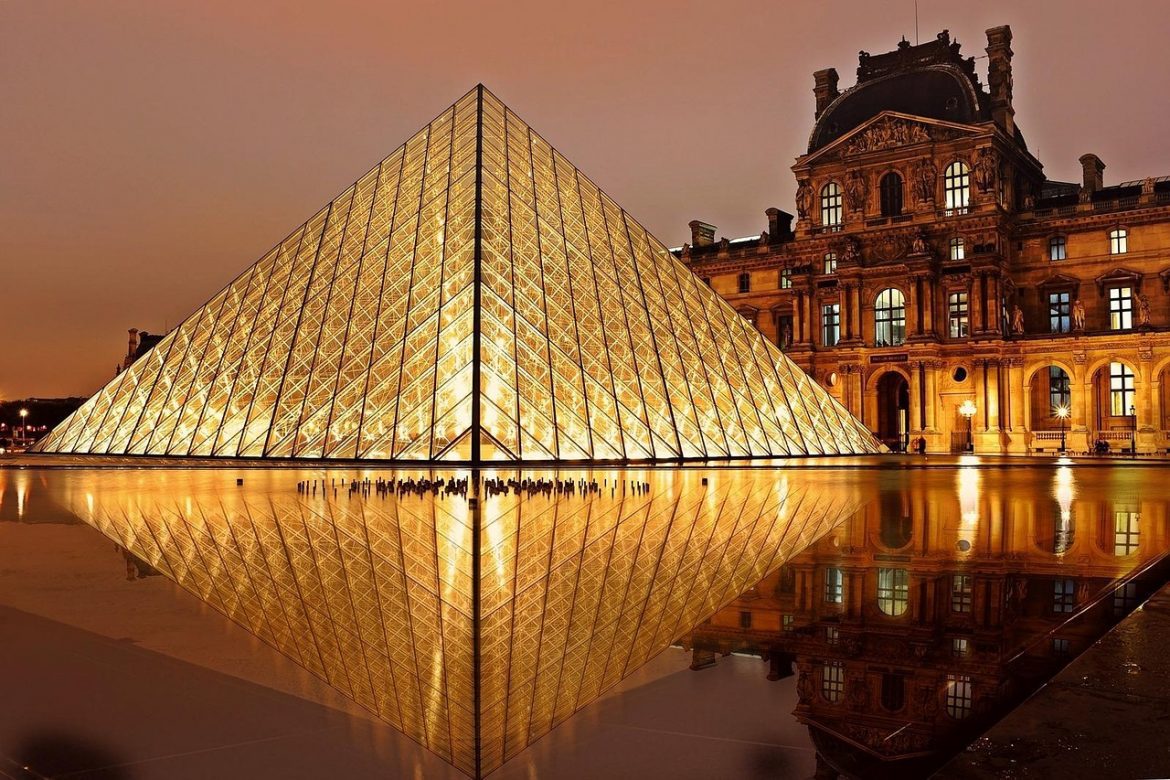
This Paris guide to the Louvre after-hours museum in Paris, the Rodin Musée approach is the difference between enduring crowds and feeling genuinely moved. The Louvre is extraordinary, but it’s also enormous; the most luxurious choice is to shape the visit so your attention stays bright. With the right timing, the Mona Lisa can feel close enough to breathe, and your experience becomes about art—not elbows.
Build your days around a museum rhythm. One major museum anchor per day is enough, especially if you want evenings for dining and music. Let the city remain restorative, not relentless.
Louvre after-hours strategy and private guiding
For the Louvre, look for after-hours sessions, evening openings, or the earliest timed entry available. Book timed entry online and consider a private guide who can design a route around your interests—Renaissance, sculpture, decorative arts—so you’re not walking miles just to say you did. A good guide also knows where to pause when rooms momentarily clear.
One gentle tip: if you can, avoid school-holiday afternoons. The Louvre rewards quieter hours, and you’ll notice details—glazes, marble softness, the hush of a gallery—that disappear in noise.
Rodin, Sainte-Chapelle, and the intimacy of a smaller musée
An art enthusiast once described their afternoon at the Rodin Museum as “solitude with company”—sculptures, gardens, and time that moved more slowly. The Rodin museum in Paris feels intimate because it invites lingering: a bench, a path through roses, a statue that looks different each time you return. If you’ve been craving quiet, this is your answer.
Sainte-Chapelle is the hidden gem I always uncover for travellers who think they’ve “seen it all”. The stained glass is astonishing, especially on a bright day when colour spills into the air. Pair it with nearby streets for an easy wander, and aim for an early timed slot to avoid a queue.
- Anchor: one big museum (Louvre, Musée d’Orsay, or similar).
- Light second act: a smaller musée like Rodin for calm, or a single exhibition.
- Recovery: a café stop and a short walk, then back to the hotel to reset before dinner.
For art lovers, optional add-ons should follow mood, not a checklist. Expert pacing beats accumulation every time.
Around Paris, Le Marais, Montmartre Latin Quarter walking tour
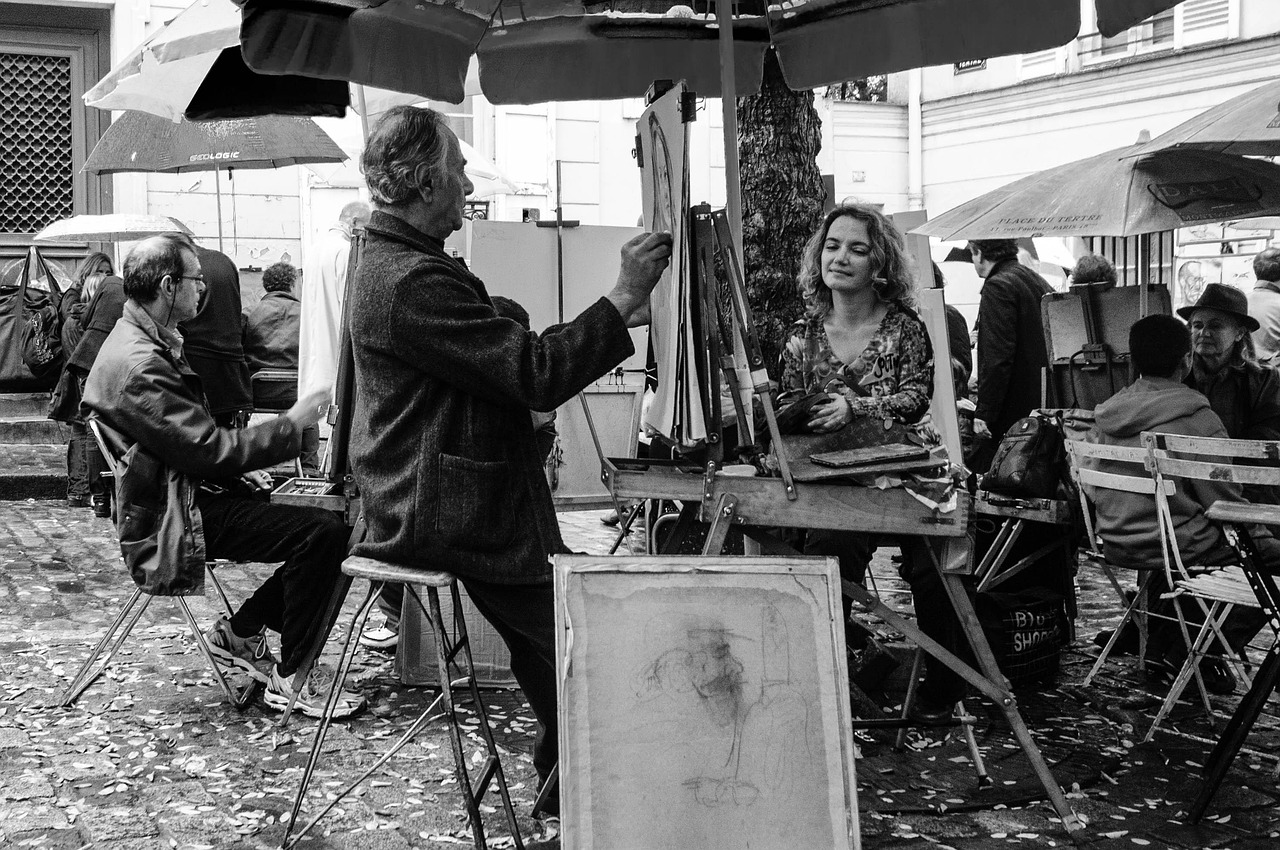
Around Paris neighbourhoods that feel Local from Le Marais to Montmartre
If you want to feel the energy of Paris Le Marais Montmartre Latin Quarter walking tour, start with the neighbourhoods rather than the monuments. This is where Paris becomes Local: small rituals, quick conversations, windows filled with pastries, and streets that change mood from one rue to the next. It’s also how you keep the city human-sized, even on a glamorous break.
Take these areas slowly, ideally in the morning or late afternoon. The best spots are rarely the loudest; they’re the ones you notice when you give yourself time.
Le Marais and a self-led walking tour through courtyards
Begin in Le Marais with a self-guided walking tour that moves between galleries, courtyards, and boutique shopping. Pop into a gallery without announcing it; linger at a book table; notice the doorways. This is one of the parts of Paris where design and history sit side by side, and it never feels forced.
Keep one eye on your timing: arrive before lunch to enjoy quieter lanes, then let your concierge place you at an elegant table away from the busiest squares.
Montmartre at dusk and Latin Quarter rituals
Montmartre is most moving at dusk. A traveller once reminisced about watching the sunset from the Montmartre hilltop, sharing a magical moment with street artists and local musicians. The key is to step slightly away from the tightest crowd pockets and let the scene come to you—music drifting, sketches appearing, the sky turning soft behind the rooftops.
Later, the Latin Quarter offers bookshops and classic cafés that link beautifully to a museum afternoon. Choose a gentle route that keeps you oriented: along the Seine, past familiar landmarks, then back into smaller streets for a final pastry stop. When you greet shopkeepers with Bonjour, Parisians often respond with a warmth that feels like a quiet exchange of Trust.
These small rituals—morning walks, market colour, a lingering café moment—are how you truly see the city.
Best shopping, Paris boutique, haute couture, perfume workshop, and design
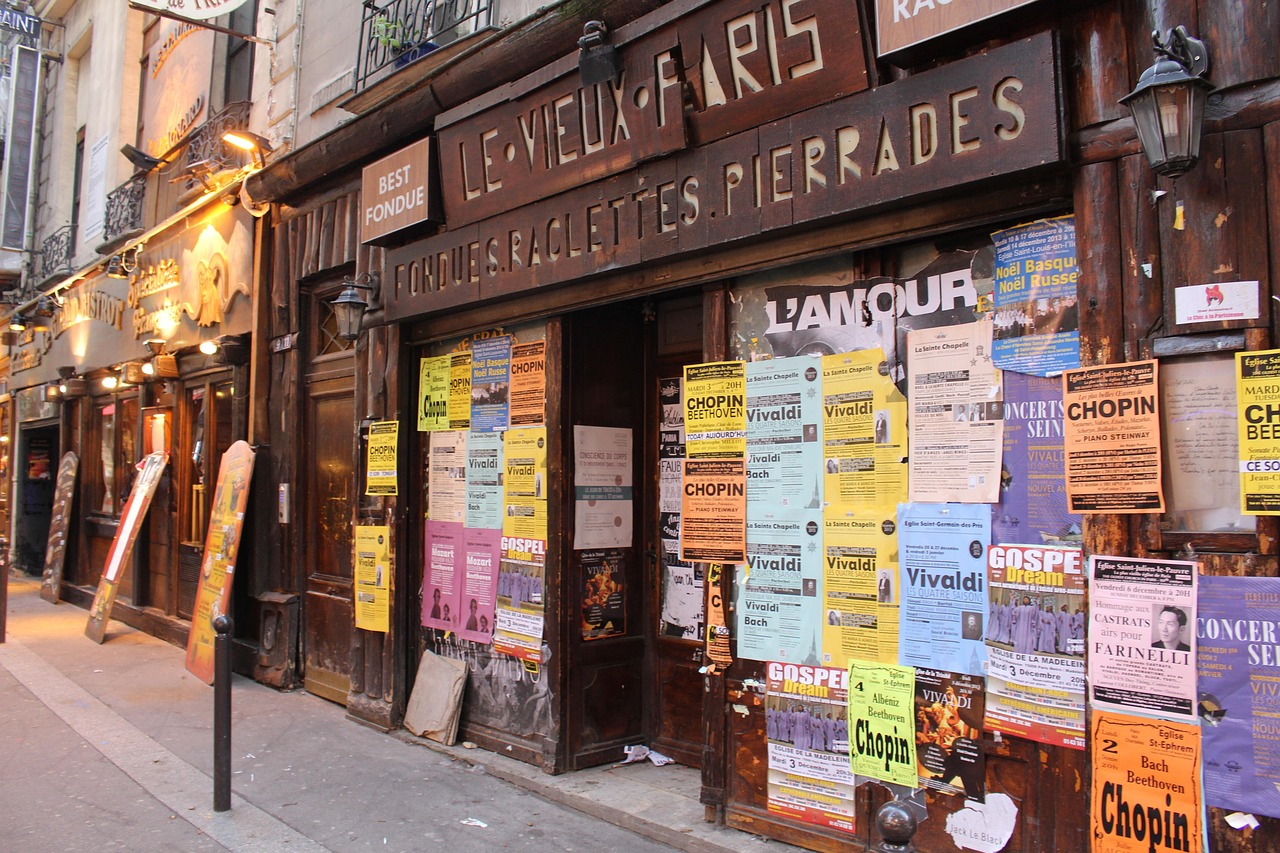
Design-led shopping with a Paris boutique day of fashion and fragrance
For the best shopping Paris boutique haute couture perfume workshop experiences, the secret is balance. Paris can overwhelm even seasoned fashion lovers if you try to do every department store, every atelier, and every address in one day. A crafted plan—one fashion moment, one fragrance moment, and one calm lunch—keeps the day elegant.
Let your concierge help you create a route that feels intentional. You’re not just buying; you’re participating in Parisian design culture, where quality and story matter as much as the label.
Boutique fashion and private haute couture previews
Fashion lovers often remember Paris for the intimacy behind the doors. One recalled the thrill of attending a private preview of haute couture collections in an intimate Parisian atelier. If you’d like something similar, ask your hotel to arrange an appointment rather than a “visit”; the language matters, and so does dressing elegantly.
Keep the experience Personal: mention the silhouettes you love, your preferred fabrics, and what you already wear at home. The best ateliers respond to clarity, and you’ll feel more confident in what you choose.
Vintage car romance and a bespoke perfume workshop
Luxury visitors have described feeling like royalty after a private vintage car tour through Paris’s historic streets, followed by a bespoke perfume workshop at a renowned fragrance house. It’s a perfect pairing: the city’s grandeur outside the window, then scent and skin and memory inside a quiet salon.
- Design-led morning: a small boutique visit and one atelier appointment.
- Midday restore: a long lunch, then a short walk to reset your senses.
- Afternoon scent: a perfume workshop, with packaging arranged for travel.
For beauty, look for the best French skincare at established maisons and reputable counters, and ask for authenticity confirmation when shopping in smaller stores. For tax-free basics, bring your passport and request careful packaging—especially for liquids.
A gentle etiquette note: a simple Bonjour opens interactions with warmth, and elegant dress codes are appreciated in upscale spaces. Those small gestures build Confidence and make your day feel genuinely Local.
Day trip to Versailles from Paris, Hall of Mirrors best ways
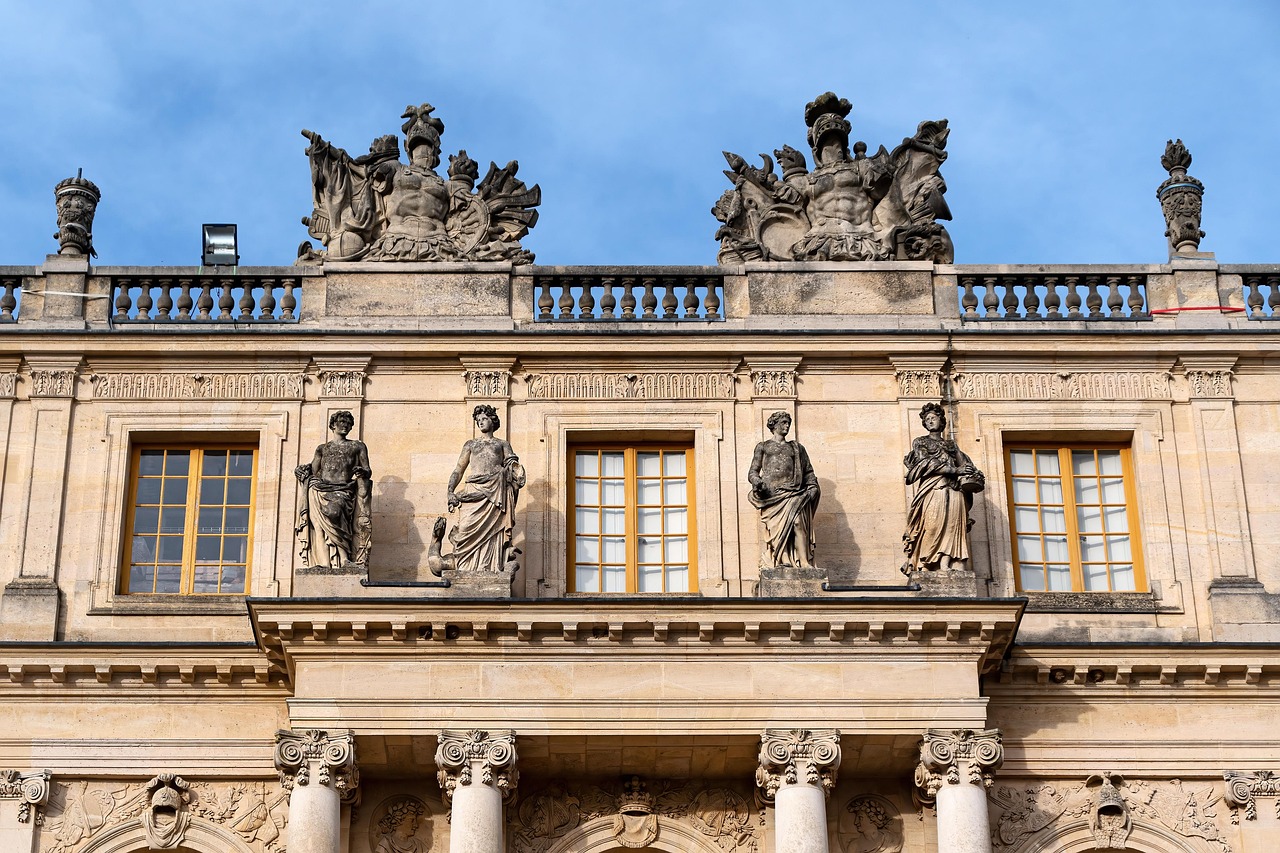
Versailles day trip crafted for elegance from Paris
A day trip to Versailles from Paris, the Hall of Mirrors experience is most beautiful when it’s planned with Expert timing. Versailles is magnificent, but it can be crowded; the luxury is arriving early, entering smoothly, and focusing on the rooms that matter to you. When Versailles is done well, it feels like a private lesson in light, power, and design.
Think of this as a single, elegant arc within your Paris stay—one grand excursion balanced by a gentle return to the city.
Versailles timing and guided focus
Depart early and pre-book entry so you bypass bottlenecks. A guided tour is worth it here: it keeps you moving intelligently, adds context without overload, and helps you focus on the Hall of Mirrors and key apartments without fatigue. Less can feel more when the experience is crafted, especially if you’d rather savour details than photograph everything.
If you’re considering which day to go, aim for a weekday outside school holidays when possible. If your schedule aligns with the first Sunday of a month, double-check openings and crowd patterns, as some museum policies can shift visitor flow.
Best ways to go and how to restore afterwards
The best ways to reach Versailles are by private driver or train, depending on your priorities. A private driver offers door-to-door ease and a calm return, particularly if you want to dress well, carry minimal, and avoid navigation. The train is efficient, but it’s less forgiving if you’re trying to protect energy.
Pair Versailles with a quiet lunch—somewhere you can sit long enough to feel your shoulders drop—then add a slow garden walk for countryside calm. On the return, come back into Paris for a relaxed evening near your hotel: perhaps a simple bottle of wine and something light, letting the day settle.
A quick value note: a Paris pass can make sense if you plan multiple ticketed entrances in a short period, but many high-end travellers prefer fewer, deeper visits with pre-booked timed entry instead.
F.A.Qs
Do and don’ts in Paris?
Do greet people with “Bonjour”, dress neatly for upscale venues, and book key experiences in advance. Do keep valuables secure in crowded areas and use hotel-arranged transport when you want extra ease. Don’t speak loudly in quiet spaces, don’t assume every restaurant can fit you in at the last minute, and don’t place phones or wallets in open pockets on the metro. Most of all, don’t over-plan—Paris is best when you leave room for spontaneity.
How many days are enough for visiting Paris?
For a first visit, four to five days is enough to enjoy Paris without rushing: one major museum day, one landmark day, one neighbourhood day, and space for shopping and long meals. If you can stay a full week, you’ll feel the city’s rhythm more deeply and can add a gentle Versailles excursion. Quality matters more than quantity, especially if you’re aiming for calm luxury.
What I wish I knew before going to Paris?
I wish I’d understood how much timed entry and smart pacing protect your joy. Paris can look effortless, but the best experiences—an after-hours Louvre visit, a private tower moment, a chef’s tasting menu—often require advance planning. I also wish I’d worried less about seeing everything and more about choosing what truly fits my taste. Paris is generous when you move slowly and trust your own instincts.
What is the best month to visit Paris?
May, June, and September are often ideal: pleasant weather, beautiful light, and fewer extremes than mid-summer. These months tend to offer a more comfortable balance of energy and breathing space, especially if you want terrace dining, garden walks, and evening strolls. If you’re sensitive to crowds, aim for early May or late September, and book your key reservations well ahead.
What stayed with me after Paris, France travel guide reflection, City of Light
After Paris, what lingers isn’t a list of achievements; it’s the feeling of being held by the city’s rhythm. The Seine at night, the hush inside a gallery, the scent you chose in a small salon, the way stone seems to warm as the sun drops—these are the quiet souvenirs. Even a simple Bonjour, exchanged with care, can stay with you longer than any photograph.
Paris rewards attention. When you choose slower mornings, you notice the light on a café table and the soft sound of footsteps in a passageway. When you give a museum room time, art stops being an “attraction” and becomes a conversation. And when you let music find you—perhaps in Montmartre, perhaps drifting across a bridge—you feel gently changed, not dazzled into exhaustion.
Some journeys are loud; Paris is often subtle. It invites you to return in another season, with the same Confidence in your own taste and the same Trust in an unhurried pace—because the City of Light is less a place you finish, and more a relationship you keep.