Visiting Paris Through a Cemetery in Paris Lens for a cultural walk
Visiting Paris Through a Cemetery in Paris Lens with art, nature and memory
This chapter begins with a simple idea: a visiting Paris cemetery in Paris cultural walk can be as revealing as a museum—only softer, greener, and more Personal. In Paris, a cemetery is not just a resting place; it’s a place where memory, design, and nature meet in a distinctly Parisian way. If you’re new to cemetery visits, it’s normal to feel unsure at the gates, especially in a city that moves fast everywhere else.
Imagine stepping into a cimetière and noticing how the city’s sound drops away. You’re still in Paris, yet you’re in a slower rhythm—where headstones sit beneath chestnut trees, and a single monument can hold an entire century of stories. With the right mindset, you can be curious without being intrusive, and that balance is where Trust begins.
Cemetery etiquette with Care so you can pay your respects
The most reassuring rule is also the simplest: move gently. Keep voices low, avoid loud phone calls, and don’t touch fragile carvings—many tombstone details and grave marker edges are delicate heritage rather than “stone that lasts forever”. If you pause to read inscriptions, stand to the side so others can pass, and treat every tomb as someone’s private world made public.
If you travel well—quietly, attentively—you’ll find the space gives something back. It becomes easier to notice the artistry in a weathered angel, the symmetry of a family chapel, or the way ivy softens a wall. That kind of Insight is why cemetery walks feel both cultured and calming.
Design your day by arrondissement energy and travel time
Paris rewards a Crafted plan. Before you go, check which arrondissement you’re in, because neighbourhood energy shifts fast: one arrondissement is café-bright and busy, the next feels residential and hushed. A morning cemetery visit followed by a long lunch can feel Seamless; trying to cross the city twice in rush hour rarely does.
To build Confidence, choose one cemetery as your “anchor”, then design the rest of the day around it: a nearby bakery stop, a gallery, or a small neighbourhood walk. You’re not doing “dark tourism”; you’re learning how Paris holds its history in plain sight.
- Respect: walk on paths, never step across graves, and treat every memorial as fragile.
- Sound: quiet conversations only—let the atmosphere do the talking.
- Time: slow down; the best moments arrive when you stop rushing.
With those ground rules, the experience becomes surprisingly reassuring—more like entering a calm archive than a place to fear. Next, we’ll uncover the setting that makes Père Lachaise feel like a city within the city.
Père Lachaise Cemetery Stories and Setting in Paris, France history opened in 1804
Père Lachaise Cemetery Stories and Setting with sculpture-lined paths
To understand the spell of this place, start with the basics: Père Lachaise Cemetery, Paris, France. The history of this place, opened in 1804, is more than a fact—it’s the beginning of a living archive. This burial ground grew into a Parisian necropolis and is often described as the largest cemetery in Paris, covering around 44 hectares (about 110 acres). That scale is why it can feel like an adventure: it’s not one lane, it’s a landscape.
There’s an old-world grandeur to the setting, but it isn’t theatrical. It’s intimate in moments: a small tomb tucked behind ferns, a name almost erased, a candle stub, a single rose. Even if you’ve seen Paris many times, the mood here can shift your pace and soften your gaze.
Père Lachaise Cemetery layout, cobblestones, mausoleum views
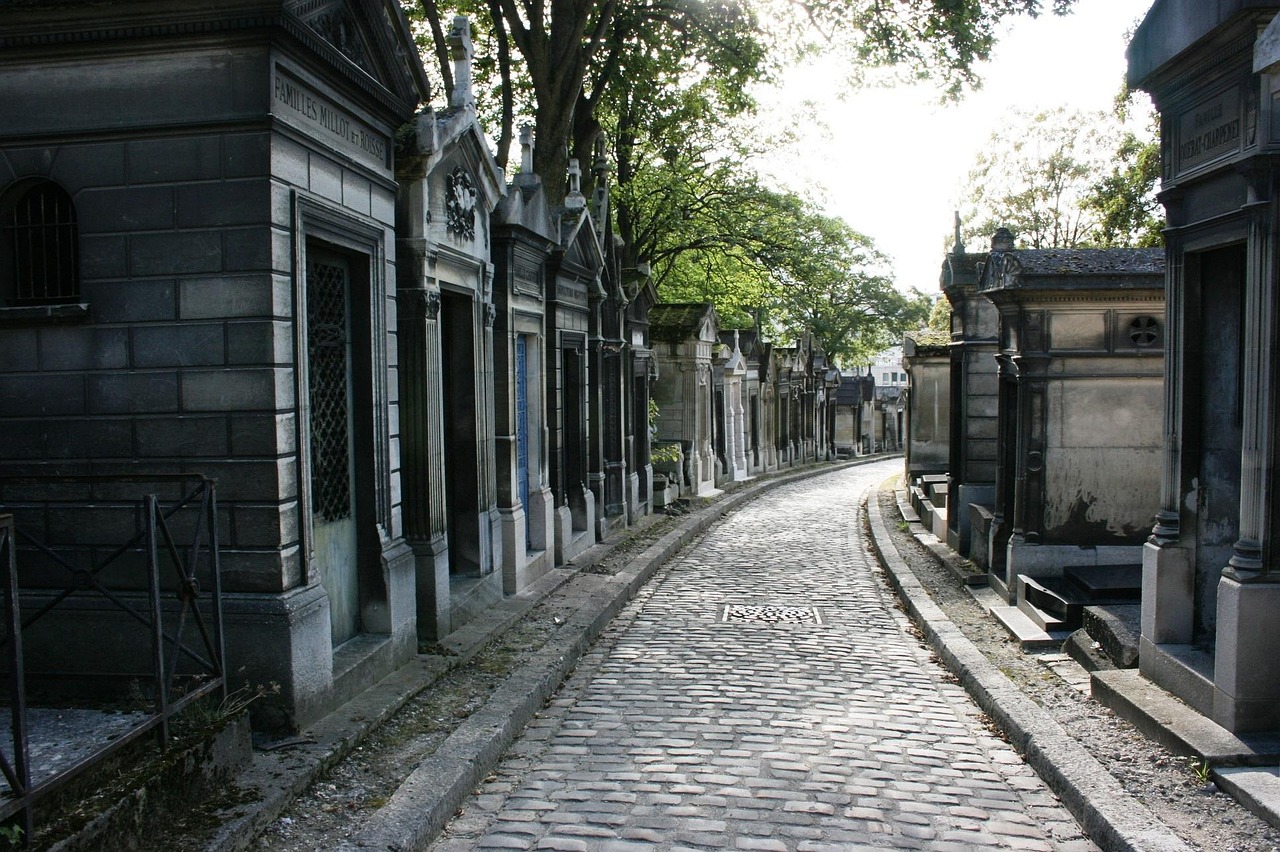
Expect winding paths, sudden turns, and cobblestones that ask you to walk with attention. Comfortable shoes matter—not just for distance, but for stability on uneven stone. In places, the hill rises to reveal a mausoleum-lined ridge and long sightlines that feel like a quiet city street built for the dead.
Because it’s such a large cemetery, it helps to think in “districts” within the grounds: clusters of family chapels, older sections with leaning headstones, and lanes where trees form a canopy. Give yourself time to explore without trying to see everything.
Open-air museum of funerary art and a Parisian necropolis
Père Lachaise is often described as an open-air museum, and you’ll understand why within minutes. Funerary art here ranges from modest plaques to elaborate stone scenes, and the craftsmanship is often signed, dated, and surprisingly modern in feeling. Look for symbols—broken columns, clasped hands, laurel wreaths—each a small language of grief and love.
You may also notice how nature collaborates: moss becomes velvet, rain darkens inscriptions, and sunlight catches carved faces. It’s not morbid; it’s simply honest about time.
Practical arrival: the nearest metro station is Père Lachaise (Lines 2 and 3). Arriving early morning can help you sidestep the overcrowding, and late afternoon brings softer light that flatters stone and bronze. When you’re ready, we’ll follow the names that draw most travellers in—and the deeper stories behind them.
Famous People Buried at Père Lachaise Cemetery route
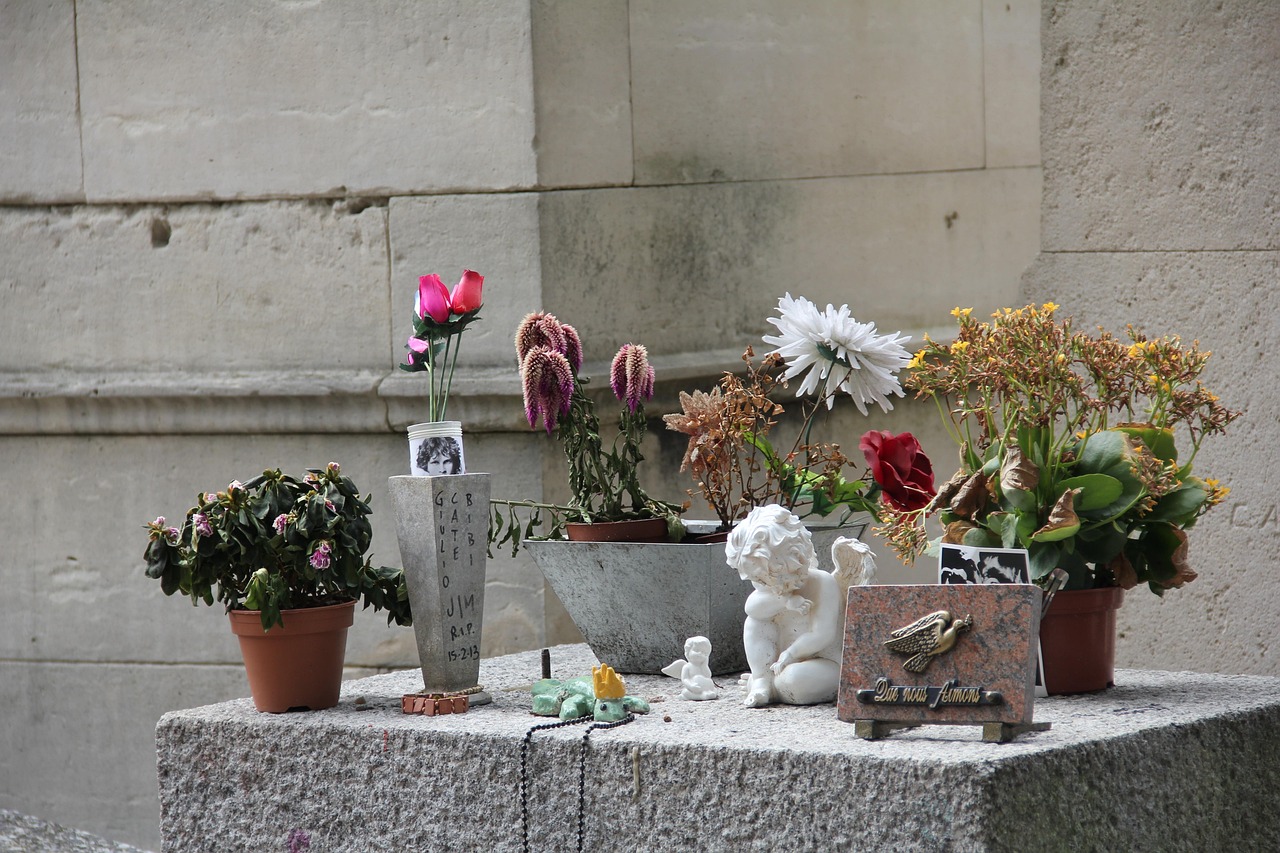
Famous People Buried at Père Lachaise Cemetery including Jim Morrison gatherings
If you’ve ever searched for people buried at Pere Lachaise, Jim Morrison, Oscar Wilde, Chopin, you’re not alone—this is the gateway for many first-timers. Yet the real gift of Père Lachaise is what happens after the headline names: you start to see how Paris honours artists, rebels, lovers, and thinkers side by side, each with their own kind of silence.
A story-led route works beautifully here. It gives structure without turning the experience into a checklist, and it lets you feel the emotional range of the cemetery—tender, grand, playful, and sometimes unexpectedly communal.
Père Lachaise Cemetery names with meaning, tombs and memorials
Begin with Oscar Wilde, where devotion often shows up in flowers and quiet pauses. Continue towards Jim Morrison, whose corner can feel like a living vignette—fans murmuring lyrics, sharing stories, and standing together as if the music is still echoing down the lane. Then make time for Frédéric Chopin; even if you’re not a classical devotee, the mood around his tomb can feel reverent in a way that steadies you.
Along the way, you may want to seek out Edith Piaf, Balzac, Gertrude Stein, Colette, Sarah Bernhardt, and Eugène Delacroix—names that turn your walk into a moving anthology. You’ll also find Marcel Proust, and it’s hard not to think of time and memory differently when you see Proust in stone rather than on a page.
Note for planning: if you’re following a map, verify exact locations on the official cemetery plan on the day. Sections can be easy to misread, and a “wrong turn” here is rarely a problem—it’s often where the best discoveries happen.
Buried at Pere Lachaise and the story of Lachaise in 1817
There’s a curious layer of Paris history hidden in plain sight: some celebrated figures weren’t originally here. In lachaise in 1817, the remains of Molière and Jean de la Fontaine were transferred, a move that helped establish the cemetery’s cultural gravity. It’s a reminder that cemeteries are shaped by the living as much as the dead—by politics, taste, and the stories a city chooses to tell.
If you’re seeking deeper context, look for the Mur des Fédérés in the des fédérés area. It can be a sobering moment: history becomes less “museum label” and more lived reality, held in a single wall.
- Keep it quiet near Jim Morrison: enjoy the atmosphere, but let others have space for reflection.
- Read the symbols: a carved lyre, a weeping figure, a clasped hand—small details can carry big meaning.
- Remember the headline isn’t the whole story: famous people are only the doorway to the cemetery’s wider human archive.
Once you’ve met the names, the next step is to create a walk that feels effortless—one that leaves room for surprise, art, and light.
Design a Père Lachaise cemetery in Paris
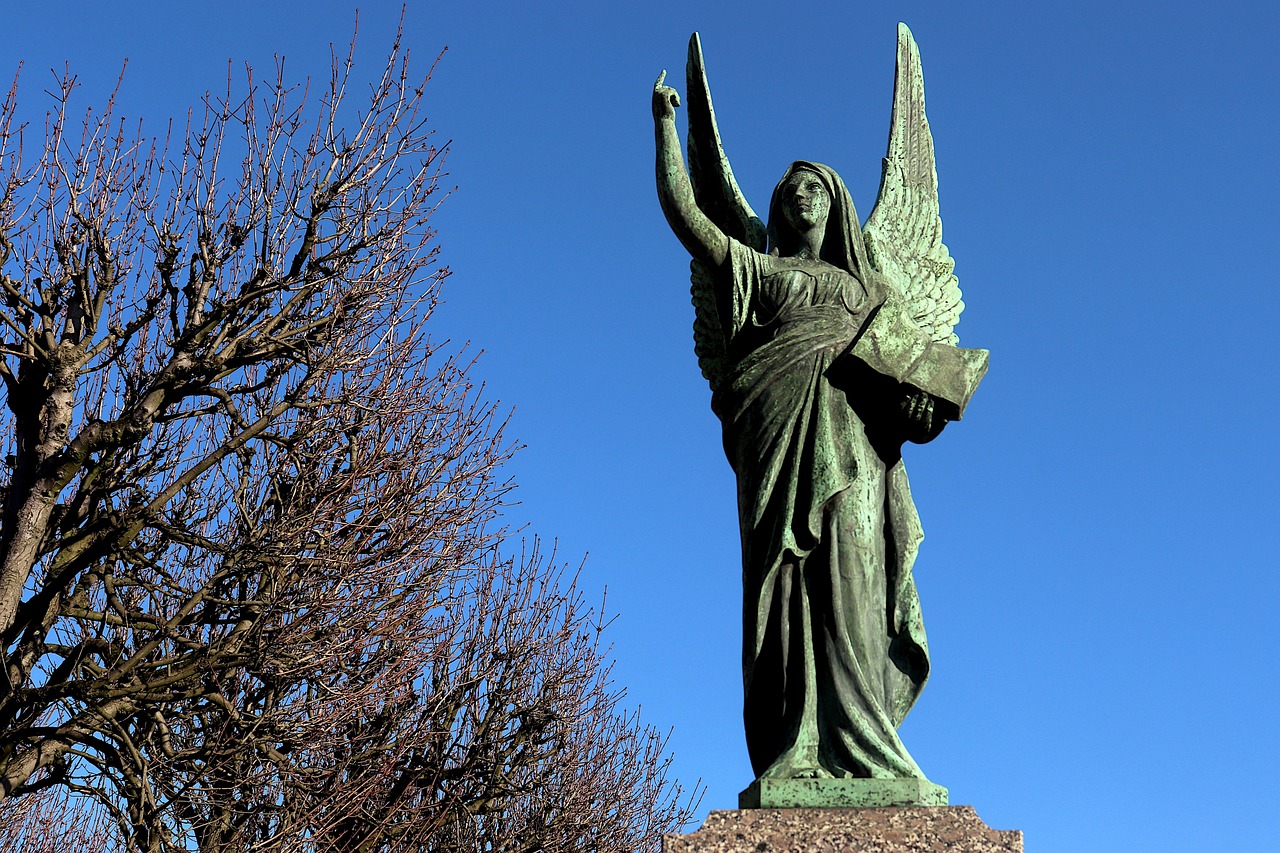
Design a Père Lachaise Cemetery Walk with tombs, memorials and works of art
For many travellers, the sweet spot is a Père Lachaise cemetery in Paris guided tour tomb memorial works of art approach—structured enough to be rich, relaxed enough to feel Personal. This is where a high-end travel mindset pays off: you’re not rushing to “do” a place; you’re letting it reveal itself with Expert support and time.
Plan on two to three hours so the cemetery doesn’t feel like an errand. If you have more time, linger in the quieter lanes, where the light changes minute by minute and the city feels far away.
Père Lachaise Cemetery walk loop for a Seamless visit
Design a simple loop: choose one entrance as your start, pick two or three anchor graves or monuments, then let the lanes between them be the experience. This keeps your walk crafted rather than tiring, and it leaves you free to pause when you find a memorial that speaks to you.
Many guided tour options are donation-supported, and that model can feel wonderfully human: you support local knowledge while receiving context you simply won’t get from a list of names. A good guide doesn’t just point; they uncover symbolism, explain why certain families built chapel-like structures, and share the social history behind styles of stone and inscription.
Photography with Care around a tomb, bronze statue and columbarium
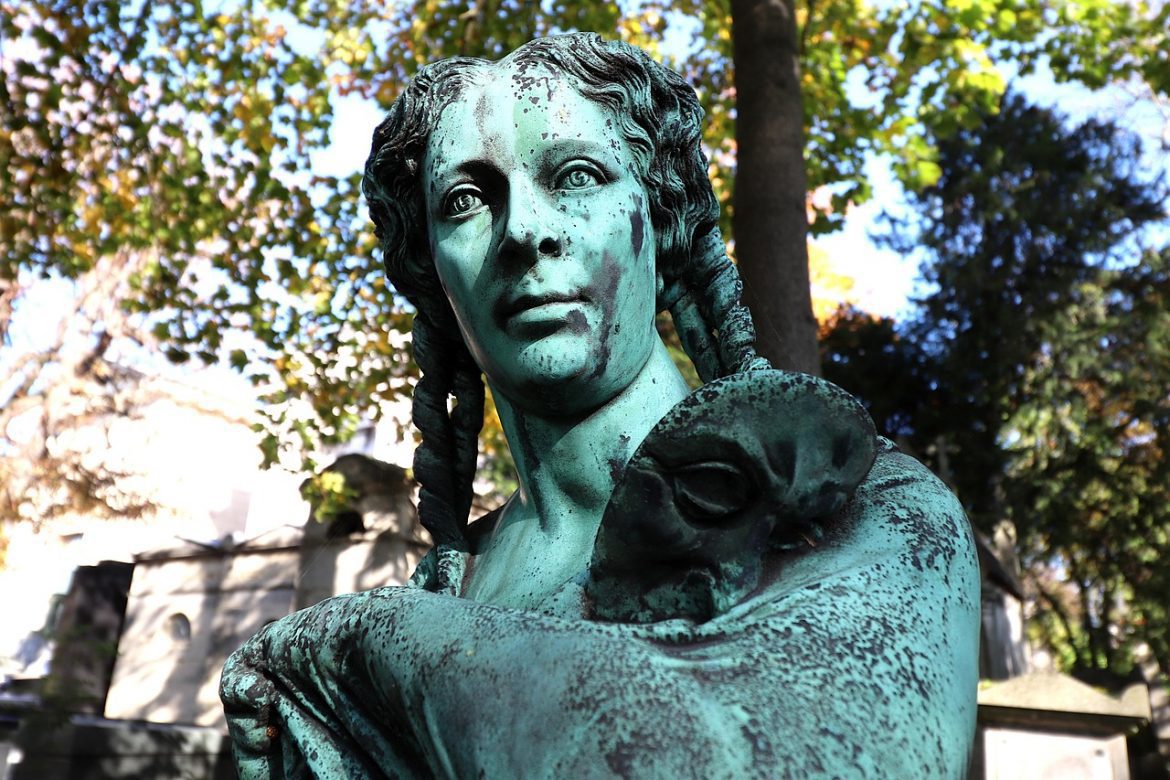
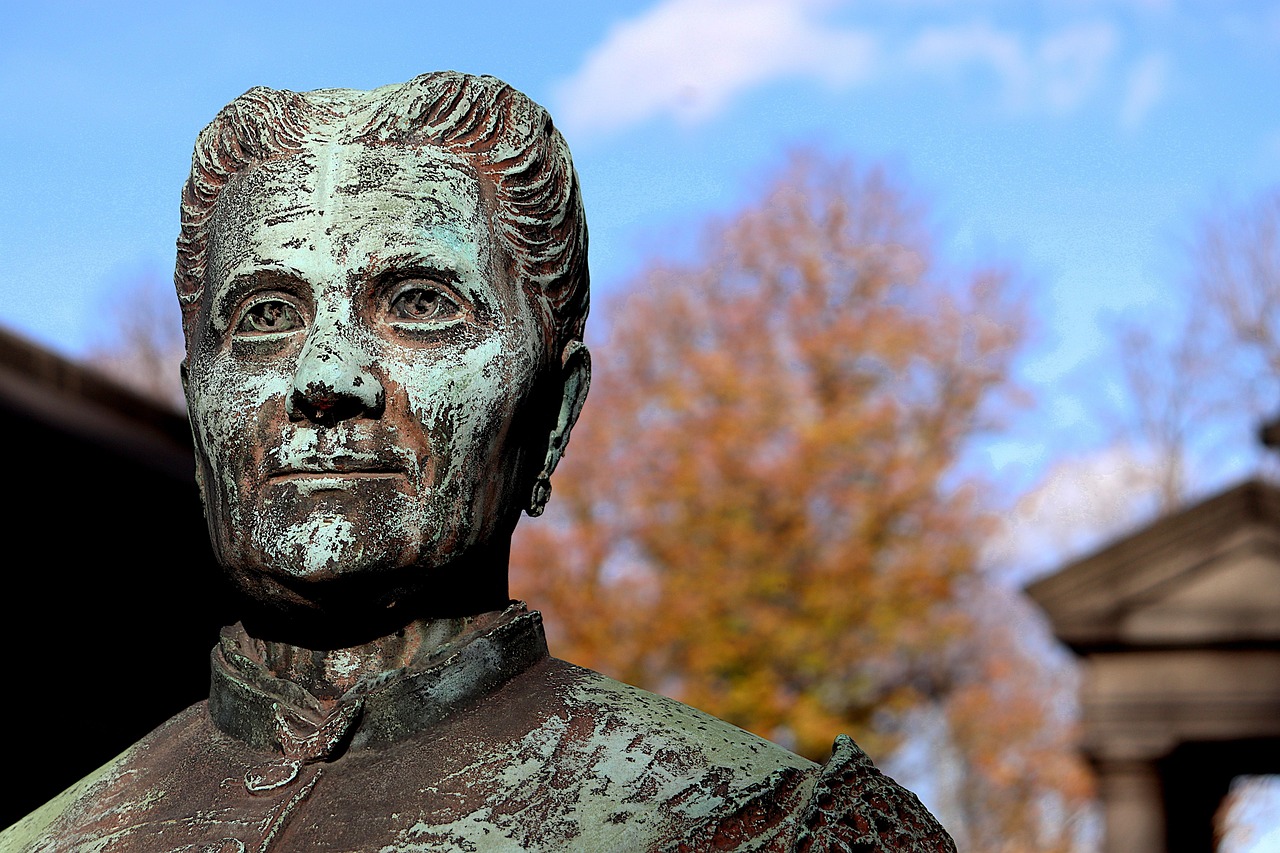
If you’re an adventure seeker with a camera, this is a dreamscape—moody alleys, weathered stone, and the occasional bronze statue catching a shard of sun. The best shots come when you slow down: shoot from paths, avoid leaning on graves, and never climb for a “better angle”. That’s not just etiquette; it’s basic Care for fragile surfaces and for other visitors’ experience.
Make time for details: the columbarium walls, carved family chapels, and discreet signatures. Occasionally, you’ll spot a plaque naming a sculptor, or an on-site label referencing a French painter or a painter and sculptor associated with the memorial’s design. If you notice the name Paul Moreau-Vauthier on a signature or panel, treat it as a prompt to look closer—these are the quiet breadcrumbs of French craft.
For a little extra inspiration while you plan your wider France journey, you can browse our Trip gallery and imagine how Paris fits into a more expansive cultural route.
When Père Lachaise feels full, there’s a calmer side of the city waiting—two cemeteries that offer beauty without the buzz.
Montmartre Cemetery, Montparnasse Cemetery
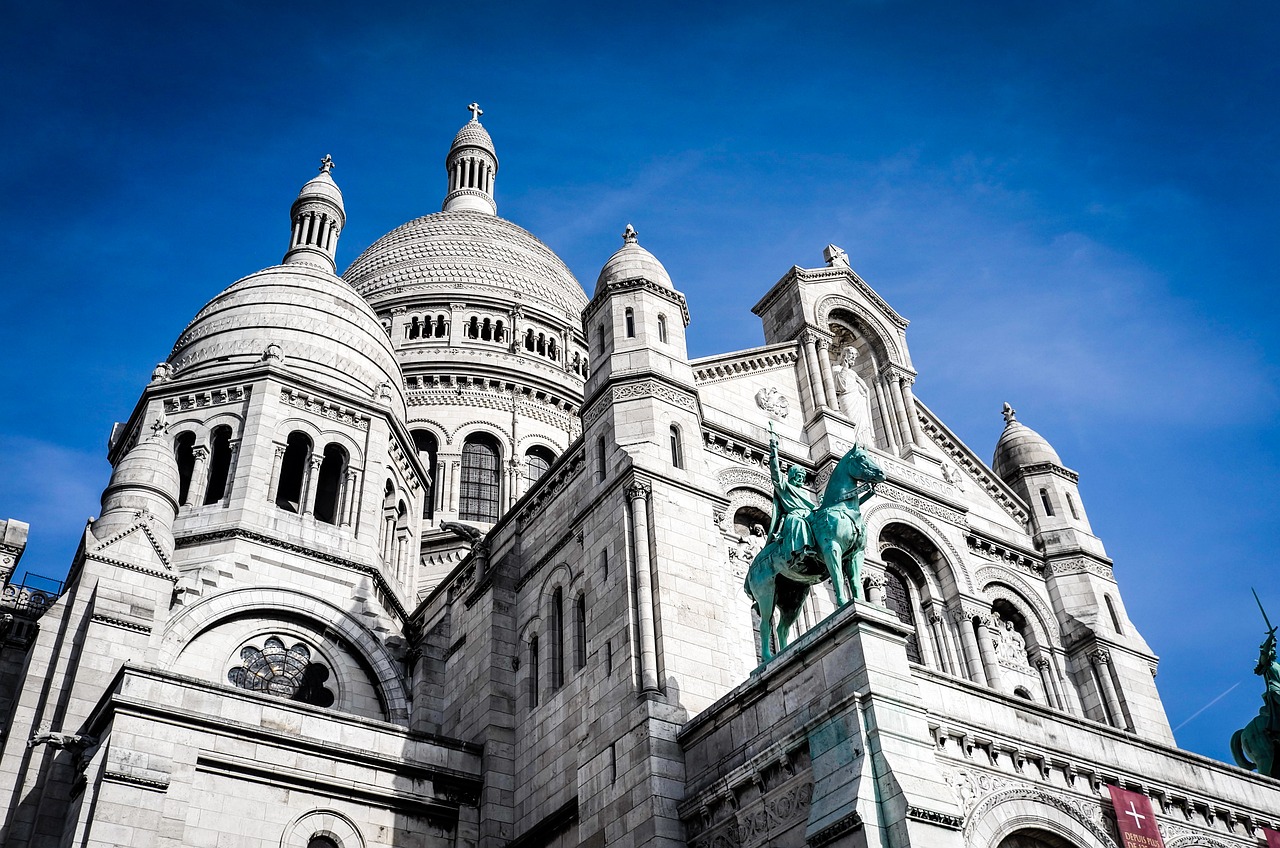
Montmartre and Montparnasse Cemetery Detours for quieter Paris cemetery walks
If your search has led you to Montmartre Cemetery, Montparnasse Cemetery, Paris, France, quieter cemeteries, you’re already thinking like a seasoned traveller. Montmartre and Montparnasse offer a different cadence—less pilgrimage, more pause. They’re still deeply Parisian, but the mood can be gentler, with tree-lined avenues and fewer “must-see” pressures.
This is also an elegant way to design your time by arrondissement. Montmartre sits in the north with hilltop energy nearby, while Montparnasse is more left-bank, literary, and spacious in feel.
Montmartre and Montparnasse Cemetery in Paris are accessible by metro station
Getting there can be Seamless when you keep it simple. For Montmartre, take Line 12 to Lamarck–Caulaincourt, then walk at an unhurried pace. For Montparnasse, Lines 4, 6, 12, and 13 connect you efficiently; it’s an area where a café stop feels like part of the ritual rather than a “break”.
Keep your day Crafted: one cemetery, one neighbourhood stroll, one good meal. You’ll experience more, not less, because your attention won’t be fragmented.
Photography Insight in late light among ivy-clad monuments
Photography lovers often talk about Montparnasse in particular—the ivy-clad monuments, softened edges, and the way late-afternoon light turns stone into something almost tactile. There’s a gentle decay-and-beauty contrast here that resonates emotionally, especially when the lanes are quiet enough to hear your own footsteps.
A Local note on etiquette and safety: keep bags close as you would anywhere in a city, watch your footing on uneven paths, and avoid stepping beyond the edges of the walkway. A cemetery invites closeness, but it also asks for boundaries—both for preservation and for respect.
- Best light: early morning or late afternoon for softer shadows and calmer lanes.
- Comfort: wear supportive shoes—cobblestones and slopes can be deceptively tiring.
- Reset: plan a nearby café moment to return to the city gently, not abruptly.
After several cemetery walks, the most meaningful part often isn’t what you photographed or ticked off—it’s what quietly shifts inside you.
What Stayed With You After the Père-Lachaise
This final note is for the feeling that follows: Père-Lachaise cemetery reflection, Paris, France, is not about what you “did”, but what stayed. You might remember a single lane where the trees formed a corridor of green, or the hush that settled when you paused by a modest tomb and realised how many lives Paris has held.
There can be mixed emotions—wonder, stillness, gratitude—sometimes all at once. And that’s not something to tidy away. A cemetery in Paris has a way of making the city feel more human: less like a stage set, more like a place where real people loved, worked, argued, created, and disappeared from view.
Perhaps you’ll carry home a detail: an inscription worn smooth by rain, the way a memorial catches the last light, or the quiet dignity of strangers moving carefully past one another. In that shared gentleness, curiosity and respect don’t compete—they belong together.
And when Paris calls again, it may not be the bright avenues you think of first, but a quieter corner—where a single statue, a name, or a tree-lined path waits patiently for your next moment of attention.