Post Contents
- Sapporo Hokkaido Travel Guide Essentials for a Seamless Arrival from New Chitose Airport and Sapporo Station
- Odori Park Sapporo Snow Festival snow sculptures and luxury experience in Sapporo City
- Sapporo Beer Museum tastings and Susukino nightlife luxury for connoisseurs
- Nijo Market Sapporo seafood and Moerenuma Park Isamu Noguchi calm design
- Mount Moiwa Ropeway views of the city and day trip near sapporo to Otaru and Jozankei
- What Stayed With Us After Sapporo
- F.A.Qs: Sapporo Japan attractions
Sapporo Hokkaido Travel Guide Essentials for a Seamless Arrival from New Chitose Airport and Sapporo Station
Sapporo Hokkaido Travel Guide Essentials for a Seamless Arrival from New Chitose Airport and Sapporo Station
This sapporo hokkaido travel guide for luxury arrival New Chitose Airport begins where comfort matters most: the landing. New Chitose Airport is the nearest airport for most international routes into Hokkaido’s capital, and you can choose between the fast JR train and a private car with discreet support. The train is efficient and reassuring after a long flight; a private transfer is the most seamless option if you’re carrying winter gear, travelling together, or simply want quiet space to reset.
For domestic hops, Okadama Airport can be useful for quick connections from other regions of Japan’s north. If you’re arriving from elsewhere by shinkansen, you’ll typically connect via Hakodate before continuing onward—still straightforward, but best designed with time buffers for an unhurried arrival.
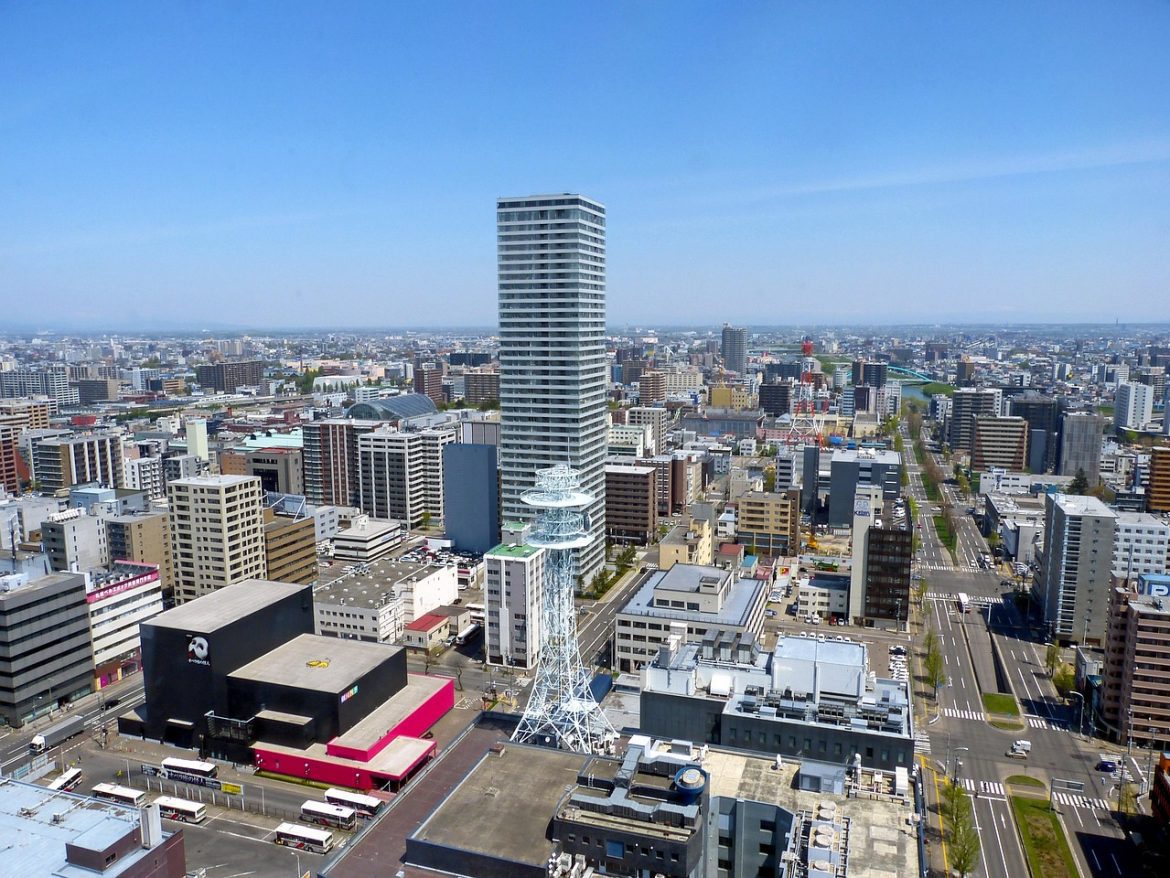
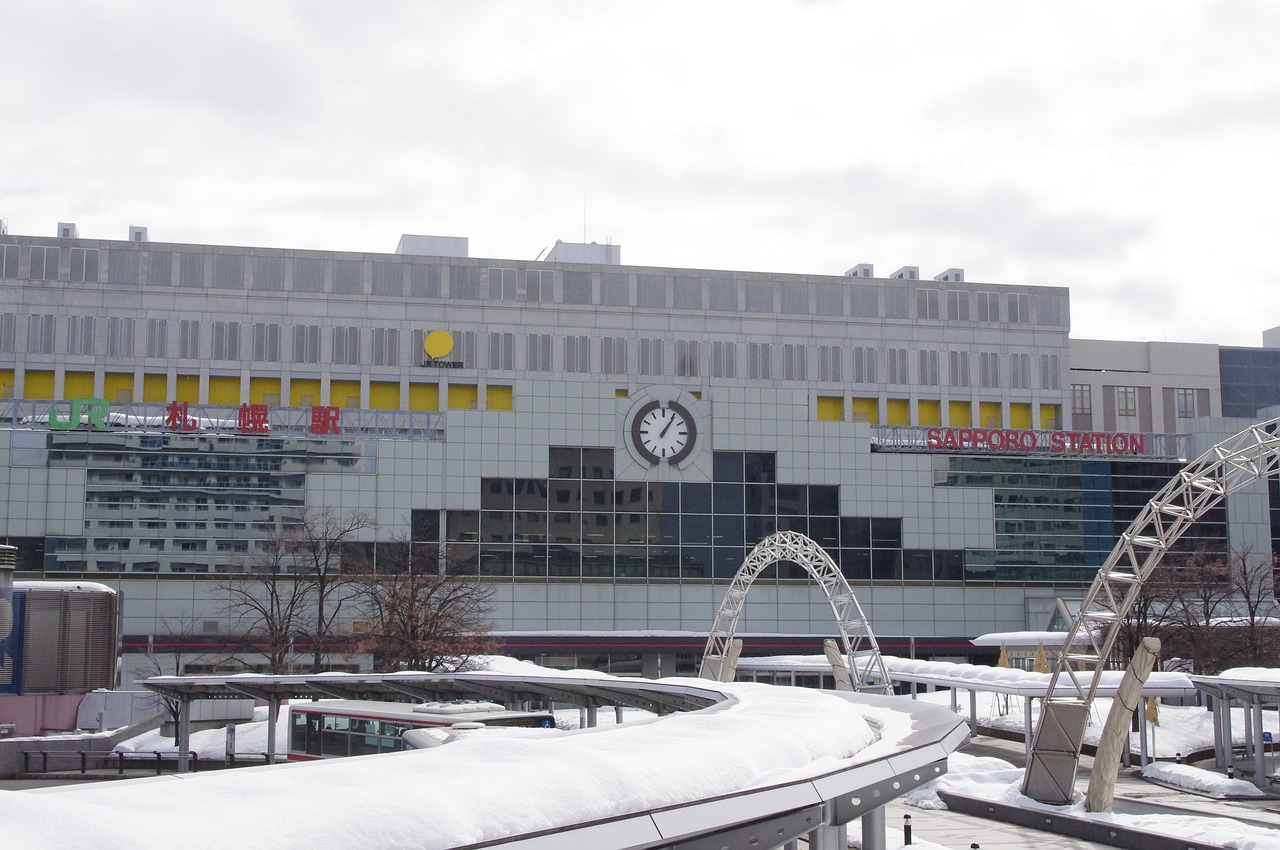
Start at Sapporo Station and treat it as your compass point. The underground walkways link major blocks of the city centre and keep you sheltered in winter; they also help you move between department stores, a subway station, and key hotels without fuss. Sapporo’s city blocks are neatly planned, so once you understand the grid, the heart of sapporo feels immediately readable rather than overwhelming.
If you’d like a gentle first orientation, do the classic walk from jr sapporo station to the Sapporo clock tower, then continue to the government office area for an elegant snapshot of the city’s history. Nearby, Sapporo Factory is worth a quick look for its airy atrium—useful for a warm coffee pause and a boutique browse when the weather turns.
Where to stay for a prime location in the city centre
To match the pace of your trip, base yourself either near Odori Park for quiet elegance or closer to the Susukino area for late-night energy and easy dining. Odori-side stays feel calmer, with quick access to museums and morning walks; Susukino sits closer to the entertainment district, best enjoyed when you have concierge guidance and trusted transfers back to your hotel.
- Best time to visit: February for festival atmosphere, or June for mild weather and lush greenery.
- Etiquette that builds confidence: remove shoes indoors, and be punctual for tours and reservations.
- Comfort in winter: dress in layers and choose waterproof boots for warmth and care on snowy pavements.
With the basics handled, you can relax into discovery—knowing the city centre and city centre links are working for you, not against you.


Odori Park Sapporo Snow Festival snow sculptures and luxury experience in Sapporo City
Odori Park and the Snow Festival Winter Magic in Sapporo City
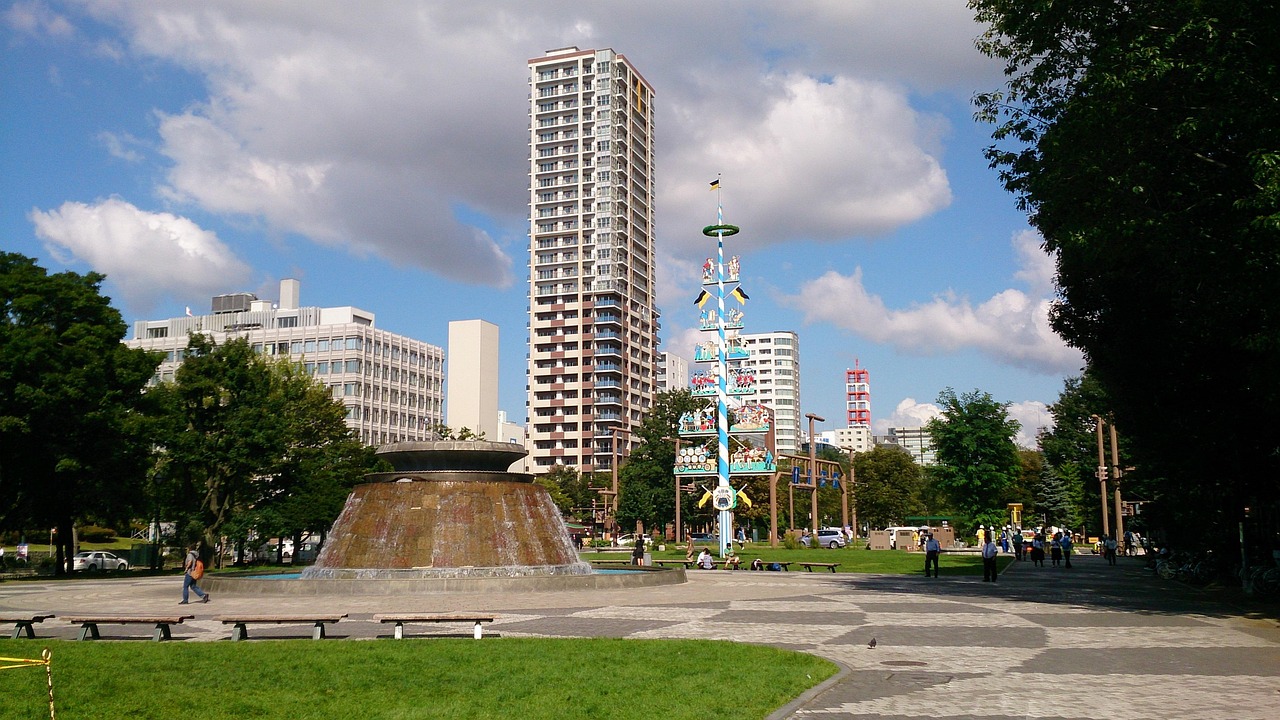
For many travellers, odori park sapporo snow festival snow sculptures luxury experience is the moment Sapporo becomes world-famous in the imagination. The main venue stretches along Odori Park, with additional displays in the Susukino district and other nearby sites, creating an evening rhythm of light, art, and warm drinks. Come at dusk, when illumination turns the park into a softly theatrical promenade and you can explore without the daytime bustle.
One of our favourite ways to create an elevated visit is to plan a timed entry approach: arrive early for the largest works, then return later for the romantic, quieter glow. The Sapporo TV Tower stands at the eastern end of the park and offers a clear perspective on the festival layout—an easy way to feel oriented, rather than swept along.
Odori Park views from the Sapporo TV Tower observation deck
Reserve a short window for the Sapporo TV Tower observation deck, ideally just before full dark. You’ll get a refined photo moment that captures the geometry of Odori Park without crowd stress, and it’s a practical way to understand how to move between sculptures and warming stops. If you’re staying in the city centre, it’s also simple to walk from odori park back to your hotel with confidence.
Private guide insight at the annual Sapporo Snow Festival
Emma, a luxury traveller we worked with, chose a private guided tour of the annual sapporo snow festival and described it as “the difference between seeing it and understanding it”. Her expert guide helped her uncover smaller, hidden pieces tucked between the headline installations, and even introduced her to local artisans shaping details you might otherwise miss. That personal exchange—brief, warm, and respectful—became her favourite memory of Sapporo’s winter.
For a playful winter sports flavour, the festival areas often include skating and family-friendly zones, and it’s easy to add sledding or a short outing beyond the city. Keep your comfort front of mind: layers, heat packs, and waterproof boots help you enjoy the cold rather than endure it.
Not visiting in February? Odori Park still holds its charm, with seasonal events across the year. In warmer months, you’ll find a calmer, greener promenade that invites slow coffee stops and unhurried people-watching—Sapporo at its most breathable.
Sapporo Beer Museum tastings and Susukino nightlife luxury for connoisseurs
Sapporo Beer Museum and Susukino Nights Crafted for Connoisseurs
Plan an evening around sapporo beer museum tastings susukino nightlife luxury and you’ll see how Sapporo balances heritage with pleasure. Entry to the Sapporo Beer Museum is free, and tastings are available for a small fee—simple, transparent, and ideal for travellers who like their experiences well-defined. The museum traces brewing roots back to 1877 in the Meiji era, giving context to what you’re sipping and why it matters in Hokkaido’s modern identity.
If you want something more crafted, ask your hotel concierge to arrange a curated session rather than arriving at random. It’s a small decision that adds ease: fewer queues, better pacing, and guidance that suits your taste.
Cellar tastings and a crafted pairing plan in Sapporo
An adventurous couple once told us their highlight was an intimate cellar tasting guided by a knowledgeable sommelier. Together, they tried rare craft pours and learned how temperature, glassware, and food pairings change what you notice. They loved the quiet confidence of being led—supported, yet free to react in their own way.
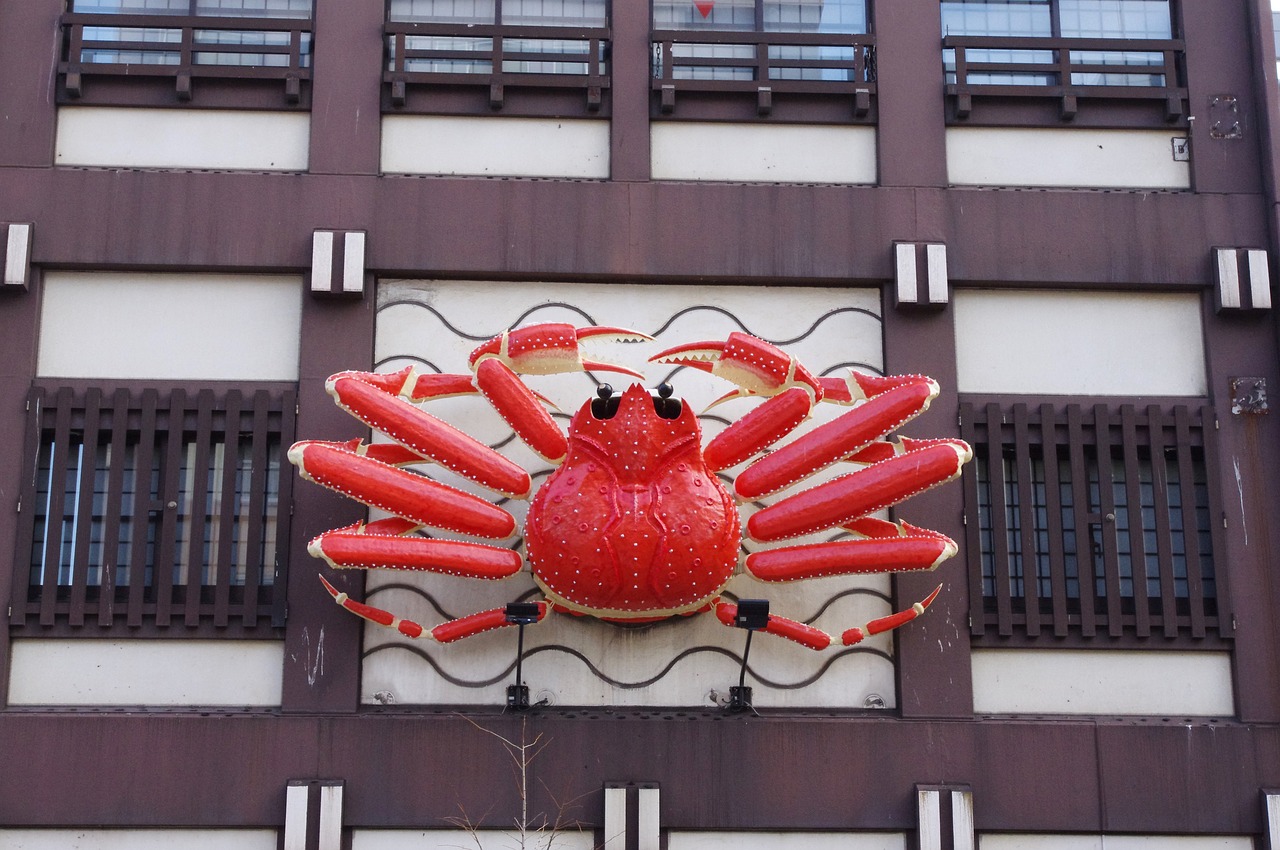
For a classic Hokkaido evening, continue into traditional beer halls for jingisukan—also known as Genghis Khan—where mutton is grilled at the table with vegetables. It’s hearty, social, and surprisingly elegant when you choose a well-run room with good ventilation and attentive service.
Susukino ramen culture and the entertainment district after dark
Before you dip into Susukino, build in a quick, high-quality ramen stop. Start with miso ramen, then wander ramen alley and ramen yokocho for a short, satisfying bite that still feels authentic. This is where “Sapporo ramen” becomes more than a phrase—it becomes a local ritual you can enjoy without sacrificing standards.
- After-dark care: use your concierge for tables and taxi coordination, especially on weekends.
- How to enjoy nightlife well: aim for one or two places, not five—quality over quantity keeps the evening graceful.
- Small reassurance: carry cash for smaller bars, and confirm last entry times to avoid stress.
Susukino nightlife can be vibrant, but it’s best approached with trust: a clear plan, a comfortable route home, and the freedom to linger only as long as it feels right.
Nijo Market Sapporo seafood and Moerenuma Park Isamu Noguchi calm design
Nijo Market to Moerenuma Park Sapporo’s Food and Design-Led Green Space
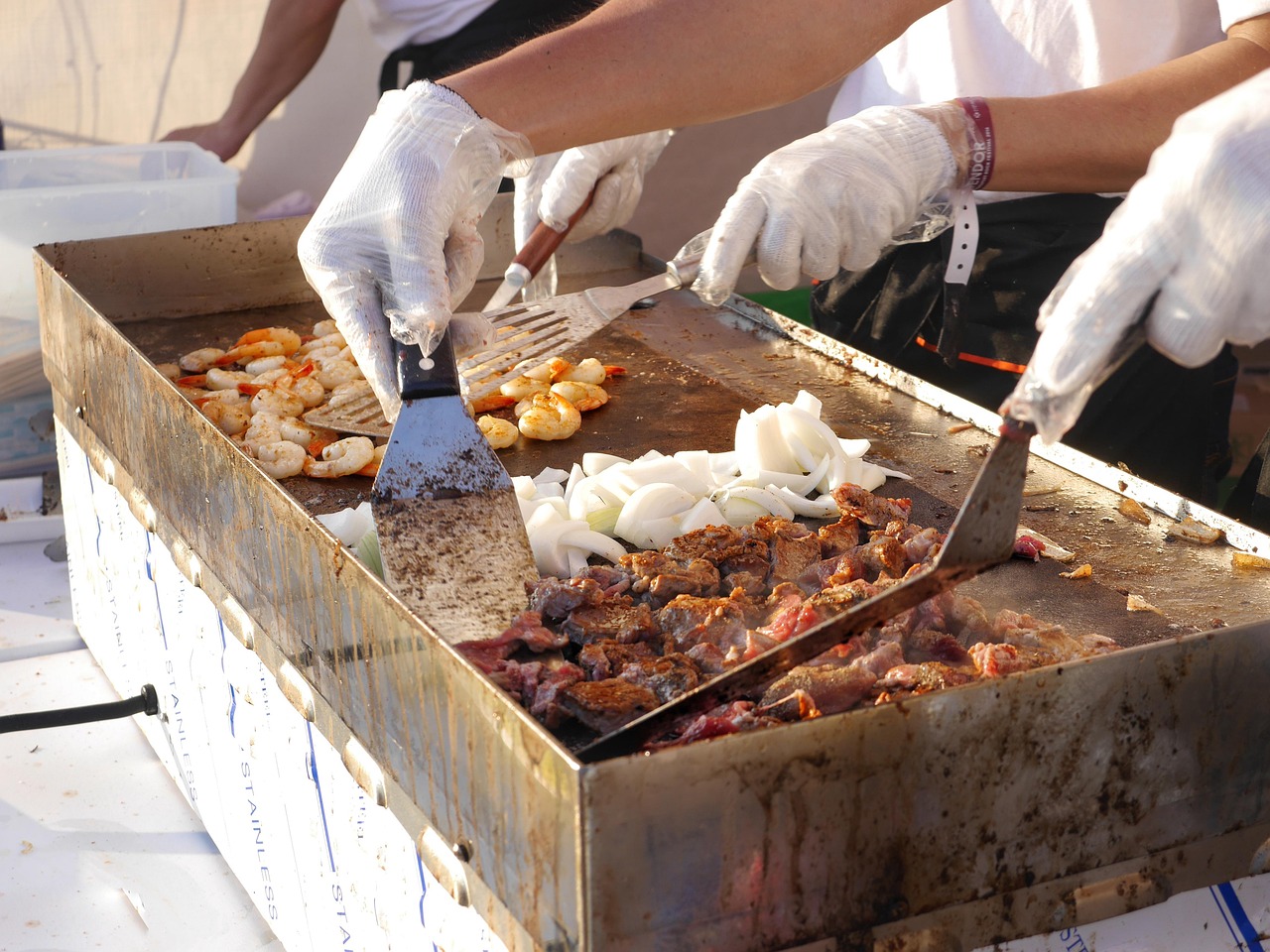
To experience nijo market sapporo seafood moerenuma park isamu noguchi in one beautifully balanced day, begin early. Nijo Market opens in the morning, and arriving before the crowds means the counters are freshly stocked and the conversations feel more personal. From the city centre it’s an easy 10-minute walk, and you’ll be there before the best bowls quietly sell out.
A foodie traveller once shared a moment that captures Sapporo’s warmth: a local chef invited her to sample freshly caught sea urchin, then prepared a custom dish on the spot. It wasn’t performative—just a small exchange built on respect and delight. If you’re offered a tasting, accept with a simple thank you and let the chef lead; those gentle local encounters are where the city becomes intimate.
Moerenuma Park as green space and sculptural landscape
After the market, shift gears and head to Moerenuma Park, designed by Isamu Noguchi as a living artwork. The open lawns, geometric forms, and edges of forest create a restorative calm that feels miles away from the urban grid. Walk slowly, breathe in the crisp air, and notice how design can change your pace without asking anything of you.
As you explore Hokkaido, it’s worth holding space for the region’s Ainu heritage with an insight-led, respectful approach—seeking learning without tokenism. A thoughtful guide or museum visit can add depth, but the key is care: listen more than you speak, and let context guide your understanding.
Local nature rhythms in Maruyama Park in western sapporo
If you want more neighbourhood nature, add Nakajima Park for lakeside quiet, or visit Maruyama Park in western sapporo during cherry season. These softer corners of Sapporo help you uncover a local rhythm—less about “doing”, more about noticing.
Mount Moiwa Ropeway views of the city and day trip near sapporo to Otaru and Jozankei
Mount Moiwa Ropeway and Refined Day Trip Ideas Near Sapporo
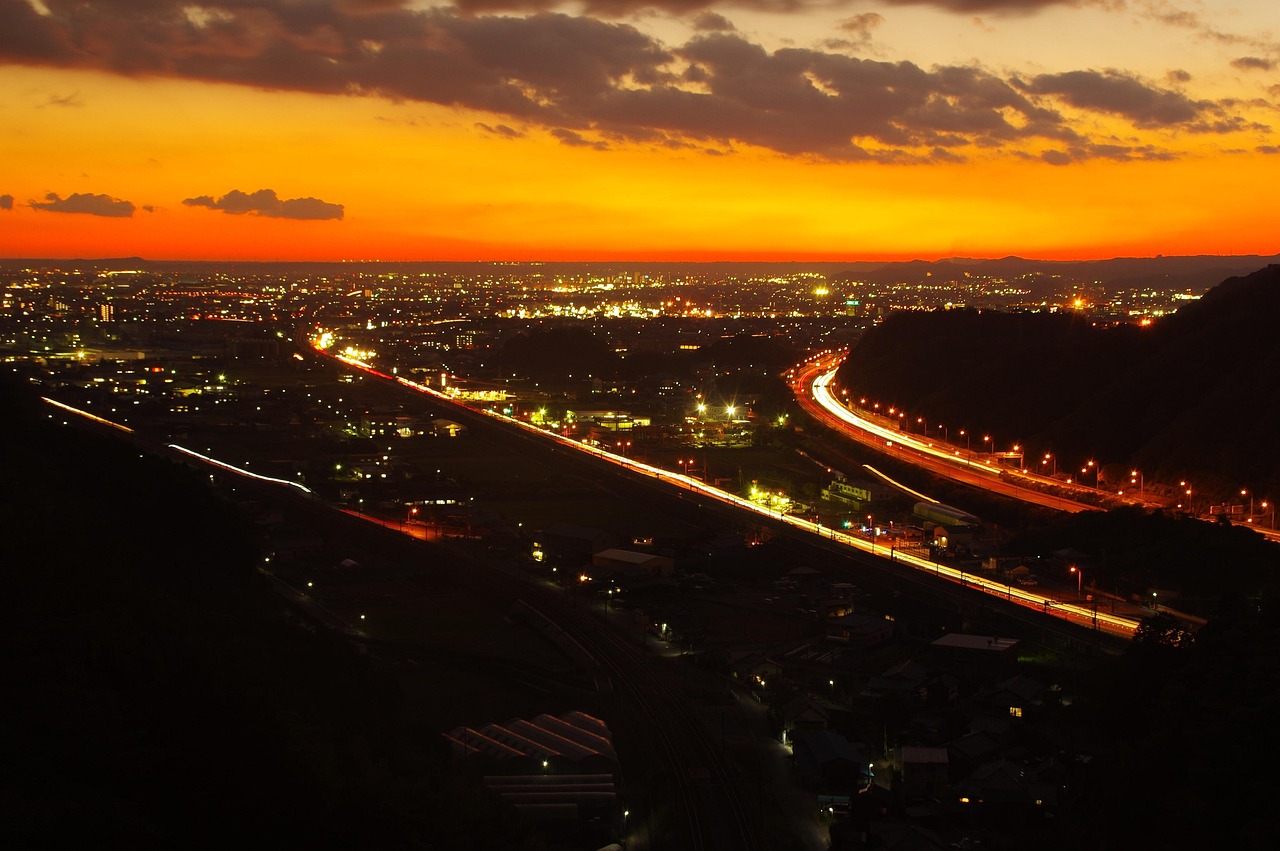
When you’re ready for mount moiwa ropeway views of the city day trip near sapporo otaru jozankei, start with sunset. The Mount Moiwa ropeway and its connecting cable car are easiest when you arrive with a little time to spare, giving you space for a warm drink and unhurried photographs. One visitor told us they rode up as the sky turned lavender, and the snow-capped city lights below felt like a secret shared just with them—private, expansive, and quietly emotional.
Ticketing is straightforward on arrival, but weather can change quickly in Hokkaido, so choose clear evenings where possible. For a seamless return, pre-book a transfer back to the city centre or city centre—especially in winter—so you’re not negotiating queues when the temperature drops.
Near sapporo day trip ideas designed for comfort and confidence
For a refined day trip, Otaru offers canals, glasswork, and a nostalgic waterfront atmosphere that pairs well with a private guide and a relaxed lunch reservation. For pure restoration, Jozankei onsen is a favourite: an intimate soak, a slow tea, and the kind of stillness that resets your entire journey.
Winter lovers can also connect Sapporo to a ski resort day with low-friction logistics. Niseko is the headline name, but there are other excellent Hokkaido options too; the best approach is to design transport, rentals, and a guide in advance so skiing and snowboarding feels effortless rather than complicated.
- Premium planning tip: book drivers and guides well ahead during festival and peak snow weeks.
- Comfort detail: keep spare gloves and dry socks in your day bag—small care that changes the whole day.
- Further inspiration: Asahikawa for deep winter atmosphere, Furano in warmer months for colour, and Ishikari for coastal air and a gentle reset.
If time allows, a stroll through Hokkaido University grounds can also be a quiet pleasure—an understated pause that fits naturally between city days and wider adventures.
What Stayed With Us After Sapporo
For sapporo travel guide reflections hokkaido japan, what lingers isn’t a checklist of attractions—it’s the feeling of moving through the city with trust. There’s a particular quality to Sapporo’s winter light: pale and steady, making even ordinary streets feel softly composed. After fresh snow, the hush can be so complete you hear your own steps, and then—suddenly—the warmth of a small local exchange returns you to the present.
We think that is Sapporo’s real luxury: the confidence that comes from being expertly supported, yet free to explore at your own pace. You begin to notice how care is woven into the details—timely trains, polite greetings, quiet cafés where you can sit without being rushed. Somewhere between a market morning and a shared toast, the city leaves you steadier than it found you.
Imagine Odori Park at dusk, or the glow of a window on a cold night, or the taste of something crafted and unfamiliar that suddenly becomes a comfort. These are the moments that stay with you, long after the photographs. And perhaps, in time, you’ll return in a different season—simply to discover what changes, and what stays.
F.A.Qs: Sapporo Japan attractions
What is Sapporo famous for in Japan?
Sapporo is famous for the Snow Festival in February, its winter culture, and its food and drink—especially beer and comforting dishes like ramen. Many travellers also love the city’s clean grid layout, easy transport, and the way urban life blends with nearby nature in Hokkaido.
What are the best attractions in Sapporo?
Standout Sapporo attractions include Odori Park and the Snow Festival displays, the Sapporo Beer Museum, and fresh seafood breakfasts at Nijo Market. For views, Mount Moiwa is a favourite, and design lovers often enjoy Moerenuma Park for its sculptural landscape and calm atmosphere.
Is 2 days in Sapporo enough?
Two days in Sapporo is enough for the highlights if you plan well: one day for Odori Park, the Snow Festival (in season), and a Beer Museum evening; another for Nijo Market and a viewpoint like Mount Moiwa. If you want a day trip to Otaru or an onsen, three days feels more relaxed.
What is a must buy in Sapporo?
A must buy in Sapporo is something that captures Hokkaido’s flavours—local sweets, packaged snacks, or a small bottle or glassware souvenir linked to the beer tradition. Food lovers often choose seafood-related specialities to take home, while design-minded travellers look for simple, well-made local crafts.
If you’d like to explore curated routes across Japan, browse our Trip gallery for inspiration you can shape into your own pace.