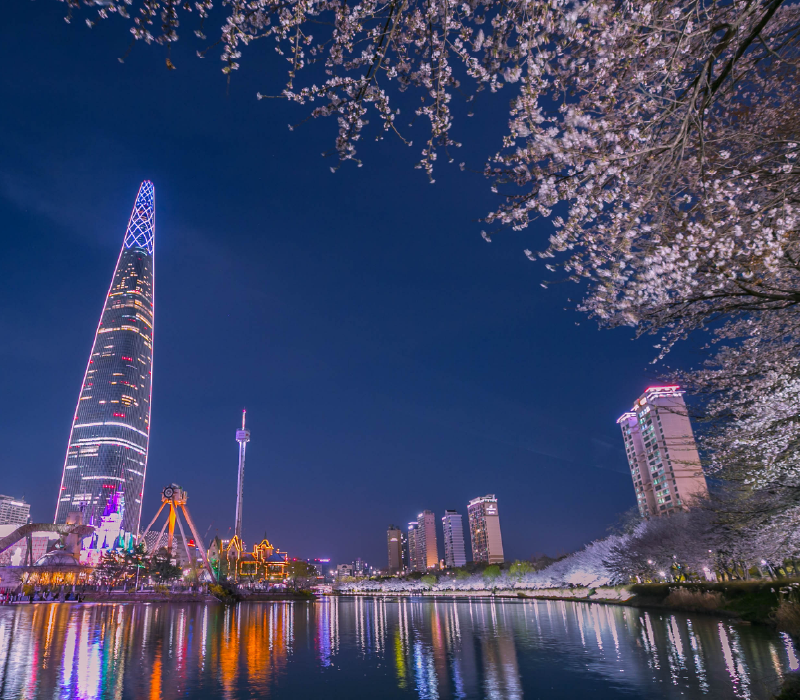
Seoul in February 2026 weather at a glance for Seoul in February 2026 average temperature and February weather South Korea
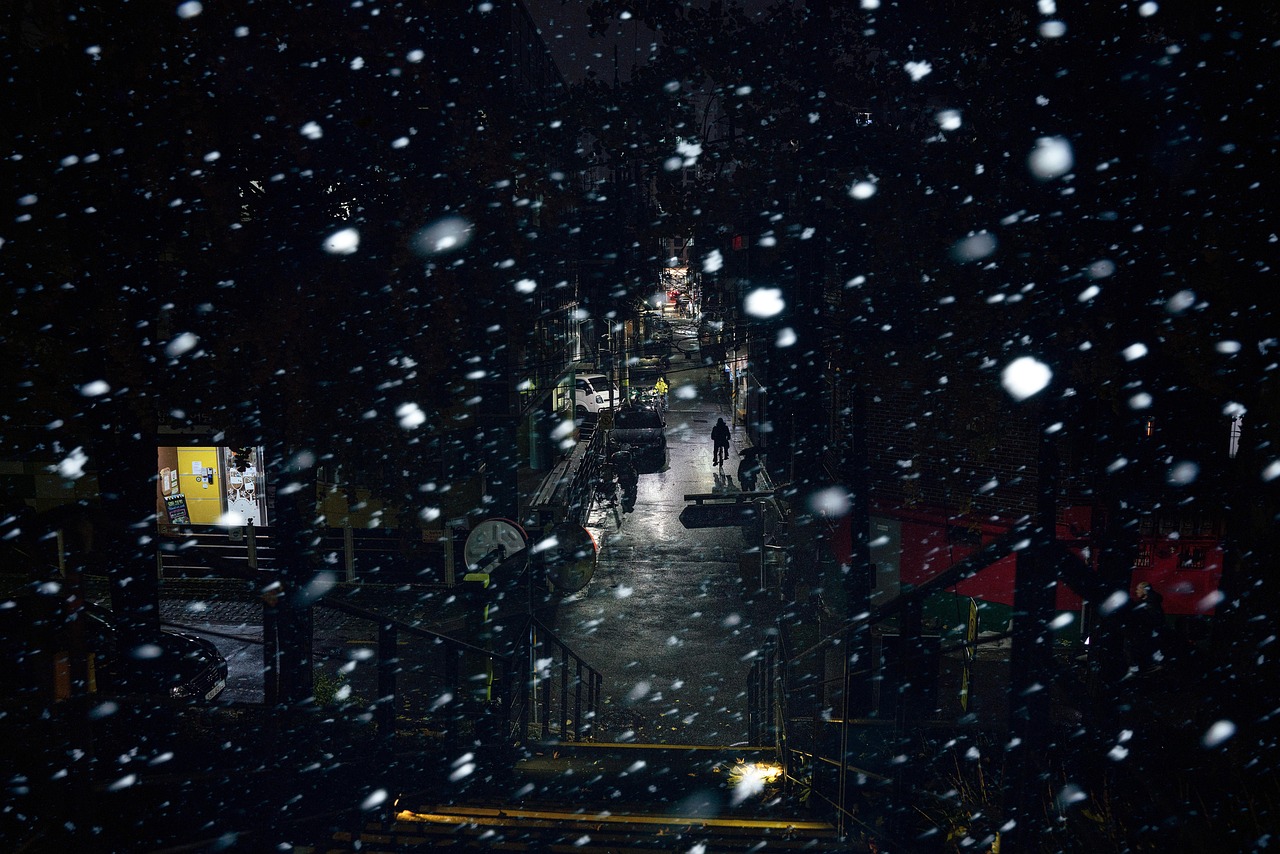
Seoul in February 2026 weather at a glance with winter streets and soft light
For travellers checking Seoul in February 2026, the average temperature and weather in South Korea are simple: it’s bright, brisk, and often beautifully clear. Korea’s weather in February is shaped by continental winter air, and in Seoul, that can mean dry, cold conditions that feel sharper than the numbers suggest.
Using long-running observations from local weather stations as a guide, the average high in Seoul in February sits around 5°C, with an average low of -4°C. There’s a real low temperature risk at night, and you should expect freezing temperatures on some mornings—especially after a clear evening.
Average temperature and low temperature realities in South Korea in February
Wind speeds matter. A calm 3°C can feel manageable with a good coat; the same air with a cutting breeze across the river can feel like the coldest. If you’ve ever wondered “what this feels like at 5°C”, picture stepping out of a warm lobby into air that wakes you up instantly—your hands want gloves, but your face enjoys the clarity.
Daily high temperatures increase gradually throughout the month, and you’ll often notice the shift toward the end of the month. It’s not rare to catch a few warmer days that reach 8°C, particularly when the sun is out; coastal areas tend to be slightly warmer than inland Seoul, though the sea breeze can still feel brisk.
Rainfall, precipitation and snowfall cues for pacing and photography
Winter is relatively dry here, so rainfall is usually modest, and precipitation often falls as flurries rather than long wet spells. Snowfall can arrive in clean, photogenic bursts—perfect for palace roofs—yet may melt quickly in the afternoon if the sun holds.
Watch for overcast or mostly cloudy days: the softer light flatters skin tones and reduces harsh shadows, but it can also make temperatures feel cooler. Build a slower pace on those days—museums, tea houses, and a long lunch—then step back outside when the city lights come on.
Air quality, sunrise and sunset planning for a calm luxury flow
A luxury-friendly note: air quality in Seoul can fluctuate in winter. Your hotel concierge will usually provide real-time updates, and it’s wise to keep one flexible “indoor elegance” option each day (a gallery, a spa circuit, a tasting menu) without losing the sense of ease.
For daylight, think in simple cues. Sunrise and sunset timing typically gives you mornings that start around 7:20 and evenings that settle near 18:00. That’s ideal for early palace courtyards, then lantern-lit walks after dinner—designed with confidence rather than rush.
Design what to pack for South Korea winter comfort
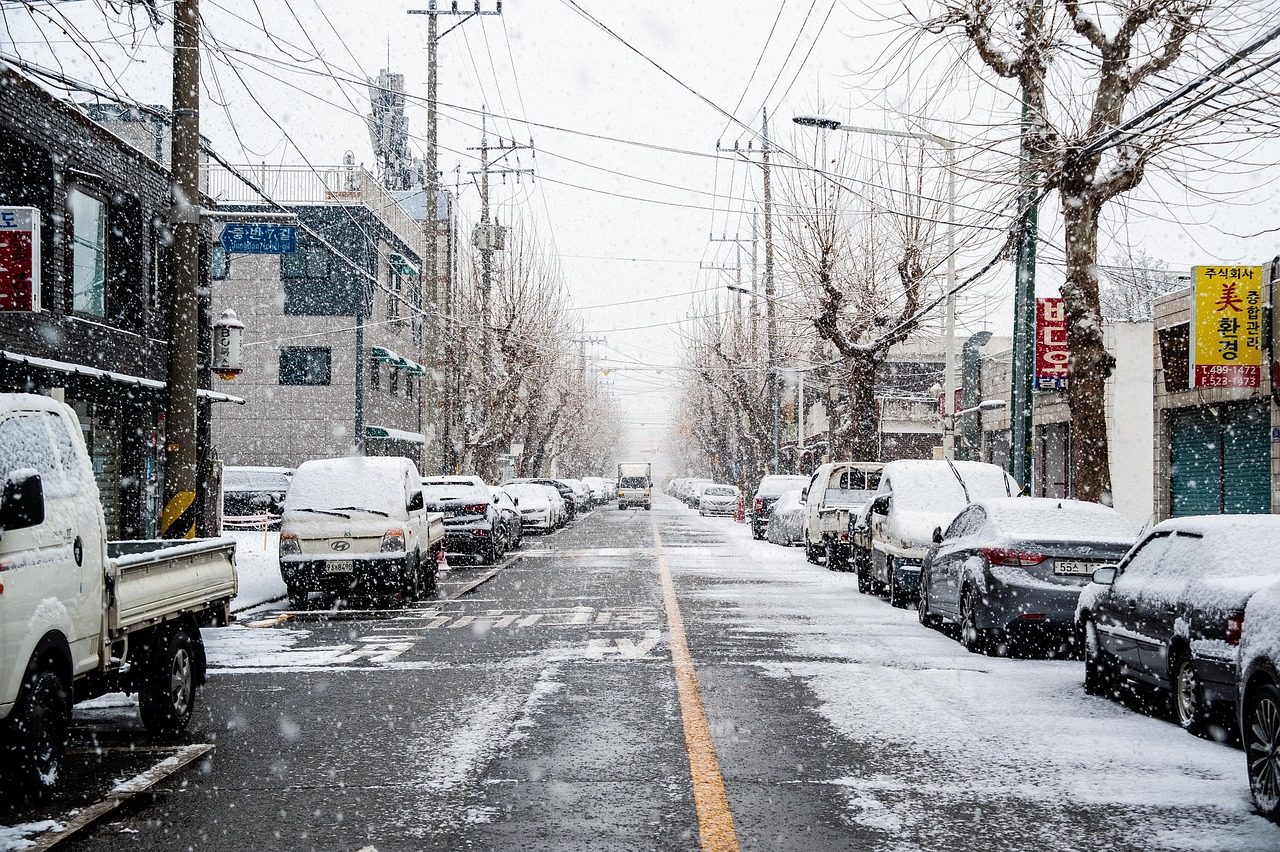
Design what to pack for South Korea winter comfort with layered city style
If you’re planning to visit South Korea in February, the question of what to pack layered clothing is what makes everything else feel effortless. Seoul rewards a crafted approach: layers that insulate, fabrics that breathe, and silhouettes that still look polished when you step into a lobby bar.
Start with base layers you can trust—thin but warm—then build up with merino or cashmere. Add an insulated outer layer that blocks wind, because wind chill is the detail people often forget when packing for an average temperature on paper.
Layered clothing and footwear for Seoul in February
For day-to-night, imagine a capsule that moves seamlessly from palace walks to fine dining. A dark wool coat (or a sleek down jacket under a tailored overcoat), a knit, and a scarf will take you from street markets to cocktail bars without returning to your accommodation.
- Base: merino tops, thermal tights, breathable socks
- Mid: cashmere knit, light down gilet, tailored jumper
- Outer: insulated coat with wind protection, water-resistant finish
- Accessories: touchscreen gloves, scarf, ear coverage, hand warmers
- Footwear: grippy soles for icy pavements; add discreet traction if needed
That last point matters in Seoul in February: pavements can look dry, then surprise you in shade. A refined boot with good tread keeps your pace relaxed.
Humidity, low humidity and comfort care while you explore
Winter air often brings low humidity, which shows up as dry lips, tight skin, and contact-lens fatigue. Pack a barrier cream, lip balm, and a small hydrating mist, and drink more water than you think you need—even when it’s cold.
Many high-end hotels can provide humidifiers on request, and their laundry teams can help with garment care if snow or slush touches your hems. For luxury luggage, add a simple protector, a boot bag for wet soles, and a small brush for salt marks—tiny steps that preserve that “always put-together” feeling.
Explore Seoul during February through palaces and hanok calm
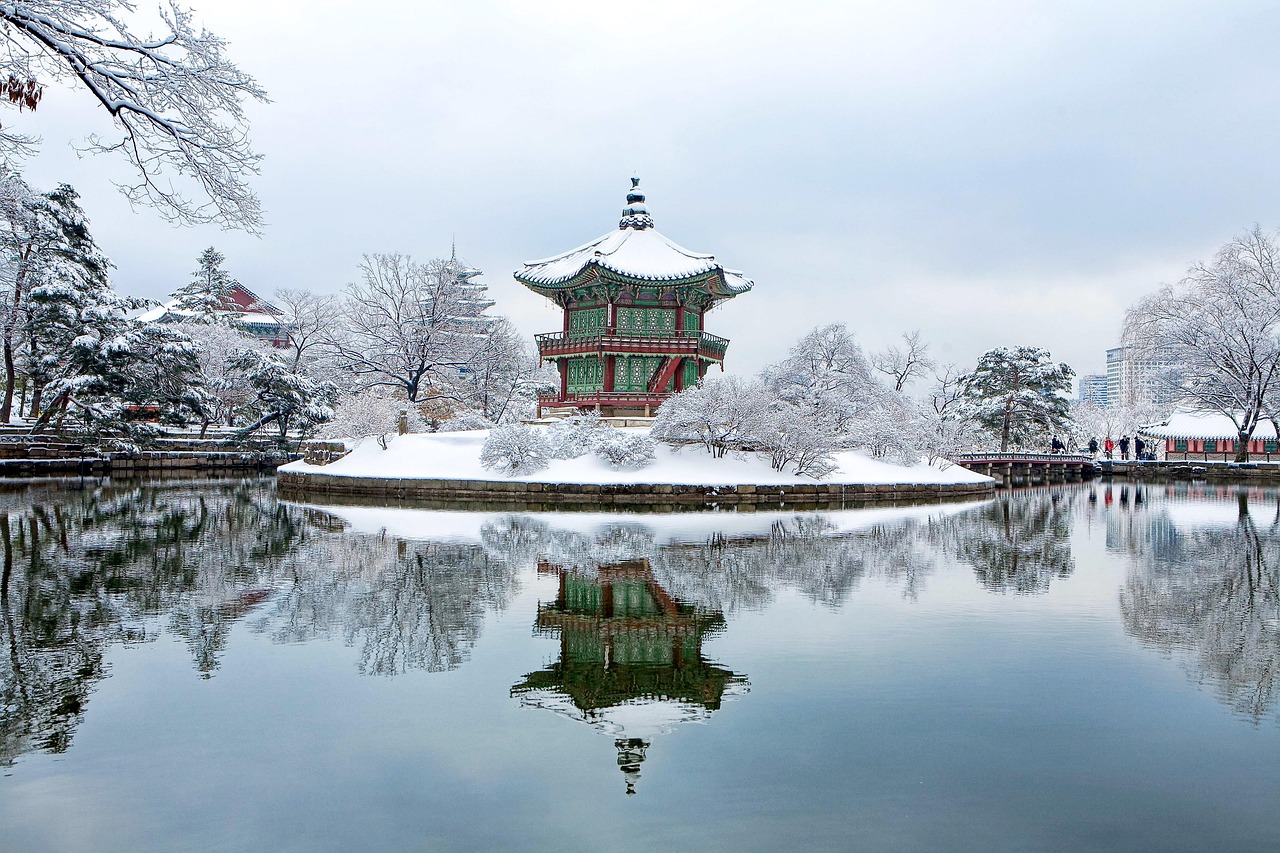
Explore Seoul during February through palaces and hanok calm at Gyeongbokgung Palace in winter
To visit Seoul in February, Gyeongbokgung Palace, Bukchon Hanok Village, and winter is to uncover a softer, quieter side of the city. Seoul during February can feel like a private viewing: fewer crowds, more space to notice rooflines, stonework, and the hush between footsteps.
Gyeongbokgung Palace in Seoul, in February, and the quiet elegance travellers remember
A high-end traveller once described their morning at Gyeongbokgung as “quiet elegance”, and it’s a phrase that fits. With light snowfall, the palace seems to hold its breath; you hear the crunch of gravel, the distant call of birds, and the subtle rhythm of guards in the courtyard.
Even when the thermometer reads 4°C, the sun can soften the experience—especially if you time your visit for early morning. Arrive close to opening, let the first hour be unhurried, then retreat to warmth for tea. This is the luxury of winter: stillness you can actually feel.
Bukchon Hanok Village near Seoul with local etiquette and a refined route
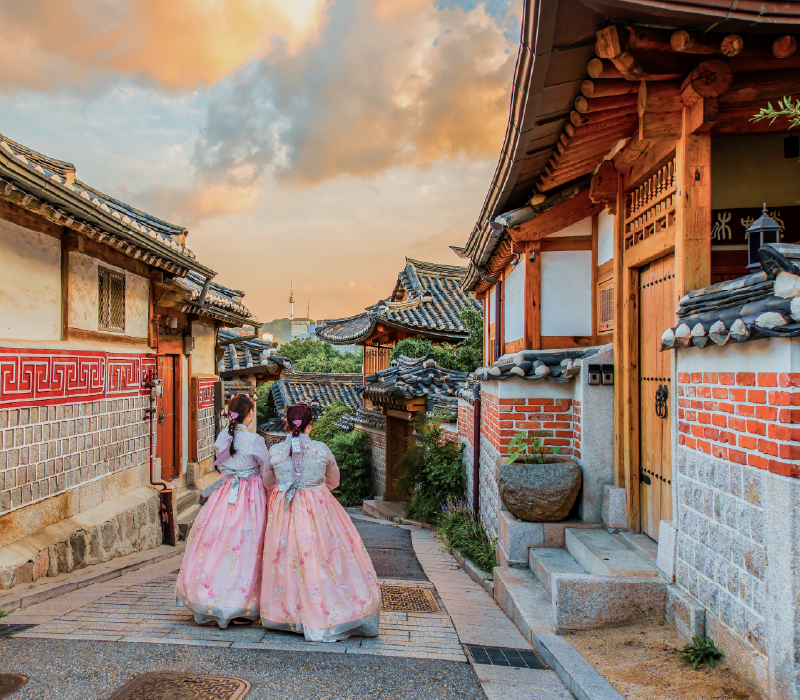
From the palace, pair it with the calm of Bukchon Hanok Village near Seoul. These lanes are residential, and trust matters here: respect quiet hours, keep voices low, and treat doorways and steps as someone’s home—not a backdrop.
Design your day as a gentle loop: palace gates, a traditional tea house, a small gallery, then a design-led boutique where the staff’s support is warm and unshowy. Indoors, you’ll often remove shoes; a polite bow is appreciated, and most teams guide visitors with genuine care.
If you’d like photos, consider renting a hanbok in winter. Wear layers beneath, add discreet warmers, and choose richer colours that stand out against snow. Done well, it feels personal and celebratory—without discomfort.
Discover winter festivals from Seoul Lantern to Hwacheon ice thrills
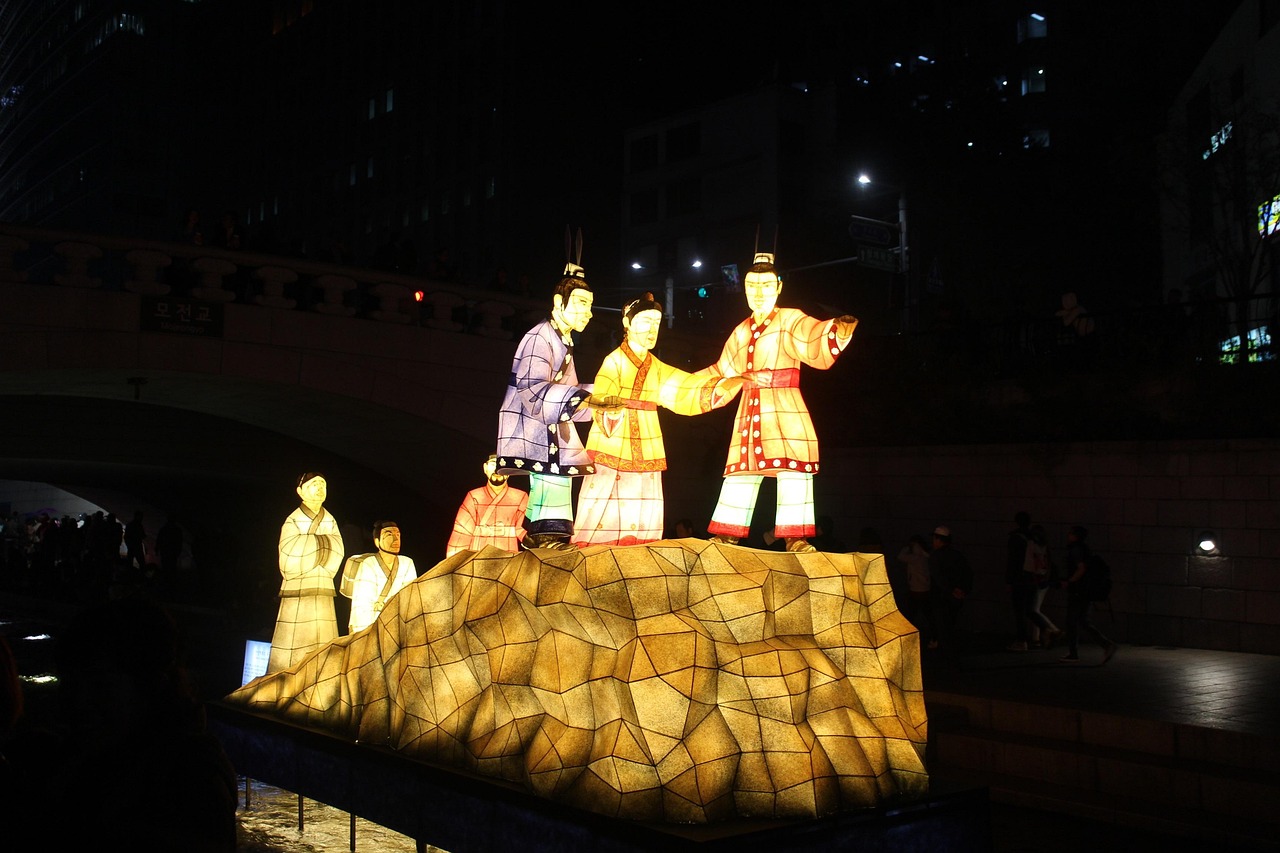
Discover winter festivals from Seoul Lantern Festival to Hwacheon Sancheoneo Ice Festival in South Korea
When travellers search for Seoul Lantern Festival, Cheonggyecheon Stream, Seoul City Hall, Hwacheon Sancheoneo Ice Festival, they’re usually hoping February 2026 will deliver something more than cold weather conditions. It does. In February, South Korea is a month of winter festivals, where light, ice, and local joy turn the season into an experience you can step into.
Seoul Lantern Festival on Cheonggyecheon Stream with an awe-filled personal vignette
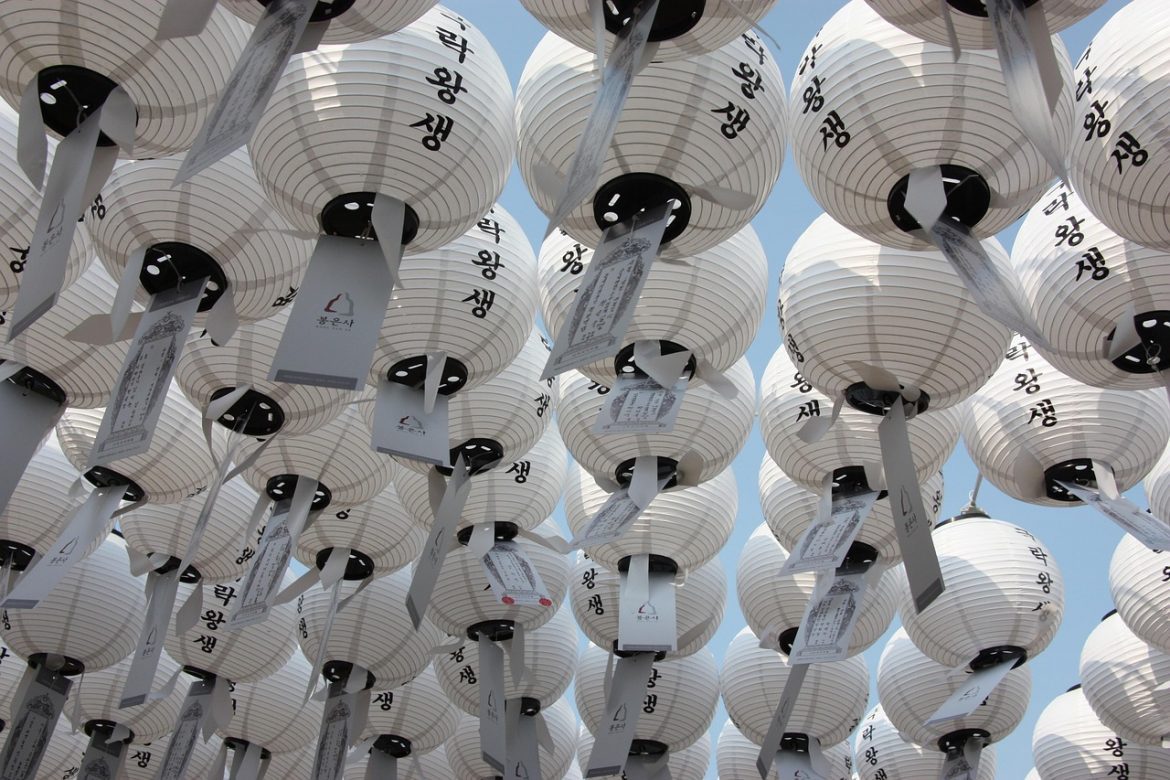
Along Cheonggyecheon Stream, the lanterns glow like storybook scenes—illuminated artworks reflecting on icy water. A luxury traveller once told us they felt “awe” watching the designs shimmer and change as they walked, as if Seoul itself were quietly performing.
For the best viewing windows, arrive just after dusk for the first lighting, then let the crowd flow ahead and linger behind. If you prefer an elegant evening circuit, position yourself near Seoul City Hall so you can weave in a warm drink, a gallery stop, or a reservation-led dinner with minimal backtracking.
Hwacheon Sancheoneo Ice Festival in Gangwon-do for ice fishing thrills
For a bigger day out, the Hwacheon Sancheoneo Ice Festival in Gangwon-do brings a true snow festival atmosphere: ice fishing, a sledging hill, and traditional winter games on a frozen river. Several visitors recount the thrill of catching trout through the ice, then tasting it freshly grilled moments later—simple, local, unforgettable.
To stay comfortable, build warmth into the day. Hot drinks and street snacks help, but so does planning: keep spare gloves, and take short indoor breaks so the cold never steals the fun.
- Tickets: typically under $20; check inclusions on arrival
- Upgrades: private guides or curated transport keep the day seamless
- Comfort: hand warmers, a thermos, and dry socks for the return
It’s a wonderful contrast to Seoul: more expansive, more playful, and deeply seasonal.
Create a winter wonderland itinerary beyond Seoul for Nami Island
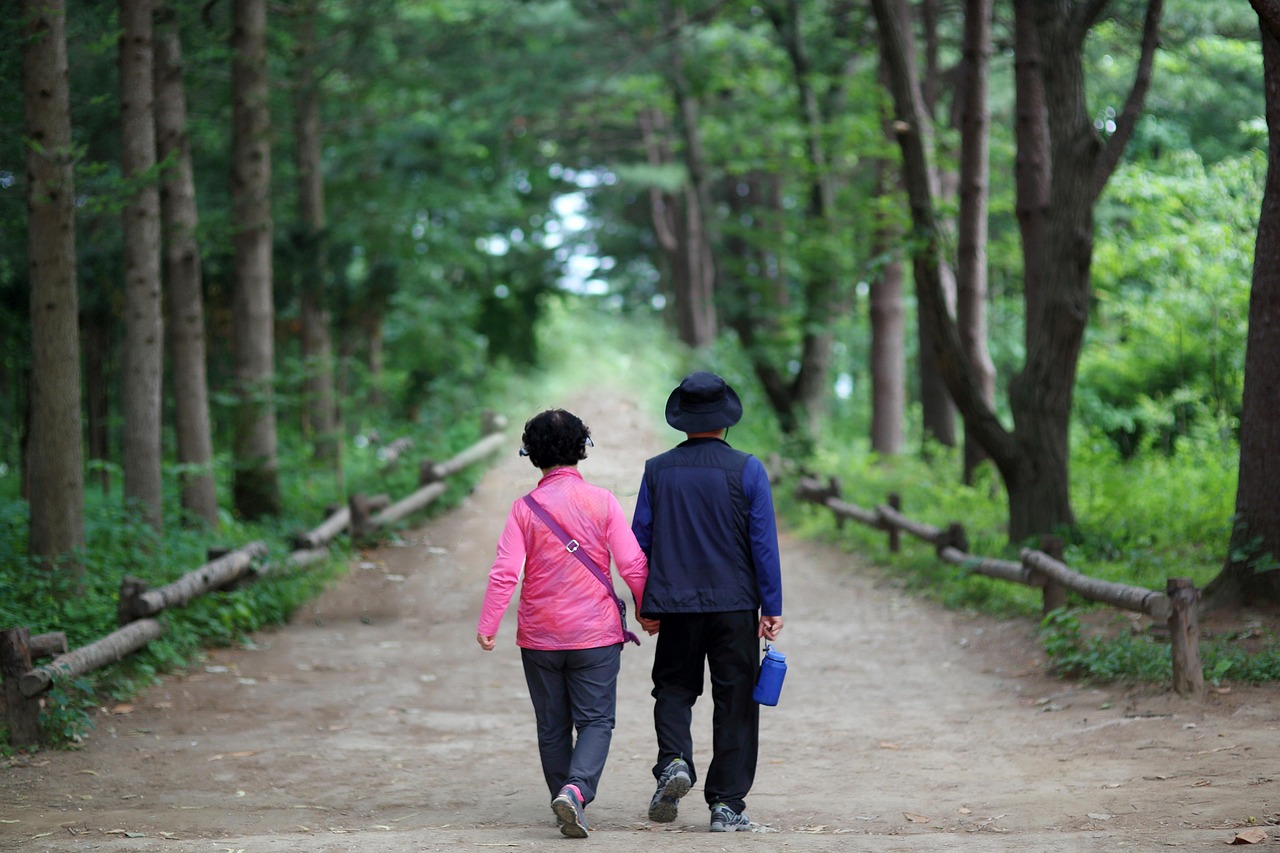
Create a winter wonderland itinerary beyond Seoul with Nami Island snow paths and cosy day trips
For travellers mapping Nami Island snow day trip, Busan, Jeju Island, February ski resorts, PyeongChang, the secret is to create contrast: stillness, then play; mountains, then coast. February weather makes these shifts feel meaningful, because warmth is something you curate—through pacing, transport, and the right places to linger.
Nami Island is the romantic centrepiece near Seoul
Nami Island is winter romance done with taste. Spouses often describe walking hand in hand on snow-blanketed paths as a “winter wonderland” memory that lasts forever—quiet lanes, soft light, and photographs that look effortlessly cinematic.
Plan transfers with care: an early start avoids congestion, and a private car or premium rail connection keeps the day calm. Once there, don’t over-schedule. Choose one long walk, one warm drink, and one unhurried lunch, then return to Seoul before the cold deepens.
PyeongChang ski resorts, national parks, Busan and Jeju Island as softer counterpoints
If you’d like sport, head around PyeongChang for a mountain extension. PyeongChang is home to ski resorts like Yongpyeong and Alpensia, with excellent rental options for skiing, snowboarding, and even ice skating. Conditions are mountainous, so allow extra transfer time and keep an eye on snowfall that may affect roads; many resorts use a gondola or cable car system, which makes moving around pleasantly straightforward.
For quieter landscapes, consider national parks with varied snow scenes and sculptural ridgelines. Taebaeksan near Taebaek is a favourite for crisp winter views without the buzz of the city—ideal if you want space to breathe and photograph. (If you’re also curious about spring, note how different this feels from cherry blossom season; the cherry blossom festival atmosphere arrives later, and it’s a lovely reason to return.)
Then create a coastal contrast in Busan. These coastal areas can be slightly warmer, yet cloud cover and sea wind mean high temperatures still feel brisk by the water. It’s a beautiful place for seafood, coffee, and shoreline walks when Seoul feels like the coldest month of the year.
Finally, Jeju Island is your design-forward add-on: lava-coast scenery, thoughtful architecture, and café culture that suits slower days. If your time to visit is flexible within a longer trip, Jeju can feel like a softer-weather pause—still winter, but gentler. For visual inspiration as you design your route, browse our Trip gallery.
F.A.Qs: weather Sin outh Korea in February
Is February a good time to visit South Korea?
Yes—February can be a wonderful time to visit, especially if you enjoy winter festivals, quieter cultural sites, and crisp scenery. Seoul in February is cold, but the atmosphere is refined: lantern-lit evenings, snow-dusted palaces, and a calm pace that suits high-end travel. Pack well and plan warm indoor pauses, and the season feels both comfortable and memorable.
What should I wear in Korea in February?
Dress in layered clothing: a thermal base layer, a warm mid-layer such as merino or cashmere, and an insulated outer coat that blocks wind. Add touchscreen gloves, a scarf, ear protection, and footwear with grip for icy pavements. Low humidity can be drying, so bring lip balm and a barrier moisturiser for day-long comfort.
What is the coldest month in Korea?
January is typically the coldest month of the year in South Korea, with February still firmly winter but often a touch brighter and, at times, slightly less severe. In Seoul, freezing mornings can continue into February, so you should still expect winter conditions. The advantage is that the later winter light and seasonal festivals can make the cold feel worth it.
Which is the best month to visit South Korea?
The best month depends on what you want. February is ideal for winter festivals and peaceful cultural visits, while spring brings cherry blossom season and autumn offers crisp skies and foliage. For travellers who value calm, curated experiences, February can feel especially luxurious in Seoul—less crowded, beautifully seasonal, and easy to design around with the right packing and pacing.
After South Korea, what winter leaves with you
Long after you’ve left South Korea, what returns isn’t a checklist of sights—it’s the feeling of winter lived well. Lantern light on an icy stream, the hush that settles in palace courtyards, and the way a warm cup is placed in your hands as if it’s the most natural kindness in the world.
You might remember how Seoul asked you to move differently: slower, more present, more willing to trust the rhythm of cold air and warm interiors. In that gentler pace, luxury becomes less about spectacle and more about care—crafted moments, seamless support, and the quiet confidence of knowing you don’t need to rush.
And perhaps that’s the lasting insight. Winter can be a kind of elegance, a season that makes space for tenderness—for yourself, and for the places you explore. One day, you may find yourself imagining Seoul again, in another light, with the same curiosity and an open, unhurried heart.