Post Contents
- Seoul in Korea, July weather
- Is July the best time to visit South Korea?
- Luxury accommodation in Seoul for July
- Designing seamless summer days in Seoul
- Explore Seoul in July – curated icons, festivals, and high-end moments
- F.A.Qs
- After Seoul: what stays with you – South Korea summer reflections and quiet moments
Seoul in Korea, July weather
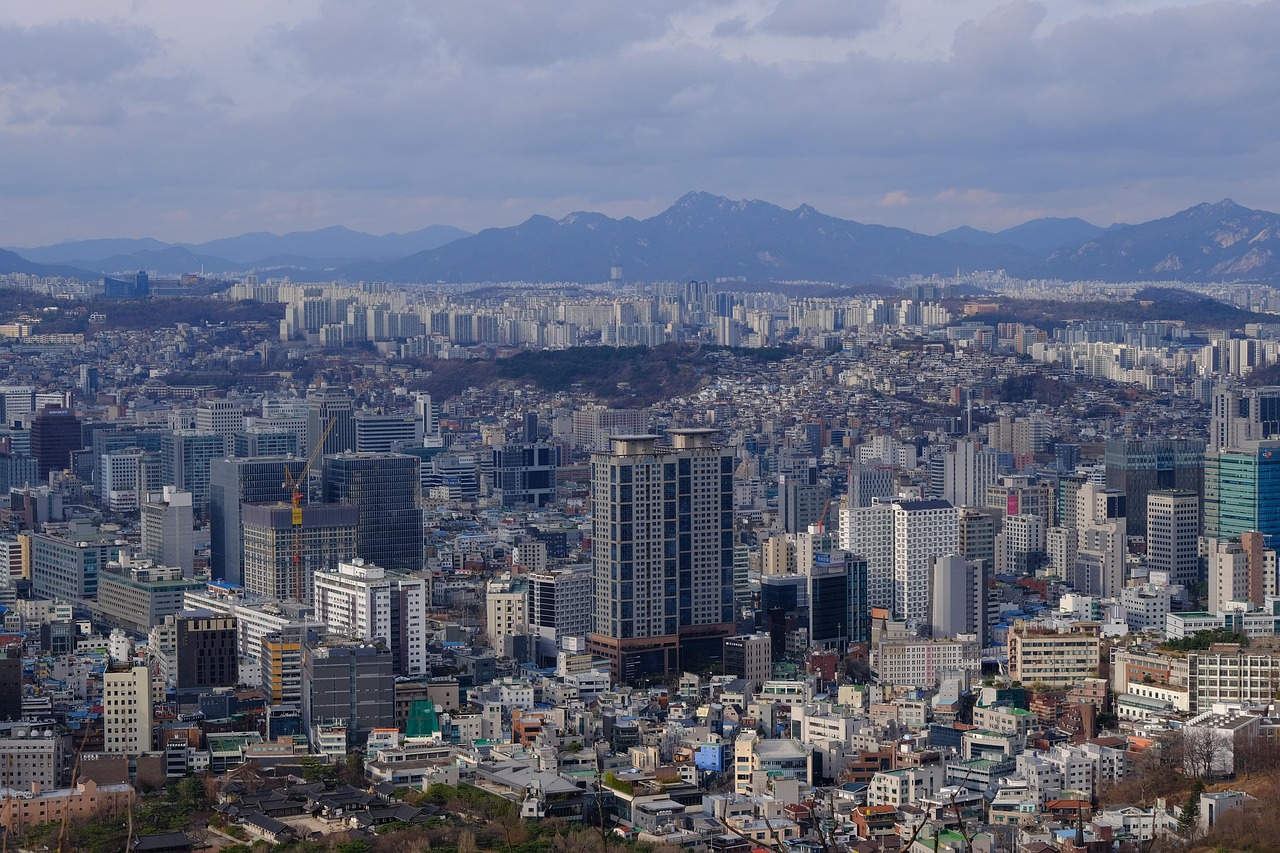
Seoul in July weather by month essentials with summer skyline views
To understand Seoul, Korea, July weather, it helps to place Seoul within South Korea’s weather-by-month pattern: July marks the start of the monsoon season, when bright heat and fast-moving showers can shift quickly. For luxury planning, that isn’t a red flag—it’s an invitation to build flexibility into your itinerary with earlier starts, short buffers between reservations, and elegant indoor alternatives that still feel curated.
July can be one of the most atmospheric times to explore Seoul: the city looks greener, the light turns cinematic after a downpour, and evenings carry a lingering warmth. The key is designing your day so comfort sits quietly beneath everything—so the journey feels seamless, not weather-led —in this standout urban destination.
Temperature in Seoul in July – average temperature, average high/low, and how it feels
The typical temperature in Seoul in July centres around an average high of around 27 °C, with afternoons feeling warmer as humidity builds between buildings. At the other end, the average low can make early mornings surprisingly pleasant—think 18°c at the start of a shaded walk, with 20°c still possible around sunrise in calmer spells. For many travellers, that early window offers a comfortable, average feel before the day fully ramps up.
“High temperatures” in July are less about a single number and more about how quickly the air can turn muggy—especially if you’re pausing for photos or shopping. The average daily swing is manageable if you pace yourself: step out early, schedule a cool car transfer, and reset in air-conditioning before you head back out.
Rainfall, humidity & precipitation – using a weather forecast with hourly detail
July precipitation tends to arrive as short, heavy rain rather than day-long drizzle, with sunny breaks between systems. That’s why checking a forecast matters—but in mid-summer, a weather forecast with an hourly view is the real power move: it lets you place open-air moments in the clearest windows and keep museums, tea salons, and designer galleries ready when weather conditions shift.
Average rainfall varies year to year, yet the rhythm is familiar: a quick downpour, then clearer air and dramatic visibility across Seoul. The city can also turn overcast or briefly cloudy, and those softer skies are actually flattering for photography—especially if you prefer a refined, editorial look.
- Air quality check: on hotter days, glance at the air quality before committing to long walks and viewpoints.
- Hydration strategy: carry water, and build “cool stops” into your route so you never feel caught out.
- Lightweight dressing: breathable, lightweight fabrics and polished sandals keep you comfortable without losing style.
One more nuance: Seoul’s microclimates can differ by district and elevation. Weather stations nearer the river may read differently from hillier viewpoints, so check local weather stations and your map-based forecast before committing to a rooftop reservation.
Is July the best time to visit South Korea?
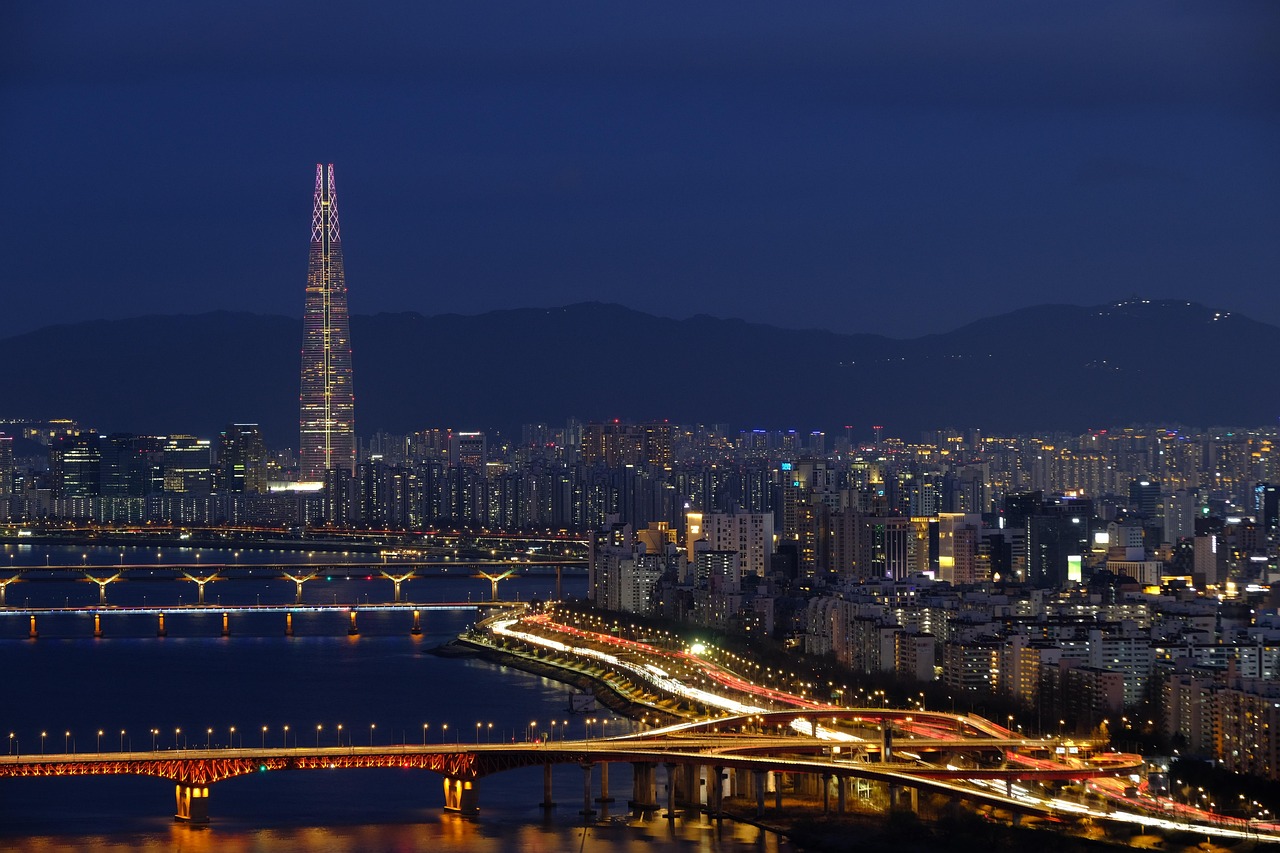
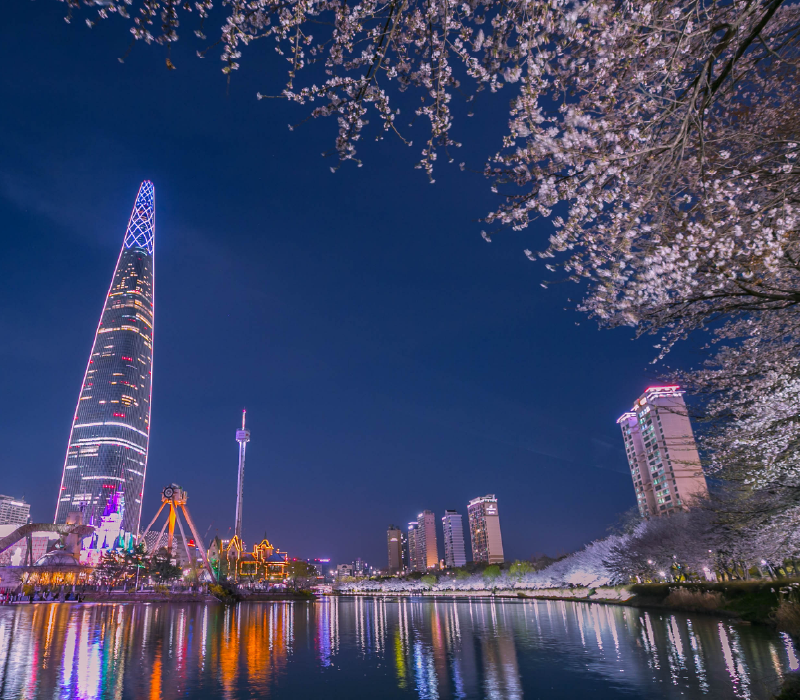
Is July the best time to visit South Korea with Seoul summer city light
The question of time to visit South Korea deserves a reassuring answer: July is one of the most popular periods for tourism, and it can still be the best time for you if you value long evenings, modern city energy, and a lush landscape. The secret is pace—choosing calmer pockets of Seoul, leaning into expert support, and letting comfort lead even when the crowd feels lively.
Rather than chasing an idea of “perfect weather”, consider what “best time” means for your style of travel: do you want open-air nights and a festival calendar, or crisp walking weather and clear-day clarity? In South Korea, both are possible—just at a different time of the year, depending on what you prioritise.
Spring or autumn vs Seoul in July
Spring or autumn often wins on pure comfort: spring brings cherry blossom moments, while autumn offers cleaner views and cooler afternoons. Crowd levels and prices can also feel gentler then, which is why many travellers call it the best time of year for long walking days. July, by contrast, trades that crispness for a sense of aliveness—late dinners, vibrant streets, and a city that stays awake well after sunset.
Early July can be a sweet spot before peak moisture settles in. Daylight stretches comfortably into the evening, and the festival scene begins to hum—ideal if you like to explore after dark and return to a serene suite rather than pushing through midday heat. If you’re weighing the time of year to visit, it’s less about “best” in the abstract and more about matching the season to your rhythm.
Beyond Seoul: a year in South Korea itineraries for Jeju, Busan, Gyeongju and coastal areas
If you’re travelling deeper into the year in South Korea, July also opens easy add-ons. Coastal areas can feel breezier, and a beach break pairs beautifully with Seoul’s glamour. Busan offers a seaside contrast, while Gyeongju adds history at a softer tempo. Jeju, too, can be a dream in summer—green, scenic, and ideal for a slower, design-forward retreat.
Do keep a realistic eye on the monsoon and the occasional typhoon. Luxury hotels and private guides are built for this: they’ll adjust timings, suggest indoor alternatives, and protect the trip’s crafted flow. Flexibility is what makes July feel effortless—together with a little planning and trust. If you’d like inspiration for elevated routes across the country, our Trip gallery is a beautiful place to begin.
Luxury accommodation in Seoul for July
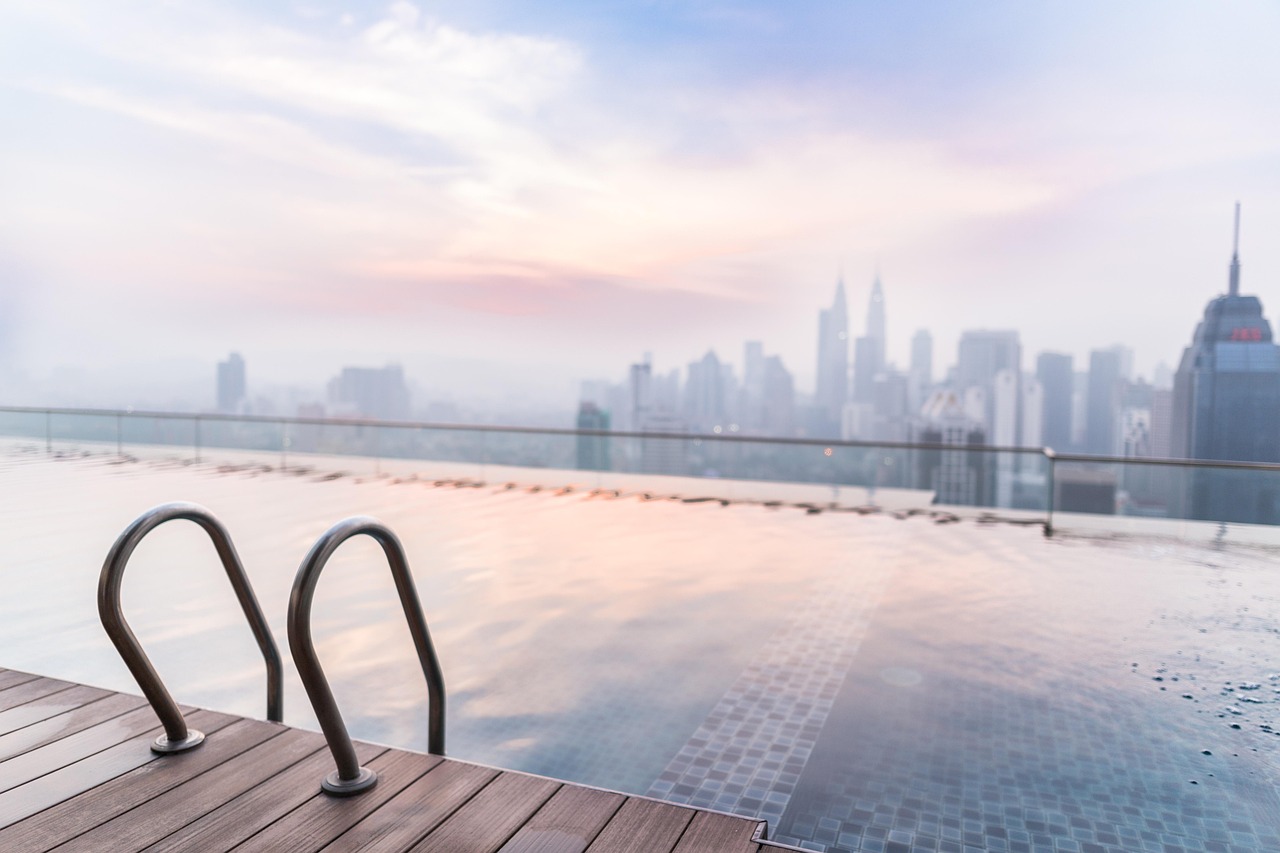
Luxury accommodation in Seoul for hot and humid nights in July
Choosing Seoul accommodation in July is less about chasing the newest address and more about how you want to feel at the end of a summer day. When it’s hot and humid, your hotel becomes part of the itinerary: a cool sanctuary between city scenes, and a place where recovery is designed—quietly, expertly, and with care.
For different moods, different neighbourhoods shine. Myeongdong offers convenience when you want to shop and get beauty appointments on your doorstep. Jongno places you close to palaces and heritage lanes for early starts. Gangnam delivers polish, high design, and an easy rhythm for dining and nightlife in Seoul.
What to prioritise in accommodation: temperature control, humidity relief, and sleep quality
In peak summer weeks, comfort comes from details that seem small until you need them: powerful air-con, blackout curtains, and a layout that feels calm rather than cramped. River-facing rooms can add a cooler sense of space, and wellness facilities—such as a spa, sauna, or an elegant pool—make the day feel balanced when humidity climbs.
- Ask for: late checkout, extra water, and a quiet room away from lift areas.
- Look for: strong ventilation, quality bedding, and a concierge who can arrange private transfers.
- Plan for interiors: add a light layer to your packing—Seoul’s indoor cooling can feel colder than you expect.
High-end booking strategy – packing, flexible plans, and a daily cool-down design
July is popular, so reserve well in advance and prioritise flexible cancellation where possible. If you’re celebrating, request personal touches—a chilled welcome amenity, thoughtful turndown, or a quiet corner table for a late supper. The goal is a seamless stay that supports your energy, not a schedule that fights the season.
Then design the day around your base: step out early for key highlights, return for an afternoon reset (gallery, tea, spa), and head back out when the city turns golden. It’s a crafted rhythm that lets you explore this destination with confidence, even when the air feels muggy.
A note on local service etiquette: quiet courtesy goes a long way. A warm thank-you, a respectful tone, and patience at busy moments build easy rapport with staff—one of those subtle choices that deepen trust on the road.
Designing seamless summer days in Seoul
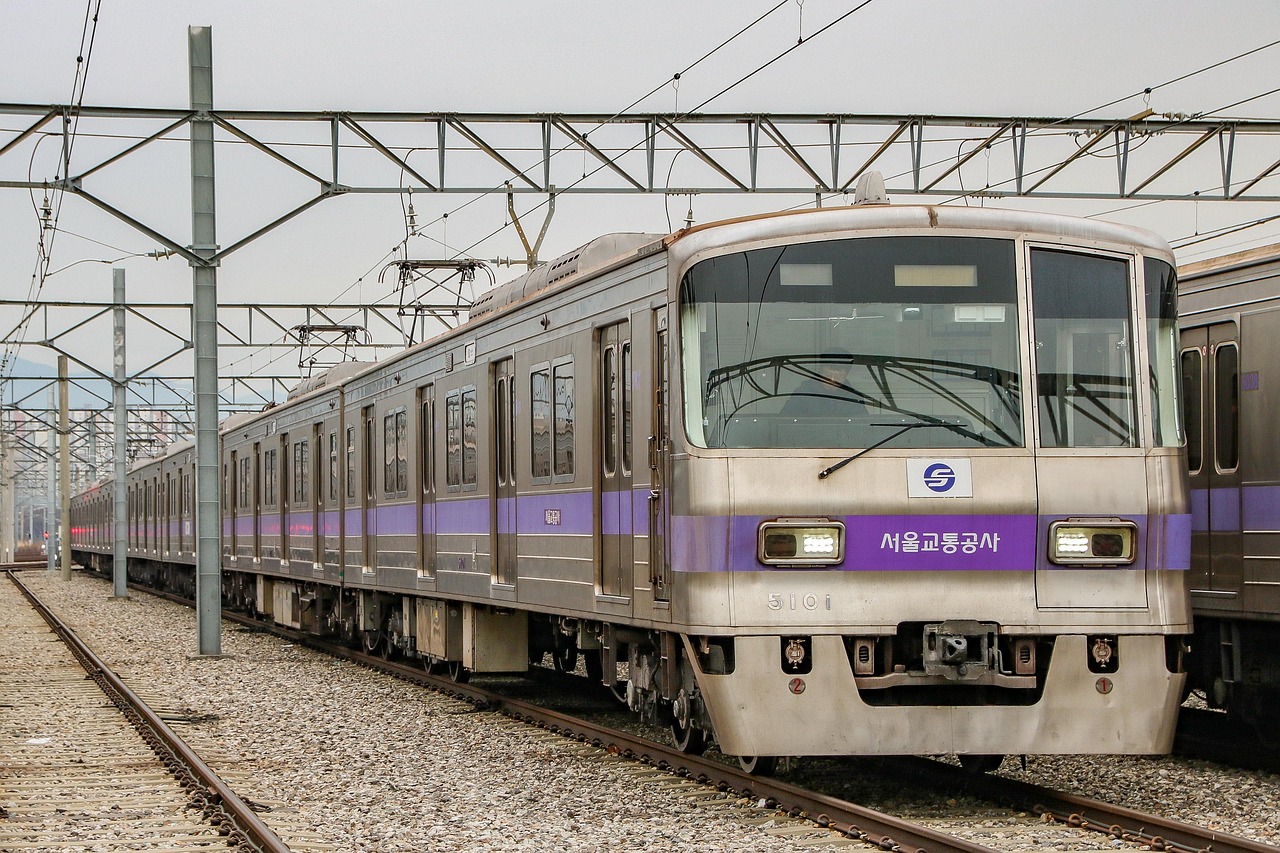
Designing seamless summer days in Seoul with metro and private car timing
For Seoul transport planning in July, the luxury approach is about choosing the right tool at the right moment—so your day feels effortless. In mid-summer, comfort often comes down to timing: earlier starts, shaded routes, and dusk-to-night experiences when the city cools slightly, and the sky turns velvety.
If you want to visit Seoul with ease, think in three chapters per day: outdoor highlights early, indoor culture at midday, then skyline moments at sunset. This rhythm is especially helpful when showers arrive suddenly, because you’ve already built in graceful alternatives.
Seoul Metro vs private car services
The Seoul Metro is air-conditioned, reliable, and often the fastest way across the city—ideal for museums, cafés, and short hops when you’d rather stay cool and unbothered. Private car services, meanwhile, shine on shopping days, for tailored night itineraries, or when you’re wearing something more formal and want door-to-door support.
If you’re planning rooftop dining, check the micro-forecast details first; a nearby station reading can be just enough to change the comfort on a terrace. Buffer time matters too—summer downpours can slow traffic, and a calm arrival keeps the mood intact.
Heat-smart sightseeing order – daylight, shade, and practical travel tips
Start with open-air scenes before midday, then slip into interiors when the city is at its hottest. Seoul’s museums, department stores, and design spaces are not just “backup plans”—they’re part of the city’s modern identity, and they keep your day balanced when the temperature peaks.
- Budgeting: peak season pricing is real; plan for premium experiences like private tours and gourmet dining.
- Weather flexibility: allow extra time for showers, and don’t be afraid to swap activities around.
- Local etiquette: speak softly on public transport, dress respectfully for temples, and note that tipping customs differ from Western norms.
With these small choices, you move through Seoul with a quiet assurance—together with the city rather than against it.
Explore Seoul in July – curated icons, festivals, and high-end moments
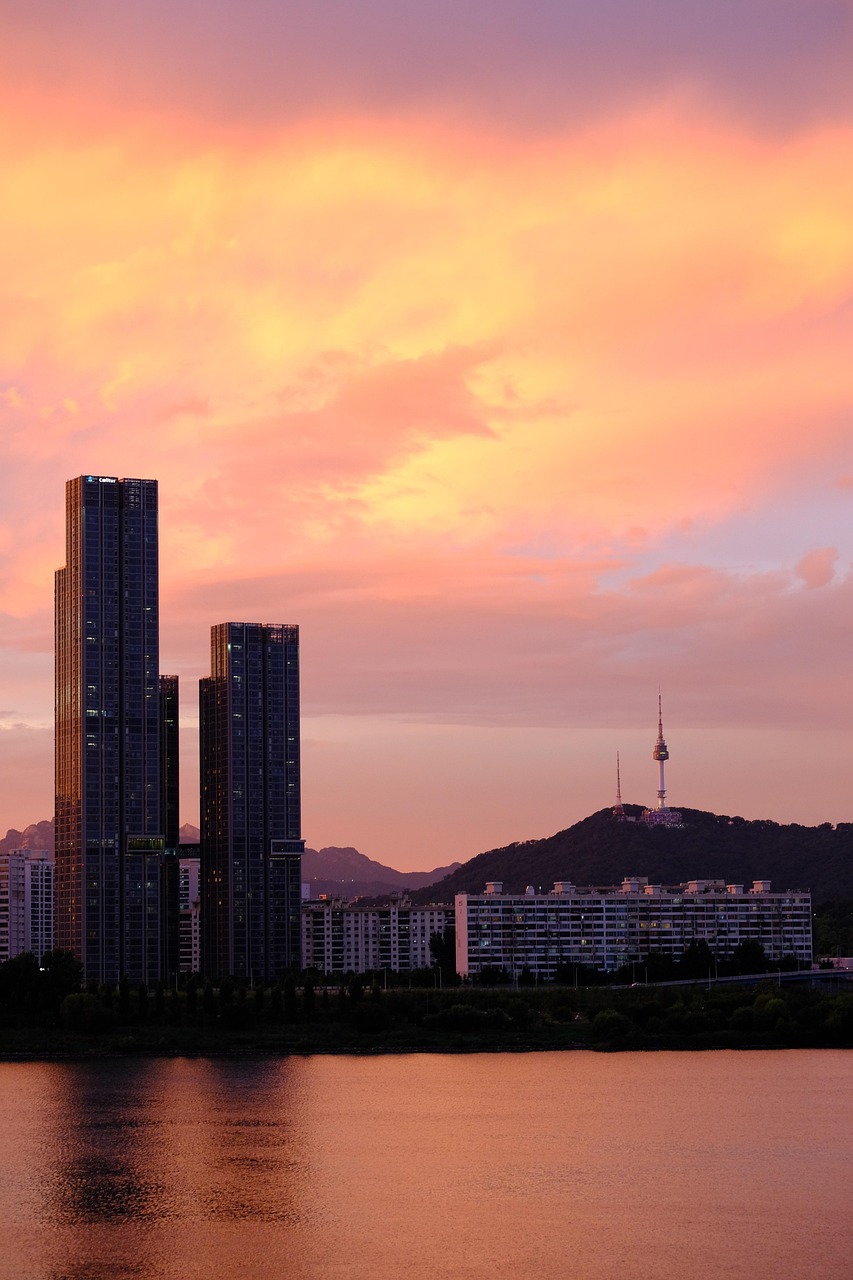
Explore Seoul in July curated icons and high-end moments at sunset
If you’re searching for Seoul in July ideas, let’s design it like a collection—icons, yes, but also atmosphere. July in Seoul rewards travellers who explore with intention: stepping into the city’s brightness, then easing back into shade, elegance, and calm. Even a brief downpour can be a gift: visibility often sharpens afterwards, and the streets gleam like lacquer.
Namsan Seoul Tower, Myeongdong & Bukchon – temperature-aware timing and photo light
Namsan Seoul Tower is pure perspective: a panoramic sweep of Seoul in summer. Aim for late afternoon after a shower, when the air feels newly rinsed, and the light turns clear. If you’re crafting photos, plan a few deliberate frames—wide skyline, reflective glass, and a close-up moment that captures the season’s softness.
As evening arrives, Myeongdong becomes a different world—luxury boutiques lit like galleries, and street food stalls sending out irresistible aromas. The high-end way to do it is pacing: choose two or three standout bites, take shaded breaks, and keep cool drinks on hand so you enjoy the scene without battling the heat.
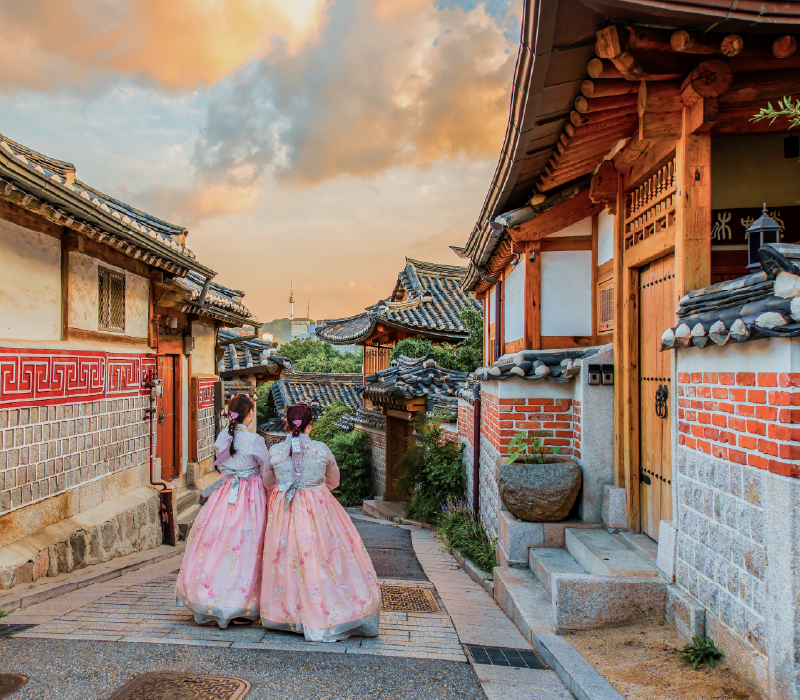
For heritage, Bukchon Hanok Village is best early, when the lanes are quieter, and the summer bloom feels almost private. A personal guide adds insight you can’t get from signs—architectural details, local stories, and gentle reminders on respectful behaviour in residential streets.
Gyeongbokgung Palace, Han River cruise & DDP – evening experiences under the summer sky
One high-end traveller told us their private guided tour of Gyeongbokgung Palace in July brought Korean history to life despite the heat. The difference was the expert storytelling—and the guide’s seamless pauses for shade and water, timed so the experience stayed immersive rather than tiring. That’s the quiet value of personalised support: you discover more, and you feel cared for while you do.
For a romantic crescendo, the Han River in July is a dream. A couple we know still talks about their exclusive dinner cruise: luxury dining, warm evenings, and a skyline that seemed to arrive just for them. If you prefer privacy, renting a small yacht can feel wonderfully intimate—an unhurried glide past bridges and city lights, with Seoul shimmering at the edges.
And when rain returns—or you simply want an electric night—head to Dongdaemun Design Plaza. The night market atmosphere feels global and design-forward: international cuisine, exclusive designer products, and a lively crowd that makes the city feel endlessly creative, no matter what the weather is doing outside.
F.A.Qs
Is July a good time to visit Seoul in South Korea?
Yes—July can be a wonderful time to visit Seoul if you plan for heat and occasional rain. Expect humid afternoons, lively evening energy, and festival options building early in the month. With early starts, indoor midday breaks, and flexible bookings, the city feels vibrant rather than overwhelming.
Is July the hottest month in Korea?
July is among the hottest months, but it isn’t always the hottest month of the year across South Korea. Late July into August often feels similarly intense, with higher humidity. In Seoul, the “feel” can matter more than the number—shade, breeze, and sudden weather shifts can change comfort quickly.
Is summer a good time to go to South Korea?
Summer is a good time to go to South Korea if you enjoy long days, green scenery, and dynamic nightlife, and you’re comfortable planning around rain. Luxury travel works particularly well in summer because private transfers, excellent air-conditioning, and curated indoor experiences keep the trip smooth—and they make it easier to connect Seoul with Jeju or Busan.
How to dress for Seoul in July?
Choose breathable fabrics and comfortable shoes, and carry a compact umbrella for sudden showers. Keep a light layer for chilly interiors, such as department stores and museums. If you have formal dining or rooftop plans, opt for breathable tailoring and allow time to freshen up at your accommodation.
After Seoul: what stays with you – South Korea summer reflections and quiet moments
In memory, Seoul in July doesn’t feel like a forecast—it feels like a texture. The way the air turns rain-sweet and clean, the way the pavements glow under streetlights, the way a warm evening holds you gently as you cross the city. You remember the rhythm you created between heat and beauty, and how that rhythm made everything feel more personal.
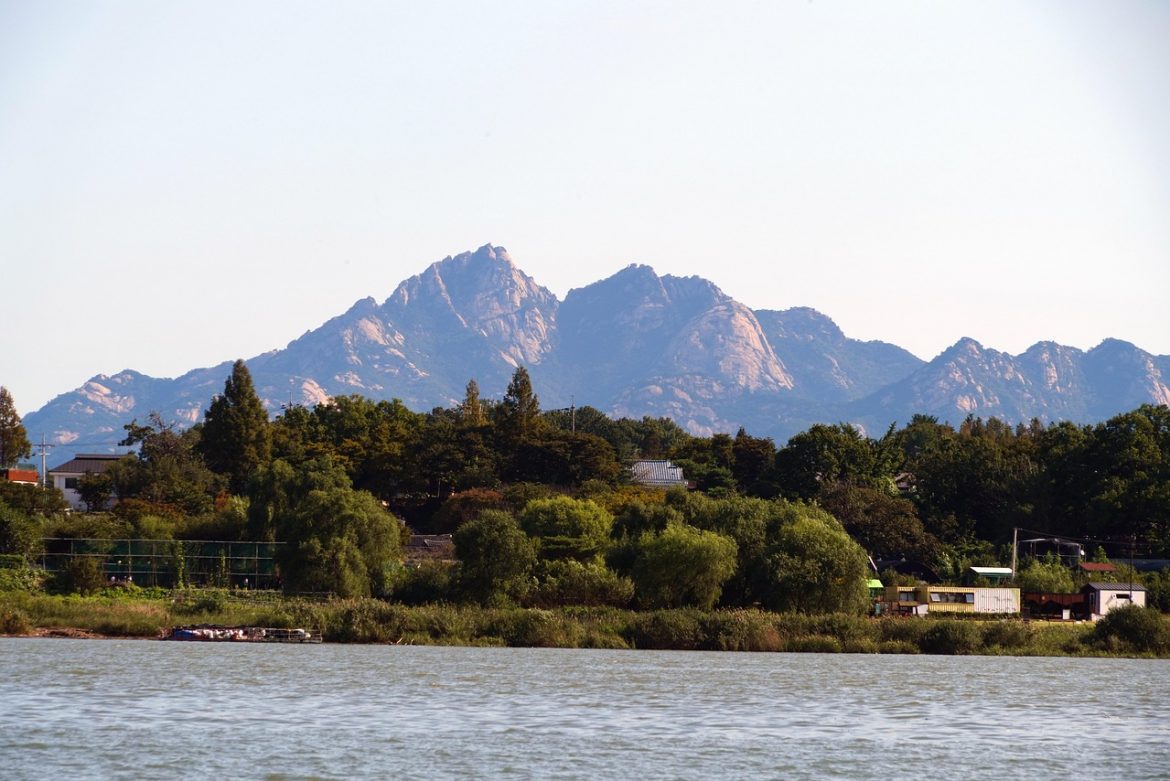
A solo traveller once described an early morning hike up Bukhansan Mountain in Bukhansan National Park: crisp air at the top, panoramic vistas, and a calm that felt worlds away from the urban buzz below. They didn’t talk about ticking off a view; they spoke about gratitude—about standing quietly, watching Seoul wake, and feeling the city as something living rather than something to conquer.
That’s what stays with you, long after summer ends. Not just the icons, but the trust you built in small choices: stepping out early, pausing when you needed to, showing local respect without effort, letting an expert hand smooth the edges. With care designed into each day, you carry home a gentle confidence—proof that even the hottest, busiest time of the year can feel composed.
And perhaps, when you think of South Korea again, it won’t be with urgency—just curiosity, like a door left slightly ajar to another season’s light and another best time of year to return.