Post Contents
South Korea in August Weather in One Luxurious Snapshot and South Korea humidity, rainfall, and average temperature
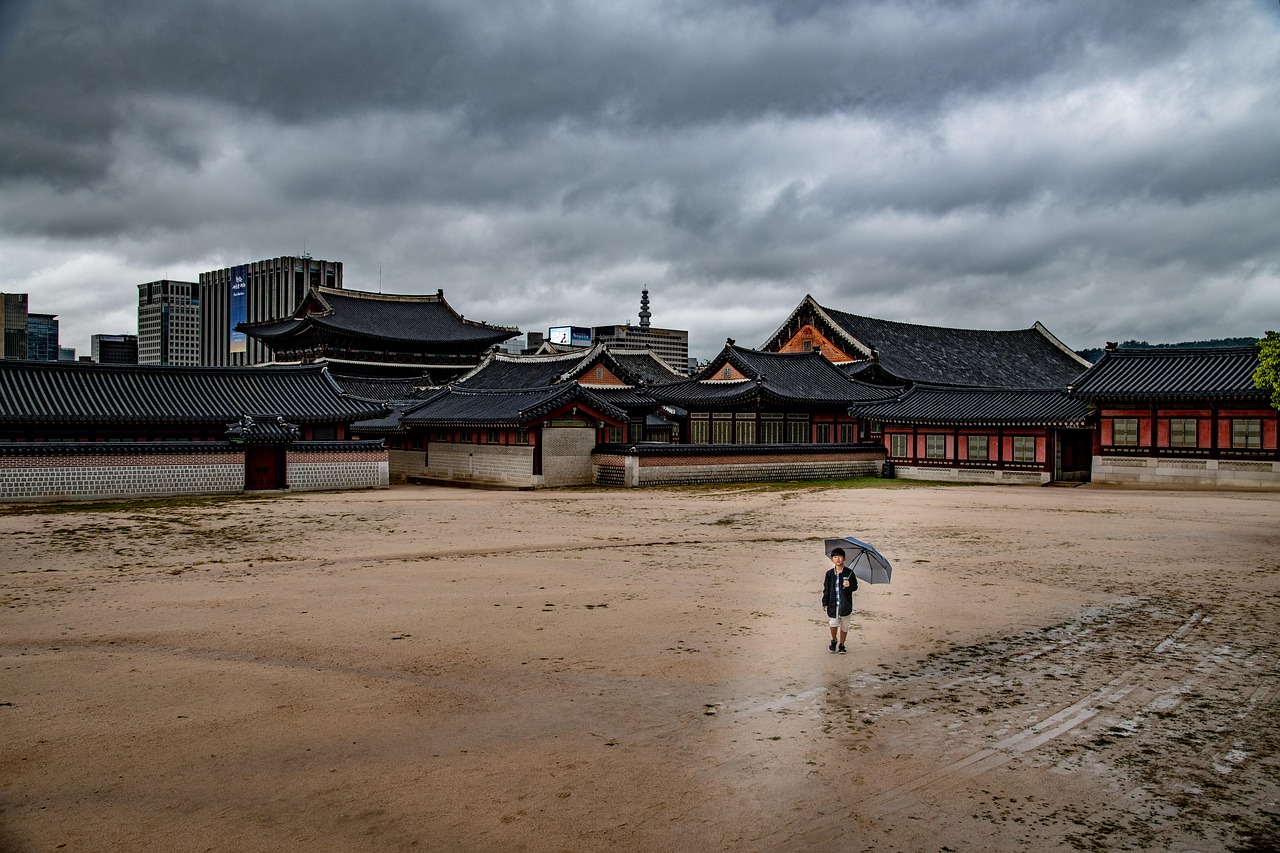
South Korea in August: Weather in One Luxurious Snapshot at a tranquil temple
Think of South Korea in August weather in South Korea as a glossy summer tableau—sun-bright mornings, a softly cloudy afternoon sky, and the occasional dramatic downpour that refreshes the streets. Across the Korean peninsula, the overall feel is hot and humid, with warm nights that invite late dinners and unhurried strolls. This is the month in South Korea when you win comfort through smart pacing: early starts, beautiful indoor interludes, and a calm, flexible attitude.
In Seoul, where it is located in a dense urban basin, heat can feel even hotter because buildings retain heat, and the air moves less. You’ll notice humidity building quickly after breakfast, especially if you’re walking between neighbourhoods. The good news is that luxury travel here is naturally supported by air-conditioned spaces—hotel lobbies, galleries, department stores, and immaculate cafés designed for lingering.
Average daily conditions and the feel of humidity
It helps to anchor expectations with an easy reference point. The average daily pattern is typically a bright start, rising heat by late morning, and a softer evening once the sun drops. The average temperature is around the high 20s to low 30s Celsius, with an average high often near 30–32°C and an average low around 24–26 °C in major cities.
Humidity levels are the real story: heat and humidity together can feel heavier than the numbers suggest, especially at midday. If you’re sensitive, it’s reassuring to know that a low temperature such as 20°c is uncommon in August nights—so your suite’s cooling and breathable sleepwear matter. Watch for high humidity after rain, and plan your most photogenic walks for the early hours.
Rainfall, monsoon season, and end-of-month shifts for 2026
Rainfall is shaped by the monsoon season, with monsoon rains appearing in waves rather than as constant drizzle. You may see rainy days throughout the month, and there is always a chance of rain in the afternoon—perfect justification for a museum, spa hour, or a long lunch. Toward the end of the month, late-summer typhoons can occasionally brush the country, which is why we always advise checking forecasts for 2026 and beyond.
For refined planning, add two quiet cues to your itinerary: protect pool or spa time for the hottest part of the day, and keep an eye on air quality for outdoor photos and hikes. With these small adjustments, the high temperature becomes far less intimidating—and the summer mood remains yours to enjoy.
Best time to visit South Korea
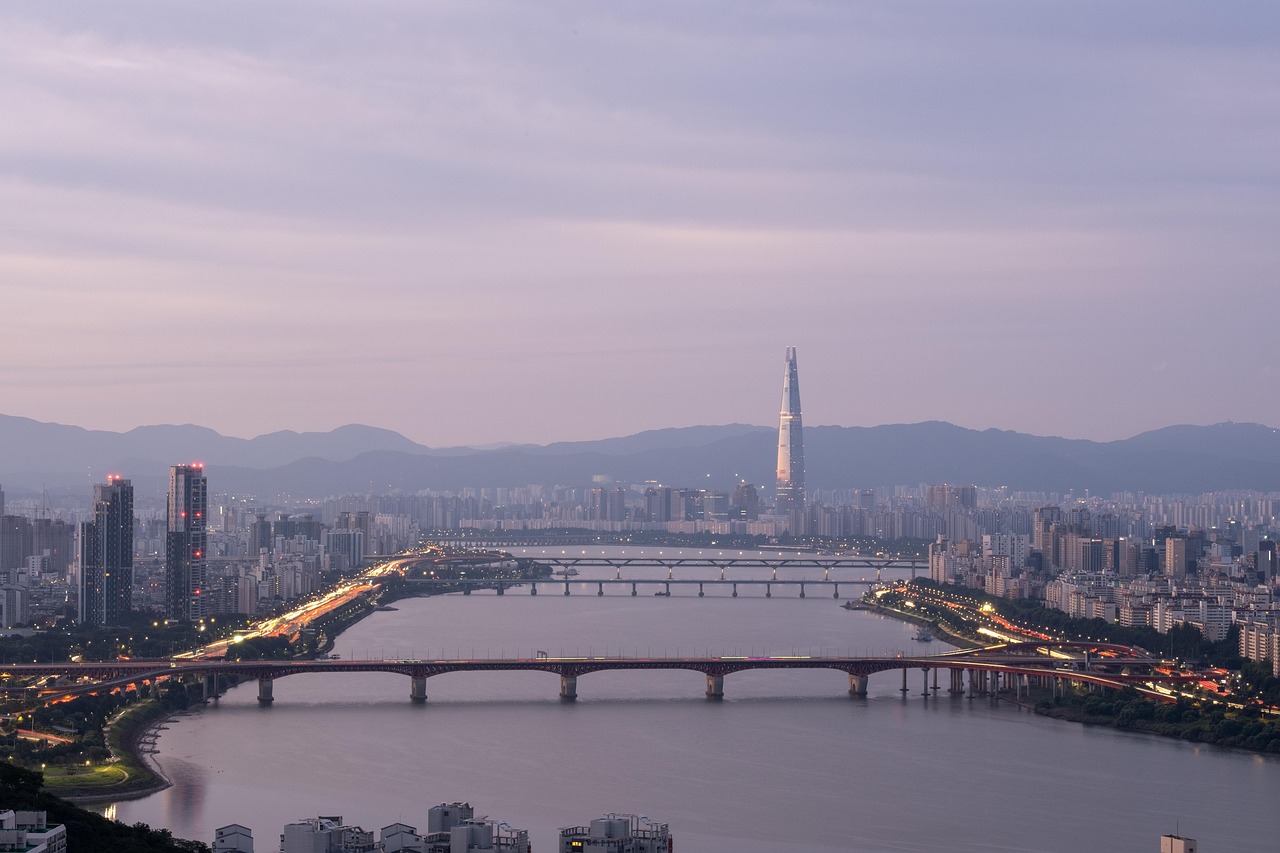
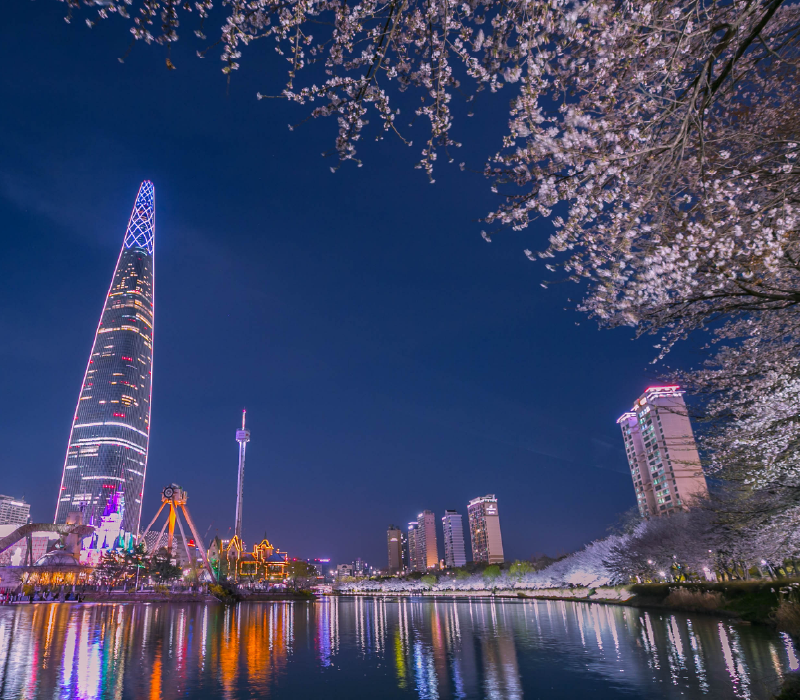
Best Time to Visit South Korea and the Best Time to Visit Seoul with a city skyline view
When travellers ask about the best time to visit South Korea, the honest answer is: it depends on the experience you want to create. August is peak summer and, for many, the hottest month of the year—yet it can be a good month for festivals, beach energy, and nights that feel endlessly alive. If your travel style favours curated comfort and a confident itinerary, August can still be ideal for exploring, just with a gentler pace.
In the calendar of months to visit, many people choose spring or autumn for crisp air and easier walking. Cherry blossom season is especially beloved—think Jinhae’s petal-lined streets—while autumn brings clear skies and mountain colour. These popular times can drive flight prices upwards and tighten hotel availability, so high-end travellers often benefit from booking early, whichever season you choose.
July and August versus spring or autumn for luxury travellers
It’s useful to compare July and August with April or October. Summer brings longer evenings and a more playful atmosphere, but you trade cooler temperatures for humidity and a higher chance of showers. Shoulder seasons are often less crowded and naturally comfortable, though they can feel more “scheduled” around short-lived highlights like blossoms.
So, is August the best time to visit Seoul? For some travellers, yes—particularly those who love nightlife, contemporary culture, and festival sparkle. For others who want to avoid the height of summer, a cooler month might build more trust in an all-day walking itinerary. Either choice can be luxurious when thoughtfully designed.
Near Seoul, slow pacing and a day trip are calm
One expert approach is to pair Seoul’s iconic sights with restorative pauses in and around Seoul. A day trip to shaded gardens, riverside cafés along the Han River, or cool, contemplative museums lets you explore without fighting the heat. If you’re drawn to mountain retreats, the Taebaek ranges offer a different kind of summer—green, misty, and quietly dramatic.
For a visual preview of the experiences you can stitch together with seamless support, browse our Trip gallery and imagine your own rhythm: early culture, long lunches, and evenings that glow.
Seoul, South Korea in August
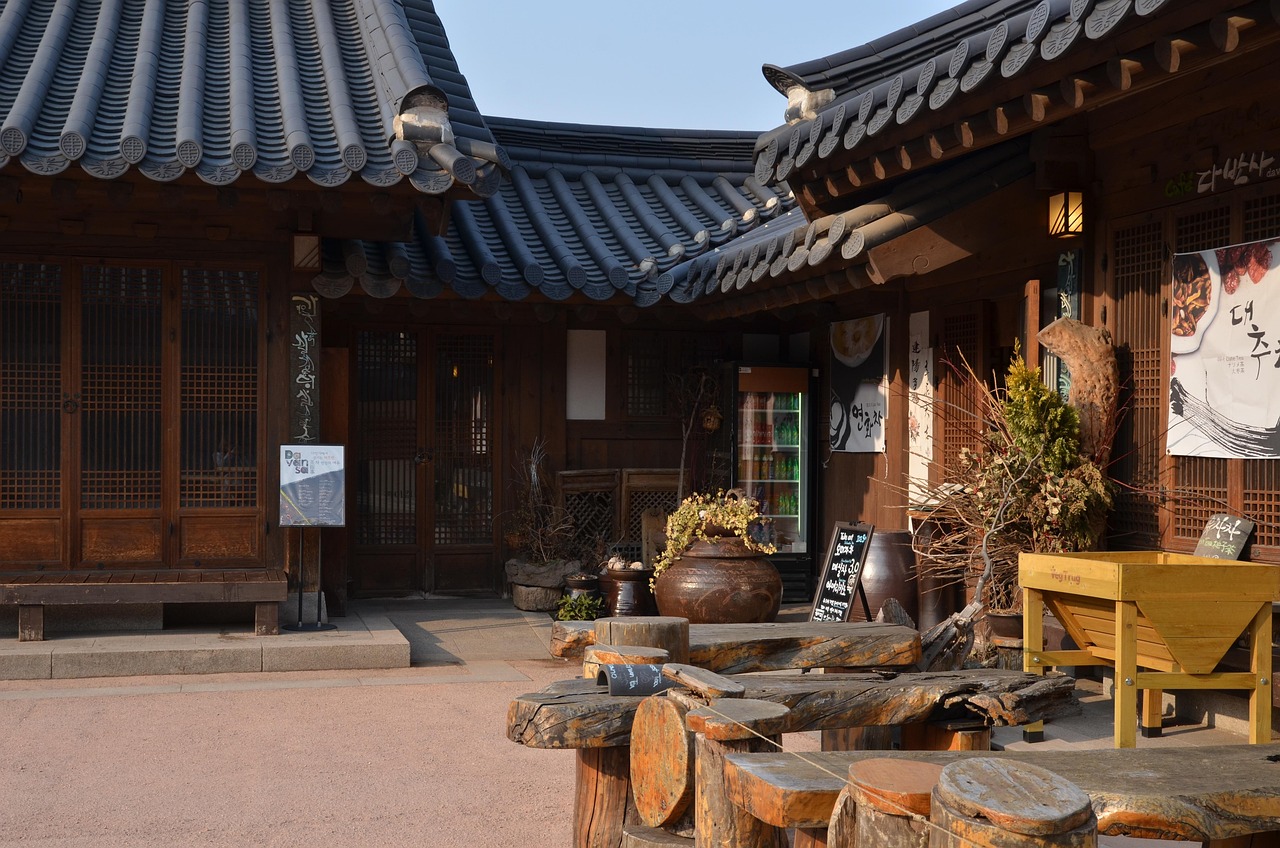
Seoul in August Palaces, Hanok Beauty and Early Day Calm in Bukchon
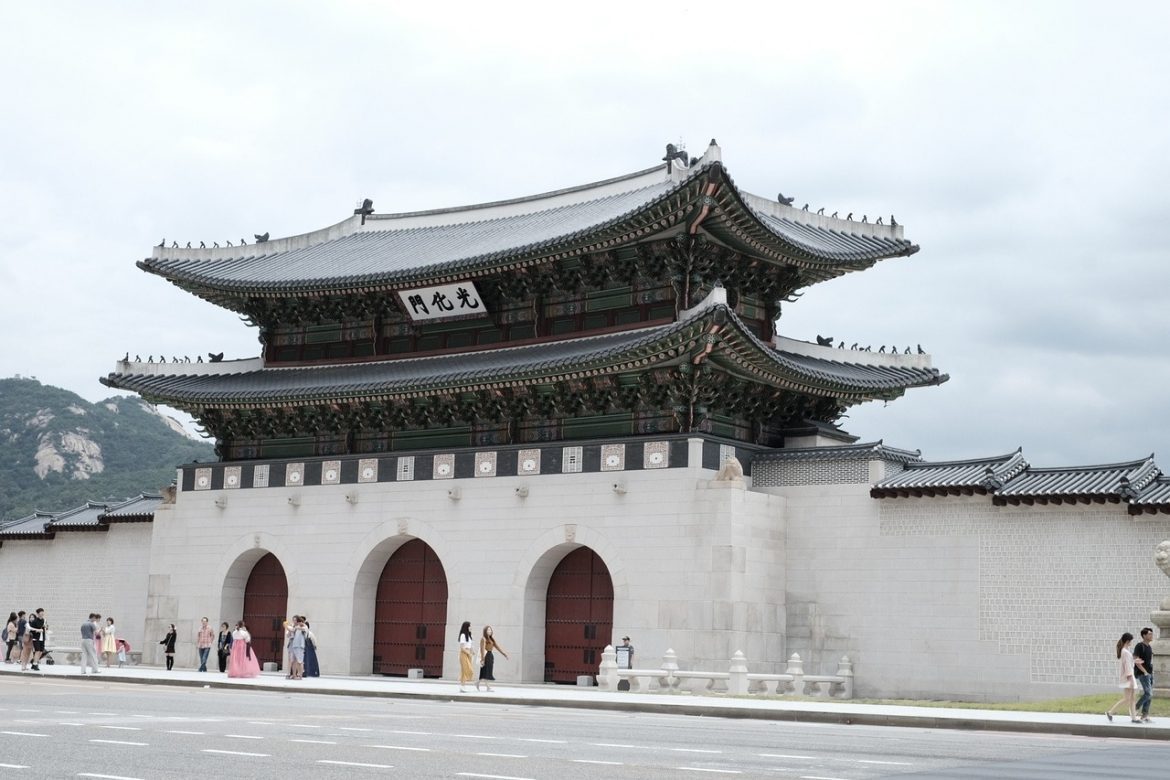
Seoul, South Korea, in August: the palace of Gyeongbokgung, Changdeokgung, and Bukchon. It sounds busy—until you arrive early in the day. More than one luxury traveller has shared the same personal insight: stepping into Gyeongbokgung as the gates open brings a rare stillness, where stone courtyards and painted eaves hold the morning cool before the city fully wakes. In those first hours, the architecture feels intimate, and your photographs look like you had the city to yourself.
By late morning, temperatures in Seoul rise quickly and the humidity returns, so a two-part day is your most seamless strategy. Begin with culture at dawn, then retreat to your hotel for a swim, a nap, or a long, crafted lunch. Come back out as the light softens, when Seoul often feels kinder and more romantic.
The best time to visit Seoul in August is early morning calm
For Changdeokgung, mornings are equally rewarding, especially if you’re joining a timed entry. A private guide can add depth—stories, symbolism, and the small design choices you might otherwise miss—while keeping the pace considerate. This is where luxury isn’t only about access; it’s about care, and the quiet confidence of having someone think ahead for you.
If the forecast hints at showers, shift your outdoor hours earlier and keep an indoor alternative ready. This is also how you keep your plans at tourist sites from feeling rushed.
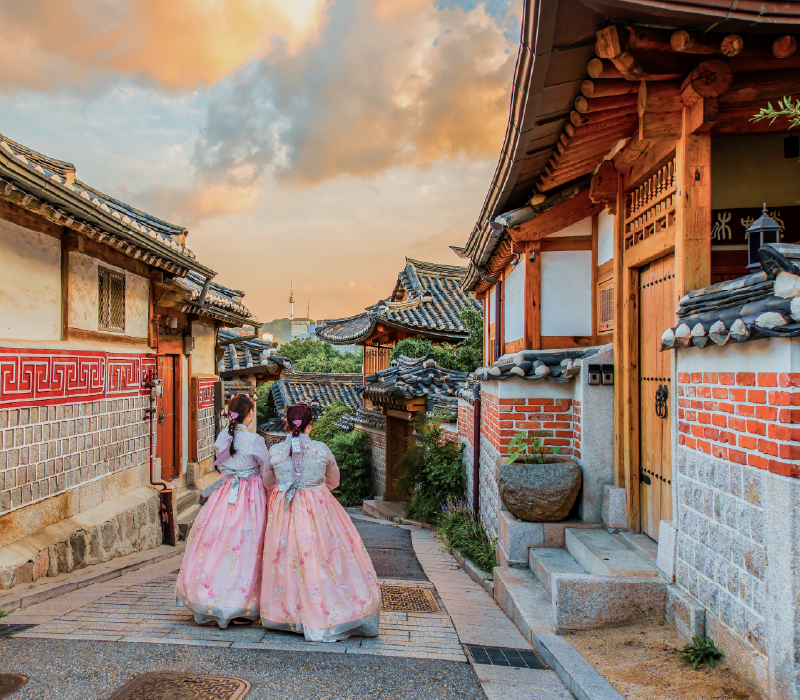
Bukchon and Hanok villages with local etiquette and trust
From the palaces, continue slowly into Bukchon and nearby hanok lanes. You’ll uncover details that reward a designer’s eye: timber joinery, curved rooflines, and the way light falls into courtyards. Pop into artisan studios for ceramics or textiles, then pause in a tea house where time seems to settle.
Etiquette here is simple and meaningful: keep voices low, dress modestly at temples, and show respectful behaviour at cultural sites. If monsoon showers arrive, consider shaded arcades, contemporary galleries, or markets—quietly excellent things to do in the south when the sky turns silver.
To keep it seamless, lean on premium hotel concierge support or a private transfer between neighbourhoods. It’s a small upgrade that creates space for what matters: presence, comfort, and the feeling that the day was designed for you.
Boryeong Mud Festival, South Korea in August
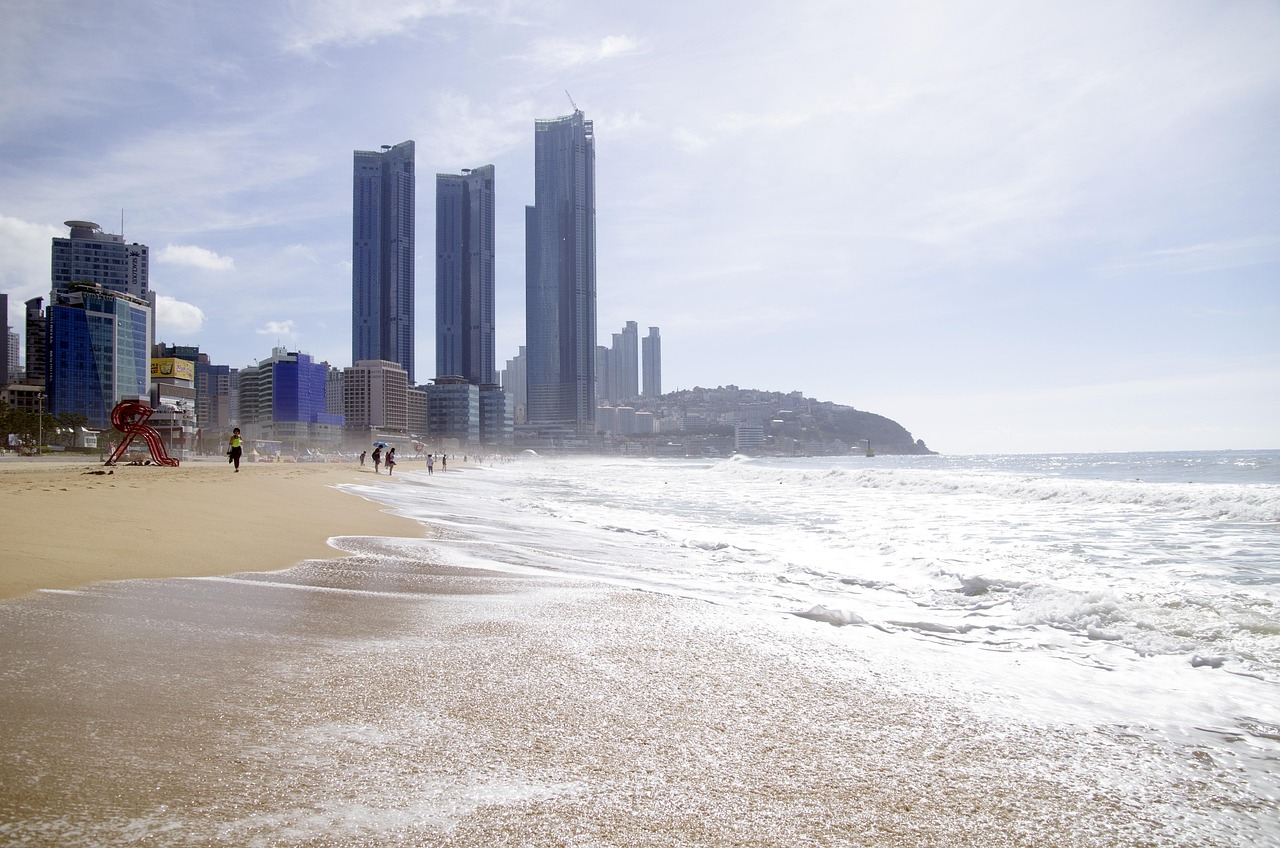
Coastal Escapes Busan Beaches and the Boryeong Mud Festival in August
Boryeong Mud Festival, South Korea, in August, Busan beach, coastal cities, captures the most playful side of the season—and this is the one time you’ll see the phrase South Korea in August written with a grin. The Boryeong Mud Festival features elements that feel joyfully absurd (mud slides, games, music), yet it’s also culturally rooted, with a local pride that’s easy to respect. You come for laughter and leave with a story that doesn’t sound like anyone else’s itinerary.
One high-end traveller told us the festival became their “refresh button”: after days of polished sightseeing, the mud was a refreshing, childlike reset that made the whole trip feel more human. In a country known for immaculate style, it’s oddly liberating to be messy together—then return to a beautiful hotel for a shower and a perfectly mixed drink.
Busan beach life and southern coastal breezes
Busan is a natural pairing with festival season. While the humidity remains high, the southern coastal air can feel slightly more breathable thanks to sea breezes, especially in the evenings. Reserve a table with ocean views, then stroll a beach promenade as the skyline lights come on—this is Busan at its most cinematic.
If you’re deciding between Busan and Jeju Island, think of Busan as energetic and social, while Jeju leans restorative. Both give you that summer-on-the-water feeling without sacrificing comfort.
Weather-smart plans for East Coast beaches and indoor back-ups
For coastal areas, flexibility is a luxury. Build your mornings around East Coast beaches, then keep an indoor backup for late-day showers: aquariums, spas, or a slow seafood lunch. If you’re travelling with family, water parks can be a brilliant solution on muggy days, particularly when skies threaten.
Logistics are beautifully simple: KTX services make travel between Seoul and coastal cities feel smooth and comfortable, especially if you opt for first-class seats. Once you arrive, a T-money card keeps local connections easy on buses and metro lines—small, practical support that helps you move with confidence.
South Korea travel tips in August
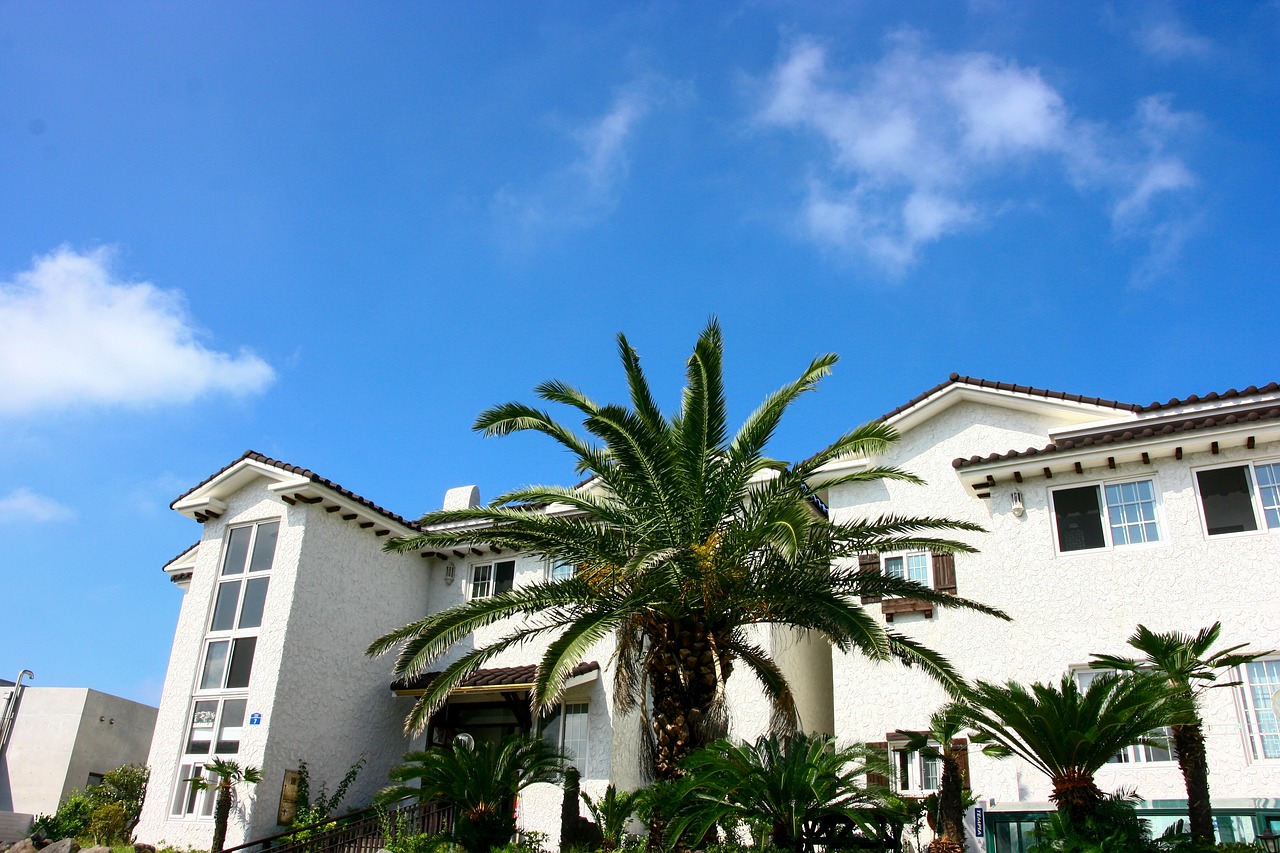
Travel Tips for a Seamless Luxury August in South Korea with a serene summer stay
South Korea travel tips: August weather. South Korea’s weather in August starts with an easy truth: hot weather is manageable when you plan for comfort as carefully as you plan for beauty. Choose light, breathable fabrics, carry water, and accept that the midday sun is for quieter pleasures. The reward is that you’ll still discover the magic—just without feeling wrung out by the afternoon heat.
To keep your days elegant, treat the schedule like a tailored suit: structured where it matters, relaxed where it counts. With high humidity, your energy can dip faster than expected, so build in pauses and let your hotel do some of the heavy lifting.
Travel tips for packing and well-being in humidity
- Pack linen, technical cotton, and a light layer for air-conditioned spaces.
- Carry a small towel or handkerchief; it’s a discreet luxury in high humidity.
- Start outdoor touring early, then return for a pool or spa hour.
- Keep footwear that handles slick pavements after monsoon showers.
These small decisions are the difference between simply enduring summer heat and feeling genuinely cared for as you explore.
Jeju Island cool-down and Gangnam after dark
Jeju Island is the most elegant “cool-down” you can design into an August trip. Think lush green trails, basalt coastline, and waterfalls that feel like nature’s own air-conditioning. High-end visitors often highlight exclusive spa experiences here—hydrotherapy, private treatment suites, and restorative rituals that reset you after outdoor adventures.
Back in Seoul, nights in Gangnam deliver modern luxury with polish. One traveller described slipping into an elite restaurant’s private room as “the perfect contrast to palace mornings”: seasonal tasting menus, impeccable service, and a sense that Seoul’s future and past sit comfortably together. From there, crafted cocktail bars keep the mood lively without ever feeling chaotic.
For seamless movement, choose premium airport transfer services and consider KTX upgrades when moving between regions. And for planning a trip in changeable weather, check weather stations and official forecasts daily; keeping a buffer for monsoon rains is wise. If a typhoon shifts plans, stay calm: swap hikes for galleries, coastal drives for spa time, and let the day remain beautiful in a different way. That’s real luxury—adaptability with trust.
F.A.Qs: South Korea August planning
Is August a good time to visit South Korea?
Yes, August can be a good time to visit South Korea if you enjoy festivals, long evenings, and a lively summer atmosphere. It is hot, with noticeable humidity and periodic rain, so the most comfortable trips are designed around early mornings, relaxed afternoons in cooling spaces, and flexible shower plans.
What is the 52-hour rule in Korea?
The “52-hour rule” refers to South Korea’s legal cap on the standard maximum working week in many workplaces: 52 hours (typically 40 regular hours plus up to 12 hours overtime). It’s not a travel rule, but visitors may notice how it shapes business hours, service culture, and the rhythm of city life.
What clothes to wear in Korea in August?
Wear lightweight, breathable clothing such as linen, moisture-wicking cotton, and airy summer dresses or tailored shorts with smart tops. Bring comfortable sandals or trainers with a good grip for wet pavements, plus a light layer for strong indoor air conditioning. For temples and some cultural spaces, modest coverage is the most respectful choice.
How rainy is Seoul in August?
Seoul can be quite rainy in August due to the summer monsoon, with downpours that often come in bursts rather than a steady drizzle. Expect some wet days and occasional intense showers, especially later in the day. Checking daily forecasts and planning outdoor sightseeing for mornings helps you stay comfortable and unhurried.
Final Thought
South Korea in August: personal reflections. Seoul and Jeju Island are less about what you ticked off and more about what lingers when you’re home again. You remember the warm evening air as you step out of a car, the gentle hush inside a palace at opening time, and the way summer skies can turn theatrical just before dusk.
There’s a contrast that stays with you: mud festival laughter on one day, then hanok stillness on the next. Somewhere between those extremes, you uncover a softer pace—one that doesn’t fight the season, but moves with it. Even the sudden rain becomes part of the story, a reason to duck into a tea house and listen to the city breathe.
Later, when you think of South Korea’s August intensity, you might find it didn’t exhaust you; it taught you to travel with more care. You trusted your own rhythm, accepted rest as part of the design, and found that luxury can be both vibrant and deeply restorative. And perhaps, in another month of the year, you’ll quietly imagine returning—maybe to Seoul’s first light, or Jeju’s green calm—curious to see what a different season would reveal.