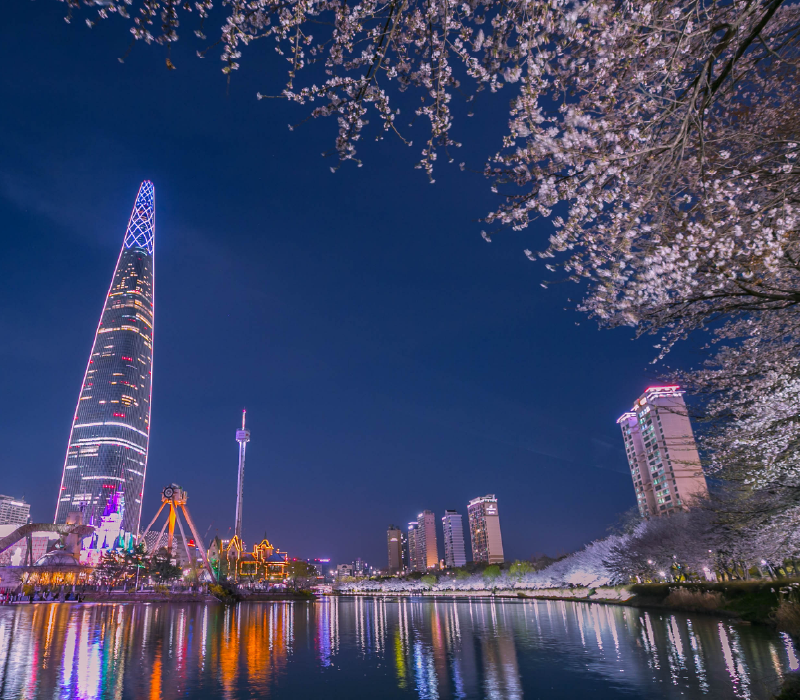
Designing a South Korea itinerary for a luxury Korea tour
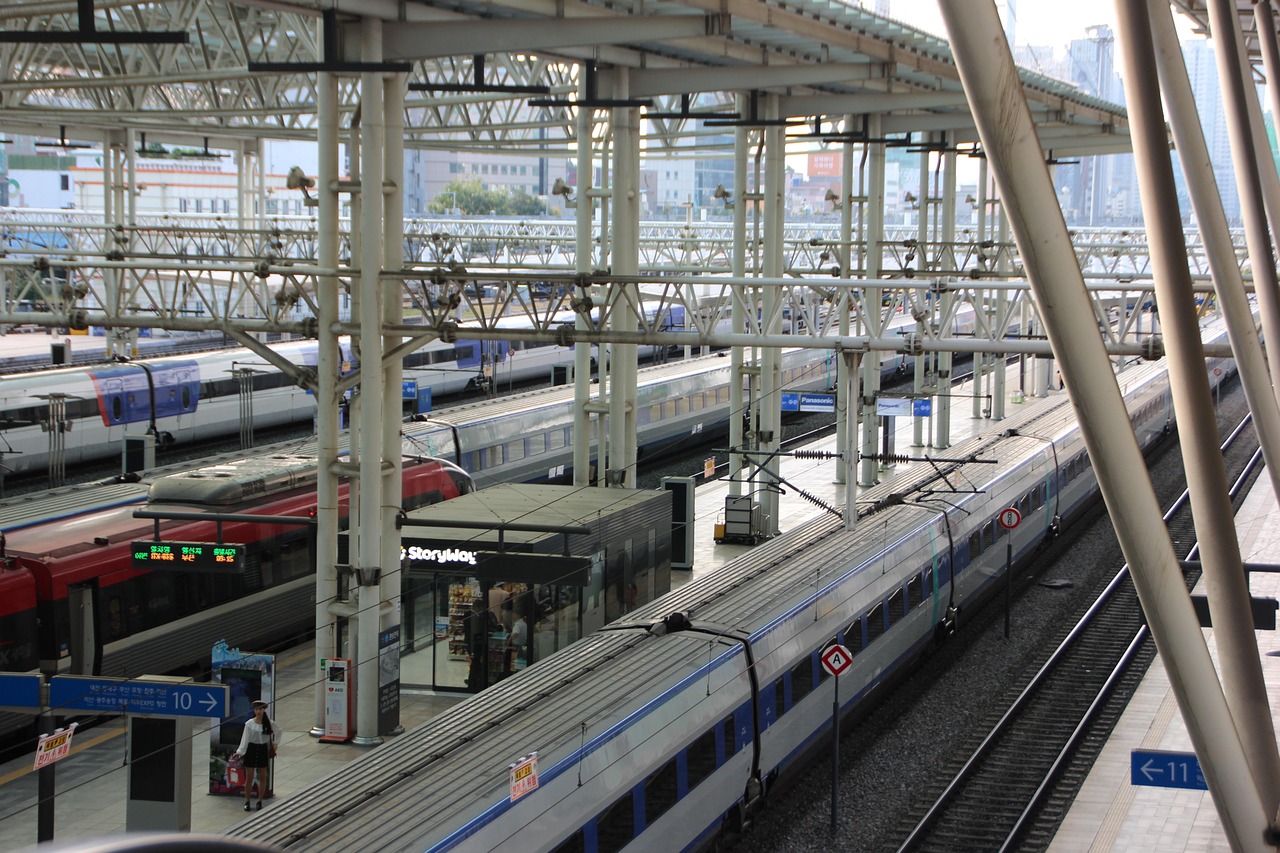
Designing a South Korea itinerary for a luxury Korea tour with KTX ease
When you search for a South Korea trip itinerary for a luxury Korea tour, what you’re often really asking is how to make South Korea feel seamless. We design days that flow—private car pick-ups when you want quiet ease, KTX tickets in hand when you prefer speed, and a guide and driver ready when you want to sightsee without friction. It’s less about doing everything and more about creating space for wonder, comfort, and beautifully timed moments.
Luxury in South Korea isn’t only about five-star polish; it’s about the calm of knowing someone has already thought through the small things. South Korea’s transport is efficient, but the most relaxed journeys come when transfers, reservations, and opening times are aligned for you—so you can simply arrive, look up, and begin to uncover the day.
Seoul itinerary design with private days and group tours
Some experiences are best held privately: palace mornings with a historian, neighbourhood walks that slow down for photos, or dining where the chef shapes the menu around you. At the same time, there are moments where selective group tours can be sensible—certain heritage access windows, or set-format border visits—provided they’re curated for comfort and context.
A trusted tour agency can tailor a tour package without sanding away your individuality. Think of it as designing a framework that supports spontaneity: you can linger over a gallery in Insadong later, because the day’s essential bookings were already handled.
South Korea seasons, entry requirements and booking foundations
For colour and ease, spring (April to June) and autumn (September to November) are the most forgiving seasons to travel across Seoul, the south coast, and Jeju. Check entry requirements early and plan for Wi-Fi from the start (an eSIM or pocket router keeps maps and messaging effortless). The day of your trip should begin gently: hydrate, take a light walk, then ease into your first reservations once jet lag has softened.
- Cost guidance: high-end dining commonly ranges from $150 to $300 per person, especially for chef-led tastings and premium pairings.
- Reserve ahead: premium hanok stays, and design-forward suites can sell out quickly in peak foliage weeks.
- Local etiquette: tipping isn’t customary; a sincere thank you and a small bow carry more meaning.
If you’d like to imagine what your own route could feel like, browse our Trip gallery for inspiration, then we can design the details together—quietly, carefully, and with trust.
Behind the scenes, our goal is to make our tours feel effortless: you experience the journey, while we handle the logistics.
Seoul’s royal South Korea tour through palaces and history
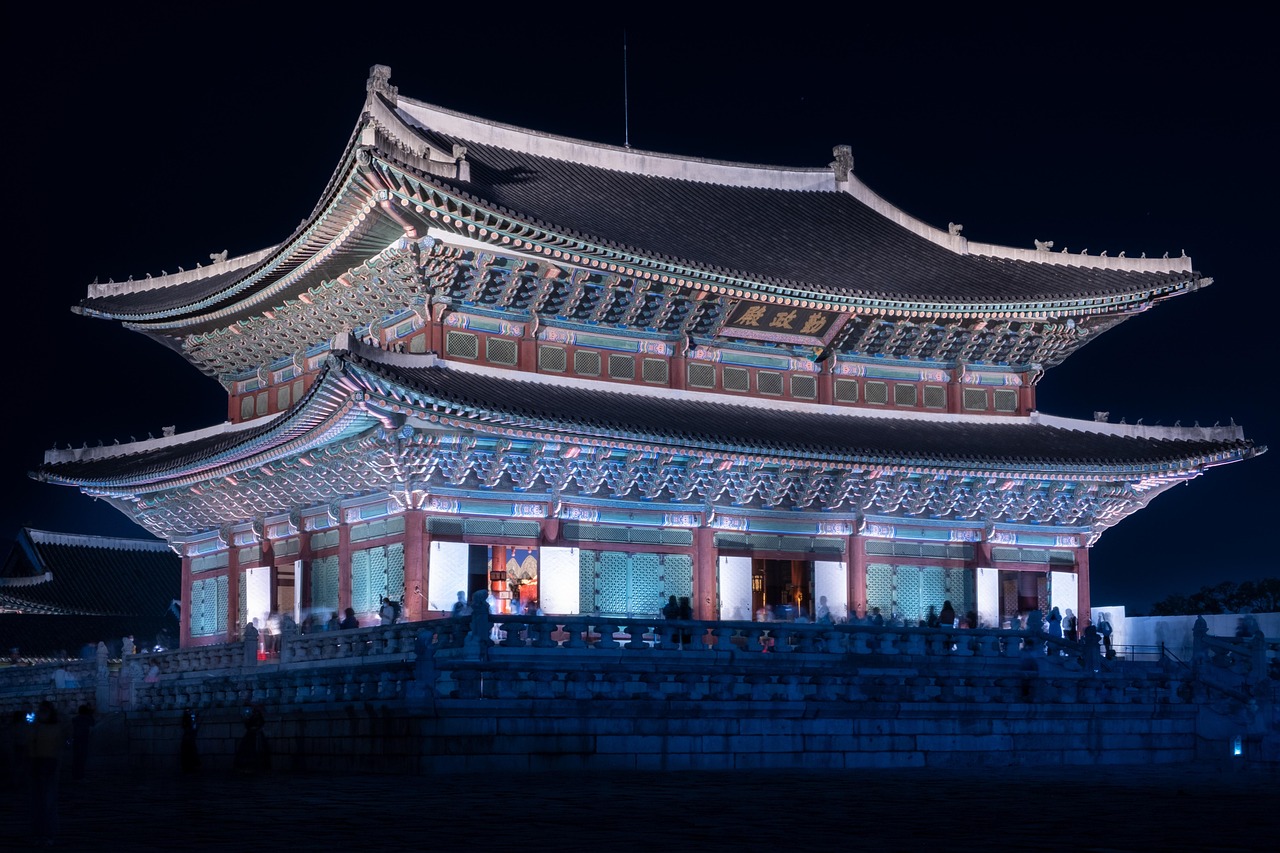
Seoul’s royal palace day at Gyeongbokgung and Changdeokgung on a luxury South Korea itinerary
For travellers dreaming of a Seoul palace experience on a South Korea tour, Gyeongbokgung and Changdeokgung, the magic is in the first steps through the gates—before the crowds thicken, when the courtyards still hold a hush. In Seoul, an expert storyteller can bring Korea’s history to life through the Joseon dynasty, not as dates, but as decisions, aesthetics, and rituals that shaped the city’s heartbeat.
We love starting with Gyeongbokgung Palace at a measured pace, allowing time for the light to settle on painted eaves and stone thresholds. Then we move on fluidly—never rushing—so you can feel the shift in mood at Changdeokgung and its gardens.
Seoul itinerary for palaces with polished cultural moments
A refined palace day works best when it’s paced like a gallery visit: arrive early, pause often, and leave room for curiosity. If timing aligns, the royal guard ceremony becomes a beautifully composed cultural moment—more theatre than spectacle, and surprisingly moving when you understand what it represents.
One quiet detail we always point out is how the buildings guide your gaze: the way sightlines frame mountains beyond the roofs, reminding you that ancient Korean design isn’t separate from nature—it’s in conversation with it.
Seoul pauses at Cheonggyecheon stream and Cheonggyecheon
After grandeur, we soften the day with Cheonggyecheon stream, where water and shade create a gentle reset before evening plans. Later, even a short wander near Cheonggyecheon can feel like a private exhale in the centre of the city.
If you prefer fewer crowds and deeper insight, a private guided tour option can be arranged, keeping the day fluid while allowing you to uncover stories that most visitors miss.
Seoul crafted flavours from Gangnam to Gwangjang Market
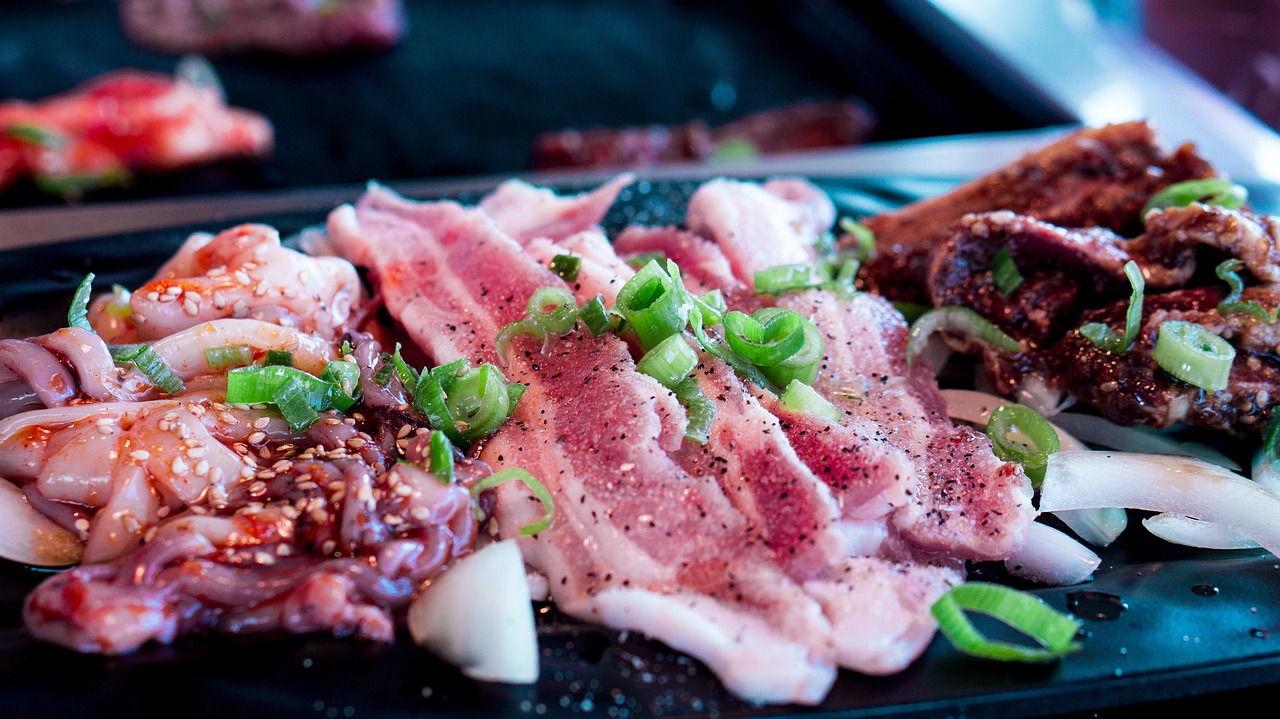
Seoul gourmet itinerary from Gangnam BBQ to Gwangjang Market with crafted flavours
A Seoul gourmet itinerary, Korean food, Gangnam BBQ, and Gwangjang Market can be both indulgent and intimate, especially when the evening is designed around your tastes. One luxury traveller still talks about their personalised Korean BBQ in Gangnam, where a Michelin-starred chef adjusted cuts, marinades, and pacing to the table’s mood—pairing rare soju with fine wines, and hosting with the kind of care that puts you instantly at ease.
What makes dining in Seoul special is the sense of craft. The best meals feel less like a reservation and more like a conversation—between ingredients, techniques, and the people sharing them.
Seoul balances fine dining and street food with local guidance
To balance refinement with texture, we often add a guided wander through Gwangjang Market. It’s not about eating everything; it’s about one iconic bite, taken slowly, with context—so street food becomes a gentle doorway into the flavours of Korea rather than a challenge.
If you want one comforting reference point, bibimbap is ideal: familiar enough to feel reassuring, yet nuanced enough to reveal how carefully Korean seasoning is layered.
Seoul itinerary is calm with a tea ceremony and intangible cultural heritage
Between lunch and dinner, a bespoke tea ceremony in a garden setting can be profoundly grounding. Done well, it’s not a performance; it’s an invitation into intangible cultural heritage, where the elegance of a cup and the quiet of a pause offer genuine connection.
- Neighbourhood texture: browse galleries and small shops in Insadong, then finish with a polished evening walk in Myeong-dong.
- Dietary needs: share preferences in advance; chefs in Seoul are skilled at adapting with grace.
- Seamless evenings: pre-arranged transport lets you linger, knowing your car is already scheduled.
For late-night ease, we also note nearby food options that stay thoughtful—light soups, small plates, or a final dessert—without pulling you out of the evening’s calm.
Jeju Island private guided tour for volcanic adventure
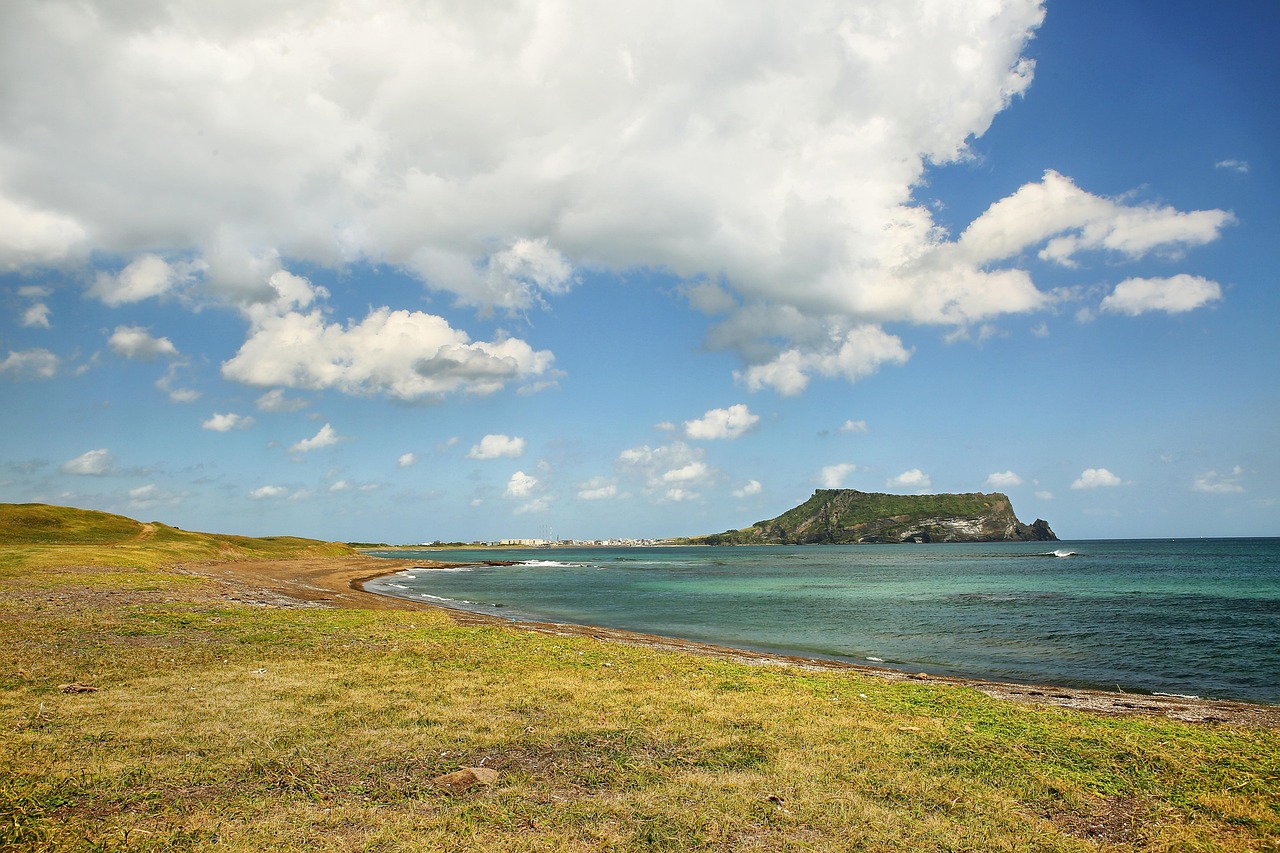
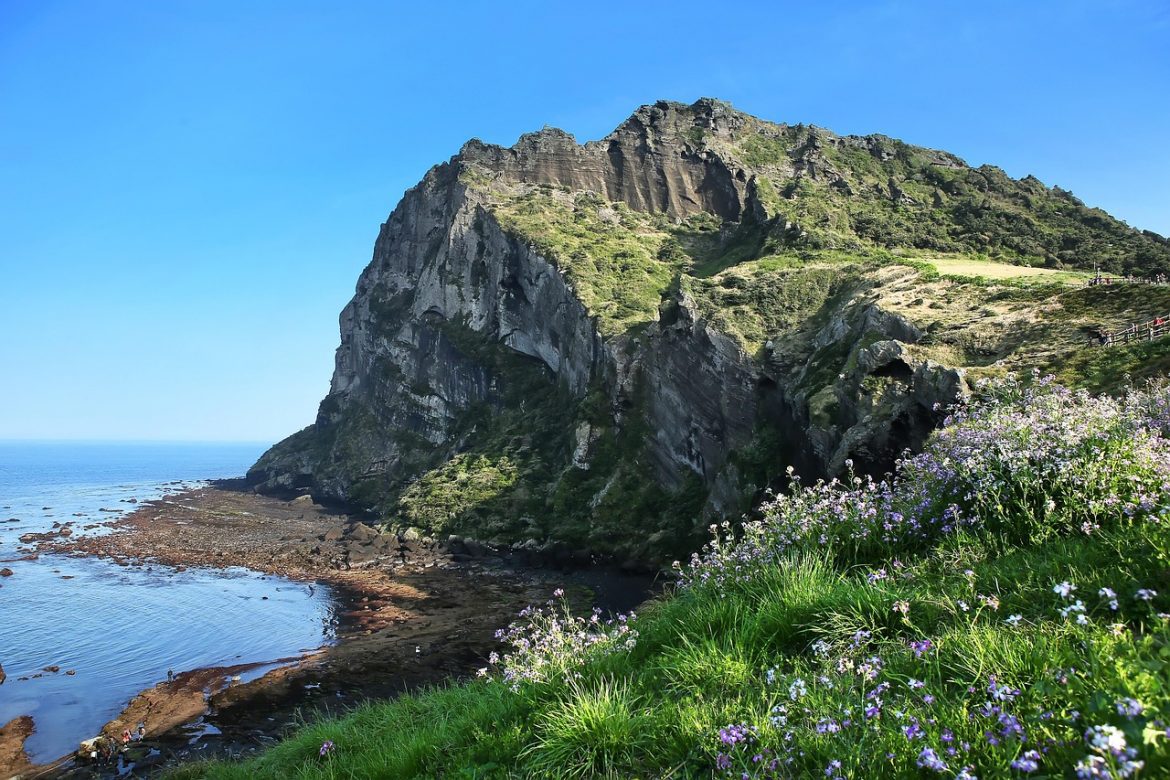
Jeju Island private guided tour at sunrise for volcanic landscapes and quiet adventure
For travellers considering a Jeju Island private tour, the luxury is not in doing more—it’s in feeling held as you explore wild beauty. Visiting Jeju is where we lean into Luxury Adventure with soft edges: a private guided hike that prioritises safety, timing, and comfort, so you can focus on the landscape rather than logistics.
One guest described their dawn climb to Seongsan Ilchulbong as “a serene moment above the clouds”—a reset that arrived before the day had even started. Jeju’s volcanic silhouettes, the salt in the air, and the stillness at the top can feel unexpectedly personal.
Jeju Island itinerary adds Olle walks and the haenyeo context
If you’d like a little more movement, we can add a gentle section of the Olle trail rather than a long trek. It’s enough to feel the coast underfoot, without pushing beyond comfort.
We also include respectful context around haenyeo culture where appropriate—shared by local voices, with sensitivity—so it feels like insight, not intrusion.
Jeju Island logistics for comfort, pacing and photos
Layering matters at dawn: a lightweight down jacket, a breathable base layer, and gloves in cooler months. Footwear should be grippy, and we always build in time for water and quiet stops so the morning stays confident, not hurried.
- After the trek: plan a slow lunch, then a restful afternoon—spa time, reading, or unhurried coastal views.
- Light and space: pace the ascent so you reach the rim before the first colour, then simply wait.
- Comfort first: the best photos come when you feel steady, warm, and present.
By late afternoon, Jeju’s calmer rhythm makes it easy to unwind—proof that adventure and restoration can belong in the same day.
Gyeongju and Busan, where UNESCO heritage meets coastal charm
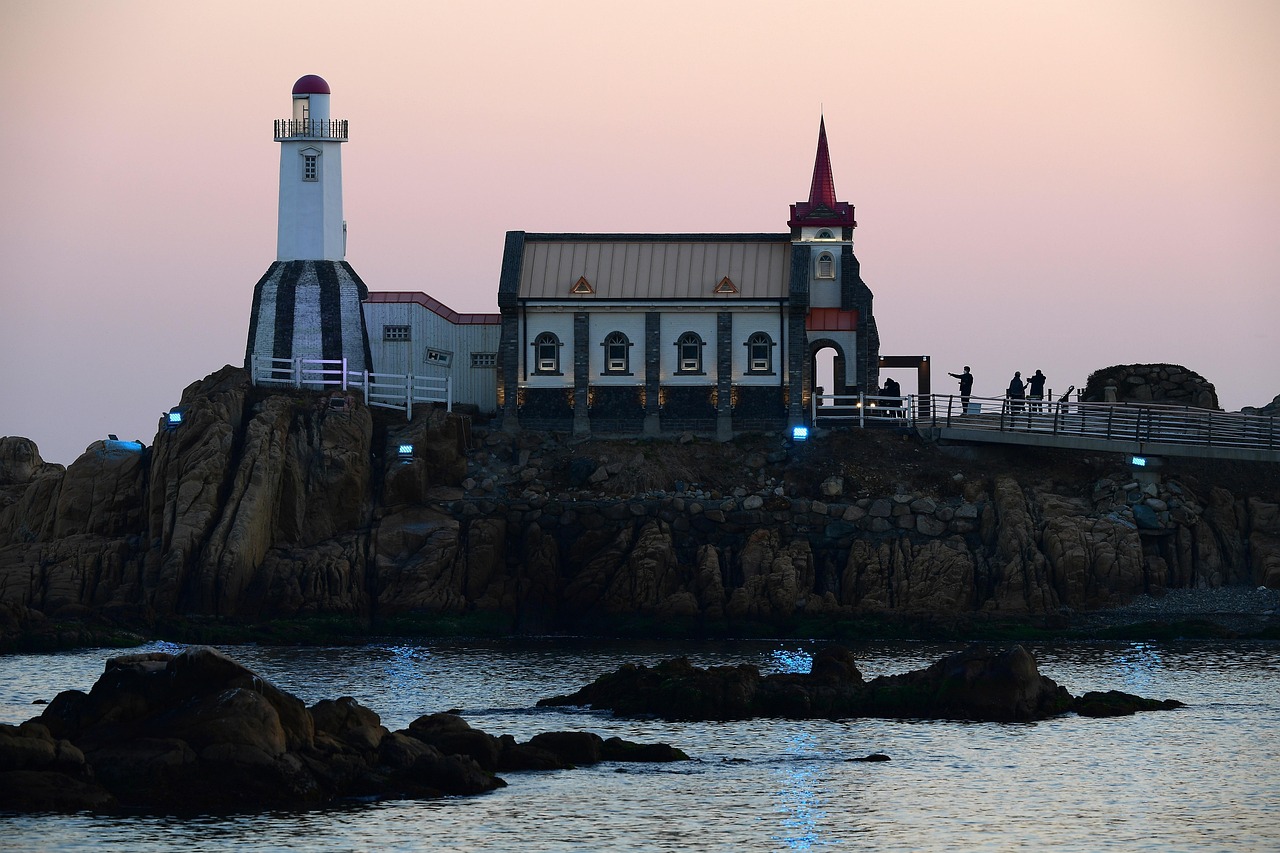
Gyeongju and Busan sequence blending UNESCO heritage and coastal charm on a luxury South Korea itinerary
If you’re dreaming of a Gyeongju and Busan itinerary, UNESCO World Heritage sites, and travel in Busan, this pairing harmonises culture and history with coastal charm. It’s ideal when you want meaning as well as beauty—and when South Korea’s southern rhythm feels like a natural counterpoint to time in Seoul.
We typically design this section with a gentle tempo: mornings for heritage, afternoons for seaside air, and evenings that stay flexible for your mood.
Gyeongju and Busan itinerary depth with UNESCO World Heritage sites
In the ancient capital, Bulguksa Temple offers a sense of reverence that doesn’t ask anything from you except quiet attention. The stonework and proportions feel deeply considered, and we encourage respectful dress and a softer voice—small gestures that align you with the space.
Nearby, Daereungwon and its tomb complex offer a vivid, human window into dynastic life. This is where UNESCO World Heritage becomes tangible: not a label, but a reminder of continuity, craft, and the way culture and history are carried forward.
Busan itinerary texture from sea cliffs to markets
On the coast, Haedong Yonggungsa Temple is cinematic yet grounded—waves below, lanterns above, and a feeling of calm if you arrive with patience. We’ll also shape a curated afternoon: Gamcheon and the Gamcheon Culture Village for colour and perspective, then choose between Jagalchi Fish Market, Gukje Market, Biff Square, or Songdo, depending on your interests.
- Movement: take KTX when it saves hours, or a private car when flexibility matters more than speed.
- Time in Busan: We keep transitions short so you’re not living out of a suitcase.
- Comfort: built-in cafés and waterfront pauses to keep the day cohesive.
Busan’s energy is easy to enjoy when you don’t have to chase it; we simply design the city to meet you where you are.
DMZ day with an expert guide through the Korean demilitarised zone
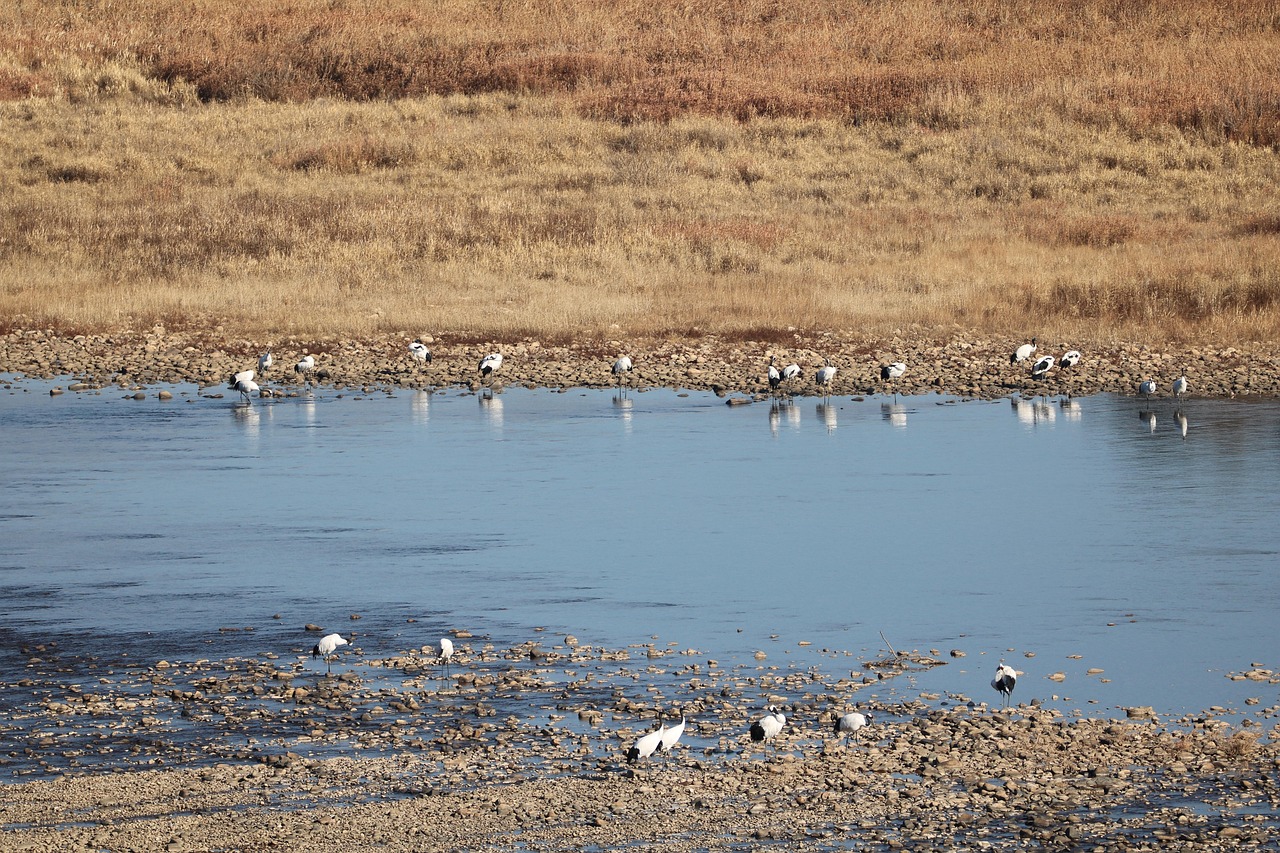
DMZ day with an expert guide through the Korean demilitarized zone with respectful context
When travellers ask for a DMZ private tour, a Korean demilitarised zone guide, we begin with one reassurance: this is not a spectacle. A day here is about nuance—tension and hope held together—with an expert who keeps the tone respectful and the commentary grounded.
The structure matters. We leave early, begin at imjingak as an opening lens, and then continue to dora observatory for a measured view towards north korea—always framed by context rather than drama.
Seoul itinerary choices between air-conditioned coach and private arrangements
There are various tour formats, and choosing the right one protects your comfort. An air-conditioned coach can be perfectly suitable when access is regulated, and you value simplicity. Private arrangements suit travellers who want more flexibility and a deeper explanation, while keeping the day calm and contained.
We’ll help you choose based on your pace, your interest in detail, and how you want the experience to sit within your wider South Korea itinerary.
What to wear and how to move with care and confidence
Dress modestly and comfortably, bring your passport if required, and be prepared for security screening without inconvenience. Behaviour matters: follow instructions, avoid joking in sensitive areas, and keep your voice low. These are small acts of trust that honour the place’s gravity.
Afterwards, we plan a quiet lunch and a gentle return so the experience can settle, rather than jar. This is one of the few days we keep intentionally understated—supportive, spacious, and human.
Luxury hanok stays, and modern design for South Korea trips
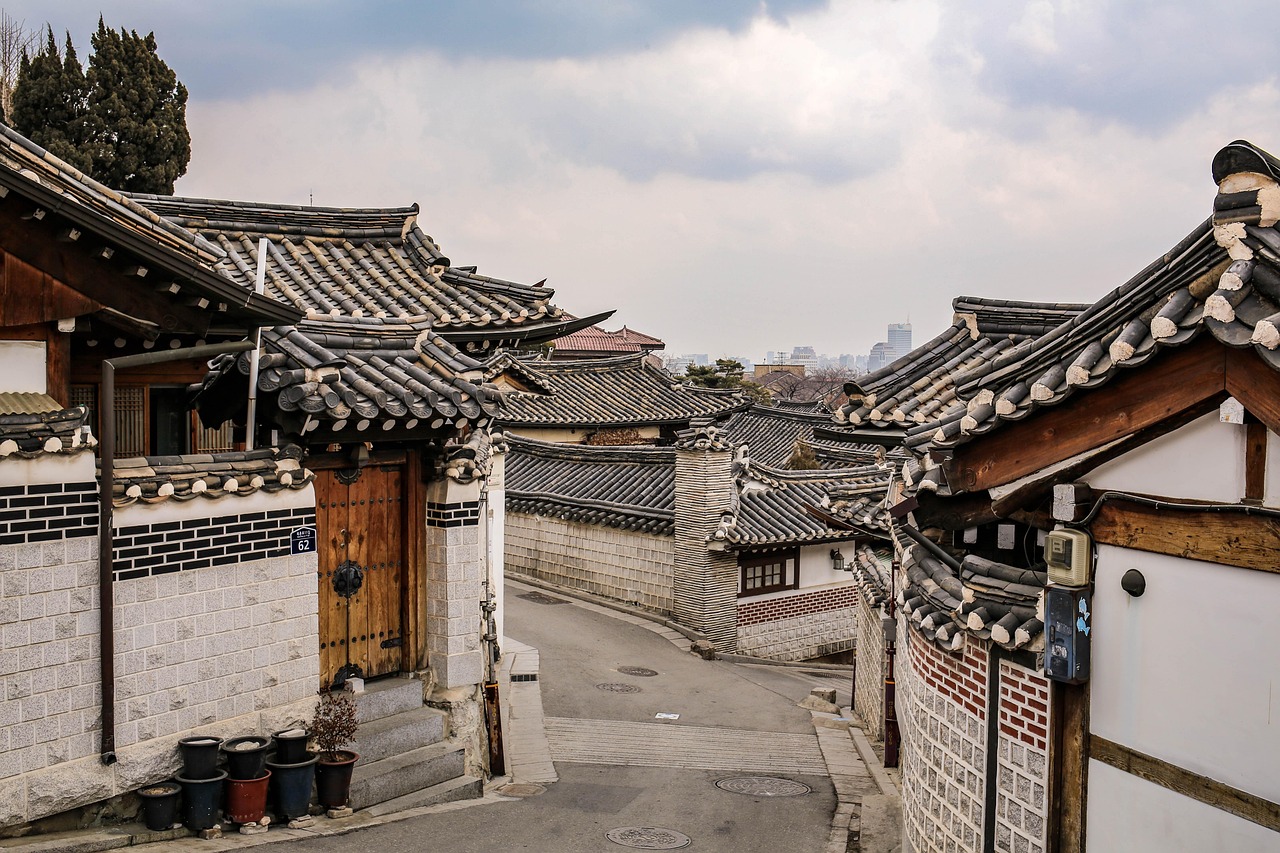
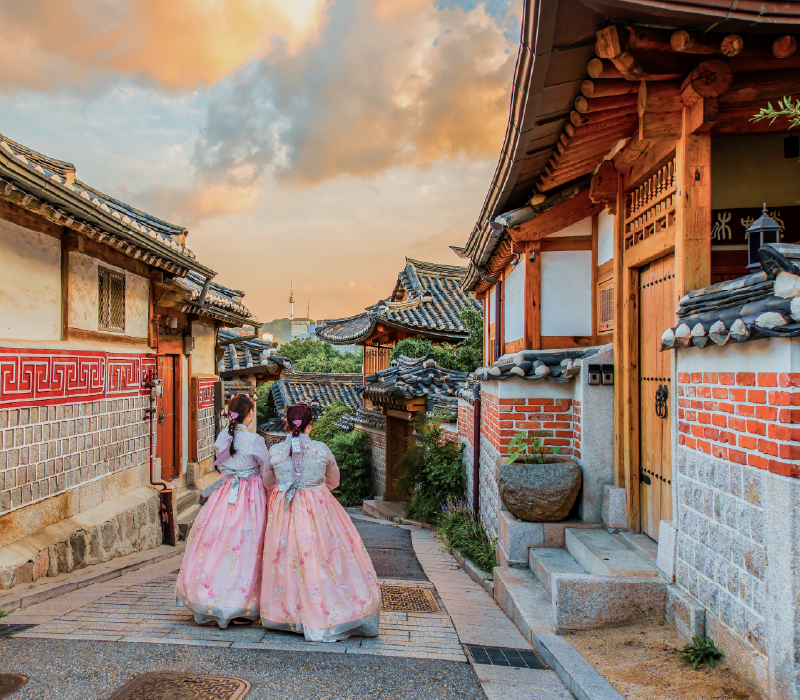
Luxury hanok stay in Seoul near Bukchon hanok village with boutique comfort
For travellers seeking a luxury hanok stay in Seoul, Bukchon Hanok Village Boutique Hotel in South Korea offers the reassuring truth that comfort can be built into tradition. A couple once told us their favourite memory wasn’t a landmark—it was returning to a restored villa in Bukchon hanok village, feeling the underfloor warmth after dinner, and realising they were living inside design rather than merely observing it.
Seoul’s design scene is bold, but the quiet confidence of a hanok can be equally luxurious. The key is choosing the right property, so heritage feels nurturing, not challenging.
Seoul hanok comfort basics for booking with confidence
A genuinely comfortable “luxury hanok” should have excellent heating, well-designed bathrooms, reliable water pressure, and thoughtful sound considerations. Wi-Fi should be strong enough for calls and streaming, and staff should be trained to welcome international guests warmly and clearly.
We also help with booking the right room category—some villas are more private, while others trade space for location. When you’re tired, those details matter more than aesthetics.
Seoul etiquette in a hanok village and local travel touchpoints
In traditional neighbourhoods, quiet hours are real, and respectful photography matters. A sincere bow and thanks go a long way in everyday interactions in Korea, especially since tipping isn’t expected; the courtesy becomes its own exchange.
- Pairing stays: choose boutique hotels for convenience and a hanok for stillness at the end of the tour.
- Crafted add-on: Icheon pottery workshops with master artisans let you create an heirloom piece and take home a piece made by your own hands.
- Pacing: build in time for baths, tea, and early nights—luxury is also rest.
By the time you leave, you’ll have uncovered how contemporary comfort and tradition can live together—not as a compromise, but as a carefully crafted harmony.
F.A.Qs
How much does a trip to Korea cost?
For luxury travel in South Korea, costs vary by season and style, but high-end dining is typically $150–$300 per person, and premium stays can increase sharply during peak spring and autumn weeks. Add private transport, expert guiding on select days, and special experiences (chef-led BBQ, tea ceremony, or bespoke hikes), and a well-designed itinerary becomes an investment in comfort, timing, and peace of mind rather than just inclusions.
What is the 52-hour rule in Korea?
The “52-hour rule” commonly refers to South Korea’s labour standard, which limits the workweek to 52 hours (40 regular hours plus up to 12 overtime hours). For travellers, it’s mostly background context, but it can subtly influence business hours, staffing patterns, and the need for advance notice for some services. If you’re planning high-touch experiences, early reservations and clear scheduling are also key to running them smoothly.
What month is the best time to go to Korea?
April to June and September to November are widely considered the best months for South Korea, thanks to mild weather, clearer skies, and beautiful seasonal colour. Spring brings blossoms and comfortable walking temperatures, while autumn offers crisp air and vibrant foliage. These are also popular periods, so securing preferred hotels, hanok stays, and standout restaurants early is essential for a relaxed, luxury pace.
What is the best tour company for South Korea?
The best company is the one that matches your pace and values: strong local expertise, transparent planning, and the ability to personalise without over-scheduling. Look for thoughtful communication, realistic timings, and a clear approach to comfort—private transport when needed, curated guides, and support if plans change. A truly luxury-focused operator should make the journey feel calm and seamless, with you at the centre of every decision.
Final Thought
For a South Korea travel experience reflections luxury tour, what lingers isn’t a checklist—it’s a feeling. Morning light on stone courtyards, the hush of timber and paper in a hanok, the warmth of hospitality offered without fanfare. Seoul’s rhythm, once unfamiliar, begins to feel oddly legible: you recognise the quiet cues, the soft permissions to slow down, the way beauty is often tucked into the everyday.
We find that the most vivid memories arrive in small, unclaimed moments. A sunrise that made you stop speaking. The elegance of a tea bowl held in both hands. The gravity of a border landscape, understood with context and care, was then released over a quiet lunch on the way back.
South Korea’s gifts are subtle like that—perspective, softness, and a renewed trust in unhurried travel. When you’ve been quietly supported, you return home not only rested, but changed in the way you notice light, texture, and kindness.
And once you’ve felt that kind of journey settle into you, it’s hard not to wonder—where else might the world reveal itself, if you gave it the same time?