Discover South Korea Tour Style for High End Travellers and discover South Korea
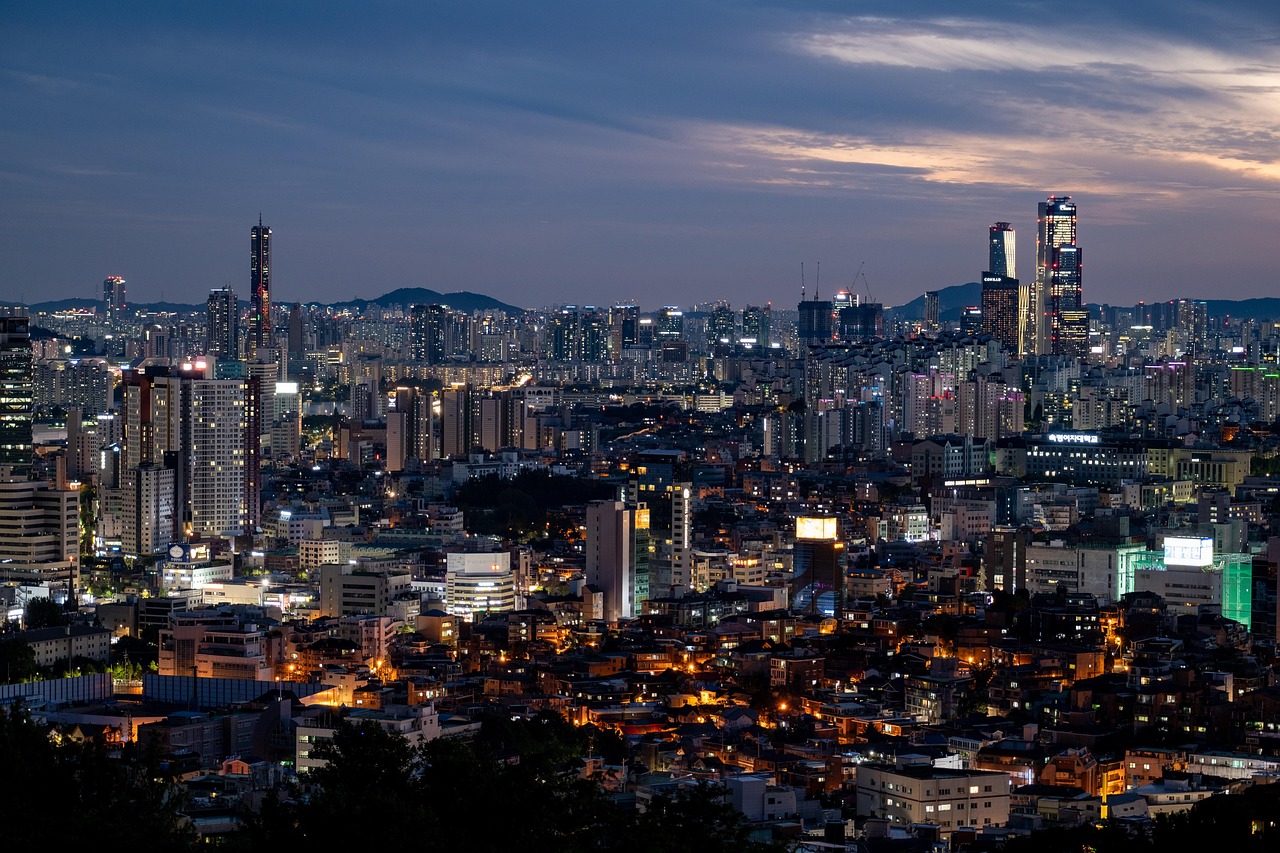
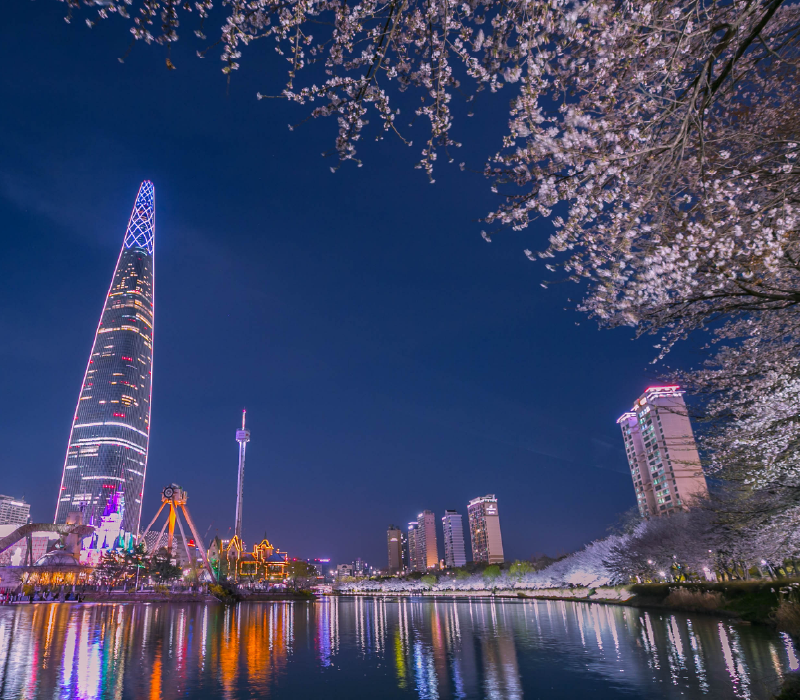
Discover South Korea Tour Style for High End Travellers with a luxury view of Seoul at night
If you’re looking to discover South Korea for luxury travellers, the difference is felt more than announced: discreet service, private access when it matters, and an itinerary that breathes. In South Korea, that might mean entering a gallery before doors open, having a driver already waiting as your shopping bags are whisked away, or arriving at your hotel to find check-in completed quietly while you exhale.
The best high-end South Korea tours are designed for ease. Your days are paced with intention—unhurried mornings, gently immersive afternoons, and evenings that feel chosen rather than crammed. And because Seoul can be dazzlingly energetic, seamless logistics keep the city’s sparkle without the strain.
South Korea trips with a clear route logic
For many South Korea trips, the route that feels most natural starts in Seoul for royal history and contemporary design, includes a meaningful day at the DMZ, then arcs into Gyeongju and Busan for heritage and coastal contrast, before finishing in Jeju Island for restoration. This flow lets you build context—then soften into stillness.
Imagine it as a tour of South Korea in chapters: city light, border insight, temple quiet, sea wind, then spa calm. If you want to widen the canvas, Japan and South Korea combinations can be beautifully complementary for travellers who love craft, architecture, and food culture.
Design a 12-day tour that feels personal
A sample 12-day tour might look like: 4 nights in Seoul, 1 night in Seoul with a DMZ day, 2 nights in Gyeongju, 2 nights in Busan, and 3 nights on Jeju Island. Shorter South Korea tour packages can be compressed to 7–9 days, but the luxury lies in the space between highlights—time to linger, to notice, and to feel grounded.
To help you create that personal rhythm, start with one visual reference point—then build from there. If you’d like to browse a few mood-led ideas, here’s our Trip gallery for inspiration.
- Private access: early-entry museum moments, reserved tables, and calm transfers.
- Pacing: one “anchor” experience per day, then flexible space for discovery.
- Care: support when the day feels emotionally weighty, and reassurance when logistics get busy.
With warm, expert planning, South Korea offers that rare blend of certainty and surprise—designed so you can explore with confidence and trust your days to unfold smoothly.
Seoul Gyeongbokgung Palace, Bukchon Hanok Village, hanbok experience, and South Korea
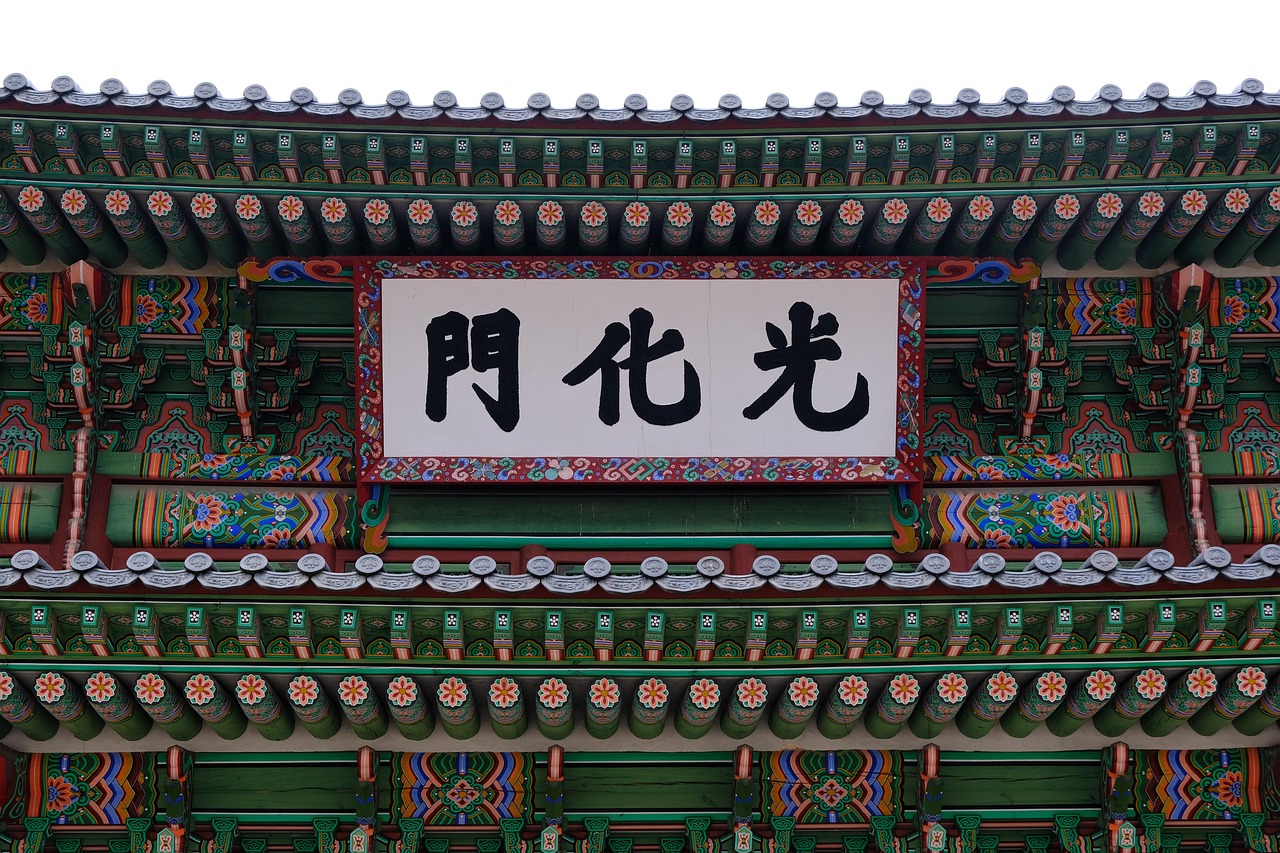
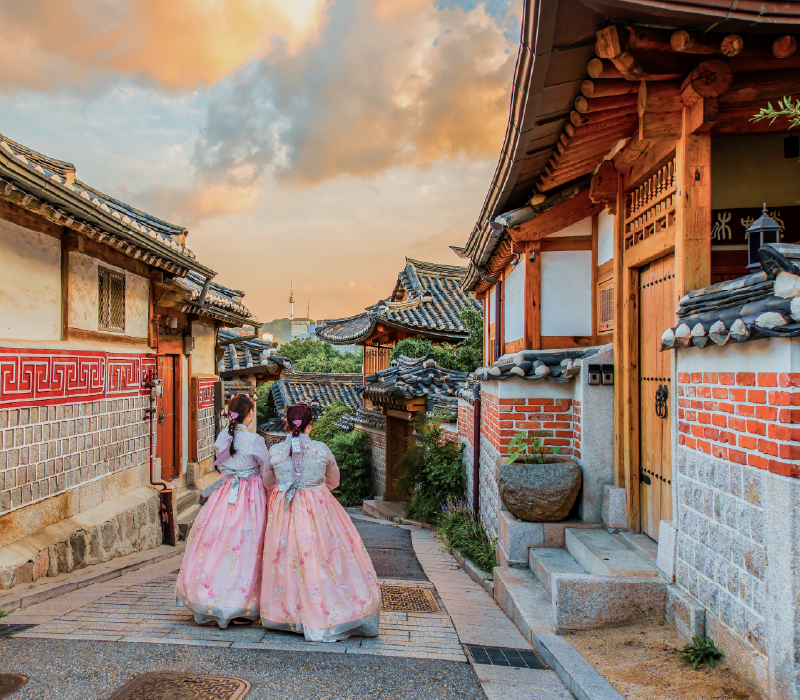
Seoul Royal Seoul Gyeongbokgung Palace and Hanok Heritage in the quiet lanes near Bukchon
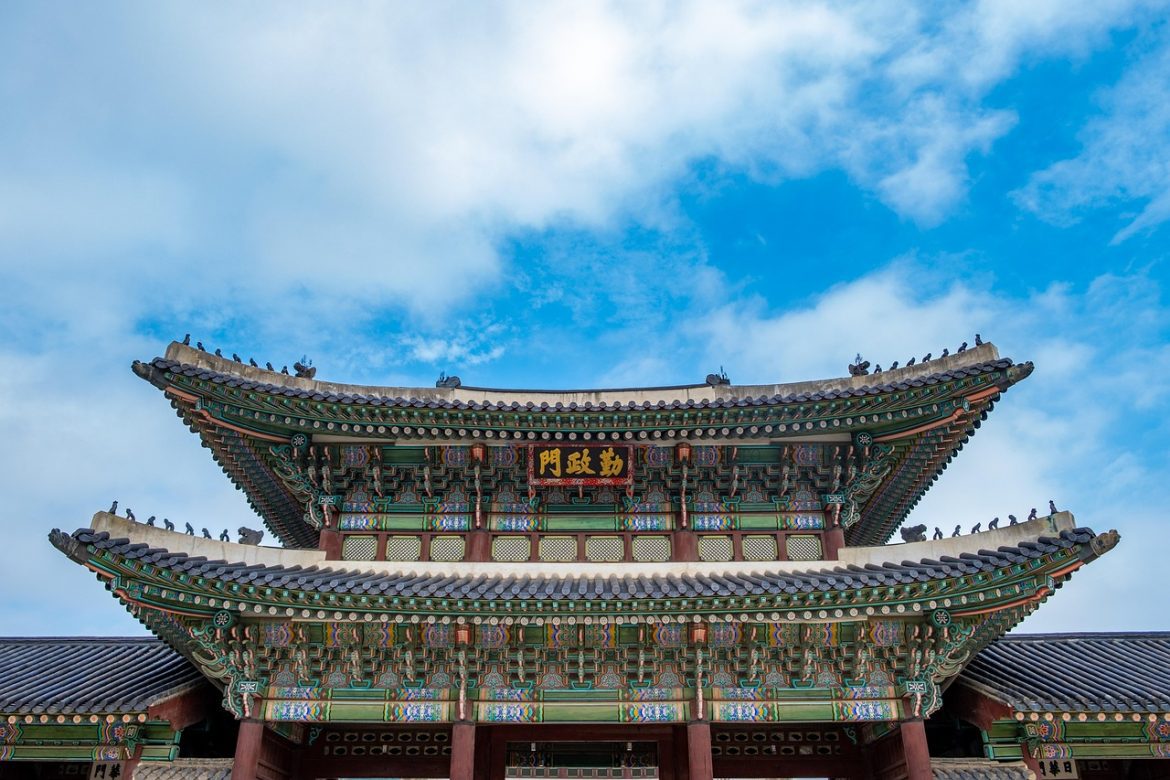
To shape a day around Seoul Gyeongbokgung Palace, Bukchon Hanok Village, and hanbok experience, begin early—before the courtyards fill and the city’s bustle catches up. Seoul’s morning air has a clarity that suits royal spaces, and it’s the easiest way to experience the palace with calm attention.
This is where Seoul’s identity becomes tangible: the geometry of gates, the symbolic colours, the way ceremony still echoes inside modern life. You’ll feel Korea’s past not as a museum piece, but as a living reference point.
Gyeongbokgung Palace and the National Palace Museum of Korea timing
Plan your morning at Gyeongbokgung and the National Palace Museum of Korea as a paired experience. The royal guard changing ceremony is a beautiful opener—vivid, rhythmic, and surprisingly moving when you have space to watch it properly. Aim to arrive before peak hours so you can wander the quieter courtyards afterwards, then step into the museum to deepen your understanding of objects that tell human-scale stories of ritual and daily life.
A private guided tour can add a layer of insight you simply don’t get from signage: Joseon symbolism, why certain buildings face the way they do, and how palace etiquette shaped social order. It also helps you notice small details—roofline guardians, painted patterns, and the quiet logic of space.
Bukchon Hanok Village and a crafted hanbok moment
From the palace, continue to Bukchon Hanok Village, the city’s most loved hanok village, where traditional architecture sits gracefully within a modern skyline. If you wish, choose a hanbok experience that feels tailored rather than theatrical—some ateliers offer custom fitting so the silhouette feels elegant and personal.
One high-end traveller told us she dressed in a custom-fitted hanbok and wandered the lanes at dawn, when shutters were still down, and sunlight moved softly across timber beams. She described a deep connection—less about photography, more about presence: hearing her footsteps, noticing the scent of wood, and feeling, for a moment, held by history.
When visiting South Korea’s cultural sites, dress modestly, follow signage, and be ready to remove shoes in traditional settings. A local guide can help you move respectfully through residential lanes, so your curiosity never feels intrusive.
Seoul itinerary: Myeongdong, Gangnam, Leeum, Samsung Museum, Michelin dining, and Seoul
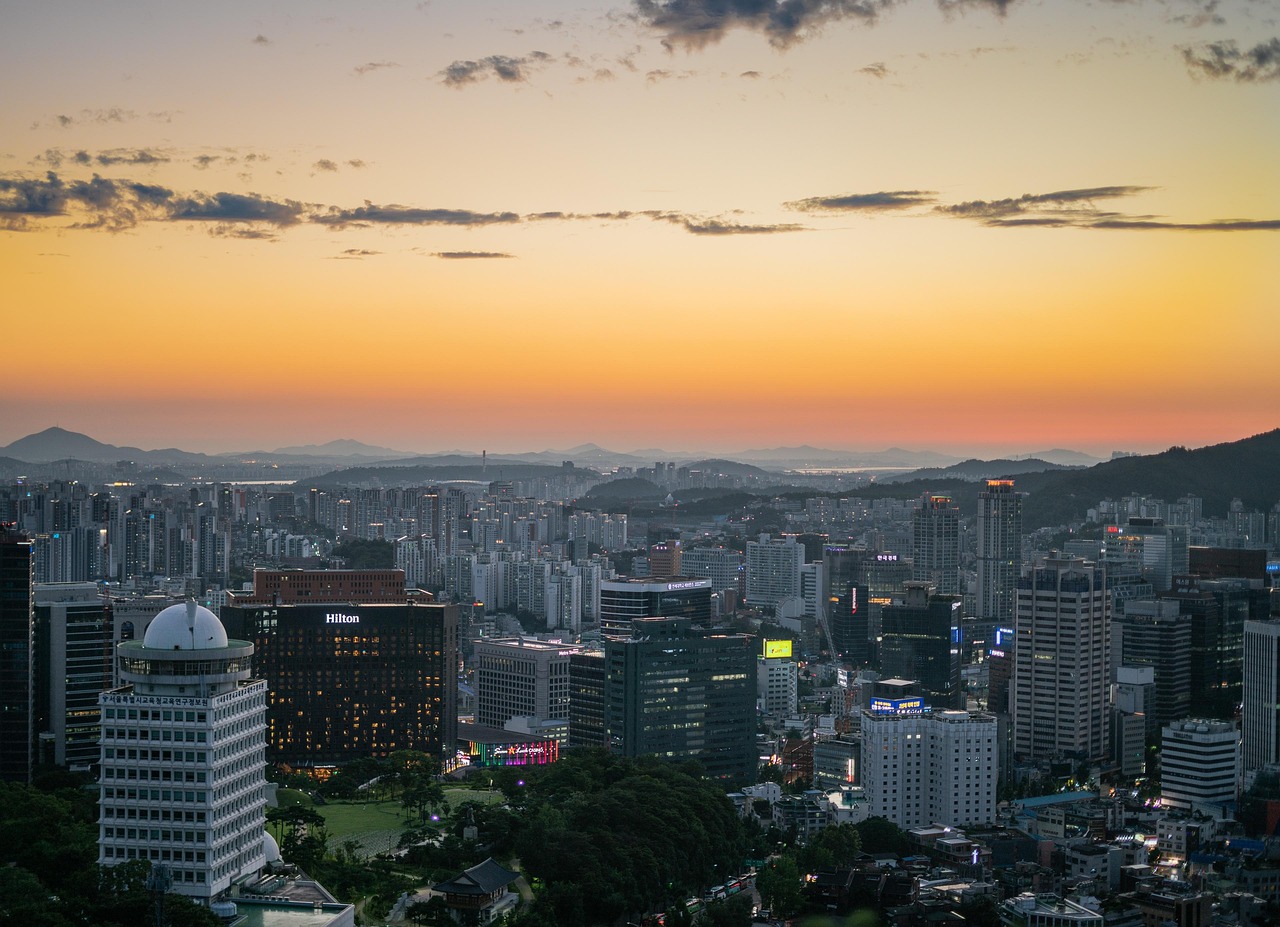
Seoul Today Myeongdong Gangnam Art and Night Energy with glowing shopfronts
For a polished Seoul itinerary, Myeongdong, Gangnam, Leeum, Samsung Museum, Michelin dining day, think in arcs: a lively start, a culture-forward centre, then an evening that feels impeccably chosen. Seoul can be exhilarating, but smart timing turns the energy into something you enjoy—rather than endure.
Start in the district of Myeongdong for beauty flagships and carefully selected street food (choose one or two tastings, not ten). Then slip into a quieter cultural interlude before heading towards Gangnam for contemporary boutiques and a confident night scene.
Leeum Samsung Museum of Art offers a guided tour of Seoul’s creativity
Make time for the Leeum Samsung Museum of Art, where ancient Korean forms and contemporary works sit in deliberate conversation. A personalised visit—sometimes curator-led—can feel like being welcomed into Seoul’s art world rather than merely observing it.
An art lover once shared how a local curator pointed out the “invisible” layers: how materials reference older craft traditions, how contemporary spaces borrow from temple proportions, and why certain artists matter in today’s South Korean cultural confidence. She left feeling trust in Seoul’s creative scene—less like a visitor, more like a participant.
Michelin-starred Korean cuisine in Gangnam, crafted course by course
For high-end Korean cuisine, reserve Michelin-starred dining well in advance—especially in Gangnam, where the city’s most innovative kitchens refine tradition with a modern edge. One food enthusiast described a standout dinner where kimchi arrived as a precise tasting progression, followed by delicate bibimbap reimagined with seasonal ingredients, and a final flourish of heat from house-made gochujang.
We love weaving a “crafted” flavour story across the trip: a clean, classic barbecue lunch on one day, a refined tasting menu on another, then a simple market bowl that reminds you how comfort and artistry coexist in South Korea.
- Timing tip: shop earlier, museum mid-afternoon, then dinner after the city settles.
- Optional play: an evening in Hongdae for creative streets, or a studio visit to understand K-pop culture with confidence.
- Confidence-builder: a short K-pop dance class can be joyful, private, and surprisingly empowering.
Private DMZ tour Korean demilitarised zone from Seoul and DMZ
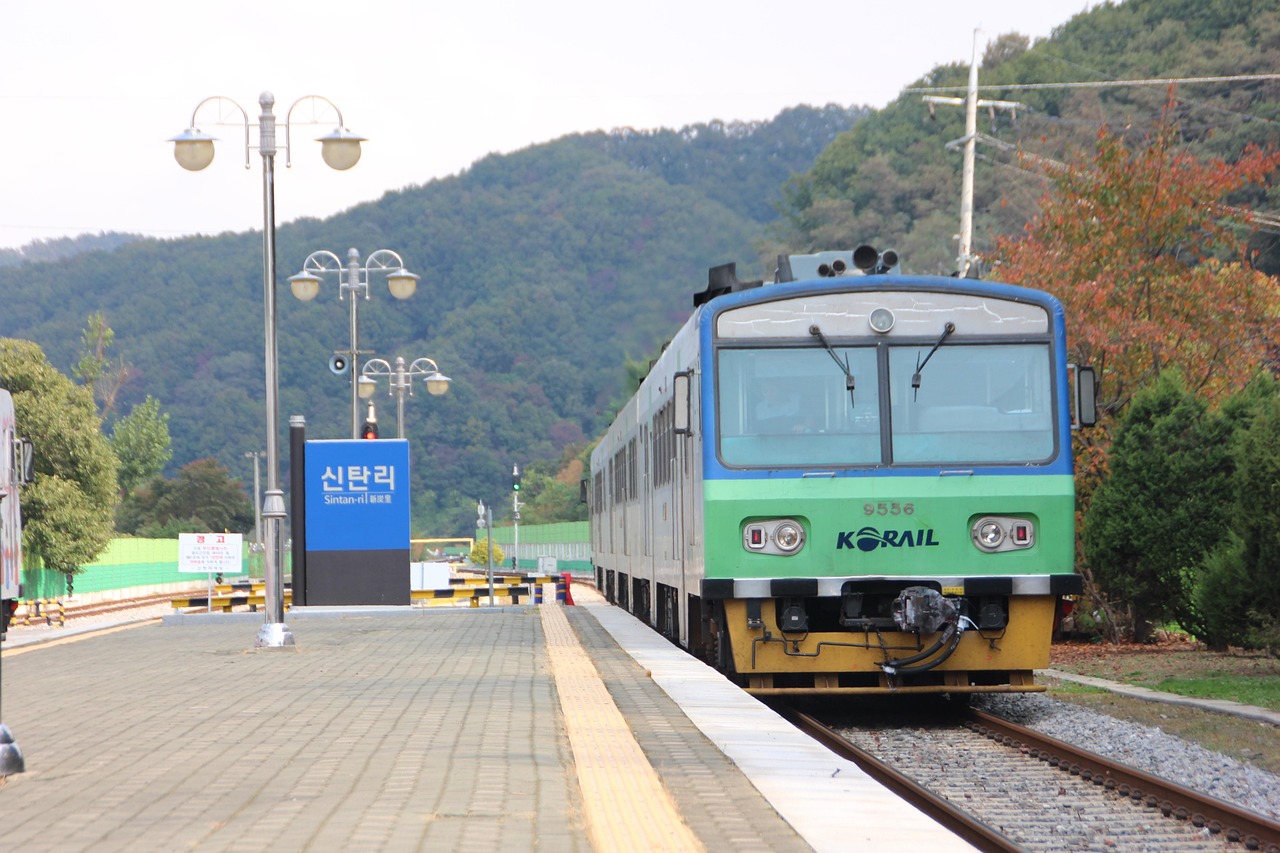
A Private DMZ Day Demilitarised Zone Perspective and Care with a quiet approach from Seoul
Booking a private DMZ tour, the Korean demilitarised zone, from Seoul is one of the most meaningful choices you can make on a South Korea tour, and it benefits from early planning. Permits, timing, and security protocols can change; a thoughtful operator keeps the experience seamless while ensuring it’s handled with sensitivity and care.
The DMZ is not a theme-stop—it’s the korean demilitarized zone, a living reminder of unresolved history. The aim is not spectacle, but perspective, guided by calm explanation and respectful pacing.
The demilitarised zone sites with sensitivity and context
Key viewpoints, such as Dora Observatory, bring you face-to-face with the zone between north and south, and the wider buffer zone between north and neighbouring communities. A good guide will explain what you’re seeing, what you’re not, and why the landscape feels so emotionally charged—without sensationalism.
One couple we worked with described standing at the border between North and South Korea and feeling unexpectedly quiet inside. They said their guide’s steady reassurance mattered—simple, human support that allowed them to experience the day honestly, together.
Comfort, rules, and a gentle debrief ritual
Wear comfortable layers and closed-toe shoes, and expect security checks. Photography rules may be strict in places, so your guide will help you avoid awkward moments. If you’re travelling with someone who might find the day profound, build in time afterwards rather than rushing back into the city.
A refined way to close the experience is a quiet dinner by the Han River or a tea stop—space to process feelings and turn insight into understanding, softly and without pressure.
Gyeongju itinerary: Bulguksa Temple, Seokguram Grotto, UNESCO, and Gyeongju
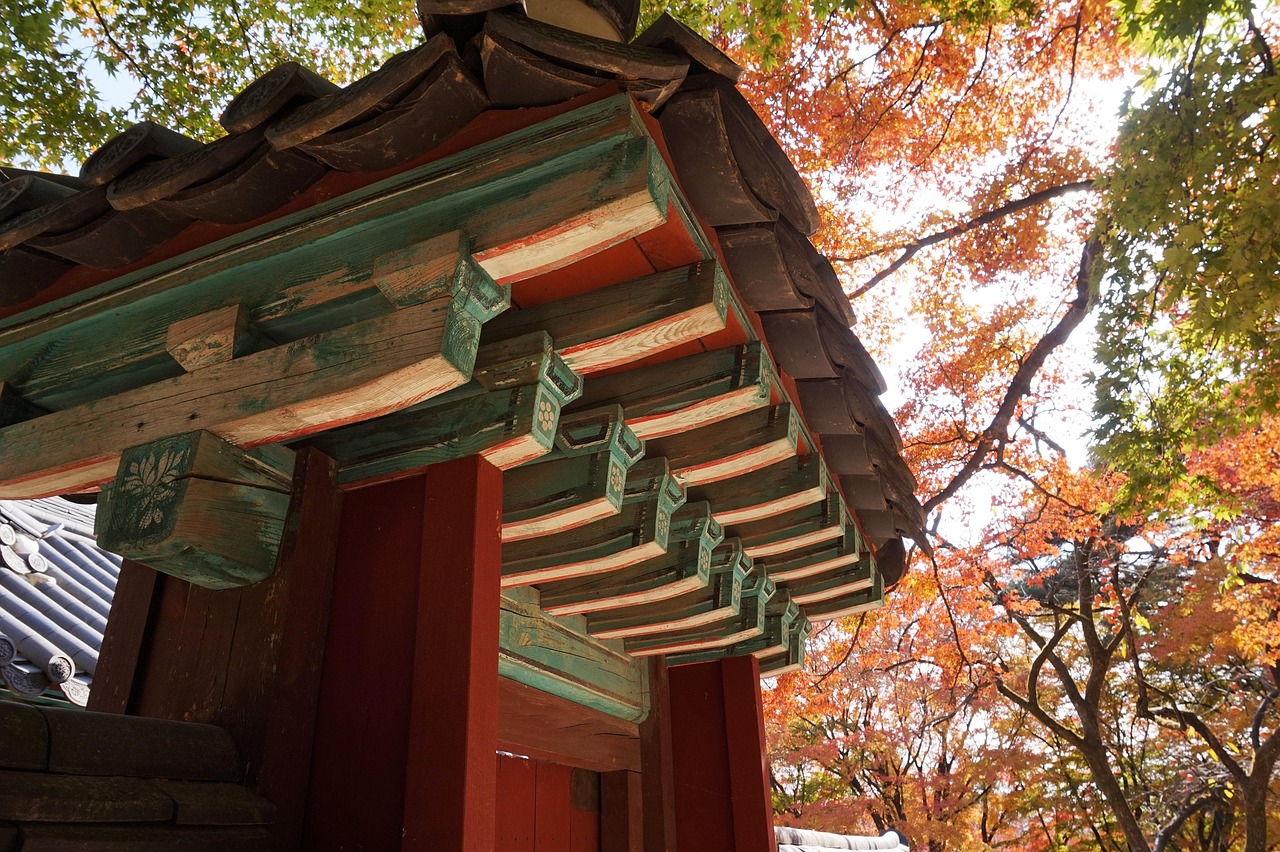
Gyeongju and Seoul Roots UNESCO Temples and Quiet Beauty at Bulguksa in soft light
For travellers drawn to depth, a Gyeongju itinerary, Bulguksa Temple, Seokguram Grotto, UNESCO day, offers a serene counterpoint to Seoul. Gyeongju feels like an elegant pause—less about rushing, more about noticing how South Korean history sits gently in the landscape.
This is cultural immersion that doesn’t demand performance. It invites quiet attention, which is often the most luxurious thing you can be given.
UNESCO heritage with respectful temple etiquette
Bulguksa Temple is a UNESCO World Heritage site, and it rewards early arrival. The stonework and stairways hold a stillness that is easily disturbed by peak crowds, so a morning visit helps you uncover detail and atmosphere. Continue to Seokguram, where the grotto setting encourages a hushed, reflective mood.
Temple etiquette is simple but meaningful: speak quietly, dress modestly, and follow the flow of spaces. Removing shoes may be required in certain interior areas, and your guide can help you do this with ease and confidence.
Wellness-heritage add-ons and seamless routing to Busan
If you’re curious about mindful practice without sacrificing comfort, consider a gentle wellness-heritage add-on at Golgulsa, known for programmes influenced by taekwondo. You don’t need to “do it all”; even a short, guided session can be grounding.
Routing is straightforward: the high-speed train network makes travelling in South Korea surprisingly elegant, and a private driver can be used for door-to-door ease if you prefer. This is also where the flow into Gyeongju and Busan feels natural—heritage first, then sea air.
- Photography prompt: focus on hands—stone textures, incense smoke, tied ribbons—small details that hold memory.
- Storytelling prompt: ask your guide what locals notice here; it often reveals values, not just facts.
By the time you leave, you’ll feel how UNESCO recognition is only part of the story—the real value is the quiet beauty you carry forward.
Busan itinerary: Gamcheon culture village, Jagalchi fish market, Haedong, and Busan
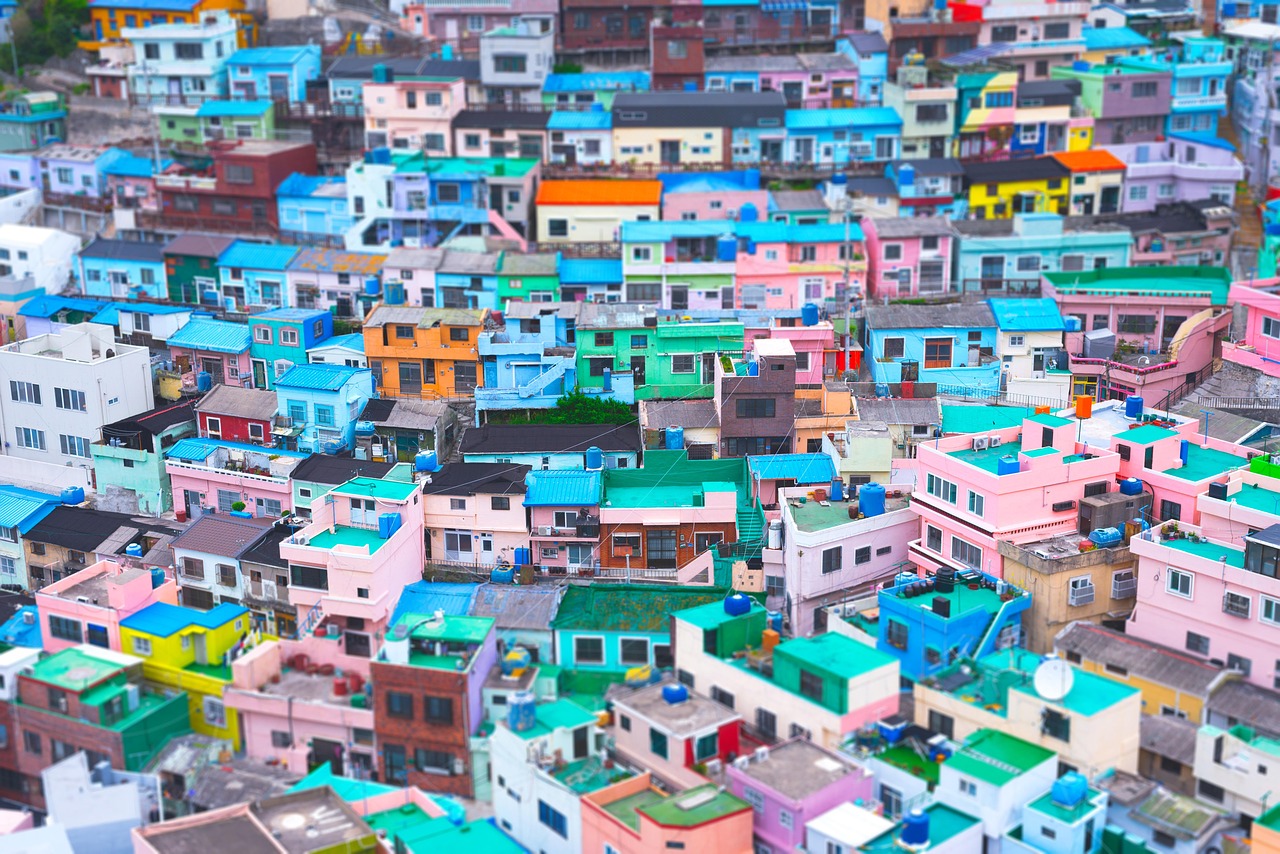
Busan Coastal Charm Markets Art Villages and Yacht Sunsets overlooking Gamcheon
A refined Busan itinerary, Gamcheon Culture Village, Jagalchi Fish Market, and Haedong Day are built around coastal charm: early views, late lunches, and flexible evenings that feel restorative. Busan’s energy is bright but softer than Seoul’s, and it suits travellers who like their luxury with fresh air and room to wander.
Busan’s design-forward cafés and oceanfront promenades are ideal for unhurried conversation—especially after the emotional intensity some travellers feel at the DMZ.
Markets and art villages with a curated pace
Start with Gamcheon and the Gamcheon Culture Village, best enjoyed earlier in the day before the lanes become crowded. Your guide can help you find viewpoints that feel picturesque without being performative.
Then visit Jagalchi fish market with a curated seafood tasting in mind. Rather than wandering endlessly, let an expert select what’s freshest, explain what you’re trying, and translate with warmth. It transforms the market into a comfortable, high-end cultural experience.
Haedong Yonggungsa and a yacht at dusk
For a temple moment by the sea, time haedong Yonggungsa for soft light—late afternoon often feels calmer than midday. The ocean-facing setting brings a different kind of stillness from inland sites, and it’s a lovely place to pause and breathe.
In the evening, a private yacht cruise at dusk is a signature Busan experience: sea breeze, skyline shimmer, and that rare feeling of having space around you. Pair it with the Songdo area for the marine cable car and panoramic coastline if you’d like gentle sightseeing without intensity.
- Seamless transfers: between Seoul and Busan, rail is often simplest; a domestic flight can work if you’re short on time.
- Concierge detail: ship luggage forward, so you move lightly and arrive composed.
Jeju Island luxury resort, Hallasan Mountain waterfalls itinerary, and Jeju Island
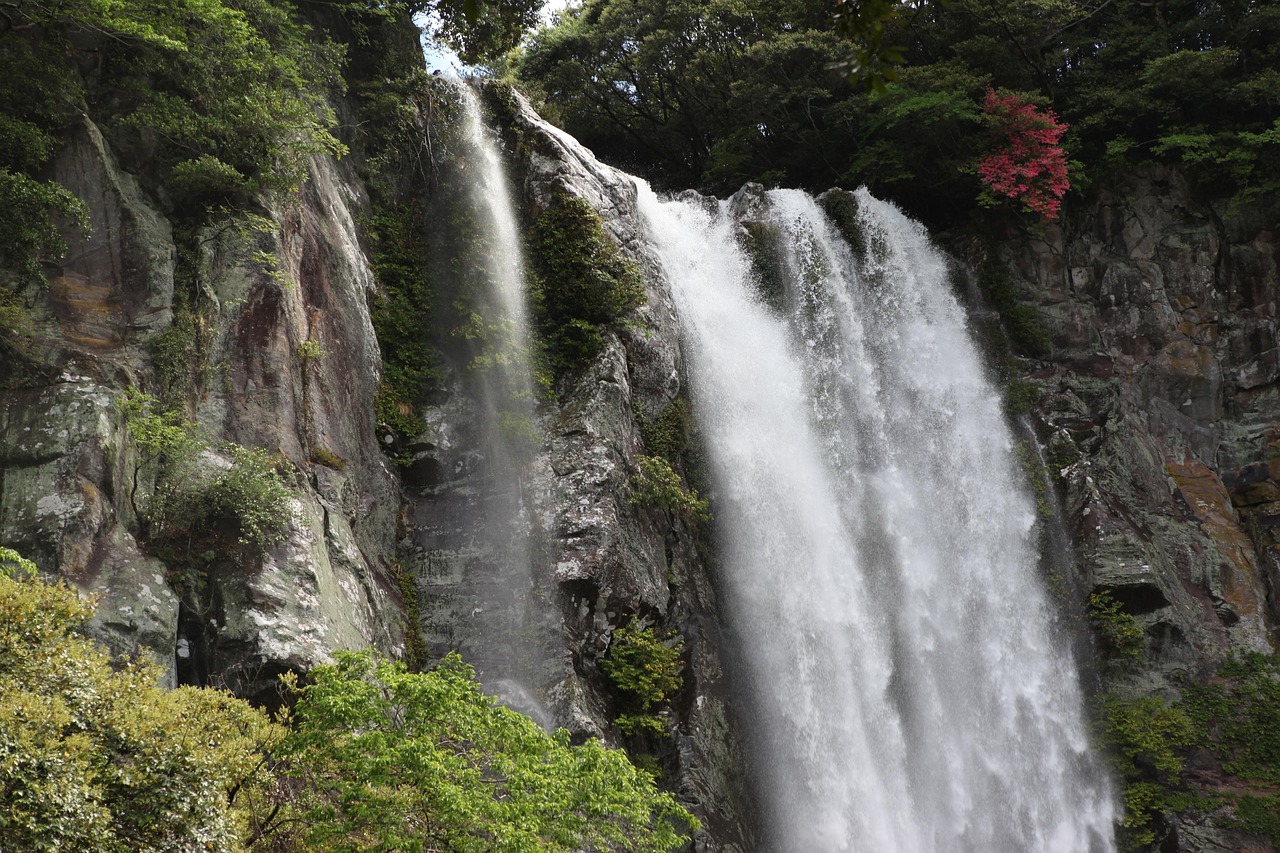
Jeju Island Luxury Resorts Volcanic Landscapes and Spa, Calm by still water
To end well, plan an itinerary for a luxury resort on Jeju Island that includes the Hallasan Mountain waterfalls to slow everything down. Jeju Island is where a high-end South Korea tour becomes restorative—privacy, spa rituals, and nature that doesn’t ask you to hurry.
This island is also a gentle reminder that South Korea’s contrasts are part of its magic: city brilliance, then wide-open skies and quiet roads.
Hallasan, volcanic viewpoints, and a waterfall calm
Explore Hallasan Mountain with a route tailored to ability, energy, and weather. A private guide adds safety and ecological insight—pointing out plant life, explaining Jeju’s geology, and choosing the best viewpoints for the day. The volcanic terrain is dramatic yet soothing, especially when you give yourself time to pause.
Waterfalls and forest trails balance the hikes beautifully. If you prefer softer adventure, you can choose shorter walks with long scenic pauses and a leisurely return for a late lunch.
Seasonal nuance and a calm final-night toast
In summer, heat and humidity can shape plans; start earlier, rest at midday, and use evenings for gentle exploration. Shoulder seasons often feel more serene outdoors, with clearer light and fewer crowds.
One traveller shared that her Jeju luxury resort stay felt like “coming back to myself”: morning spa time, afternoon walks in pristine reserves, and dinners that celebrated local ingredients. Her favourite memory was surprisingly simple—tea on a terrace, looking out at sea, returning to the world with renewed confidence.
For food, consider farm-to-table Korean dishes, seafood tasting menus, and a final-night toast to South Korea’s contrasts—crafted not as a finale, but as a quiet thank you.
Best time to visit South Korea itinerary costs transport Seoul Busan and time to visit South Korea
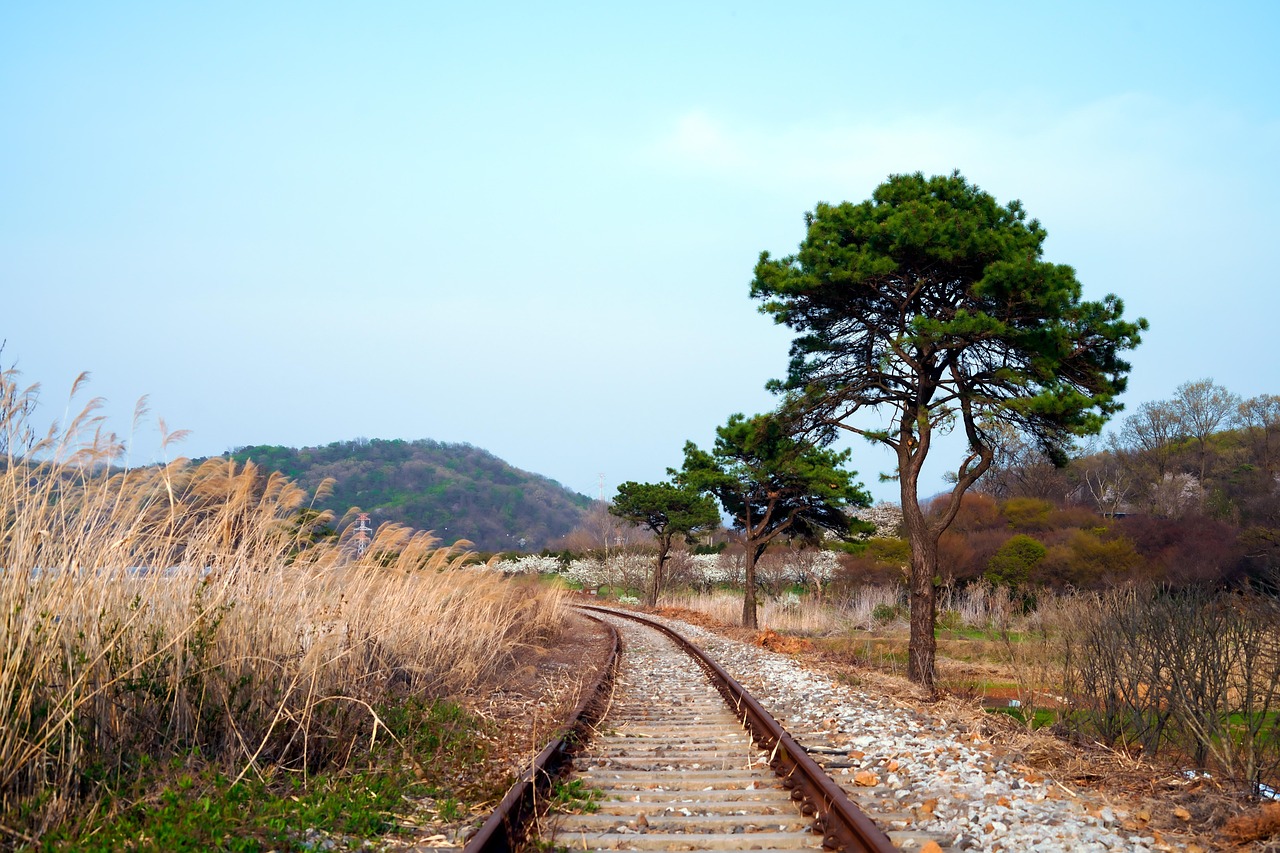
Design Your South Korea Travel Itinerary Timing Costs and Seamless Moves with modern rail lines
If you’re researching the best time to visit South Korea, itinerary costs, transport Seoul Busan, you’re already thinking like an expert planner: timing, value, and ease. The most memorable luxury trips are designed around how you want to feel—energised in cities, serene in nature, and supported in the transitions between.
Below are the practical notes we share most often with high-end travellers who want to explore South Korea with calm confidence.
Best time to visit South and seasonal trade-offs
The classic time to visit South Korea is spring (April–June) for cherry blossoms and crisp days, or autumn (September–November) for vivid foliage and cooler evenings. Summer can be lively, especially for festivals and beach energy, but you’ll want heat-aware scheduling and more indoor cultural anchors.
If you love hiking, some travellers also add a carefully paced day in Seoraksan National Park—a beautiful contrast to the cities when timing aligns.
Arrival, local travel, and the cost of seamless
Use Incheon International Airport as the main entry point, then connect into the city with ease. Seoul’s public transport is safe, clean, and efficient; taxis are plentiful, but ensure the meter is used. For effortless local travel, carry a T-money card so you can glide between neighbourhoods without friction.
For budgeting purposes, luxury experiences typically range from $500 to $ 1,500+ per day, depending on the hotel, dining, and private services. Prepaying for key elements can help ensure availability: Michelin-starred reservations, a private DMZ day, and a dedicated driver during multi-city transitions.
- Visa: check requirements early based on nationality and length of stay.
- Etiquette: tipping isn’t expected, though appreciated in high-end settings; a gentle bow goes a long way with many Koreans.
- Packing list: smart layers, comfortable shoes, a modest cover-up for temples, and a compact umbrella.
If you’re designing a longer itinerary, a private guide can deepen understanding while keeping days seamless. That’s often the quiet luxury: not just access, but the care that lets you relax into the experience.
F.A.Qs
What month is best to visit South Korea?
April, May, October, and early November are favourites for many luxury travellers. Spring brings cherry blossoms and bright, comfortable days, while autumn offers crisp air and vivid foliage. If you prefer fewer crowds, consider late May or early November and build your itinerary around early starts, private transfers, and pre-booked experiences.
How much will a South Korea trip cost?
For high-end travel in South Korea, a well-designed trip typically costs $500 to $1500+ per person per day, depending on hotel category, private tours, fine dining, and internal flights. Costs rise with suite-level stays, Michelin-starred tasting menus, and exclusive guiding. Pre-booking drivers and key reservations can protect both availability and overall value.
What is the three-five rule in South Korea?
The “3-5 rule” is commonly explained as a polite dining guideline: don’t finish shared dishes too quickly (about three bites ahead), and don’t lag too far behind others (roughly five bites behind). It’s not a strict law, but a cultural cue that supports harmony at the table. When in doubt, follow your host’s pace and let the meal feel shared.
Is Korea friendly to American tourists?
Yes—South Korea is generally welcoming and safe for American visitors, especially in major areas like Seoul, Busan, and Jeju. You’ll often find people eager to help, even if their language is limited. Using simple greetings, showing respect for elders, and following local etiquette in temples or traditional homes help interactions feel warm and natural.
Final Thought
In the days after you return, South Korea rarely leaves as a checklist of sights. It stays as atmosphere: the hush of a palace courtyard before the city fully wakes, the soft strength of mountain air, and the way the sea wind in Busan seemed to rinse the mind clean.
You may remember the contrasts most—Seoul’s bright edges and gentle rituals, the stillness that settled over you in a temple space, and the emotional clarity that can arrive when you stand quietly at a border and realise how layered history can be. Yet it’s often the smallest moments that linger longest: a cup of tea poured with care, a guide who noticed you needed a pause, a shared laugh when you tried a new phrase and were met with kindness.
That, perhaps, is what South Korea’s finest journeys offer. Not perfection, but trust—being supported so thoroughly that you can be fully present, and leaving with curiosity that feels calmer than before. You don’t come home with certainty; you come home with perspective, and the feeling that there is still more to uncover when the time is right.