Luxury South Korea Trips Planning for High-End Travellers – bespoke itineraries, private guides, and vacation packages
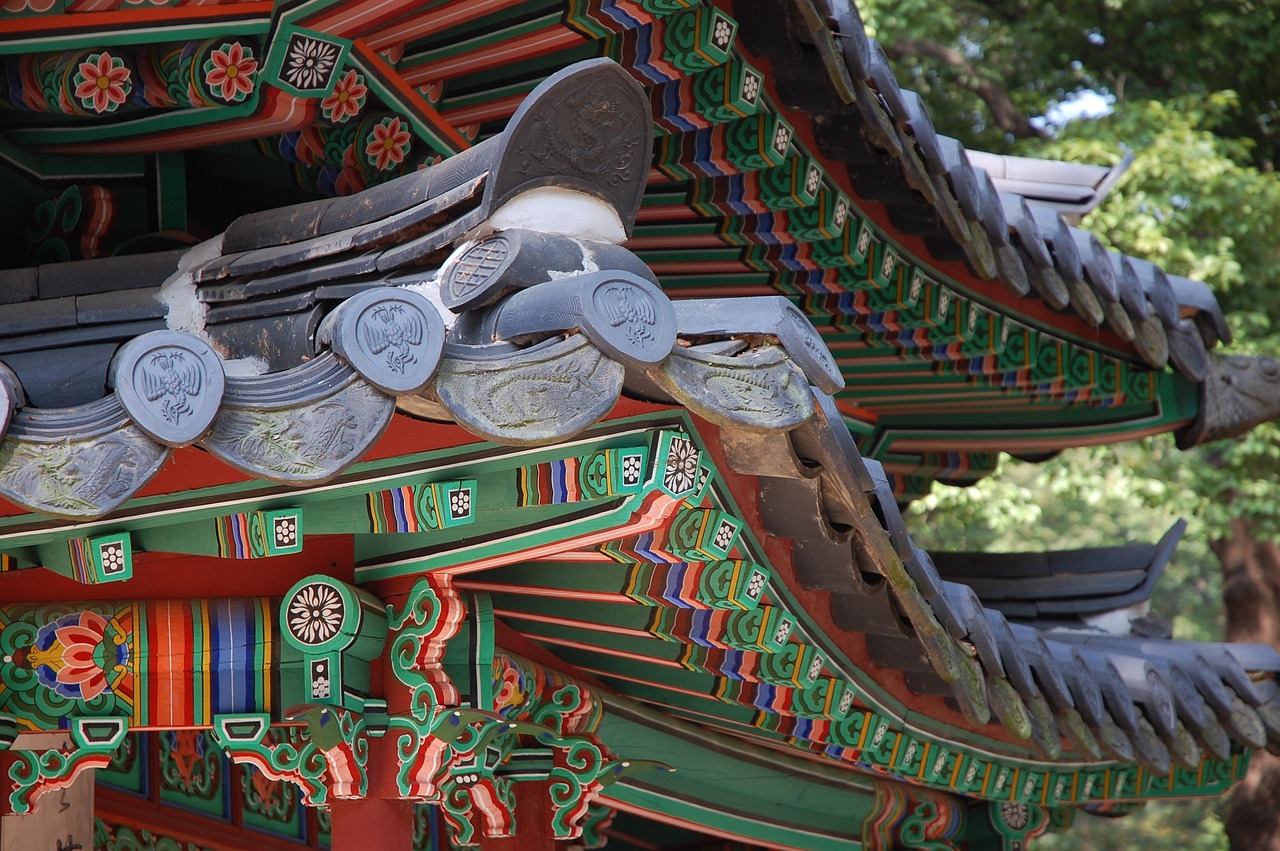
Luxury trip planning with serene gardens, quiet design details, and time built in
When you begin planning luxury trips to South Korea, the aim is not to tick everything off—it’s to uncover the right rhythm, with space to breathe. This North Asian destination in East Asia rewards travellers who explore with intention: refined hotels, impeccable service, and a combination of tradition and contemporary design that feels quietly thrilling. In Seoul, that can mean a private guided morning, a calm lunch reservation, and an evening that feels effortless rather than rushed.
The best time to visit is spring (April to June) when cherry blossoms soften the streets, or autumn (September to November) when the skies turn crisp, and crowds ease. These shoulder seasons make walking, shopping, and lingering in atmospheric neighbourhoods more enjoyable, without being pulled by the bustle. It’s also when the local food scene shines—warm, varied, and easy to savour at an unhurried pace.
12 days of luxury travel – a flexible South Korea framework that still feels spontaneous
Imagine a twelve-day framework you can personalise without losing that sense of discovery: begin in the capital for private culture and modern indulgence, then add Jeju Island for nature and restorative spa time, before finishing on the coast for sea air and slower evenings. It’s the kind of structure that supports you, while leaving room for serendipity—an unexpected gallery, a hidden dessert café, a perfect view, and small encounters that make South Korea feel personal. It’s also an easy way to keep the pace elegant, even when you’re moving between regions.
Designing pace and privacy is the quiet secret of luxury in South Korea. Choose fewer, deeper experiences, build in pauses, and rely on an expert to coordinate timed entry, a driver on standby, and the right table at the right hour. If you’d like visual inspiration as you create your journey, browse our Trip gallery.
Here, “luxury” isn’t only expense—it’s calm, access, and trust: a suite that feels like a sanctuary, a guide who reads your energy, and small local gestures that make you feel genuinely welcomed in South Korea.
Arriving in Seoul with a Private Transfer – a seamless South Korea tour start for travel
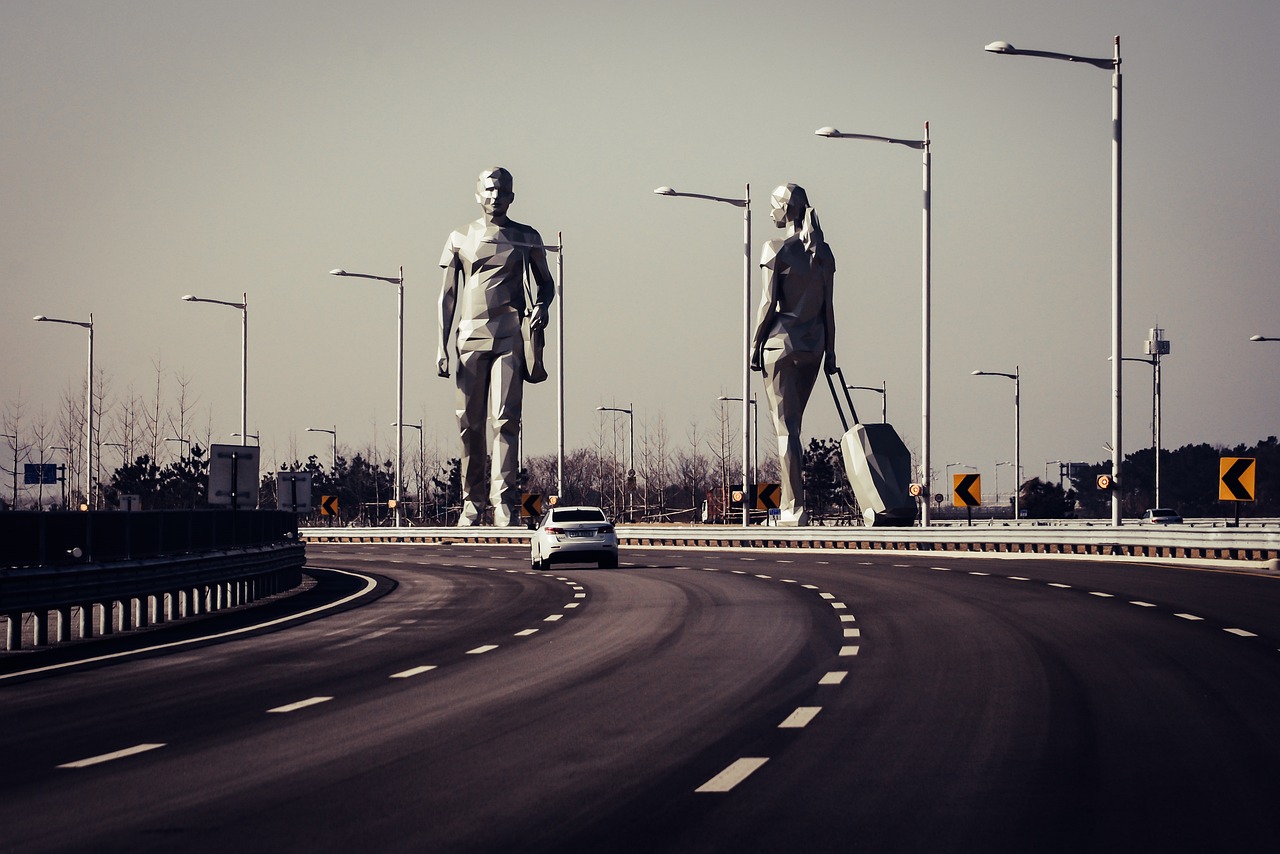
Arriving with a smooth airport flow and discreet premium service
A smooth arrival sets the emotional tone for the entire trip, and planning around Incheon International Airport is where that ease begins. Premium meet-and-greet services are available, and high-end travellers often choose a private limousine or chauffeured SUV straight to their hotel. With the right coordination after a long flight, your bags disappear, your room key is ready, and Seoul feels welcoming from the very first moment.
For your first night, choose a neighbourhood that supports jet lag rather than fights it—some guests prefer central addresses for short drives to dinner, others love the polish of Gangnam. A late check-out the next day and pre-arranged dining means your first evening can be quiet and restorative, even after a transcontinental flight.
Travel confidence: how to navigate transport, timing, and reservations
Getting around is genuinely simple once you know the right tools. Pick up a Korean T-money card for metro taps, then decide when to switch to a private car—particularly for early-morning cultural visits or a day with multiple reservations. For onward connections across the country, South Korea’s high-speed rail network is excellent when you want comfort without the airport routine, and your concierge can help you navigate platforms, luggage handling, and priority seating.
- Visa: Check requirements early, especially if you’re combining cities or transiting elsewhere.
- Booking: Reserve top restaurants, private guides, and premium experiences well ahead of time for spring and autumn.
- Travel insurance: Choose coverage that matches your pace, valuables, and any planned wellness treatments.
A small note on micro-etiquette: remove shoes when invited into private homes or certain traditional spaces, speak respectfully, and accept items with both hands. These details help you immerse with confidence—and they invite warmth in return.
Seoul Private Tours: royal palace stories, hanok lanes, and curated heritage
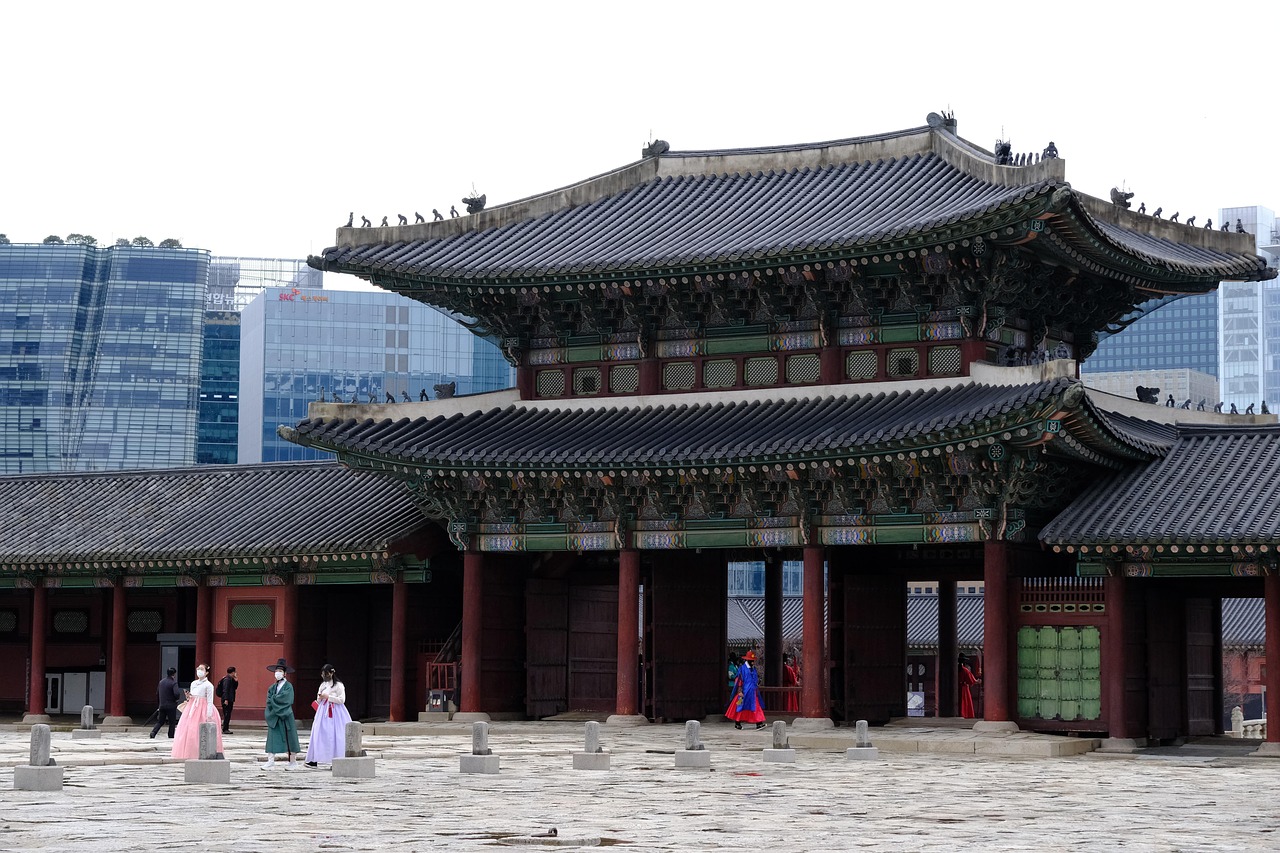
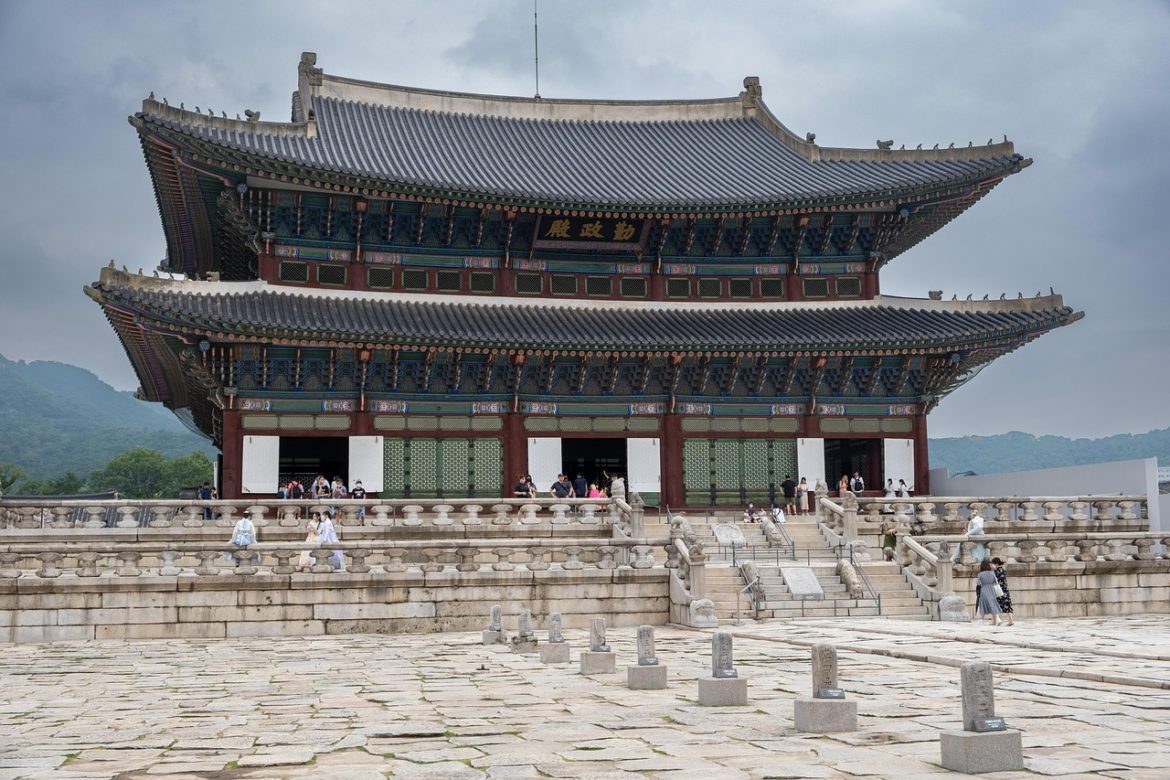
Private touring through traditional rooftops, quiet lanes, and refined craftsmanship
For many first-timers, the most meaningful way in is a private heritage day designed around calm access. At Gyeongbokgung, a private guide provides context that enhances the visit: ideal ceremony timing, quieter courtyards, and gentle photo etiquette that preserves a sense of reverence. In Seoul, even a short cultural block feels richer when you have room to look closely and understand what you’re seeing.
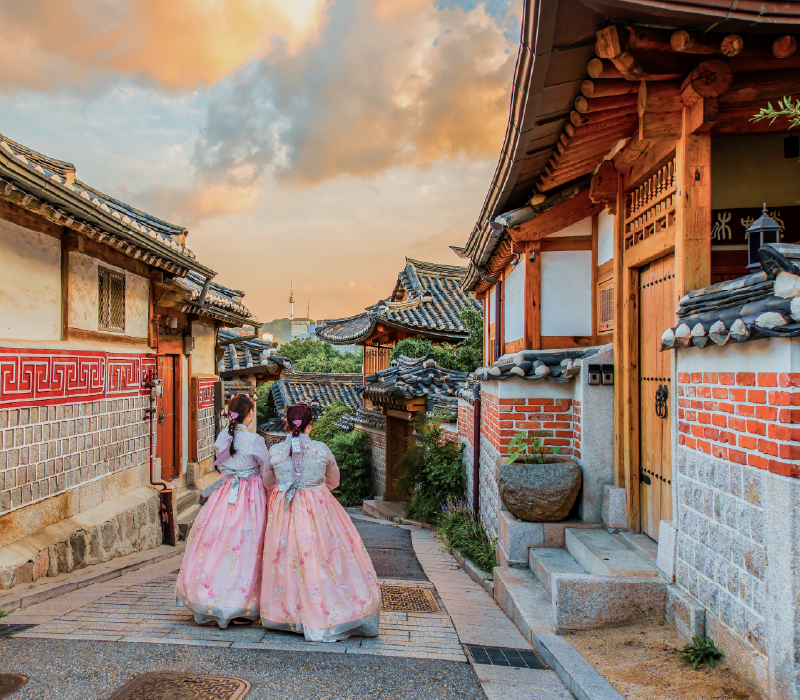
Heritage portraits in a village setting – hanbok, tea, and quiet lanes
Later, step into Bukchon Hanok Village for a curated hanbok fitting—custom colour palettes, modern silhouettes, and guidance on how fabric moves in portraits. A couple once told us their custom hanbok session changed how they saw Korean heritage: choosing the textiles together felt intimate, and the resulting images were both elegant and completely personal. With a photographer-led route, you can capture the historic lanes with more privacy and far less crowd pressure.
One high-end traveller described an unforgettable private tea ceremony in a restored hanok house. The host poured tea in near silence, explaining each step with care; it was a simple ritual, yet it opened a door into local values—attention, restraint, and generosity. Moments like these become the heartbeat of South Korea travel, especially for guests who value depth over speed.
To balance past and future, include VIP-style access at Dongdaemun Design Plaza, one of Korea’s most striking contemporary landmarks. Korea’s world-class design energy feels especially vivid here, and it complements the historic craftsmanship you’ve just explored. It’s an iconic stop for anyone who appreciates fashion, art, and clean modern lines.
Your guide will also support the softer cultural details: speaking gently in sacred spaces, standing aside when others are praying, and noticing how Koreans express respect through small gestures. It’s not about perfection—it’s about moving through South Korea with trust and quiet grace.
Gangnam Indulgence and Han River Evenings – refined nights, dining, and a private tour in Seoul
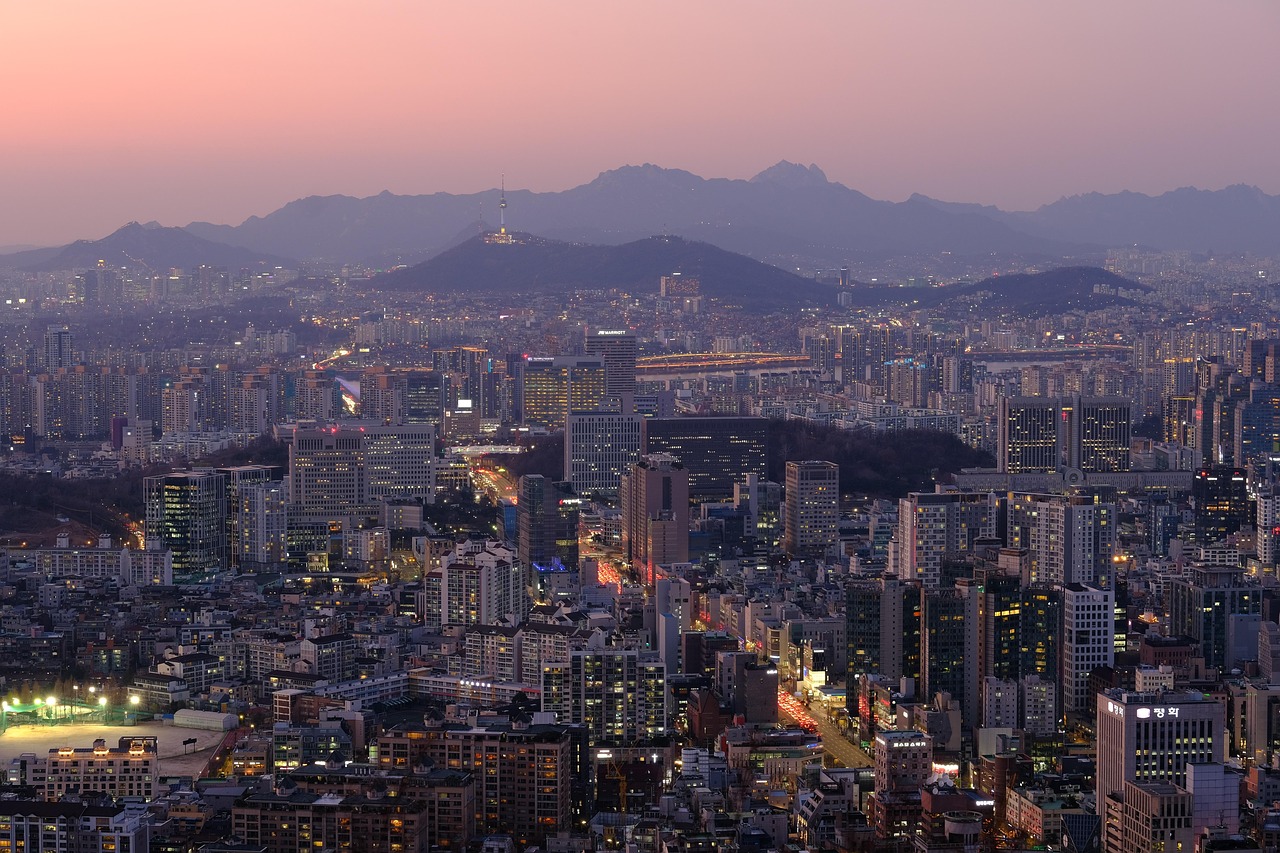
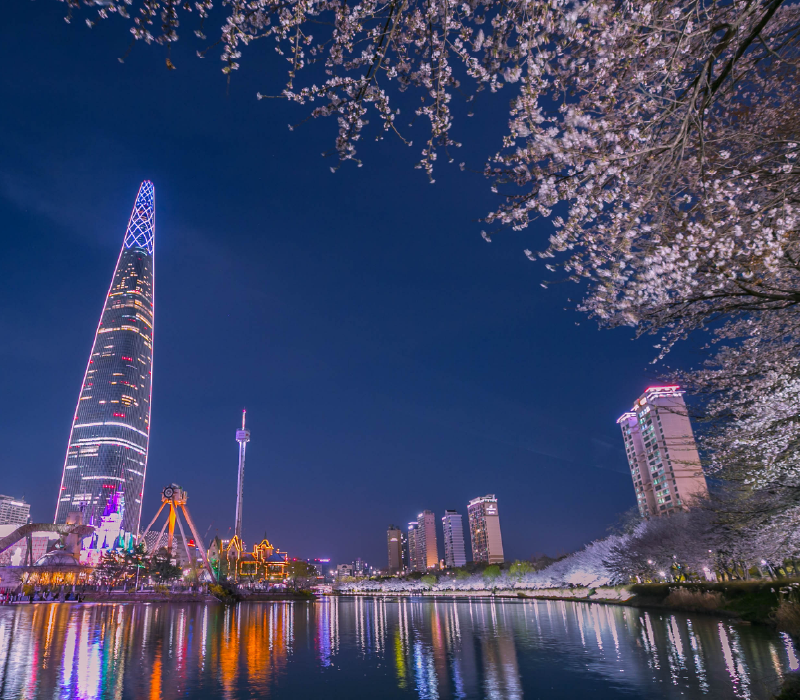
Gangnam indulgence with skyline sparkle and a calmer evening rhythm
For polished pleasure, plan Gangnam moments that feel designed rather than improvised. You can explore flagship boutiques with a stylist, book private fittings, and enjoy chef-led dining with attentive yet unobtrusive service. This is Seoul at its most refined—confident, curated, and quietly glamorous, with thoughtful pacing built in for comfort.
A well-paced day might start in Gangnam, then move to Myeongdong for beauty and skincare flagships, then back to your hotel for a calm reset. That pause is what makes the evening feel celebratory rather than exhausting, especially when the city is glowing outside your window.
After-dark service and breathtaking views – river cruising, karaoke, and K-pop
A nighttime river cruise is the kind of experience that lets you exhale. One traveller recalled their evening on the Han River as a memorable experience: impeccable staff, an elegant cabin, and panoramic city lights reflected on the water—breathtaking views that unfolded in a single sweep. In South Korea, this is a gentle way to see the modern skyline with a glass in hand and time to simply look.
- After-dark culture can be tasteful: a private karaoke room for a laugh, or a short stroll through a neon-lit street for photos.
- If you’re curious about K-pop, consider a live show or a curated listening lounge in Hongdae for a more vibrant but still comfortable night out.
- For dinner, choose barbecue in a private room; staff can help you try something spicy—including gochujang—at your comfort level.
And yes, there’s room for simple pleasures too: fried chicken culture is fun to sample once, ideally as a late-night treat delivered to your suite when you want comfort over crowds. With the right pacing, evenings feel lively yet restful, without overplanning.
Beyond Seoul: Busan, Gyeongju, the Demilitarised Zone (DMZ), and Jeju Island escapes
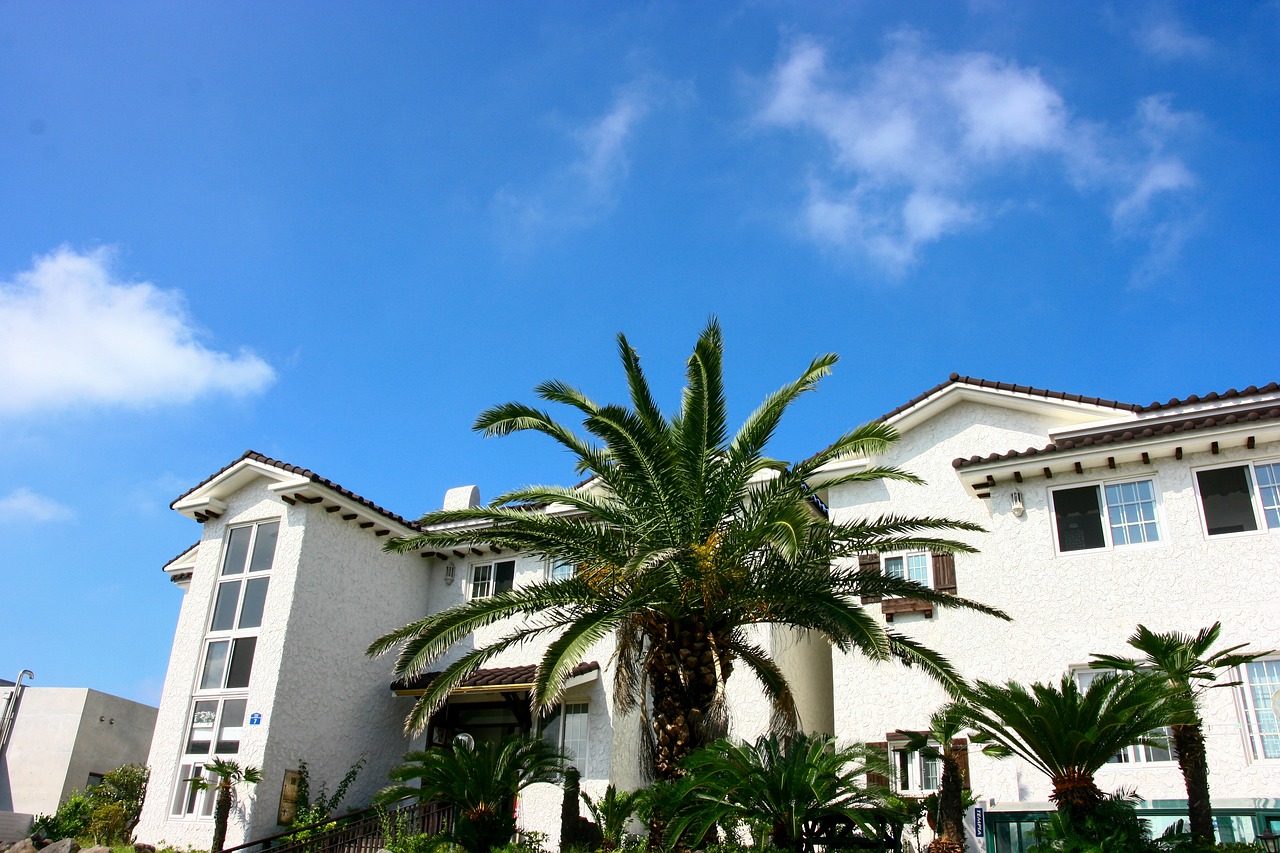
Beyond the capital with coastal calm, heritage depth, and resort-level comfort
Once you’ve settled in, expanding your South Korea itinerary opens the country with ease and depth. A day at the korean demilitarized zone—the Demilitarised Zone, often referred to as the DMZ—can be profound when handled with an expert, reputable operator: you’ll gain context on North and South Korea while keeping a respectful tone in a sensitive place. It’s not a spectacle; it’s perspective, and it often changes how visitors understand the peninsula.
For a serene counterpoint, Gyeongju offers calm landscapes and museum-quality heritage. Visit a temple site with Buddhist artistry, then linger over tea as you absorb the slower cadence; those who love quiet cultural depth often call Gyeongju their favourite surprise. If you’d like something active and distinctly local, a short taekwondo introduction—focused on form and philosophy—can be a memorable, respectful addition, alongside the atmosphere of ancient temples and royal-era history.
Busan travel: seaside charm, street food, and BIFF Square nights
Busan brings sea air and colour, with a more relaxed rhythm than Seoul. Enjoy a picturesque, seaside stroll, try fresh seafood in a well-regarded restaurant, and spend an evening around BIFF Square, where street vendors serve snacks and street food with energy that doesn’t demand your whole night. The city’s coastal charm is real, and Busan’s waterfront mood can feel unexpectedly peaceful when you time it well.
Then there is Jeju Island, rugged and restorative, where volcanic landscapes meet renowned resorts and exclusive spa treatments inspired by local nature. A luxury traveller once described their five-star Jeju stay as “pure care”: personalised aromatherapy, hydrotherapy timed to their preferences, and staff who anticipated needs before they were spoken. The country’s natural side can feel as indulgent as its cities, especially when everything is arranged as a seamless transfer from door to door.
- A domestic flight often makes sense for Jeju, especially if you value time and privacy.
- Build multi-city pacing with soft landings: two or three nights per stop, with one slower morning after travel.
- Keep reservations intentional—one special dinner is often more rewarding than three rushed ones.
Whether you’re in Seoul, Gyeongju, or Busan, the goal is the same: create days that feel curated and calm, so you can discover South Korea without fatigue—making every stop part of a cohesive destination, not a sprint.
F.A.Qs
How much does a trip to Korea cost?
The cost of a trip to South Korea varies widely, but high-end travel typically includes private guiding, premium hotels, and thoughtful upgrades such as chauffeured transport and signature dining. A well-crafted itinerary can be tailored to your preferred pace, with investment in access, privacy, and comfort rather than trying to fit everything in at once. For accurate budgeting, ask for a line-by-line proposal that clarifies inclusions, seasonal rates, and flexibility.
Is Korea friendly to American tourists?
Yes—South Korea is generally very welcoming, and many luxury hotels and restaurants have English-speaking staff. Warm hospitality often shows through small details: attentive service, patient help with directions, and a genuine interest in your experience. Learning a few simple phrases and following local etiquette will deepen those positive interactions.
What is the three-five rule in South Korea?
The “three-five rule” is often shared as a simple etiquette idea: in certain settings, people may aim to keep brief greetings or acknowledgements concise and respectful, rather than overly expressive. In practice, travellers do best by mirroring the tone around them—polite, calm, and considerate—especially in traditional spaces, hotels, and formal restaurants.
What month is the best time to visit South Korea?
For most travellers, the best months are in spring (April to June) and autumn (September to November). These periods offer comfortable temperatures, clearer skies, and a calmer overall feel compared with peak summer heat or mid-winter cold. Spring also brings seasonal blooms, while autumn is known for crisp light and beautiful colour.
Final Thought
After South Korea trip reflections have settled, what lingers is rarely the list of places—it’s the feeling of moving through South Korea with quiet confidence. Seoul’s contrasts become a kind of modern poetry: a tailored jacket bought in the afternoon, then a hush in a courtyard not long after; steel and glass beside old timber, both treated with the same respect. You return home with a new sense of how “modern heritage” can be lived rather than displayed.
Small memories stay close. Tea poured with patient hands in a restored house, the weight of fabric as you chose your hanbok colours, the pause that followed the last light on the river as the city softened behind you. Even the gentle guidance—how to greet, how to accept, how to be still—can feel like a gift you carry forward.
And perhaps that’s the real design of a journey like this: not chasing more, but uncovering meaning in what you allow yourself to notice. South Korea’s elegance and South Korea’s inventive spirit sit side by side—inviting you to explore the world with greater care, wherever you go next.
When you think back on quiet corners, on the sea air of the coast, on the calm of a spa where time seemed to slow, you may find yourself planning your next return—because the best travel experiences don’t end, they simply evolve.