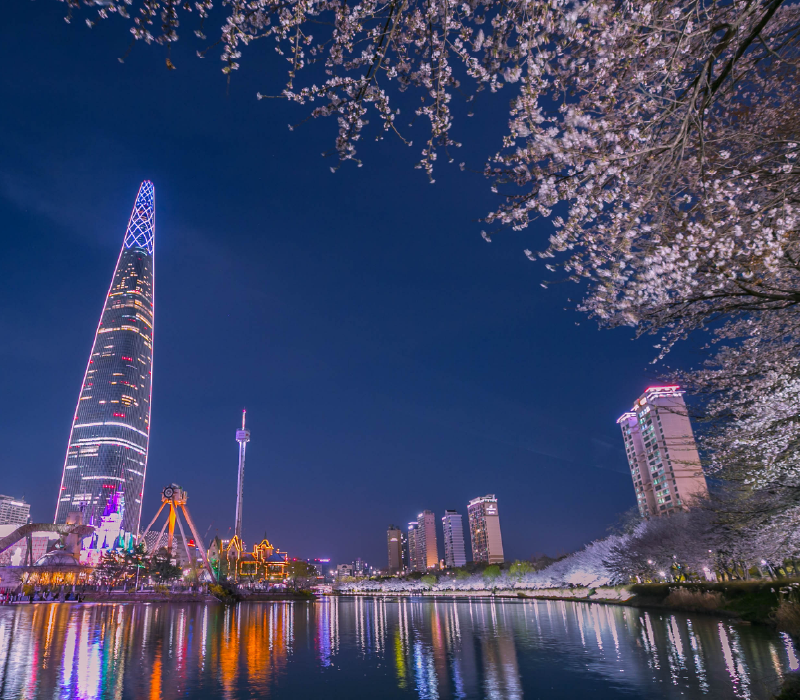
How to Design a Luxury Korea Tour Around Food for a Korea Tour Itinerary for Luxury Travellers South Korea Culinary
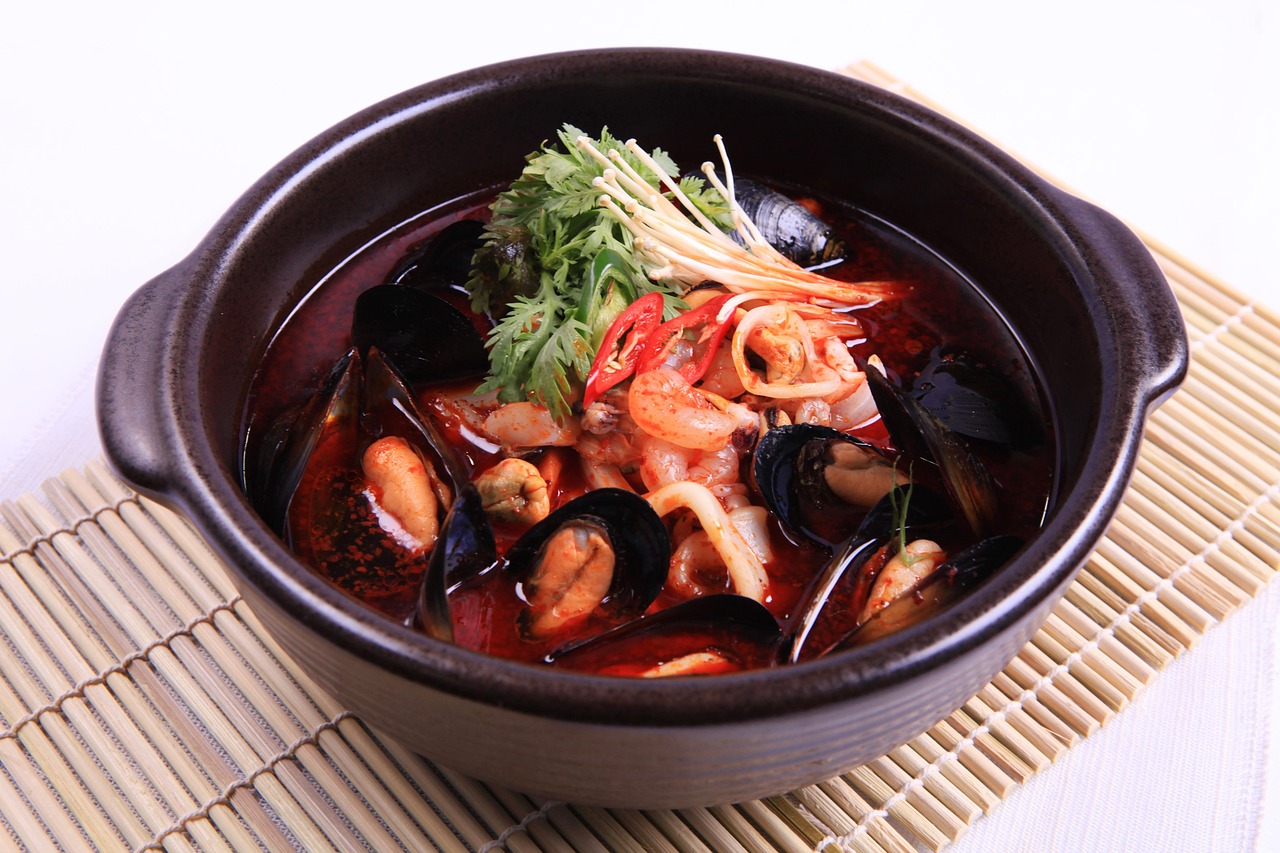
How to Design a Luxury Korea Tour Around Food as a tailored culinary journey
If you’re looking for a Korea tour itinerary for luxury travellers with a clear South Korea culinary focus, the secret is to design around moments of taste rather than a checklist. Think markets early, a calm reset in the afternoon, and a restaurant experience that feels crafted and unhurried. This is where luxury lives in Korea: not in distance covered, but in access, pacing, and trust.
September to November is the sweet spot for travel. The weather in Seoul is crisp, the markets are abundant, and seasonal produce makes even simple broths feel quietly extraordinary. It’s also a more comfortable time to walk neighbourhoods and slip into alleyways without rushing.
A tailored tour itinerary that keeps Seoul effortless
Use Seoul as your base, then add on only what truly fits your appetite and free time. A long weekend can still feel complete with one market morning, one private experience, and one chef-led evening. If you have a little more space in the diary, you can explore beyond the capital without losing the thread of the tour.
A thoughtful approach is “high-end but local”: hire a private expert where insight matters most, and use the Metro for parts of the city that are simple and direct. That blend often feels more authentic than being driven everywhere, while still giving you support when it counts.
What does luxury mean on a Korean food journey
On this kind of Korean tour, luxury means curated access (the right introductions), quiet spaces to reset between tastings, and a pace that lets curiosity unfold. It’s knowing when to arrive at a market, which restaurant to reserve, and when to step back so you can simply be present. When it’s designed well, you feel looked after together, without ever feeling managed.
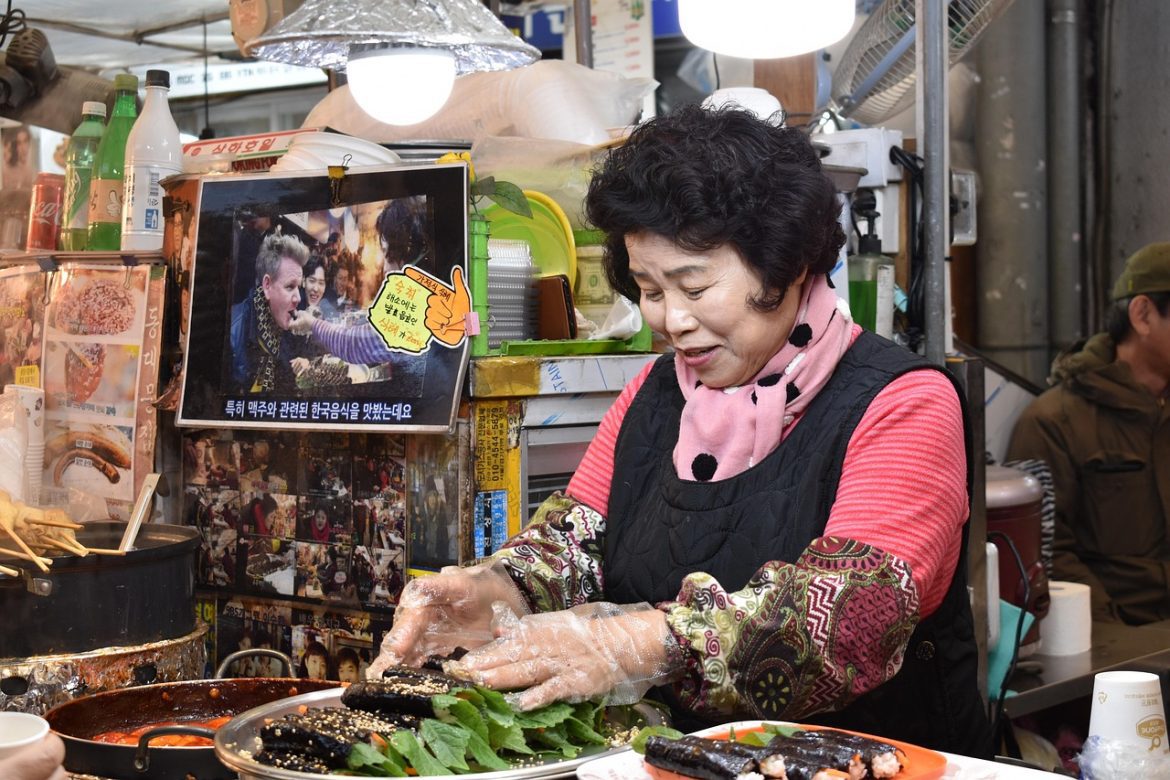
Seoul Street Food Tour Moments at Gwangjang Market for a Seoul Food Tour Gwangjang Market Street Food South Korea
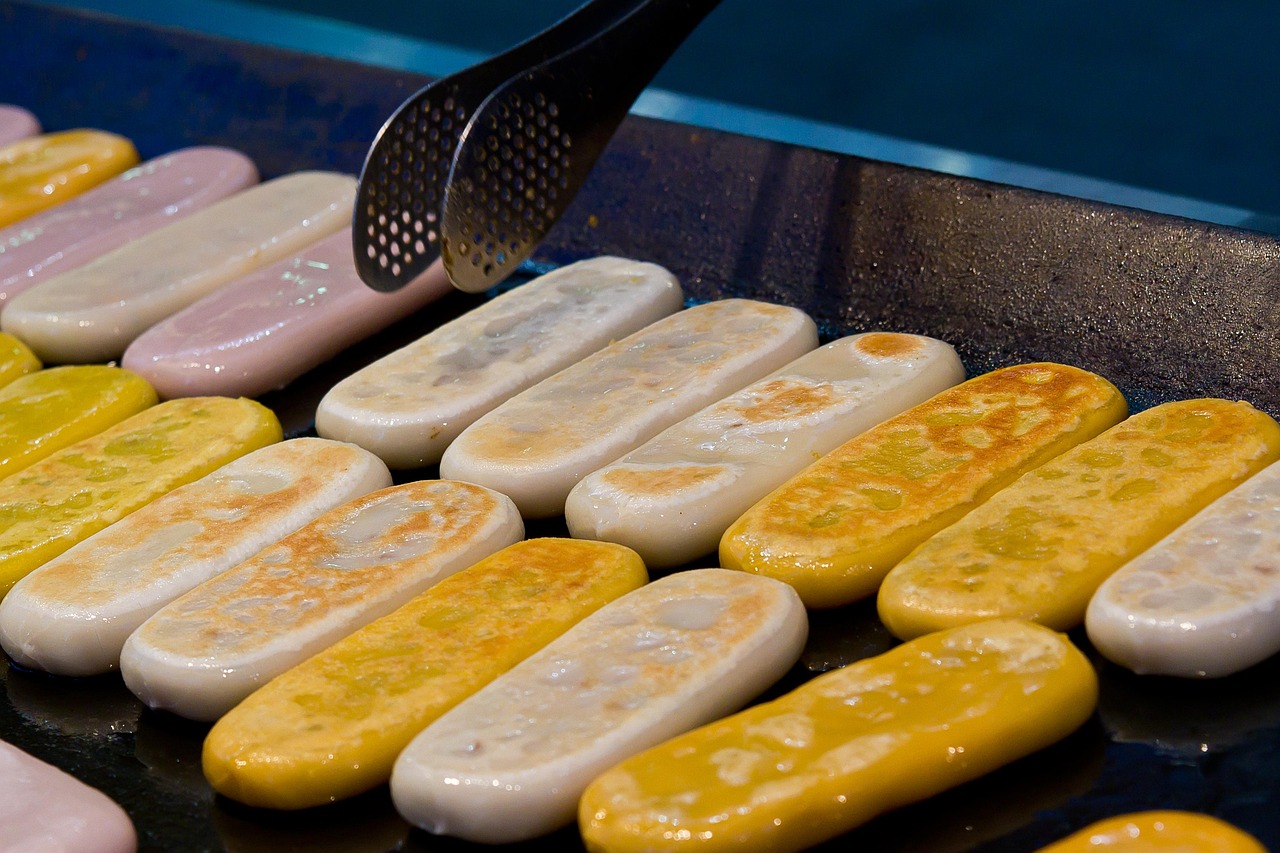
Seoul Street Food Tour Moments at Gwangjang Market with classic bites
For many travellers, a Seoul food tour at Gwangjang Market street food in South Korea is where the trip becomes vivid: steam, chatter, and the rhythm of hands moving fast at the food stalls. This market doesn’t ask you to be an expert; it invites you to uncover what you like, one bite at a time, with confidence. It’s also a brilliant counterpoint to a later restaurant booking—light, lively, and full of texture.
Start with the signatures. Bindaetteok (mung bean pancake) arrives crisp at the edges, soft within, and is especially satisfying with a sip of broth nearby. Then try mayak gimbap, small and moreish, designed for grazing as you explore the market lanes.
Street food tastings with confidence and care
If you’re cautious with spice, you can still taste boldly. Ask about gochujang before adding the sauce, and take a small dab rather than a full spoonful. Many vendors will happily adjust, and it’s completely acceptable to say you’re sensitive—care is part of the culture.
A food critic once told us they expected to “graduate” from street food to fine dining, only to be surprised by how memorable the night market felt. The flavours were punchy, the atmosphere was electric, and Seoul revealed itself as a city that never sleeps—a place where amazing food can be found under bright lights and between quick laughs.
Micro-tips for ordering at a market stall
- Go earlier for shorter queues, especially mid-morning, and save peak lunchtime for a café pause.
- Pointing is fine; a local guide can also order for you and explain ingredients with ease.
- If you have allergies, ask directly what’s inside and avoid assuming—fish, sesame, and shellfish can appear in unexpected places.
For high-end travellers, the refined approach is simple: arrive with a calm local expert, taste lightly, and keep space for a more crafted dinner reservation later. You’ll get the joy of the market without turning it into a test of endurance.
Private Kimchi Cooking Class With a Local Expert for a Seoul Cooking Class Kimchi Workshop Korean Food South Korea
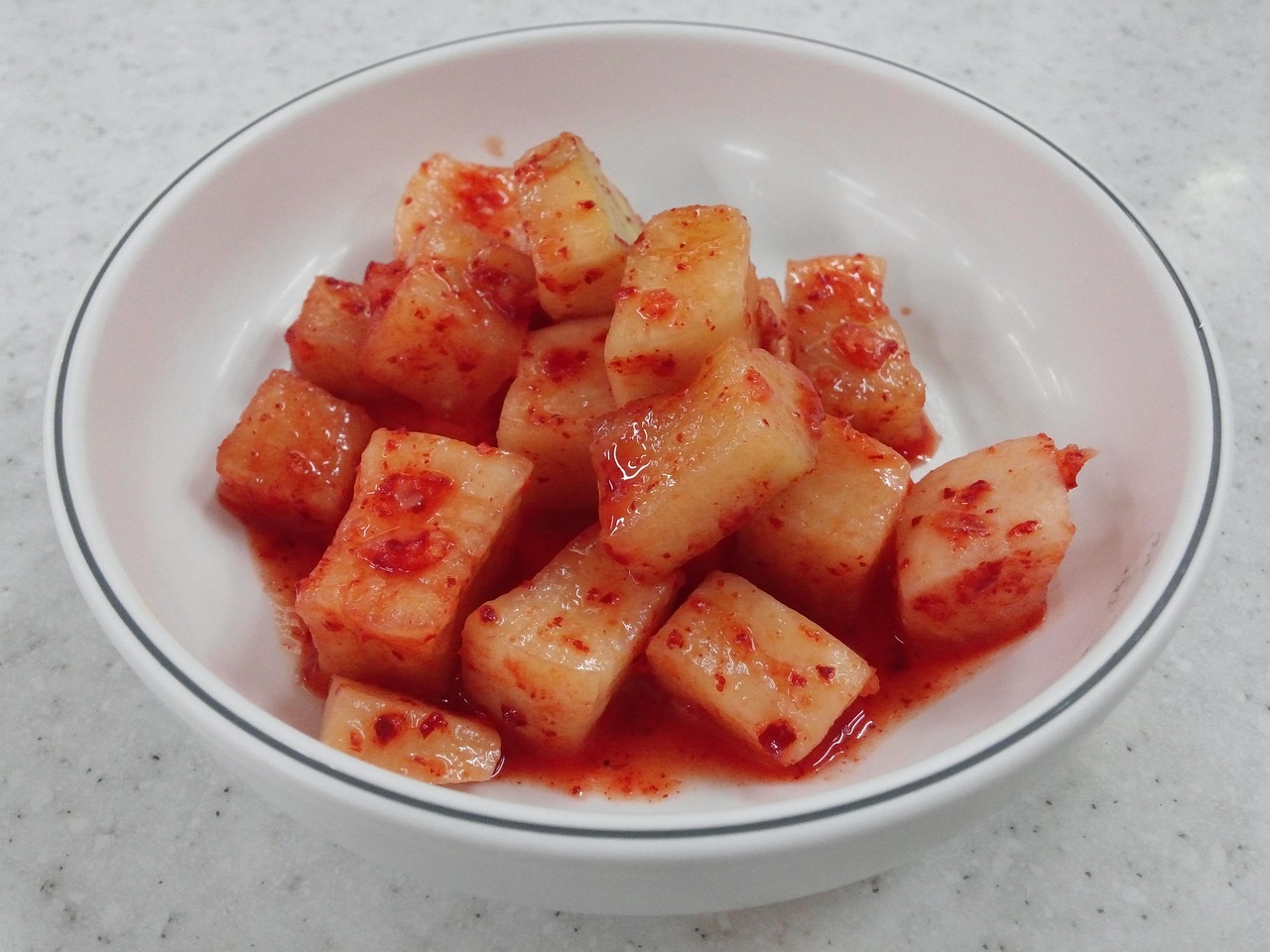
Private Kimchi Cooking Class With a Local Expert in Seoul
A Seoul cooking class, a kimchi workshop, and a Korean food experience in South Korea are among the most personal ways to connect with Korean households and their everyday rituals. In a private setting, the introduction often begins with ingredients laid out like a palette—chilli, aromatics, salted vegetables—then moves into the cultural meaning behind kimchi as shared care. It’s not just a recipe; it’s a family rhythm, passed on and adapted.
The hands-on segment is where you learn how to make the building blocks: seasoning paste, salting techniques, and the small choices that shape flavour. You’ll taste variations, from gentler versions to bolder batches, and you can ask to dial down the heat if you’re spice-sensitive. If you have concerns about allergens, a good host will walk you through substitutions and keep everything transparent.
How a premium cooking class feels crafted, not tourist
The best luxury setup is quietly calm: a studio with space, translated guidance when needed, and an unhurried pace. Rather than being rushed through the steps, you’re supported in asking questions and enjoying the process. Often there’s a thoughtful pairing—tea, or a small pour of soju—that makes the workshop feel curated.
You’ll leave not just with food, but with insight: why fermentation matters, how seasoning changes with the seasons, and what “balance” means in Korean dishes. It’s the sort of knowledge that stays with you long after you unpack.
Souvenir ideas that travel well
- Small-batch seasonings and chilli flakes from a trusted market vendor.
- A well-made set of chopsticks that feels personal rather than flashy.
- A few favourite market snacks—just enough for the flight, not a suitcase of pressure.
Most of all, the right workshop feels like being welcomed into someone’s tradition. The tone is warm, the instruction is expert, and you feel genuine trust—exactly what a high-end tour should offer.
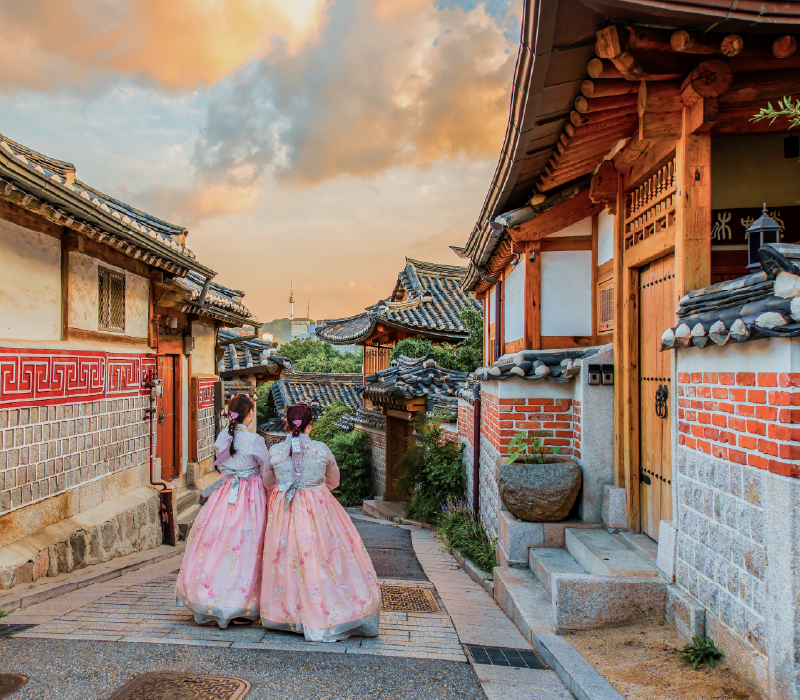
Bukchon Hanok Village Tea and Royal Korean Cuisine in Seoul
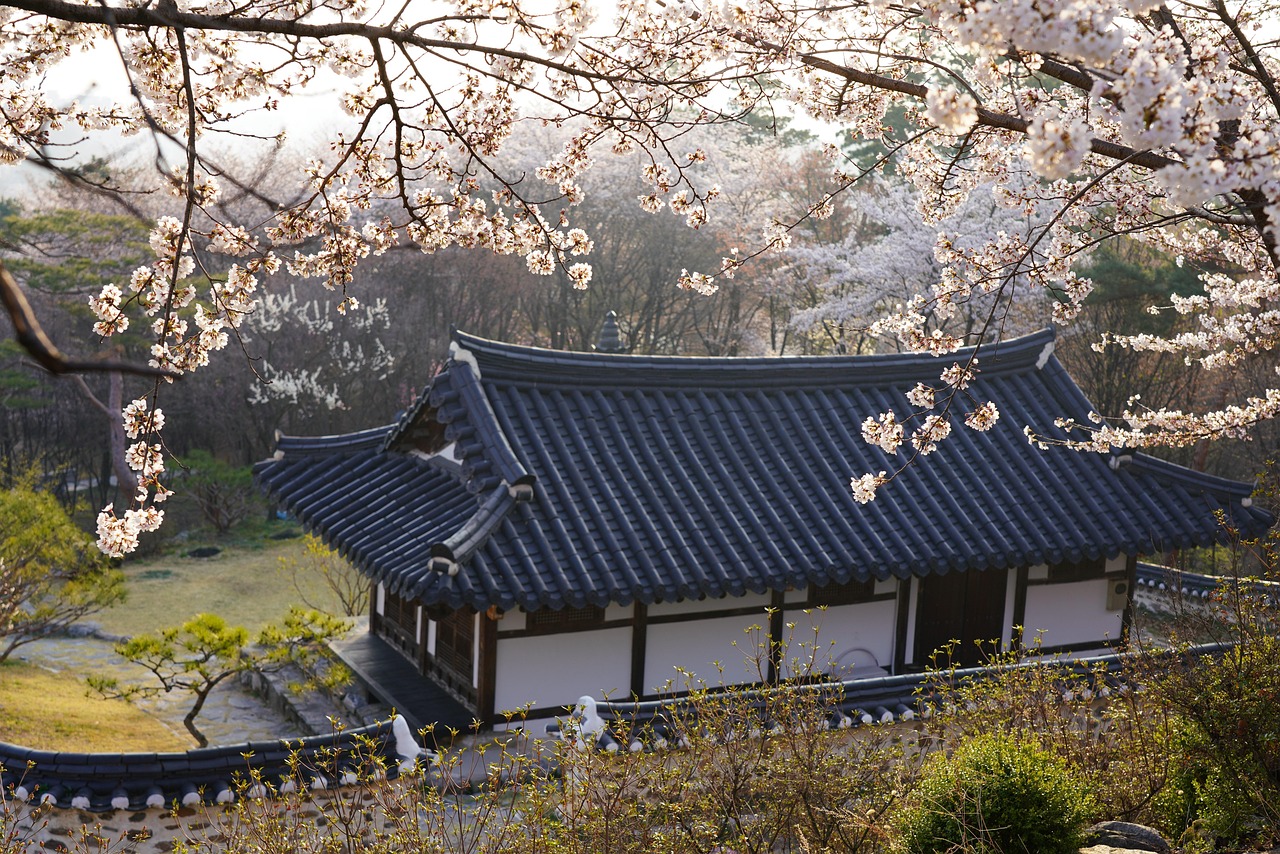
Bukchon Hanok Village Tea and Royal Korean Cuisine in Seoul with a hanok tea house pause
A Bukchon Hanok Village Seoul Korean cuisine hanjeongsik tour day shifts the energy into something slower and more considered. Here, traditional Korean architecture frames the experience: tiled roofs, wooden doors, and a quieter pace that invites you to imagine how Seoul once sounded. Begin with tea in a hanok tea house, paired with traditional sweets that feel delicate rather than heavy.
Then, let a high-end hanjeongsik meal be the centrepiece. One luxury traveller shared how, during a private multi-course dinner, they bonded with the chef in small, sincere exchanges. Between courses, the chef offered insight into royal Korean cuisine—how dishes were designed for harmony, and why side dishes are set down with such gentle care.
Dining etiquette in Seoul that builds confidence
Good manners in Korea are less about rules and more about respect. Wait for the elders to begin eating, and use both hands when giving or receiving dishes or drinks. These small gestures help you relax into the restaurant experience, knowing you’re meeting your hosts with care.
For contrast, you might add one discreet stop: a quiet craft beer bar tucked off the main street, or a single Korean BBQ moment featuring pork belly. Keep it curated—one highlight, not a marathon—and you’ll preserve the evening’s elegance.
Keeping a Bukchon day seamless
Plan short walks through alleyways rather than long detours, and pre-book seating so you’re not negotiating tables at the last minute. A calm cafe stop in the late afternoon can act as a reset before dinner, especially if you’re dressing up. This is how you create a day that feels seamless and crafted, without losing the warmth of the local neighbourhood.
Booking a Seamless South Korea Culinary Tour Beyond Seoul
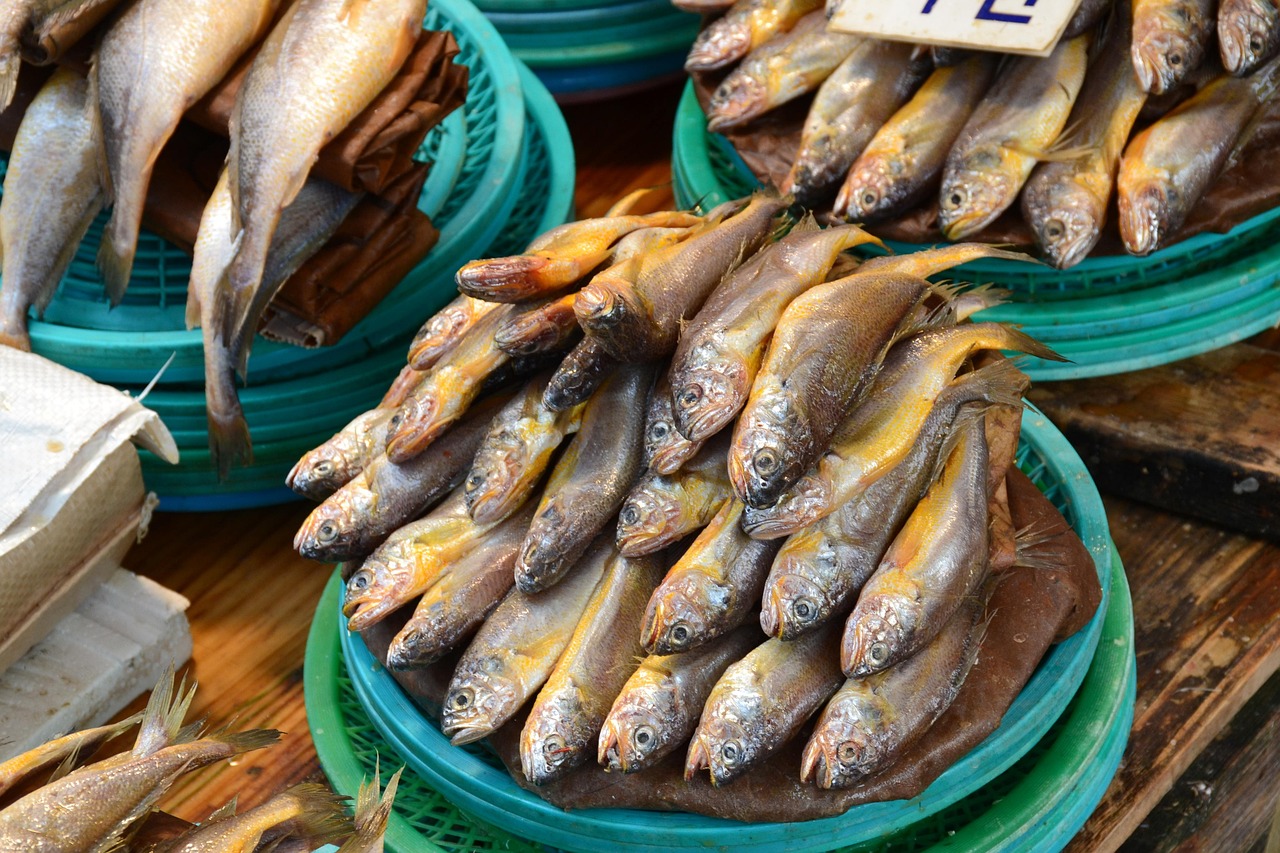
Booking a Seamless South Korea Culinary Tour Beyond Seoul with regional flavours
Smart booking for the South Korea culinary tour, Busan, Jeonju, Jeju: itinerary planning is what turns a beautiful idea into a tour you can actually enjoy. For high-end travellers, we recommend working with reputable luxury agencies and travel experts who can curate guides, handle reservations, and ensure a calm experience. If you’d like to preview what a designed journey can look like, explore our Trip gallery.
To go beyond Seoul without feeling rushed, think in themes: seafood by the coast, heritage flavours inland, and countryside produce on an island. It’s a natural way to extend your Korea tour while keeping the story coherent and personal.
An around-the-country extension with Busan, Jeonju and Jeju
In Busan, the Jagalchi fish market is a vivid window into daily life—bright tanks, swift preparation, and the confidence of people who know their ingredients. It’s an excellent place to taste seafood with a guide who can explain what you’re seeing and help you choose well.
Jeonju is known for bibimbap and a welcoming hanok village food scene, where tradition feels lived-in rather than staged. Jeju (and Jeju Island beyond the main town) slows everything down: farms, coastal roads, and a gentle sense of space that suits travellers who want quiet luxury.
An expat once described their happiest surprise on a guided visit to a Buddhist temple, where they discovered rare temple food dishes. The meal was mindful, seasonal, and health-forward—an unexpectedly grounding side of South Korean food that offered insight into balance, restraint, and care.
Transport and risk reduction for seamless booking
For easy hops, public transportation works well, especially on simple routes in Seoul. For luggage days, late nights, and multi-stop tastings, a private car service adds comfort and protects your time. The best itineraries mix both, using the right option for each part of the city.
- Confirm ingredients in advance and clearly share dietary requirements, especially for sauces and fermented items.
- Keep translation support available so you can ask questions without stress.
- Leave breathing space between tastings so each experience feels like great food, not a race.
With the right support, you can taste widely while staying comfortable—confident that every reservation, transfer, and timing detail has been handled with trust.
Final Thought
In the quiet after a journey, South Korea travel reflections, and Korean food tour memories rarely arrive as a list. They return as atmosphere: steam rising at a market entrance, the soft pause before tea is poured, the hush of a doorway closing behind you as you step back into the street. You remember how often you were met with small, instinctive kindness, and how that care made it easier to discover something new.
You may find the strongest impressions are the simplest: a bowl offered with both hands, side dishes arranged with attention, a moment of laughter when you tried a flavour you didn’t expect to love. In those details, Korea feels less like a destination and more like a conversation—one you were invited into with warmth and quiet confidence.
And perhaps that’s what you carry home: a more personal relationship with taste, and an openness to explore without needing to rush. Long after Seoul’s lights have faded from view, you can still feel the crafted ease of a well-designed tour—supportive, human, and deeply present. Somewhere in that feeling is a gentle thought of returning, not to repeat the same journey, but to uncover what else might be waiting at the next table.