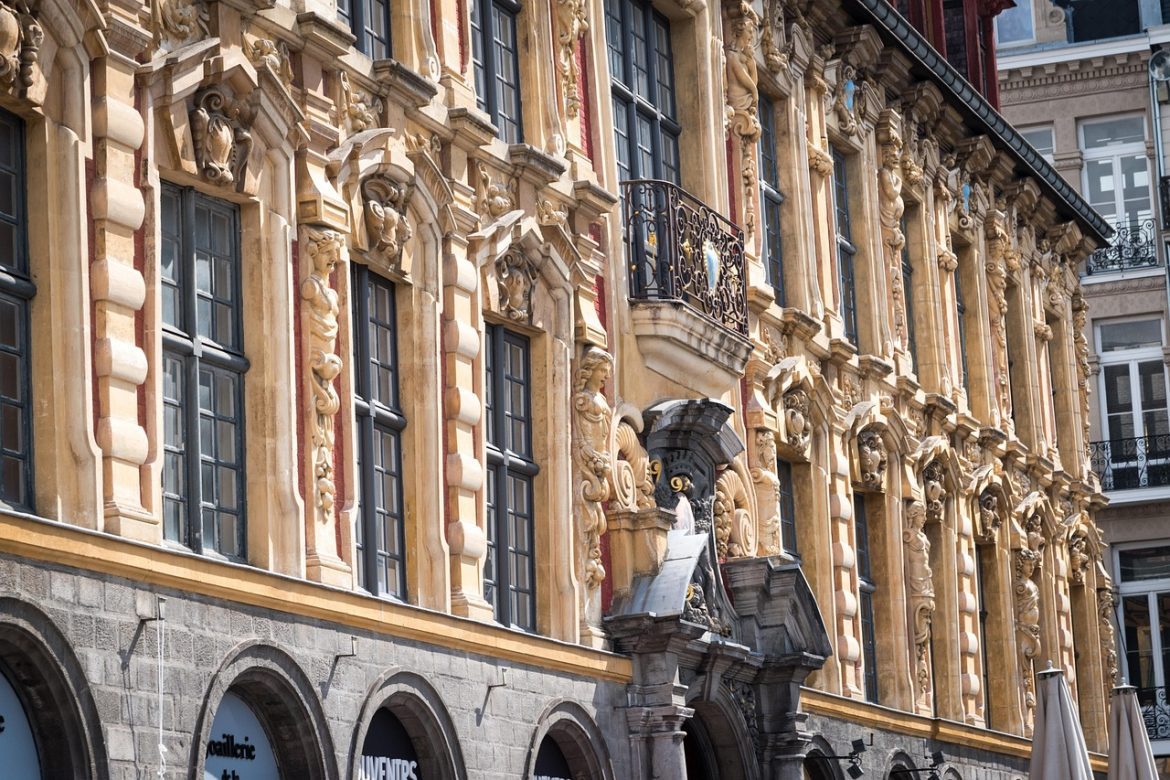
Grand Place (Place du Général de Gaulle) – Flemish façades on Lille’s main square
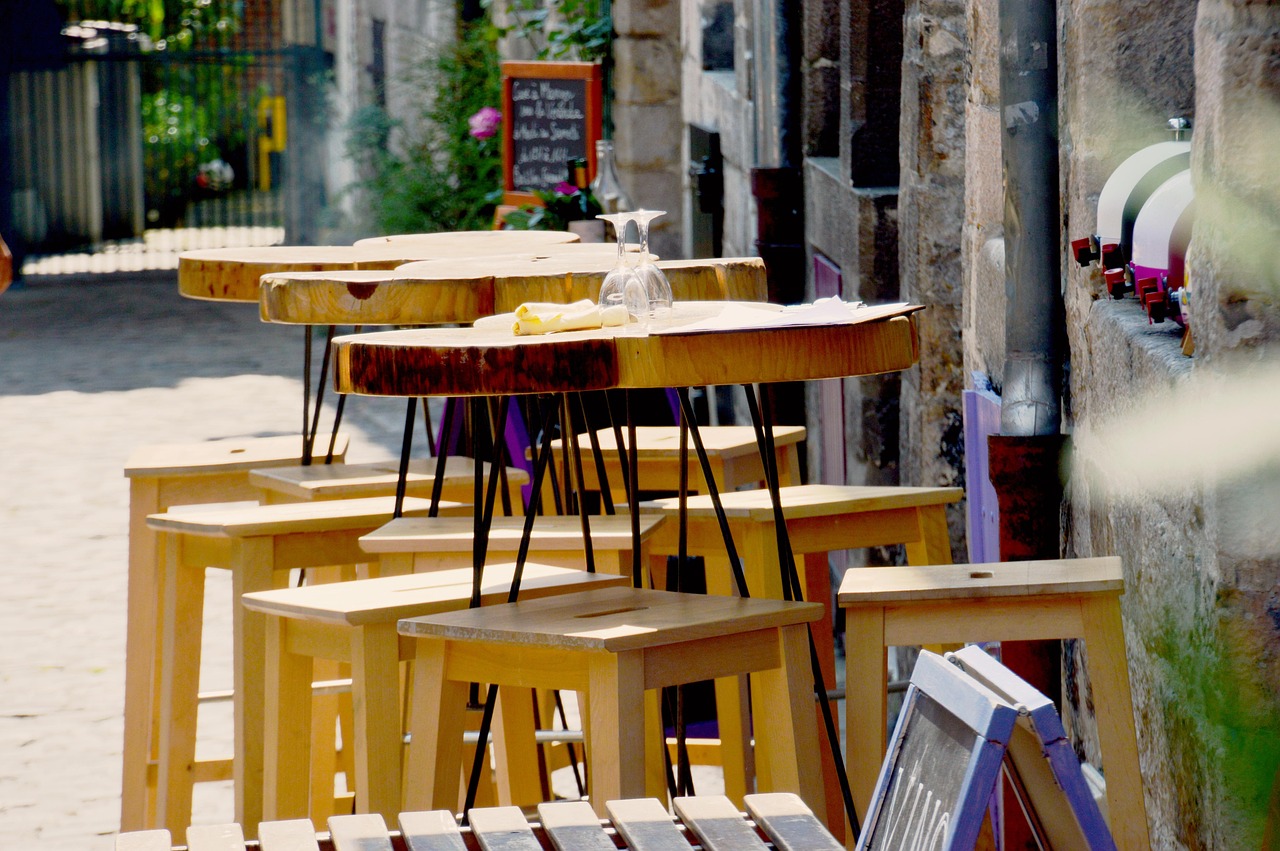
A relaxed first look at Lille’s central square: ornate Flemish façades, café terraces, and an easy rhythm for arrival
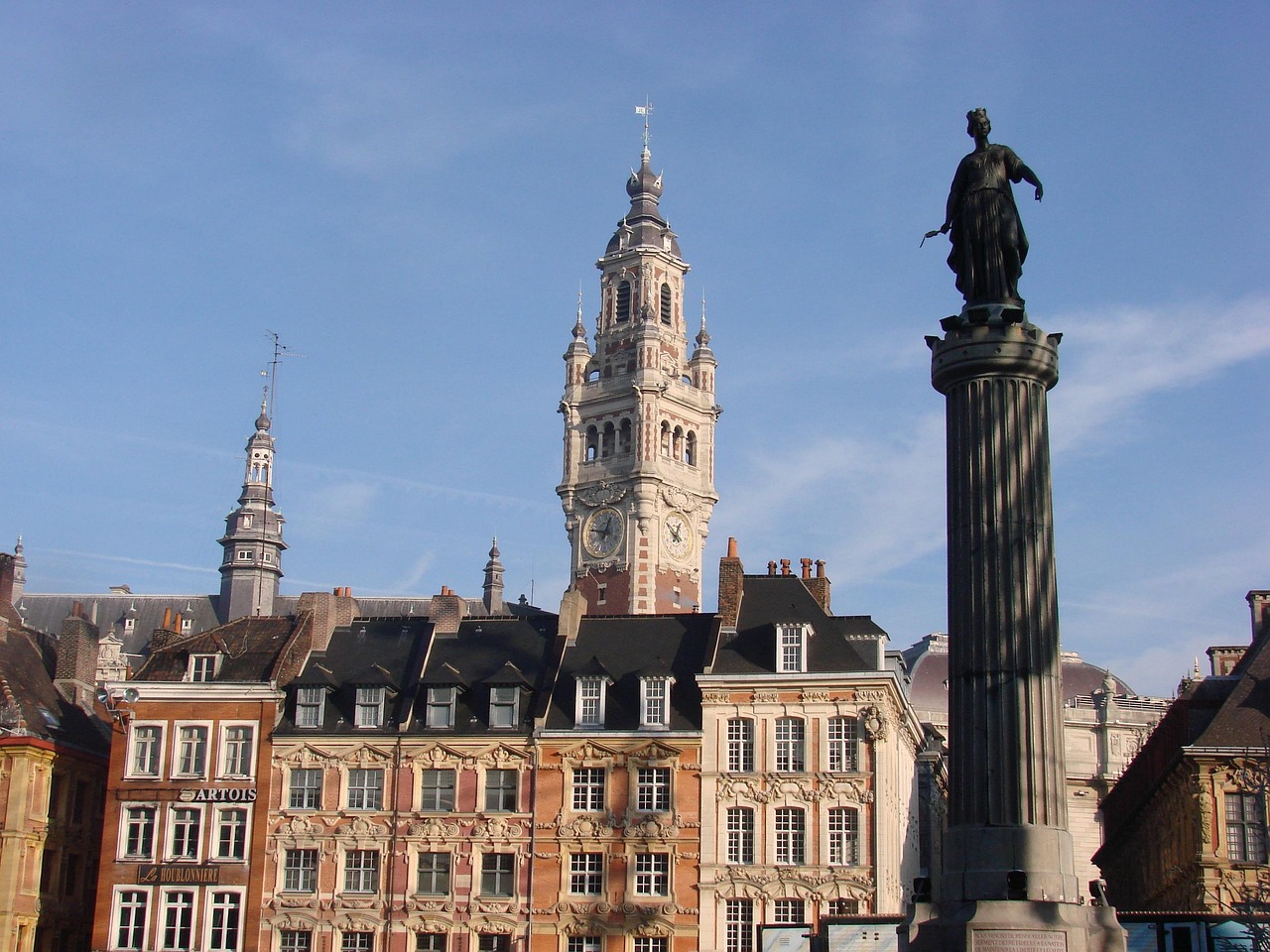
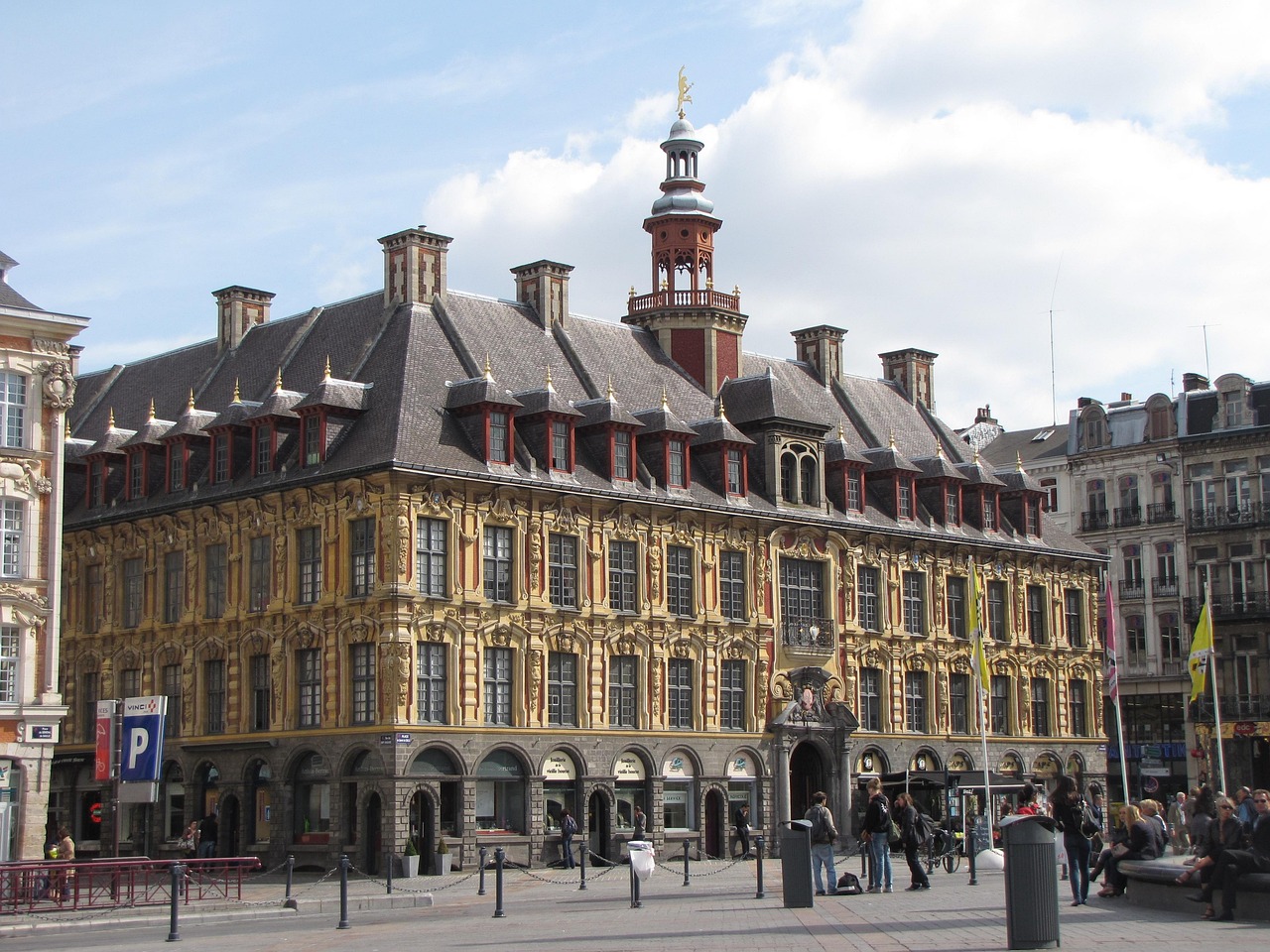
Starting at the Grand Place is the quickest way to read the city—especially if you arrive expecting a typical square in northern France and instead find a layered blend of architecture, café culture, and quiet confidence. Known locally as Place du général de Gaulle, this landmark wears its Flemish heritage openly, with gabled façades that seem designed for golden-hour photographs. It’s lively without being frantic, and it remains one of the best places to begin when you want to ease into the city rather than rush through it.
Begin with a slow circuit: café tables, florists, and those ornate buildings that make you look up mid-conversation. The old stock exchange sits nearby, and stepping into its courtyard is like going back to the Middle Ages—quiet, bookish, and beautifully contained. When you’re ready, settle on a terrace, let the scene unfold, and allow the pace of Lille to come to you.
Terrace time and a simple Lille ritual
One of my favourite stories from luxury travellers is also the simplest: an early evening glass of wine on a terrace, watching façades turn amber and conversations soften. There’s a feeling of being held in the scene—local laughter, a soft clink of glasses, and the sense that your weekend getaway has already been gently shaped. It’s not about ticking boxes; it’s about making room for small moments that stay with you.
The Beffroi belfry viewpoint and city-centre culture
Lille’s cultural core is walkable and surprisingly varied, which makes it easy to build a day that feels both elegant and unforced. For panoramic views of the city, time the Beffroi belfry for a clear afternoon, then return towards the centre for a calm dinner reservation. In the city of Lille, the best luxury often comes down to freedom: drifting together, noticing details, and never feeling hurried.
- Designer Journeys insight: book a terrace table for early evening—before the rush—so service feels calm and attentive.
- Quiet confidence tip: carry a light layer; evenings can cool quickly even in late spring.
- Detail to notice: the Flemish façades change character as the light moves—worth revisiting twice.
Palais des Beaux-Arts Lille – flagship museum for fine arts and art museum lovers
Masterpieces and calm galleries inside Lille’s Palais des Beaux-Arts, a cornerstone stop for culture-led travellers
To visit the Palais des Beaux-Arts is to give your trip to Lille a sense of scale: this museum is one of France’s great cultural anchors, and it rewards travellers who like to look closely. The Palais des Beaux-Arts (also written as Palais des Beaux-Arts) is generous in both its collection and its pacing—ideal if you’re in Lille for a few days and want an unhurried, refined morning indoors. If you love art museums, this stop makes the city feel like France outside Paris, yet completely itself.
Inside, you’ll encounter fine arts at a high level: Rubens, Delacroix, and a depth of work that invites return visits rather than a single sweep. I suggest shaping your route around what you genuinely care about—one wing with intention can feel far more luxurious than trying to see everything. If you enjoy a focused exhibition, ask staff what’s currently on and what visitors are quietly loving.
Highlights: Rubens, Delacroix, and rooms that invite you to linger
This collection shines when you slow down: a single canvas can hold your attention for ten minutes, and that’s the point. If you’re travelling as a couple, choose one favourite piece each and meet back in a quieter room to share why—an easy way to create a memory without any performance. For families, an hour here can feel surprisingly smooth if you balance it with a café stop afterwards.
Opening times, tickets, and a calm plan for peak days
Check opening times before you go, and aim for earlier entry to avoid peak crowds—especially on weekends and during big events. A Lille City Pass can offer useful savings and, in some cases, simpler entry, which keeps the experience seamless. If you’re building a culture-led itinerary, this museum is the cornerstone that supports the rest.
- Expert tip: arrive at the opening for the calmest galleries and the most attentive atmosphere.
- Comfort note: wear shoes you can stand in—this museum encourages lingering.
- Trust-building move: ask at the desk for a suggested route if time is limited; staff are used to curating visits.
Vieux-Lille: charming old town lanes, vieille architecture, and boutique shopping
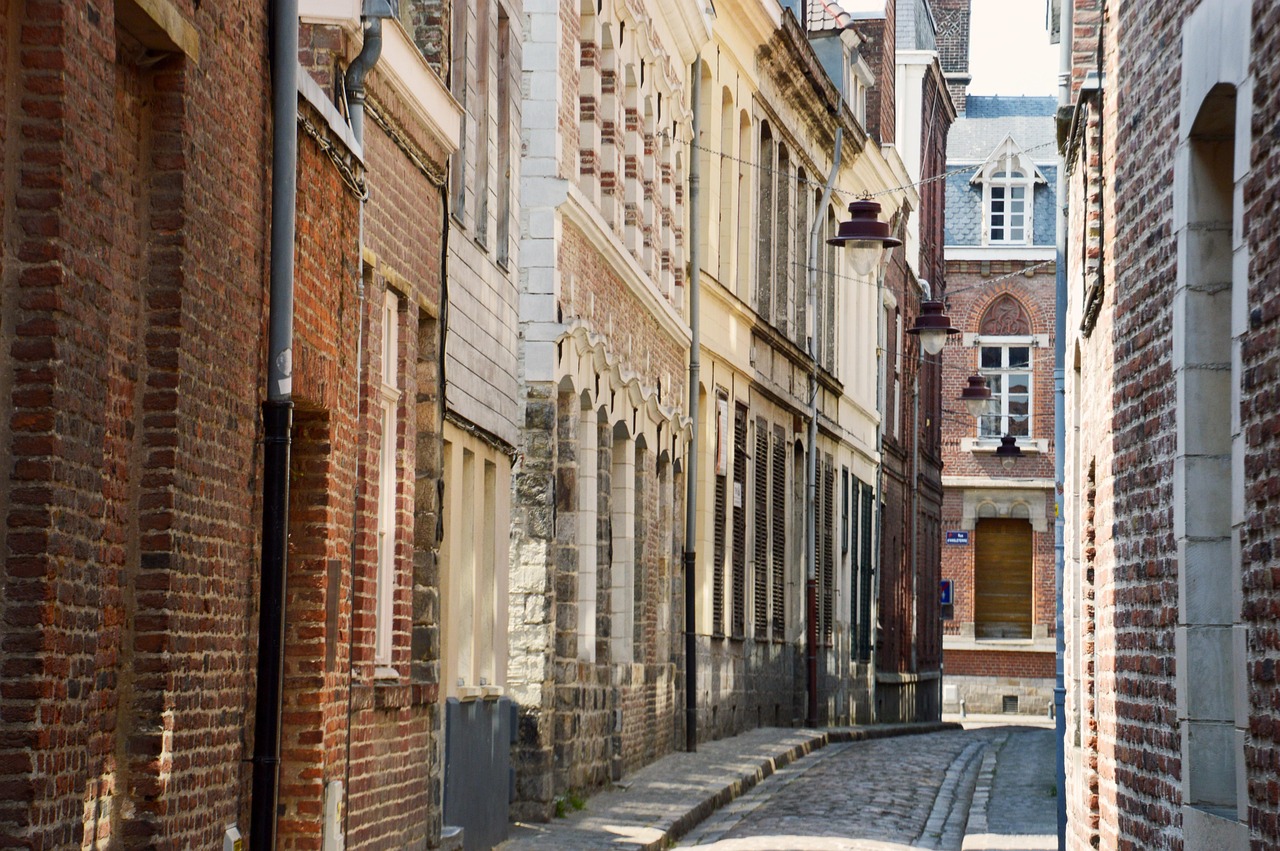
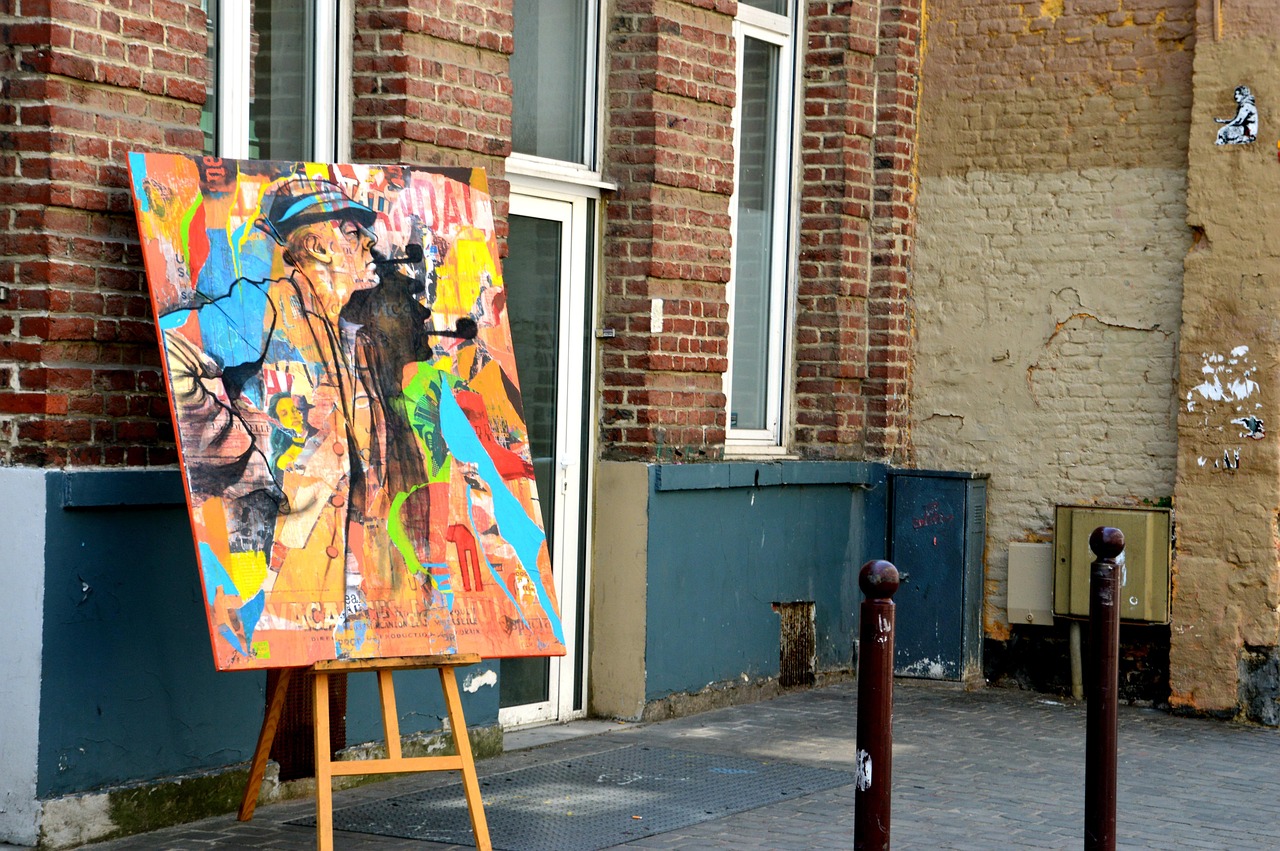
Cobble lanes, brick façades, and boutique windows in Vieux-Lille—made for slow wandering
Vieux-Lille is where the destination becomes intimate—cobble underfoot, soft light on brickwork, and doors that open into courtyards you’d never notice at speed. This old town is Lille at its most picturesque, and it’s ideal for travellers who enjoy wandering without an agenda. Spend time in Old Lille and let yourself explore slowly; the neighbourhood is full of charm in a way that feels lived-in rather than staged.
Luxury here isn’t loud. It’s in a beautifully edited window display, a discreet art gallery down a side street, or a designer boutique tucked behind a doorway. Rue de la Monnaie is a classic route to weave into your stroll, and it naturally leads to quieter corners where you can pause and simply listen to the city.
Rue de la Monnaie discoveries, vieille corners, and hidden addresses
On rue de la Monnaie, the rhythm is all about discovery: one elegant shop, then a tiny passage, then another surprise. A boutique-hotel guest once told me their favourite afternoon came from getting “slightly lost” on purpose, only to uncover a small gallery opening with a welcoming host. That’s the magic of vieille streets in Lille—serendipity, with a sense of care.
Local warmth, Comtesse history, and a musée pause
A traveller once shared how, when asking for directions in cosy vieux-lille, a local not only helped but walked them to the corner with a smile—warmth that stays with you. If you’d like a quieter cultural stop, consider the musée at the Hospice Comtesse; it’s a gentle contrast to the larger museum scale and deepens your insight into the city’s past. You’ll also spot references to général de Gaulle nearby, a reminder that Lille threads history into daily life rather than separating it out.
A Culinary Journey in Lille – Flemish flamande comfort, estaminets, and sweet treats
Refined bistros and regional comfort food—where French finesse meets northern generosity
A culinary journey through Lille is where many travellers truly fall for the city, because the blend of French finesse and Flemish comfort feels both indulgent and genuine. You’ll see the word flamande on menus, and you’ll taste how Flanders shaped the region—richer sauces, warming dishes, and a generosity that feels local rather than showy. Book well, then relax: Lille’s dining scene is built for long conversations and an easy sense of trust.
Start with a classic: Welsh rarebit done properly, bubbling and golden, ideally paired with a thoughtful wine list. Balance it later with lighter plates or beautifully executed seafood, then end with a sweet speciality that feels crafted rather than heavy. High-end prices are real, but the value is excellent when the room, service, and flavours align.
Estaminet tradition with a polished, local feel
For a rooted experience, choose an estaminet that feels considered but not precious. The best rooms manage that “designer comfort” feeling—warm lighting, careful details, and food that honours its heritage without becoming a tourist performance. If you’re travelling with family, this is often where everyone relaxes: the atmosphere is generous, yet still refined.
Waffle breaks, merveilleux, and Aux Merveilleux de Fred
Leave room for patisserie. A crisp waffle in the afternoon is perfect between shops, while the city’s famous merveilleux—a cloud-light meringue with cream—turns dessert into a small celebration. Many travellers make a point of visiting aux merveilleux de Fred, not for novelty, but because the balance of sweetness and texture is genuinely elegant.
- Table manners, gently: keep conversations quiet in intimate dining rooms, and you’ll feel the room’s respect returned to you.
- Pairing idea: share two desserts and a coffee so the finish feels light, not rushed.
- Design your evening: dine early, then stroll back through the old town when the streets feel cinematic.
Braderie de Lille – annual flea market, stall-hunting, and collectable design
Browsing antiques and design pieces during Lille’s famous Braderie weekend—energy, character, and serious treasure hunting
The Lille Braderie flea market—often referred to as the braderie de Lille—is a festival of objects, stories, and style, and it can align beautifully with luxury travel when you approach it well. Think curated antique hunting, collectable design pieces, and the thrill of finding something with provenance rather than a logo. If you’re visiting in early autumn, it’s one of the most distinctive things to do in Lille, France, provided you plan carefully.
The event is energetic, and it’s easy to feel overwhelmed if you arrive without a strategy. The key is to treat it like a designed experience: begin early, map a few streets you want to explore, and build in quiet breaks for coffee and calm. You’ll enjoy the atmosphere far more when you’re not fighting the crowds.
Stall strategy for antiques, craftsmanship, and quiet confidence
Not every stall is created equal, and that’s part of the fun. Look for sellers who can speak to materials and history—especially for jewellery, ceramics, and small décor with that timeless feel. If you’re serious, consider bringing a small torch and a cloth for quick inspection, then negotiate politely; confidence and courtesy go further than force.
Comfort, crowds, and staying relaxed in a busy moment
Street safety is generally good, but during the Braderie, it’s wise to keep typical city vigilance—secure bags, pockets, and phones. Choose comfortable shoes and set a rendezvous point if you’re travelling together, because coverage and crowds can slow coordination. When you plan well, the Braderie becomes less chaotic and more like a living showroom.
Lille Citadel tour – Vauban 17th-century fortress, canals, and green space
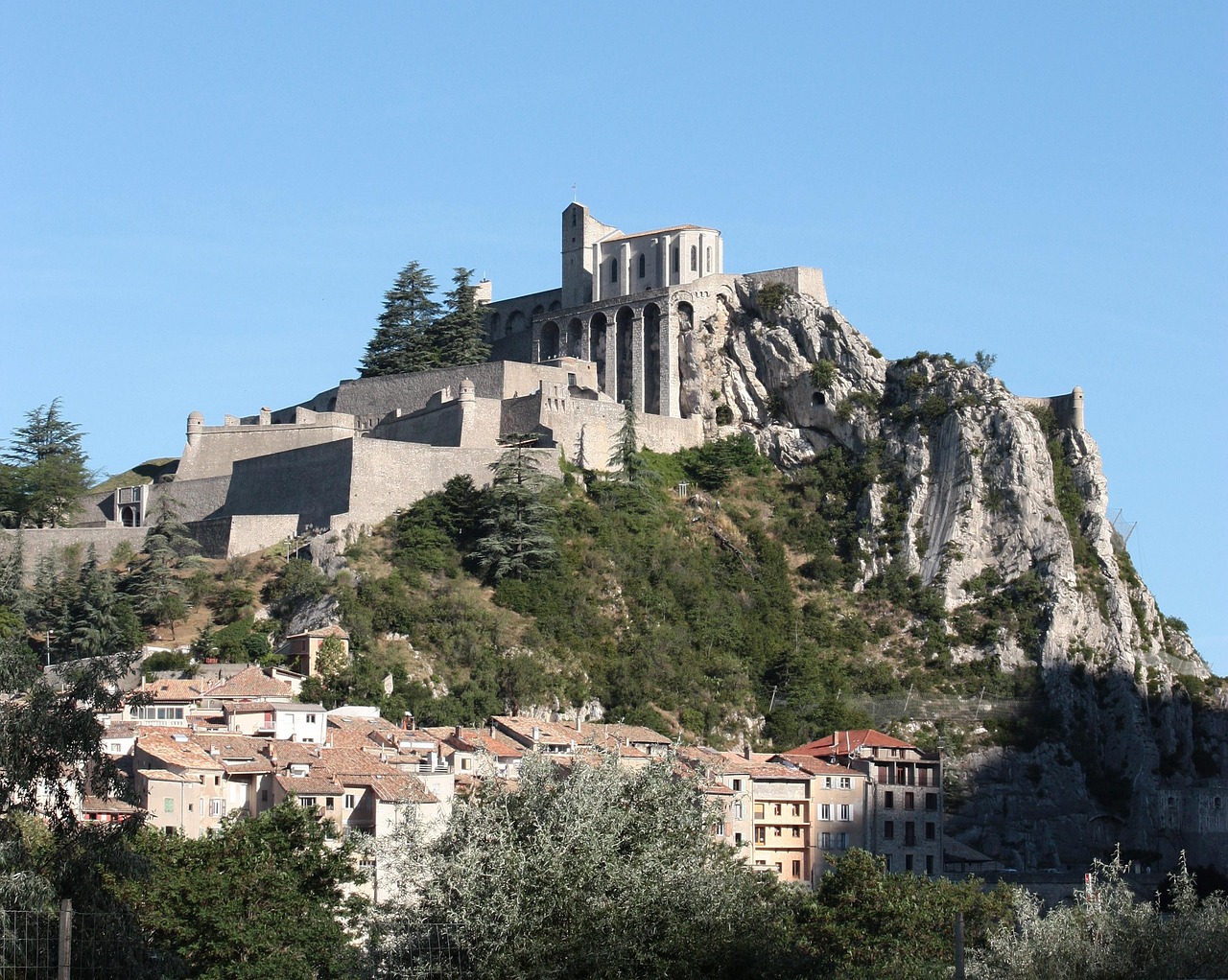
Vauban geometry, canals, and a generous green space around Lille’s Citadel—ideal for a slower afternoon
A Lille Citadel tour offers a different kind of luxury: breathing room after galleries and shopping, with history that feels calm rather than heavy. Built to Vauban’s design, this 17th-century fortification is both functional and strangely beautiful, with geometry that feels almost artistic. For travellers who like depth, a private guided tour adds expert context and turns stonework into a story.
The area around the Citadel is as important as the structure itself—serene paths, canals, and parkland where locals jog and families stroll. It’s a restorative chapter in your itinerary, and it pairs beautifully with a long lunch afterwards. If you’re travelling with children, you can fold in the nearby Lille Zoo for a joyful hour, then finish with gourmet dining—proof that sophistication and ease can coexist.
Vauban design and the human story behind the walls
Your guide can help you uncover why angles matter, how defence shaped beauty, and what the Citadel meant to residents across the centuries. This is history without dust: practical, human, and unexpectedly moving. The best tours leave you with insight rather than dates.
Parks, canals, and a gentle reset (not a day trip)
Plan time to walk the perimeter and simply watch the light on the water. It’s an ideal late-afternoon reset, especially after a museum-led morning. If you’re considering day trips from Lille, save that ambition for another day—this is the moment to stay close and let the city support you with calm.
- Private-guide tip: Request a route that includes quieter viewpoints and architectural details.
- Family note: Combine the zoo with a refined early dinner to make the day feel seamless.
- Wellbeing detail: Carry water; the paths encourage longer loops than you expect.
Practical tips for Lille by train: Eurostar, Lille-Flandres, and smart planning
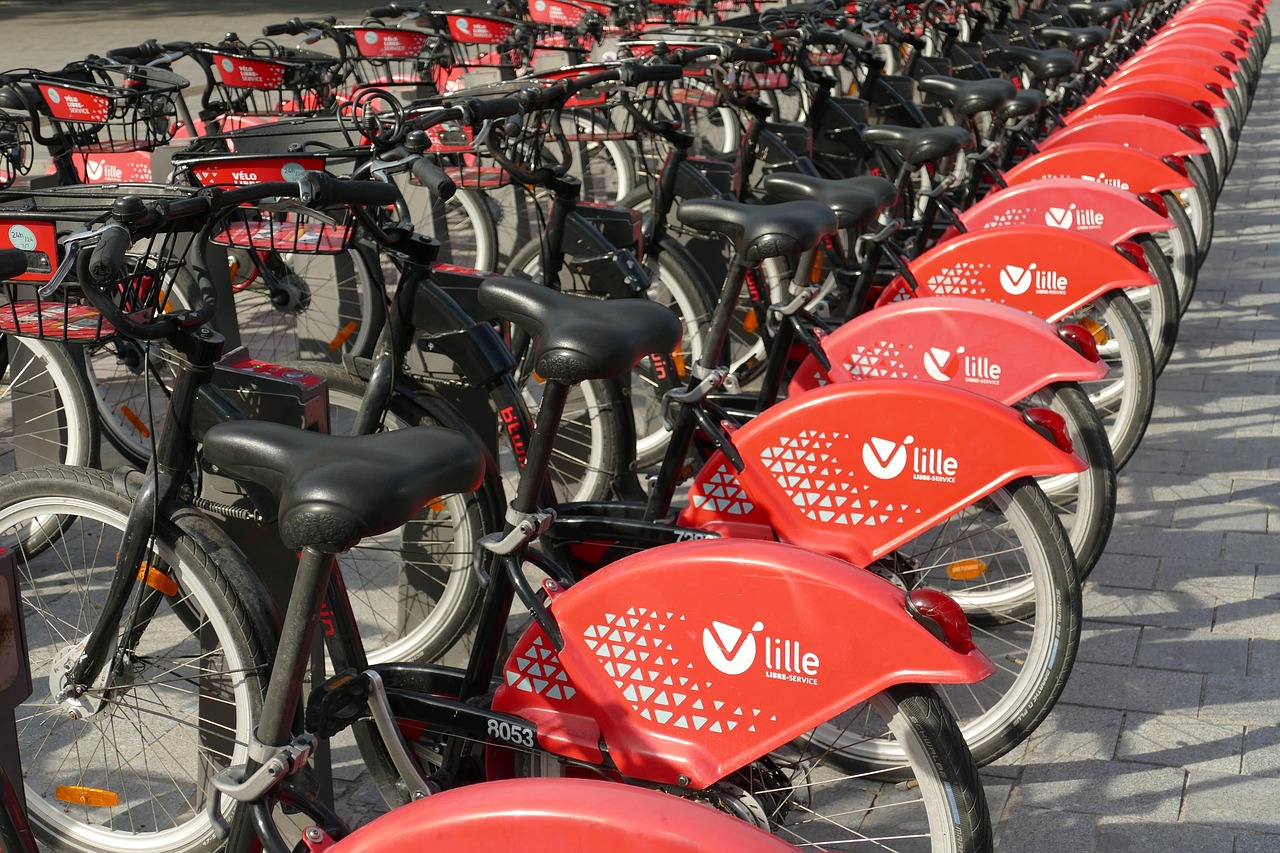
Easy, polished logistics in Lille: walkable streets, simple connections, and time for the details that matter
If you’re looking for travel tips for Lille, the good news is that the city is easy to fit into a polished itinerary. Late spring to early autumn is ideal for mild weather, outdoor dining, and cultural weekends; winter can be charming too, thanks to the famous Christmas market and a softer pace. For many travellers, Lille is the perfect weekend—but it also rewards those who stay longer, so everything feels unhurried.
Getting here is part of the pleasure. Many travellers come from London via Eurostar (often connecting via Eurostar from St Pancras), arriving rested and ready; you can also connect smoothly from Paris by TGV. Once you’re in town, the most central arrival point is Lille-Flanders, and taxis or private transfers make the final minutes effortless.
London via Eurostar, Charles de Gaulle CDG, and easy transfers
If you’re flying, Charles de Gaulle (CDG) is the main long-haul gateway, with easy rail connections onward. From there, it’s straightforward to reach Lille and settle in quickly, which keeps the first day calm. Arriving by Eurostar also makes luggage and security feel far more civilised than short-haul flights, especially at peak times.
Museum planning and day trip ideas: Roubaix, La Piscine, and the Lille City Pass
For culture lovers, schedule mornings for bigger cultural stops and leave afternoons for wandering and shopping. The Lille City Pass can be an excellent value if you’re planning multiple entries, and it helps reduce friction at the door. For a refined day trip, consider roubaix to see la piscine—a remarkable pool turned museum in a former art deco swimming pool, complete with old changing rooms and stained glass windows; it’s a standout for art deco lovers and anyone interested in textile history. If you only do one additional museum beyond the city centre, this is a strong contender.
- Best times to visit: late May to September for terraces; December for the Christmas market atmosphere.
- Respectful local note: greet with simple French—“Bonjour” and “Merci”—and you’ll feel the city soften towards you.
- Smart safety: the city is comfortable, but keep awareness during festivals and crowded stations.
- Planning support: for a seamless stay, ask your hotel to arrange timed entry, private guides, and dinner reservations at the best restaurants.
If you’d like to browse crafted itineraries in the region and compare styles of stays, you can explore our Trip gallery for inspiration.
F.A.Qs
Is it worth visiting Lille, France?
Yes—especially if you enjoy culture, design-led neighbourhoods, and excellent dining without the intensity of larger capitals. Lille offers standout architecture, a strong museum culture, and a warm local welcome, all in a compact, walkable centre that suits a refined weekend or a longer, slower stay.
What is Lille best known for?
Lille is best known for its Flemish-influenced architecture, its lively Grand Place, and cultural institutions such as the Palais des Beaux-Arts. Many travellers also associate the city with its food culture—hearty regional dishes and beautiful patisserie—plus the Braderie weekend.
What are the best things to do in Lille?
Highlights include lingering in the historic centre, exploring the Palais des Beaux-Arts, wandering the boutiques of Vieux-Lille, and enjoying bistros and estaminets. If your timing aligns, the Braderie is unforgettable, and the Citadel area offers a calmer, greener side of the city.
What to do in one day in Lille?
Start with coffee in the centre, then devote late morning to the Palais des Beaux-Arts. Spend the afternoon in Vieux-Lille for shopping and small galleries, and finish with a regional dinner and something sweet—perhaps a second merveilleux or a seasonal pastry. Keep the pace gentle—Lille shines when you slow down.
Final Thought
For many travellers, reflections after Lille are surprisingly vivid: the way evening light warms brick façades, or how a stranger’s kindness in the old town makes you feel quietly looked after. As one local guide put it, Lille is one of those rare destinations that doesn’t demand attention—it earns it through detail and atmosphere. If you’re comparing cities in France and want something stylish, walkable, and human-scaled, this is an easy choice.
Perhaps that’s the real gift here. It invites you to travel with care, to notice what’s human, and to let elegance be uncomplicated. And when you imagine going back, it’s rarely for one landmark—it’s for the feeling of being quietly at ease in a place that still holds a few streets you haven’t turned down yet.