Perfect Lyon in 2025 itinerary days in Lyon things to do in Lyon with a map of Lyon
Perfect Lyon in 2025 A Seamless Plan for Days in Lyon
If you’re craving a trip to Lyon that feels polished yet deeply human, this perfect Lyon in 2025 framework is designed to create ease. Think of it less as a rigid schedule and more as a gentle rhythm: mornings for museums in Lyon, afternoons for strolling, and evenings for dining that lingers. Lyon is one of France’s most characterful cities—often described as the third largest city in France—and it rewards travellers who Design their time with space for small discoveries.
For most high-end travellers, 2–4 days in Lyon is the sweet spot: enough time to explore Vieux Lyon, enjoy the basilica on Fourvière Hill, and still have breathing room for a park pause or a slow market lunch. If you’ve visited Lyon before, consider using the same structure but shifting your focus from “sights” to artisans, ateliers, and the quieter angles of Lyon.
Best time to visit Lyon and how to keep it calm
For weather and atmosphere, the best time to visit Lyon is typically May to September. This is when terraces come alive, the light flatters the riverbanks, and festivals give the city in France a celebratory hum without feeling staged. It’s also an excellent time to visit if you’re pairing Lyon with a longer trip to France and want a reliable climate.
One simple, high-impact strategy: avoid weekends at the most popular tourist attractions. Visiting midweek lets you experience places to visit in Lyon with more quiet, more personal space, and far better photo opportunities—especially in Vieux Lyon and at the basilica viewpoints.
Arrivals, getting around, and a practical map of Lyon attractions
Most travellers fly into Lyon-Saint Exupéry, then take the Rhônexpress tram or a private transfer into town. If you’re coming from Paris, it’s easy to get from Paris to Lyon by train—often described as Lyon in just 2 hours—making Lyon a great way to add depth to a Paris itinerary without the friction of another flight.
You rarely need a car in Lyon. In fact, for many visitors, the answer to “need a car in Lyon?” is a reassuring no: the metro, tram, and walking are efficient, and Lyon on foot is a pleasure once you settle into the rhythm. Save driving for a day trip around Lyon if you want vineyards or hill towns.
To keep your exploring Lyon truly Seamless, use a map of Lyon and pin a map of Lyon attractions before you arrive. I also suggest saving Lyon attractions maps offline so you’re not dependent on data when you duck into stone passageways or quieter courtyards.
If you enjoy convenience, the Lyon City Card can be a smart value-and-time choice for transport plus admissions, particularly if you plan to visit the Musée des Confluences and the Fine Arts Museum (the Musée des Beaux-Arts, a fine arts museum in France that feels surprisingly serene early in the day). It’s also a gentle Support for decision fatigue: fewer tickets, fewer queues, more Confidence.
To round out your pacing, consider building in one restorative pause—many travellers choose the Parc de la Tête d’Or for its lake, botanical garden, and easy elegance. It’s one of those places in Lyon that helps the city feel lived-in rather than performed.
A high-end reality check, delivered with Care. Lyon offers incredible things at every price point, and you can balance indulgence beautifully:
- Michelin-starred dinners commonly start at 100+ euros per person, especially with wine pairings.
- Offset with a Crafted market lunch (think perfect bread, cheese, and fruit eaten slowly rather than hurriedly).
- Choose one “statement” evening and one simpler bistro night to keep the trip to Lyon feeling intentional, not exhausting.
- Book key reservations early, then leave space to uncover the best places along the way.
For more design-led inspiration for a longer stay in Lyon or pairing it with the rest of France, you can browse our Trip gallery and imagine how these moments could connect together.
Vieux Lyon and Presqu’île UNESCO World Heritage Site
Vieux Lyon and Presqu’île UNESCO Old Town Attraction Walk
For travellers seeking the most textured Lyon sightseeing, Vieux Lyon and Presqu’île are the refined walks that make the city’s story feel close enough to touch. This area is a UNESCO World Heritage site, and the historic Vieux Lyon is one of the largest Renaissance neighbourhoods in Europe—an attraction that isn’t about spectacle but about detail: worn stone, ironwork, silk-era doorways, and the hush of small courtyards. If you’re collecting the best places to see rather than rushing through, start here and let the day unfold.
Begin in Vieux Lyon in the morning, when light is soft, and shopkeepers are setting out their wares. Then cross towards Presqu’île as the day warms, letting cafés and squares pull you into a slower, more Local tempo. This is one of the top attractions for travellers who value atmosphere over box-ticking, and it’s quietly worth a visit even if you’ve visited Lyon before.
Exploring Vieux Lyon with artisan streets and silk heritage
Exploring Vieux Lyon is best done at an unhurried pace. Follow the streets of Vieux Lyon with a designer’s eye: look for small ateliers, artisan workshops, and remnants of the city’s silk history. You’ll notice that Vieux Lyon doesn’t just present the history of Lyon; it offers it in layers—door knockers, stairwells, and storefronts that still feel in conversation with the people from Lyon who keep these crafts alive.
For a more museum-like Insight without the formality, slip into the Lyon History Museum (Musée Gadagne) when you want a calm interior moment. It deepens your sense of old town life in old Lyon, and it’s a graceful counterpoint to the buzz of the riverfront.
Traboules etiquette and Place des Terreaux Design pauses
The hidden passageways—traboules—are the signature secret of Vieux Lyon. A discerning traveller once told me that wandering through Vieux Lyon’s tucked-away traboules felt like stepping back in time, as though centuries of craftsmanship were still warm in the stone. It’s a beautiful feeling, and it comes with a small request of etiquette: keep voices low, never force a door, and mind private entrances, because these are living buildings, not set pieces.
From Vieux Lyon, ease across to Presqu’île for a more open-city elegance. Place des Terreaux is a wonderful pivot point, especially for a slow photography pause. Here you’ll find the hôtel de ville de Lyon (and the hôtel de ville itself, a civic showpiece), plus façades that feel like open-air galleries. If you enjoy playful visual culture, keep an eye out for a Lyon mural moment—then stop, sketch, or simply sit. This is how you design memory rather than merely collect it.
Before you leave, return for golden hour. The views of Vieux Lyon from a quiet corner by the Saône can feel almost private, even in a famous Lyon setting. It’s a simple must-do in Lyon: not because it’s grand, but because it’s yours.
Fourvière hill basilica of Notre-Dame de Fourvière, Lyon attraction views
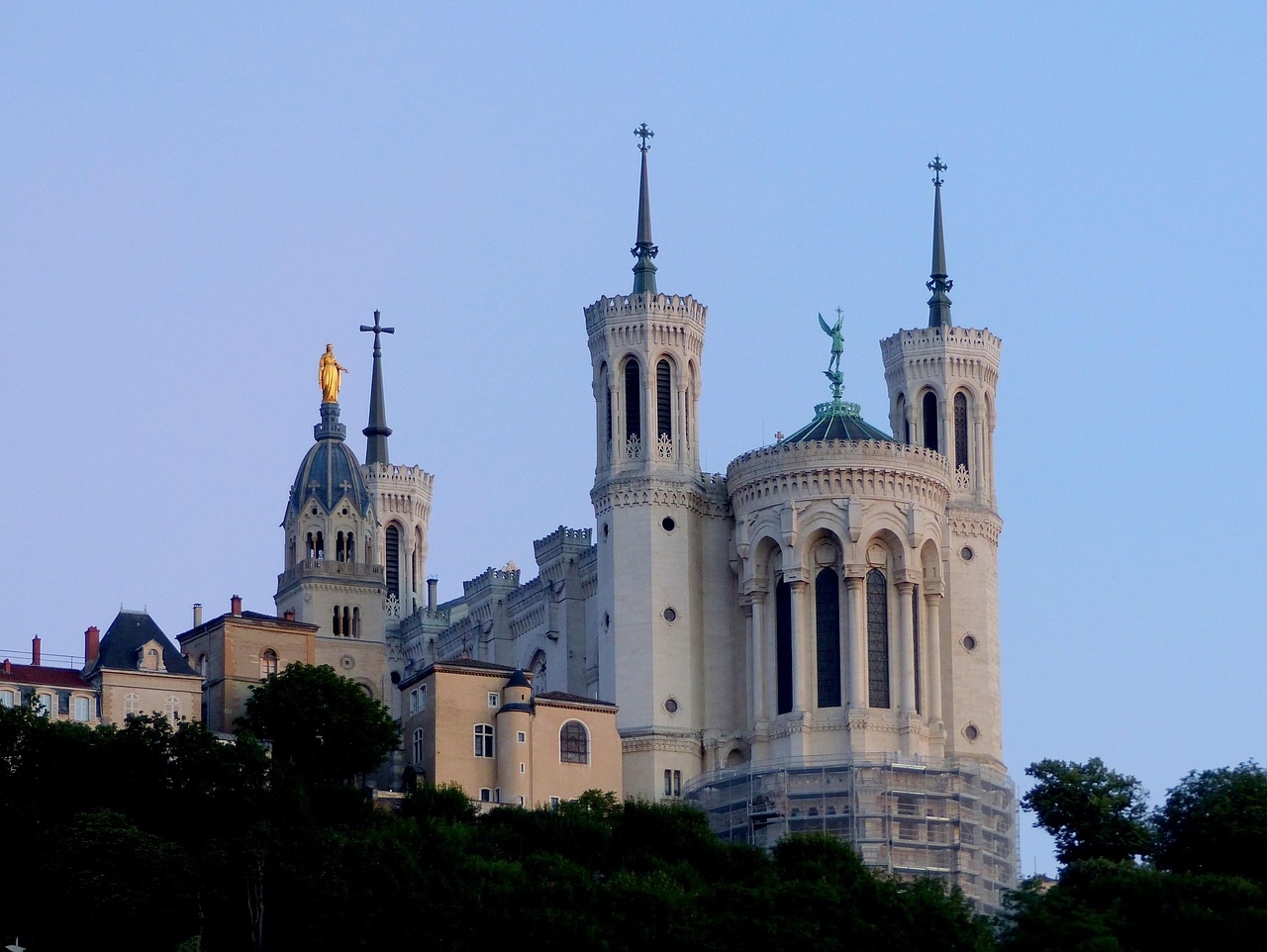
Fourvière Hill Basilica Views and a Quiet Artful Pause
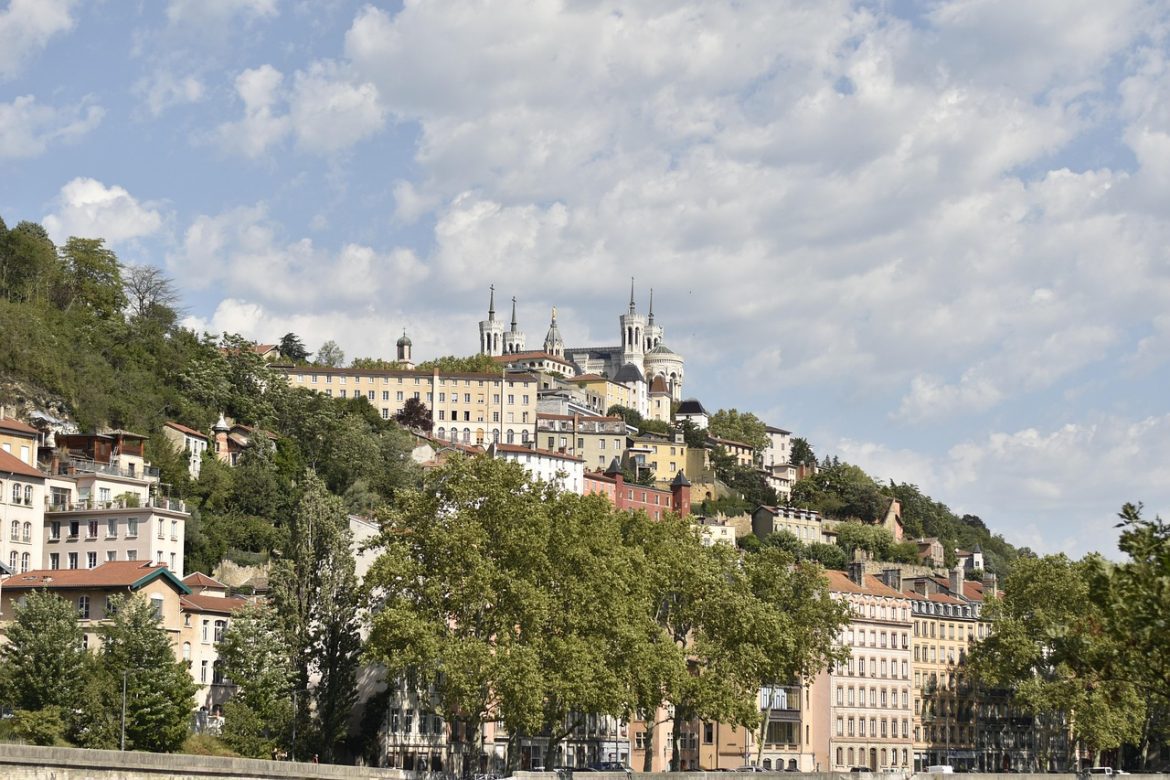
For first-time visitors deciding what to see in Lyon, Fourvière Hill is the vantage point that makes the city make sense. The Basilica of Notre-Dame de Fourvière is both a spiritual landmark and a design masterpiece—an attraction defined by detail: shimmering mosaics, layered symbolism, and domes that catch the light like jewellery. In the language of best things, this basilica belongs near the top, but it’s even better when you approach it as a quiet, artful pause rather than a sprint.
There’s a particular softness to this place: the way the basilica holds your attention, then releases you into wide air and perspective. It’s also one of the best places for a personal ritual—bringing a sketchbook, a camera, or simply your unhurried attention.
Planning your Fourvière hill ascent and basilica tours
You can reach Fourvière hill by funicular (quick, comfortable, and elegantly efficient), or by walking if you enjoy earning your view through old town lanes. Either way, book basilica tours in advance when you can, particularly in peak season, and wear comfortable shoes for the cobblestone streets below. This is one of those practical choices that quietly protects your day.
Inside the basilica, let the mosaics do the talking. The basilica isn’t minimalist—far from it—but the craftsmanship feels intentional. Notice how the colour palette changes across chapels, and how the basilica invites you to slow down without needing to be told.
A Lyon perspective with Roman heritage and the bank of the Saône
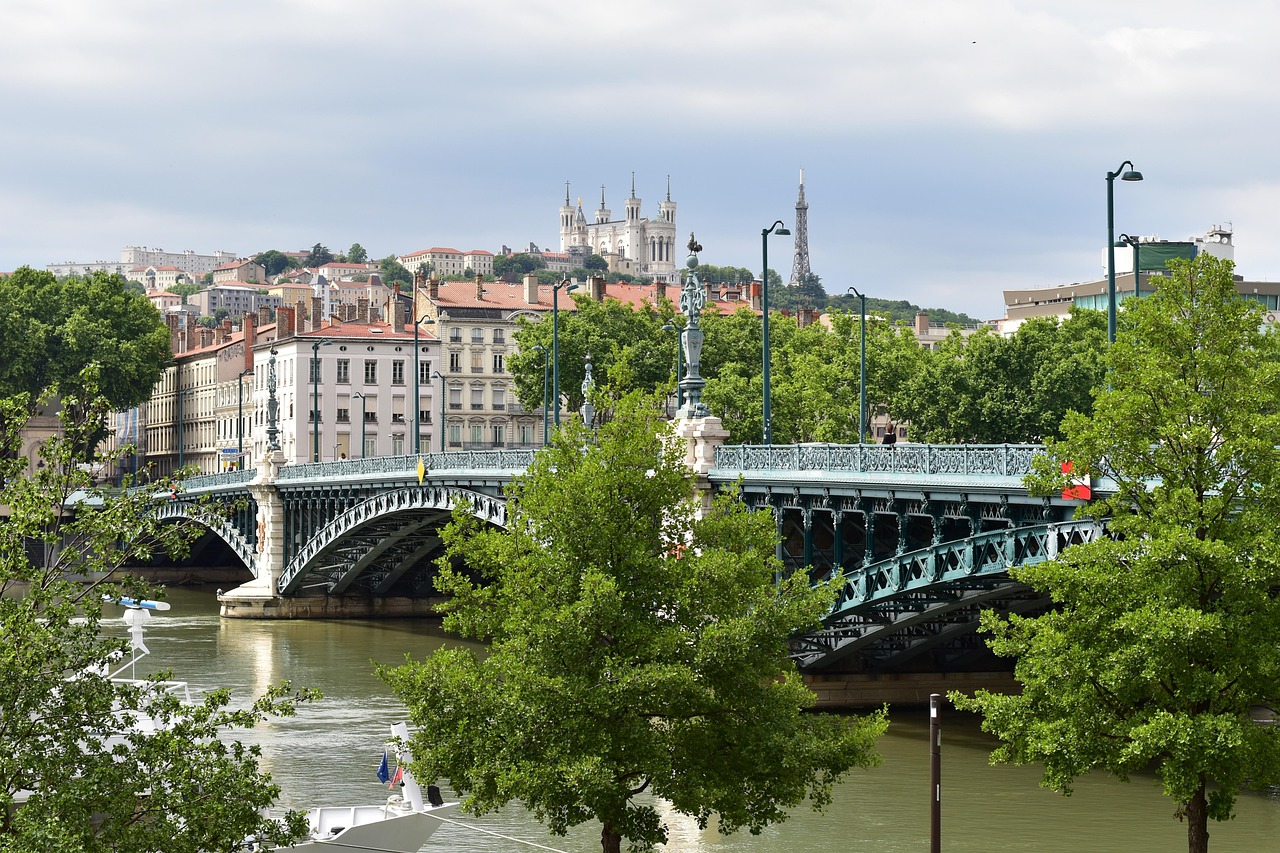
An artist once described finding inspiration here, sketching buildings in Lyon from the hilltop while locals enjoyed long picnics. That combination—ambition and ease—is profoundly de Lyon. After your basilica visit, take a short loop to the Roman heritage nearby, then return to the viewpoints and look back across the heart of Lyon and the bank of the Saône. You’ll see how the rivers shape the city of Lyon, and why its geometry feels so naturally photogenic.
For photographers, the best light is often early morning or late afternoon. Midday can be bright, but if you’re travelling in summer, it’s also when you might appreciate the basilica’s interior coolness before stepping back into the sun.
Lyon is very safe, and standard European precautions are enough. Still, a little Confidence planning keeps you relaxed at busy viewpoints:
- Keep valuables close in crowds, particularly when you’re distracted by views.
- If you’re carrying luxury purchases, choose a crossbody bag and avoid flashing packaging.
- Take your time on steps and uneven surfaces—comfort equals better concentration and better photos.
From Fourvière hill, you’ll leave with more than a view. You’ll carry a steadier sense of the city’s scale—and of your place within it.
Best things to eat in Lyon, gastronomic capital of France
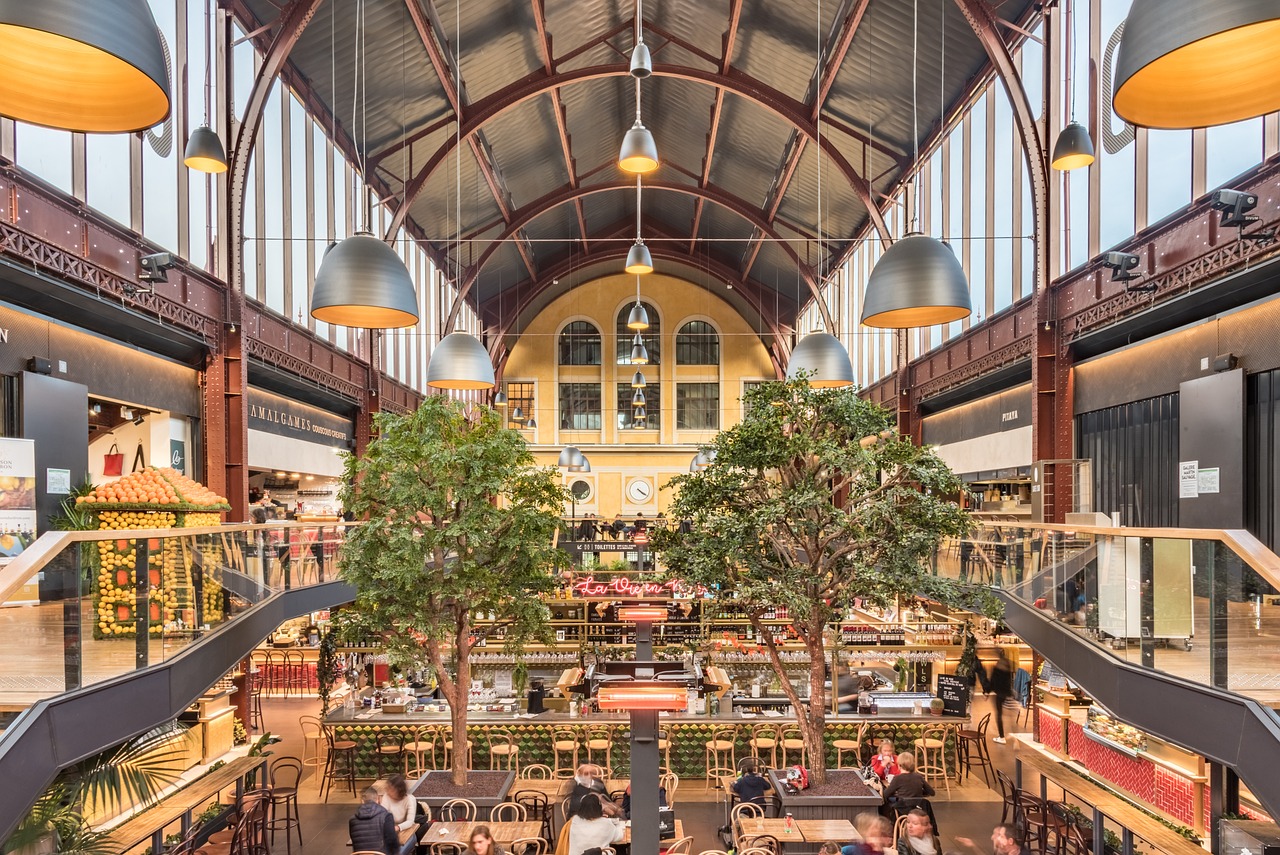
Gastronomic Capital of France Best Things to Taste in Lyon
If you’re choosing experiences in Lyon with intention, make space for food that feels crafted rather than performative. This chapter’s focus—best things to eat in Lyon, from les halles de Lyon to Michelin—reflects why Lyon is known as the gastronomic capital of France. The city doesn’t ask you to chase trends; it asks you to Trust tradition, technique, and the warmth of good service.
A polished approach is to design a “tasting arc” over a day: start with market browsing, build towards a long lunch or early dinner, then finish with something sweet and quiet. That way, the pleasure stays high, and the pace stays kind.
Les Halles de Lyon Paul Bocuse for a day of gourmet wandering
Begin at Les Halles de Lyon Paul Bocuse—also signposted as Les Halles de Lyon Paul Bocuse, and sometimes referenced simply as Les Halles de Lyon Paul. Arrive earlier rather than later, when counters are full, and conversations are unhurried. This is where you can uncover cheeses at their peak, charcuterie cut to order, and praline pastries that feel like edible gemstones.
Give yourself permission to take a day of gentle grazing here: a few tastings, a glass of wine, a sit-down bite, then another stroll past the displays. Even if you’ve visited Lyon for its monuments, this is one of the best things about Lyon for understanding the city’s pride and generosity.
Michelin dining with warmth and de Lyon etiquette
Fine dining in Lyon can be exceptionally personal when you choose well. One visitor recounted a memorable Michelin-starred dinner where the chef personally explained the inspiration behind each dish—an Expert narrative of de Lyon culinary traditions told without arrogance. That’s the standard to look for: artistry paired with warmth, where service feels like Care rather than ceremony.
When sampling local specialities, order with curiosity and context. Quenelles are a classic, often served in a rich sauce; praline tarts are bright and nostalgic; and seasonal produce can be extraordinary in a city that respects ingredients. A small etiquette note that goes a long way: greet staff with a polite Bonjour before ordering, and allow the dining pace to breathe. In Lyon, lingering is part of the Design.
For a high-end extension, consider a day trip that keeps the same calm tone. Around Lyon, vineyards and small villages offer beauty without complexity: Beaujolais for gentle tastings, Côte-Rôtie for serious reds, or a storybook stop like Pérouges if you want cobbles and quiet charm. Think of it as an optional ribbon tied around your trip to Lyon—no pressure, just possibility.
F.A.Qs
What is Lyon, France, best known for?
Lyon, France, is best known for its gastronomy, Renaissance heritage, and atmospheric old town. Many travellers come for Vieux Lyon’s UNESCO-listed streets and traboules, then stay for the city’s market culture and world-class dining. The basilica on Fourvière Hill and its panoramic viewpoints are also defining, as is Lyon’s calm, liveable elegance compared with larger capitals.
Is Lyon in France worth visiting?
Yes—Lyon is worth visiting if you enjoy culture with warmth and a sense of craft. It blends major highlights (a UNESCO world heritage site, a landmark basilica, excellent museums) with a relaxed pace that suits high-end travel. It’s also easy to navigate by metro and on foot, so you can spend your energy on tasting, walking, and noticing details rather than logistics.
What to do in Lyon in 3 days?
In three days, balance history, views, and food. Spend time wandering Vieux Lyon and Presqu’île, including Place des Terreaux and the riverside. Take the funicular up to Fourvière Hill for the basilica and viewpoints, then add a morning at a museum, such as the Musée des Confluences or the Fine Arts Museum. Leave space for Les Halles de Lyon Paul Bocuse and one special dinner.
What should I see in Lyon?
Prioritise Vieux Lyon for Renaissance streets, courtyards, and traboules; Fourvière Hill for the Basilica of Notre-Dame de Fourvière and city views; and Presqu’île for grand squares like Place des Terreaux and the Hôtel de Ville. If you want a softer moment, add Parc de la Tête d’Or for a restorative walk. Together, these give you a complete sense of Lyon’s atmosphere.
Final Thoughts
What stays after a visit to Lyon isn’t only the list of places to see in Lyon. It’s the hush inside a Vieux Lyon traboule, where your footsteps soften, and the air feels slightly cooler, as if the stone is still holding the day’s secrets. It’s the basilica glow on Fourvière Hill—mosaics catching the light in a way that makes you lower your voice, even if no one asks you to. And it’s the ease of the city: how quickly you can settle, how naturally you can be looked after, how gently the days can open.
Sometimes the most romantic things aren’t planned. They happen when you turn a corner in Vieux Lyon and find an artisan polishing brass in a doorway, or when a waiter remembers your preference without making a show of it. You might remember the way the bank of the Saône looked at dusk, or how the buildings in Lyon seemed to change colour as evening arrived. These are small souvenirs, but they last.
Lyon offers something rare for luxury travellers: a sense of beauty with Integrity. You can explore deeply without feeling tested, and you can uncover the city’s character without needing to conquer it. Long after you’ve left, you may find your appetite has shifted—towards slower meals, more texture, and a quieter kind of Confidence that comes from travelling with Trust.
And perhaps that is the lasting gift: not that you “did” Lyon, but that, for a moment, Lyon did something gentle to your pace—leaving you curious about what you might notice next time you return.