Strasbourg at a Glance – things to see in Strasbourg, France, the Alsace charm, and a must-see first plan
Strasbourg at a Glance in Alsace: a refined, walkable city of culture and calm
If you’re searching for things to see in Strasbourg, France, start with the place’s feel: Strasbourg’s historic centre is compact, elegant, and layered—best enjoyed slowly rather than rushed. The city of Strasbourg is a UNESCO World Heritage site, listed for its remarkable Grande Île old town, and it’s worth the trip if you like beauty with meaning and a thoughtful list of places to see.
Strasbourg is one destination where a full day can feel complete without feeling hurried. Strasbourg offers an easy rhythm between riverfront lanes and graceful boulevards—especially if you plan around light: morning stone, afternoon culture, evening water. In practical terms, the scale is ideal for slow travel, with key sights close together but never cramped.
Start at Place Kléber, the main square of Strasbourg, then drift into the old town lanes
Anchor yourself at Place Kléber, then let the nearby streets draw you in. Choose a classic café terrace for a first pause; watching daily life unfold is part of the pleasure, and it gives quick insight into how the city moves. If you’re coming to Strasbourg for the first time, this small moment of stillness sets a calm pace for what you’ll see in Strasbourg all day.
A light Strasbourg itinerary and walking tour outline that feels crafted, not crowded
Here’s a gentle structure that keeps decisions simple while leaving space for discovery; consider it one flexible Strasbourg itinerary rather than a checklist. A private walking tour can be the most reassuring way to settle in—an expert guide connects the dots quietly, so you know where to linger and how to move between neighbourhoods with ease.
- Morning: wander the historic lanes, then see the cathedral from the square as the city wakes.
- Afternoon: choose a cultural pause with one museum and a slow coffee, especially near the Rohan quarter.
- Evening: enjoy waterways, golden-hour viewpoints, and a relaxed dinner close to your hôtel.
On a personal note, I’ve visited Strasbourg twice, and on my second visit, I noticed how quickly the city rewards slower choices: one fewer stop, one longer walk, one more quiet table—suddenly, everything feels more vivid. For this trip to Strasbourg, I kept a lighter pace and found the experience felt quietly luxurious from start to finish.
Strasbourg Cathedral (Notre-Dame) – a Gothic cathedral in Strasbourg with the Astronomical Clock
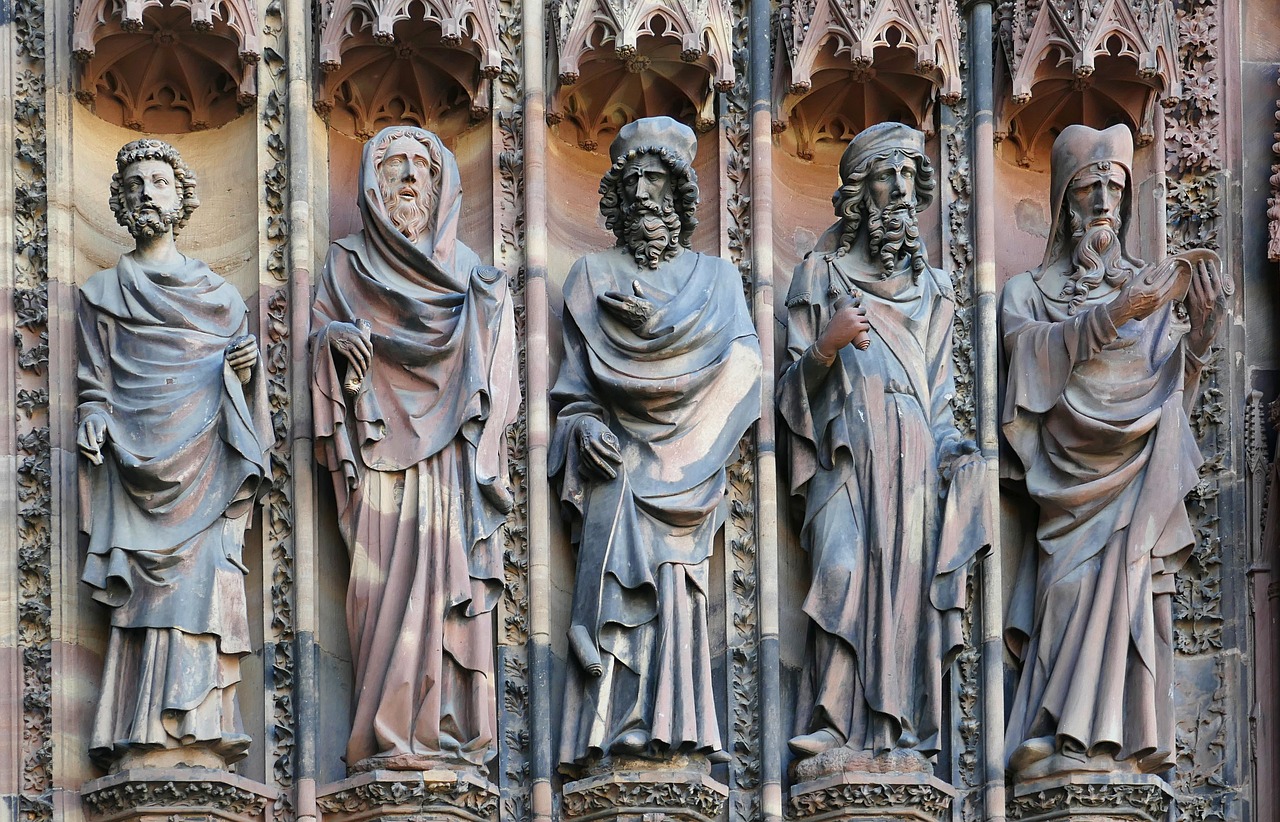
Strasbourg Cathedral and the Astronomical Clock in the heart of Strasbourg
For many travellers, a Strasbourg Cathedral Notre-Dame moment is when the city shifts from beautiful to unforgettable. This cathedral in Strasbourg is the symbol of the city, celebrated for its intricate Gothic detail that can feel like lace carved in stone. Historians often note that the cathedral was the tallest in Europe for centuries; put simply, it was the tallest for a remarkable span of time, and its tallest spire still helps you orient yourself in the lanes around Notre-Dame.
Strasbourg Cathedral at two tempos: quiet morning light, then an evening return
To explore with confidence, arrive early when the square is calm and the light is gentle on the façade. Later, return as terraces fill and the atmosphere softens; the contrast is part of the pleasure, making Strasbourg Cathedral feel newly revealed each time. If you want a simple benchmark for timing, aim for early morning or the final hour before closing.
Inside, it’s easy to feel both awe and calm—this is where to pause, breathe, and let your eyes adjust to the scale. Step back and look up for a minute before moving; you’ll notice stone textures, colour shifts, and quiet details without turning the visit into a race. For a deeper layer, a guide can translate architecture into human stories, bringing care to what you’re seeing rather than overwhelming you with facts.
Notre-Dame and the astronomical clock: timing, tickets, and calm logistics
Visitors often share how the astronomical clock in motion feels like history made personal—time, faith, and artistry moving together with surprising intimacy. If a timed slot is available, it’s worth booking; fees are usually small, and the experience is beautifully contained. It’s also a satisfying way to return to Strasbourg Cathedral from a different angle—less about scale, more about craftsmanship.
Practical reassurance, gently offered: entry is free, modest dress is appreciated, and it’s wise to keep belongings close when the nave is busy. These small steps protect your ease—so you can simply discover the wonder without distraction.
La Petite France: waterways, Ponts Couverts & half-timbered streets – Strasbourg’s most cinematic walk
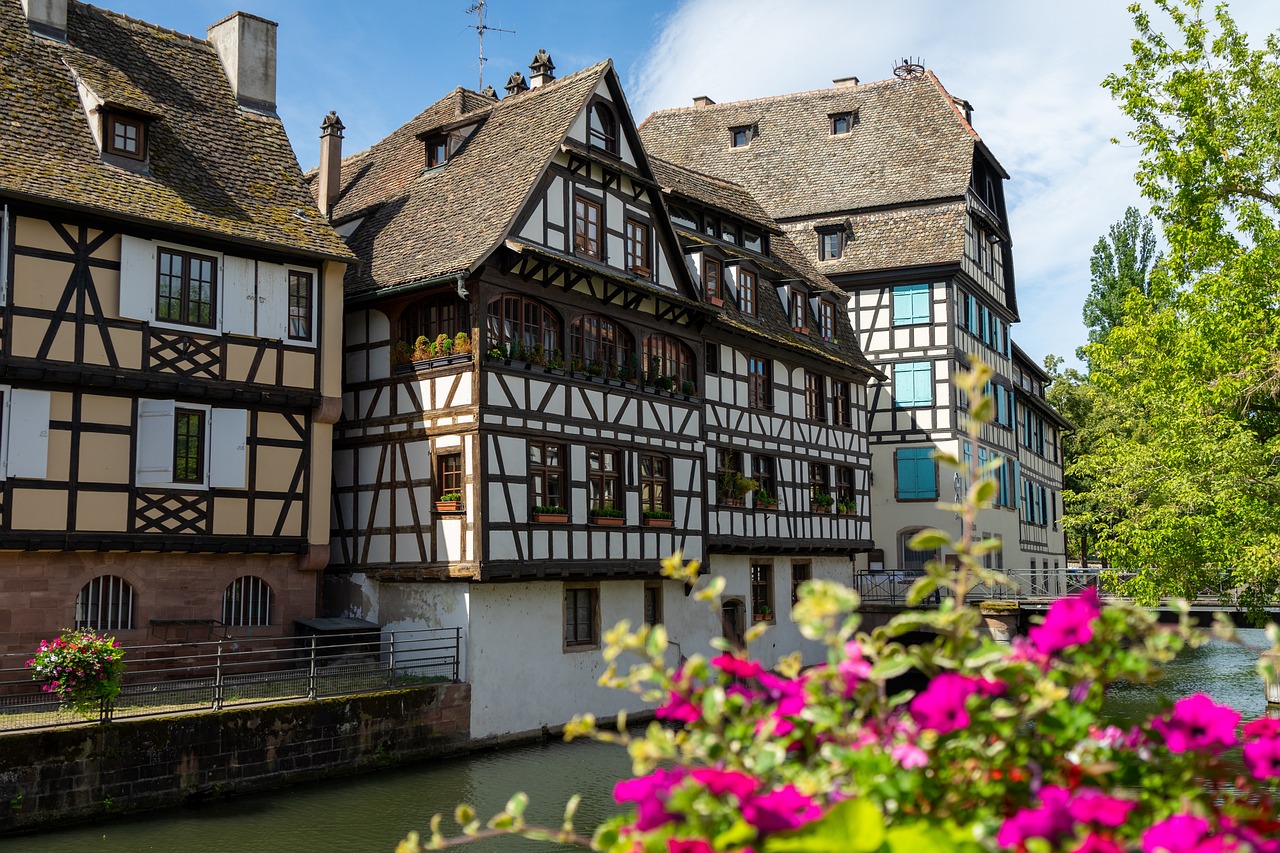
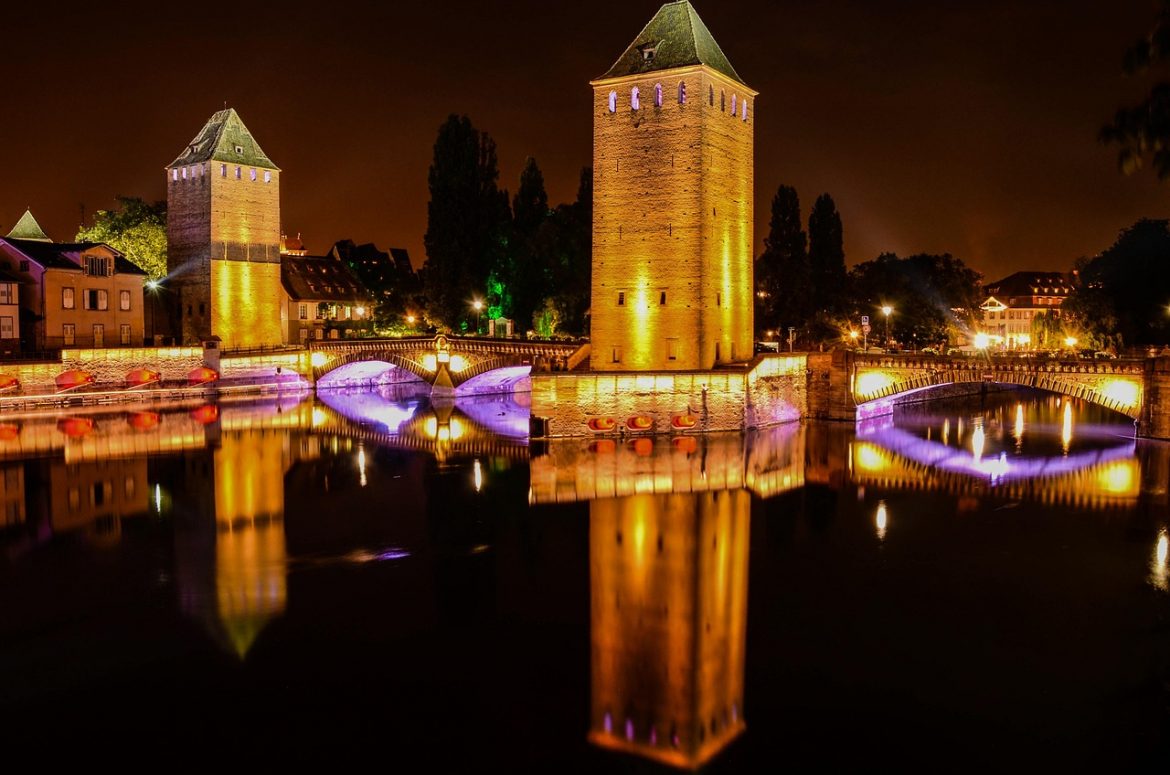
La Petite France: canals, bridges, and golden reflections in Strasbourg
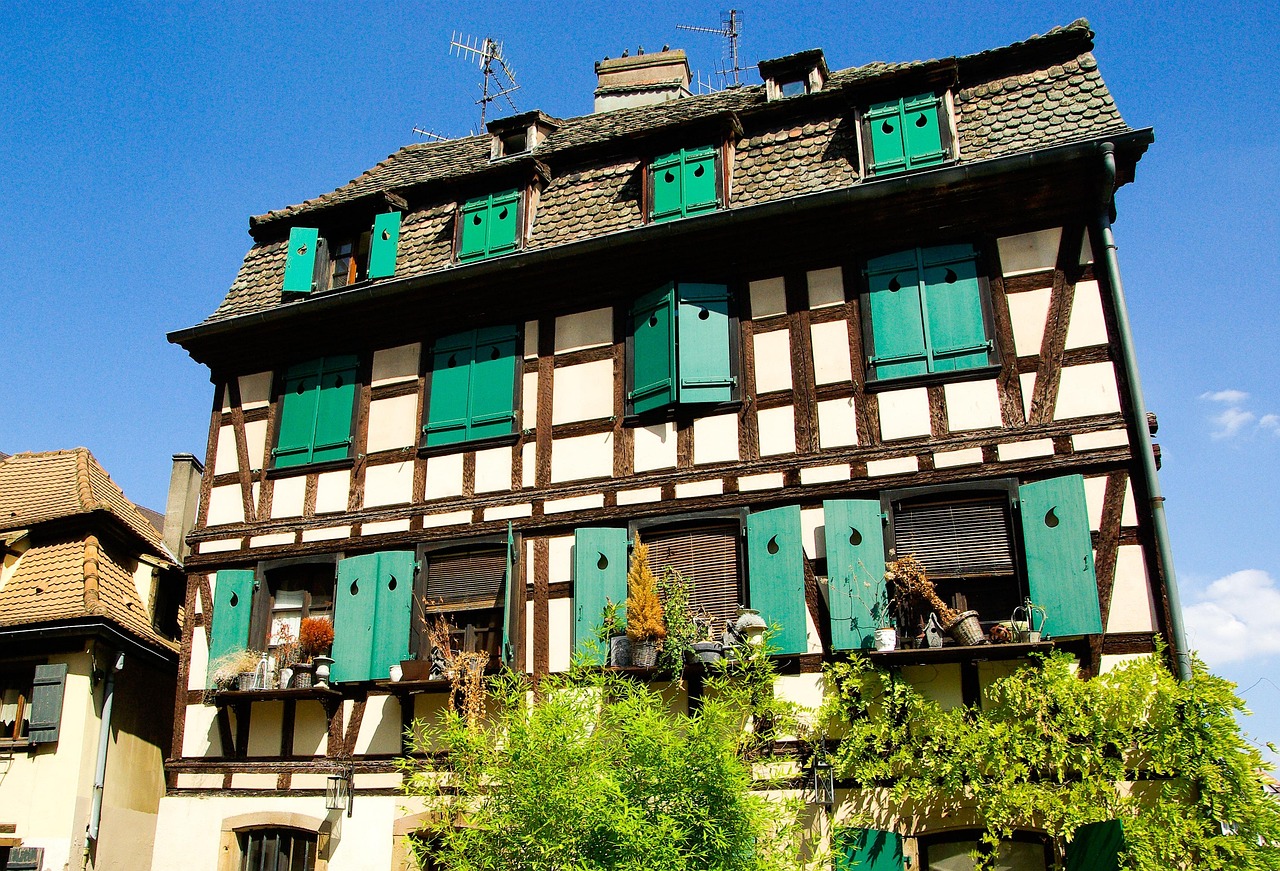
For a classic La Petite France moment, head towards the waterways and let the pace soften. La Petite France is the postcard-perfect quarter: half-timbered houses leaning towards the Ill River, reflections shifting along the canal, and corners that make every turn feel composed. You’ll also see references to Petit France—both spellings appear—yet the feeling is the same: gentle, cinematic, and made for lingering.
Petite France by water first, then on foot for the best details
One of the most seamless ways to get your bearings is simple: take a boat for a quiet overview—private or small-group if you prefer a more personal atmosphere. Afterwards, re-walk the corners you loved most and slow down to notice small details: window boxes, shutters, and how the light changes on the water. That second pass is often when you realise you’ve truly settled into Strasbourg.
Ponts Couverts to Barrage Vauban to get golden-hour views across Strasbourg
Link the highlights in a simple line: begin at Ponts Couverts, then stroll on to the viewpoint terrace for panoramic views of rooftops and waterways. At golden hour, Strasbourg feels especially composed—warm stone, soft water, and that reassuring sense of ease. Pause on a pont for a final look back; it photographs beautifully, but feels even better in real time.
For a cosy close, choose riverside dining and let local hospitality do the rest. If you’re deciding where to eat in Strasbourg, order something Alsatian: tarte flambée (also known as flammkuchen) with a crisp white from Alsace, then finish with a delicate fruit tart for dessert. From here, the route back to your hotel is simple and well-lit, so the evening ends as smoothly as it began.
- Slow-travel tip: walk one bank of the waterway out, then return along the other for a different perspective.
- Photo timing: aim for late afternoon light around the bridges for softer shadows.
- Comfort detail: wear shoes you can trust on cobbles—elegant and practical can absolutely coexist.
Museums around Palais Rohan – three museums, decorative arts, and Alsatian life in Strasbourg
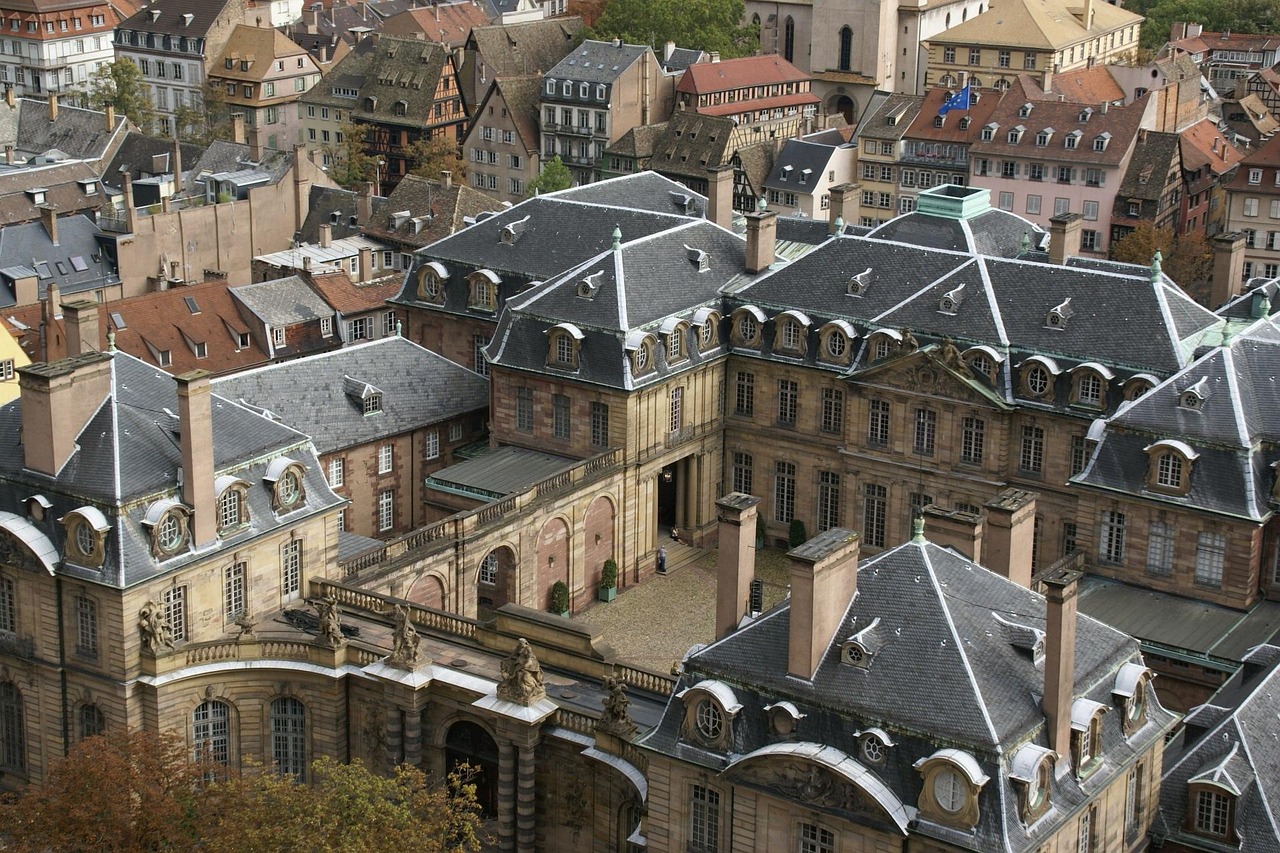
Museums in Strasbourg: heritage rooms, regional stories, and contemporary energy
If you’re planning an elegant afternoon, use the museums clustered beside Notre-Dame to create a cultural arc that feels balanced rather than intense. Palais Rohan sits close to the cathedral and offers a refined counterpoint to the morning’s stone-and-sky drama. Inside are three museums, and the museum of decorative arts is a particularly satisfying companion to the historic lanes—rooms that show how taste, power, and daily ritual once moved together.
The Palais Rohan quarter: an unhurried heritage pause that’s worth a visit
At the Rohan complex, go slowly and choose one or two rooms to truly see rather than racing through. It can be unexpectedly moving because the setting is pure Strasbourg: French polish with Central European undertones, evident in the craftsmanship and ceremonial detail. If you enjoy context, add the city’s museum for a quick grounding in local history before returning to the river.
Nearby, the Alsace museum offers the clearest window into regional life, from domestic traditions to textiles and tools. If you can, visit the Alsace Museum with just enough time to linger; this small museum can feel intimate and quietly memorable, helping you understand everyday life in the Alsace region beyond the postcard views.
Strasbourg Museum of Modern and Contemporary Art: a clean counterpoint to historic grandeur
To balance heritage with a fresh perspective, the Strasbourg Museum of Modern and Contemporary Art is a smart choice—yes, even for classicists. As a modern and contemporary art museum, it helps you hold Strasbourg’s contrasts together; the museum’s modern and contemporary collections also offer an easy, spacious layout that feels calm even on busier days. You’ll sometimes see it shortened in conversation to the Strasbourg Museum of Modern Art, which can help when asking directions.
Strasbourg’s identity is a blend of french and german influences—german and french at once—in language on street signs, food traditions, and the civic pride of public buildings. Naming that duality as you explore makes conversations feel richer, and it explains why the city feels so distinct within Alsace.
Neustadt & Parliament – European Parliament visits, where to stay in Strasbourg, and day trips from Strasbourg
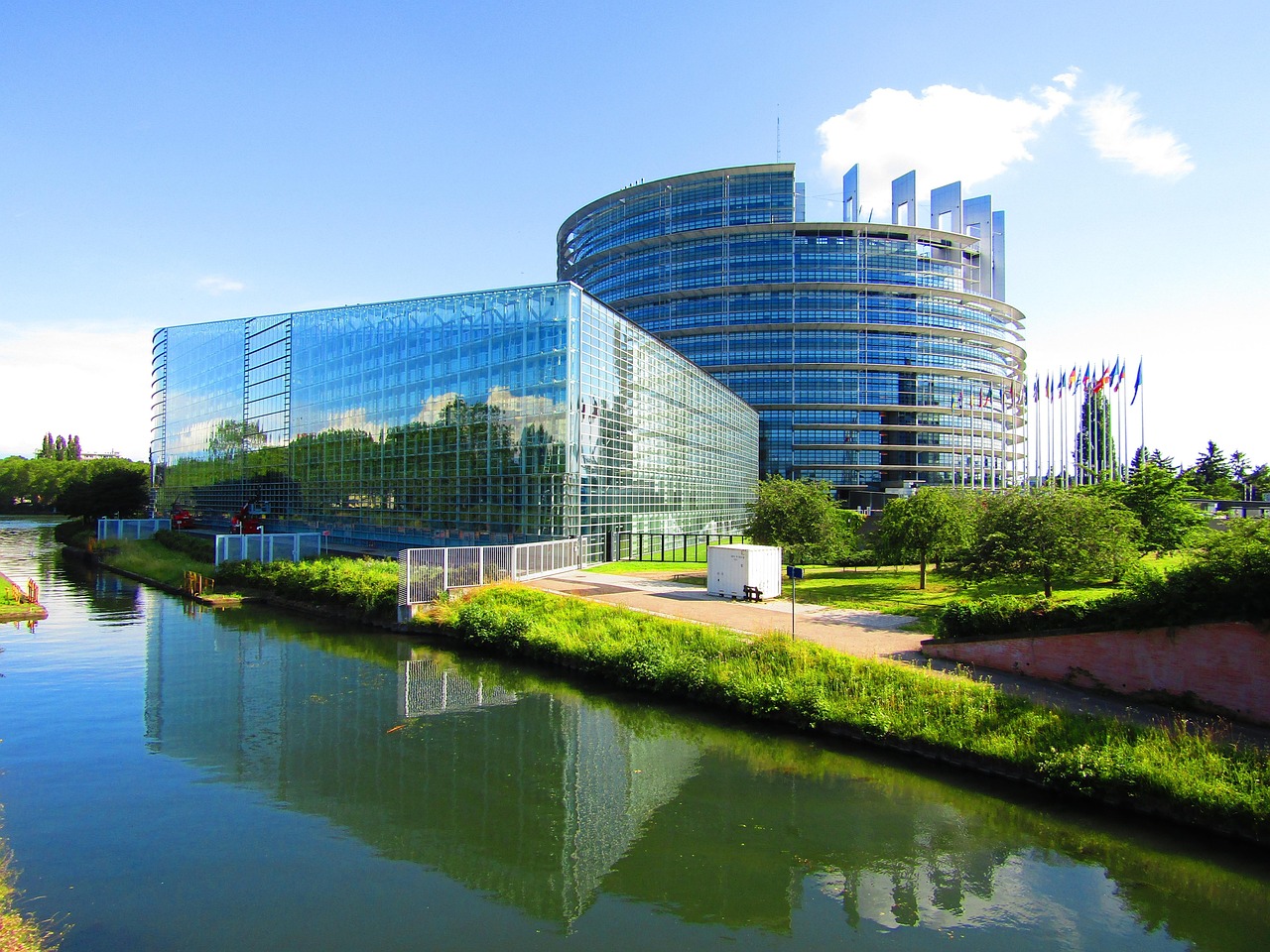
Neustadt: grand boulevards and Strasbourg’s European institutions
To round out your plan, step beyond the historic centre into Neustadt, where the streets open into grand boulevards and calm elegance. This district shows Strasbourg’s 19th-century confidence and offers a different pace from the medieval core. It’s also the easiest area for parliament sightseeing, including the European Parliament, which can be genuinely interesting even if you don’t usually seek out civic buildings.
Stay well: boutique comfort and where to stay in Strasbourg for a smoother break
For a restorative base, prioritise quiet rooms, walkable dinner options, and easy transport links. If you plan to stay in strasbourg for more than one night, a boutique address with warmth and character can make the whole experience feel effortless—hotel beaucour is often recommended for its intimate feel and location. Book early in peak seasons to protect choice, especially in late spring and summer when demand rises.
One small cultural note that helps interactions feel more personal: try a few simple French phrases, and keep your tone gentle and open. A friend who moved to Strasbourg once told me that local politeness is like good tailoring—subtle, intentional, and best met with the same care.
Day trip ideas in the Alsace region: Colmar, Riquewihr, and Ribeauvillé
If you have an extra day, plan a one-day trip to Alsace for villages and vineyards beyond the city. For travellers comparing day trips from Strasbourg, Colmar is the classic choice—pretty, painterly, and easy to reach—while Riquewihr and Ribeauvillé offer a more intimate, storybook feel that’s genuinely worth visiting. For a high-end touch, book tastings in advance so local sommeliers can share personal stories alongside rare vintages.
- Getting in: arrive by TGV from Paris for a seamless start.
- Getting around: trams and taxis keep Strasbourg simple, even in the evening.
- Seasonal magic: in December, Christmas markets glow across the centre; Place Broglie hosts the main Christmas market, and it’s wonderfully atmospheric if you’re comfortable with crowds.
Before you lock plans, consider a restorative pause at parc de l’orangerie—an elegant green space where you might spot a stork and remember that Strasbourg’s gentleness is part of its design. For more inspiration, browse our Trip gallery and imagine what a fully crafted, supported Alsace escape could feel like.
F.A.Qs
What not to miss in Strasbourg?
Don’t miss Strasbourg Cathedral for its atmosphere and artistry—especially the astronomical clock if you can time a viewing; it’s a true must-see. Wander La Petite France for waterways and storybook streets, then add a museum stop near Palais Rohan. If you have time, a stroll through Neustadt offers a calmer, grander perspective that rounds the city out beautifully.
What is Strasbourg, France, best known for?
Strasbourg is best known for Strasbourg Cathedral and its UNESCO World Heritage site centre on the Grande Île, plus the canals and bridges of La Petite France. It’s also recognised as a European capital thanks to institutions such as the European Parliament, which adds a modern dimension to the city’s heritage.
What to see in Strasbourg in one day?
In one day, begin at the cathedral and the surrounding historic lanes, then enjoy a relaxed walk through La Petite France and across the bridges. Spend the afternoon in one well-chosen museum—either an interiors-focused option near Palais Rohan or the contemporary collection—then finish with a riverside dinner for an easy, memorable close.
Is it worth visiting Strasbourg, France?
Yes—Strasbourg is worth visiting for travellers who enjoy beauty with depth and a calm, walkable pace. The blend of French and German heritage, the presence of Strasbourg Cathedral, and the waterside atmosphere create a distinctive experience that feels both polished and warmly local, especially when you plan around quieter hours.
What stayed with me after Strasbourg
I think less about landmarks and more about the way Strasbourg quietly holds you. The bell tones near Notre-Dame seemed to mark time differently—less like a schedule, more like an invitation to notice where you are. At dusk, the waterways felt like a soft pause, and candlelit tables by the river had the warm, reassuring feeling of being looked after with care.
What stays with me is the contrast, held together without effort: cathedral stone and contemporary art, historic-centre closeness and boulevards that breathe, heritage and modern life moving side by side. Strasbourg is one of the few cities where you can feel both cosseted and curious at the same time, and the cafés along the riverbanks make it easy to slow down and simply watch the day unfold.
And perhaps that’s the most lasting gift: confidence in slow travel. The small encounters—smiles at café tables, a quiet “bonsoir”, the feeling of trust as you find your own route—become the real story you bring home. Long after a visit to Strasbourg, it’s those details that return to the mind, like a melody you can’t quite place but never forget.
Love Strasbourg, and it will give you something gentle in return: a reminder that the most beautiful journeys don’t need to be loud to be transformative. If you can, return in another season—especially if you’re curious about the Christmas markets—so you can see how different light changes the same streets.