Post Contents
- Arriving on Cap Ferrat: Villa Île-de-France
- Béatrice and the Rothschild Family Behind the Palais in France: a Belle Époque story
- Inside Villa Ephrussi de Rothschild art collection, porcelain tapestry France: rooms, routes, and details
- The 9 Dream Gardens: magnificent gardens and themed gardens on the French Riviera
- French garden choreography: water games, symmetry, and a château de stage-set
- Japanese garden calm: the land of the rising sun, pause for reflection
- Exotic garden and stone garden texture: light, shade, and photographer moments
- Provençal garden and rose garden fragrance: seasonal colour and festival dates
- Terraces, Music Pavilion, and Chapel: panoramic views of the Mediterranean in France
- Planning Your Visit: Villa Ephrussi de Rothschild, France tips for tickets, best time, and photography
- Luxury Pairings Along the French Riviera: Beyond the villa, an easy itinerary
- F.A.Qs
- What stayed with me after Cap Ferrat and Villa Ephrussi de Rothschild, France
Arriving on Cap Ferrat: Villa Île-de-France
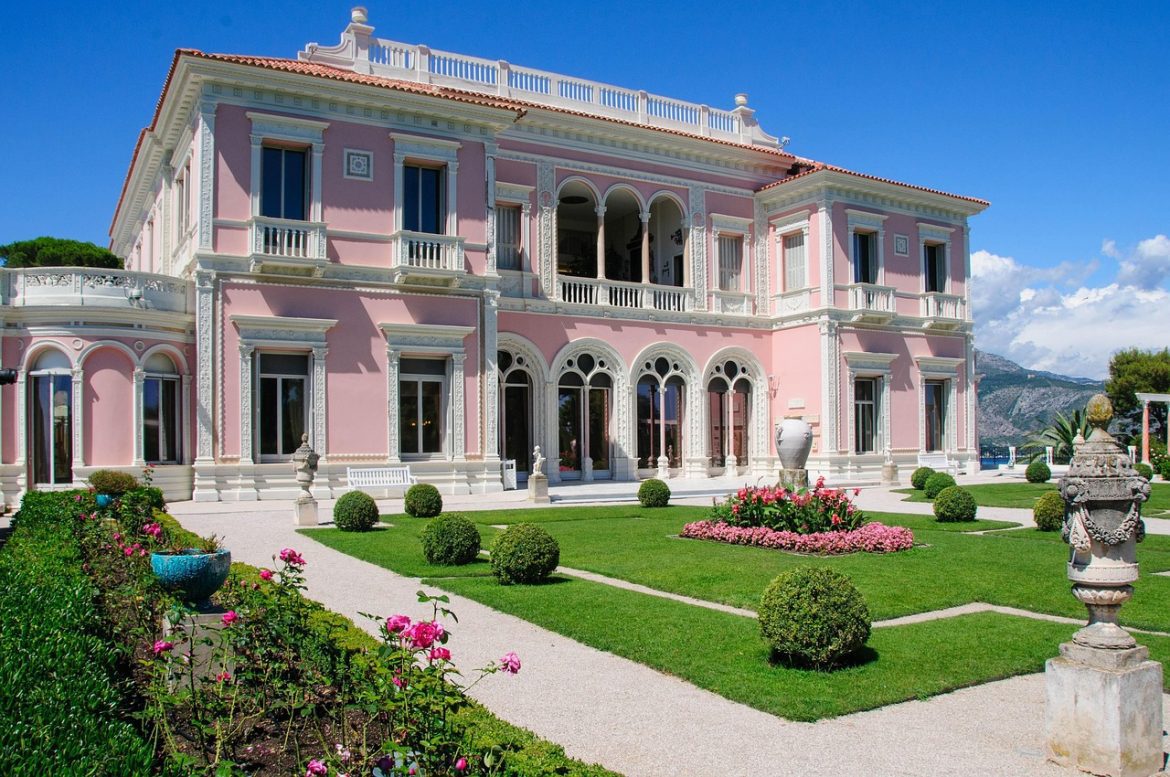
Arriving on Cap Ferrat to the Villa Île-de-France
Think of this Villa Île-de-France Saint-Jean-Cap-Ferrat, France arrival guide as your gentle runway into a day that stays calm from the first turn of the road. Cap Ferrat is the kind of peninsula that lets you overlook the Mediterranean Sea as if you have been invited to a private balcony above the world. Even before you reach Villa Ephrussi de Rothschild, France, the air feels cleaner, the pace quieter, and the views more deliberate—like a belle scene designed for you to breathe.
Cap Ferrat first impressions: Belle Époque facade, light, and an unforced welcome
The approach to the villa is wonderfully unforced. The facade is elegant rather than showy, signalling Belle Époque taste without making you feel you need to perform sophistication to belong there. Many travellers describe a subtle shift the moment they see it: a sense that they have stepped into a storybook where architecture and light are in conversation, and the gardens are waiting like chapters.
If you are travelling as a couple or with friends, arrive with time to spare. Luxury is not only what you see; it is how the day holds you—unhurried, unflustered, and quietly assured.
Transport from Nice and what limited parking really means for a smooth visit
For most visitors, the smoothest plan is a car or taxi from Nice, around a 30-minute drive depending on traffic. Limited parking here means you will want to avoid turning up at peak midday and hoping for luck; it is entirely doable, but it rewards a seamless, timed arrival. If you prefer a truly effortless flow, ask your hotel concierge to support your timing so you step out and start exploring straight away.
- Best rhythm: arrive early, enjoy the quiet gardens, then linger inside once groups begin to build outside.
- Drop-off ease: taxis handle the approach well, especially if you want to avoid circling for a space.
- What to carry: water, sunglasses, and a light layer—terraces can turn breezy even on warm days.
And then, that invitation to travel moment: the first glimpse of the villa framed by greenery. It is the kind of arrival that makes people speak more softly, not because they have to, but because they want to.
Béatrice and the Rothschild Family Behind the Palais in France: a Belle Époque story
Béatrice and the Rothschild Family Behind the Palais
To appreciate the setting fully, it helps to begin with béatrice ephrussi de Rothschild and the purpose behind this villa: it was never meant to be merely impressive—it was meant to feel personal. Baroness Béatrice de Rothschild moved through a life of high society, and the estate reflects that confidence: not loud, but absolutely sure of its beauty. A single thread of context matters here, too: her husband, Maurice Ephrussi, and the Rothschild family world they inhabited shaped the kind of collecting and cultural ambition that defined the home.
Béatrice, high society at the beginning of the 20th century, and a private paradise made public
Béatrice (born in 1864; died in 1934) imagined this place as a personal paradise—an artwork you could walk through. The phrase high society at the beginning of the 20th century makes sense here, because you can experience the life of high society in the way rooms open towards light and how the villa and its gardens feel bound together rather than separated. The result is a palace with a distinctly Côte d’Azur palace mood: composed, luminous, and deeply curated.
There is a particular tenderness in knowing it was not created as a public monument. It was created to be lived in—then later, shared.
Discover the villa: guided storytelling, audio insight, and Béatrice’s lasting legacy
When visitors talk about what they remember most, it is often the stories uncovered on guided tours and in audio guides: how works of art were chosen, what objects meant to Béatrice, and the small, human anecdotes behind grand rooms. It is the discovery of the villa thread that stays with you—the sense that every piece was acquired with intention, not simply wealth. You will also hear how Baroness Beatrice Ephrussi de Rothschild and Baroness Béatrice Ephrussi shaped this personal universe, room by room.
In the end, her legacy is generosity. She intended to bequeath the estate so others could enjoy it, and later she bequeathed the villa to be shared, turning a private world into a place of trust, care, and continuing wonder for travellers today.
Inside Villa Ephrussi de Rothschild art collection, porcelain tapestry France: rooms, routes, and details
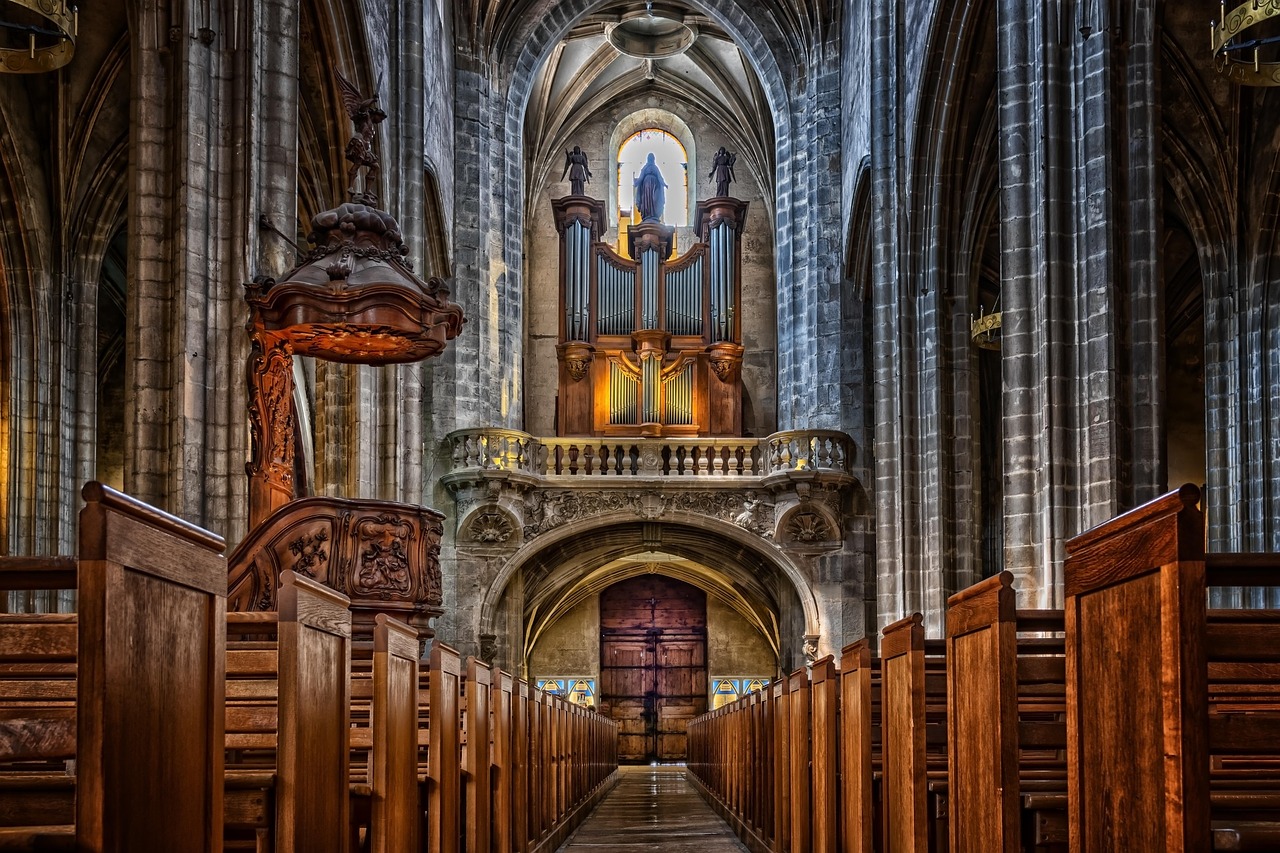
Inside Villa Ephrussi de Rothschild Art Porcelain and Tapestry
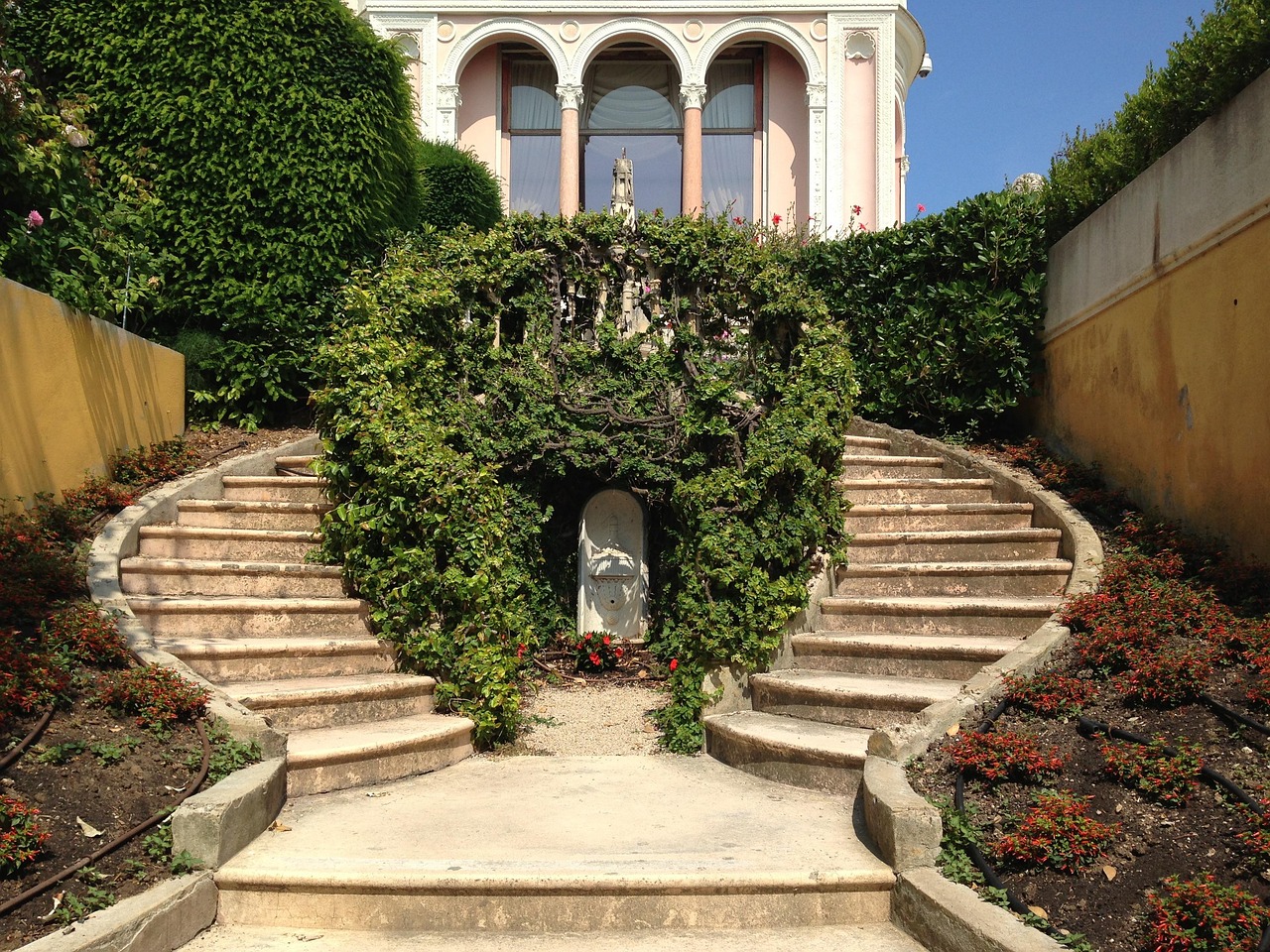
For anyone who worries about missing the right rooms, a calm route through the interiors is the most supportive way to explore. Start by letting your eyes adjust to the softness of the spaces, then move with confidence rather than haste—this villa rewards slow attention. The staircase is your natural pivot point: pause there, look back, and notice how the house frames its own elegance.
Works of art and Louis XVI adorn without overwhelming
Inside this mansion, the atmosphere is quietly layered. You will see antique furniture and Louis XVI-style furniture, but nothing feels set out to impress you aggressively; instead, objects adorn the rooms like carefully placed punctuation. One of the most beautiful surprises is how liveable it all feels—less museum-glass, more private residence with impeccable taste.
Give yourself permission to linger in just a few rooms rather than trying to collect them all. That is where the insight comes: noticing how light catches gilding, how symmetry calms the eye, and how the villa creates a rhythm between intimacy and grandeur.
Porcelain, Sèvres, and the Manufacture Royale thread in the collections
If you love fine objects, focus on the collection of porcelain and the story behind it. You will likely hear references to Sèvres and the manufacture royale, and you will see how French porcelain holds its colour and poise across time. The lesson is not only luxury, but restraint—how a collection can feel curated rather than crowded.
Gobelins tapestry and Florentine influence were shaped by the Italian Renaissance
Textiles are part of the villa’s quiet drama. A Gobelins tapestry can stop you in your tracks—less because it shouts, more because it rewards proximity. You will also catch hints of Italian Renaissance and a subtle Florentine influence in certain motifs and finishes, suggesting how Baroness Béatrice curated references across Europe into one coherent, crafted home.
- Unrushed pace: choose three favourite rooms, then loop back to one for a second look.
- Audio guide tip: use it selectively—let silence do some of the storytelling.
- Comfort note: step aside in narrow points so others can pass; it keeps the mood serene.
The 9 Dream Gardens: magnificent gardens and themed gardens on the French Riviera
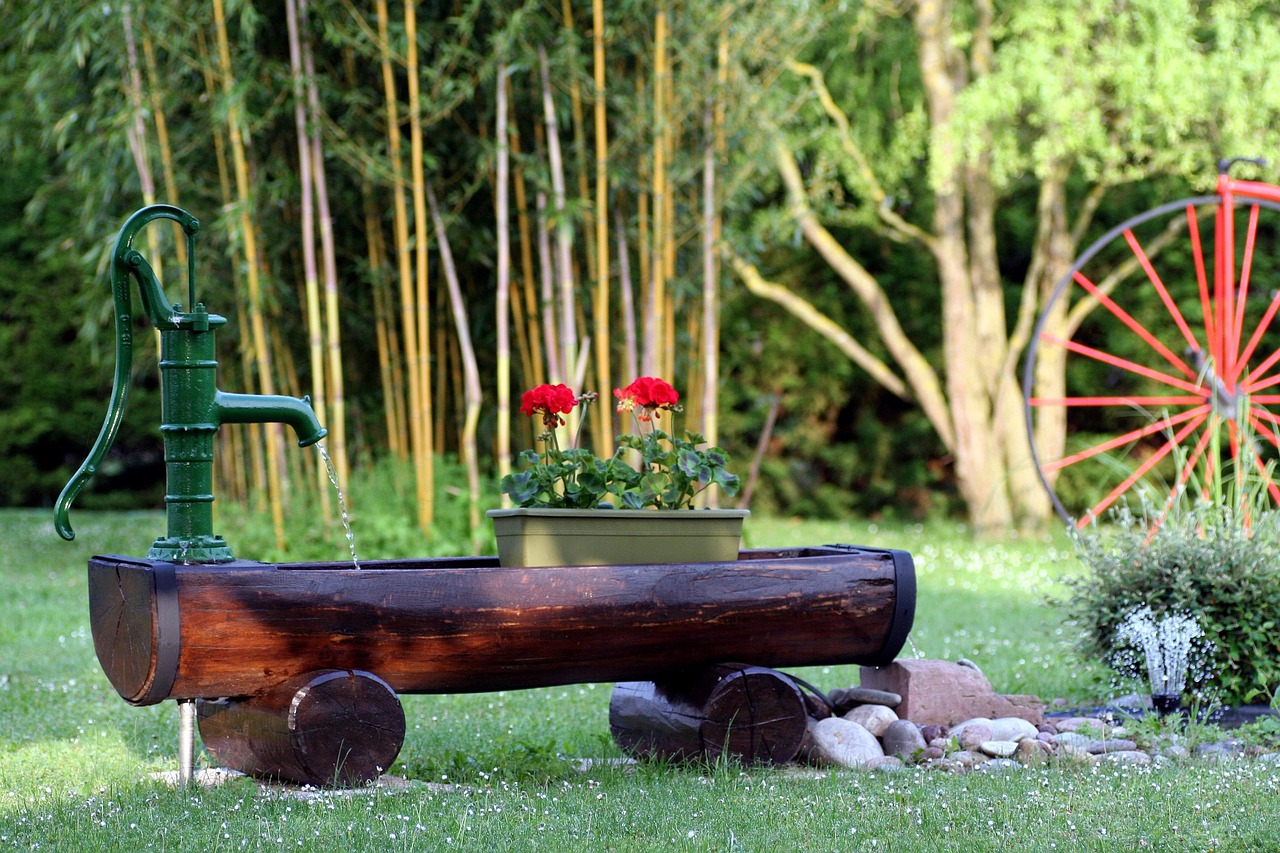
The 9 Dream Gardens Magnificent Gardens by Design
To understand why gardens Ephrussi de Rothschild and 9 dream gardens are phrases people search with such anticipation, you only need to step outside. The magnificent gardens are arranged like outdoor rooms—9 dream gardens with a distinctly themed feel, each with its own palette, texture, and emotional temperature. This is the part of Villa Ephrussi de Rothschild where time becomes gentle, and where the design invites you to explore without needing a plan.
French garden choreography: water games, symmetry, and a château de stage-set
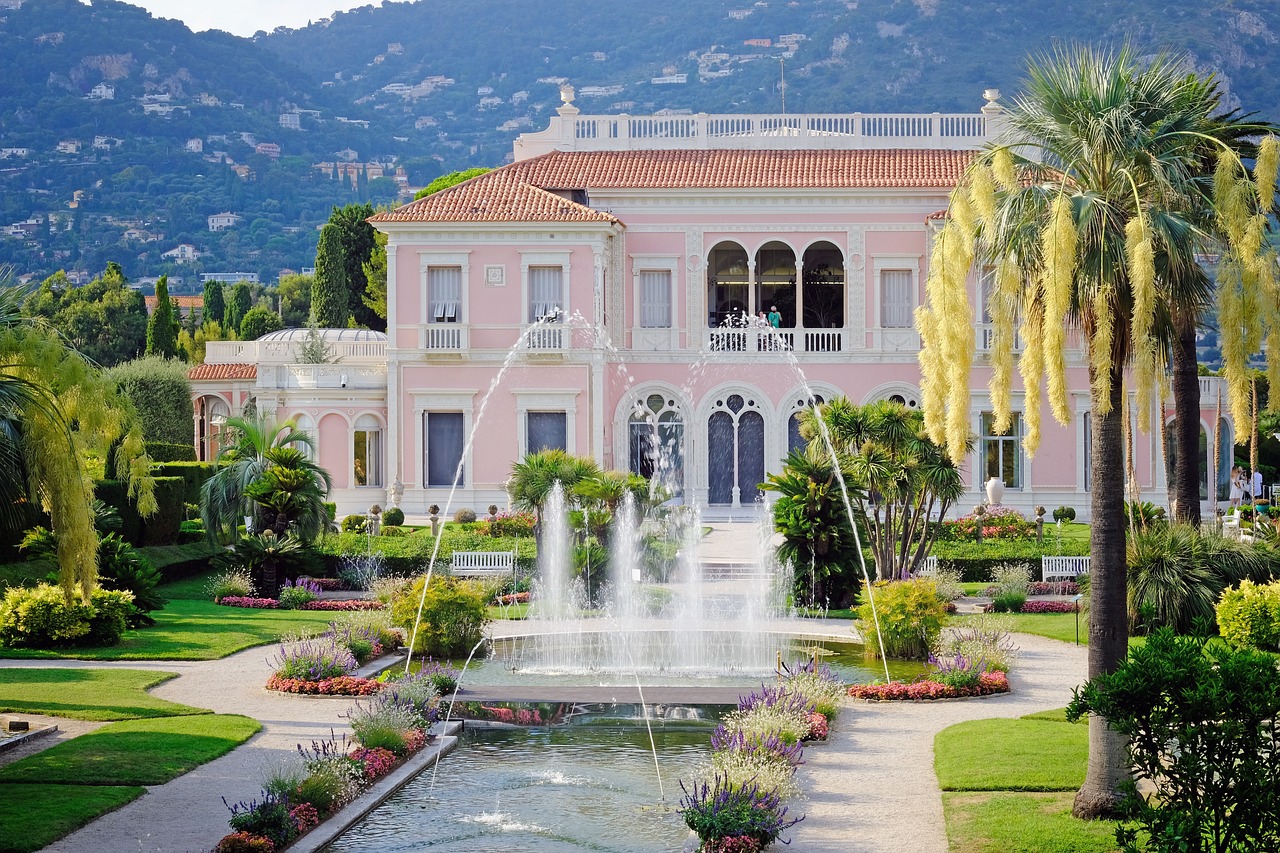
The French garden is pure choreography: symmetry, perspective, and water games that feel like a living stage set. At certain moments, fountains align with music, and the whole space reads like a château de reverie—formal, but never cold. If you listen closely, you will hear how the garden creates a magical atmosphere through rhythm as much as through beauty.
Some visitors like to think of the central axis as a temple of love to beauty itself—an affectionate idea that suits the villa’s belle époque spirit without tipping into cliché.
Japanese garden calm: the land of the rising sun, pause for reflection
After the formality, the Japanese garden offers relief: quieter lines, calmer colour, and a land-of-the-rising-sun feeling that encourages reflection. If you are travelling with someone, it is a lovely spot to walk side by side without needing to speak much. The best luxury is often this: space to think, together.
Exotic garden and stone garden texture: light, shade, and photographer moments
For nature lovers, the exotic garden is a highlight—rare plants, sculptural forms, and cacti that photograph beautifully in angled morning or late-afternoon light. The stone garden nearby leans into texture and shadow, making even a quick pause feel like a small masterclass in landscape artistry. Wear comfortable shoes: paths are often gravel, and you will want a secure footing so you can look up and out rather than down.
Provençal garden and rose garden fragrance: seasonal colour and festival dates
The provençal garden is all warmth and familiar fragrance, while the rose garden adds romance in colour and scent when in season. If your dates align, ask locally about the rose and plant festival—it can add a joyful, celebratory note to an already luminous day on the French Riviera. For a quieter corner, look for the jardin florentin touch in the planting style, where geometry and greenery feel particularly composed.
Terraces, Music Pavilion, and Chapel: panoramic views of the Mediterranean in France
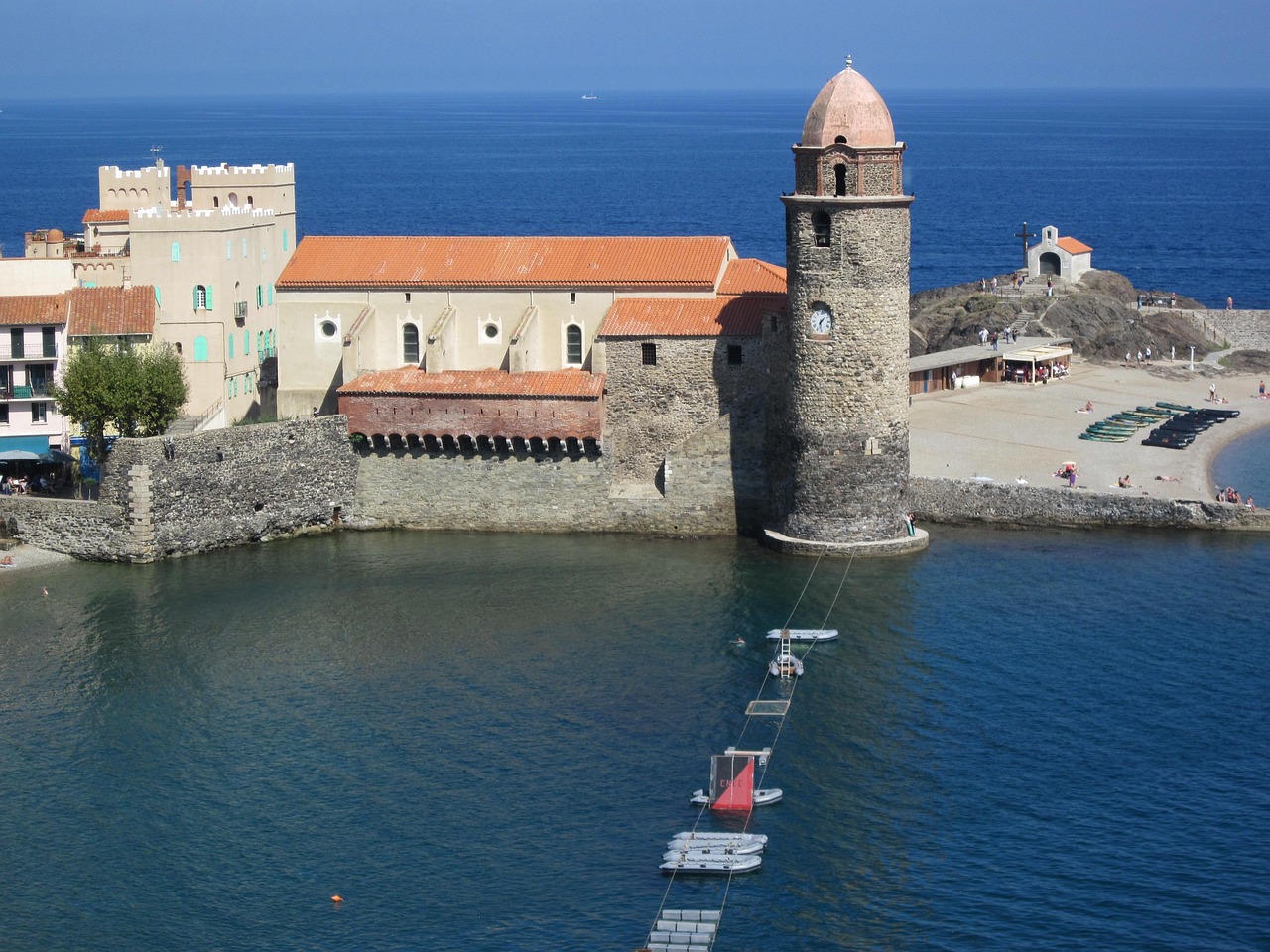
Terraces Music Pavilion and Chapel with Panoramic Views
If you have come to the villa and gardens Ephrussi for panoramic views of the Mediterranean, give the terraces your best time and attention. There are a few places on the peninsula where panoramic views of the Mediterranean feel so composed—overlooking the Mediterranean with gardens behind you and sea ahead, as if the horizon were part of the architecture. Walk a slow loop, then repeat it later; changing light is part of the experience.
Music pavilion atmosphere: crafted sound, still air, and an elegant reset
The music pavilion is more than a pretty structure: it is a mood. When the air is still, you can sense how sound and space were designed to work together, and why it feels crafted rather than staged. Linger here when you need a reset—five minutes can feel like a small holiday inside your holiday.
Chapel etiquette and Belle Époque insight: a quiet corner de la villa
The chapel is a quiet, respectful stop that offers cultural insight into how spiritual spaces sat within elite estates of the belle époque. Keep voices low and movements gentle; this is one corner of de la villa where stillness is part of the design. Even if you are not religious, you may appreciate the idea of a sanctuary—an architectural reminder that beauty can also be restful.
Terrace picnic notes for a sumptuous pause with sea air
Many travellers talk about picnics with an almost dreamy affection: a simple spread that still feels sumptuous, paired with a view that does half the work. If permitted on the day, consider something elegant and unfussy—ripe fruit, a local cheese, a pastry—then let the Mediterranean Sea be your backdrop. It is a luxury with nature at its best, and it suits the villa perfectly.
Planning Your Visit: Villa Ephrussi de Rothschild, France tips for tickets, best time, and photography
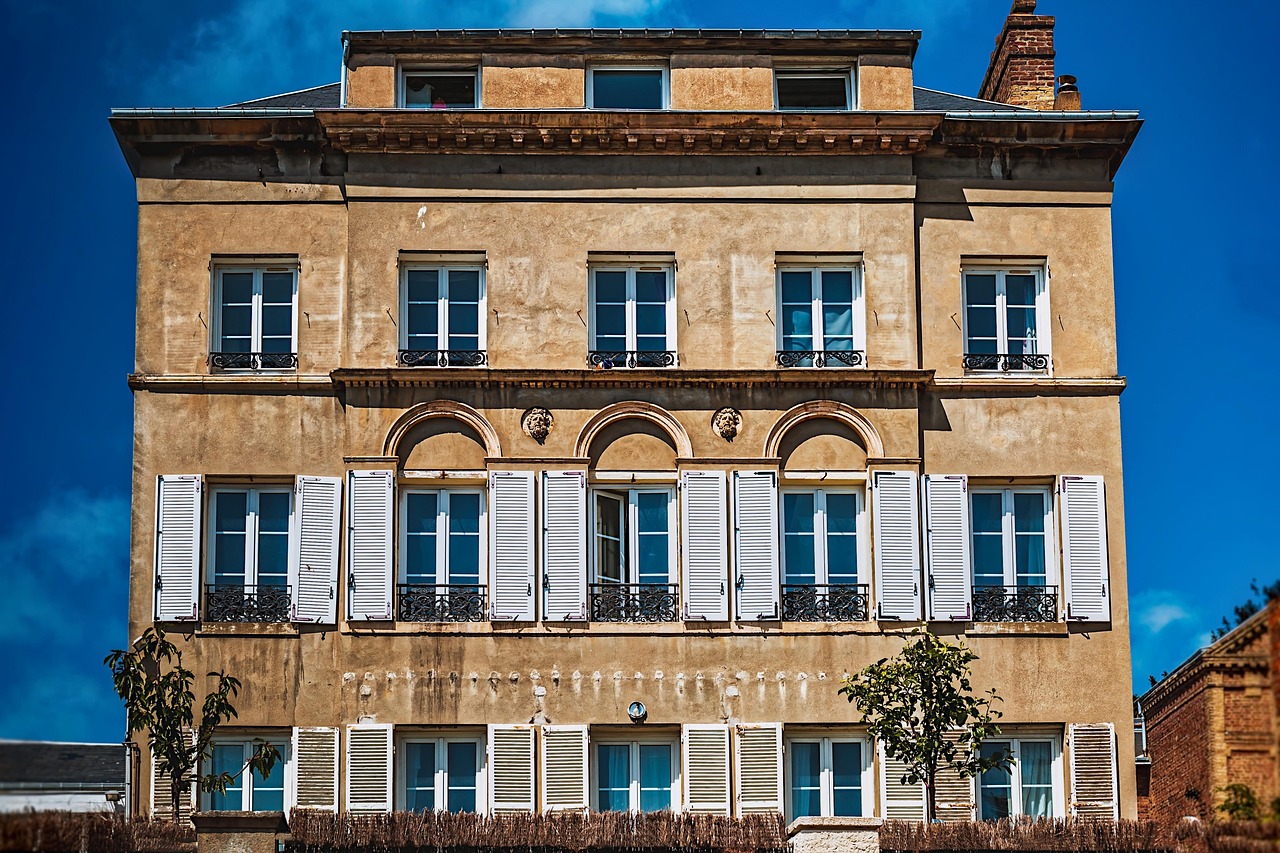
Planning Your Visit for a Seamless Luxury Day
For a truly effortless day, treat Villa Ephrussi de Rothschild, France, tips, tickets, and best time for photography as your planning lens, not a checklist. The best months are April to October, when gardens are in bloom, and temperatures are mild, and arriving early helps you explore in relative quiet. It is the simplest way to keep the experience serene, especially if you are travelling during peak summer on the French Riviera.
Tickets, audio guides, and value you can trust
Entry is typically a moderate fee for a landmark of this calibre, and discounts are often available for seniors and children. Audio guides are genuinely worth it if you enjoy context—small stories about acquisitions, design choices, and the people behind the rooms. Think of it as an expert companion that lets you explore the Ephrussi de Rothschild Villa at your own pace.
Photography rules: a discreet approach that protects collections
Photography is allowed, but flash and tripods are prohibited to protect artworks. The most elegant approach is to take fewer photographs, more intentionally: wait for the room to clear, stand to one side, and capture the detail that moved you—carved wood, a soft corner of light, a textile pattern. You will leave with images you actually want to revisit, rather than a rushed archive.
Comfort, pacing, and quiet-garden care for a respectful visit
Wear comfortable shoes for gravel paths, carry water, and pace yourself—this is a place to savour, not to complete. Quiet-garden rules matter here; speaking softly helps everyone maintain the atmosphere. It is a small act of care that keeps the spell unbroken.
- Time blueprint: 2–4 hours feels ideal for interiors, terraces, and a slow garden loop.
- Crowd strategy: gardens first, then interiors as groups shift outside.
- Personal rhythm: schedule one seated pause to let the day settle in.
Luxury Pairings Along the French Riviera: Beyond the villa, an easy itinerary
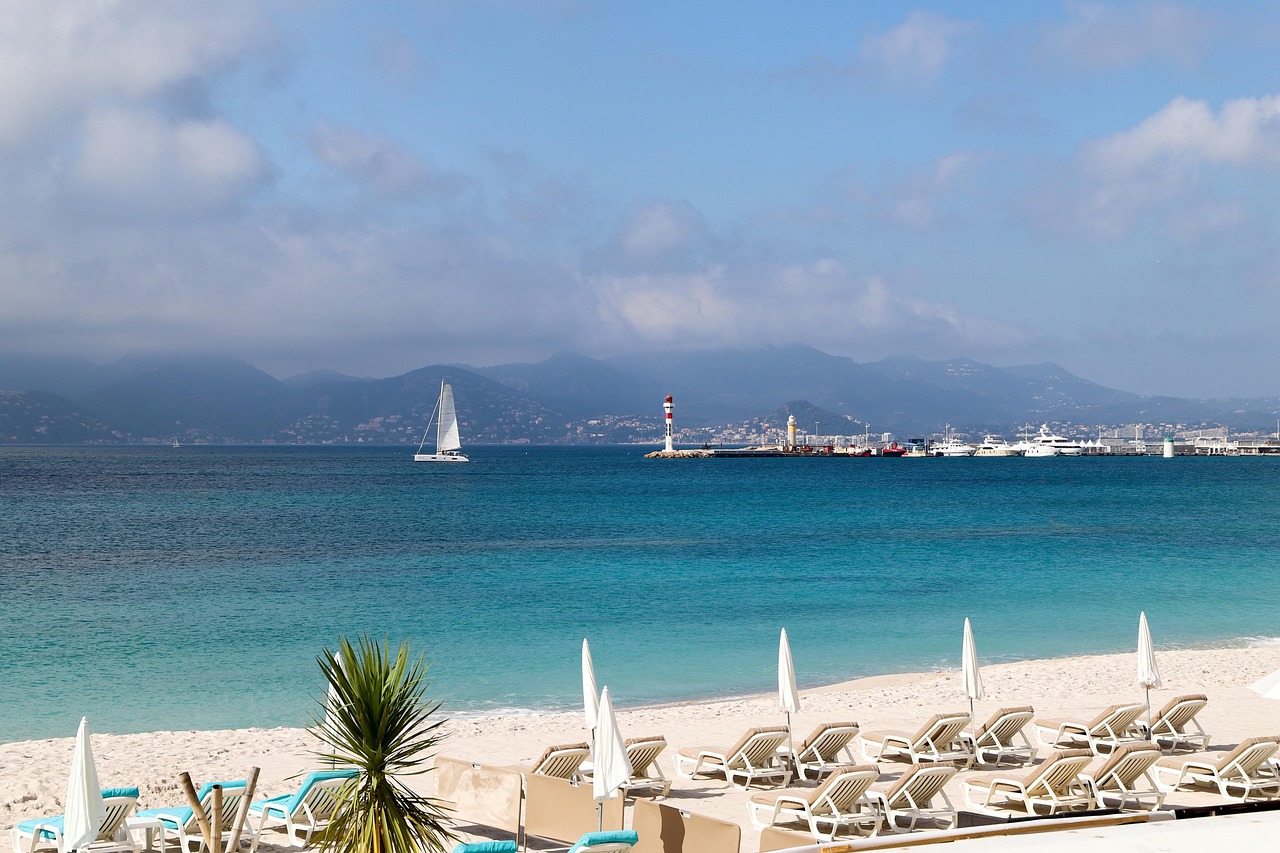
Luxury Pairings Along the Côte d’Azur Beyond the Villa
When you search for a French Riviera luxury itinerary, Villa Kerylos, Monaco, Beaulieu-sur-Mer, France, you are really searching for flow: how to design a day that feels coherent, not crammed. Let Villa Ephrussi de Rothschild be the centrepiece, then pair it with a nearby luxury resort as a seamless base—somewhere you can freshen up, change pace, and keep the day feeling intentionally curated.
If you have the appetite for more, choose one additional stop rather than three. Villa Kerylos is a rewarding companion for architecture lovers, while Beaulieu-sur-Mer offers a gentle seaside walk around the Baie des Fourmis when you want the coastline without the crowding. For a contrasting dose of high glamour, Monaco delivers, especially if you time it for late afternoon when the light turns soft.
Upgrade option with d’azur yacht perspective and sea-level views
For travellers who want a touch of adventure, yacht tours along the coast are the most satisfying upgrade: you will see the headlands from the water and understand why this coastline became synonymous with refined escape. Keep transfers practical—leave enough time between your villa visit and embarkation so you are not rushing, and consider a later sailing when the sea is calmer, and the views feel cinematic from a true d’azur perspective.
Where to eat near Cap Ferrat: Provençal flavour and Mediterranean cuisine
For lunch, look for a Provençal-leaning menu with Mediterranean cuisine—grilled fish, seasonal vegetables, a crisp salad—served somewhere with a covered patio if you are travelling in high summer heat. If you are staying nearby, your hotel concierge can suggest local favourites that match your style, whether you want linen-table elegance or a relaxed terrace that still feels special.
If you would like to gather ideas for the wider region, browse our Trip gallery and imagine what a day on the peninsula could become when art, gardens, and the sea are balanced together—personal, unforced, and quietly luxurious.
F.A.Qs
Where is the Rothschild mansion in France located?
Villa Ephrussi de Rothschild sits in Saint-Jean-Cap-Ferrat, near Nice on the French Riviera. The estate is set above the coastline for panoramic terrace views, and it is easy to reach by car or taxi from Nice, typically in around 30 minutes depending on traffic.
Why do people think the Rothschild mansion is abandoned?
This villa is not abandoned. It is a public historic villa and museum with maintained interiors and nine themed gardens that open to visitors. Some people assume it is empty because it was once a private residence, but today it is carefully conserved and welcoming.
Who owns and manages Villa Ephrussi de Rothschild today?
The villa is managed as a heritage site and museum, in accordance with Baroness Béatrice de Rothschild’s wish that it be shared. While visitors associate it with the Rothschild legacy, day-to-day stewardship is handled by a cultural organisation responsible for conservation, access, and programming.
What is Villa Ephrussi, and what makes it one of the most beautiful villas to visit?
Villa Ephrussi de Rothschild is a Belle Époque mansion on Saint-Jean-Cap-Ferrat, known for its art-filled interiors, highlights from its collection, and 9 dream gardens. Visitors come to explore the villa and gardens, admire the gardens Ephrussi de Rothschild layouts, and enjoy panoramic views across the Mediterranean, with nearby landmarks like Villa Kerylos completing the experience.
What stayed with me after Cap Ferrat and Villa Ephrussi de Rothschild, France
After leaving Villa Ephrussi de Rothschild, what lingers is not a checklist of rooms or a tally of photographs. It is the calm you carry out with you—the gentle sense of order from the gardens, the soft echo of fountains, and the way sea light seems to rinse the mind clean. I remember standing for a moment, doing nothing, simply noticing how beauty can be both grand and kind.
There is a particular confidence that comes from moving slowly through a place like this. You do not have to know art history to feel something shift; you only need to give attention—really give it—and let the villa meet you there. Later, in ordinary life, you might find yourself noticing details more: how a fabric falls, how a room is lit, how a view can be framed with intention.
If I hold one image, it is a small one: a rose catching the last of the afternoon, and a brief glint from a display as I passed—quiet, precise, and timeless. It makes me wonder what other crafted corners of France might offer the same gentle sense of wonder, waiting patiently for the next time you are ready to look.