Dunkirk travel guide and best things to do in Dunkirk, France
Dunkirk travel guide and best things to do with a refined northern France feel
When you’re weighing up the best things to do in Dunkirk, France, it helps to start with the mood: a bright, salt-clean coastline in Hauts-de-France, softened by a very Belgian influence and a quietly confident cultural life. Dunkirk isn’t trying to compete with Parisian drama; it invites you to uncover a more refined edge of the north—where sea light meets resilient history and a surprisingly chic seaside rhythm.
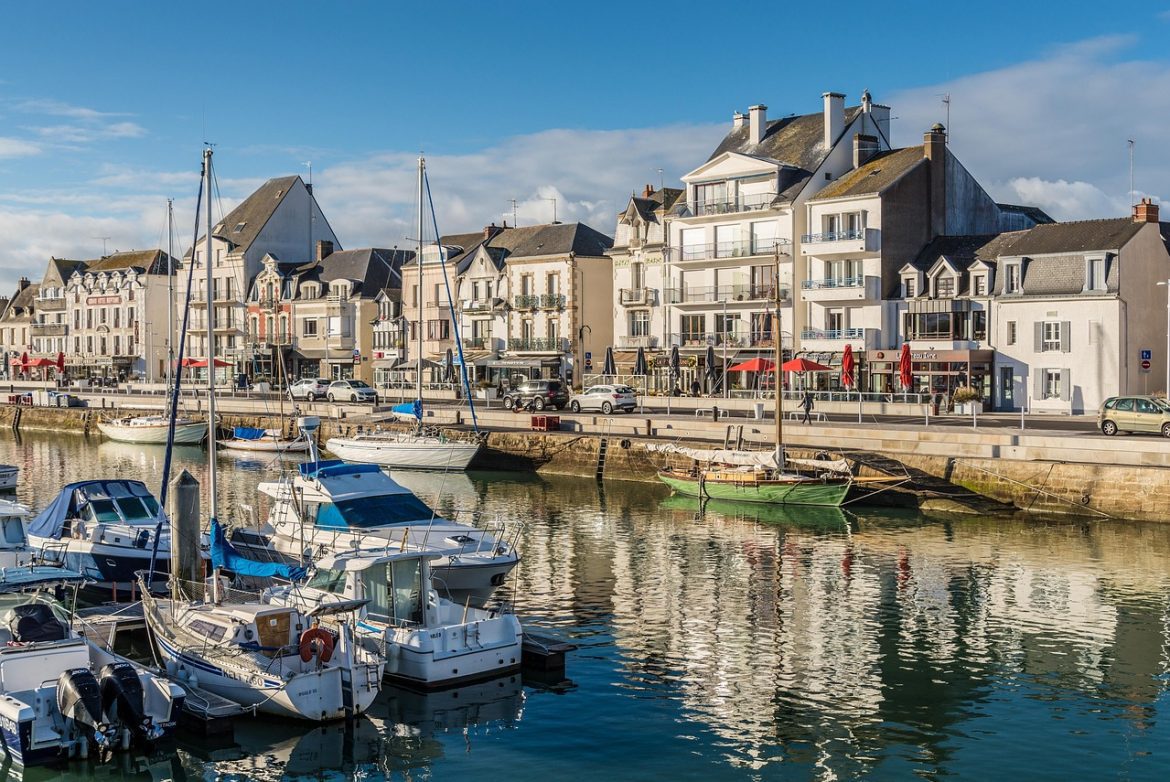
Set close to Belgium, Dunkirk (you’ll also see the name Dunkerque) features Flemish architectural influences and a coastal practicality that luxury travellers tend to appreciate. It’s a place that rewards unhurried wandering: a promenade that opens up the horizon, a harbour that reminds you this is a working maritime city, and museums that hold their stories with care.
Dunkirk orientation in Hauts-de-France without rushing
For first-time visitors, it’s reassuring to know the city’s pleasures cluster neatly. The waterfront is where you’ll feel the town breathe: Malo-les-Bains for expansive sand, and the port area for engineering scale. Inland, downtown Dunkirk offers the kind of easy, elegant browsing that works well between museum visits and dinner—boutiques, cafés, and belfry silhouettes that look best in slanting evening light.
If you’re arriving by rail, Dunkirk station is straightforward to use. Coming via Lille (or Paris via Lille) keeps the journey seamless, and you can step into a taxi or pre-arranged private transfer for a polished start. A little planning lets you keep your time restorative rather than packed—especially if you’re here for a day trip and want confidence in your timings.
Who Dunkirk suits from history buff to beach seeker
A history buff will find depth here without theatre: the museum experience is direct and human, and the coastline still carries the logic of defence. Design-lovers will enjoy the Flemish details, clean lines, and the way the rebuilt city sits alongside older forms. And if you lean towards slow luxury, Dunkirk’s beach culture is quietly glamorous—early mornings on sand, simple rituals, and seafood dinners that feel crafted rather than showy.
To help you create your own designer journey, imagine Dunkirk in four gentle beats: morning light on the beach, museum depth in the middle of the day, a harbour perspective at golden hour, then chic evenings—good wine, a warm table, and the sea always somewhere nearby.
Dunkerque 1940 museum and Operation Dynamo insight
Musée Dunkerque 1940 and Operation Dynamo insight for a thoughtful Dunkirk visit
At the Musée Dunkerque 1940, the Dunkerque 1940 story is framed with clarity and respect: Operation Dynamo, the evacuation, and the decisions that shaped lives. This is the museum travellers describe as unexpectedly emotional—not because it tries to overwhelm, but because it gives you space to understand.
Plan to arrive with a little extra time in your day, especially during peak season. The most common mistake I see is squeezing it between other sights; this is one of those places where a slower pace is a form of care towards the story, and towards yourself.
Operation Dynamo and the evacuation of Dunkirk in human terms
Operation Dynamo was the urgent effort to evacuate soldiers when the front collapsed with frightening speed. During the Battle of Dunkirk, May June, and into June 1940, French and allied armies faced the reality of the blitzkrieg and the tightening encirclement. The goal became brutally simple: evacuate as many people as possible across the Channel.
The “little ships” story lands not as a myth, but as a thread of human response—ordinary craft moving through danger because the alternative was unthinkable. Standing in Dunkirk after you’ve seen these details, the coastline stops being just scenic; it becomes a living line between land and survival.
How to visit the musée with trust and practical support
Tickets are around €10, and I do recommend a guided tour if you want a deeper context without having to piece everything together. A good guide will connect maps, objects, and testimonies in a way that feels steady—supportive rather than sensational.
Give yourself quiet time afterwards. Even a short walk to a memorial spot, or simply pausing where you can hear distant harbour sounds, helps the experience settle. Many travellers tell me the contrast is what stays with them: a still museum room, then open sky and wind outside, as if the city is gently teaching you how to hold history honestly.
- Timing: Aim for a morning visit, when your attention feels freshest.
- Guided depth: Book ahead in holiday periods for a seamless experience.
- Aftercare: Plan a quiet café stop or a slow beach stroll afterwards.
Fort des Dunes and the 1940 coastal defences at Fort des Dunes
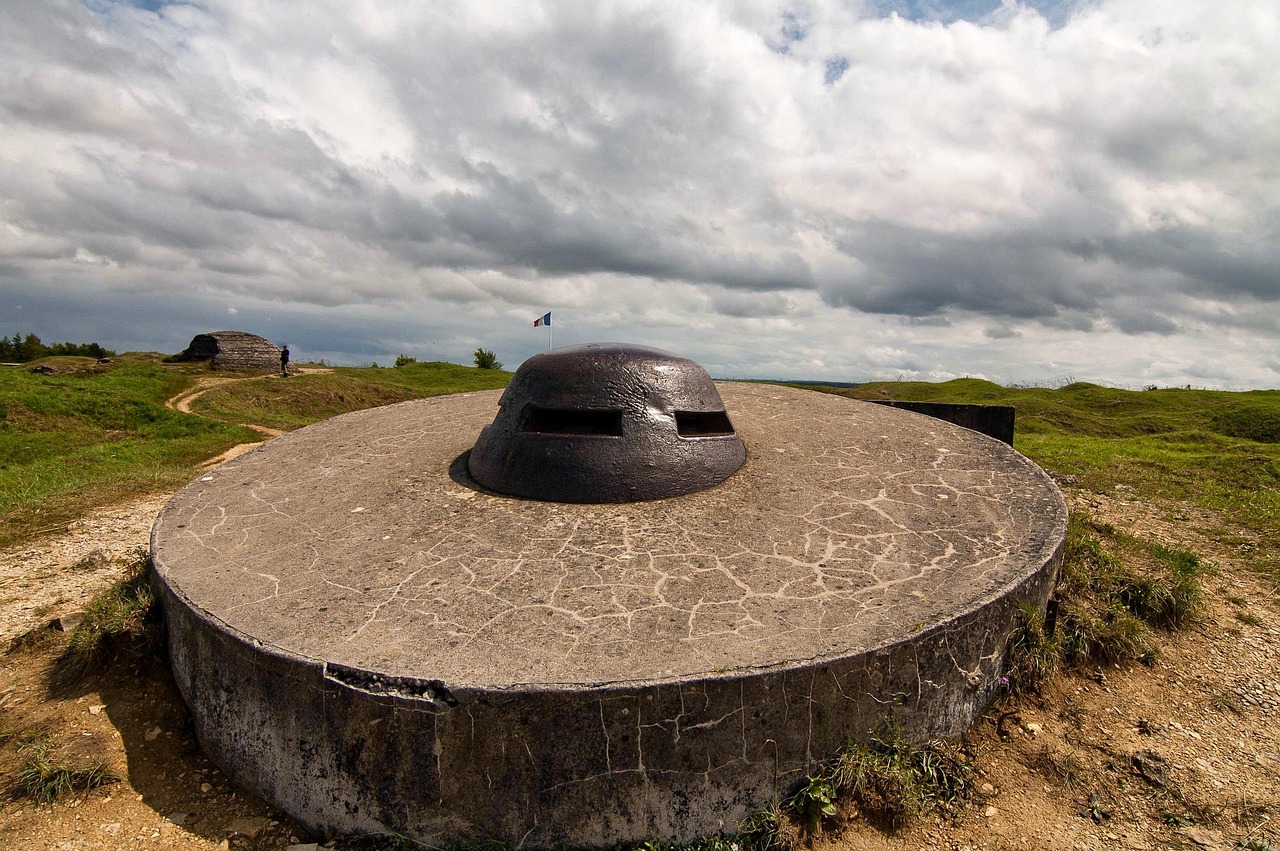
Fort des Dunes and the 1940 coastal defences near Dunkirk
Fort des Dunes is one of the most compelling Dunkirk 1940 bunker and bastion sites to pair with the museum, especially if you want a grounded battlefield perspective. The air feels different here—wind-swept and spacious—so the history doesn’t stay trapped behind glass. It sits along the coastline like a reminder of how geography shapes choices.
Because the setting is stark, it’s worth approaching with a little intention. This is not a “tick-box” stop for a Dunkirk tourist; it’s a place to walk slowly, look carefully, and let the landscape do some of the talking.
Reading the dunes, bunker lines, and bastion angles
As you explore, notice how the dunes create visibility and concealment in alternating waves. Defensive angles are not abstract here—you can see how lines of sight were designed, how openings frame the horizon, and how a bunker position changes what you can protect and what you can’t.
Look too for the fort’s practical geometry: the bastion-like corners, the way walls and sand interact, and the sense of layered purpose. Even if you’re not a specialist, the site offers a clear physical lesson in how coastal defence works.
How to hold the story with respect while you explore
Photography is absolutely part of modern travel, but here it’s best approached with restraint and trust. Keep voices low when others are reflecting, avoid posing in sensitive areas, and allow a few unphotographed minutes—simply to be present. Many who come here have personal family links, and the atmosphere responds to that shared care.
Dunkirk also connects to the wider Channel narrative, including Dover, and that cross-water relationship is something you feel more than you learn. When you look out from the dunes, you’re reminded that history is often made in the distance between two shores.
Malo-les-Bains beach mornings designed for calm luxury at Malo-les-Bains beach
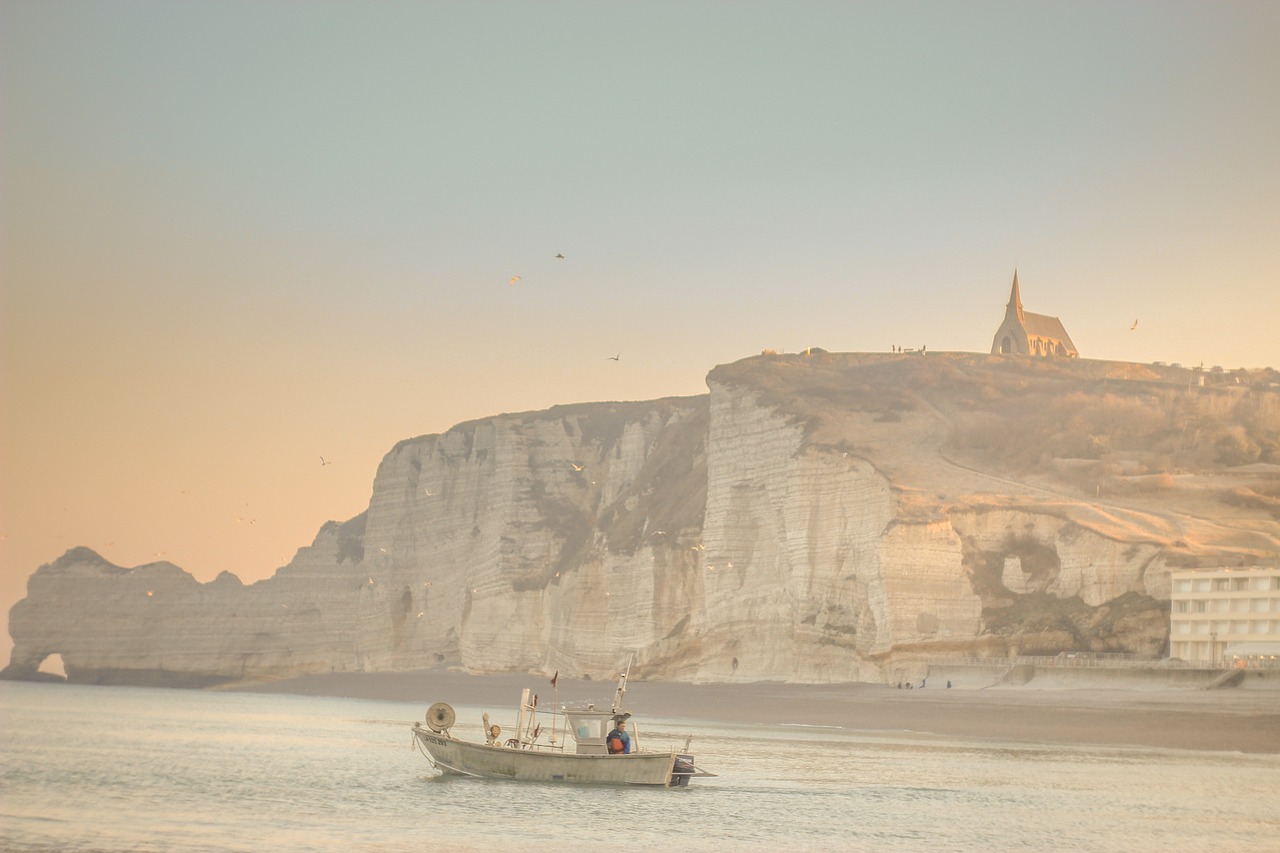
Malo-les-Bains beach mornings are designed for calm luxury in Dunkirk
Malo-les-Bains beach is the kind of seaside pleasure that high-end travellers quietly fall for, and it works beautifully even on a Dunkirk day trip. Arrive early—before the town fully stirs—and you’ll often have the beach almost to yourself, with a pale sunrise widening across the sand.
Luxury here is simple: space, light, and time. Travellers regularly describe serene mornings at Malo-les-Bains, catching breathtaking colours and feeling, for a moment, that the coast belongs only to them.
The digue and promenade walk that feels effortless
Start with the digue, then commit to a single long promenade walk rather than lots of small loops. It’s an easy way to keep the morning cohesive: you’re not constantly checking directions, just moving with the horizon. Along the way, pause for photographs, breathe in the clean air, and let the sea do what it does best—reset your internal pace.
After your walk, choose a café where you can linger without being hurried. A quiet coffee by the water is often the most restorative part of the day, and it creates a gentle buffer before you return to history or the city.
Rent a bike for a gentle coastal ride with confidence
If walking isn’t your only rhythm, rent a bike and create a calm coastal circuit. Cycling along the coast keeps you close to the beach while giving you more range, and it’s an elegant way to add a little movement without turning the day into a workout.
- Best time: Late spring to early autumn for pleasant weather and long light.
- Day-trip pacing: Beach first, then lunch, then one major “depth” visit (museum or harbour), not both.
- Local touch: Begin with a polite bonjour and end with something classic like moules-frites.
This is also where you can feel how France is known not only for its grand cities, but also for its smaller places, where lifestyle is a quiet art. Dunkirk gives you that—without asking you to perform it.
Harbour engineering, old town evenings, and Carnival spirit with the Dunkirk maritime harbour tour
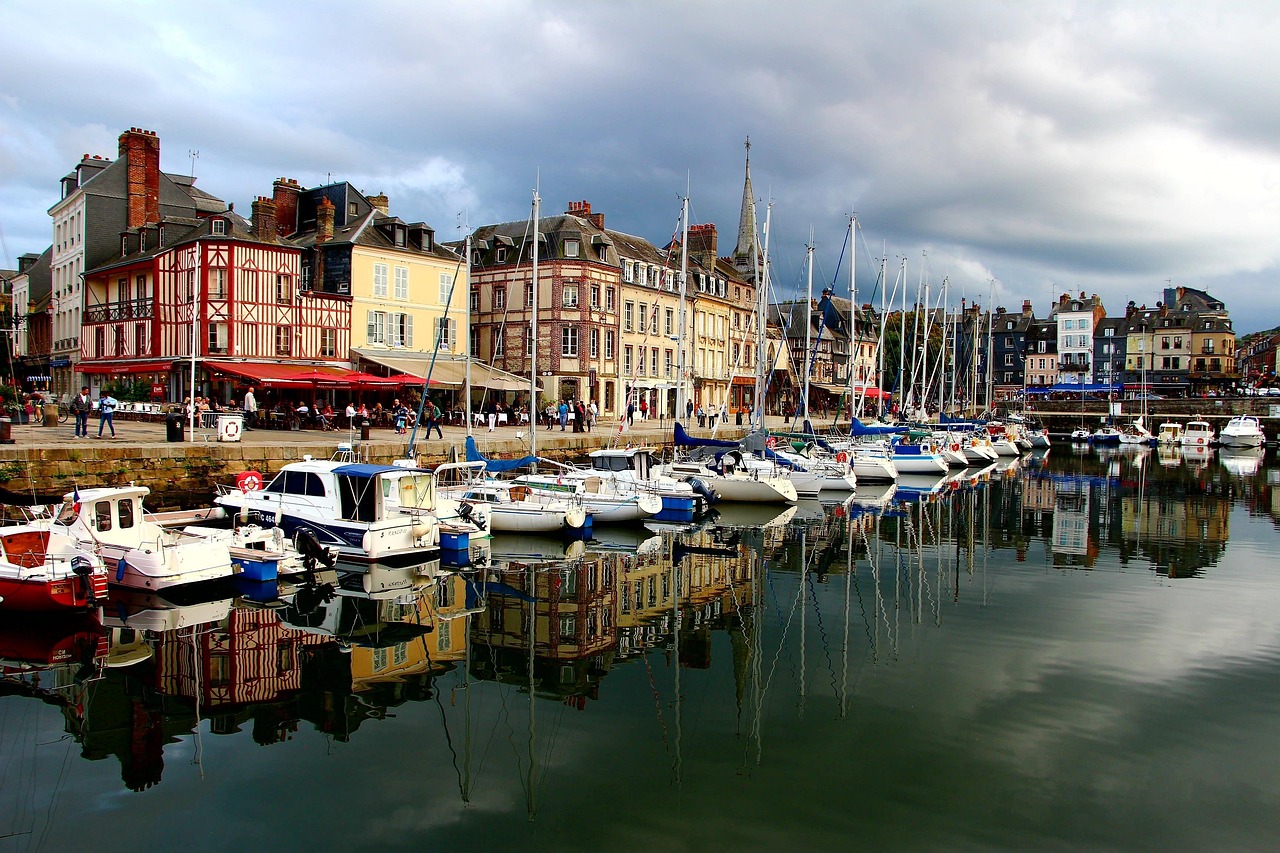
Harbour engineering, old town evenings, and Dunkirk Carnival spirit
A Dunkirk maritime harbour tour is where the city’s modern power becomes tangible, and pairing it with old town Flemish architecture and Dunkirk Carnival energy creates a complete, well-designed day. This is the chapter where the “working city” meets the “celebrating city”—and where your experience becomes more than a postcard.
For high-end travel, the key is to keep it seamless: book a guide in advance, agree on meeting points, and let someone local handle the details. It frees you to pay attention to what matters—the scale, the stories, the atmosphere.
Fortified port area scale, locks, and lighthouse viewpoints
Guided visits around the port area reveal impressive maritime engineering: locks, basins, and the choreography of movement that keeps everything flowing. A good guide will also explain the fortified logic—how protection and access sit side by side in a city shaped by the sea.
Ask if your route includes a lighthouse viewpoint. Even a brief stop reframes Dunkirk: ships and sky in one direction, town and rooftops in the other. And if your guide offers a small shipwreck aside—local lore told with a wink—take it. These character moments are often what you remember most clearly.
You’ll also spot references to Jean Bart, a proud thread in local identity. It’s a reminder that Dunkirk’s relationship with the sea is not only wartime; it’s centuries of navigation, defence, and trade.
Downtown Dunkirk style, belfry silhouettes, and a seafood dinner plan
Shift inland for downtown Dunkirk, where the belfry rises like a calm anchor point, and the streets invite you to slow down. Look for Flemish details in façades and rooflines, then take time in a few chic boutiques—this is the sort of browsing that feels personal rather than purely tourist.
For dinner, design the evening around the water. Many travellers recount memorable nights eating gourmet seafood while watching harbour lights blink on one by one. If you enjoy oysters, mussels, or simply beautifully cooked fish, Dunkirk delivers with honest flavour and coastal confidence.
Dunkirk Carnival local insight with practical reassurance
If your timing aligns, Dunkirk Carnival is one of Europe’s most vibrant traditional festivals—joyful chaos in the best sense. Local guides describe it vividly: colour, singing, packed streets, and a feeling that the whole city is celebrating together.
Street safety is generally good, but big events are still big events. Stay aware, keep valuables secure, and choose meeting points together before you enter the densest crowds. Book accommodation early during Carnival season; rooms go quickly. For a polished, restful return at the end of the night, the Radisson Blu Grand Hotel is a strong high-comfort base and one of the great places to stay for travellers who want quiet sleep after a loud, wonderful day.
If you want inspiration for combining Dunkirk with other French destinations in a crafted itinerary, start with this Trip gallery and imagine how the coast could frame your journey.
F.A.Qs
Is Dunkirk, France worth visiting?
Yes—especially if you want a coastal city with real depth. Dunkirk pairs moving WWII context with elegant seaside calm, excellent seafood, and a proud local culture. It’s less about ticking sights and more about atmosphere: museum silence, open beaches, and harbour scale. With a well-paced plan, it feels both beautiful and honest.
How do you spend a day in Dunkirk?
Design it in two tones: start early on Malo-les-Bains for a quiet beach walk, then choose one “depth” experience—either the Dunkirk 1940 Museum or a guided harbour tour. Finish in the old town with boutiques, belfry views, and a seafood dinner by the water. This rhythm keeps a day trip calm rather than rushed.
How much time do you need in Dunkirk?
One full day can feel satisfying if you focus on a beach morning and one major visit. Two days is ideal for high-end travellers: you can give the museum proper time, add Fort des Dunes, and still have unhurried evenings. If you’re visiting during Carnival, allow extra time for crowds and pre-booked reservations.
Where do cruise ships dock in Dunkirk, France?
Cruise ships generally dock in the port area, with access managed around active harbour operations. Your shore team or local guide will confirm the exact berth and meeting point on the day. From there, it’s straightforward to reach the waterfront or downtown by arranged transfer, keeping the experience seamless and comfortable.
What stayed with me after visiting Dunkirk
When I visited Dunkirk, France, I expected to be moved by history—yet what stayed with me was the way the city holds contrasts without forcing them together. There was the silence of the musée, where the evacuation stories sit with a kind of plain dignity, and then the sudden openness outside: wind, salt, gulls, and ordinary life continuing with quiet resolve.
I remember standing along the coast after the museum, thinking about the soldiers of France and the weight carried by families who waited, watched, and hoped. The story didn’t feel distant. It felt close enough to touch, and gentle enough to approach—if you give it time.
And then, softness: a beach morning at Malo-les-Bains, the sky widening into colour, the first footsteps on sand. Later, shared meals—seafood eaten slowly, conversation warming as harbour sounds drifted in from the dark. In Hauts-de-France, Dunkirk doesn’t demand a grand declaration. It simply offers honesty and a light that makes you look twice.
I’m a travel writer by trade, so I’m meant to wrap places up neatly. Dunkirk resisted that—in the best way. It lingered instead as a series of small, true images: a belfry line against cloud, a gust of wind through dunes, a table set by the water. The kind of place you don’t finish; you just carry, and perhaps return to with new curiosity.