Weather in Seoul, Korea, April 2026 – what to expect for Seoul & South Korea (temperatures, rainfall, air quality)
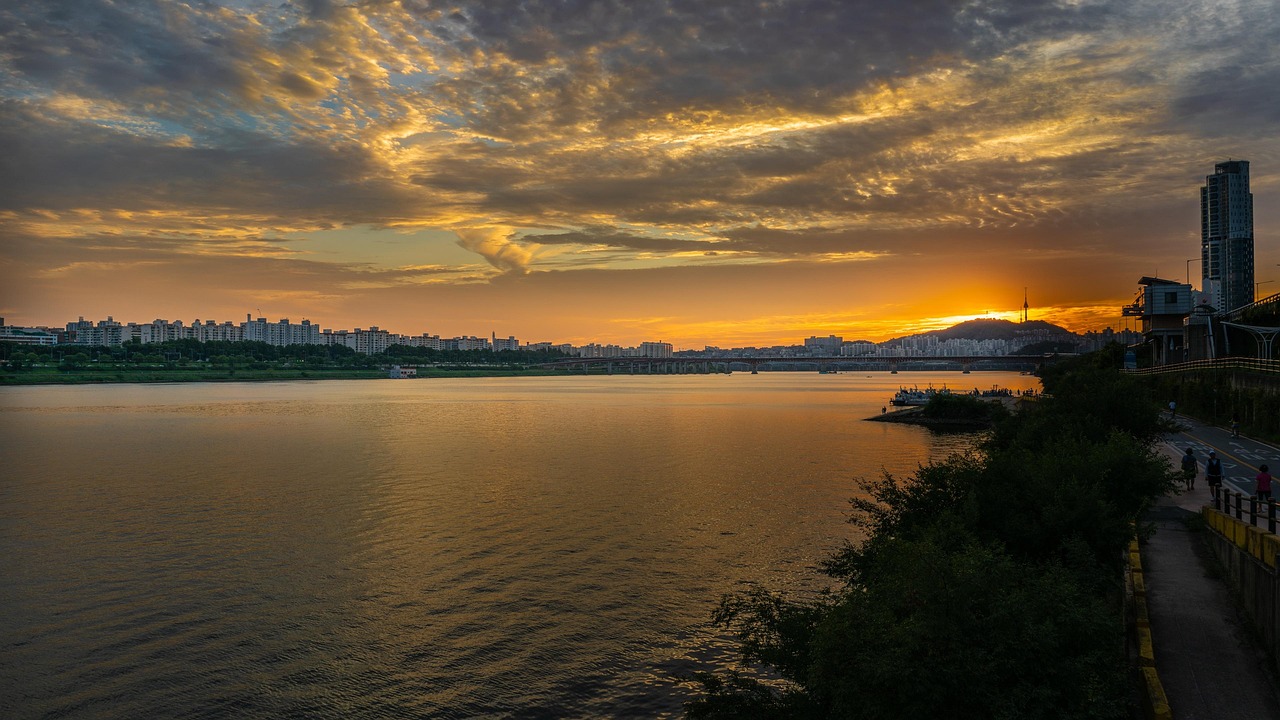
Crisp spring days in Seoul: planning comfort, layers, and light in April 2026
For many travellers, the weather in Seoul, Korea, in April feels like the sweet spot: bright spring light, clear city views, and just enough freshness to keep days energising rather than exhausting. It’s one of the best times for walking neighbourhoods, photographing palaces, and dining well without summer crowds—although mornings can still feel surprisingly chilly when wind threads between glass towers and old courtyard walls. It’s not unusual to step out early and see 5°C, then find yourself happily strolling by lunchtime.
As a rule of thumb, the weather in April sits between winter’s last whisper and summer’s muggier weeks. In Seoul, average temperatures range from 10–18°C, making conditions pleasant for sightseeing and the high temperature warm in direct sunlight. If you’re choosing your time to visit, or mapping out Korea in April 2026, this month rewards an intentional rhythm: long, walkable days, elegant evenings, and just enough cool air to make the city feel crisp.
Temperature in Seoul in April: daily temperatures, low temperature shifts, and what it feels like
When clients ask what April really feels like on the street, I describe it as “city-spring”: crisp in the shade, pleasant in the sun, and cool again after dark. Early April can still carry winter’s memory, while later in the month often leans into brighter afternoons—helpful to know if you’re planning outdoor photography, palace visits, or a long market wander.
Expect daily temperatures to rise steadily throughout the month. In the first week or two, you might start the day with a low temperature that makes you grateful for a warm café stop, then finish with an easy stroll along the riverfront. By the final third of April, afternoons frequently feel warm enough for terrace seating—so long as you have a layer for sunset.
Moisture levels are usually comfortable, and relative humidity rarely dictates your plans the way it can later in the year. After rain, humidity in Seoul can lift briefly, so a breathable knit and a tailored trench or light jacket keep you polished without overthinking it.
Rainfall and precipitation in April: weather information, weather stations, and air quality checks
April rainfall is generally moderate, but spring can still be changeable. You’ll likely see a few cloudy stretches, and the chance of precipitation can rise around passing systems. Rather than letting that derail the day, plan like a local: do your outdoor “musts” early, then keep a museum, tea house, or spa option in reserve.
A high-end way to create a seamless rhythm is to build your plans around flexibility. Many executive travellers use Korea weather insights to anchor mornings with a late breakfast, schedule gallery visits in the early afternoon, and keep evenings open for rooftop reservations when skies clear. A simple ritual helps: check the weather in Seoul while coffee is being made, confirm the day’s flow, and let the city unfold.
For peace of mind, rely on reputable forecasts, local weather stations’ feeds, and one app you trust. Keep an eye on air quality updates too—April can bring yellow dust on certain days, when you’ll appreciate indoor design museums, refined shopping streets, or a slower cultural afternoon.
- Pack for range: layers, a light jacket, and something smarter for evening dining.
- Walk-ready style: comfortable shoes that still look polished on cobblestones and long avenues.
- Back-up elegance: pair one outdoor highlight with one indoor alternative near the same attraction.
With a little preparation, Seoul becomes easy to explore—unhurried, beautifully designed, and supportive of the way you like to travel.
Cherry blossom season in South Korea in April – best cherry blossom routes in Seoul, Yeouido, and beyond
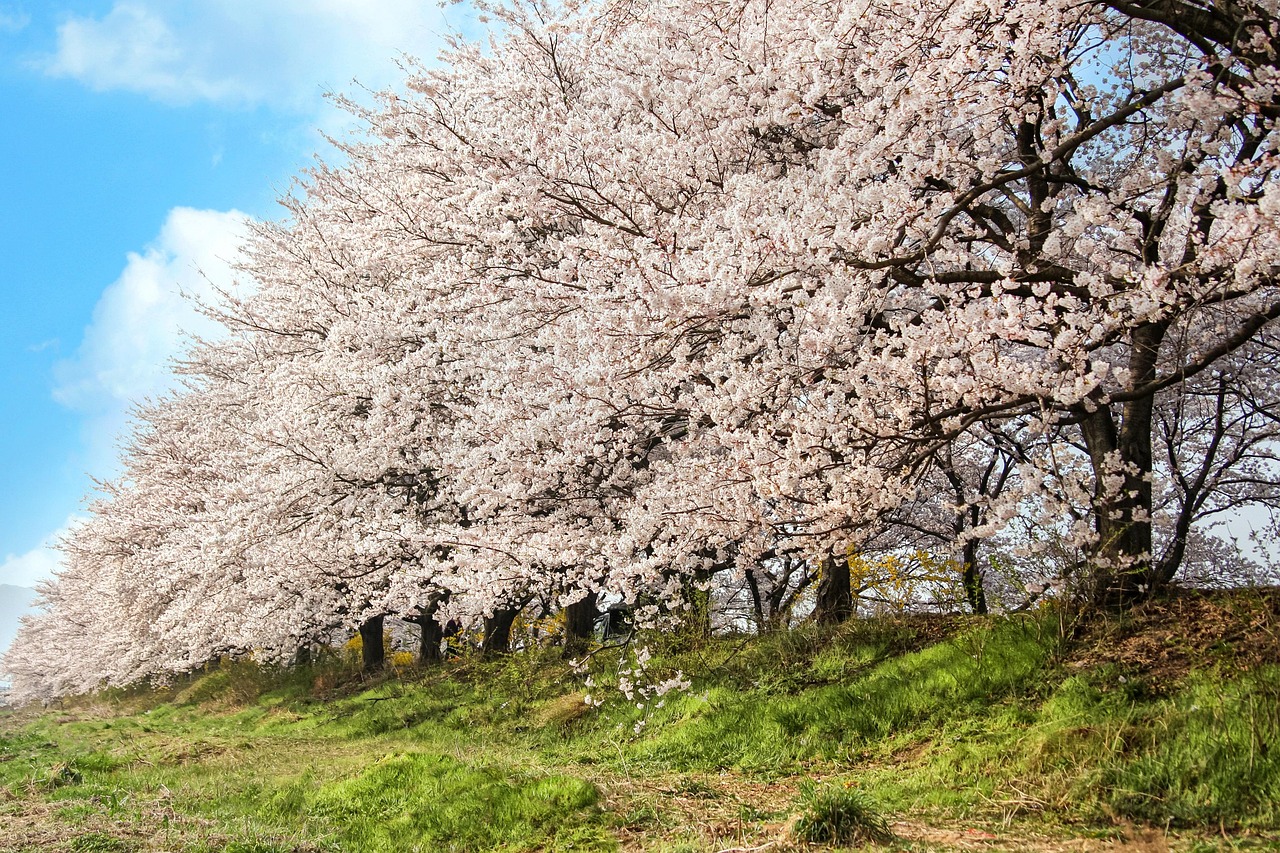
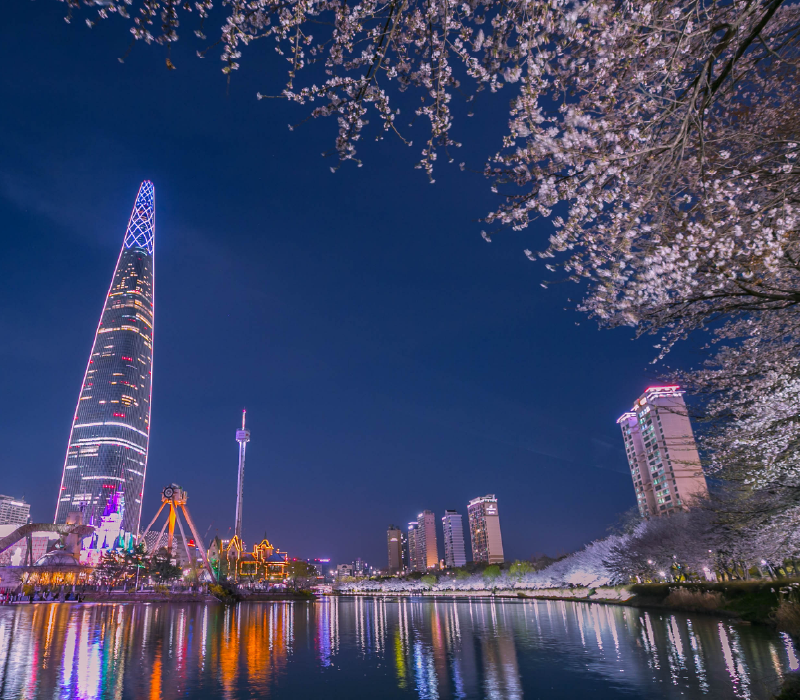
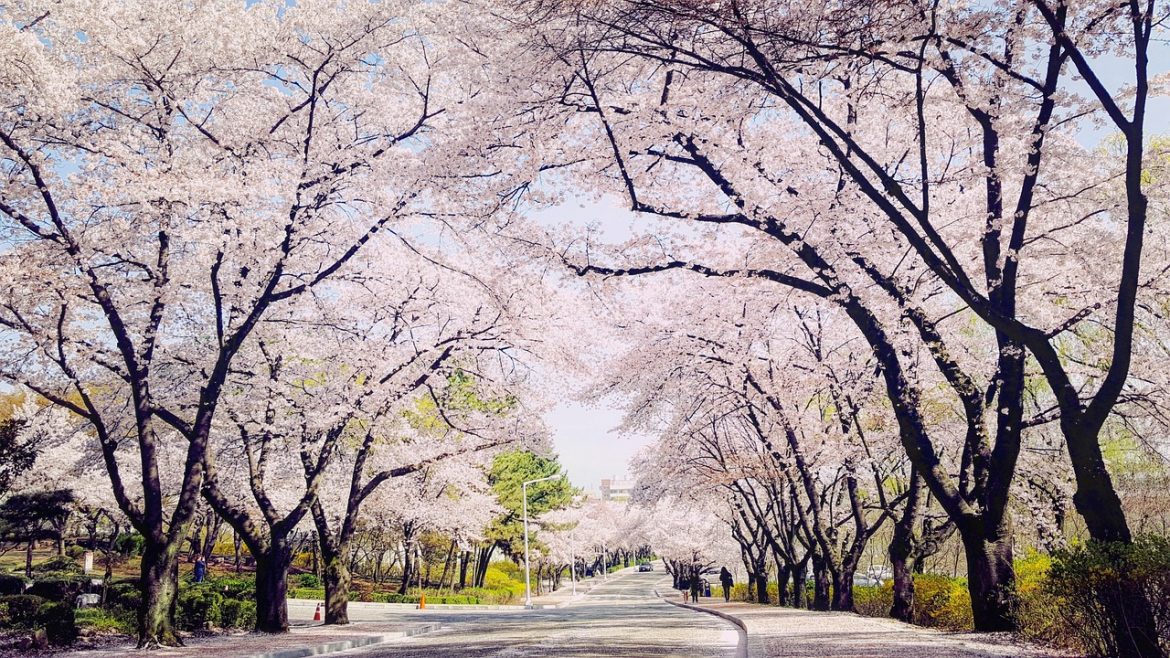
Soft spring light and petals: cherry blossom planning for South Korea in April
If you’re tracking blooms, the phrase best cherry blossom appears everywhere—and for good reason. South Korea in April can feel like a national love letter, but blossom timing is always a moving target: a warm spell in late March can nudge buds forward, while a cooler week can delay peak bloom and full bloom by days. The smartest approach is to plan for beauty, not perfection—and to keep a couple of viewing options across different parts of the city.
Even when dates shift, Seoul still delivers petals on pavements, pale pink canopies over side streets, and the soft, cinematic light photographers love. If you want a truly popular cherry blossom experience without feeling overwhelmed, prioritise weekday mornings and quieter parks over headline hotspots at midday.
Seoul in April cherry blossom walks: Yeouido Han River paths to Gyeongbokgung Palace courtyards
In April, Seoul offers iconic cherry blossoms with minimal effort. In Yeouido, the parks by the Han River create broad promenades and open skies that feel especially calm on weekdays—perfect for a slow coffee walk and unhurried photos.
For a historic frame, Gyeongbokgung Palace in spring is quietly breathtaking. Petals against tiled roofs create a contrast that feels designed, yet utterly natural. If blossoms are your priority, arrive early for soft light, then linger in the palace grounds rather than rushing through a checklist.
Cherry blossom festival planning: Jinhae day trips, Yeojwacheon views, and Korea weather in April
If you’d like a festival atmosphere, plan accordingly. A cherry blossom festival is often most enjoyable at dawn or on a weekday, when crowds are lighter, and your photos feel personal. If your schedule allows, Seoul’s own local spring events can feel like a gentle spring festival rather than a hectic rush—especially when you time it well.
For travellers willing to go further, South Korea’s most famous pilgrimage is Jinhae, particularly the Yeojwacheon canal area. Blossom tunnels, bridges, and reflections can feel almost theatrical, so a well-paced day trip or overnight—planned with comfortable transfers and a realistic schedule—helps you enjoy it without fatigue.
Weather matters here, too. In Korea, in April, brisk winds can send petals flying earlier than expected, shortening the “perfect canopy” moment. When that happens, look for beauty on the ground: petal carpets on stone, small lanes behind cafés, or blossoms mirrored after a light shower.
Blossoms are fleeting, yes, but the feeling they create in South Korea’s spring tends to stay with you far longer than the photos.
Seoul style and heritage – Hanbok in Bukchon Hanok Village, travel tips, and respectful local etiquette
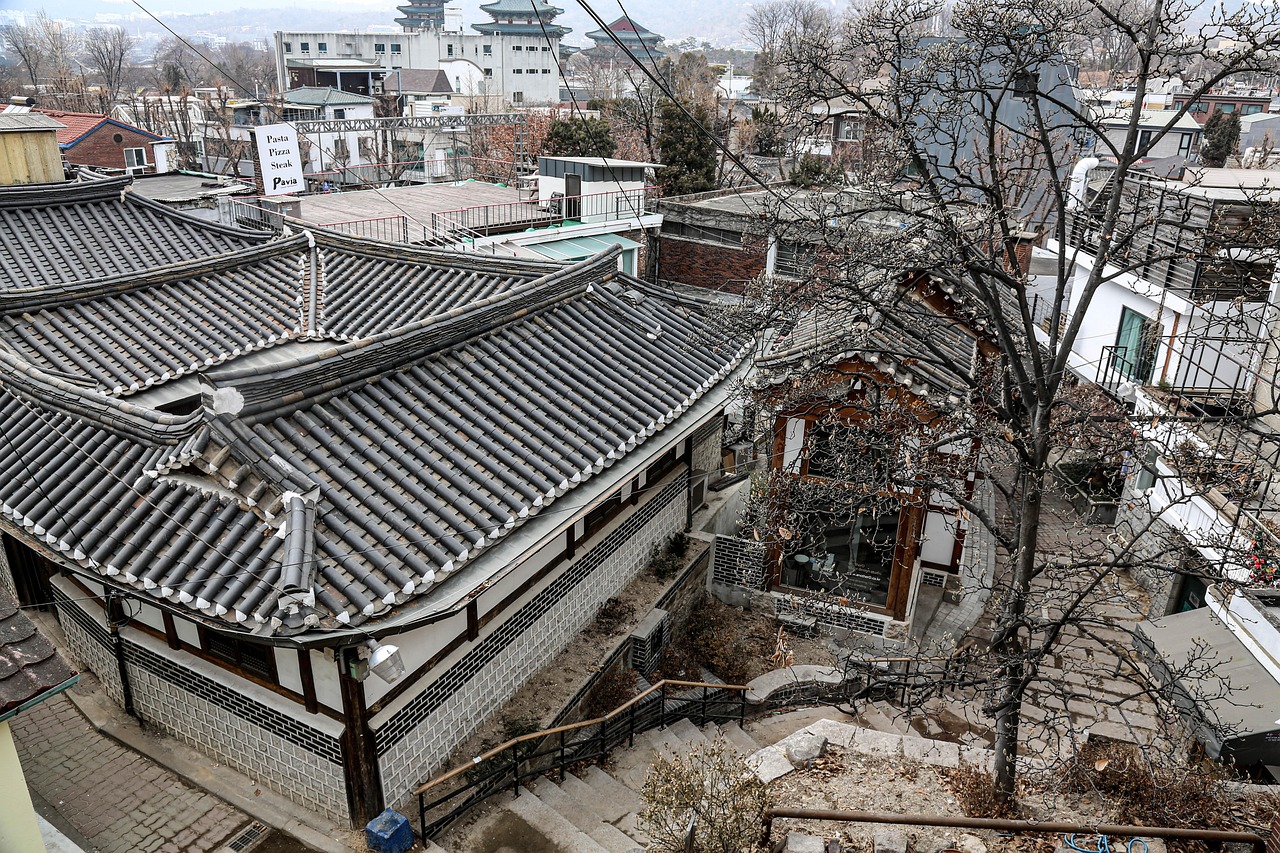
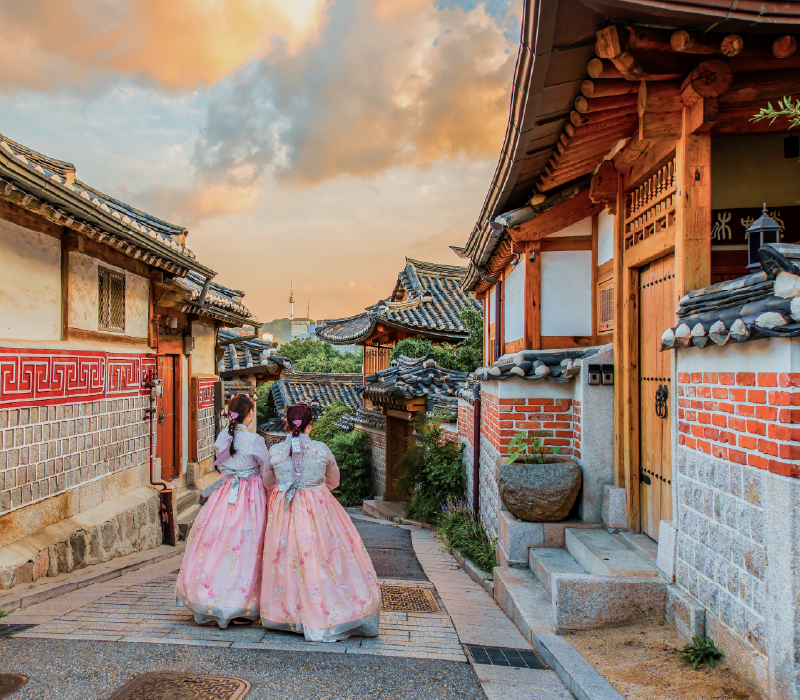
Timeless rooftops and quiet lanes: Bukchon’s heritage atmosphere in spring
For travellers craving culture that feels crafted rather than performative, Hanbok rental at Bukchon Hanok Village, Seoul, South Korea, can be both joyful and deeply respectful. Bukchon is not an open-air museum; it’s a living neighbourhood with families, schools, and quiet routines. When you explore with care—lower voices, gentle pacing, and thoughtful photography—it becomes one of the most personal ways to connect with Seoul’s heritage.
A small etiquette note goes a long way. It’s polite to bow slightly when greeting, and to remove shoes when entering traditional homes or certain cultural spaces. These details foster a warmer exchange with locals and help you feel more confident “in place”.
Hanbok rental in Seoul: premium options, styling, and what to wear underneath
Hanbok rentals typically range from roughly $20–$50 for a few hours, while premium options may include elevated fabrics, bespoke styling, and private fitting rooms. Book ahead if you want a quieter, more curated experience—especially in April, when blossoms pull visitors into the area. Allow time for fitting, and consider wearing long-sleeved base layers under your layers for cool mornings.
A high-end traveller once shared how wearing a beautifully fitted hanbok transformed their walk through Bukchon. The sleeves moved like silk in the spring air, and every doorway felt like a frame. Rather than “dressing up for a photo”, they felt connected—present in a story that existed long before them.
Near Seoul craftsmanship: ceramics studios and the Icheon ceramics festival day trip
If you love design, plan a day trip near Seoul to explore Korean craftsmanship through ceramics. When dates align, the icheon ceramics festival is a beautiful extension of your Seoul stay—workshops, galleries, and contemporary studios that echo the textures you’ll notice in hanok architecture.
Think of it as a designer’s counterpoint to palace grandeur: quieter, tactile, and wonderfully human. It’s also a smart way to balance your schedule if the forecast turns cloudy or you want a softer pace between bigger city days.
- Footwear: cobblestone lanes reward comfortable walking shoes that still look refined.
- Photography: You may prefer a private guide or photographer to ensure a relaxed, respectful experience.
- Timing: aim for weekday mornings to avoid peak hours and better light.
In Bukchon, style isn’t about spectacle. It’s about moving through Seoul with attention—gently designed, experienced together, and remembered with warmth.
Local flavours in Seoul – Gwangjang Market food tours, comfort dishes, and crafted fine dining
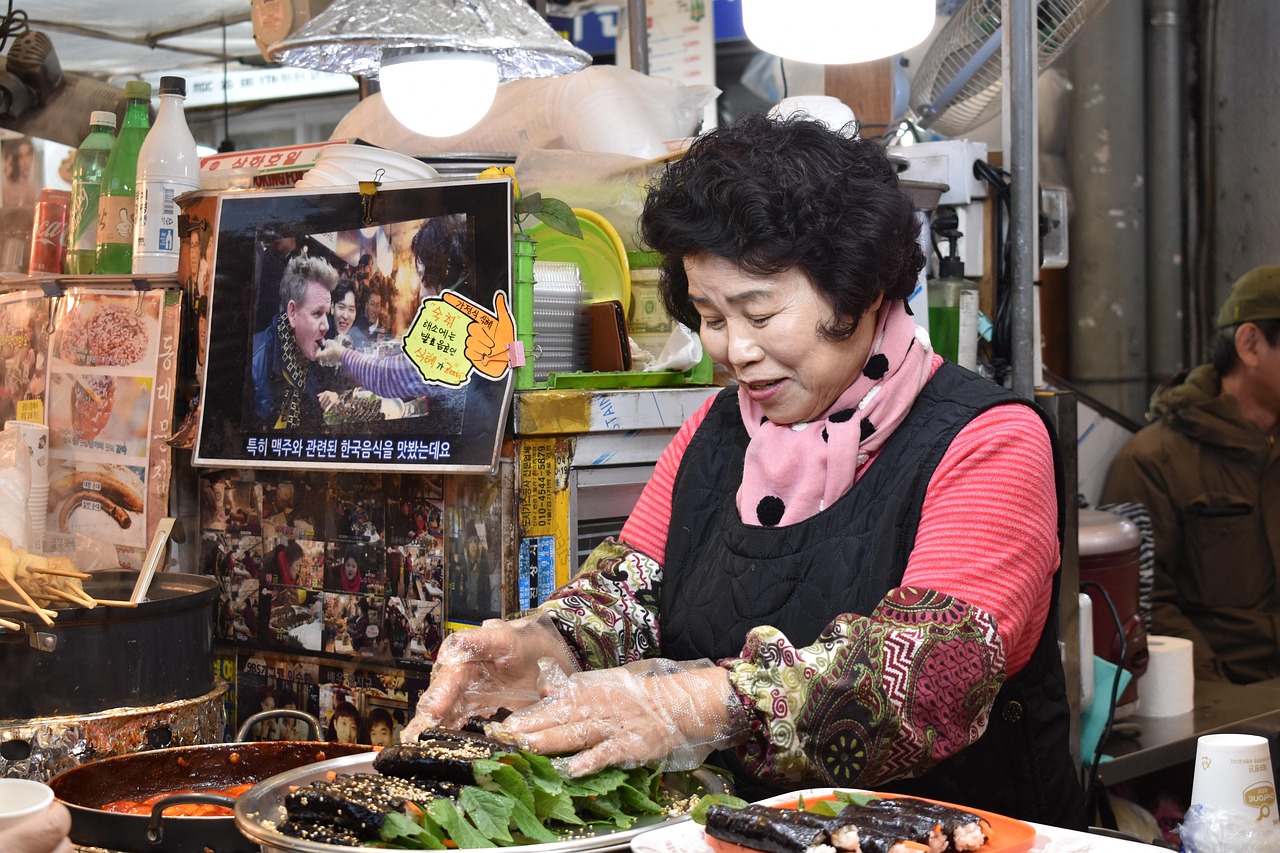
Vibrant stalls and spring energy: tasting Seoul one bite at a time
There’s a particular thrill in arriving hungry at a market where locals genuinely eat, and the Gwangjang Market food tour in Seoul, South Korea, is one of the most confidence-boosting introductions you can give yourself. The sensory rush is real: sizzling pans, steam, sesame, chatter, colour. With a little guidance (or simply a thoughtful plan), it can still feel comfortable and seamless.
Go earlier for a calmer rhythm, or later for atmosphere and energy. If you’re travelling as a couple or family, build in pauses—choose a stall with seating, order one or two specialities, and let the experience unfold without rushing.
A family food tour in Seoul: bindaetteok, mayak gimbap, and rainy-day comfort
A family once told me their favourite Seoul memory wasn’t a landmark at all—it was the laughter around a tiny table at Gwangjang. They sampled crisp bindaetteok and addictive mayak gimbap, listening to lively local chatter while rain tapped lightly outside. The parents loved how safe and well-organised it felt; the children loved choosing “one more thing” to taste.
For hygiene and comfort, look for stalls with high turnover (freshness), clean prep areas, and space to sit. If you prefer a curated approach, a private market guide can translate ingredients and tailor spice levels—especially valuable if you have dietary needs.
From market discoveries to upscale dining in Seoul: reservations, budgets, and April evenings
April evenings often turn cool again, making soups, grilled dishes, and comfort plates especially satisfying. This is where a “one market, one fine meal” day works beautifully: playful tasting at lunchtime, then an elegant dinner reservation designed to slow you down.
Budget-wise, upscale dining commonly ranges from $50–$150 per person, depending on the restaurant and pairing choices. In spring, reservations matter—the best rooms fill quickly. Ask your hotel concierge to secure a table, and request a quieter corner if you value privacy.
- Payments: carry some cash for market stalls, but many vendors also take cards.
- Allergies: write key ingredients in Korean and show them politely before ordering.
- Security: Keep belongings secure in crowded lanes, especially when photographing food.
When the Korean weather shifts cooler after sunset, Seoul’s food scene becomes even more comforting—local, generous, and quietly unforgettable.
Design a Seoul itinerary for April and early May – lantern nights, best places, and extensions to Busan & Jeju Island
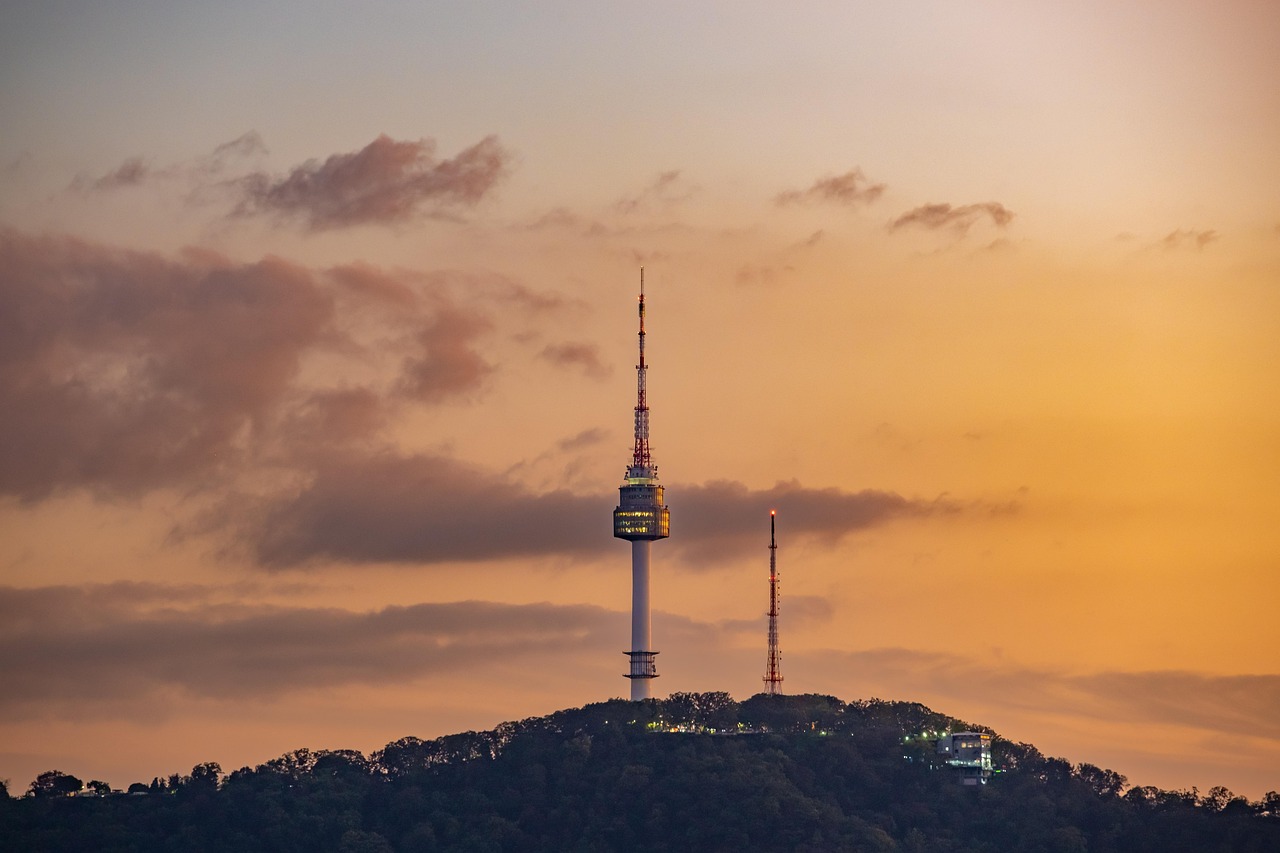
Lantern-lit evenings and skyline views: shaping a spring itinerary
When travellers ask me for an itinerary framework that includes Seoul plus a little more, I start with one promise: we’ll design your days around energy, not endurance. In April weather, Seoul rewards slow mornings, longer twilight walks, and breathing room for shopping, galleries, and unplanned discoveries. This is how high-end travel stays joyful—seamless, supportive, and shaped around you.
Before you arrive, consider your airport transfer. Incheon International Airport is brilliantly connected; you can take the airport rail for efficiency, or choose a private car for comfort and confidence, especially after a long-haul flight. Either way, you’ll arrive ready to explore rather than recover.
3, 4, or 5-day itinerary flow: April in Korea, with room to adapt
Below is a flexible structure you can adapt, rather than a rigid checklist. It’s designed for April in Korea, when mornings can be crisp and afternoons pleasantly bright.
- 3 days: One palace-and-hanok day, one market-and-museum day, one skyline-and-shopping day.
- 4 days: Add a slower design afternoon (small museums, calm courtyards, viewpoint cafés).
- 5 days: Add a day trip or a wellness day, keeping evenings for crafted dining.
This approach also helps if you’re avoiding peak tourist weekends. When possible, schedule your biggest attractions for weekdays and reserve weekends for neighbourhood exploration and reservations.
Signature spring route in Seoul: Cheonggyecheon Stream mornings and N Seoul Tower sunsets
For a signature spring day, start with an artful, quiet morning along Cheonggyecheon Stream. An art lover once described it as “urban serenity done properly”—water moving through the city, soft greenery returning, and a sense that Seoul is always designing itself anew.
From there, head to Gyeongbokgung in soft light, then allow time for a calm lunch before the city grows louder. Finish at N Seoul Tower near sunset, when the skyline turns luminous. Many travellers find this is the best moment of the trip: a mild evening, a panoramic view, and the quiet satisfaction of being exactly where they meant to be.
If you’d like a visual companion for planning, you can explore our Trip gallery and imagine how your own spring story might look—then create something personal from there.
Best places beyond the obvious: places in Seoul, plus Busan and Jeju Island extensions
Seoul’s quiet highlights are often the ones you uncover between the headlines: small museums with thoughtful curation, courtyard cafés with soft music, and shops where contemporary Korean design feels both confident and kind. If you want a simple planning anchor, choose two “musts” per day and leave an hour for wandering—some of the best places in Seoul appear when you’re not rushing.
If you’re travelling beyond the capital, consider how the weather varies by region. Busan can feel breezier and coastal, while Jeju Island tends to be milder with its own spring mood. For travellers visiting Busan and Jeju Island together, plan transfers that save you energy: pre-booked rail seats, reliable drivers, and hotels that can support luggage forwarding when needed.
If your dates cross into April-May, keep space for the Lotus Lantern Festival connected to Yeon Deung Hoe. Seeing lotus lanterns glow as evening falls, and catching the lantern parade, can feel like a luminous finale—cultural performances, music, and a city that seems to carry light in its hands. It’s also a memorable year to visit if you love spring nights that feel celebratory without being chaotic.
In April, itinerary design is less about doing more, and more about doing things well—together, with confidence, and with time to notice what’s beautiful.
F.A.Qs: Weather in April and cherry blossom planning for Seoul, South Korea
Quick answers for spring planning: weather, layers, and blossom timing
Is April a good time to go to South Korea?
Yes. April is widely considered the best time to visit South Korea because temperatures are mild and comfortable for outdoor sightseeing, with spring colour and generally manageable precipitation. It’s ideal for palaces, markets, and walking-focused days, while still cool enough for elegant evenings and relaxed dining.
What to wear to Seoul in April?
Wear layers. Bring a light jacket or trench for mornings and evenings, plus breathable tops for warmer afternoons. Comfortable walking shoes are essential for palace grounds, cobblestone lanes, and markets. If you’re planning hanbok photos, consider long-sleeved base layers for early starts.
Is it cold in April in Seoul?
It can feel cool, especially in the morning and after sunset. Daytime can be pleasant, but early outings may be brisk, and single-digit starts aren’t unusual at the beginning of the month. With layers, it’s typically comfortable rather than truly cold.
Is it cherry blossom season in Seoul in April?
Often, yes. Cherry blossom timing varies each year, but early to mid-April commonly aligns with peak viewing in Seoul. Weather patterns can shift bloom dates, so it’s wise to stay flexible and plan a few blossom walks across different neighbourhoods for the best chance of catching full bloom.
Final Thought
In the days after you leave, it isn’t the schedule that returns first. It’s the sensation: petals lifting in a brief hush of wind, the way Seoul’s kindness meets you at the edge of a busy street, the feeling that the city trusted you to move through it gently. This Seoul in April reflection, South Korea cherry blossom, isn’t a highlight reel; it’s a soft imprint.
Some moments stay because they were small enough to be true. Silk sleeves brushing a palace courtyard wall. Steam rising from a market stall as the evening cools. The calm of water threading through the city at Cheonggyecheon, as if Seoul was quietly offering you a place to breathe.
And then there’s the weather—never entirely predictable, always part of the story. South Korea’s weather in April might shift from bright sun to grey skies, but it rarely takes away the beauty. If anything, it teaches a gentle confidence: trust your instincts, lean on expert support when you want it, and let the day be what it is without forcing it into a perfect plan.
When you remember Seoul, you may not picture a single landmark at all. You may remember light on stone, the sound of local conversation, and the quiet pleasure of travelling well. And perhaps, in another season, you’ll return to uncover a different Seoul—one more layer, waiting patiently in the air.