Post Contents
- What to Do in Lyon, France: Design Your Days in Lyon Itinerary for First-Time Visitors
- Explore Vieux Lyon and the Old Town Traboules: Things to Do with a Private Guide
- Fourvière Hill and the Basilica: Funicular Rides, Roman Ruins, and Views of Lyon
- Fall in Love with Lyon Through Food: Bouchons, Tastings, and Paul Bocuse Legends
- Art, Murals and City Elegance: Musée, Place des Terreaux, and a Mural Walk
- F.A.Qs
- What Stayed With Me After Lyon (and why this city keeps calling you back)
What to Do in Lyon, France: Design Your Days in Lyon Itinerary for First-Time Visitors
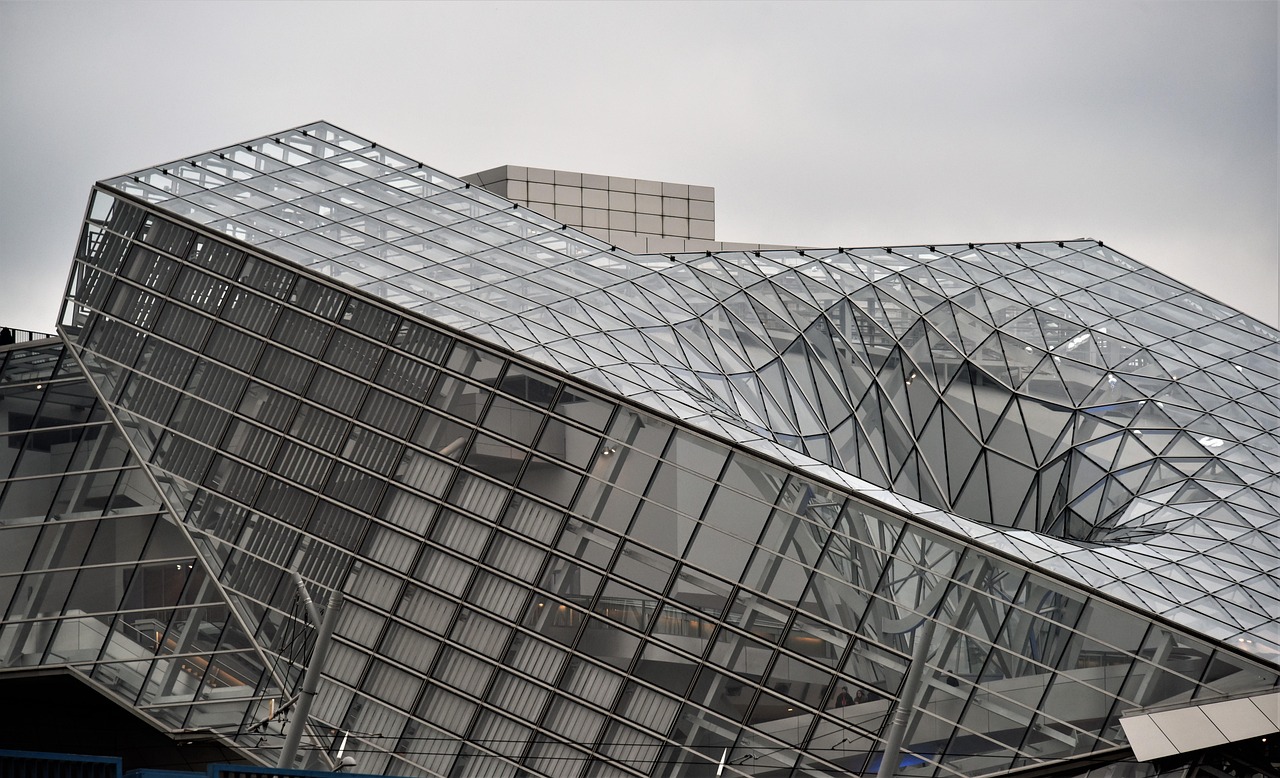
Design Your Days in Lyon for First-Time Visitors with the Confluences Museum and modern lines
For a first-time visitor, days in Lyon itinerary luxury visit Lyon works best when you slow the pace on purpose: unhurried mornings, long lunches, golden-hour walks, then a nightcap under soft city light. If you’re wondering what to do in Lyon beyond the obvious, focus on a few anchor places to visit each day and let the rest be gentle discovery—this destination rewards calm attention. Start with a food market or a museum, linger over a terrace lunch, then follow the Saône River towards the old lanes as dusk settles.
Lyon is certainly a city made for designed rhythms: it is the third-largest city in France and the third-largest by feel and function—big enough for world-class culture, small enough for ease. One of my favourite things is how quickly you can shift from contemporary lines at a Lyon museum like the Confluences Museum to the quiet of a Renaissance courtyard, without ever feeling rushed. If you’re planning to visit Lyon, you’ll notice the service culture is efficient and quietly warm—one of France’s most liveable urban experiences, and absolutely worth visiting for travellers who want refinement without strain. In short, Lyon offers many great things, but it never asks you to sprint to find them.
Arrivals, transfers, and getting around for a seamless first visit in Lyon
Most luxury travellers arrive by TGV, and the main train station you’ll likely use is Lyon Part-Dieu. There is also Lyon Perrache, handy if you’re staying closer to the riverside. If you prefer a seamless arrival, pre-book a private transfer so you step straight into your hotel without logistics clouding the first hour; it’s a small investment that buys calm. Public transport is safe, clean, and efficient—metros, trams, and buses are easy to understand—so you can mix car service with local independence.
Once you’re in the centre, the Presqu’île is easy to explore on foot, with one of the largest pedestrian zones in Europe and a classic pedestrian street for shopping and café pauses. With care during busy periods (especially festivals), keep valuables zipped and close—pickpockets do target crowded areas—but the overall experience remains reassuring, even if you’ve never been to Lyon before.
Where to stay by vibe: Bellecour, river romance, and Fourvière hill viewpoints
Choose your base based on how you want your mornings to feel. The Presqu’île is ideal for access to Bellecour, smart boutiques, and quick hops to museums and dining, especially if you like to start early and return easily. Along the Saône, you’ll find softer light, quieter quays, and evenings that don’t demand a schedule. Near Fourvière hill, stays trade a little flat-ground convenience for a sense of retreat and those “open the curtains” views that instantly say you’re away.
To create a stay that feels personal, I suggest keeping afternoons spacious: one curated visit, a long lunch, then a rest before dinner. Depending on when you visit, your hotel can also help you plan special moments—if you’ll be here in December, book early for Fête des Lumières, and consider a guide who can share its origins in a way that adds meaning rather than noise.
To help you design your first 48–72 hours (your days in Lyon rhythm), here’s a gentle flow that leaves room for discovery and the best things in the city:
- Morning: markets or museums (quiet hours), a coffee stop, and one “anchor” sight.
- Midday: a long lunch—classic bouchons one day, fine dining another.
- Afternoon: a scenic neighbourhood stroll or curated shopping with a pause for pâtisserie.
- Golden hour: riverbanks for photographs and perspective.
- Evening: a reservation-led dinner, then slow lights rather than late nights.
Practical reassurance: book ahead for restaurants, private guides, and timed entries when they exist. Lead with a simple ‘bonjour’ when you enter shops or restaurants—it’s local etiquette that sets a tone of trust. You may also see affiliate links within a travel blog context (for luxury hotels or expert private guides), but your choices should always feel tailored to you.
If you’d like to browse inspiration before you finalise your plans, start with this Trip gallery and then refine the details together.
Explore Vieux Lyon and the Old Town Traboules: Things to Do with a Private Guide
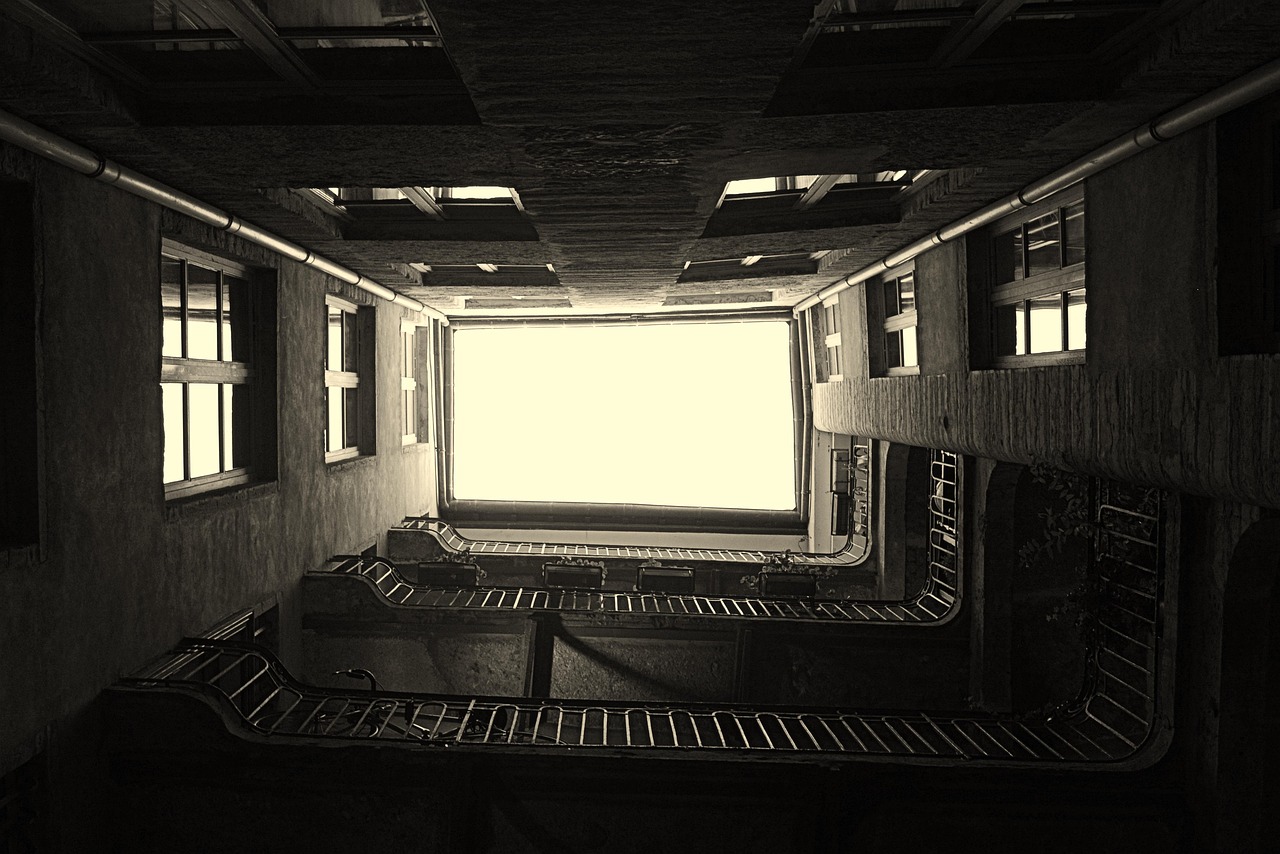
Explore Vieux Lyon and the Old Town Traboules among Renaissance façades
When travellers ask for the most memorable things to do in Vieux Lyon, old town traboules, private guide experiences, I begin in historic Vieux Lyon—because it doesn’t feel staged. This is one of the best places to sense the city’s craftsmanship in stonework, shutters, and tiny details you notice only when you’re not hurrying. It’s also one of Lyon’s neighbourhoods where luxury means space: room to look up, turn into a side lane, and let curiosity lead.
Start at Cathédrale Saint-Jean-Baptiste, then let the streets of Vieux Lyon carry you into the old town’s heart. Keep the route light: walk, pause, look up. This part of Lyon sightseeing is at its best when you treat it like a gallery without walls—slow, attentive, and open to small surprises.
Vieux Lyon passageway moments: a calm route through Renaissance lanes
From the cathedral square, wander along Rue Saint-Jean and Rue du Bœuf, dipping into side lanes when you feel the pull. The charm is in the transitions: one moment you’re in sunlight, the next you’re in a cool passageway with worn stone beneath your shoes. The district can be busy at peak hours, but the rhythm changes early morning and late afternoon—ideal windows for a more personal experience.
Exploring traboules is one experience that turns a simple walk into a story. A solo traveller once told me that exploring Vieux Lyon through the traboules felt like time folding in on itself: they turned through an unassuming doorway, crossed a quiet stairwell, and arrived in a hidden courtyard where the city sounded far away. That tiny detour became the memory they carried home, because it felt like the city trusted them with something private.
Lugdunum in 43 BC: light history, Roman layers, and why it matters
To add depth, it helps to remember that the city of Lyon began as Lugdunum in 43 BC, and that layered feeling still lingers in the stones. You don’t need a long lecture—just the awareness that these streets have held traders, students, families, and centuries of craft. In the old town, the past doesn’t sit behind glass; it’s part of the everyday walk.
High-end tip: book an expert private walking tour so you get smooth access to the most interesting traboules and local anecdotes you’d never find alone. A good guide also knows how to route you away from crowds and through the outskirts of Vieux Lyon when the centre feels congested, keeping the experience calm, curated, and genuinely enjoyable.
Fourvière Hill and the Basilica: Funicular Rides, Roman Ruins, and Views of Lyon
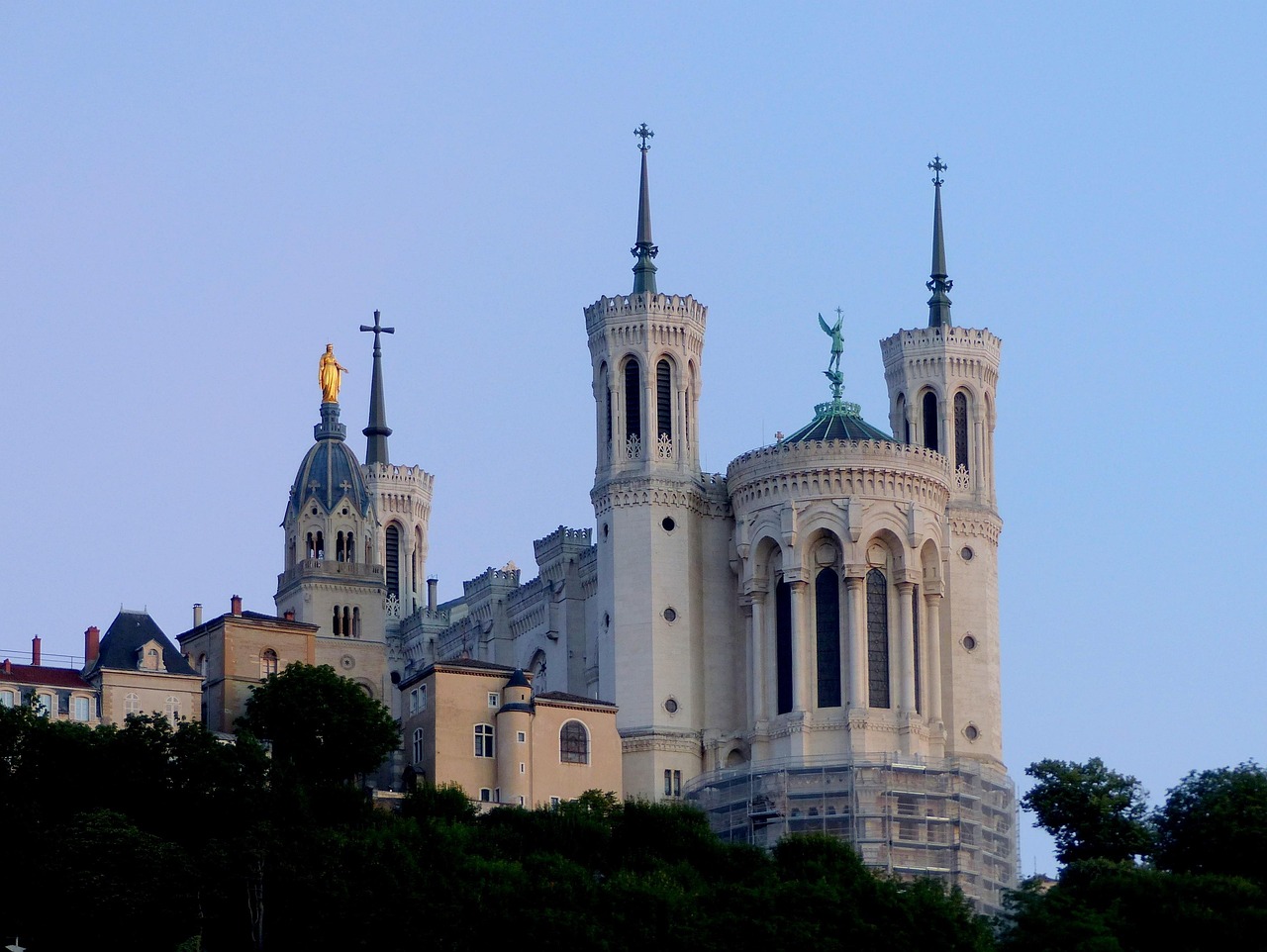
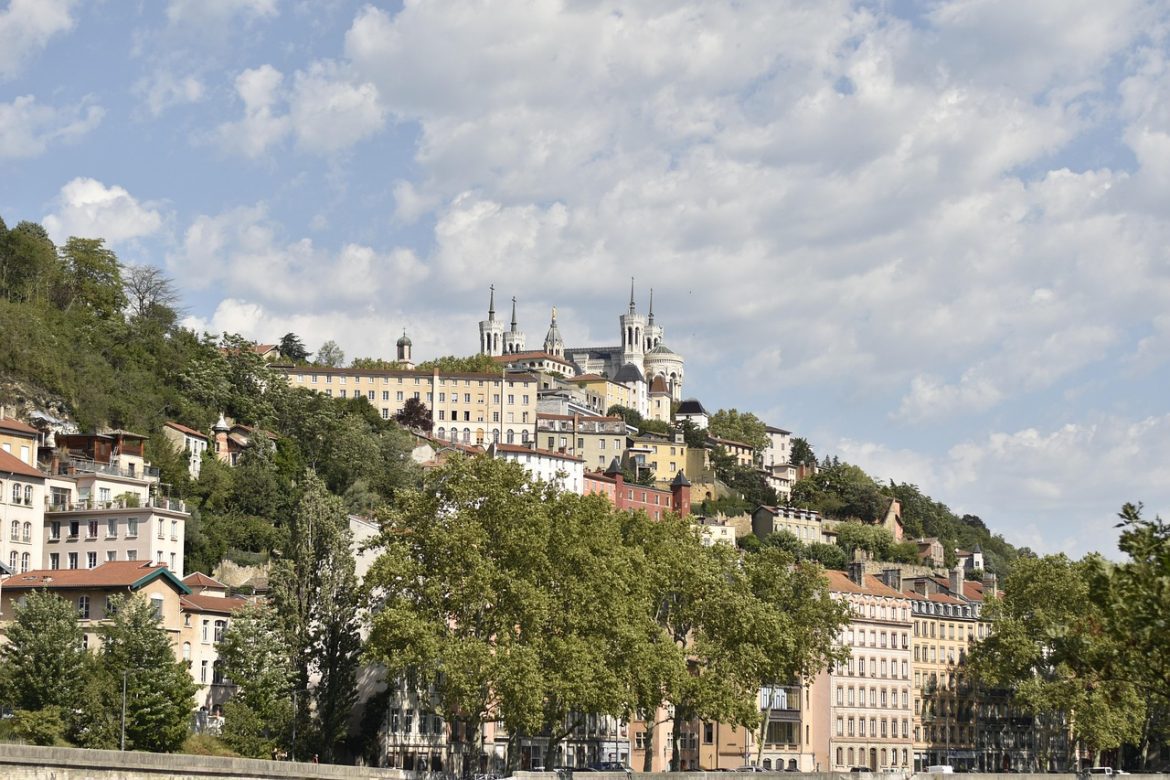
Fourvière Hill and the Basilica for Views and Wonder above Lyon
For a luminous, almost cinematic pause, fourvière hill funicular basilica of Notre-Dame views of Lyon is the combination to design into your schedule. Fourvière is at its most affecting early or late, when the light is softer, queues thin out, and the hill feels like a sanctuary rather than a checklist. This is one of those places in Lyon where quiet becomes part of the experience—where you’re not just seeing something, you’re settling into it.
Plan your ascent with intention, then allow yourself to linger. Fourvière hill offers that rare luxury: panoramic beauty without needing to “perform” your visit. In a city in France that balances energy and ease, this viewpoint helps the map of the centre, the hills, and the waterways click into place.
Funicular tips: the simplest way up from Saint-Jean to Fourvière
The funicular (from Vieux Lyon/Saint-Jean) is the simplest way up to Fourvière, and it integrates with the public transport ticketing system. Aim for an earlier ride if you want calm, or late afternoon if you want golden hour. Accessibility is generally good, but if you’re travelling with mobility needs, it’s worth checking lift status and platform access on the day.
Pair the funicular with a short stroll for scenic pauses—there are moments where the skyline opens up between trees and balustrades. When you move slowly, the climb becomes part of the story rather than something to get through.
Inside Notre-Dame Basilica: mosaics, stillness, and a few minutes offline
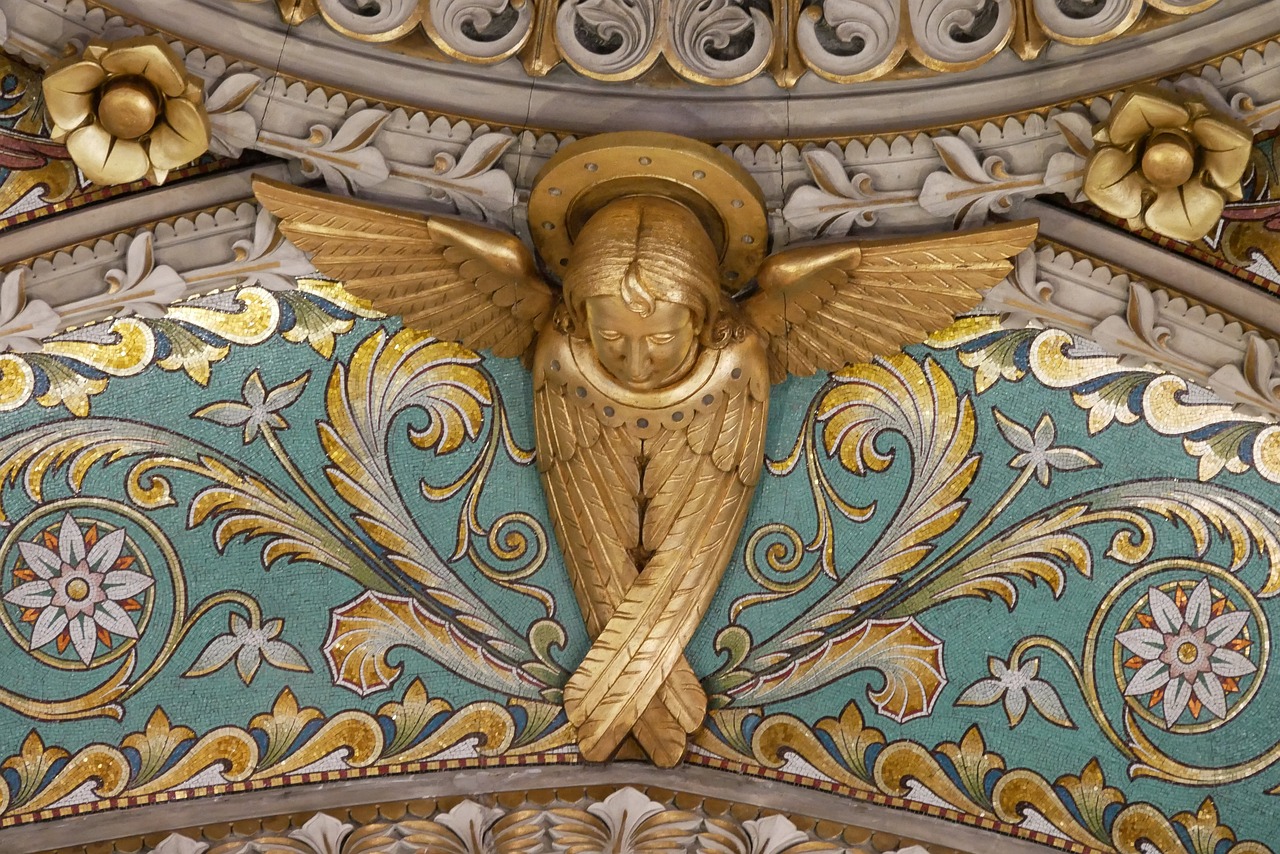
Step inside and notice how the sound changes. The Basilica of Notre-Dame is richly decorated, with mosaics that shimmer subtly rather than shout; it’s the kind of beauty that feels crafted, not flashy. I recommend giving yourself a few minutes without a camera—just letting the stillness land—before you explore details in the chapels and along the nave.
Use Notre-Dame as a reference point, not an obligation: it’s less about ticking a famous name and more about how the space makes you feel. For many travellers, this becomes a surprisingly emotional moment, precisely because it asks nothing from you but attention.
For photographs, create a simple plan so you can enjoy the view rather than chase it:
- Terraces: frame the rooftops with the horizon for the cleanest composition.
- Rivers: capture the sweep where the Rhône and Saône define the city’s shape.
- Sunset: arrive 30–45 minutes before golden hour for softly shifting colours.
From up here, the views of Lyon feel quietly cinematic—especially when the air is crisp in early autumn. If you have extra time, the nearby Roman ruins offer a gentle add-on, and a small encounter with Roman artefacts ties you back again to Lugdunum without over-planning the day.
Fall in Love with Lyon Through Food: Bouchons, Tastings, and Paul Bocuse Legends
Fall in Love with Lyon Through Food and Crafted Tastings in candlelit dining
If your wish list begins with the best things to eat in Lyon, France, the Bouchons Michelin private tour, you’re in exactly the right place. Lyon is known as the gastronomic capital of france, and it’s one of France’s most exciting cities to explore through taste—where tradition sits comfortably beside innovation. The luxury approach isn’t necessarily “more”; it’s more considered: fewer meals, chosen well, with support around reservations, pacing, and preferences, so you can enjoy each table with confidence.
To me, the city builds trust at the table. Service is often warm and direct, and when you book thoughtfully, you’ll feel the difference—arriving at a table that’s ready, a pace that suits you, and dishes that reflect Lyonnais identity in the simplest sauces and seasonal produce. These are some of the best things to plan ahead for on a trip to Lyon.
Private tastings and Michelin planning: the best things without the rush
A private guided tasting is the easiest way to combine classic bouchons with a Michelin-starred meal without turning your trip into a marathon. A good guide will help you design the sequence: a lighter lunch, an afternoon pause, then a refined evening that doesn’t leave you hurried. Ask them to weave in local culinary history—why certain ingredients matter here, and how Lyonnais favourites became part of everyday life.
A couple once shared an unforgettable evening at a Michelin-starred restaurant where the chef personally explained each course’s local inspiration. It wasn’t theatre; it was care—an expert translating the region’s produce into something intimate. That moment, more than any single flavour, made the city feel instantly personal.
Les Halles: your essential food market stop inspired by Paul Bocuse
For daytime indulgence, head to les halles—specifically Halles de Lyon Paul Bocuse (you’ll also see it shortened as les halles de lyon paul). This is your essential food market moment: cheeses ripened to perfection, charcuterie cut to order, pastries that disappear in two bites. Chef Paul Bocuse is the name that anchors the space, and even if you’re not deep into culinary lore, you’ll feel the standard immediately.
Go mid-morning for the best energy and the easiest browsing. If you’d like, a private guide can arrange tastings so you’re not guessing what to try—small sips, small bites, intelligently sequenced.
To keep your dining itinerary seamless, a few practicalities help:
- Reservations: book key tables weeks ahead (longer in peak season and December).
- Lunch vs dinner: lunch can be the most elegant value; dinner is for ambience and a slower narrative.
- Dietary support: share allergies clearly and early—most top kitchens handle this with professionalism.
- After dinner: finish with a Saône stroll so the evening lands softly rather than ending abruptly.
This is where the city shines for high-end travellers: you can eat extraordinarily well, then step into the night air and let the riverside do the rest.
Art, Murals and City Elegance: Musée, Place des Terreaux, and a Mural Walk
Art, Murals and City Elegance near Place des Terreaux
For travellers drawn to beauty with breathing room, the musée des Beaux-Arts murals in Lyon, Place des Terreaux, make an ideal day. Begin with the Musée des Beaux-Arts, housed in a former abbey where calm feels built into the walls. An art enthusiast once described a serene afternoon there, quietly moved by paintings they’d seen in books for years, finally meeting them in person. That kind of still, unhurried insight is exactly what a luxury trip can offer when you give it space.
If you only visit one museum, make it this one. The collection is broad enough to feel like a small European grand tour, and intimate enough to avoid the fatigue that can creep in on faster itineraries—one of those places in Lyon you’ll remember for its atmosphere as much as its masterpieces.
Place des Terreaux and the Hôtel de Ville: Louis XIV-era grandeur in one square
Step outside into Place des Terreaux, and you’ll feel the city’s formal confidence. The hôtel de ville sits with a composed presence—this 17th-century city hall carries a Louis XIV-era energy, even if you’re simply passing through on your way to lunch. Nearby, the Bartholdi Fountain adds theatrical movement to the square, a favourite meeting point before you drift onwards.
This area of Lyon rewards lingering: take a coffee, watch the light change, and notice how quickly the city switches from grand façades to small streets with independent shops.
Mural trails, Fresque des Lyonnais, and des Canuts silk stories
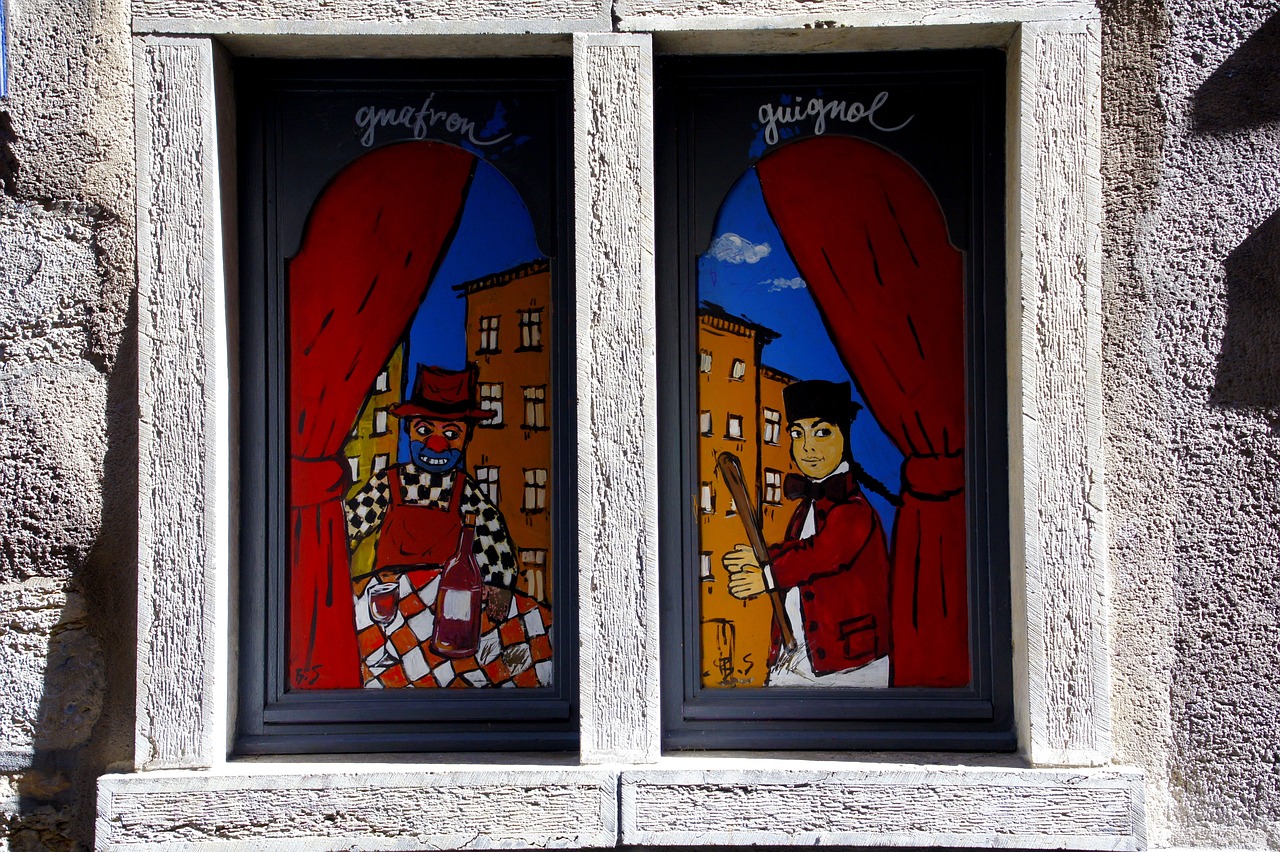
To explore outdoor art, follow a mural thread through the city. The Fresque des Lyonnais is the best-known, but it’s only the beginning of the mural story—murals in Lyon appear where you least expect them, turning everyday walls into a narrative. Continue towards Croix-Rousse for references to des Canuts and the silk industry: this hill once belonged to the silk workers, and the neighbourhood still holds that industrious, slightly bohemian character.
For a personal keepsake, consider hiring a local photographer for an hour. Together you can uncover the best mural angles, avoid harsh midday light, and create a small set of images that feel like you—elegant, relaxed, and real.
To keep your art day spacious rather than exhausting, try this flow:
- Morning: museum visit, then a slow walk towards Place des Terreaux.
- Midday: lunch near the squares for easy pacing.
- Afternoon: mural hunt towards Croix-Rousse, with stops that catch your eye.
- Late day: drift back towards Bellecour and the bank of the rhône for quiet air.
As you cross between squares and water, the Rhône becomes a calming boundary line—especially in late afternoon when locals come out to walk and talk. If you have a spare morning later in your trip, the Deportation History Centre offers a thoughtful, sobering counterpoint—an important space that adds depth to how you understand the modern story.
And if you’re tempted to expand the horizon, take a day for a gentle day trip around Lyon—Beaujolais vineyards are an easy pairing with this city’s culinary soul, and the countryside resets your senses without demanding a full itinerary rewrite.
F.A.Qs
Is Lyon in France worth visiting?
Yes—Lyon rewards travellers who value food, beauty, and calm elegance. It’s refined without feeling formal, easy to navigate, and full of atmosphere along the rivers, in Vieux Lyon, and on Fourvière.
What is Lyon, France, best known for?
Lyon is best known for its extraordinary gastronomy, from traditional bouchons to Michelin-starred dining, plus its Renaissance old town, traboules, and the panoramic basilica views from Fourvière.
Is 2 days enough in Lyon?
Two days is enough for a first taste and a satisfying list of things to do in Lyon: the old town, Fourvière, one major museum, and at least one standout meal. If you can add a third day, you’ll enjoy a slower pace, more time to visit neighbourhoods, and room for small surprises.
What to do with 1 day in Lyon?
With one day, focus on a simple arc: morning in the old town with a few traboules, midday lunch, then Fourvière for late-afternoon views and a river walk at dusk to finish. It’s a simple way to visit Lyon without feeling rushed.
What Stayed With Me After Lyon (and why this city keeps calling you back)
When I think back on a trip to Lyon, reflection falls in love with Lyon moment, it isn’t a single landmark that returns first—it’s a feeling. Lyon is a beautiful city, yes, but what stays is softer: light on stone in historic Vieux Lyon, the hush of a courtyard discovered by accident, and the way a shared table can make you feel immediately part of the room. There’s a quiet confidence to the city, as if it doesn’t need to impress you, only to meet you where you are.
At dusk, I remember standing where the two rivers hold the city in balance. The Rhône has a wider sweep, the other river a gentler curve, and together they teach you a pace that feels more human than hurried. Even now, I can picture the water turning dark and glossy as the sky fades—an unforced kind of beauty that doesn’t ask to be photographed, only noticed.
That’s what I carry home: the sense of being guided with care when it matters, then being free to wander when the moment calls for it. You can visit Lyon with a plan, but you don’t have to chase it. The city gives back when you let it—small wonders, quietly offered, and a warmth that feels local and real.
Sometimes I think that’s why it lingers: not because you saw everything, but because you left room for what you couldn’t have predicted. And if you’ve never been to Lyon, that space might be the most valuable luxury of all—time enough to notice what your own curiosity is trying to tell you, and a city you’ll love to visit again.