Best times and times to visit South Korea at a glance – a luxury traveller’s seasonal overview
Best times and times to visit South Korea at a glance for luxury travellers
If you’re asking when is the best time to go to Korea, this guide is designed for travellers who value calm confidence, beautiful design, and space to experience the country’s details without rushing. In most itineraries, the time to visit South Korea that feels most effortless is often April–May and September–October, because conditions are comfortable, the light is flattering, and walking days stay enjoyable.
For many guests, April and October are considered the best times for elegant city touring and nature, but summer and winter can also be some of the best times if your passions match the season. The country has four distinct seasons, so the right choice comes down to your preferred pace, events, and how much you want to be outdoors versus indoors. If you’re choosing a year to visit South Korea, think of it as choosing a mood, not just a date.
Summer brings festivals, late nights, and rooftop energy, while winter offers crisp air, galleries, and ski escapes in mountainous regions. Either way, a thoughtful plan helps you protect downtime and keep the experience feeling private and polished.
Best times month by month: a good month that matches your travel style
Across the year in South Korea, the month you choose changes the atmosphere. Here’s a quick lens (and yes, popular times to visit can feel busier due to domestic travel and school holidays), and as the month goes on, you’ll often notice small shifts in temperature and crowd levels:
- March to May: cherry blossom blooms, heritage touring, softer light.
- June: a refined bridge before Korea’s rainy season strengthens, and schedules need a little flexibility.
- July and August: vibrant, but hot and humid—plan for indoor culture and evenings.
- September to November: clear skies and autumn colour, superb photography.
- December to February: quiet elegance, winter sports, and seasonal rituals (including the lunar new year).
When choosing a time to visit South Korea, weigh the atmosphere versus the crowds, the quality of light for photography, and how privately you want to explore. With an expert guide and a crafted pace, even popular months to visit can feel surprisingly local and unhurried.
Spring (March to May) in Seoul – best times to visit for cherry blossom season and heritage
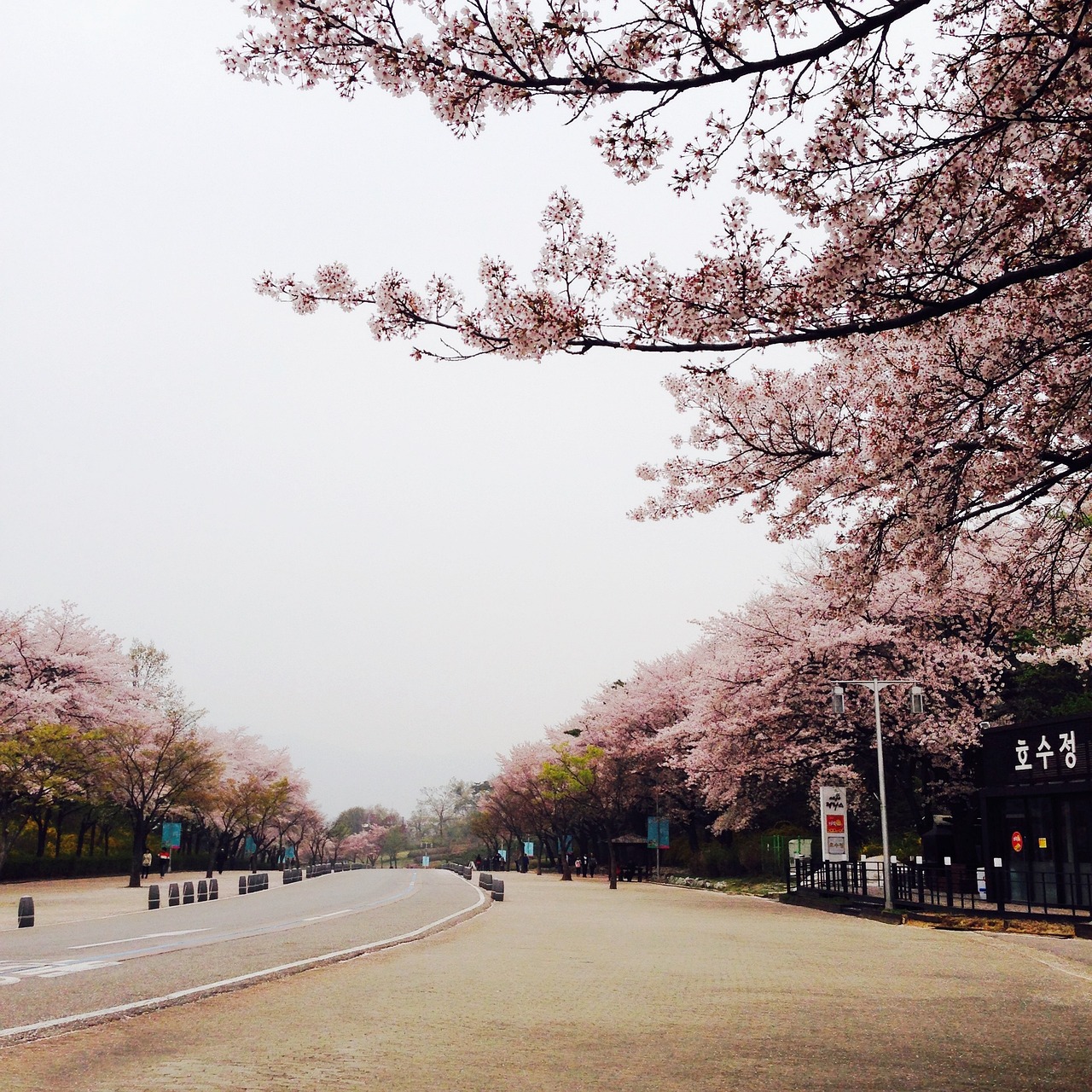
Spring best times to visit the capital for blossom and heritage in March to May
For many travellers, spring in the capital is the definition of Korean travel romance—fresh air, polished city energy, and the first softness of the season. South korea is during spring at its most photogenic, yet timing matters: south korea in march brings the first signs of spring, and the beginning of the month can feel cooler than a later part of the month, especially with changes by region and elevation.
South Korea in April: cherry blossom crowds and smarter timing in Seoul
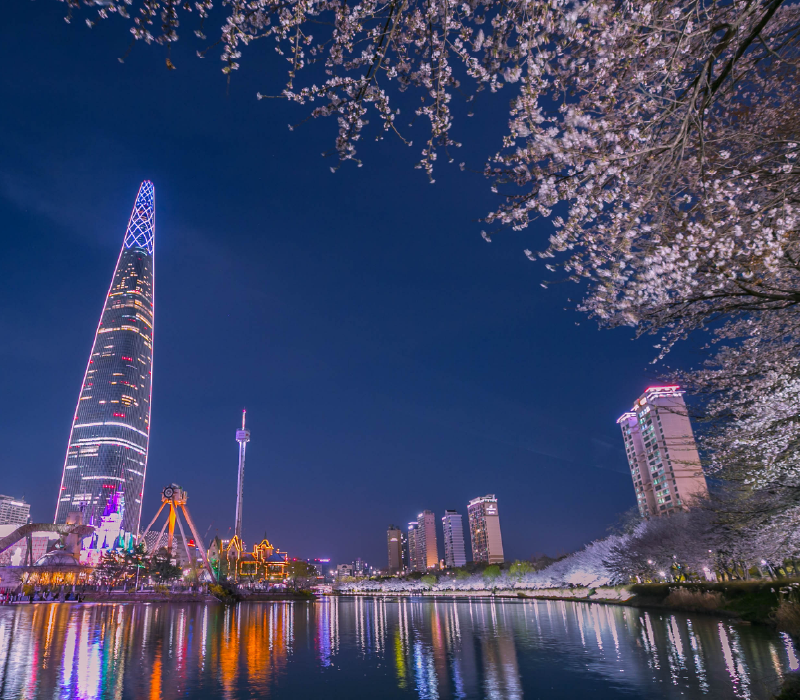
South Korea in April is the headline moment when cherry blossoms bloom across the city, and Yeouido Park becomes a dreamlike ribbon of blossom. Cherry blossom crowds are real, so we design around them: aim for sunrise walks, weekday strolls, or a private driver drop-off that avoids peak entrances. It’s still a popular window, yet it can feel intimate when you know where to step.
Heritage, design, and a crafted cultural pace (how to visit Seoul well)
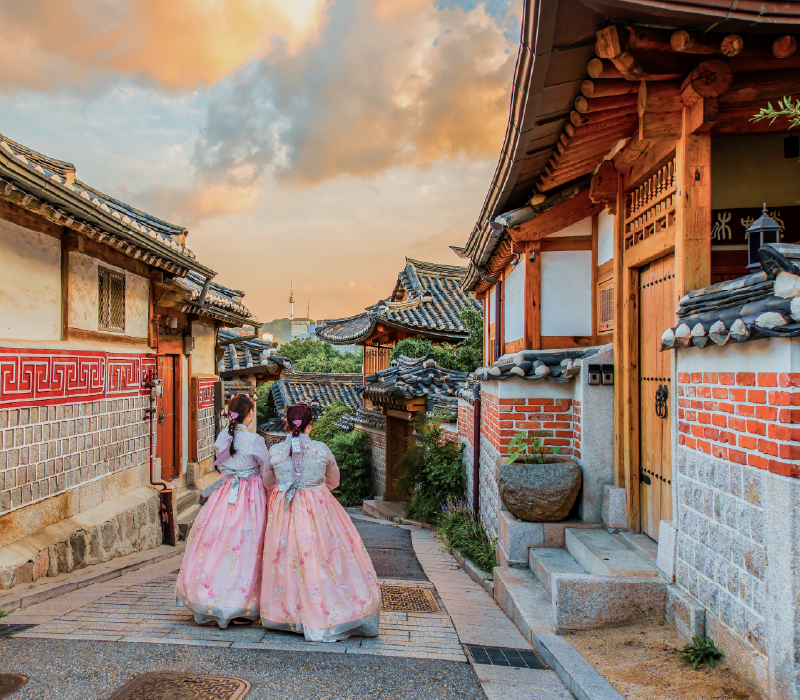
Balance nature with history: uncover Bukchon Hanok Village for its well-preserved hanok houses, then move into Gyeongbokgung Palace with a guided tour that brings royal architecture to life. If you want to visit Seoul with less pressure, start early, pre-book key slots, and build in café time so the day stays calm.
A refined 2–3 day mini-itinerary: day one for Yeouido and a riverside aperitif; day two for Bukchon and a private palace-focused experience; day three for galleries and a quietly luxurious tea ceremony. It’s a beautifully paced way to enjoy cherry blossom season without feeling rushed.
May and June – time to travel to South Korea for Jeju Island and Busan with a coastal rhythm
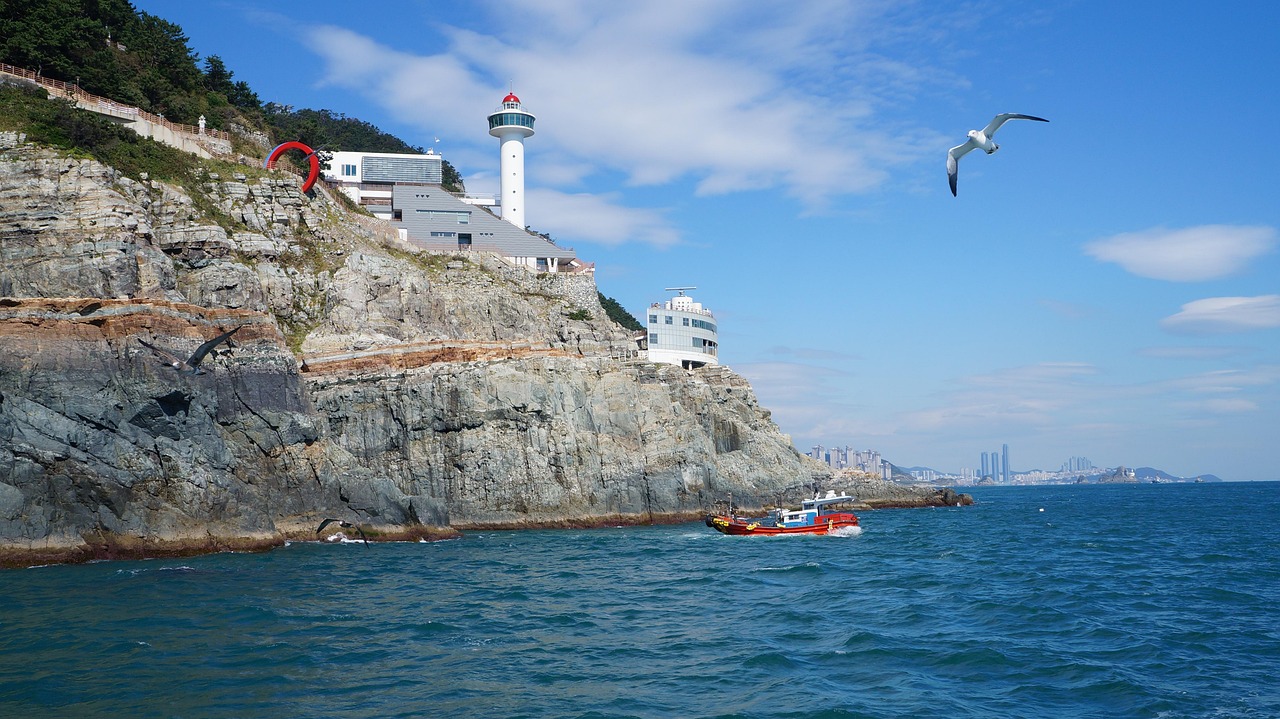
Late spring and early summer: a seamless bridge to island escapes and the southern coast
If you’re looking for a seamless May–June escape, this is a quietly brilliant time to travel—it can still be a good time for pacing, value, and flexibility before the humid time to travel arrives. It’s also an excellent time to travel to the south when you want pleasant weather and mild weather, with temperatures and weather conditions that suit private touring and long lunches without the pressure of peak heat.
Jeju Island is ideal for scenic drives, boutique stays, and slower mornings—perfect when you want to create a more restorative rhythm. Swap city intensity for national parks, volcanic landscapes, and oceanfront cafés where local flavours feel unforced.
- Island loop: design a route with dramatic viewpoints, spa time, and a driver so you can simply look out and breathe.
- Busan: a relaxed southern counterpoint—sea breezes can feel kinder than inland humidity, which helps with comfort and outdoor dining.
As June progresses, plan around the notable increase in rainfall and keep a few indoor alternatives ready. When executed well, the transition to wetter days is smooth rather than disruptive, especially for hotels that support a seamless pivot from outdoor plans to wellness and culture.
July and August travel – best times for festivals, but plan for monsoon rainfall and humidity levels
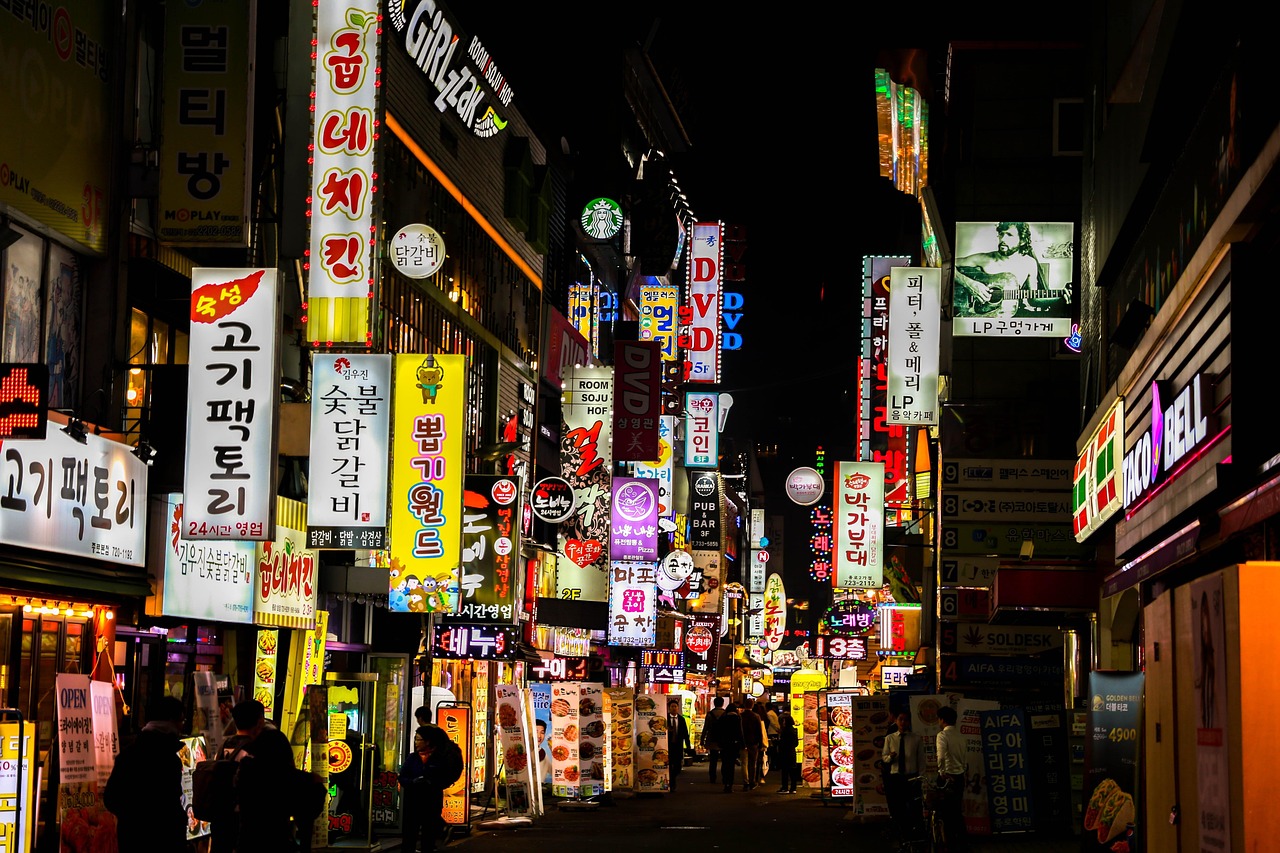
A high-energy season with smart pacing and weather protection
This chapter is for travellers considering mid-summer and wanting a plan that protects comfort. The months between June and August can be intense, with high humidity, shifting humidity, and rainfall that can be heavy and sudden. Yet with care and expert design, the experience becomes glossy rather than difficult.
Think in textures: air-conditioned museums, quiet cocktail bars, and chauffeured transfers that keep you cool between experiences. Temperatures can reach the low 30s during July, so schedule midday rest, spa time, and late dinners when the city softens; this is the best way to manage humidity without sacrificing style.
Peak-season tactics: flexible bookings, indoor anchors, and comfort-first days
- Keep reservations flexible and favour venues with generous cancellation policies.
- Choose hotels with exceptional wellness facilities and shaded pools.
- Anchor each day with one indoor cultural highlight, then explore at night.
Gangnam District style – dining and design-led nightlife in Seoul
Gangnam District is where luxury shopping and gourmet dining feel effortless—upscale malls, polished service, and tasting menus that reward curiosity. A memorable evening in Seoul often looks like this: a calm, precise dining room, modern technique applied to traditional flavours, then a short drive back to a hotel that feels like a sanctuary.
Autumn best time to visit South Korea – September to November for autumn foliage, Nami Island and Jinju
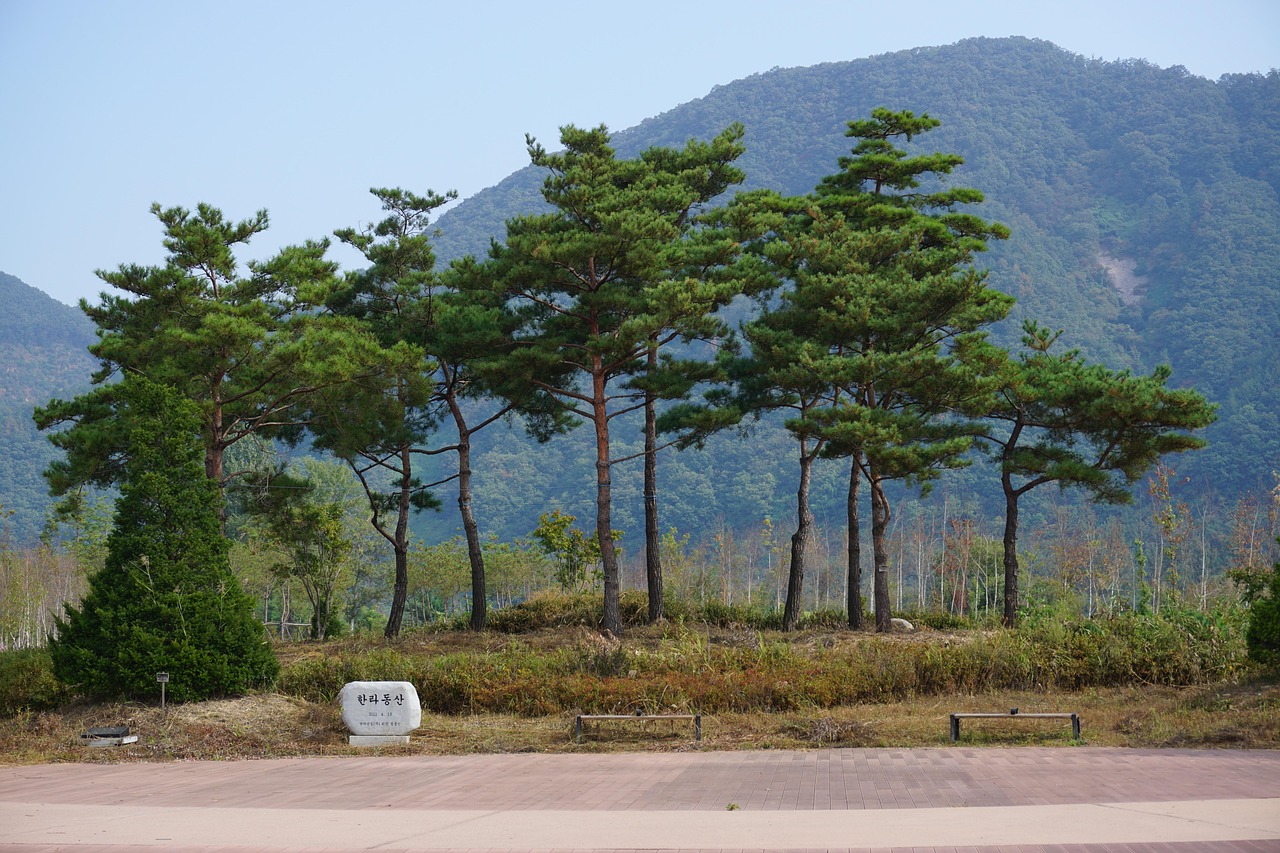
Autumn best time to visit South Korea for colour, comfort, and editorial light
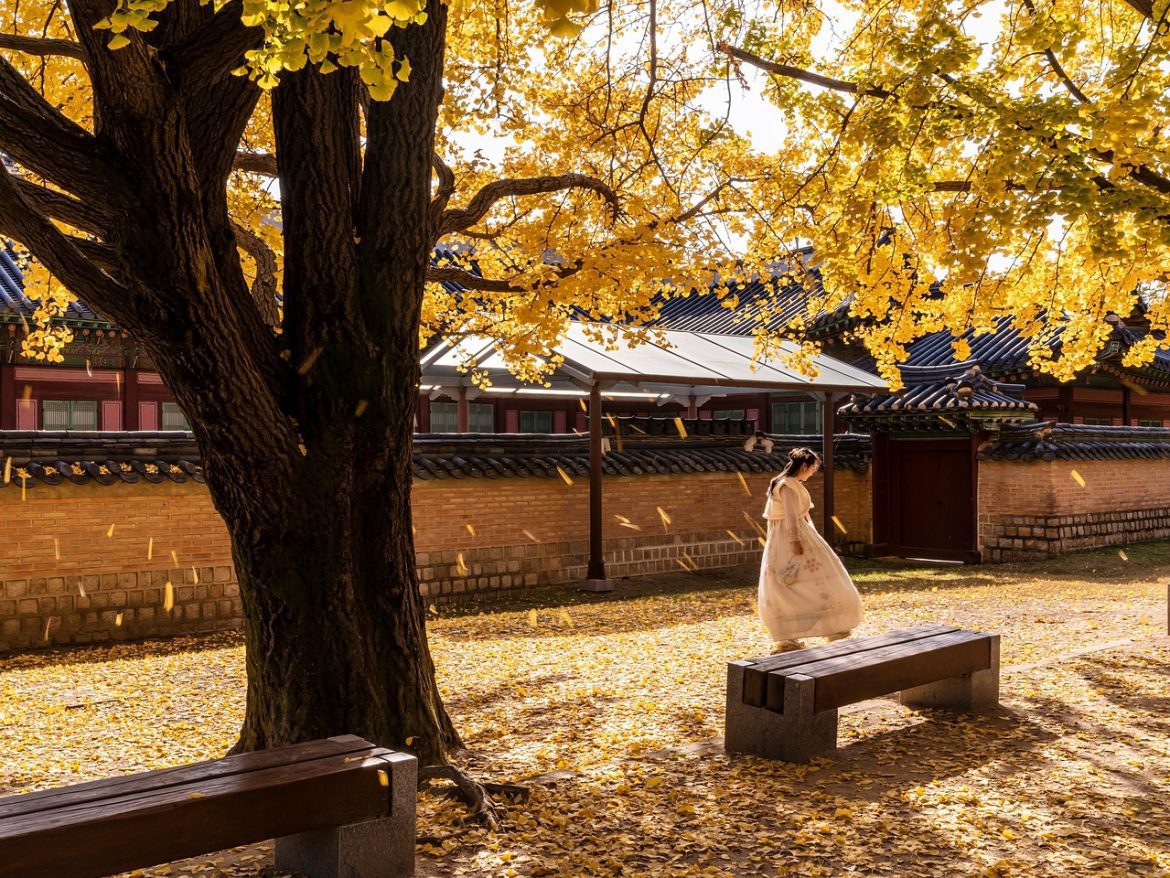
If you’re choosing the best times to visit in autumn, you’re in excellent company. For many, this is the best time of year: the weather is mild, the light has a clean, editorial quality, and walking days feel deeply comfortable. Start early and travel on weekdays for extra space, then give yourself time to enjoy slow lunches and golden-hour strolls—this is a perfect time to enjoy the country at its most refined.
Autumn foliage on Nami Island – a calm, romantic day trip
Autumn foliage on Nami Island is a gentle kind of theatre—fiery red and orange leaves framing unhurried walking routes. It’s an easy day to structure around one great hotel breakfast, a late-morning arrival, and a quiet return before evening dining.
October in Jinju and Seoraksan – lanterns, mountains, and South Korea during October
October in South Korea is also a cultural window. The Lantern Festival in Jinju during October is a unique spectacle—warm light on the river, traditional forms, and an atmosphere that feels both celebratory and intimate. If you’re planning South Korea during October, pair it with Seoraksan in South Korea’s national parks for dramatic trails, crisp air, and a clarifying breeze.
- To avoid pinch points in peak travel weeks, aim for early trail starts and midweek check-ins.
- Choose a private guide who can uncover quieter viewpoints, then return to a hotel that supports recovery and comfort.
Winter travel – South Korea in January for snowfall, ski days, and quiet city culture
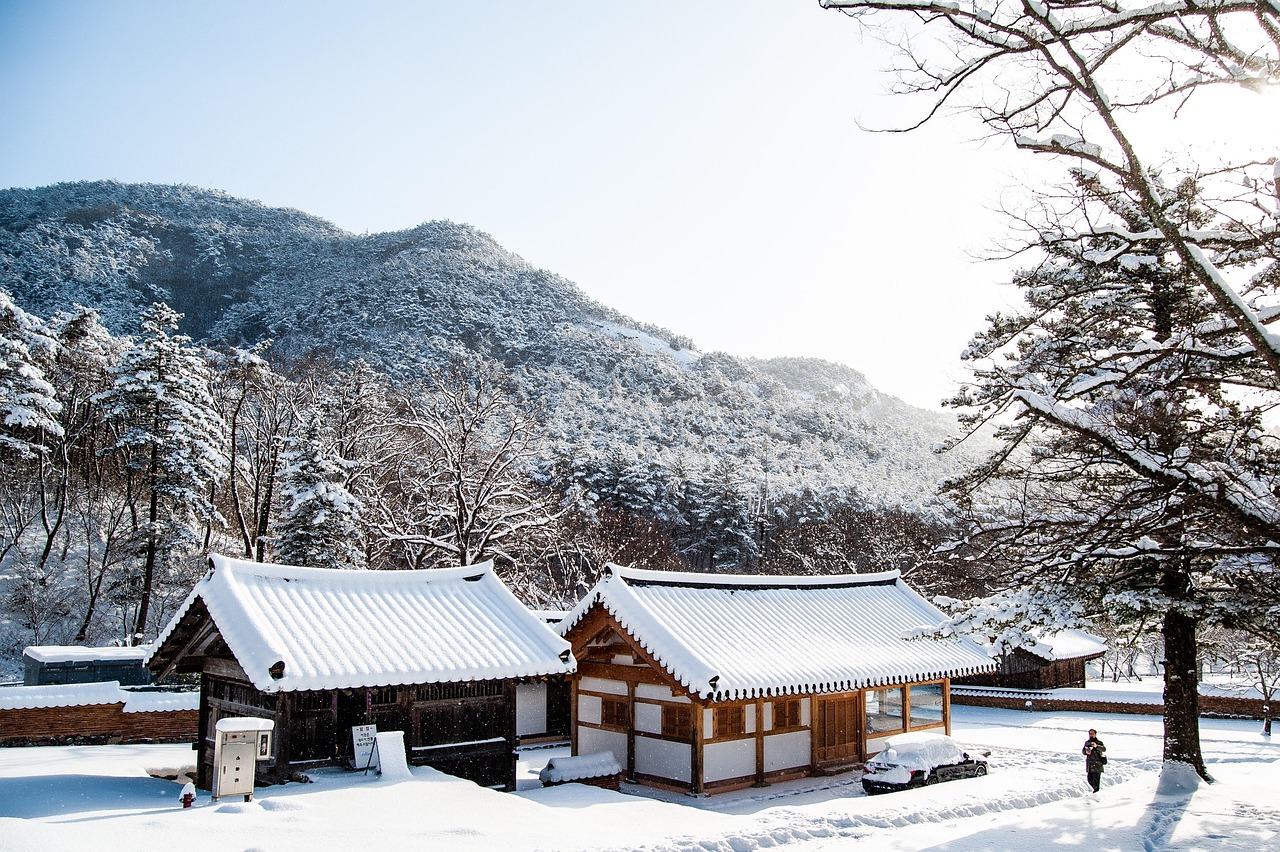
Winter travel: ski culture and calm city elegance
For travellers drawn to stillness, winter travel can feel like an elegant secret. South Korea is usually very dry in winter with low rainfall, but expect chilly days and bright, crisp mornings. City museums and reservations can also feel wonderfully unhurried, which suits design lovers and food-focused travellers.
South Korea in January requires direct planning: it is the coldest month, with temperatures occasionally dipping into the deep sub-zero range in some inland areas. Private transfers and warm layers (think cashmere, down, and proper gloves) bring immediate confidence.
Ski extensions and winter sports hubs around the mountains
With the right base, a few days in the snow becomes part of the romance. Add one or two ski days or winter sports hubs around the mountains as a designed-for-you extension to a city stay—ideal for couples or families who want variety without logistical stress.
Seoul in winter – galleries, tea rooms, and culture without weather pressure
In Seoul, pivot to galleries, tea rooms, and evening performances. An illuminated palace courtyard or traditional music concert can be the perfect way to explore Korean culture while staying warm and comfortable.
Travel tips – travel to South Korea costs, safety, etiquette, T-money and Incheon arrivals
Practical travel tips for a crafted, high-end journey
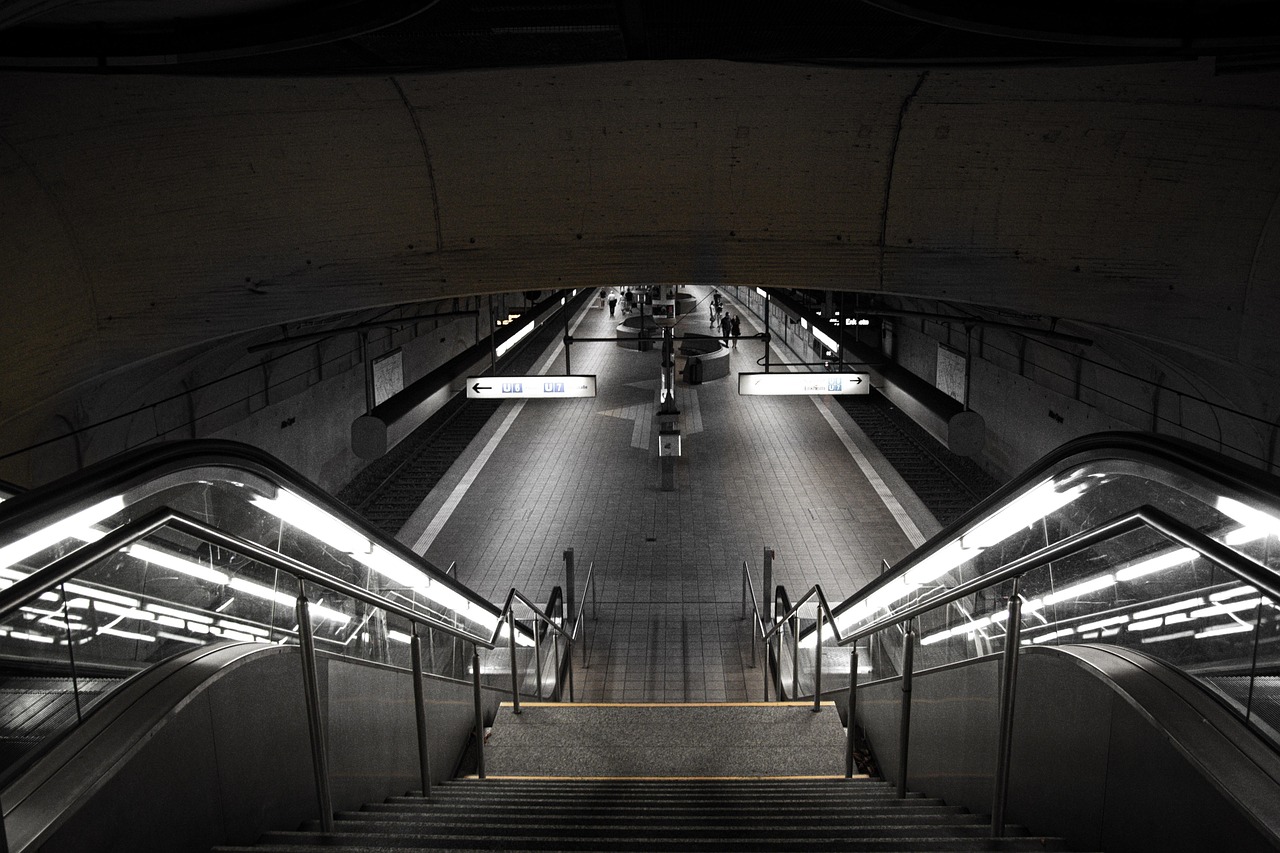
These travel tips are where trust and care matter most—so you can travel to Korea with ease. Most high-end itineraries begin with direct flights to Incheon International Airport, followed by high-speed train and subway links that make intercity travel surprisingly smooth. For a seamless arrival, design lounge access, meet-and-greet, and pre-booked transfers so the first hour feels calm rather than busy.
Costs vary widely. As a broad guide, expect daily costs around $150 to $400 depending on accommodation and style, while luxury choices—suites, private guides, chauffeurs, and fine dining—shift the budget upward. The aim is not to overspend, but to create a personal spending plan that supports comfort and joy during your trip to South Korea.
- Safety: A solo traveller shared how friendly locals and exceptional safety made their first visit deeply reassuring. Still, register with your embassy and keep emergency contacts handy.
- Etiquette: Bow when greeting, remove shoes in homes, and use both hands when giving or receiving. Stay quiet on public transport and show respect to elders.
- Inside tip: Use T-money cards for quick, local-feeling journeys.
To uncover a more authentic rhythm, consider less crowded temples. A serene temple stay near Seoul can be transformative: meditation at dawn, simple meals, and a gentler pace that resets the senses.
Finally, practise responsible luxury: reduce single-use plastic, and support local artisans by choosing handcrafted souvenirs and locally owned experiences. For inspiration as you design, explore our Trip gallery.
F.A.Qs: When is the best time to go to Korea?
Which is the best month to visit South Korea?
April and October are often favourites because they sit inside the seasons of spring and autumn, when conditions are comfortable for touring. April is loved for cherry blossom and palace gardens, while October brings crisp air and colour. Exact conditions vary by region and elevation, so a flexible plan and early starts help you enjoy the best atmosphere.
What is the cheapest time to go to South Korea?
Winter (outside major holidays) and parts of early summer can offer better value, particularly for hotels and flights, though pricing varies by city and event. If you want to keep standards high, focus on travelling midweek, selecting fewer but better experiences, and using rail for efficient city-to-city movement without adding extra nights in transit.
How many days are enough for Korea?
Seven to ten days suits most first-time visitors who want depth without rushing: a few days in Seoul for culture and dining, plus an easy side trip to Busan or Jeju Island, depending on your interests. If you prefer a slower, high-end pace with private guiding, nine to twelve days allows more time to enjoy neighbourhoods, wellness, and day trips into nature.
What is typhoon season in Korea?
Typhoon risk is highest in late summer and early autumn, most commonly affecting southern and coastal areas. Conditions vary year to year, but August and September are the months to watch most closely; watch rainfall forecasts and keep indoor options ready. If you travel to South Korea, book flexible flights and hotels and rely on local updates so your comfort and safety remain your priority.
Final Thought
This time of year, to visit reflection is less about the calendar and more about what lingers. Long after you leave, you may remember the softness of blossom drifting past a palace wall, the clarity of autumn air on a quiet path, and the hush of a temple courtyard where the world felt briefly simplified.
There’s a particular kindness in how the country welcomes you—efficient, respectful, and warm in the small human exchanges that make a place feel safe. With the right timing, your days become gently crafted rather than hurried, and you begin to notice details: the way tea is set down, the way lantern light moves on water, the way a city night can still feel calm.
And perhaps that’s the lasting gift: the sense that you could return in another season, not to repeat the journey, but to experience the south in a different shade of the same story.