Best time to visit Seoul & South Korea at a glance – best times and luxury travel timing
Seoul and South Korea at a glance: best times to visit for light, space, and a luxury pace
The best time to visit for luxury travellers isn’t about chasing one perfect week—it’s about matching Seoul to the feeling you want: mild air, breathing room, and the kind of light that makes the city quietly cinematic. For many travellers, spring and autumn are one of the best times, when weather is mild and the capital is at its most walkable—ideal for courtyard cafés, gallery afternoons, and heritage lanes that reward a slower pace.
To understand the seasons in South Korea, think in terms of sensations and rhythm. Spring arrives with crisp mornings and gentle afternoons; summer in south korea can turn hot and humid; autumn brings clear skies; winter is sharp, clean, and quietly beautiful. Korea’s shifting weather patterns shape how you’ll see seoul—whether you’re planning rooftop dinners, hanok walks in Bukchon, or a calm riverside stroll.
Popular times to visit Seoul and the shoulder season – best weather with fewer crowds
Popular times to visit often align with school holidays, long weekends, and headline festivals in South Korea. That’s when suites book out quickly, and the best tables disappear first, especially in the popular months to visit, like April, May, and October. If you prefer a more personal rhythm, choose the shoulder season around late spring or early autumn, when you can enjoy the best weather without the busiest streets.
- For cherry blossom: aim for late March to early April, depending on the weather and local blossom forecasts.
- For foliage: late October to early November is a refined, photogenic window—especially around hilltop parks and historic districts.
- For culinary city breaks, May, June, September, and October are consistently among the best times for terrace dining and design-led neighbourhood wandering.
- For spa-led stays: winter weekdays can feel hushed, with excellent availability and attentive service.
If you’re deciding when to go to Seoul, Korea, start with what you want to feel—romance, energy, quiet, or pure comfort—then find the best time for your style with a plan built around pacing, dining, and the right address.
Spring in Seoul – cherry blossom, full bloom walks, and elegant heritage mornings
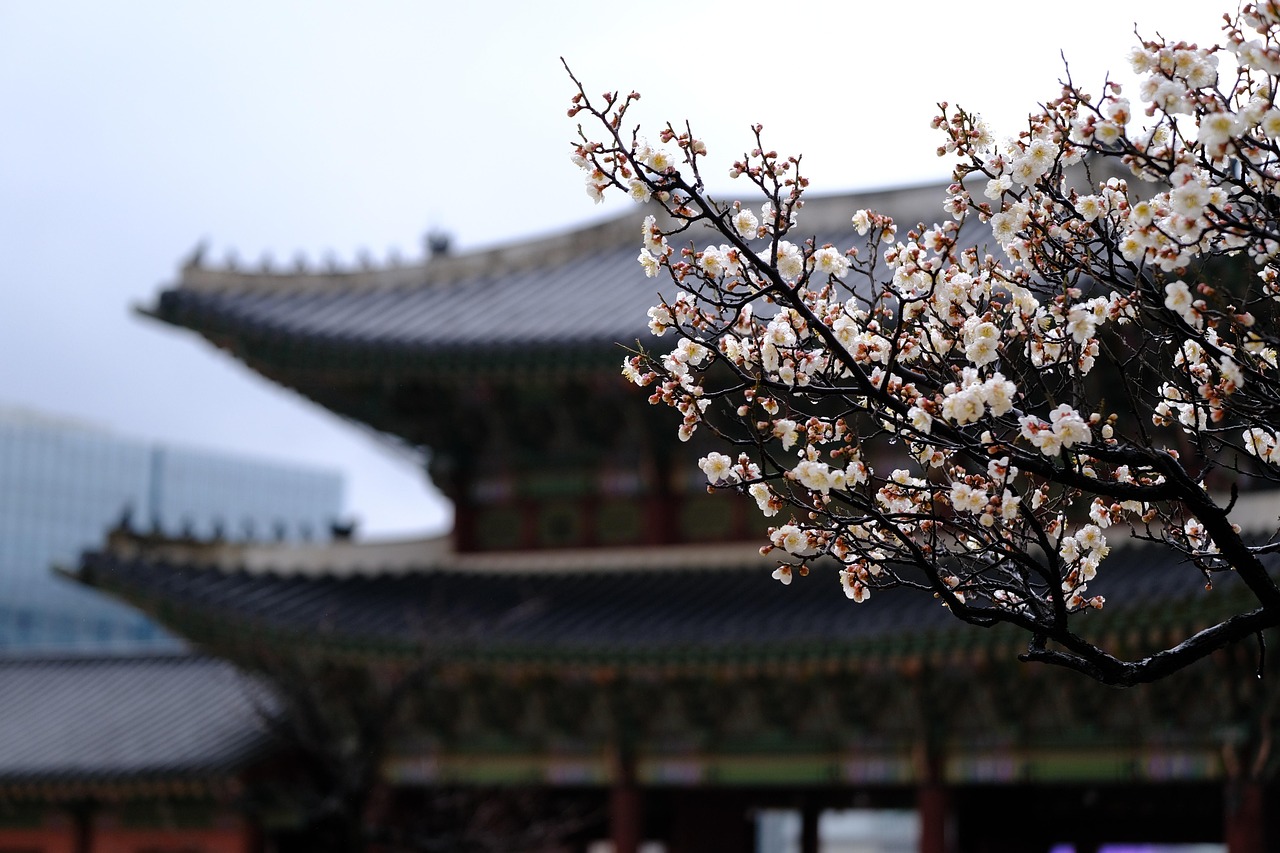
Spring in Seoul: cherry blossom streets, hanok lanes, and calm luxury mornings
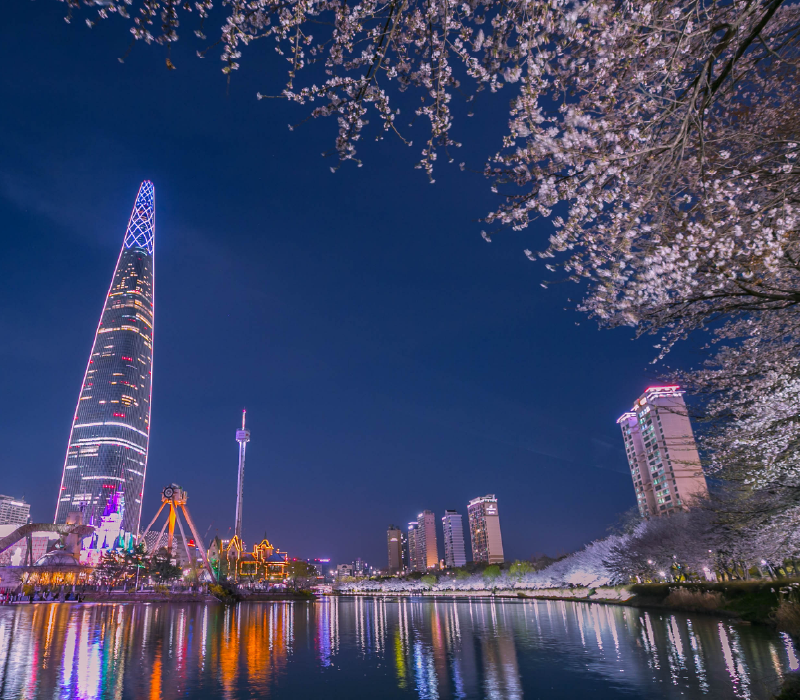
The best time to visit Seoul for spring beauty is when the city feels freshly composed—bright skies, crisp mornings, and petals drifting past traditional rooftops. Seoul is at its most romantic during the spring, with cherry trees lining boulevards and lake paths. South Korea starts to soften after winter in early March, but blossom week is typically late March into early April, with peak full bloom shifting each year.
Yeouido Park cherry blossom festival – a calm viewing strategy for luxury travellers
Yeouido’s cherry blossom festival is a high-low cultural moment: joyful crowds, street snacks, and the city in celebration. A luxury traveller once told us that attending the festival transformed their visit—breathtaking natural beauty paired with lively local celebrations that felt utterly of-the-moment. For a refined experience, imagine a late-morning arrival with a private transfer, a pre-ordered picnic from a beloved local patisserie, and a slow walk that avoids bottlenecks by staying one street back from the main avenue.
Gyeongbokgung Palace – royal elegance and respectful Hanbok photos
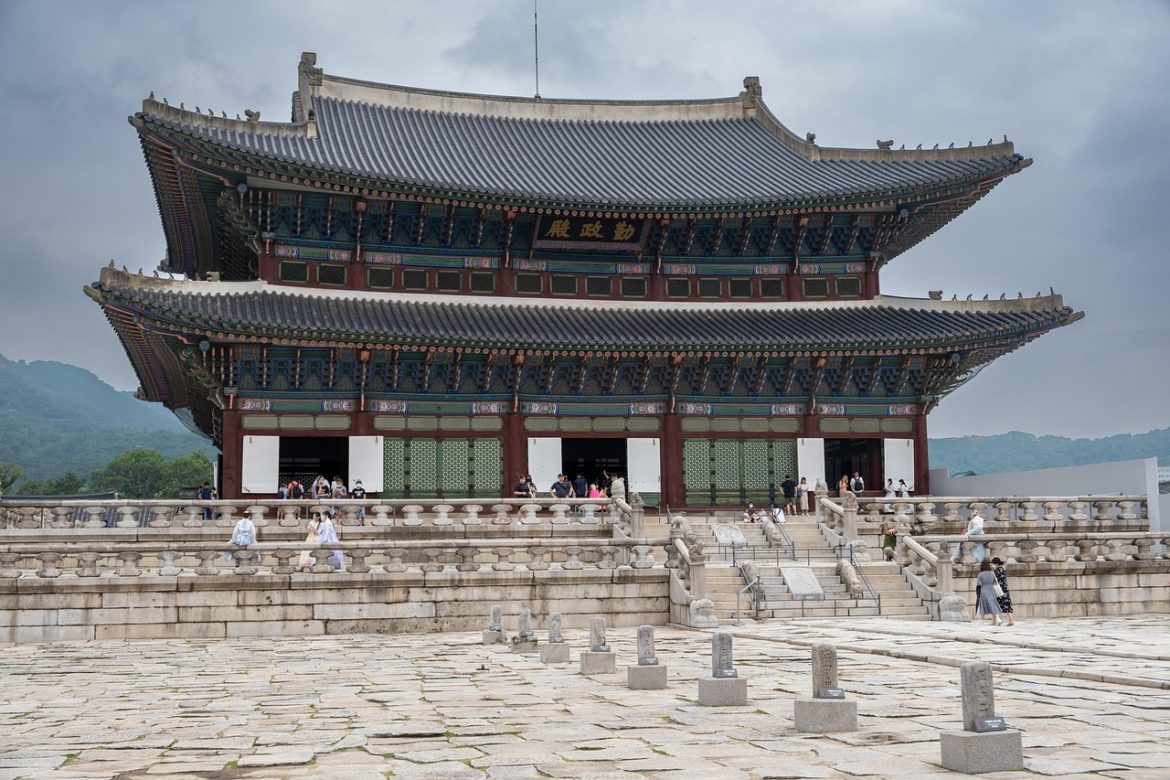
For a poised spring morning, plan Gyeongbokgung for the royal guard changing ceremony. The architecture is striking in clear spring light, and the atmosphere feels ceremonial rather than hurried if you arrive early. A retired couple described their Hanbok rental experience here as unexpectedly serene—wrapped in silk layers, they felt immersed in royal history, moving gently through courtyards with real care for the setting.
Spring evenings invite softer choices: temple lantern displays, early-season terrace dining, and a quiet detour through Seoul Forest when you want greenery without the headline crowds. If you want to visit Korea for beauty and ease, these are the best times that can still feel intimate with the right pacing.
Autumn in Seoul – autumn foliage, Chuseok planning, and Korea in October highlights
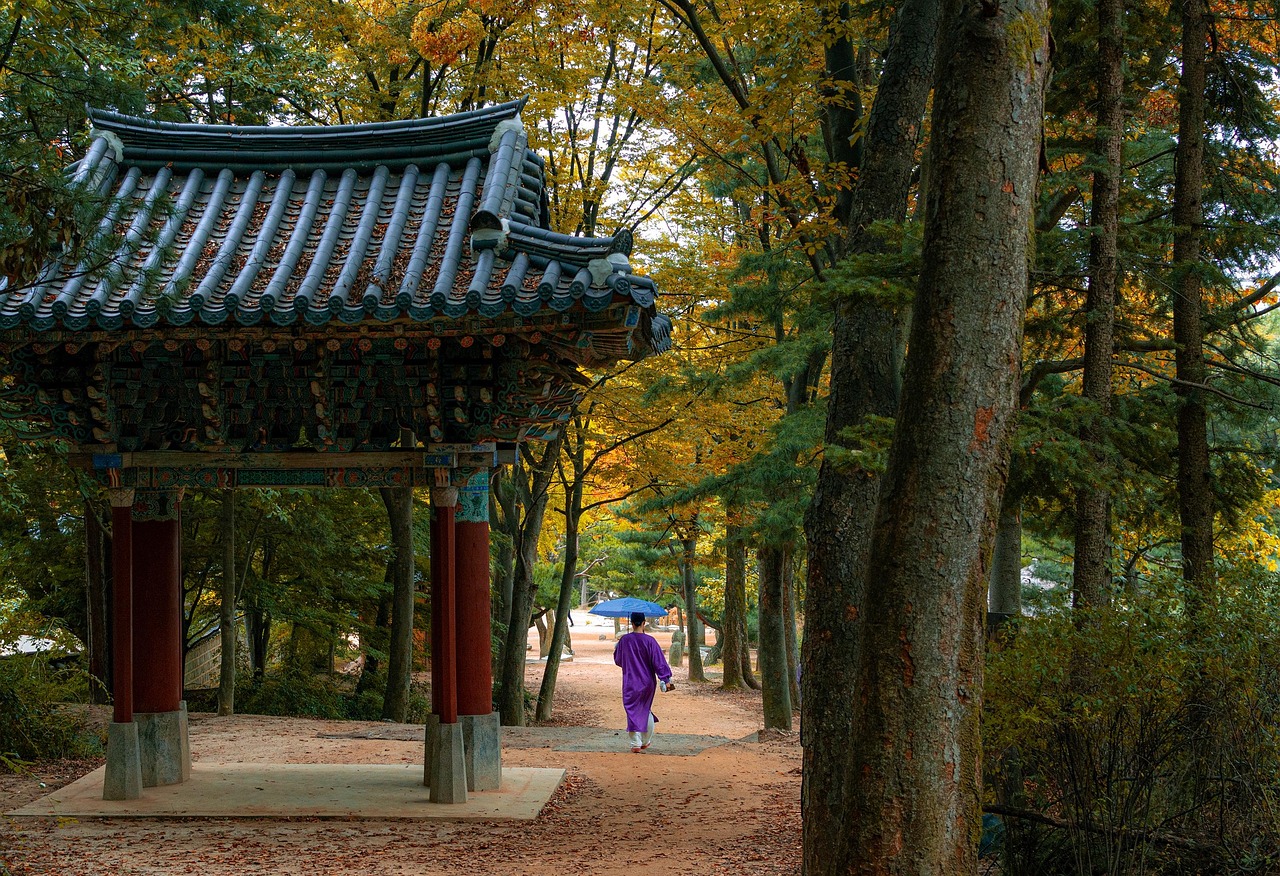
Autumn in Seoul: cultural depth, refined colour, and clear city light
The best times for an elegant city break often arrive in autumn, when the air turns crisp, and the skyline sharpens. Autumn is a peak season for good reason: pleasant weather, lower humidity, and foliage in autumn that photographs beautifully around heritage gates and hanok lanes. If you’re dreaming of a beautiful autumn in Seoul, you’ll often find dry weather and comfortable walking conditions—ideal for long, design-led days.
Best time to see autumn leaves – timing your trip to Korea in October
The best time to see colour typically runs from mid-October to early November, though the exact moment varies year by year. Many travellers find Korea in October a sweet spot, when autumn leaves glow without winter’s bite and autumn foliage feels especially vivid in parks and along mountain edges. For photography, early mornings are quietly spectacular: fewer people, clean light, and the city feeling almost private.
Chuseok planning in South Korea – seamless luxury during holiday travel
Chuseok is one of South Korea’s most important holidays, and it can affect what’s open, especially smaller shops and some restaurants. Domestic travel surges, and premium rooms can vanish quickly in Seoul and beyond. With expert support—pre-booked drivers, confirmed dining, and a concierge who can pivot—you’ll keep your plans smooth even during peak movement.
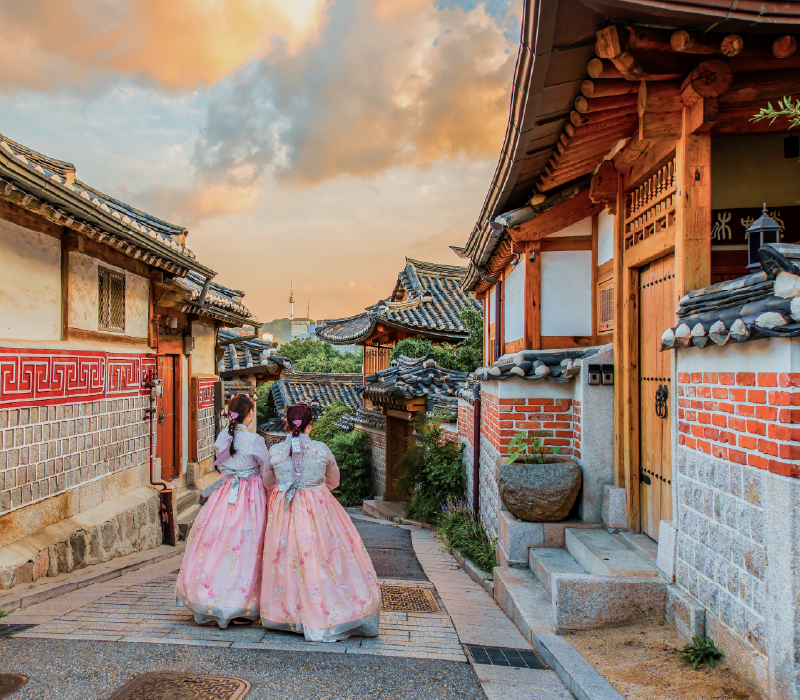
- Start at Bukchon Hanok Village at first light for calm lanes and soft shadows.
- Pause in Insadong with a traditional tea ceremony before midday crowds.
- Finish with a tasting menu that matches the season’s ingredients and your pace.
If you’re in the city in early November, consider the Seoul Lantern Festival, a riverside lantern festival that adds warm glow to evening strolls. This is the kind of day you can design to feel deeply local, without rushing—exactly what high-end travelling in South Korea should feel like.
Summer in South Korea and Seoul – monsoon season, rainfall planning, and cool city escapes

Summer in South Korea: Han River evenings, indoor culture, and smart timing
Summer travel can be rewarding, but it needs a different strategy: South Korea is hot at this time of year, and Seoul can feel intense without the right rhythm. Expect higher humidity, a rainy season that can bring sudden downpours, and a monsoon season that most often centres on late June through July—shaping daily plans and overall rainfall. If you’re deciding what’s best to avoid, try to skip back-to-back outdoor days in late July when storms are most likely.
July and August comfort strategies – the hottest months in South Korea, and how to stay stylish
July and August are the most challenging months for some visitors, and the hottest month in South Korea can fall within this stretch. August in South Korea is particularly warm, so we recommend designing days around comfort: museum mornings, spa afternoons, and rooftop nights that start after sunset. Done well, summer becomes less about endurance and more about curated cool spaces in Seoul.
Outdoor activities that still work – smart timing for Seoul in summer
You can still enjoy outdoor activities—just shift the clock. Think of dawn walks by the Han River, shaded gardens, and evening markets when the air softens. Choose hotels with excellent pools, and let your concierge build a schedule that feels crafted rather than crowded.
And if you want an escape valve, a coastal extension can be restorative. A quick hop south brings sea air, seafood, and a slower tempo—setting up the best time to visit busan we’ll touch on later.
Winter in Seoul – cosy luxury, the cheapest time to visit South Korea, and crisp-city charm
Winter in Seoul: crisp light, warm cafés, and quiet five-star service
Winter can be the best time to visit if your version of luxury is space, quiet service, and the pleasure of a city that feels unhurried. South korea in january can be brisk—january is the coldest month for many regions, and it may be the coldest month of the year. In Seoul, nights can feel particularly chilly, so plan for warm layers and time to linger in the hotel lobby.
Cheapest time to visit South Korea – value, upgrades, and calm-season comfort
Winter can be the cheapest time to visit for travellers who still want high standards: more suite availability, occasional upgrades, and easier access to coveted reservations. Galleries feel hushed, cafés become sanctuaries, and your private guide can move at a natural, unpressured pace. It’s a season that can also be the best for travellers who value attention and privacy in Seoul and other major cities.
Korean New Year and lunar new year – closures, crowds, and booking ahead
The Korean New Year and the Lunar New Year can bring temporary closures and heavy family travel. With thoughtful planning—confirmed transport, pre-arranged dining, and concierge support—you’ll avoid last-minute stress and keep your experience seamless across South Korea.
- Prioritise indoor cultural spaces for daytime comfort.
- Book drivers for the evenings so you never have to wait outside in the cold.
- Choose hotels with spa and sauna facilities for daily restoration.
An expat once shared how they uncovered hidden boutique spas in Gangnam—traditional Korean healing techniques paired with modern luxury and quiet care. In winter, that blend of warmth and expert touch can become the highlight of your year in South Korea.
South Korea by month – best months to visit Seoul, Busan, and Jeju Island (plus times to visit)

South Korea by month: a simple way to match season, style, and itinerary
A South Korea month-by-month view helps you match mood to calendar and narrow down which months to visit. In practice, the most comfortable travel windows often fall in April–June and September–November, while mid-summer tends to be humid and mid-winter tends to be cold. South Korea’s climate means these times to visit reward walkers, photographers, and anyone who wants long café pauses between neighbourhoods, without heat stress.
Months to visit Seoul – choosing the best month for city energy and easy walking
For months to visit Seoul with strong city energy and comfortable walking, look to May, June, late September, and October. If you want one best month suggestion with a high chance of clear skies and colour, October is often the most consistent—particularly for travellers who love design, food, and heritage textures. If you want to lock in mild weather with good availability, late September is another strong contender.
Regional nuance – Busan beaches and Jeju Island drive beyond Seoul
The best time to visit Busan for beaches and seafood tends to be late May through June or September, when the sea is warm but crowds are lighter. Busan also suits a shoulder-season long weekend with coastal hotels and slow market mornings. Jeju Island shines in spring for blooms, and in early autumn for comfortable drives; in winter, the wind can be dramatic, so pack accordingly.
If you’re considering a multi-stop South Korea tour, choose travel dates that allow slow pacing—two or three bases rather than constant packing. Cities like Seoul and Busan reward time on foot, so build in time to explore and a little time to try local specialities between reservations. These months offer the best balance of comfort and style, and they often offer the best value when you book early. For visual inspiration before you decide, browse our Trip gallery and imagine the season that fits you.
Signature Seoul luxury experiences – iconic attractions, Michelin dining, and the best times to slow down
Signature Seoul luxury experiences: culture, cuisine, and a refined city pace
Signature Seoul luxury days are at their finest when you create a schedule that feels iconic yet unforced. Whatever your preferred times to visit, the city rewards travellers who slow down—who choose one extraordinary attraction at a time, then allow space for texture, taste, and quiet discovery. In other words, the best times are the ones that leave room for spontaneity.
Gyeongbokgung, Bukchon and a private art circuit – heritage to contemporary Seoul
Start with Gyeongbokgung early, when the courtyards feel ceremonial. Continue to Bukchon Hanok Village, then shift into contemporary culture with a private, guided art-galleries circuit. One high-end traveller told us this was the moment the city opened up: exclusive exhibitions, personalised insight, and the comfort of being gently led—together, expertise and curiosity in perfect balance.
Hongdae street art, indie boutiques and a K-pop café – modern Seoul with a curated edge
To explore modern Seoul, head to Hongdae for street art and indie boutiques—but keep it elevated. A millennial traveller recalled the excitement of a K-pop themed café here, where pop culture met gourmet coffee and small rotating art displays. It’s playful, local, and surprisingly design-forward when curated well.
In Insadong, a traditional tea ceremony becomes a pause: warmth in the hands, quiet conversation, and a sense of trust in small rituals. Then, dress for dinner—Michelin-starred Korean haute cuisine, thoughtful pairings, and service that feels calm and assured. Close with a Han River evening cruise to admire the skyline; it’s one of those Seoul experiences that lets the city exhale around you.
Seamless planning for travelling in South Korea – transport, budgets, and peak season logistics
Seamless planning: confident logistics for Seoul and wider South Korea
Traveling in South Korea with a luxury perspective is refreshingly straightforward, and that ease is part of the pleasure. Whether your ideal time to visit is during spring blooms or winter calm, Seoul city infrastructure supports a smooth trip—especially when you design key reservations in advance and lean on expert concierge care.
Arrival and transport – how to travel to South Korea and move around Seoul
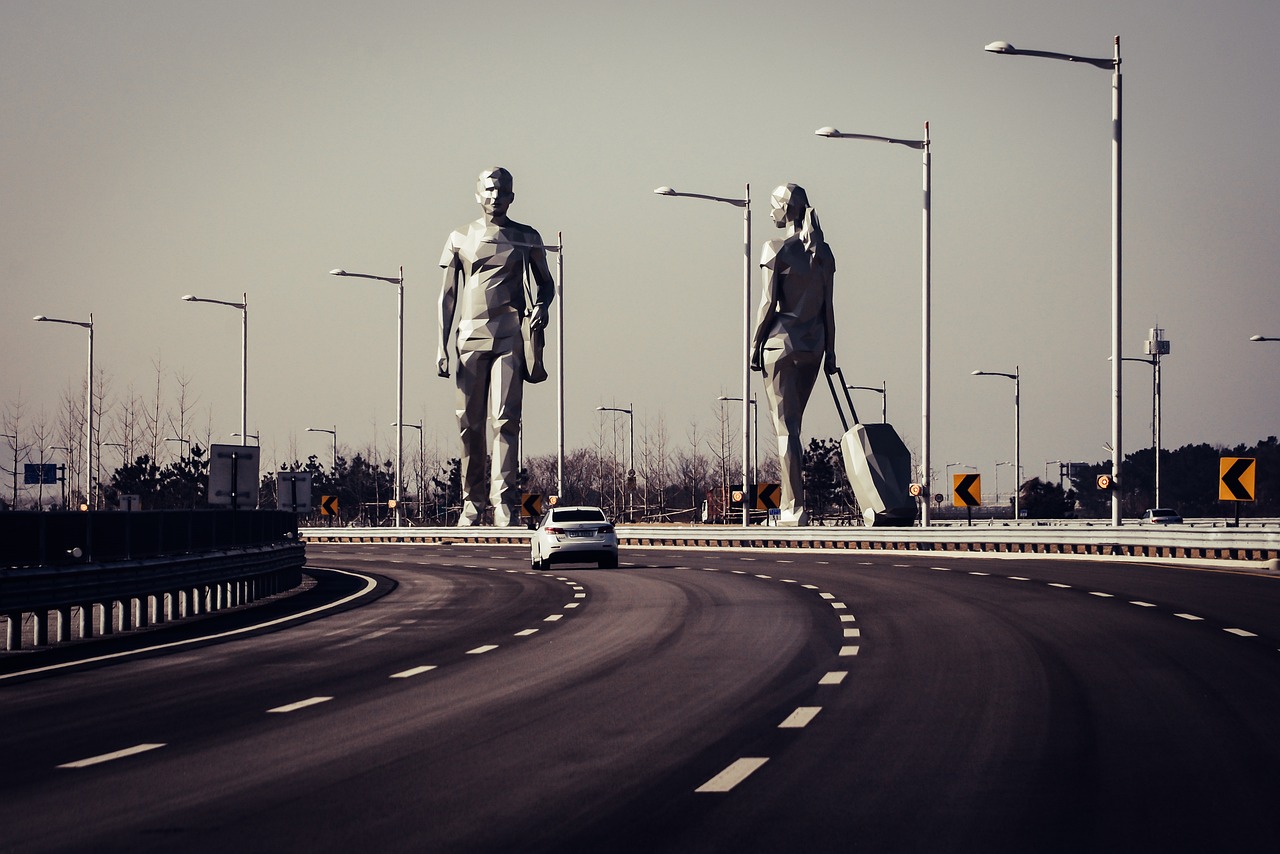
Most international travellers travel to South Korea via Incheon International Airport. The AREX express and limousine buses are efficient and comfortable; a private transfer is worth it if you’re arriving late, travelling with couture luggage, or simply want a calm landing. Once in Seoul, the metro is clean, reliable, and fast—even for luxury travellers who prefer to move discreetly between neighbourhoods.
Money, safety, customs and peak-season bookings – planning for South Korea’s busiest periods
For budgeting, plan roughly 60,000 to 150,000 KRW per person for upscale dining, and 250,000 to 600,000 KRW per night for luxury accommodation, with higher rates in peak season. Seoul is very safe, but keep your belongings secure as a matter of course and avoid poorly lit back streets late at night. South Korea’s dining scene also rewards advance reservations if you want specific chefs, rooms, and seating times.
- Reserve popular restaurants and experiences early, especially around festivals in South Korea.
- Remove shoes when entering homes and some traditional eateries.
- Book chauffeurs for late-night dining to ensure a seamless experience.
A good concierge can support last-minute changes—tables, timings, even a gentle re-route if rain arrives—so you move through South Korea with confidence, comfort, and trust.
F.A.Qs: When is the best time to go to Seoul, Korea
What is the best month to visit Seoul, Korea?
For many high-end travellers, October is often the best month: comfortable walking conditions, clear light, and rich colour across the city. If you prefer spring romance, late March to early April can be wonderful for cherry blossom, but dates vary each year. Choose based on whether you value foliage, blossoms, or the calm of shoulder-season weekdays in Seoul.
What is the cheapest month to go to Korea?
January is frequently one of the cheapest times to visit South Korea, particularly for luxury hotels, where you may find better value and more upgrade availability. It is also the coldest period in many regions, so comfort planning matters: warm layers, private transfers, and a hotel with excellent spa facilities can make winter feel effortless rather than harsh.
How many days is enough for Seoul?
Four to five days is enough for Seoul at a luxurious pace, allowing time for a grand royal complex, Bukchon, Insadong tea culture, and one or two contemporary neighbourhoods like Hongdae without rushing. If you want a private art focus, Michelin dining, and spa time, consider six to seven days so the city feels personal, not like a checklist.
What is the rainiest month in Seoul?
July is typically the rainiest month in Seoul due to the summer monsoon. Rain often arrives in heavy bursts rather than constant drizzle, so it helps to plan flexible days with indoor options such as museums, galleries, and spa appointments. A concierge or private guide can quickly adjust timings, keeping your experience smooth even when the forecast shifts across South Korea.
After Seoul, what stays with you, and the best time to visit South Korea for your travel style
Reflections on the best time to visit are always personal, because the right season often feels like it was designed for you. Seoul changes shape across every season: spring light that looks like watercolour; autumn air that sharpens stone; winter quiet that turns cafés into refuges; summer nights that shimmer after rain. Your time to visit South Korea may be different from someone else’s, and that difference is worth honouring—especially if you’re extending beyond the capital for the best time to visit South Korea’s coastal landscapes and island calm.
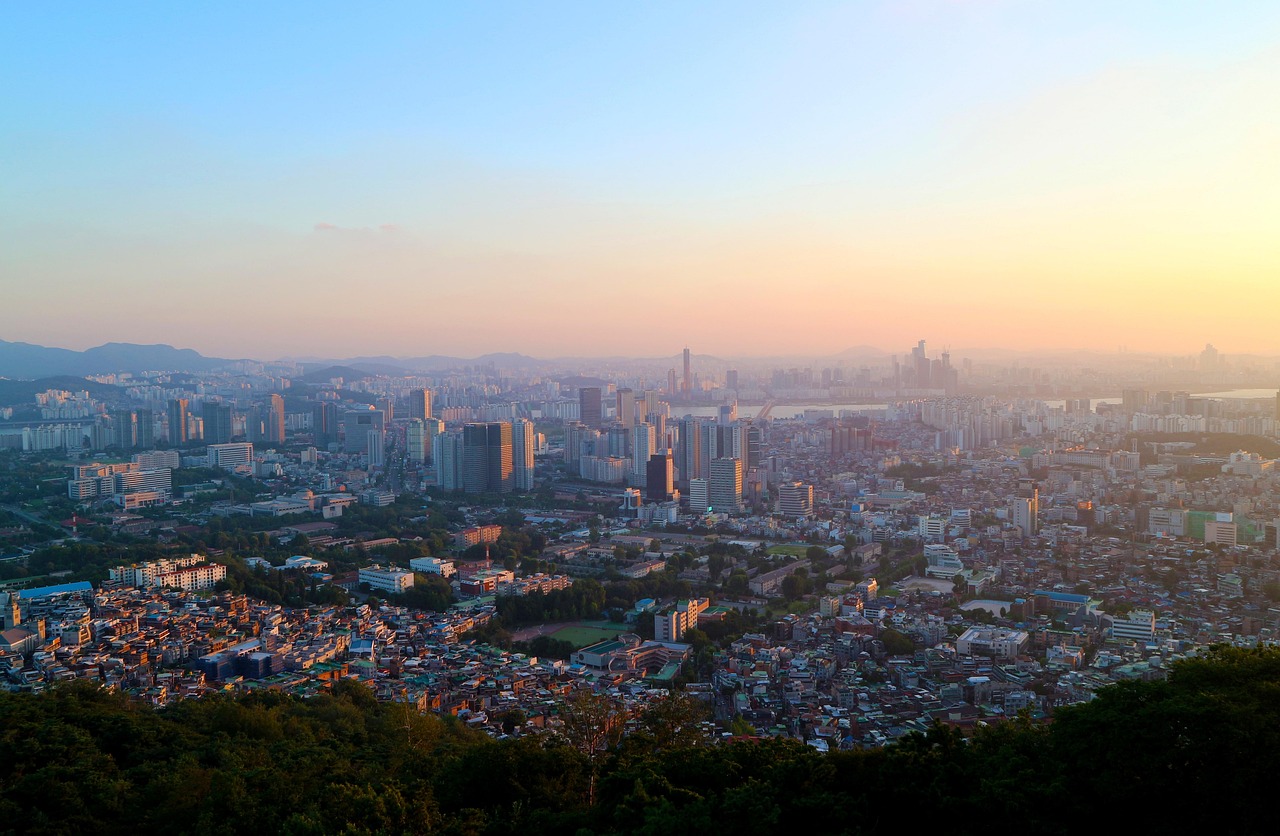
What lingers rarely announces itself. It’s the feel of worn stone underfoot, warmed by afternoon sun. It’s the soft heat of tea in Insadong, held between your hands while the street noise fades. It’s city lights on the river, the skyline looking almost weightless, and you realising you’ve been given space—to notice, to breathe, to be present.
Luxury, in the end, is time, attention, and a sense of being looked after with genuine care. When you return home, you may not remember every address, but you’ll remember how naturally Seoul held contrast: heritage beside invention, energy beside calm. And perhaps, one day, you’ll imagine coming back in a different month—simply to see what another season might reveal, at your own pace.