Post Contents
- Arriving in Marseille: Designing a Luxury Day in Marseille – Travel Guide Itinerary
- Vieux-Port (Old Port): A Classic Thing to Do in Marseille for Waterfront Rituals
- Notre Dame de la Garde: Basilica on the Hill for Panoramic Views
- Le Panier and Cours Julien: Street Art, Boutiques, and Local Life
- The Calanques by Private Boat via Cassis: Calanques National Park Escape
- Provence Dining & Culture in Marseille: MuCEM, Fort Saint-Jean, and Château d’If
- F.A.Qs
- What Stayed With Me After Marseille – Luxury Reflections
Arriving in Marseille: Designing a Luxury Day in Marseille – Travel Guide Itinerary
Arriving in Marseille and Designing a Day in Marseille
A day in Marseille starts best with a simple mindset: design a rhythm, not a checklist. In Marseille, France, luxury is often quiet—time for a lingering cafe pause, a small detour into a gallery, or a moment to watch the harbour change as the city wakes. This is the second-largest city in the country, yet the most memorable moments often happen between the headline sights.
If you’re planning what to do in Marseille France with confidence, think in three layers: one morning anchor by the sea, one cultural highlight around midday, and one indulgence later (a private experience, a museum, or a table you’ve booked with care). This approach keeps your itinerary feeling curated rather than rushed—ideal for anyone who wants a beautifully paced Marseille travel day.
Visiting Marseille: airport arrivals, Saint Charles train station, and easy transfers
Most high-end travellers arrive via Marseille Provence Airport, where a private chauffeur is the most seamless way to begin—no navigating, no dragging luggage across uneven pavements, just a calm glide into the centre. If you prefer public transport, the airport bus and shuttle options are reliable for daytime arrivals. Coming by rail, Saint Charles train station is your other key gateway, with taxis outside and quick connections to central neighbourhoods.
When does a car make sense? For hilltop viewpoints, evening dining outside the core, or an early start, you want to keep it effortless. When is it unnecessary? In the central pocket around the old port, where many highlights are comfortably pedestrian, you can move at an intimate pace.
Hotels in Marseille: where to stay around Vieux-Port, Avenue du Prado, and Castellane
Your base shapes your story, and choosing the right hotels in Marseille can make the day feel naturally elegant. For classic port energy, stay around the Vieux Port or next to the Vieux Port, where you can watch yachts return and local boats head out. For a more residential polish, Avenue du Prado offers wider boulevards and refined addresses. And if you prefer a quieter pocket with easy connections, Castellane can feel like a gentle exhale—still central, just less performative.
Getting around is straightforward once you know the city’s grain: walk the core, then use buses and trams when it’s practical. If you’d like an effortless overview on day one, the tourist train can be a light orientation for first impressions—then return later on foot where your curiosity pulls you.
- Travel tips: The time to visit is May to September for long light, open terraces, and lively cultural calendars.
- Support: A private guide adds insight and local context without taking away spontaneity.
- Reassurance: Main areas are generally safe; stay alert in quieter streets after dark and keep valuables close.
However you arrive, the goal is the same: start with trust. When logistics feel handled by an expert hand, you have the freedom to discover Marseille with warmth, curiosity, and care—together.
Vieux-Port (Old Port): A Classic Thing to Do in Marseille for Waterfront Rituals
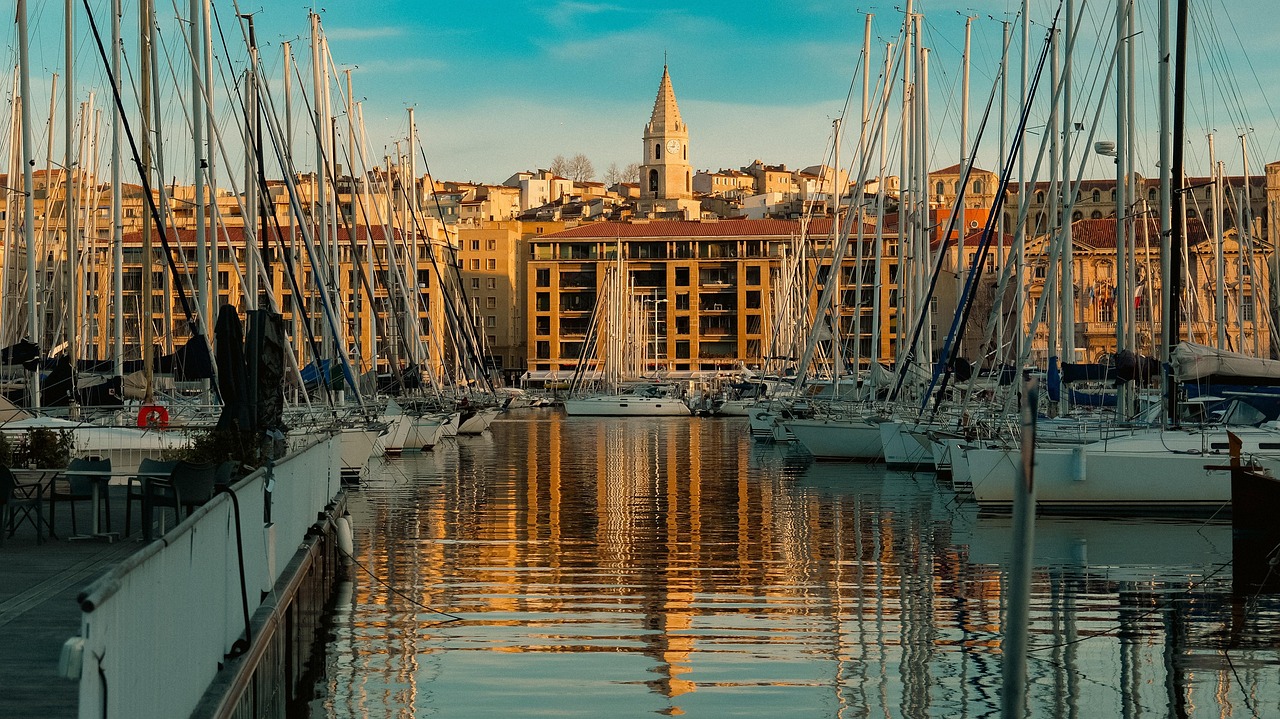
Vieux-Port and Old Port Waterfront Rituals in Marseille
If you’re choosing just one thing to do in Marseille, begin your morning around the Vieux Port and let the city introduce itself slowly. The scene is wonderfully layered: yachts at one edge, local fishermen at another, and cafes and restaurants stitched along the water as the Mediterranean Sea catches the first clean light. It’s a relaxed place to stroll, and the quays are at their best before the day accelerates.
One of the best things about this city is how naturally it invites a ritual. Start by the Old Port: watch the boats, browse the fish market for the day’s catch, then settle in for coffee and people-watching. If you want a quick local detour before lunch, pop over to Marché des Capucins for produce, spices, and everyday Marseille energy.
Morning rituals around the Vieux Port harbour
For a crafted feel, choose a table with a clear line of sight across the harbour—ideally where you can see both the working quays and the arriving cruise ships. Order something local and clean: oysters or grilled fish if you’re ready for seafood early, or a Provençal tartine with olive oil and tomatoes if you prefer something lighter. The goal isn’t to tick off flavours; it’s to settle into the cadence of the south of France.
This is also where Marseille is home to its most visible contrasts: old and new, work and leisure, tradition and design. It can feel bold, even theatrical, but it’s rarely superficial.
Uncover a short waterfront corridor for boutiques and galleries
From the quays, wander a short corridor inland for a quieter kind of discovery—small boutiques, galleries, and detail-rich streets where you can pick up a perfume, linen, or a locally made object that feels personal. It’s easy to do without over-planning, and it keeps the morning expansive.
If you’re visiting Marseille as a first-timer, resist the urge to compress the port into a quick photo stop. Give it time, and it will give you its mood in return.
Notre Dame de la Garde: Basilica on the Hill for Panoramic Views
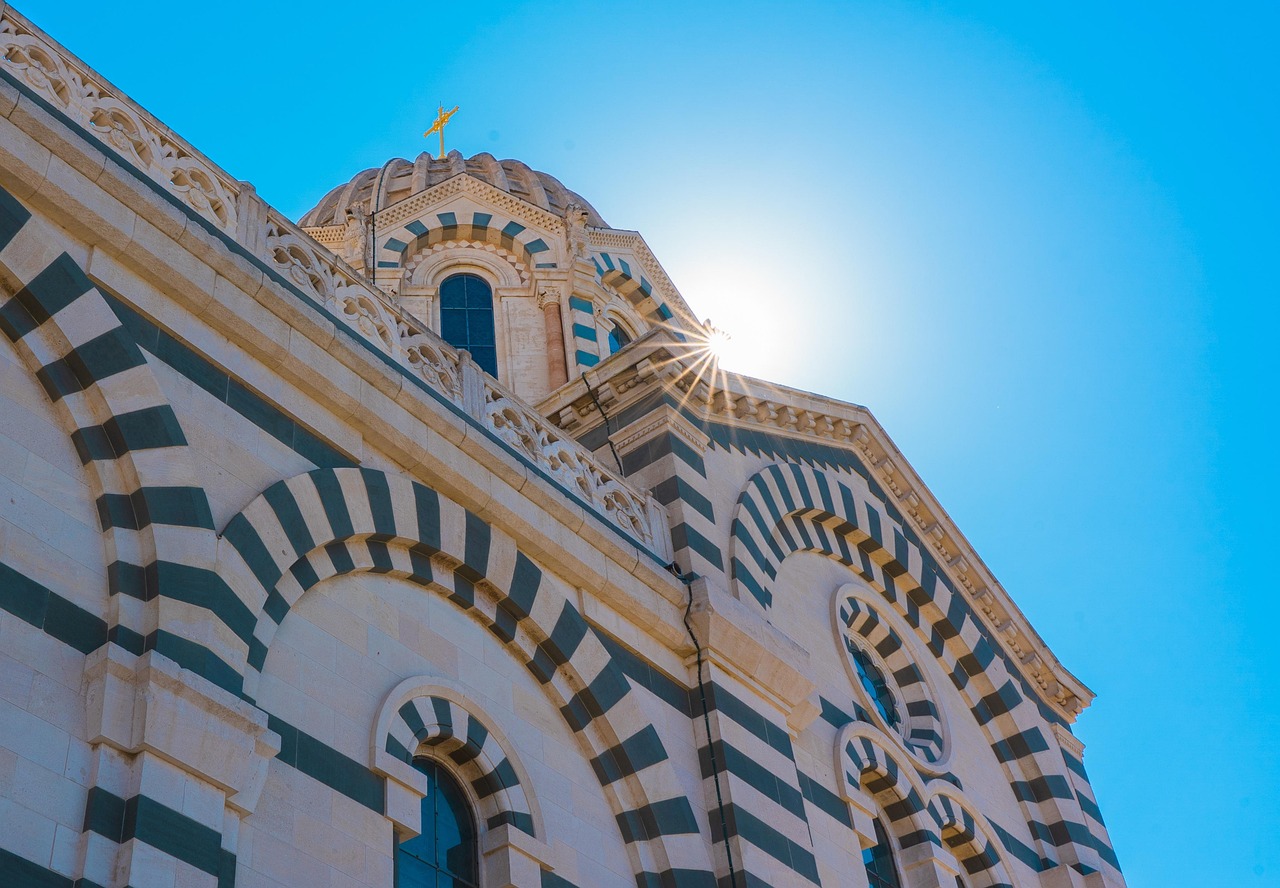
Notre-Dame de la Garde and Panoramic Views Over Marseille
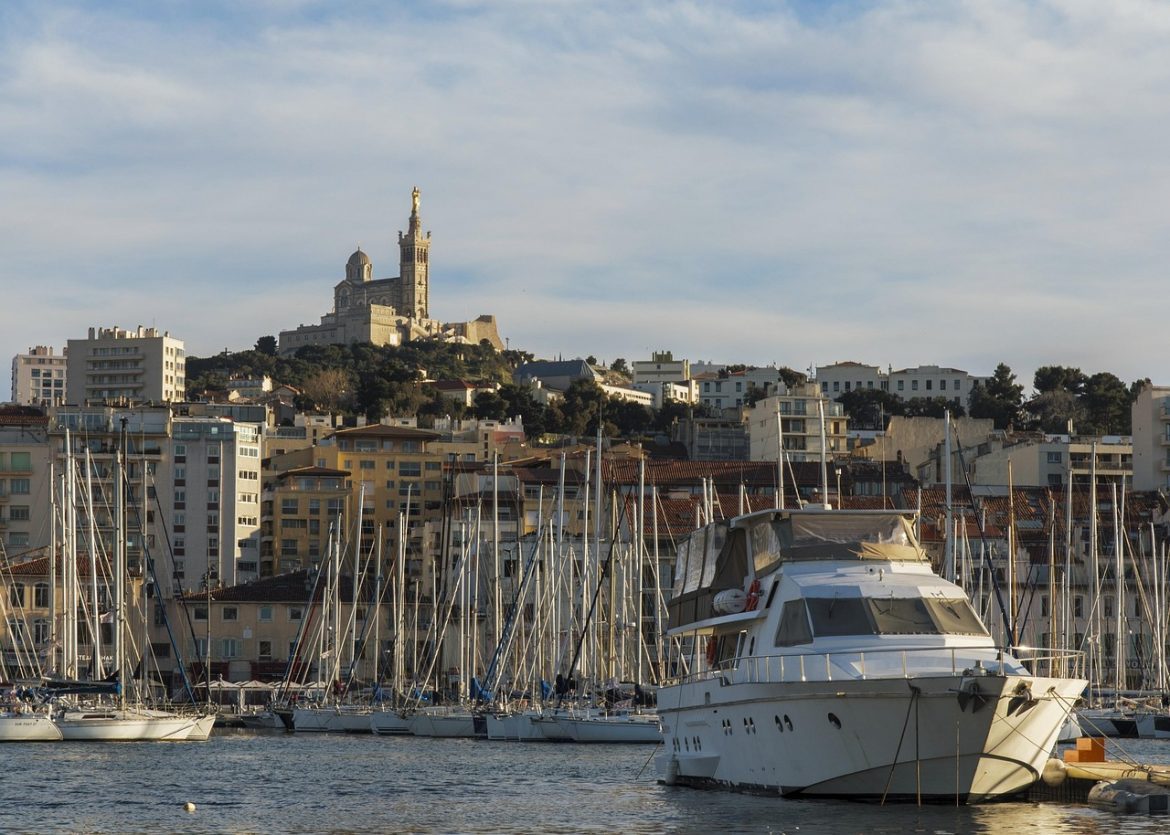
Notre-Dame de la Garde is the moment the city stops being a backdrop and becomes something you feel. Locals call her La Bonne Mère—an emotional compass above a large city—watching over the coastline and rooftops with a protective presence. Come for the panoramic sweep, yes, but also for the perspective it brings to the day.
A seasoned traveller once told me they woke before dawn and drove up in near-silence, just to watch the sunrise from Notre-Dame de la Garde. As the light softened the edges of the streets below and the sea turned from slate to gold, the moment felt almost spiritual—less like sightseeing, more like arriving in themselves. It’s rare for a viewpoint to feel that personal, but this one often does.
Best time to go, how to get there by taxi or bus, and how to avoid crowds
For a premium experience, aim for early morning or late afternoon—softer light, fewer people, and a calmer energy. A taxi or private car is the simplest choice, especially if you’re dressed for the day and want to avoid the heat. You can also take a bus, but at peak times it can feel crowded and less seamless.
Try to avoid the middle window (roughly late morning to mid-afternoon) when group tours are at their peak. If you’re working with an expert guide, they can time your visit around the city’s flow and share the small stories that make this place feel alive.
Inside the basilica: maritime votives and a hilltop fortress mood
Step inside the basilica and look for the maritime votives—models of ships and offerings left with hope and gratitude. It’s a tender detail that anchors the church to the city’s seafaring identity, with de la Garde watching over those who leave and return. Outside, the hilltop can feel like a gentle fortress, protective rather than imposing.
When you’re ready to descend, keep it easy: a pre-booked driver or a straightforward taxi brings you back to the centre without stress, and you’ll carry those views of the city with you long after you’re back at street level.
- Good to know: Comfortable shoes help—some viewing spots involve uneven surfaces.
- Best light: Sunrise for stillness, late afternoon for warmth.
- Small etiquette: A simple bonjour and merci go a long way in Marseille.
Le Panier and Cours Julien: Street Art, Boutiques, and Local Life
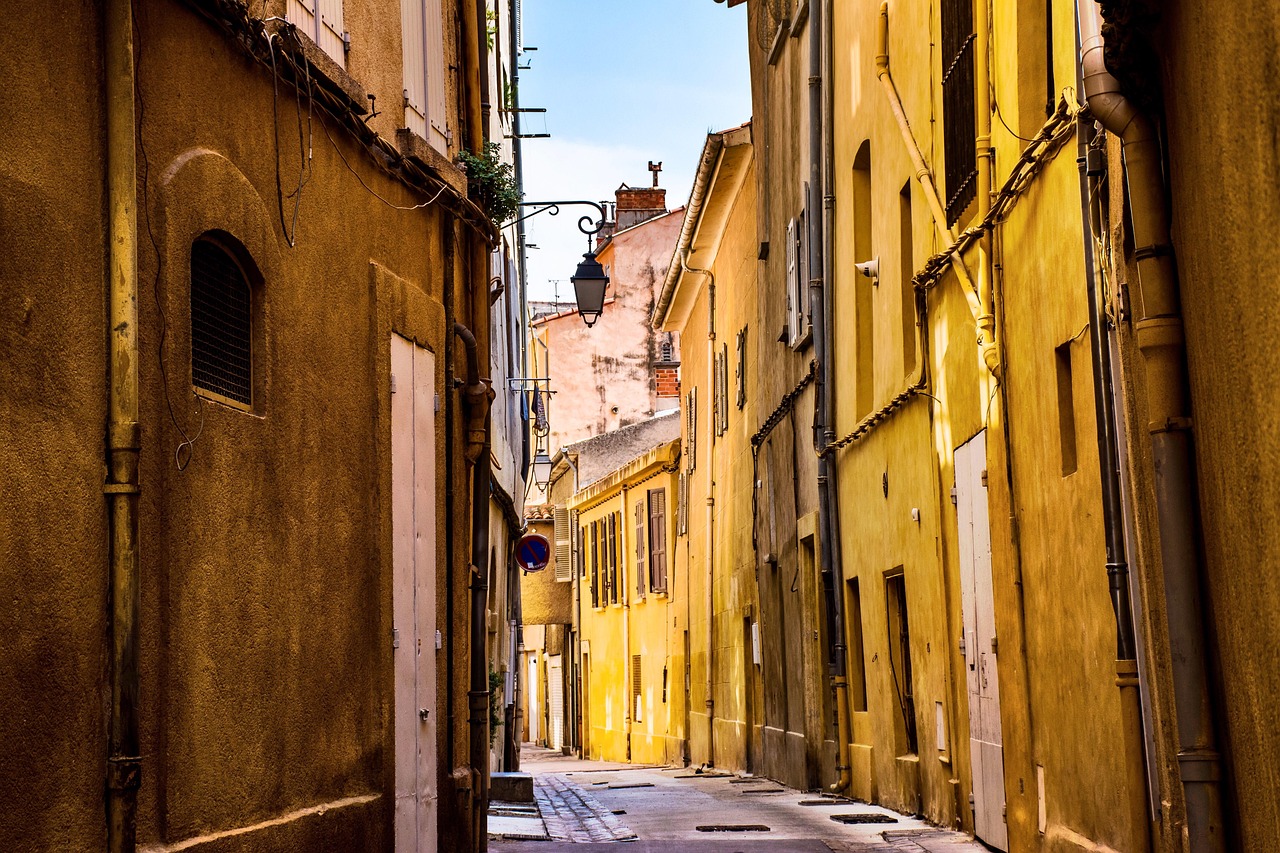
Le Panier and Cours Julien for Local Art and Street Life in Marseille
For a thing to do in Marseille that street-level explorers will genuinely remember, spend an afternoon between history and creative edge. Le Panier sits in the oldest city in France, and Marseille is often called France’s oldest city—in that sense, it’s also unmistakably France’s oldest in attitude and texture. The narrow lanes, pastel façades, and small workshops feel intimate and lived-in, and it’s worth a visit not because it is perfect, but because it feels honest.
A cultural enthusiast once described wandering these lanes and meeting artisans shaping traditional pottery in a tiny studio. They spoke about clay, glazes, and family knowledge with such pride that the purchase became secondary; the real souvenir was the connection. If you want a concise layer of context afterwards, the Marseille History Museum (Musée d’Histoire de Marseille) is a smart stop near the port.
Le Panier and La Vieille Charité: a calm cultural pause
Built in a quiet spot at la vieille charité, with its serene Charité courtyard that feels a world away from busier streets. It’s the sort of place where you can sit for ten minutes and reset—especially after a bright morning by the sea. Nearby, you’ll also find thoughtful cultural references to the Cosquer story, a compelling modern lens on the region’s deep past.
If you’d like more context without turning the afternoon into a lecture, a private guide can help you uncover the stories behind doorways and small symbols—without taking away the pleasure of simply getting lost.
Cours Julien: Marseille for street art and café culture
Then shift mood: Cours Julien is Marseille’s street art, colour, and café culture hub. Look for murals that change with the seasons, concept boutiques with confident styling, and a relaxed cafe moment that feels unhurried. It’s a lively pocket—more talk, more texture, more spontaneity.
As always in a busy city, keep valuables close in crowded corners, especially when you’re photographing street art or browsing a boutique. With simple care, you can relax and fully enjoy the atmosphere.
The Calanques by Private Boat via Cassis: Calanques National Park Escape
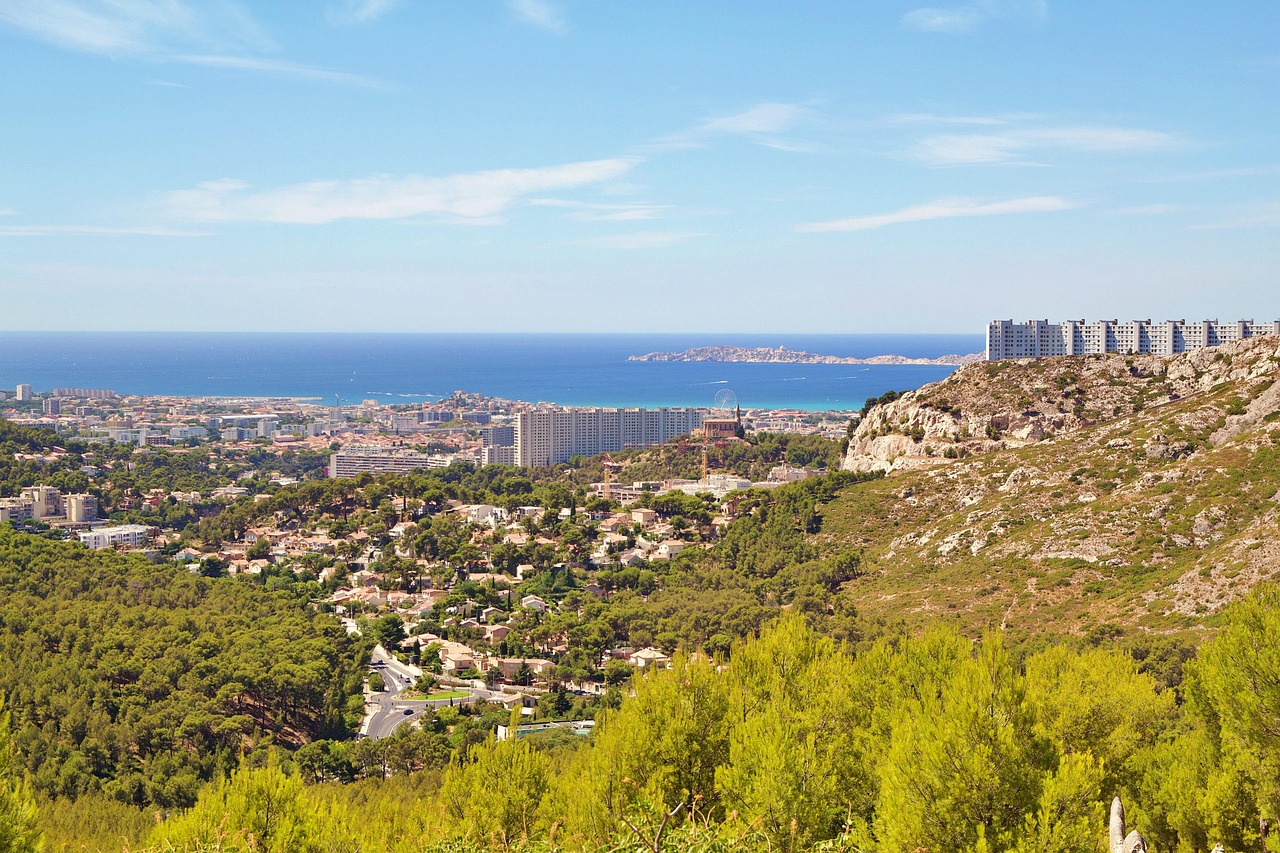
The Calanques by Private Boat via Cassis from Marseille
A private day in the Calanques National Park is, for many high-end travellers, the defining indulgence—a way to visit the Calanques in comfort, away from the heaviest crowds, with a skipper who reads wind, light, and sea. It’s the point where the Mediterranean coast feels almost cinematic, and even the most seasoned Marseille tourist understands why this coastline is so loved.
You can depart from the city or from Cassis, a small fishing village gateway that brings a different kind of charm. Cassis itself is a fishing village with postcard prettiness—an easy place for a pre-departure coffee before you step aboard. Your skipper will help design the route based on sea conditions, selecting each calanques stop for comfort and clarity.
Route design: choose each calanque, inlet, and swim stop with a skipper
A yachting aficionado once told me about cruising into a hidden inlet that was only accessible by boat. The water was so clear they could see the rock shelf beneath the surface; the air smelled of warm stone and salt. For an hour, there was no soundtrack but water against the hull—an intimate, exclusive adventure that felt far from the city’s busiest rhythms.
This is where a private boat feels like more than luxury. It’s trust in someone who knows the coastline, and the freedom to linger where it’s beautiful rather than where the timetable insists.
Travel tips and what to pack for a seamless private boat day
Late spring through early autumn is the best season, when the sea is inviting and the days are long. Aim for a late morning departure if you want relaxed swimming, or start earlier for calmer waters and softer light. If you’re sensitive to the sun, plan shade—these bright cliffs reflect light back onto the deck.
- Pack: Swimwear, a light cover-up, reef-safe sunscreen, sunglasses, a hat, and a dry bag for your phone.
- Bring: Water, a light layer for wind, and comfortable deck shoes.
- Timing: Consider a golden-hour return for a French riviera glow along the coast.
Optional add-ons make the day feel beautifully crafted: chilled rosé from Provence, a simple onboard lunch, and a pause to float beneath the cliffs before you head back. If your broader journey continues along the côte d’azur or towards Toulon, this day becomes a natural bridge between the city and the wider Riviera rhythm.
Provence Dining & Culture in Marseille: MuCEM, Fort Saint-Jean, and Château d’If
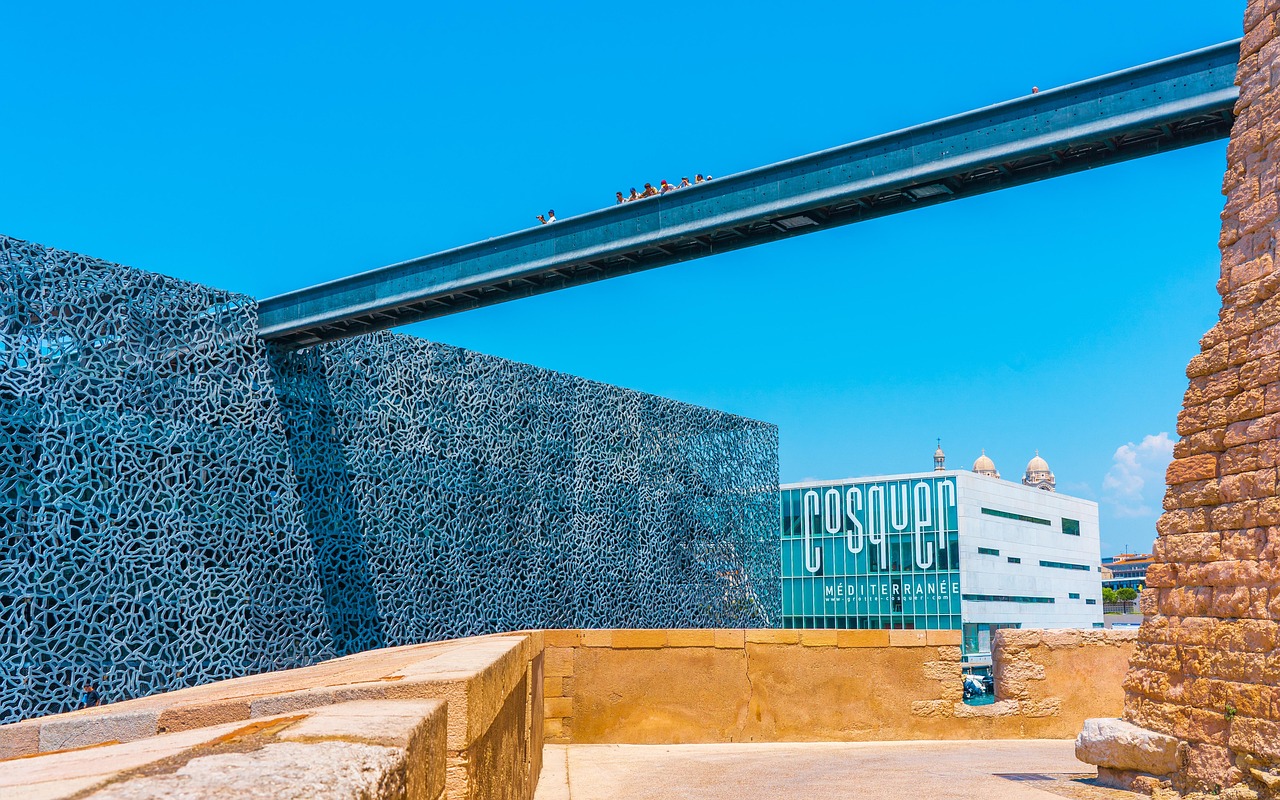
Provence Dining and Culture from MuCEM to Château d’If in Marseille
This is where the city’s appetite for beauty shows its full range—on the plate, in architecture, and through story-rich heritage. If you’re curating a high-end evening, set expectations clearly: upscale dining often runs €70–€150 per person, and booking Michelin-starred restaurants well in advance is essential. The reward is a dinner that feels like a performance of Provence—sea, herbs, and careful technique, served with confidence.
One luxury traveller described a private tasting in which the chef stepped out to explain the origins of every dish, pairing each course with regional wines. It wasn’t theatrical; it was generous. That kind of attention builds trust, and it turns a meal into a memory you can still taste weeks later.
MuCEM: exhibition highlights and a late-afternoon terrace
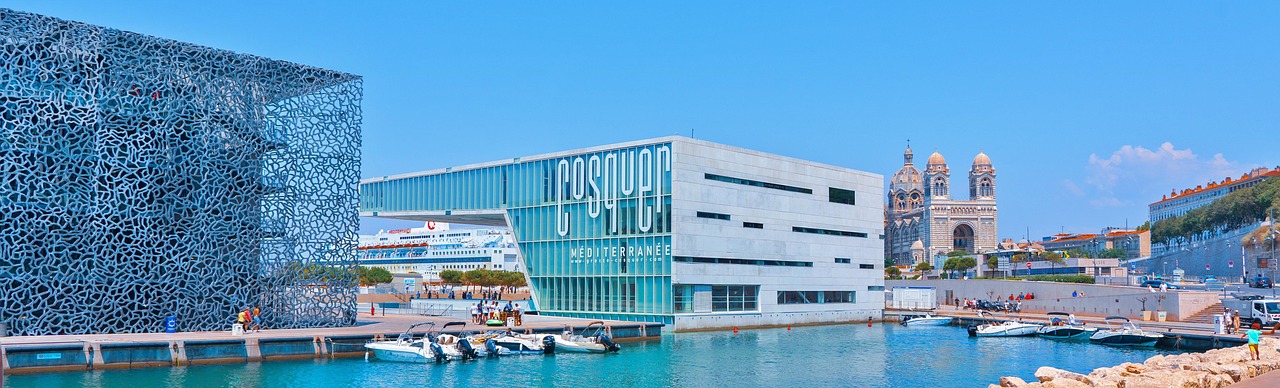
Before dinner, MuCEM is an architectural masterpiece that blends heritage and modernity with real confidence. Treat it as a cultural palate cleanser: one thoughtful exhibition can shift your understanding of the city in minutes. Insider tip: arrive in late afternoon for fewer crowds, then step onto the terrace as the light begins to soften over the water.
Nearby, Fort Saint-Jean offers an elegant link between old and new. The walk between them feels like a quiet conversation across centuries—stone, sea air, and silhouettes against the sky.
Château d’If: a fortress-prison and the Count of Monte Cristo story
For a story-rich half day, take the boat out to the chateau d’if—also written as d’if on signs and schedules. This fortress-prison is tied to the Count of Monte Cristo, and the approach by water is wonderfully cinematic. It complements the port narrative beautifully, reminding you that this city has always been a place of departures, returns, and reinvention.
If your route through the south of France includes Avignon later on, this pairing—sea-facing culture followed by papal grandeur—creates a satisfying contrast. You’ll sense how each place holds history differently. Even the word château takes on a new meaning here: less romance, more resilience.
To keep planning effortless, you can browse our Trip gallery for inspiration on crafted journeys that combine coast, culture, and cuisine with seamless support.
F.A.Qs
Is Marseille worth visiting?
Yes—Marseille is worth visiting if you enjoy cities with character, seaside light, and layered culture. With thoughtful planning, the experience can feel both elevated and personal, from Vieux-Port rituals to calm viewpoints and private coastal escapes.
What is Marseille best known for?
Marseille is best known for its historic port, Mediterranean identity, and dramatic coastline. Many travellers come for the Vieux-Port, Notre-Dame-de-la-Garde, artistic neighbourhoods like Le Panier, and the Calanques just beyond the city.
What is the number one thing to see in Marseille?
For many visitors, the number one sight is Notre-Dame-de-la-Garde because it offers a powerful sense of place and sweeping panoramic views. Arriving early or late in the day can make it feel calmer and more intimate.
Is Marseille a walkable city?
Marseille is walkable in the central areas, especially around the Old Port, Le Panier, and the quays. For hilltop sights or time-saving comfort, taxis, a private driver, or public transport like a bus route can be useful.
And still, what returns most often is a small, quiet image: light moving across water, and the sense that another season here might reveal a new way to slow down—without ever losing the city’s edge.
What Stayed With Me After Marseille – Luxury Reflections
These reflections are rarely about a single landmark; they’re about an atmosphere that stays in the body. Weeks later, I still remember salt air on warm stone, the way the wind changed tone as I turned a corner, and how the city held its contrasts without apology. It’s a city in France that doesn’t try to flatter you—it simply invites you to look, then look again.
What lingers most is not the sense of having done countless things, but the feeling of having been present: the early hush up at Notre Dame, the quiet generosity of makers in Le Panier, the stillness of a cove in the calanques where time seemed to loosen. These moments felt human, not performative, and they arrive when your days are designed to leave room for the unexpected.
There’s a particular confidence that comes from thoughtful planning: you stop gripping the schedule and start trusting the day. With the right support—an expert guide when you want context, a driver when you want ease, a reservation made with foresight—luxury becomes something gentle. It’s the freedom to explore without strain, and the sense that a trip to the Marseille coast can change your pace without demanding you change who you are.