Post Contents
Best time to visit Seoul and time to visit South Korea with a luxury pace
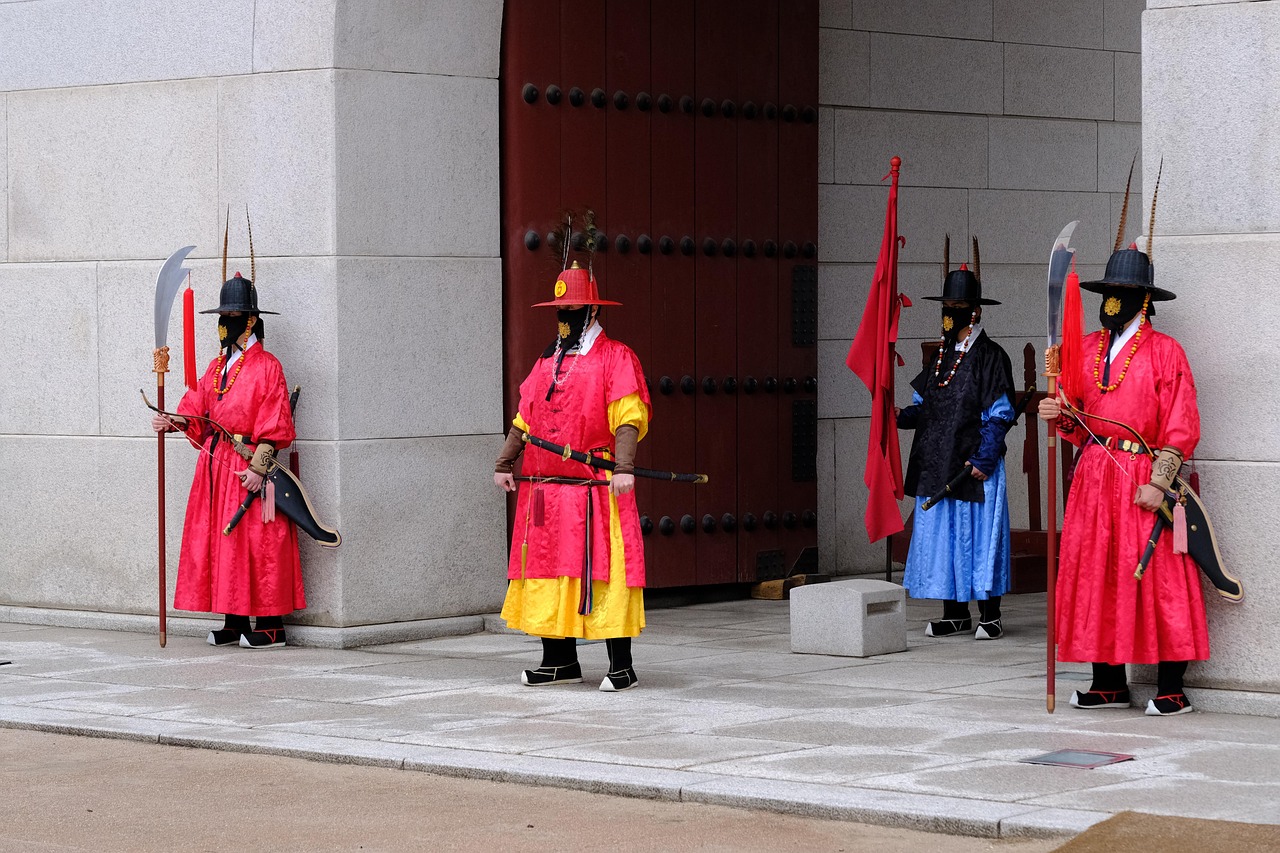
Best time to visit Seoul and the best times to visit South Korea at Gyeongbokgung Palace
The best time to visit Seoul and South Korea for travellers who value calm luxury is typically spring and autumn. When the weather is mild and the skies are clearer, Seoul becomes wonderfully walkable—ideal for unhurried neighbourhood wandering, museum afternoons, and rooftop aperitifs with a view. These are the best times to design a trip that feels both indulgent and effortless.
Spring brings soft light, fresh blooms, and a sense of renewal; autumn delivers crisp evenings and a photographic glow that makes even a simple street corner feel cinematic. If you’re travelling to South Korea for heritage and style, the shoulder seasons often offer the most comfortable balance of atmosphere and ease.
Popular times to visit and the trade-offs in South Korea travel
Some popular times to visit Seoul are popular for good reason—but they do come with trade-offs. The cherry blossom season is dreamy, yet cherry blossom crowds can spike on weekends and around key viewing streets. Autumn weekends can be similarly busy as domestic travel increases, especially when city residents chase colour outside Seoul.
Luxury-minded planning is about keeping your day feeling spacious. That might mean choosing a weekday for your blossom viewing, booking a private guide for a few hours, or planning your “must-sees” at a quieter hour so you can explore with confidence.
Year in South Korea climate basics, rainfall and Korea’s rainy season
Year-round in South Korea, temperatures and weather conditions vary significantly. Summer is the season that can feel hot and humid, with high humidity levels and a higher chance of heavy rainfall as Korea’s rainy season arrives. Winter can bring sharp cold snaps, especially after sunset, and comfort becomes about warm layers and cosy indoor escapes.
For many travellers, comfort is as important as sights. If humidity is a factor for you, you may prefer spring or autumn, when the city is more forgiving for long, elegant days on foot.
To help you plan with trust and clarity, here’s a quick calendar of signature moments that can shape availability and pricing:
- Cherry blossom season: late March into April, depending on the year and microclimates
- Chuseok: a major autumn holiday that increases domestic travel and can change opening hours
- Lunar New Year (the Korean New Year): winter holiday movement can reshape bookings
- Seoul International Fireworks Festival: usually in autumn, drawing crowds to the riverfront
One simple way to create a more intimate Seoul is to change the hour, not the plan. Arrive early at Gyeongbokgung—this grand palace is at its most serene just after the gates open—then time the changing of the guard ceremony with space to breathe and photograph details without jostling.
Best time to visit Seoul spring season, March to May, South Korea in March
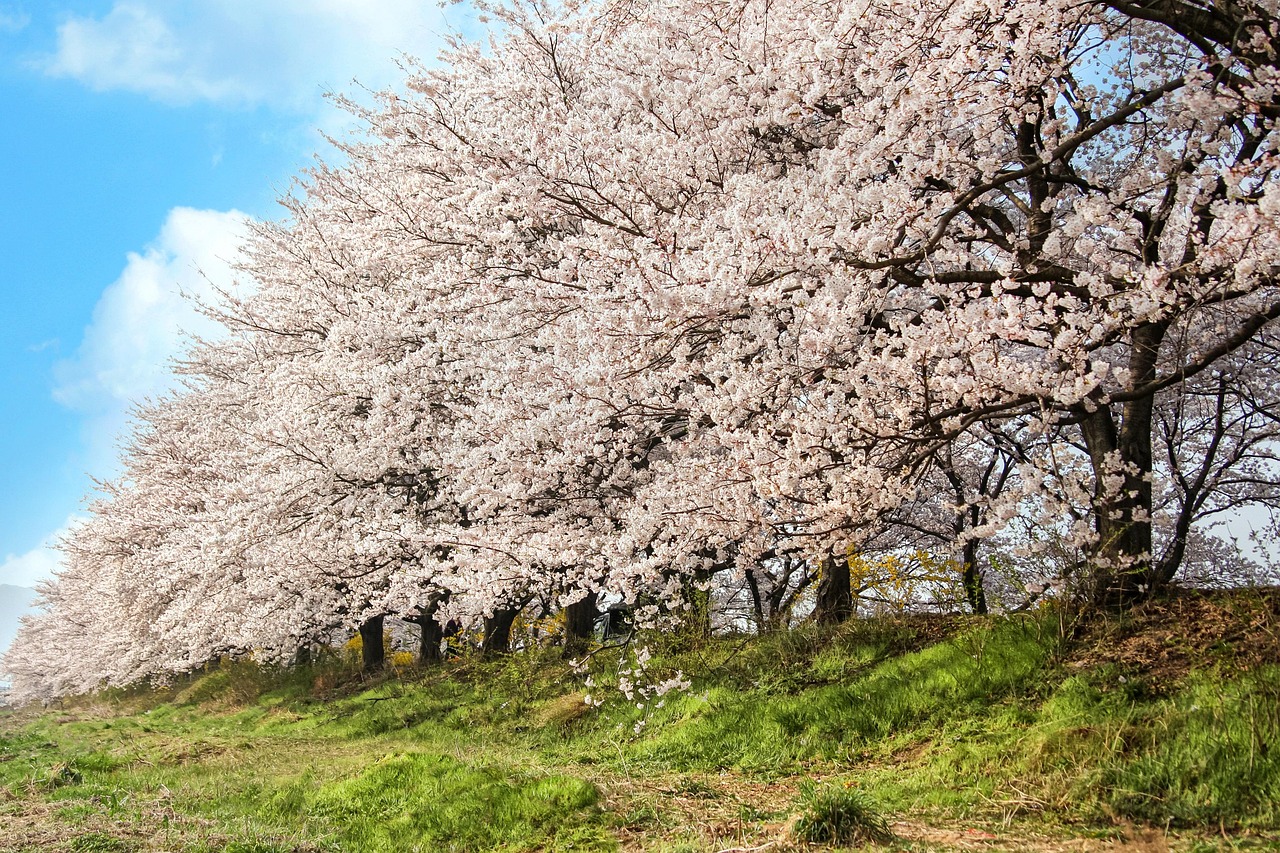
Spring season in Seoul March to May blossoms and lantern nights
The best time to visit Seoul spring season March to May South Korea in March is when the city turns gentle—still brisk at times, but steadily softening. The arrival of spring can feel tentative at the beginning of the month, and South Korea in March may still be chilly in the mornings. Yet as the season begins, café terraces reappear, and the city’s parks start to glow.
For many travellers, spring is one of the best times to visit Seoul, as it offers a refined pace: light layers, long walks, and days that naturally invite discovery of side streets, crafted boutiques, and the small rituals of local life.
South Korea in April, cherry blossoms bloom in Yeouido
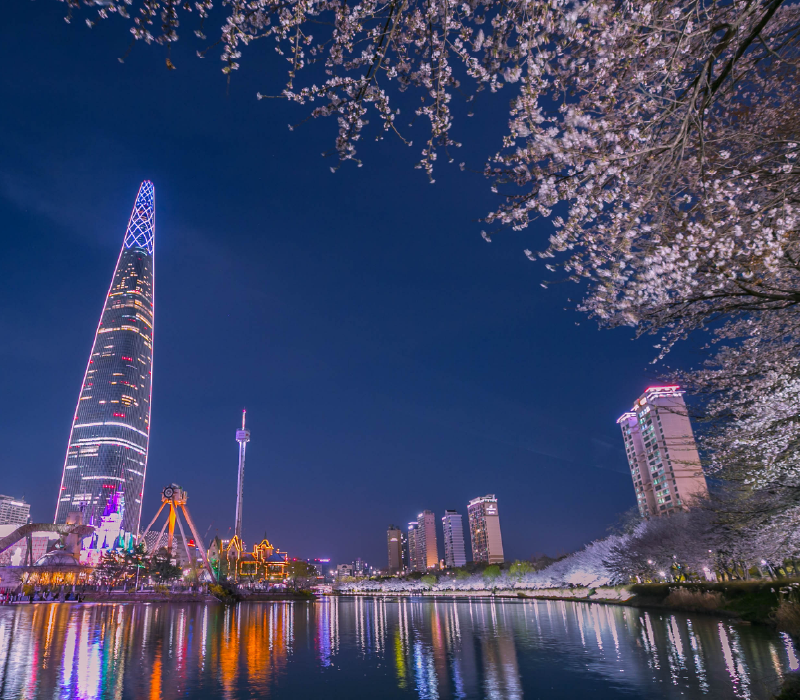
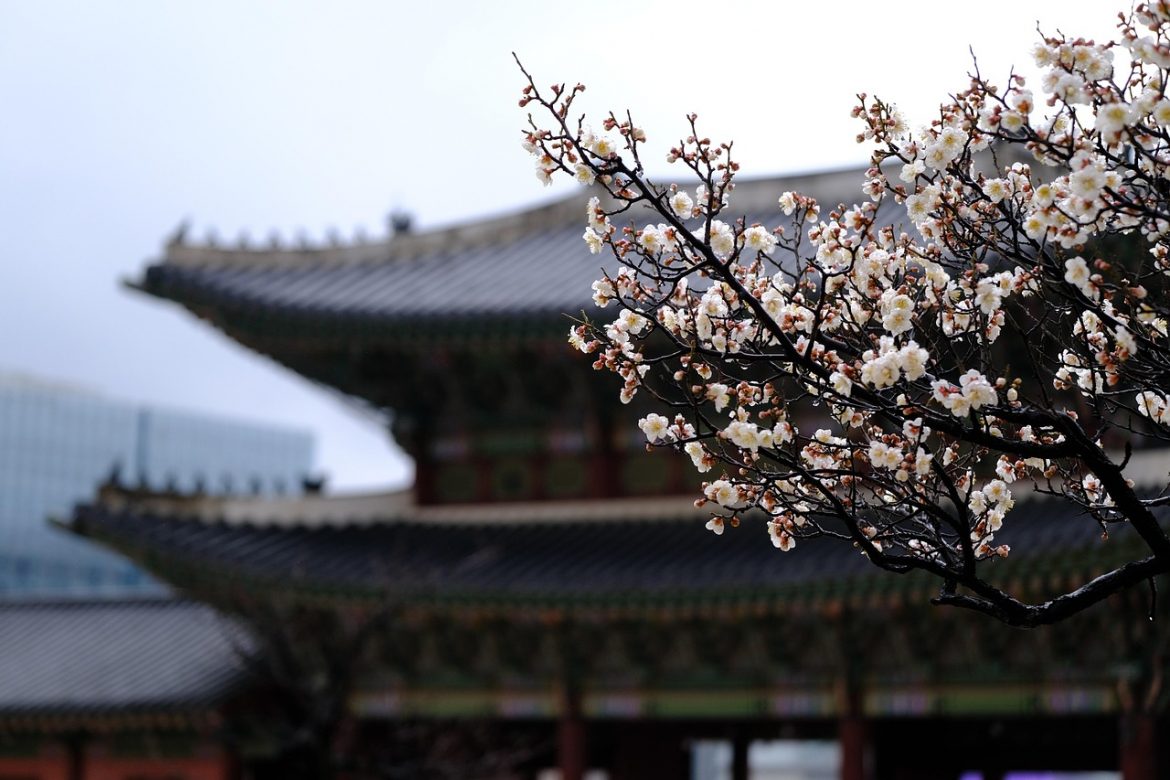
South Korea in April is often the moment everything clicks into place. Cherry blossoms bloom across the capital, and viewing spots like Yeouido Park and Namsan Park become postcard-perfect. If you want a slightly calmer feeling, aim for early morning in Yeouido or choose Seoul Forest for wider pathways and a softer, more spacious experience of cherry blossom.
Because this is a popular time, five-star hotels can sell out quickly and premium rooms command peak rates. If you’re travelling as a couple or marking a special occasion, booking well ahead gives you choice—and the support to tailor experiences around your preferred tempo.
Lantern nights and a personal connection in spring
Spring also brings cultural nights that feel quietly magical. One traveller told us how attending the Lotus Lantern Festival created a lasting connection to Korea’s traditions—warm light, gentle music, and a sense of being welcomed into something meaningful. A single lantern drifting above a crowd can become a personal memory you carry long after you’ve unpacked at home.
For high-end travellers, the key is to strike a balance. Pair blossom walks with private experiences—an after-hours gallery visit, a guided tea tasting, or a relaxed photoshoot—so your day feels seamless even at peak season.
To start your trip with confidence, spring is ideal for outdoor activities that help you orient yourself. An early walk along the Seoul City Wall Trail at sunrise offers quiet views, clear air, and a gentle sense of perspective before the city fully wakes.
Best time to visit Seoul autumn foliage, September to November, South Korea in October
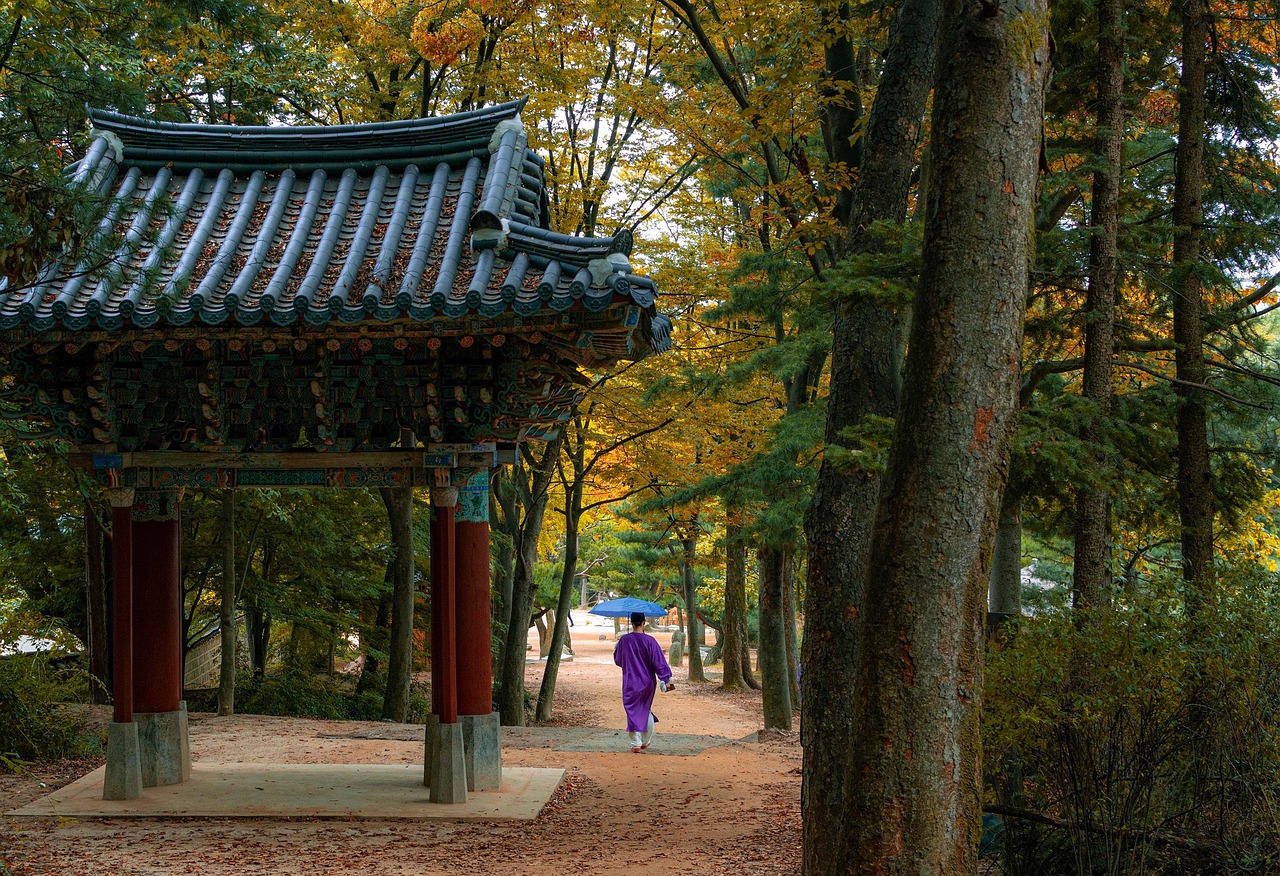
Autumn in Seoul, from September to November for crisp air and colour
The best time to visit Seoul’s autumn foliage, from September to November, in South Korea, is, for many, the most effortlessly elegant season. September to November brings cooler evenings and sunny days, making walking between neighbourhoods a pleasure rather than a chore. The light is flattering, the air is clean, and the city feels made for slow exploration—especially if you love design, photography, and food.
This period is often considered the best time for travellers who want a polished city break without the summer’s heat or the winter’s bite. You’ll still want to reserve popular tables and experiences, but the overall rhythm feels calmer.
South Korea in October and the international fireworks festival
South Korea in October is when autumn colour starts to show in palace gardens and along tree-lined streets, and it’s also when Seoul stages one of its biggest evenings: the international fireworks festival by the river. The Seoul International Fireworks Festival draws locals and visitors alike, so if you’d like to enjoy it with comfort, design a plan that includes a reserved riverside dining spot or a private viewing arrangement through your hotel concierge.
Autumn is also a smart time for curated shopping and culture. It’s easy to move between galleries, boutiques, and tasting menus without feeling rushed by the weather.
Golden hour heritage and local art in Seoul
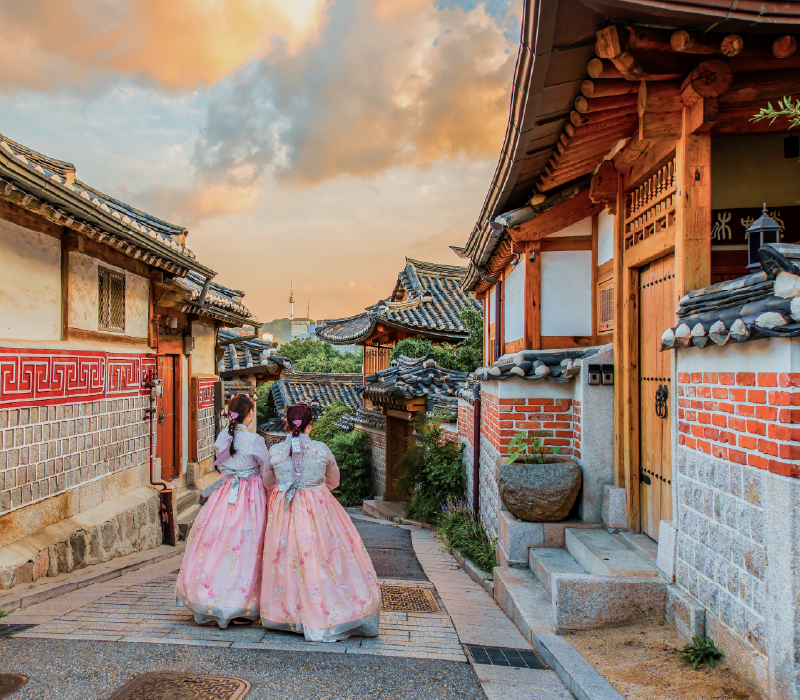
For a refined cultural day, arrive at Bukchon Hanok Village in golden hour, when the rooftops soften into warm tones and the lanes feel quieter. From there, Insadong offers a different kind of intimacy: art galleries, antique shops, and slow conversations with artisans. One solo visitor shared how wandering here led to unique, handcrafted souvenirs—and a warm, local welcome that felt genuinely human.
Autumn food is equally memorable. Seek 예약-only dining, seasonal tasting menus, or a private Korean BBQ masterclass where you learn to grill premium Hanwoo beef—an expert-led experience that feels crafted, personal, and quietly celebratory.
If you prefer fewer crowds, november a good time for museum days and calm evenings. As temperatures drop, stroll along Cheonggyecheon Stream after dark, when the city lights reflect in the water, and the pace naturally slows.
- For foliage viewing, plan to visit the palace grounds on weekdays and arrive at opening time.
- In September and October, reserve key restaurants well ahead, especially for weekend dining.
- Pack a light layer for evenings—autumn days can be warm, but nights turn crisp quickly.
Times to visit Seoul
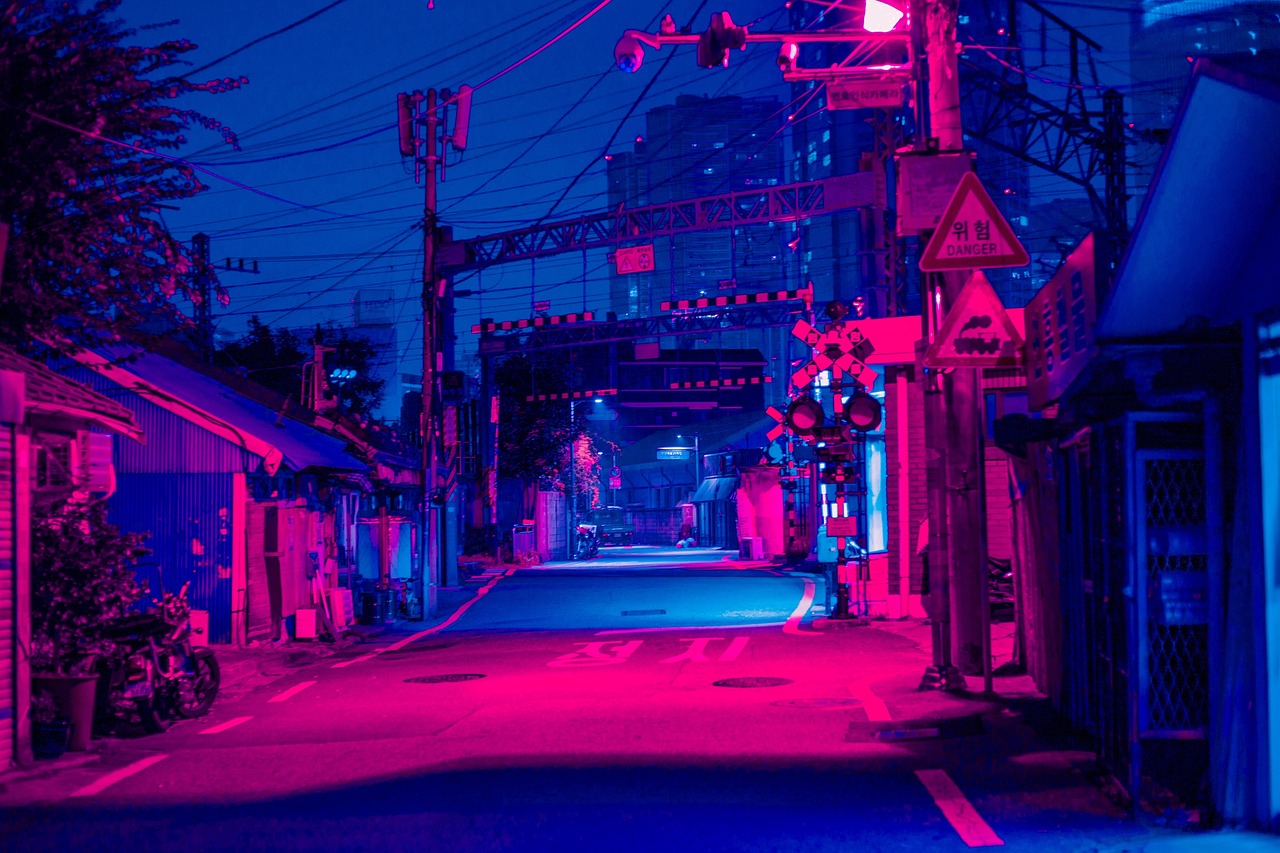
Summer months and winter calm what to expect and how to travel well
When planning visits to Seoul in the summer months and to South Korea in January, it helps to plan around comfort and indoor options. June to August can be intense, with hot, humid afternoons and monsoon downpours. During monsoon season, flexibility is a luxury: keep a few reservations adjustable and anchor your days with indoor highlights.
That said, summer in Seoul can still be wonderful if you plan like a designer—building in air-conditioned galleries, unhurried lunches, and restorative wellness so your days remain seamless.
July and August are part of Korea’s rainy season, with indoor elegance
July and August are the core summer months, and South Korea’s wetter patterns can test even seasoned travellers. This is when premium museum time shines, along with private shopping appointments and hotel-led cultural introductions. Consider a high-end jjimjilbang spa with private rooms and luxury services: it’s a deeply local ritual, upgraded for discernment, and it offers real care for tired legs and travel-weary minds.
When rain arrives, you can still uncover Seoul’s creativity—design stores, contemporary art, and chef-led dining—without needing to fight the weather.
December to February and South Korea in January for cosy luxury
December to February is a quieter, often surprisingly charming time to visit Seoul. South Korea in January is especially crisp; January is the coldest month for many regions, and the month of the year can feel bracing at night. In return, you get cosy cafés, design hotels that lean into winter comfort, and a festive glow from seasonal lights.
For active travellers, the northern and mountainous regions offer skiing and snowboarding, with conditions varying by elevation and part of the month. If winter sports matter, choose accommodations that provide support with transfers and equipment rentals so the experience stays smooth.
One important note: the Lunar New Year can reshape train schedules, restaurant openings, and pricing. If you’re visiting around this period, plan with a concierge-style mindset—extra time buffers, confirmed reservations, and a touch more patience—so the journey remains calm and confident.
Planning your trip to Seoul
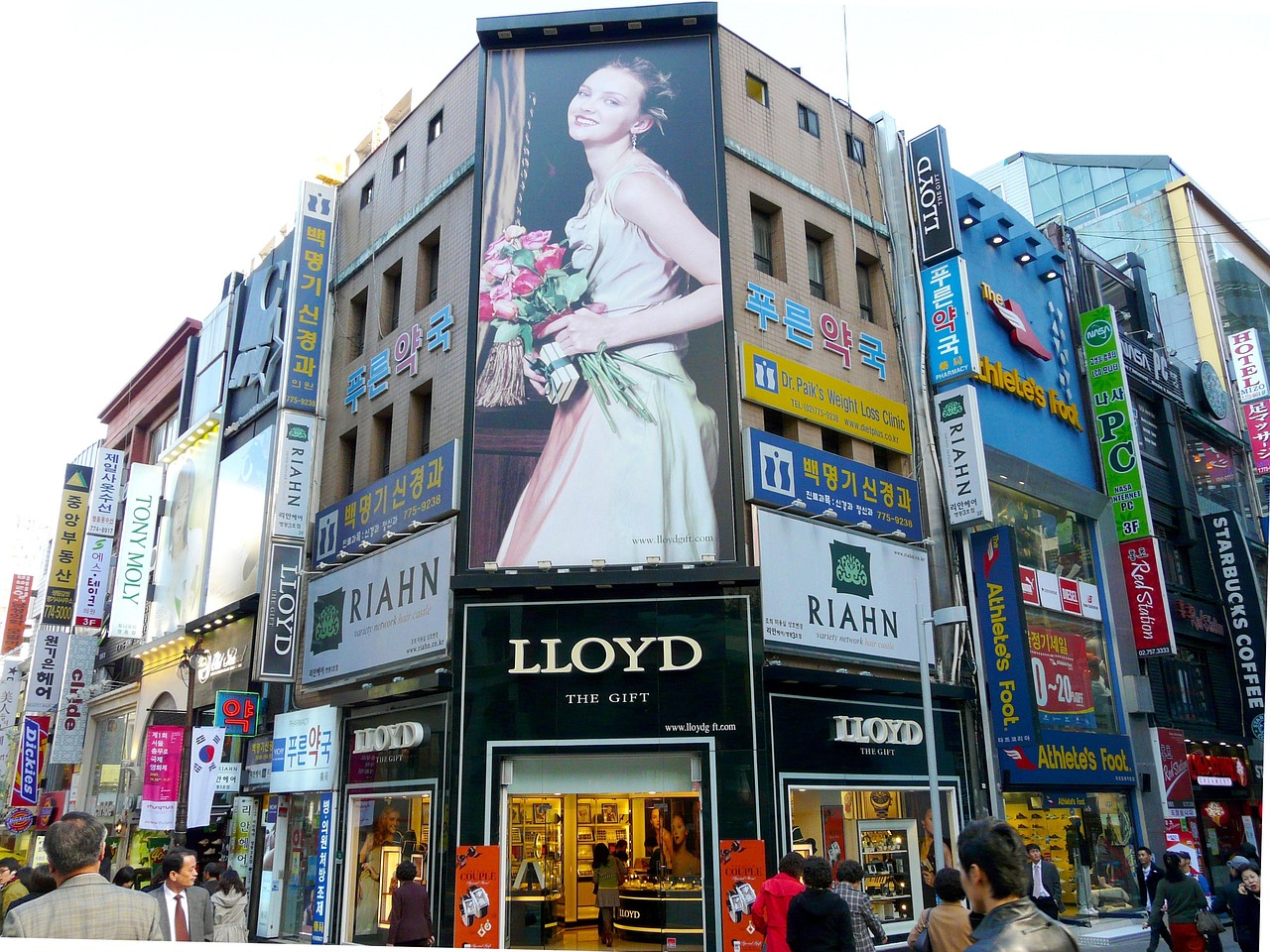
Planning your trip to Seoul luxury neighbourhoods day trips and travel tips
Planning your trip to Seoul, South Korea? Start with choosing the mood you want—and then matching neighbourhoods and reservations to it. If you want modern Seoul at its most polished, begin with Garosu-gil and Cheongdam-dong, where high-end boutiques and gourmet restaurants let you explore style in a way that feels curated rather than chaotic. For vibrant evenings, Itaewon blends global culture with Korean flair, making it ideal for fine dining and nightlife that still feel safe and welcoming.
For a visual sense of what’s possible, browse our Trip gallery and imagine how you might design your own rhythm—unhurried mornings, crafted afternoons, and evenings that unfold naturally together.
Start planning your trip with signature Seoul moments
To start planning your trip, build one or two “only-in-Seoul” moments that anchor everything else. A couple once celebrated their anniversary by staying in a five-star hotel overlooking the Han River, then taking a private night cruise. Watching the skyline shimmer as bridges lit up gave them a sense of calm wonder—proof that luxury in Seoul often comes through atmosphere, not excess.
These are the kinds of experiences that create trust in your plan. Once your anchors are set, everything else can stay flexible: a gallery you discover, a dessert café you uncover, a late-night cocktail bar your concierge quietly recommends.
Heritage with confidence and refined etiquette
Seoul’s heritage is most rewarding when approached gently. Visit Gyeongbokgung Palace in a calm morning window, then slip into Bukchon before the lanes fill. When you enter traditional homes or certain restaurants, remove your shoes, and use both hands when offering or receiving items—small gestures that show care and help you connect with local etiquette confidently.
If you can, schedule must-see attractions early. It’s a simple strategy, yet it changes the feel entirely: fewer queues, more space for photographs, and time to notice details that most people miss.
Beyond the city, sophisticated extensions can widen your sense of South Korea without adding stress:
- Busan and Jeju for coastal contrast—sea views, slower mornings, and a different flavour of luxury
- Gyeongju, an UNESCO World Heritage Site, for its layered history and elegant day touring
- Nearby national parks for mountainous landscapes and restorative air
Finally, keep practicalities seamless. Use the safe, efficient subway with a T-money card, exchange currency at official banks or exchange offices, and download KakaoMap for navigation plus Naver Translate for language support. Seoul is generally safe, but stay vigilant in crowded tourist areas—quiet confidence is the most valuable travel companion.
F.A.Qs
Which month is the best month to visit South Korea?
For most travellers, April and October are standout choices. April offers mild weather and cherry blossom in many areas, while October brings crisp air, clear skies, and beautiful autumn light—ideal for city walks and day trips.
What is the cheapest month to go to Korea?
Prices often dip in the quieter periods of winter (outside major holidays) and during parts of the summer rainy season. If you’re flexible, you can find better-value luxury stays in January (excluding Lunar New Year) or in late June to early July before peak summer demand.
How many days are enough to see Seoul?
Four to five days is a comfortable first visit: enough for palaces, neighbourhood shopping, a museum or two, and one slower cultural day. In seven days, you can add a day trip and enjoy a more relaxed pace, including fine dining and wellness time.
Which season is the most beautiful in Korea?
Spring and autumn are widely considered the most beautiful. Spring delivers blossoms and fresh greenery, while autumn brings colour and a crisp atmosphere that suits both city exploring and scenic day trips across South Korea.
Final Thought
The keyword phrase visit Seoul, South Korea, personal reflections, best time to visit sounds like logistics on paper, but what lingers is softer than any plan. It’s the city at dawn—streets rinsed clean, cafés just opening, and the sense that you can move through Seoul with ease. In those early hours, you don’t feel like you’re racing a checklist; you feel present, held by the city’s quiet order and gentle courtesy.
We think of small, human details: a warm conversation with an artisan in Insadong, the careful wrapping of a handcrafted object, a moment of stillness above tiled rooftops that made the city seem both ancient and new. We remember the river lights from a private cruise—how the skyline looked almost like a promise, reflected back in the water, steady and calm.
And perhaps this is where the best time to visit becomes something more personal. Seasons don’t just change the view; they shape what you notice, what you savour, and how you feel in your own body as you walk. Spring feels like a possibility. Autumn feels like clarity. Winter invites softness, and summer, when approached with care, reminds you to slow down and step indoors for beauty you might otherwise rush past.
If you return—and many do—it may not be to see more, but to deepen what you already felt: a crafted connection to place, and the confidence that Seoul can meet you exactly where you are. Somewhere between a quiet morning walk and an evening glow on the river, you may find yourself wondering what the city will reveal next time.