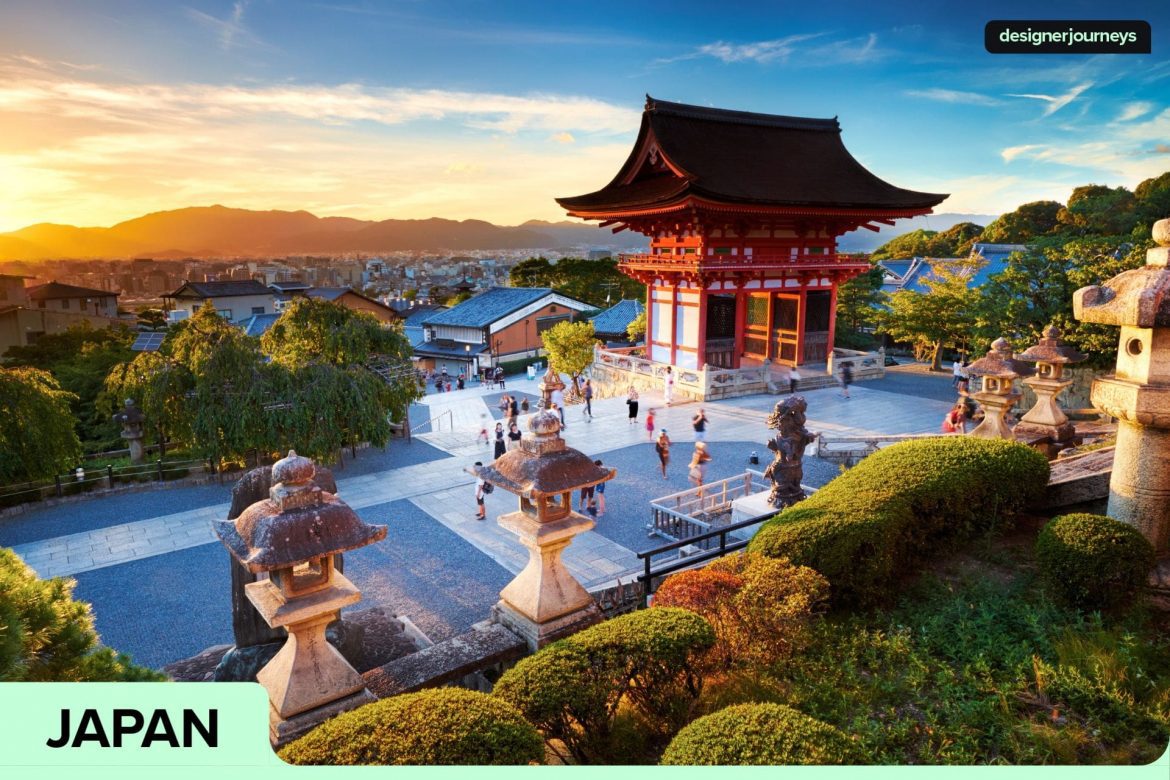
Kyoto is one of the most rewarding stops on any Japan trip. Known for its stunning temples, quiet gardens, atmospheric tea houses, seasonal beauty and deep connection to Japanese culture, Kyoto blends old-world elegance with everyday local life in a way few Japanese cities can match. For many travellers, Kyoto is the place where the country’s traditions feel most vivid. In this curated guide, we’ll uncover the best things to do in Kyoto for a first visit, including famous temples, hidden gems, day-trip ideas, cultural experiences, transport tips, and itinerary advice. It is designed to help you visit Kyoto with more confidence, whether you are planning independently or designing a personalised journey with a local expert. Let’s dive in with Designer Journeys!
Post Contents
- Key Highlights: What Are the Best Things to Do in Kyoto?
- Why Visit Kyoto?
- Best Things to Do in Kyoto (2026 Update)
- 1. Walk Through the Torii Gates at Fushimi Inari Shrine
- 2. See the Golden Pavilion at Kinkaku-ji
- 3. Visit Kiyomizu-dera Temple
- 4. Explore the Arashiyama Bamboo Grove
- 5. Visit Tenryu-ji Temple
- 6. Ride the Sagano Romantic Train
- 7. Walk the Philosopher’s Path
- 8. Visit Nanzen-ji Temple
- 9. Experience Ryoan-ji Rock Garden
- 10. Discover Ninna-ji Temple
- 11. Explore Gion and Its Tea Houses
- 12. Join a Traditional Tea Ceremony
- 13. Eat Your Way Through Nishiki Market
- 14. Visit Kyoto Imperial Palace
- 15. Relax at Kyoto Botanical Gardens
- 16. Walk Along the Kamo River
- 17. Explore Downtown Kyoto
- 19. Visit the Silver Pavilion
- 20. Find Kyoto’s Hidden Gems
- 21. Try a Kimono Experience
- 22. Enjoy Kyoto’s Seasonal Beauty
- 23. Design a Custom Kyoto Experience
- Expert Tips for a Seamless Trip
- Kyoto Itineraries for First-Time Visitors
- How to Get Around Kyoto
- Where to Stay in Kyoto
- Best Day Trips from Kyoto
- Expert Tips for Kyoto
- F.A.Qs
- Design Your Seamless Kyoto Journey With Confidence
Key Highlights: What Are the Best Things to Do in Kyoto?
The best things to do in Kyoto include visiting Fushimi Inari Shrine, seeing the Golden Pavilion at Kinkaku-ji, walking through Arashiyama Bamboo Grove, exploring Kiyomizu-dera Temple, joining a tea ceremony, wandering Gion, eating at Nishiki Market and strolling the Philosopher’s Path.
First-time visitors should spend at least two to three days in Kyoto. This gives you time to explore the major Kyoto attractions, visit a few temples without rushing, enjoy local culture and add one or two quieter experiences beyond the main tour groups.
For a balanced trip, plan your days by area. Visit popular temples early, group nearby sights within walking distance, and use Kyoto Station as your main transport hub when arriving by train or taking a day trip.


Why Visit Kyoto?
Kyoto was once Japan’s imperial capital and remains one of the country’s most important cultural destinations. Unlike Tokyo, which moves with the energy of a global major city, Kyoto invites you to slow down. A morning at a Zen temple, an afternoon in a bamboo grove and an evening beside the Kamo River can tell you as much about Japan as any museum.
Historic Kyoto is home to some of the country’s most famous temples and several UNESCO World Heritage Site locations. The city is also deeply connected to Japanese culture through tea, gardens, crafts, cuisine, festivals and traditional architecture.
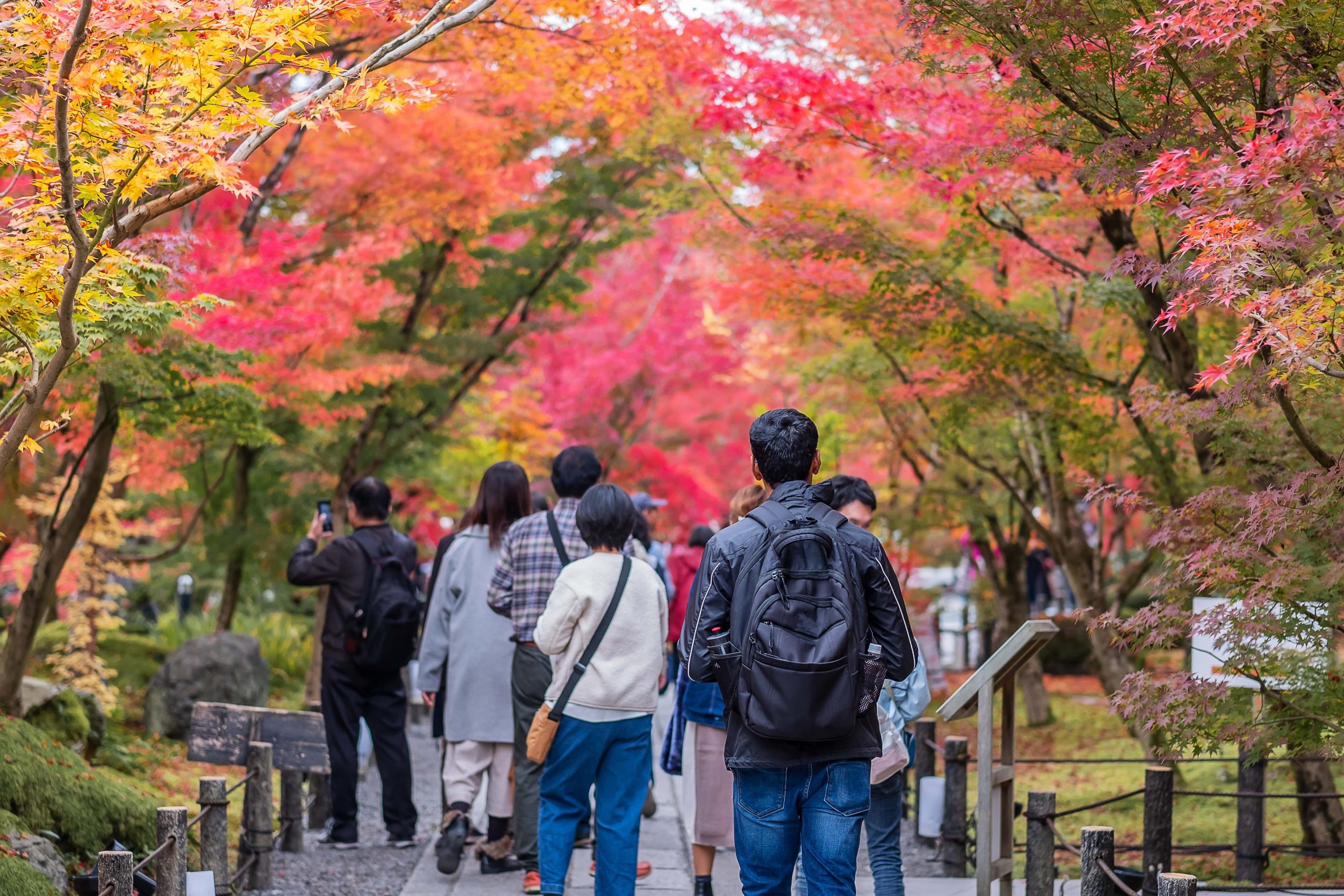
Kyoto is more than just a place, it’s an experience.
For travellers visiting Tokyo first, Kyoto offers a striking contrast. Tokyo is fast, vertical and electric. Kyoto is layered, atmospheric and quietly detailed. Together, they create one of the strongest combinations for a first Japan trip.
Best Things to Do in Kyoto (2026 Update)
1. Walk Through the Torii Gates at Fushimi Inari Shrine
Fushimi Inari Shrine is one of the most unforgettable places to visit in Kyoto. Dedicated to Inari, the Shinto god of rice, prosperity and business, this famous Inari shrine is known for its thousands of vermilion torii gates that wind up Mount Inari.
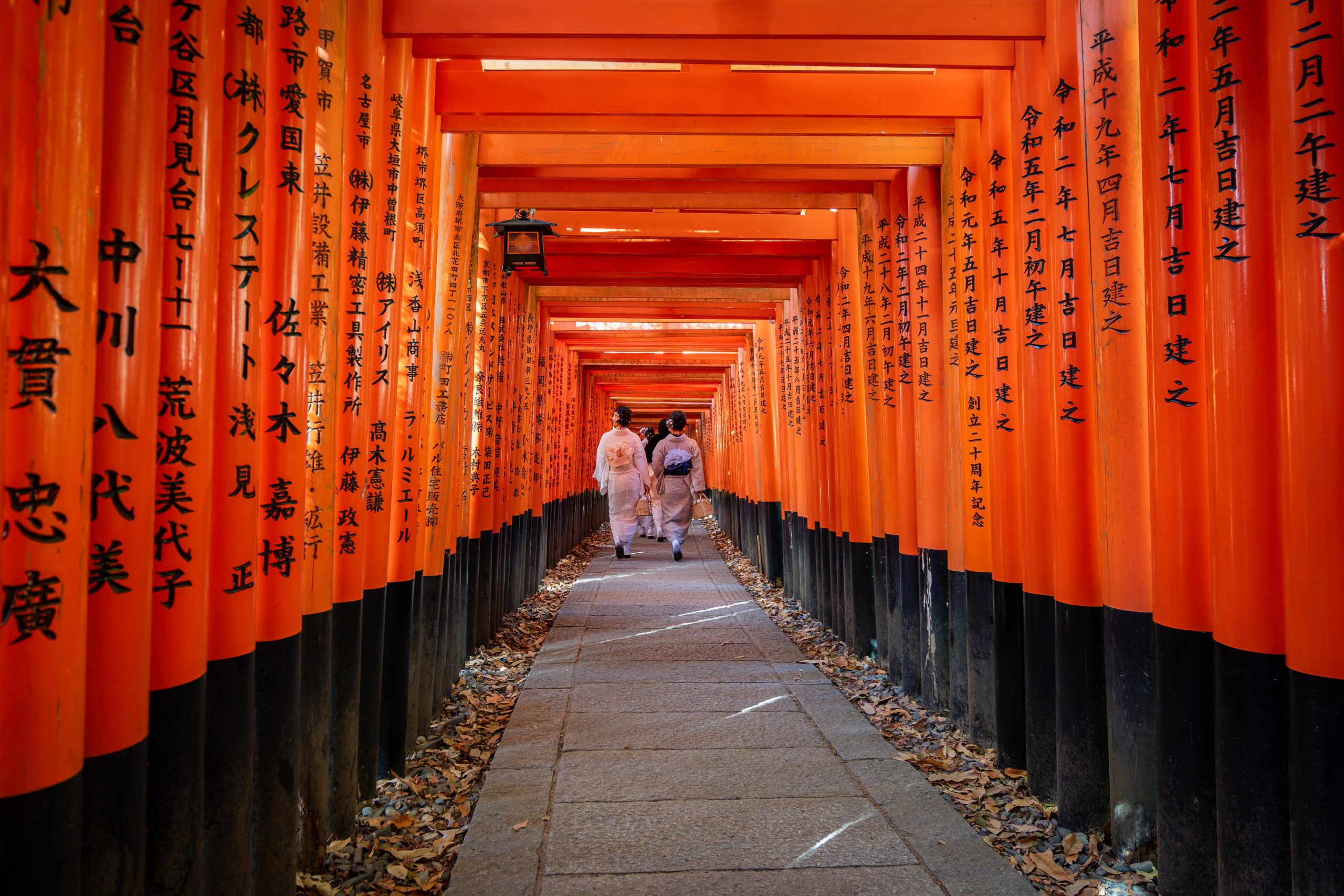
The Red Torii gates at Fushimi Inari Shrine.
Most visitors gather around the lower paths, but the experience becomes calmer as you climb higher. The full walk can take about an hour or more, depending on your pace, though even a shorter visit gives you a powerful sense of the place.
Local expert tip: Arrive early or visit later in the day. The lower Torii Gates are one of Kyoto’s busiest photo spots, especially when tour groups arrive.
2. See the Golden Pavilion at Kinkaku-ji
Kinkaku-ji is one of Kyoto’s most iconic sights. Known as the Golden Pavilion, this Zen temple is covered in brilliant gold leaf and reflects beautifully in the pond beside it.
Many travellers simply call it the Golden Temple, and it is easy to see why. The contrast of gold, water, pine trees and sky creates one of the most memorable scenes in Kyoto.
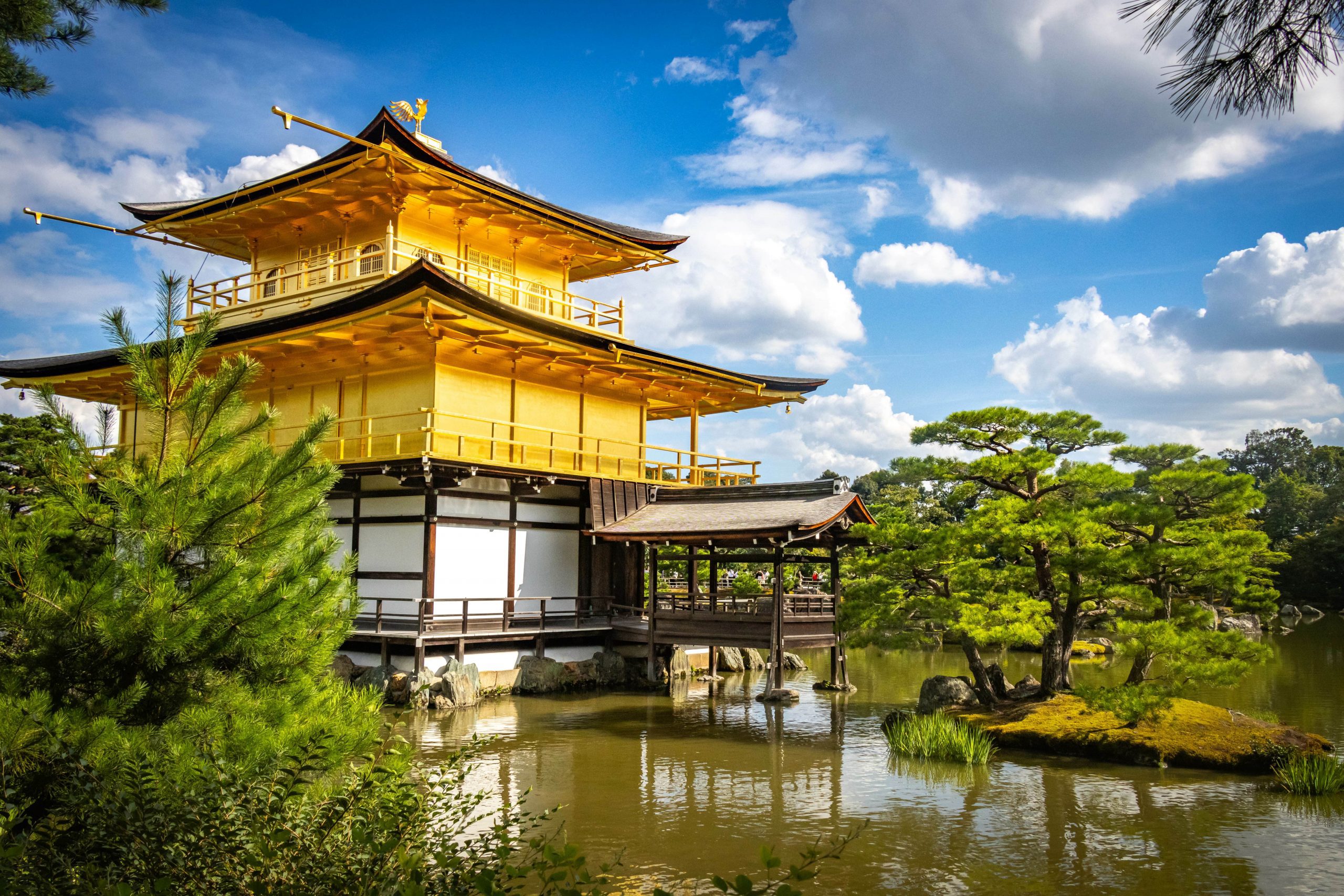
The Golden Pavilion, or Kinkakuji Temple. Credit Andrea Aigner – stock.adobe.com
Kinkaku-ji is best paired with the nearby Ryoan-ji Rock Garden and Ninna-ji Temple. Together, these famous temples make a rewarding northwest Kyoto route.
3. Visit Kiyomizu-dera Temple
Kiyomizu-dera Temple is one of Kyoto’s most popular temples and an essential stop on a first visit. Its name means “Pure Water Temple”, and the complex is famous for its large wooden stage, hillside views, and sacred spring water.
The main hall is especially impressive, built without nails and set above the slope with sweeping views over the city. Nearby, Jishu Shrine has long been associated with matchmaking and a fortunate love life, making it a popular stop for visitors interested in local beliefs and traditions.
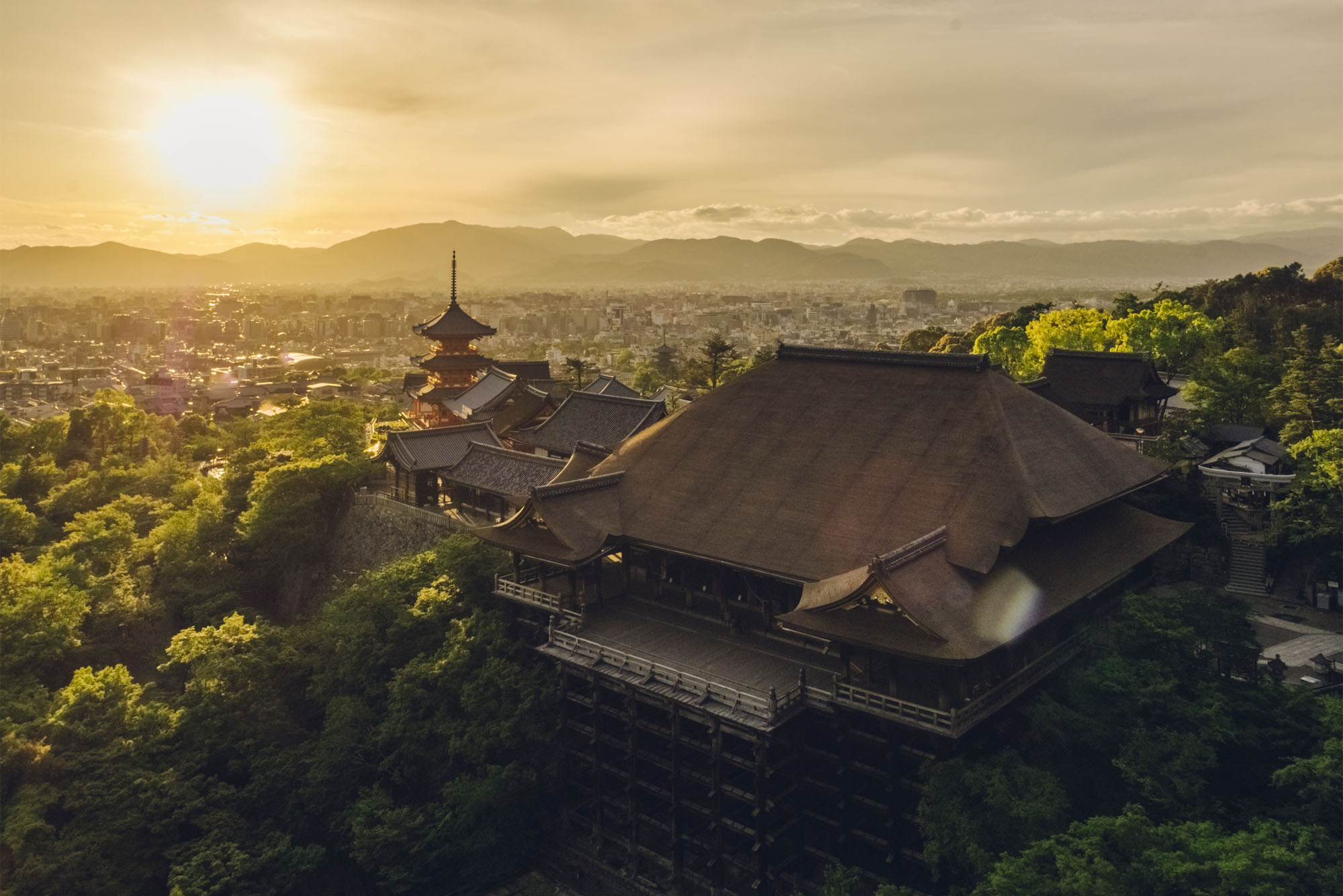
Kiyomizu-dera Temple is one of Kyoto’s most popular temples.
Image source: Kiyomizu-dera Temple
After visiting Kiyomizu-dera, walk through Ninenzaka and Sannenzaka toward Yasaka Pagoda. This area is one of the best places to feel the atmosphere of historic Kyoto, with old lanes, souvenir shops, tea houses and kimono rental shops.
4. Explore the Arashiyama Bamboo Grove
The Arashiyama Bamboo Grove is one of the most photographed attractions in Kyoto. Tall bamboo stalks rise on both sides of the path, creating a green tunnel that feels peaceful when you visit early.
The main bamboo grove can get crowded, so it is best to arrive early and explore the broader Arashiyama area. Nearby highlights include Tenryu-ji Temple, the Kamo River’s western scenery, Togetsukyo Bridge, Monkey Park and several quieter bamboo groves if you know where to go.
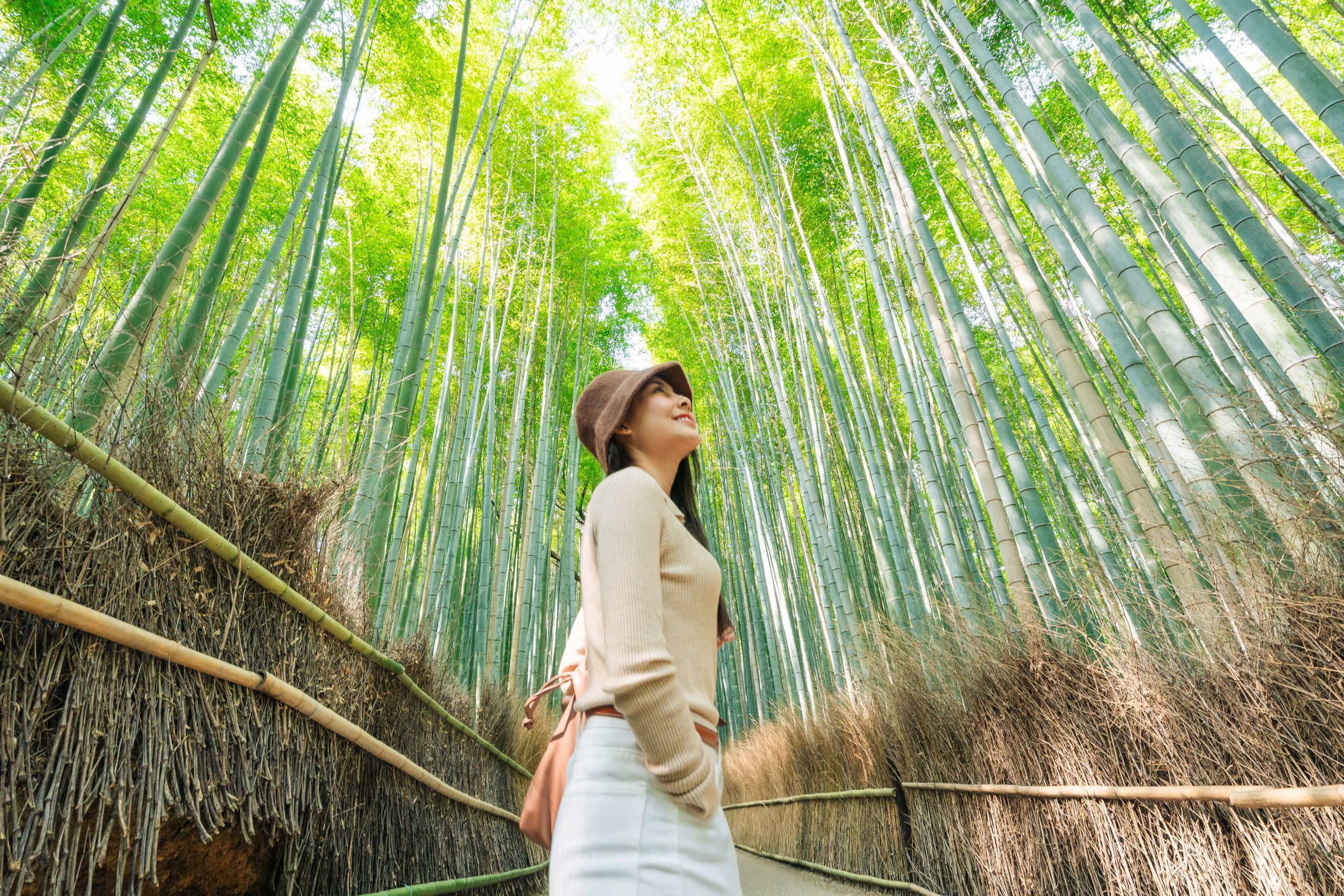
Arashiyama Bamboo Grove on a sunny day.
Many visitors refer to this area as the Arashiyama Bamboo Forest or Sagano Bamboo Forest. Whatever name you use, it is worth treating it as one piece of a wider day in western Kyoto rather than a quick photo stop.
5. Visit Tenryu-ji Temple
Tenryu-ji Temple is one of the most important Zen temples in Kyoto and a UNESCO World Heritage Site. It sits beside the bamboo forest in Arashiyama, making it easy to combine both in one morning.
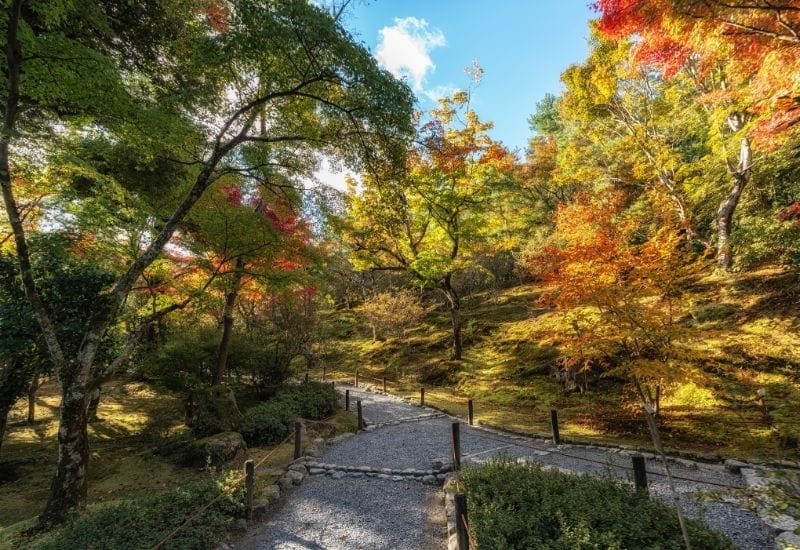
Tenryu-ji Temple is one of the most important Zen temples in Kyoto.
The garden is the highlight. Designed to frame the surrounding mountains, it shows how Kyoto gardens often blur the line between human design and nature.
If you only have time for one Zen temple in Arashiyama, make it Tenryu-ji.
6. Ride the Sagano Romantic Train
The Sagano Romantic Train is a scenic railway that runs through the Hozugawa River valley near Arashiyama. It is especially popular during cherry blossoms in spring and fall foliage in autumn.
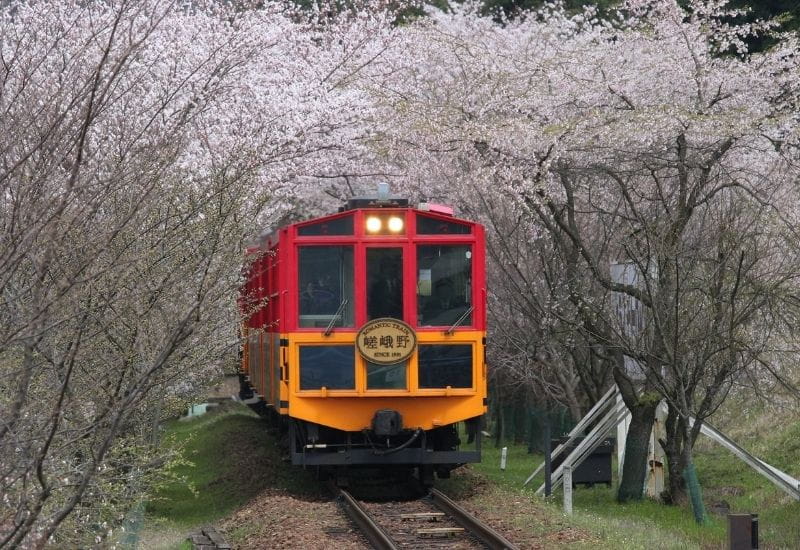
The Sagano Romantic Train.
The ride works well as part of a relaxed day in Arashiyama. You can combine the bamboo grove, Tenryu-ji Temple, riverside walking and the train for a scenic break from central Kyoto.
7. Walk the Philosopher’s Path
The Philosopher’s Path is a peaceful canal-side walk in eastern Kyoto. During cherry blossom season, the cherry tree-lined canal becomes one of the city’s most beautiful spring scenes.
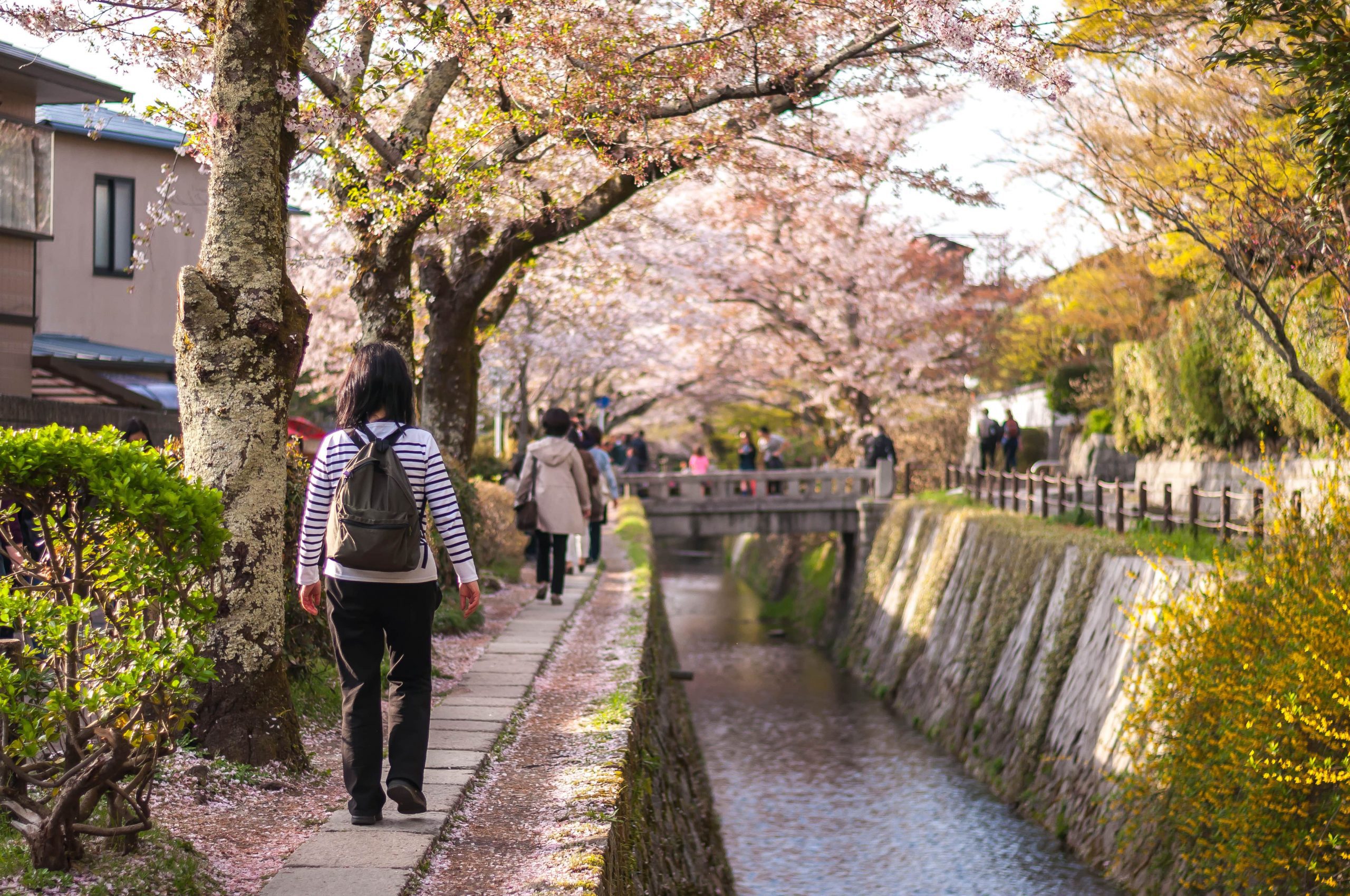
The Philosopher’s Path is a well-known cherry blossom spot in Kyoto.
The route links Ginkaku-ji, also known as the Silver Pavilion, with smaller temples, craft shops and quiet residential streets. It is especially lovely if you want a slower morning away from the busiest Kyoto attractions.
For a richer experience, stop at Honen-in or continue toward Nanzen-ji Temple.
8. Visit Nanzen-ji Temple
Nanzen-ji Temple is one of Kyoto’s most important Zen temples and one of the best places to experience temple architecture without the same crowds found at some more popular temples.
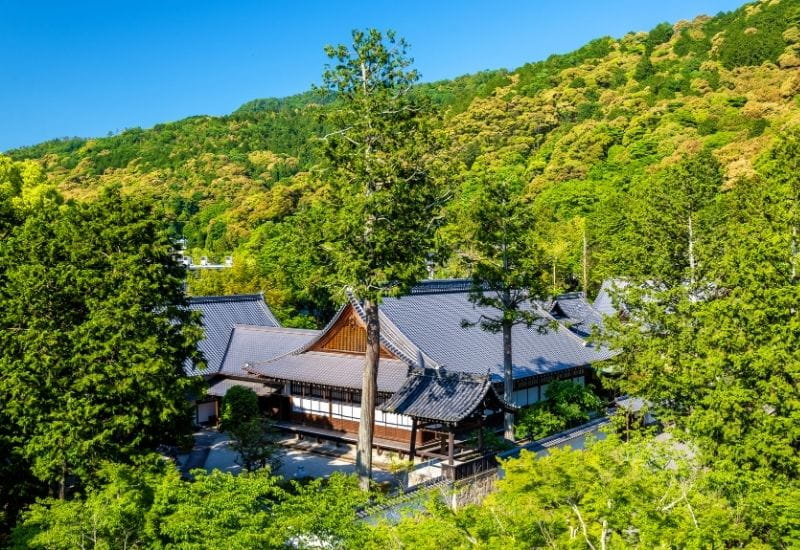
Nanzen-ji Temple.
Its large Sanmon gate, spacious grounds and unusual brick aqueduct make it visually distinctive. Nanzen-ji works well with the Philosopher’s Path, Eikan-do and the Okazaki area.
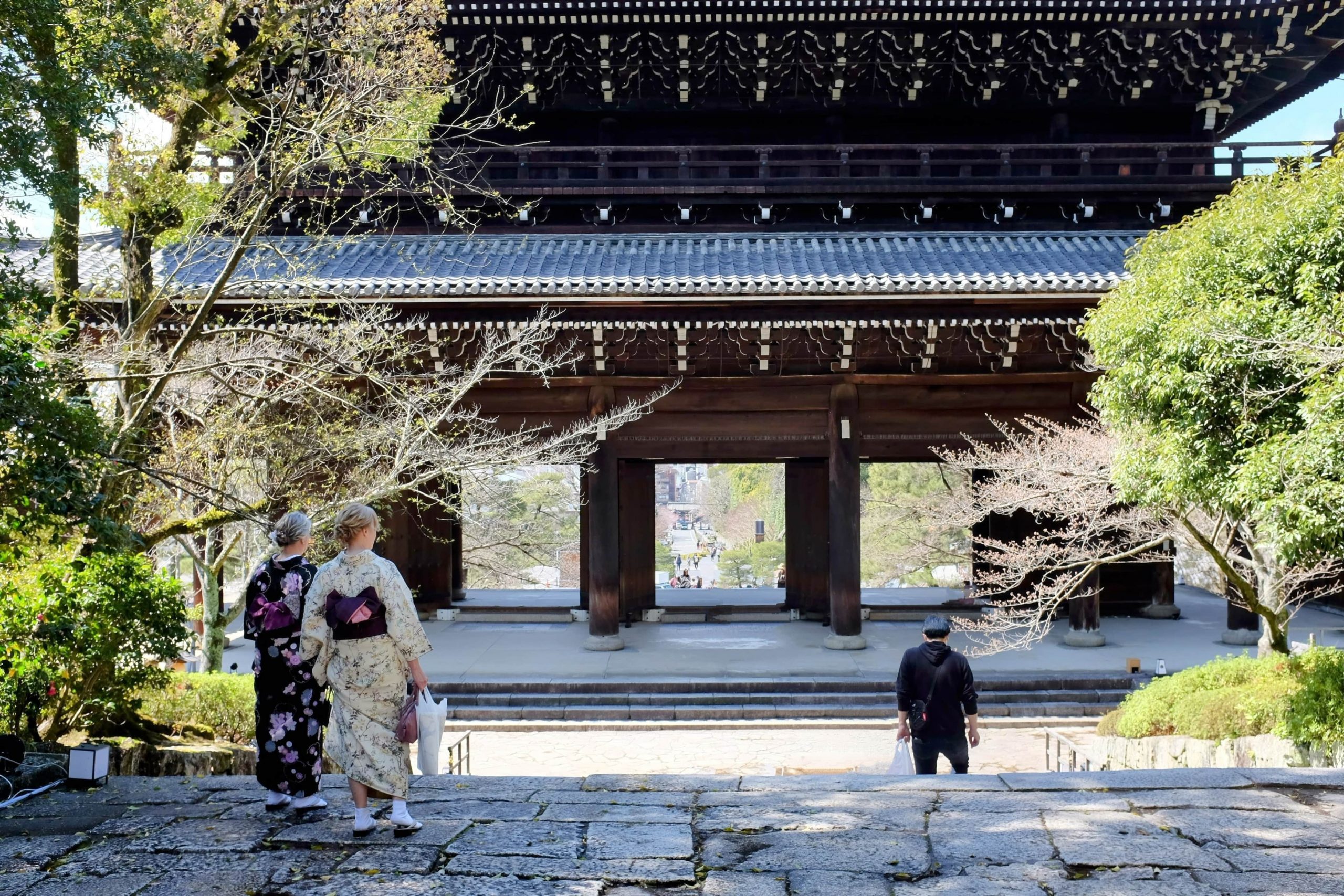
If you enjoy visiting temples but want something with space and atmosphere, this is one of Kyoto’s strongest choices.
9. Experience Ryoan-ji Rock Garden
Ryoan-ji Rock Garden is one of the most famous Zen gardens in Japan. The simple arrangement of rocks and raked gravel invites quiet observation rather than quick sightseeing.
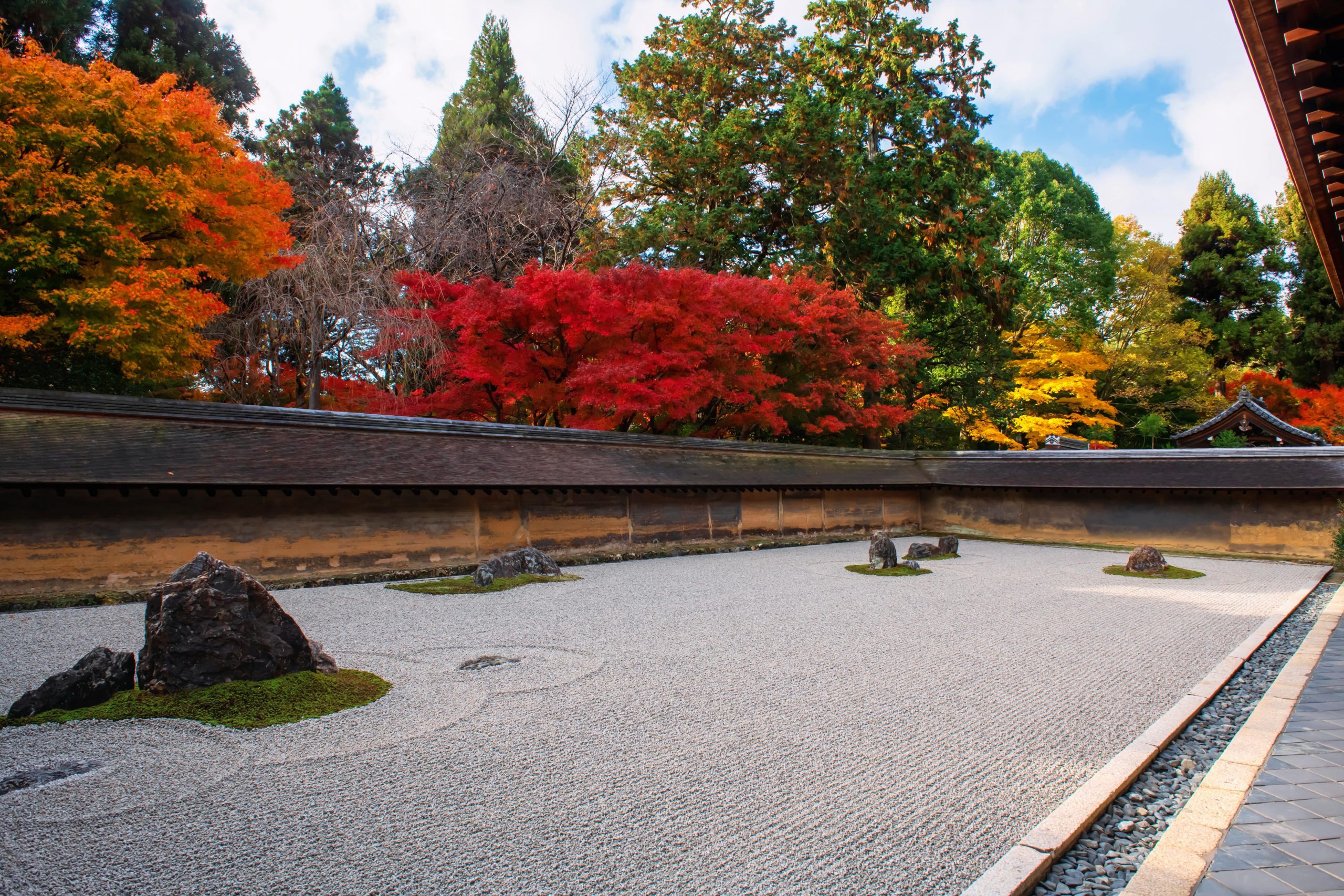
This rock garden is often paired with Kinkaku-ji and Ninna-ji Temple. It is a good reminder that Kyoto’s beauty is not always ornate. Sometimes it is restrained, minimal and deeply contemplative.
10. Discover Ninna-ji Temple
Ninna-ji Temple is another UNESCO World Heritage Site and a rewarding stop in northwest Kyoto. It is less crowded than Kinkaku-ji, making it a good option if you want to see important temples at a calmer pace.
Ninna-ji is also known for late-blooming cherry blossoms, which can be helpful if you arrive after the main cherry blossom season has peaked in central Kyoto.
11. Explore Gion and Its Tea Houses
Nothing captures the allure of old Japan quite like an evening stroll through Gion, Kyoto’s most famous geisha district. Here, time seems to slow as you wander lantern-lit streets lined with traditional wooden houses, exclusive teahouses, and hidden gardens. If you’re lucky, you may spot a maiko (apprentice geisha) on her way to a performance—one of the city’s truly authentic experiences. To gain a deeper understanding of geisha culture, consider booking a private dinner or performance for a personal, insider’s view.
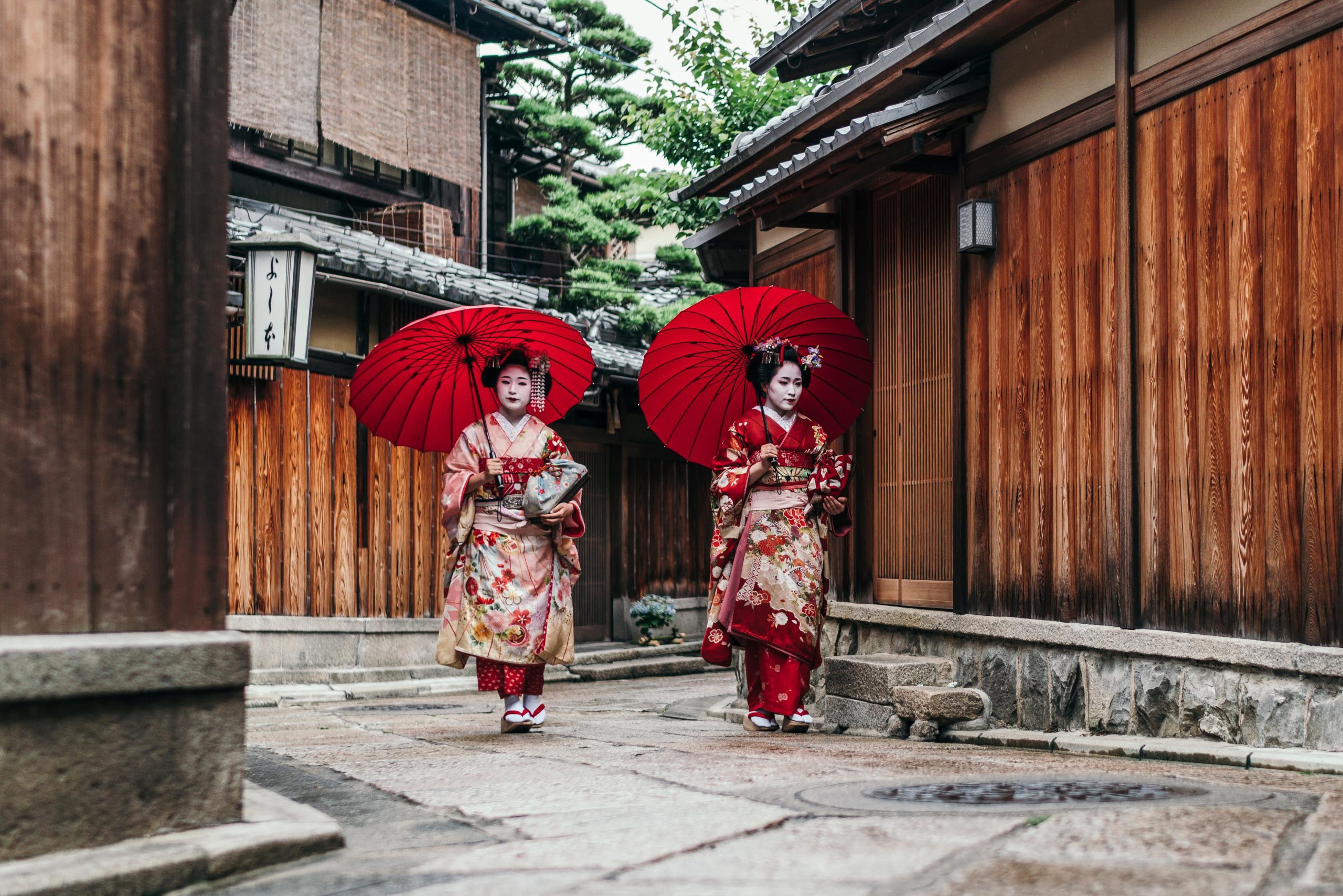
This is also one of the best areas for a tea ceremony, a cultural performance, or a private guided walk. A local guide can help explain the history of geiko and maiko culture while also helping visitors avoid disrespectful behaviour, such as photographing people without permission.
Local expert tip: Gion is beautiful, but it is still a working neighbourhood. Move gently, follow posted rules and avoid private lanes.
12. Join a Traditional Tea Ceremony
A traditional tea ceremony is one of the best ways to connect with Japanese culture in Kyoto. The experience usually includes powdered green tea, seasonal sweets, and a carefully choreographed sequence of movements that reflect hospitality, respect, and attention.
Some tea ceremony experiences are formal and meditative. Others are beginner-friendly and include English explanations. You may sit in a small tearoom, learn how to whisk matcha and enjoy hot tea while understanding the deeper meaning behind the ritual.
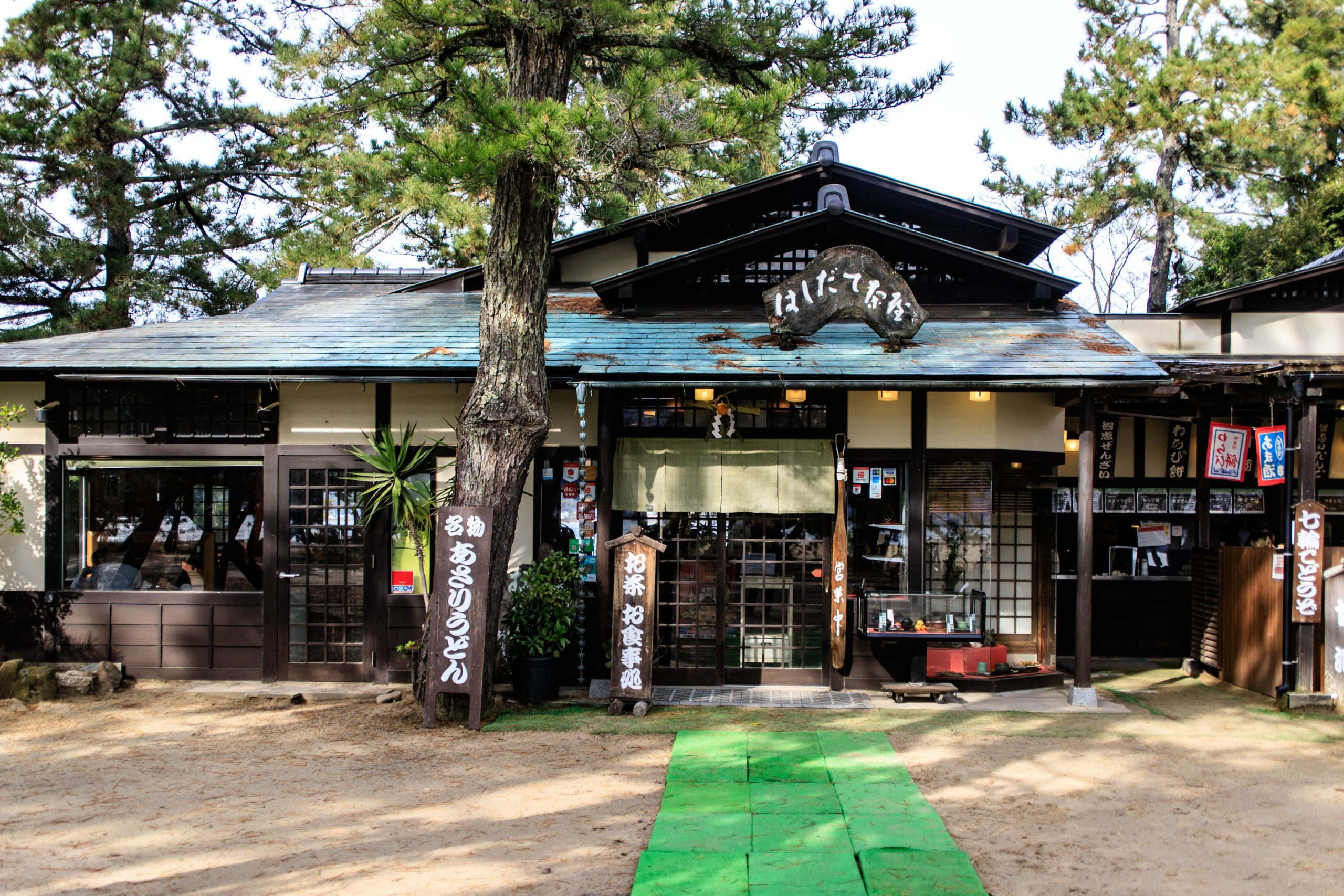
Traditional Japanese Tea House in Kyoto.
For travellers who want a more immersive experience, Designer Journeys can match a tea ceremony with nearby temples, gardens or kimono rental shops for a beautifully paced cultural day.
13. Eat Your Way Through Nishiki Market
Nishiki Market is one of the best places to taste Kyoto’s food culture. This narrow market street is packed with stalls and shops selling pickles, seafood, sweets, tofu, tea, rice crackers, knives, matcha snacks and other local specialities.
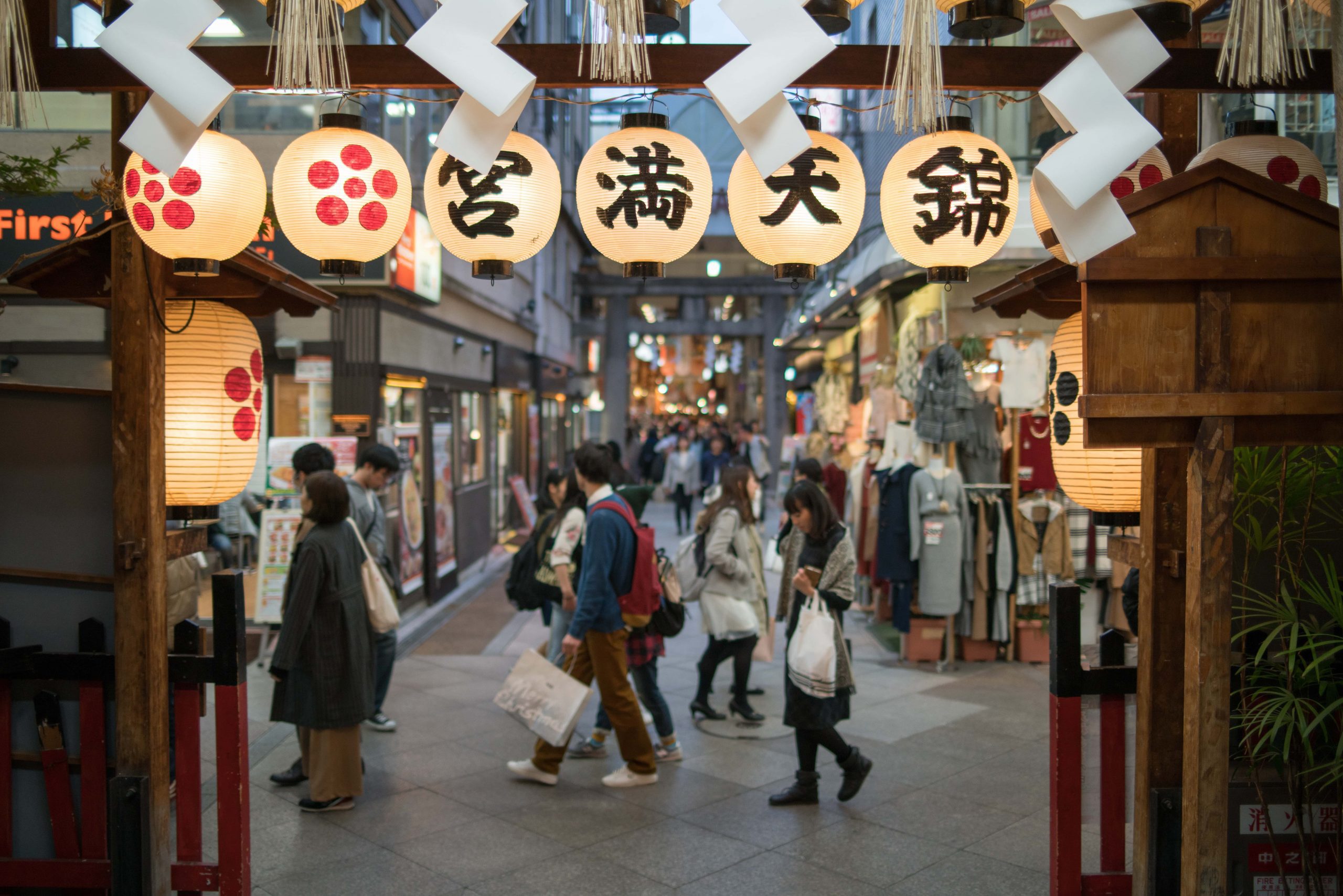
Nishiki market, Kyoto.
It is a great introduction to Japanese food, especially if this is your first visit to Kyoto. Try a few small bites rather than one large meal, and be mindful of local etiquette. Some stalls prefer that you eat in front of the shop rather than taking the food away.
Nishiki Market is easy to pair with downtown Kyoto, Pontocho Alley and the Kamo River.
14. Visit Kyoto Imperial Palace
Kyoto Imperial Palace sits within the spacious Kyoto Gyoen National Garden and offers a different kind of historical experience from the city’s temple districts.
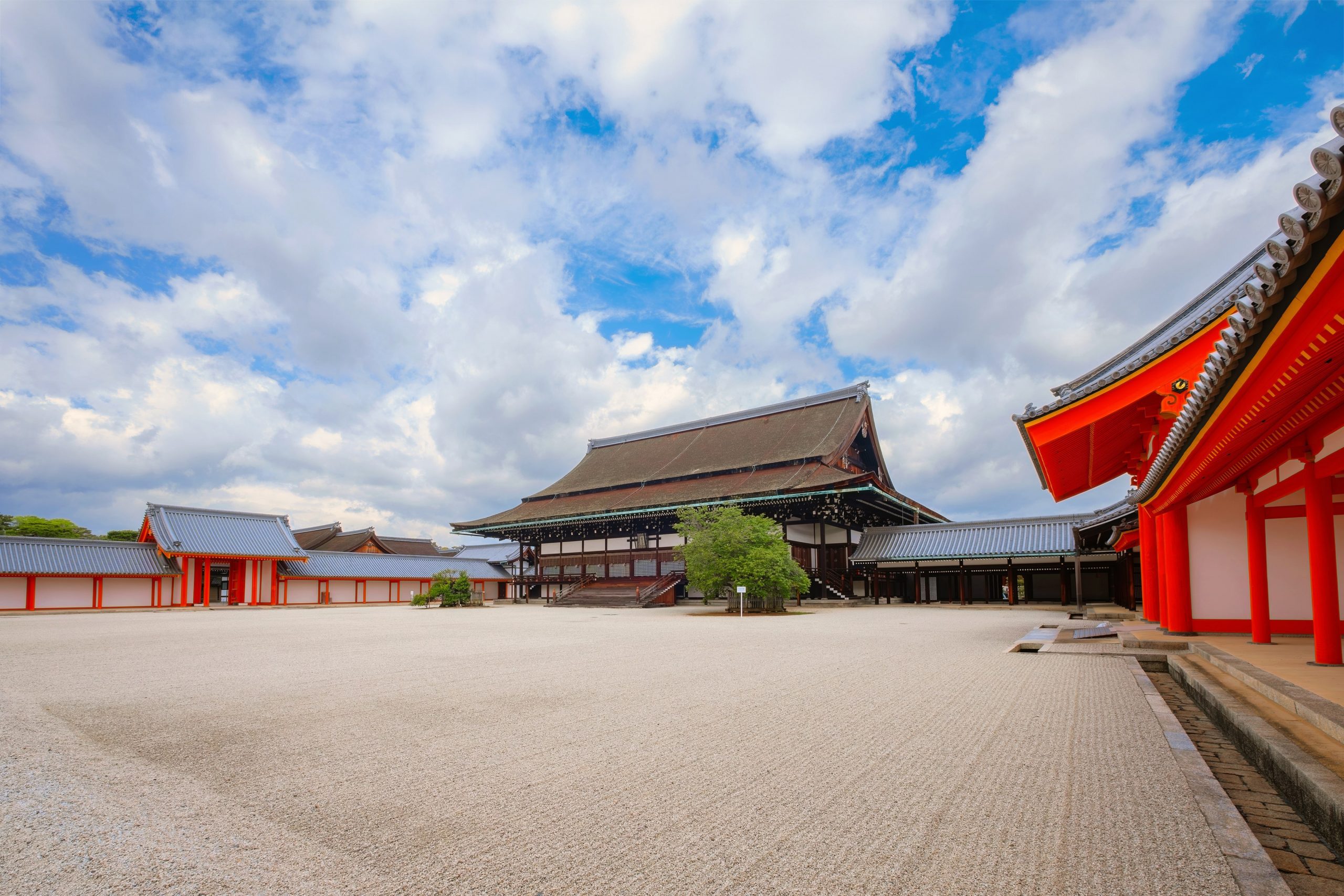
Kyoto Imperial Palace.
The Kyoto Imperial Palace was once home to Japan’s imperial family before the capital moved to Tokyo. Today, visitors can explore the palace grounds and surrounding parkland, which offer wide paths, seasonal trees and a peaceful break from busier sightseeing areas.
It is also within reach of downtown Kyoto and can be paired with local cafes, museums or the Kyoto Botanical Gardens.
15. Relax at Kyoto Botanical Gardens
Kyoto Botanical Gardens is a lovely option for travellers who want seasonal nature without temple crowds. It is especially pleasant during cherry blossoms, roses, autumn leaves and spring flowers.
The gardens are also useful for families, repeat visitors or anyone who wants a quieter outdoor experience. It is not always included on first-time itineraries, which makes it one of Kyoto’s softer hidden gems.
16. Walk Along the Kamo River
The Kamo River is one of the best things to do in Kyoto. Flows through the heart of Kyoto Prefecture, providing a natural boundary between modern city life and tranquil green spaces. Families, couples, and solo travellers gather here for picnics, walks, and seasonal festivals. The riverside paths are within walking distance of many temples, making it easy to design your own seamless exploration of the city.
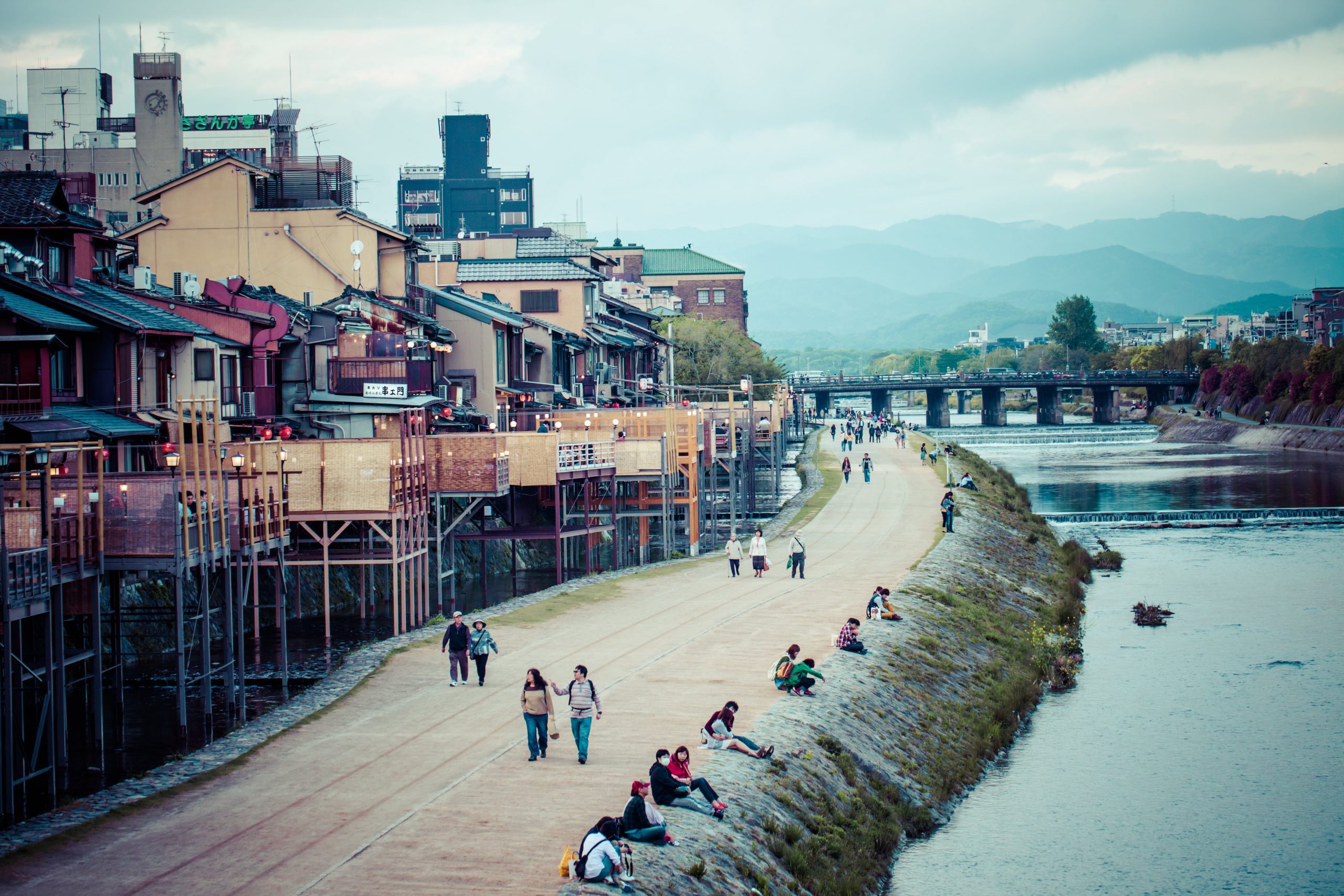
The Kamo River in Kyoto in autumn.
For visitors, it is a simple way to experience local culture between sightseeing stops. Walk from downtown Kyoto toward Demachiyanagi, or enjoy the stretch near Pontocho after dinner.
17. Explore Downtown Kyoto
Downtown Kyoto is the city’s practical and social centre. It is where you will find shopping streets, department stores, restaurants, cafes, bars and some of the great coffee shops in the city.
This area works well as a base if you want convenience. It is also a good place to stay if you prefer easy access to restaurants, nightlife and public transport rather than temple views.
From downtown Kyoto, you can reach Gion, Nishiki Market, Pontocho Alley and the Kamo River on foot.
19. Visit the Silver Pavilion
If Kinkaku-ji is the golden star, Ginkaku-ji is the Silver Pavilion—a masterpiece of subtlety and refinement. This zen temple is celebrated for its elegant simplicity, beautiful temple gardens, and unique sand sculptures. The moss garden here is a peaceful retreat, especially during cherry blossom season. The nearby Philosopher’s Path leads you along a scenic canal to even more hidden temples, making it one of the most relaxing things to do in Kyoto.
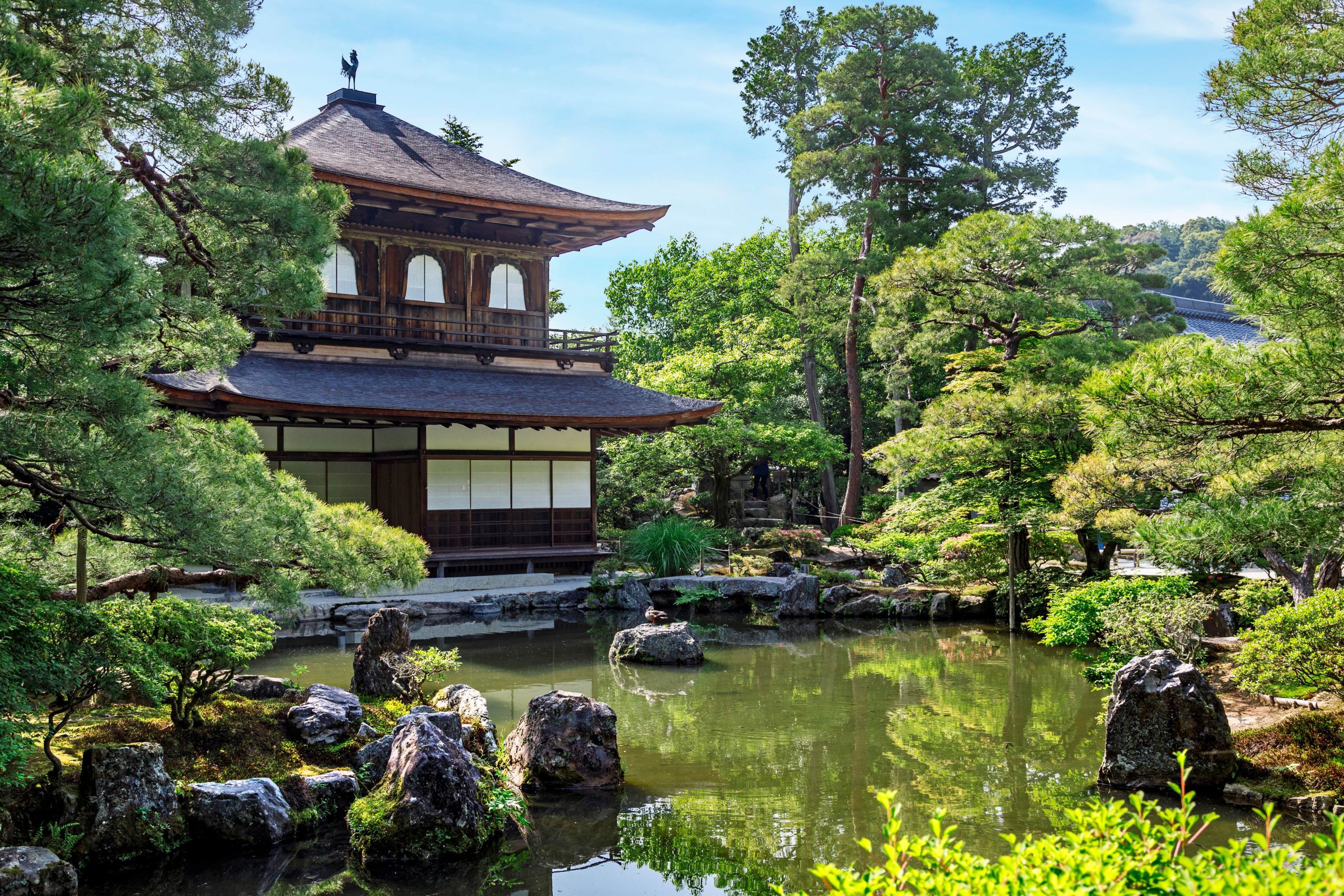
Ginkaku-ji is the Silver Pavilion.
Start here in the morning, then walk the Philosopher’s Path toward Nanzen-ji Temple. This route is especially beautiful during cherry blossom season and fall foliage.
20. Find Kyoto’s Hidden Gems
Kyoto’s hidden gems are not always far from the famous sights. Sometimes they are a side temple, a quiet garden or a small neighbourhood just beyond the main route.
Good options include the Gio-ji moss temple in Arashiyama, Honen-in near the Philosopher’s Path, Otagi Nenbutsu-ji with its expressive stone figures, Shinnyo-do for autumn colour, and the quieter streets north of Gion.
These places are ideal for travellers who want to go beyond the obvious list of things to do in Kyoto.
21. Try a Kimono Experience
Kimono rental shops are easy to find around Gion, Higashiyama and Kiyomizu-dera Temple. Wearing Kimono can make a temple walk or tea ceremony feel more memorable, especially for first-time visitors.
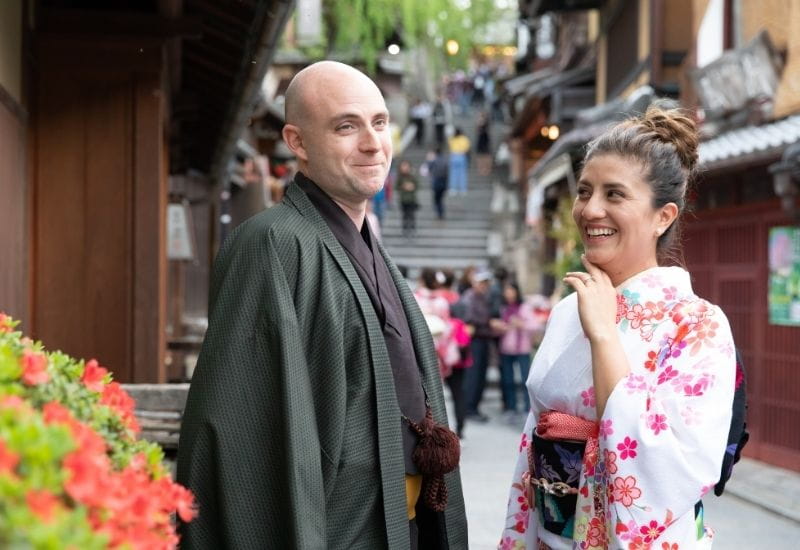
Kimono Experience is one of the best things to do in Kyoto.
Choose a reputable rental shop with comfortable fitting, clear pricing and practical advice on walking routes. The streets around Yasaka Pagoda, Ninenzaka and Sannenzaka are especially popular for photos.
22. Enjoy Kyoto’s Seasonal Beauty
Kyoto changes dramatically with the seasons. Cherry blossom season brings soft pink blooms to the Philosopher’s Path, Maruyama Park, the Kamo River and temple gardens. Autumn paints the temples in deep reds and golds, typically peaking in mid-November.
Summer is humid but lively, with festivals, riverside dining and lush greenery. Winter is quieter, crisp and atmospheric, especially if snow dusts the temple roofs.
The best time to visit Kyoto depends on what you value most. For scenery, spring and autumn are hard to beat. For fewer crowds, winter is often more comfortable.
23. Design a Custom Kyoto Experience
Kyoto can be overwhelming because there are so many famous temples, districts, gardens and food experiences to choose from. A personalised itinerary helps you avoid doubling back across the city or spending your day stuck behind tour groups.
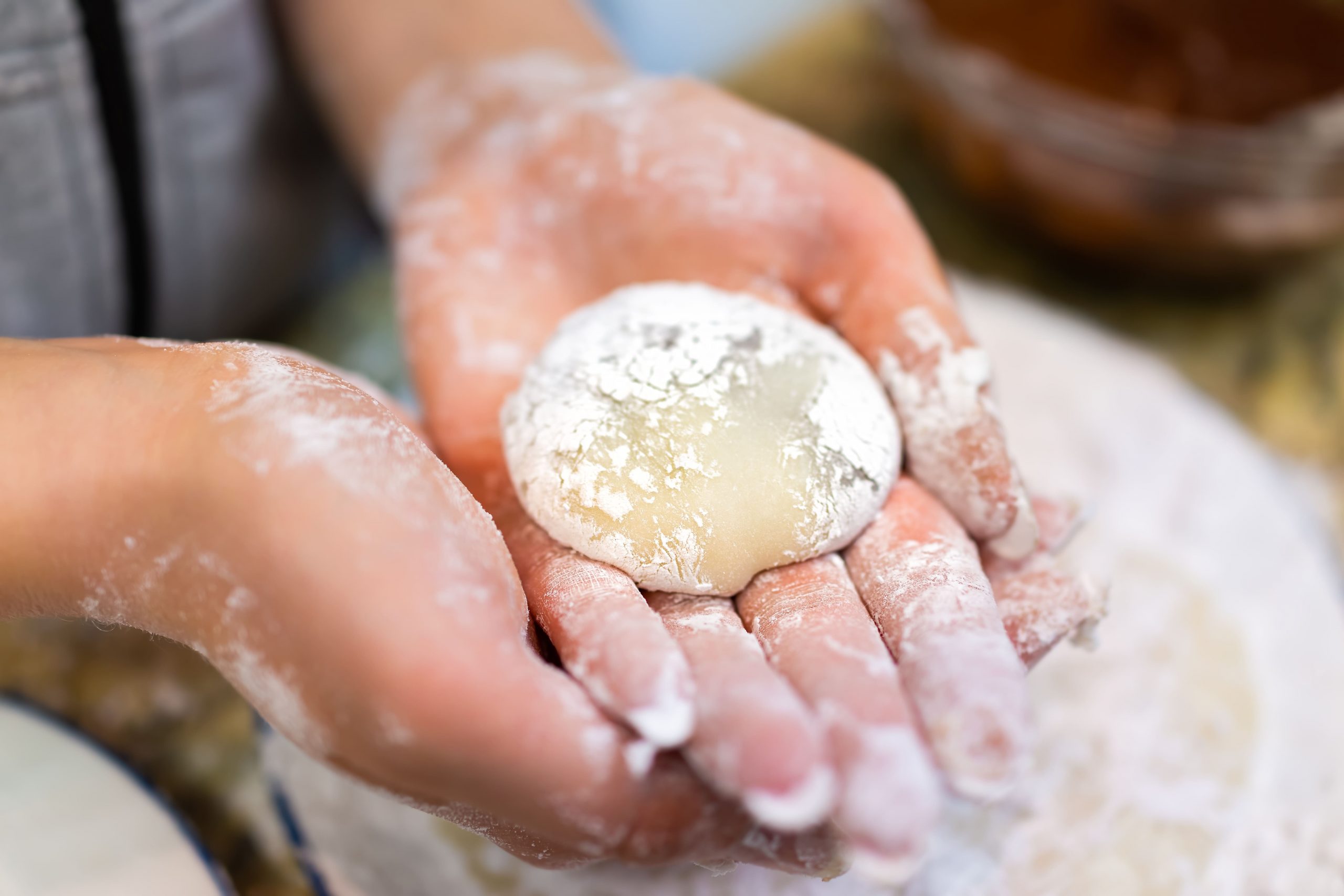
Joining a cooking class in Kyoto led by expert chefs.
Expert Tips for a Seamless Trip
With Designer Journeys, you can connect with a Local Designer who understands timing, neighbourhoods, local culture and the small details that make Kyoto feel special. Your trip can include a traditional tea ceremony, a private guide, hidden temples, a luxury hotel stay, a ryokan experience, restaurant bookings, transport planning, and meaningful cultural encounters.
Instead of following a pre-packaged route, you can design Kyoto around your version of extraordinary.
Kyoto Itineraries for First-Time Visitors
1-Day Kyoto Itinerary
If you only have one day, focus on Higashiyama, Gion and Nishiki Market.
Start early at Kiyomizu-dera Temple before the busiest crowds arrive. Walk through Sannenzaka and Ninenzaka toward Yasaka Pagoda, then continue to Gion. Have lunch at Nishiki Market or nearby downtown Kyoto. In the afternoon, visit Fushimi Inari Shrine or take a slower walk along the Kamo River. End your day in Pontocho or Gion.
This route works well because many sights are within walking distance, reducing the need to cross the city.
2-Day Kyoto Itinerary
With two days, divide your time between eastern and western Kyoto.
Day 1: Kiyomizu-dera Temple, Yasaka Pagoda, Gion, Nishiki Market, tea ceremony and Pontocho.
Day 2: Arashiyama Bamboo Grove, Tenryu-ji Temple, Monkey Park, Gio-ji moss temple and the Sagano Romantic Train.
This gives first-time visitors a strong mix of temples, food, scenery and cultural experiences.
3-Day Kyoto Itinerary
Three days give you room to experience Kyoto more thoughtfully.
Day 1: Higashiyama, Gion, Kiyomizu-dera Temple and traditional tea ceremony.
Day 2: Arashiyama Bamboo Grove, Tenryu-ji Temple, Sagano Romantic Train, Monkey Park and riverside dining.
Day 3: Fushimi Inari Shrine, Tofuku-ji, Kyoto Imperial Palace, Nanzen-ji Temple or the Philosopher’s Path.
For your third day, you can also add a day trip to Nara, Uji or Osaka, depending on your wider Japan trip.
How to Get Around Kyoto
Kyoto is easy to explore with a mix of trains, buses, taxis and walking. Google Maps is helpful for planning routes, checking train times and understanding whether attractions are within walking distance.
Kyoto Station is the main transport hub. From there, you can reach Arashiyama via the JR San-in Line, also known as the Sagano Line. Fushimi Inari Shrine is reached easily by train, while many temples in Higashiyama and northern Kyoto require buses or taxis.
Buses are useful, but they can be crowded during cherry blossom season and fall foliage. For a smoother trip, group your sightseeing by neighbourhood and avoid crossing the city multiple times in one day.
Where to Stay in Kyoto
Gion and Higashiyama
Best for atmosphere, historic streets, tea houses, temples and evening walks. This area is ideal for a first-time visitor.
Downtown Kyoto
Best for restaurants, shopping, nightlife, cafes and transport convenience. It is a practical base for food lovers.
Kyoto Station Area
Best for transport, day trip plans and travellers moving between Japanese cities. It is convenient, though less traditional in feel.
Arashiyama
Best for nature, riverside scenery, luxury hotel stays and a slower pace. It is especially good for couples and repeat visitors.
Northern Kyoto
Best for quieter neighbourhoods, hidden gems, gardens and a more local rhythm.
Best Day Trips from Kyoto
Kyoto is also a strong base for day trip options. Nara is one of the most popular cities, known for its deer park, Todai-ji, and historic temples. Osaka is easy to reach for food, nightlife and a more energetic urban experience. Uji is a great choice for green tea lovers, with tea houses, riverside walks and Byodo-in Temple.
If your Japan trip includes visiting Tokyo, the Shinkansen makes it easy to travel between Tokyo and Kyoto, though you should still give Kyoto enough time to breathe.
Expert Tips for Kyoto
Arrive early at major sights
Arrive early at major sights such as Fushimi Inari Shrine, Kiyomizu-dera Temple and Arashiyama Bamboo Grove. Visit early to get photos without crowds, especially during cherry blossom season and autumn.
Do not try to see every temple
Kyoto is better when you choose a few temples carefully and allow time to enjoy them. Balance popular temples with hidden gems, and mix sightseeing with cultural experiences such as a tea ceremony, a market visit, or a local food walk.
Stay Near Kyoto Station for Easy Transport
Kyoto Station is the city’s main train station and one of the most useful places to base yourself if you plan to travel around the region. It connects Kyoto with Tokyo, Osaka, Nara, Hiroshima and other major destinations.
The area around Kyoto Station is not as atmospheric as Gion or Higashiyama, but it is extremely convenient. It works especially well for travellers taking the Shinkansen, planning a day trip or moving between multiple Japanese cities.
Don’t over-rely on Google Maps
Use Google Maps, but do not rely only on the fastest route. Sometimes the best Kyoto moments happen on foot, between famous stops.
Most importantly, leave space in your itinerary. Kyoto is not only a checklist of attractions. It is a city of details: steam rising from hot tea, gold leaf catching the morning light, moss after rain, quiet lanes near a Zen temple and cherry blossoms floating along a canal.
That is the Kyoto worth designing your trip around.
F.A.Qs
Are 2 days in Kyoto enough?
Two days let you see some of Kyoto’s highlights—like Fushimi Inari Shrine, Kinkaku-ji Temple, and the Arashiyama Bamboo Grove. However, with over a thousand stunning temples and unique neighbourhoods, you’ll only scratch the surface.
What is Kyoto best known for?
Kyoto is renowned for its historic temples and shrines, traditional tea ceremonies, stunning cherry blossoms, and well-preserved geisha districts. It’s the heart of Japanese culture, blending the timeless artistry of old Japan with a vibrant modern city.
Are 3 days in Kyoto enough?
Three days is perfect for exploring Kyoto’s most famous temples, sampling local cuisine, and experiencing the city’s cultural heart. With three days, you can enjoy must-sees like Kiyomizu-dera Temple, Nishiki Market, and even take a day trip to Nara or Uji.
What is the number one thing to see in Kyoto?
The number one must-see in Kyoto is Fushimi Inari Shrine, with its endless red torii gates winding up the mountainside. It captures the city’s spiritual essence and is an iconic symbol of Kyoto.
Design Your Seamless Kyoto Journey With Confidence
Visiting Japan is about more than just ticking off a checklist; each trip to Kyoto is a unique experience. The most inspiring journeys combine personal passions with local insights. Whether you’re dreaming of cherry blossoms, stunning temples, vibrant bamboo forests, or hands-on cultural experiences, let Designer Journeys help you explore, design, and create a trip crafted just for you.
Book your Kyoto trip today and let our experienced Local Designers guide you through the best things to do in Kyoto, from iconic highlights to hidden gems. Travel with trust, care, and the confidence that every detail is expertly designed—for you, by us, together.
Visit Japan in another place? Check out our guide for your best travel inspiration.