Post Contents
- Start Planning a Trip to South Korea: Luxury Travel Planning in Seoul with Confidence
- 7 Days in South Korea Itinerary: Seoul and Busan Luxury Route with Travel Times (Whole Itinerary)
- Seoul Itinerary for Luxury Stays: Palaces in Seoul in the Heart of the City for a Trip to Seoul
- Explore Bukchon Hanok Village: Private Bukchon Hanok Tour, Gyeongbokgung, and Hanbok Styling
- Busan Itinerary by the Seaside: Haeundae, Haedong Yonggungsa Temple, and Gamcheon
- Food in South Korea: Michelin Restaurants in Seoul (La Yeon, Jungsik) and Delicious Street Food
- Gangnam & Apgujeong Luxury Shopping in Seoul: Local Designers for a Stylish South Korea Trip
- DMZ VIP Private Tour: South Korea and North Korea History for a Respectful Day Trip
- F.A.Qs: Planning a Trip to South Korea
- Final Thought
Start Planning a Trip to South Korea: Luxury Travel Planning in Seoul with Confidence
Start planning your South Korea trip with confidence—an elegant first chapter in Seoul
If you’re planning a trip to South Korea, start with one gentle question: Why this destination, now? South Korea is famous for design and detail—whether that’s a single palace courtyard at first light, the precision of contemporary wellness culture, or the way a tasting menu can tell a story. If you’re googling “plan a trip to south…” and feeling overwhelmed, choose 2–3 priorities (history, fashion, food, restorative calm) and let the rest of your trip to Korea unfold with intention.
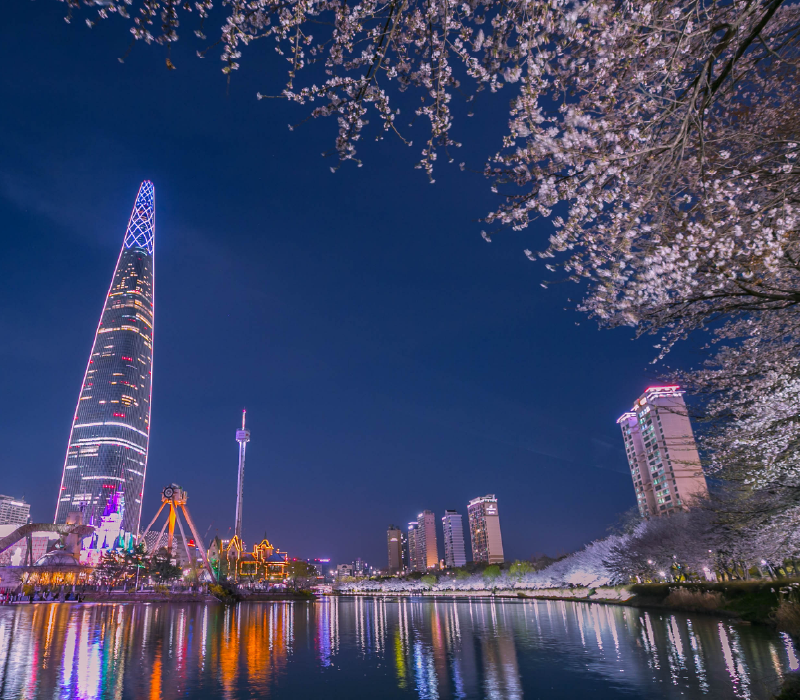
Timing matters, especially if you’re dreaming of cherry blossom views. During cherry blossom season, cherry blossoms bloom for a short window that can make Seoul feel almost dreamlike. Summer and winter have their own charm too—summer can be hot and humid, while winter is crisp and dry—so you’re choosing atmosphere as much as weather.
Start planning with the weather, arrivals at Incheon, and flights to Seoul
Most travellers land at Incheon, and the difference between an easy arrival and a tiring one is often decided in the first hour. If you’re coordinating long-haul connections and flights to Seoul, a pre-arranged car to your hotel in Seoul keeps the transition calm and polished. A taxi is perfectly workable for short hops later, but for multi-stop days (galleries, fittings, appointments) a private driver and a concierge who can adjust on the fly supports you in the best way.
To make your trip feel smooth from the start, build a simple “tech and etiquette” foundation. Korea is highly connected, so free Wi-Fi is common in hotels and cafés, but you’ll still appreciate a reliable SIM card for maps and messaging. A few cues help you move with ease: polite greetings, removing shoes indoors, and being mindful of quiet residential lanes—small gestures that many Koreans notice and appreciate.
- Reservations: Boutique hotels, private guides, and Michelin tables often reward booking at least 6 months in advance.
- Culture with care: Ask your guide about local customs—good manners travel well, and respectful pacing is part of luxury.
- Perspective: If you’re comparing routes like Japan, remember South Korea’s rhythm is different—more late-night energy when you want it, and deep calm when you seek it.
7 Days in South Korea Itinerary: Seoul and Busan Luxury Route with Travel Times (Whole Itinerary)
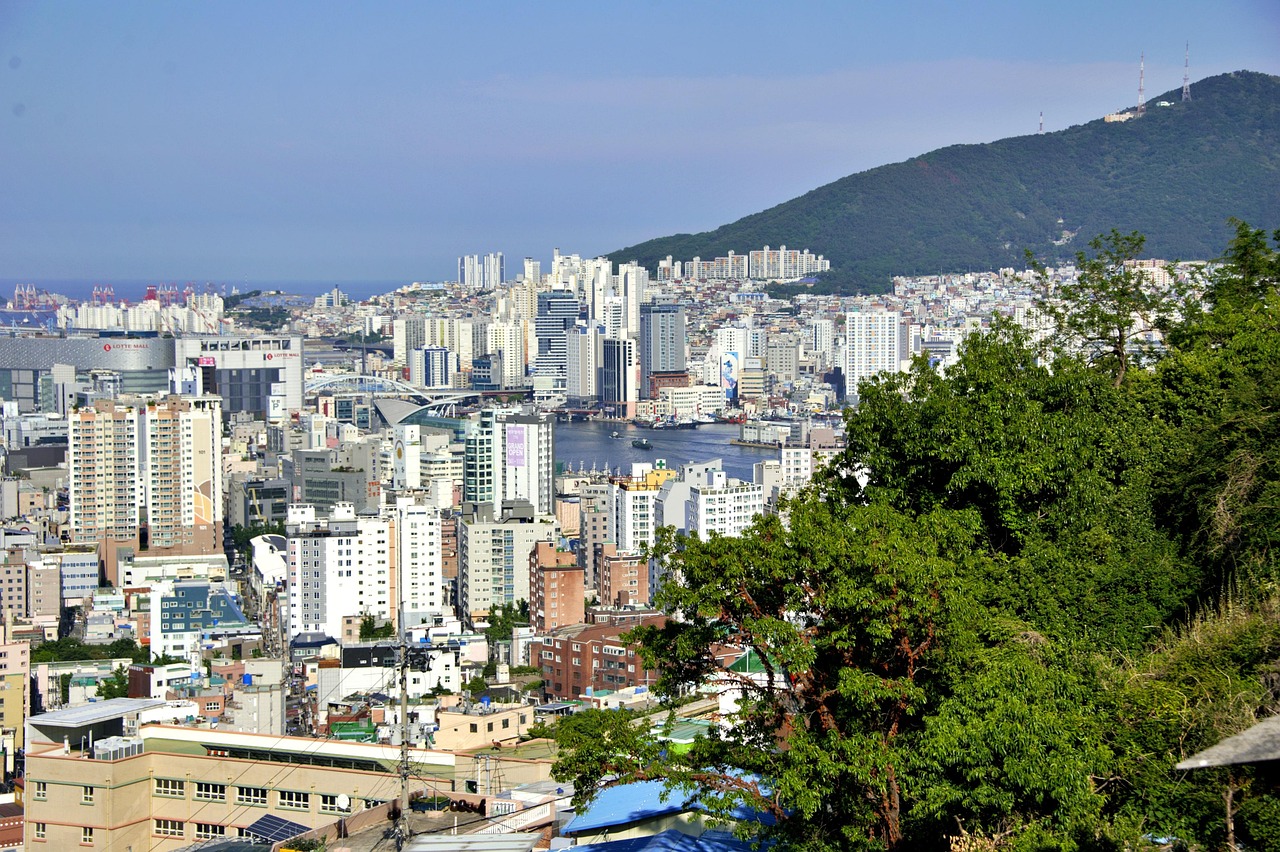
A spacious 7-day route pairing city glamour with a restorative seaside reset
This 7-day plan in South Korea is designed to feel spacious: four days in Seoul, two in Busan, and one flexible day trip depending on your mood. The aim is simple—your days in South Korea should never feel like you’re rushing between major attractions. Instead, you build a few anchor moments, then leave room for what you find in Korea along the way.
The Seoul and Busan pairing flows beautifully, especially for a first trip to South Korea. Door-to-door connections are comfortable thanks to the KTX, which turns the journey into a calm interlude rather than a chore—particularly if your hotel can help with luggage timing. When clients ask for a trip to Korea that feels high-touch but not over-managed, this is the pattern I trust.
South Korea itinerary structure for Seoul and Busan, with space for slow luxury
Days 1–4 Seoul: old and new neighbourhood texture, private cultural moments, Michelin dining, and one evening reserved for the Han River at twilight. Days 5–6 Busan: seaside air, artful stops, and a coastal reset. Day 7: a flexible day around Seoul—consider the mountains at Seoraksan National Park, or a history-focused route depending on your interests.
Optional extensions keep one trip feeling tailored. Some guests choose Seoul and Jeju as a soft second chapter: a short flight to a slower landscape. If you’re tempted, note this as “Jeju next” rather than forcing it—Jeju Island deserves time to breathe. If you want a city add-on instead, a design-minded stop in Daegu can be a surprising complement.
Planning note: build your route around reservations rather than crowds. Secure dining and boutique stays first, then design the rest of the itinerary as elegant connective tissue that respects real travel times. For inspiration beyond this guide, browse our Trip gallery and imagine what your version could become.
Seoul Itinerary for Luxury Stays: Palaces in Seoul in the Heart of the City for a Trip to Seoul
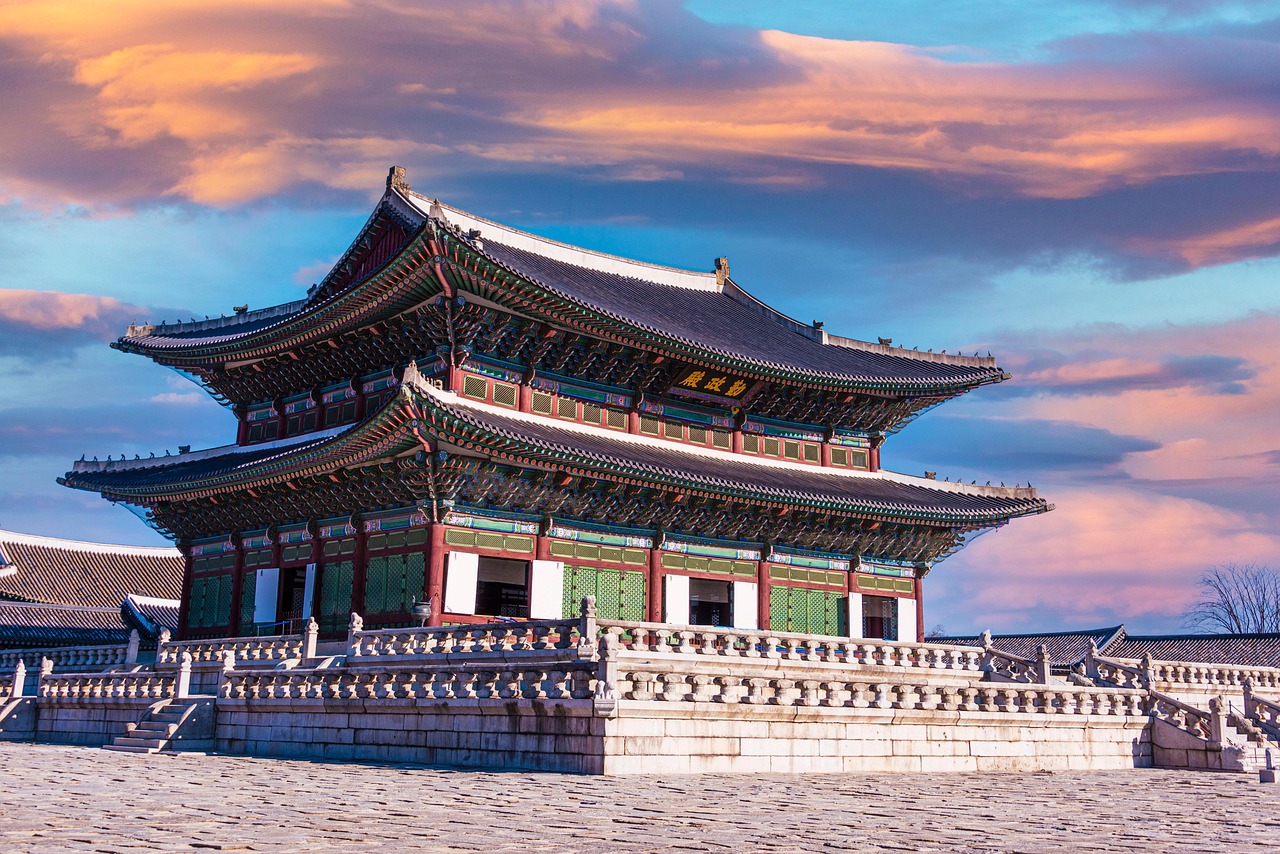
A refined Seoul stay with heritage mornings and modern ease
A Seoul itinerary begins with where you exhale at night—because the right hotel sets your pace for everything else. The Shilla Seoul is classic, quietly glamorous, and known for impeccable service, making it a good choice if you value spa rituals and a slightly more residential feel. Four Seasons Hotel Seoul is centrally located in the heart of the city, with a modern, polished energy. The concierge team is excellent at handling last-minute changes, and it’s superb for business-class efficiency with a warm human touch.
For things to see that suit high-end travellers, plan heritage mornings when the air is still. Gyeongbokgung is the iconic choice, and Changdeokgung offers a more garden-led calm that many travellers find deeply restorative. Later, consider a sunset moment at N Seoul Tower (often searched as Seoul Tower), timed with a private car so you can avoid the bustle and return to dinner feeling unhurried.
Plan your trip across Seoul neighbourhoods: shopping, culture, and curated nightlife
Seoul is a city of distinct moods, and the best days are planned by neighbourhood. Insadong is ideal for craft and refined souvenirs; Myeongdong works well for a polished stroll and beauty shopping; Itaewon can be excellent for international dining; and Hongdae brings youthful creative energy if nightlife is on your list. If K-pop is on your radar, your concierge can steer you toward curated experiences without turning the city into a theme park.
- Morning: sightseeing with a private guide at palaces in Seoul, then pause for coffee or a small gallery.
- Afternoon: a designed reset—spa, tea, or a quiet museum—so the day stays balanced.
- Evening: plan around a reservation, then return to your hotel with ease.
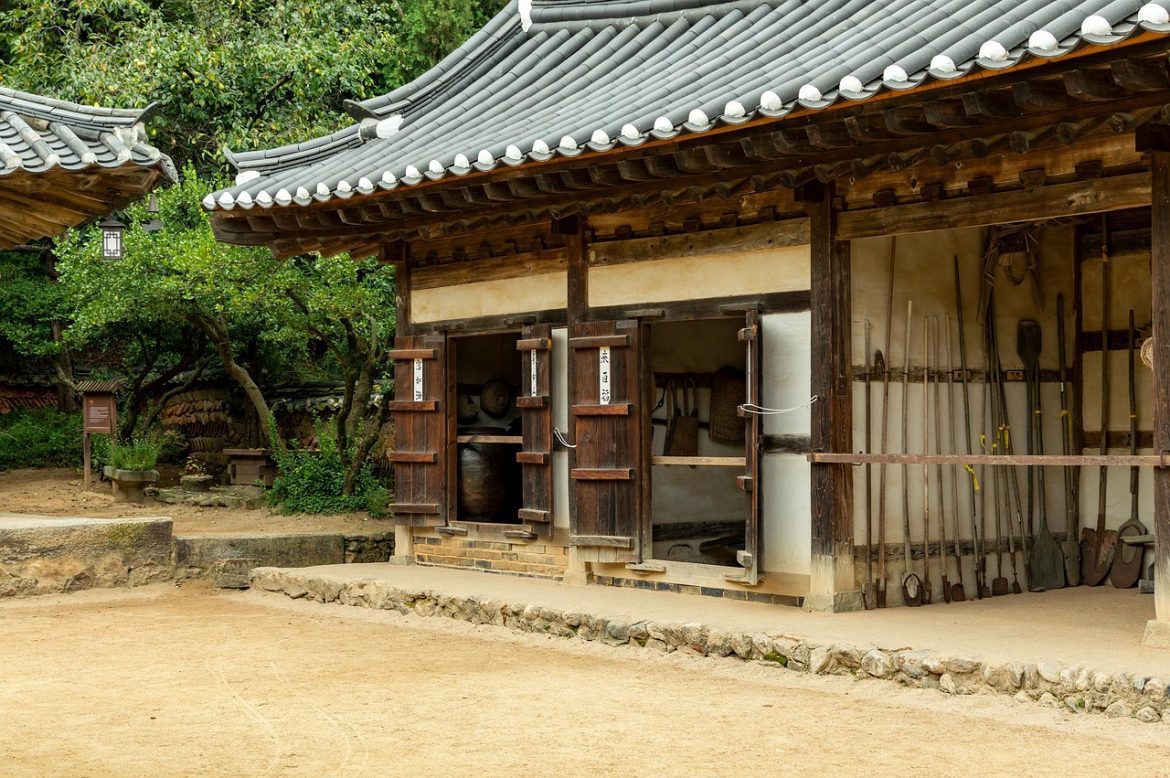
One couple once told me their anniversary felt “suspended in time” after checking into a Hanok suite at Rakkojae Seoul. The traditional timber lines and courtyard stillness were pure heritage, yet the bedding, heating and service were modern luxury—proof that this city can hold history and comfort together without compromise.
Explore Bukchon Hanok Village: Private Bukchon Hanok Tour, Gyeongbokgung, and Hanbok Styling
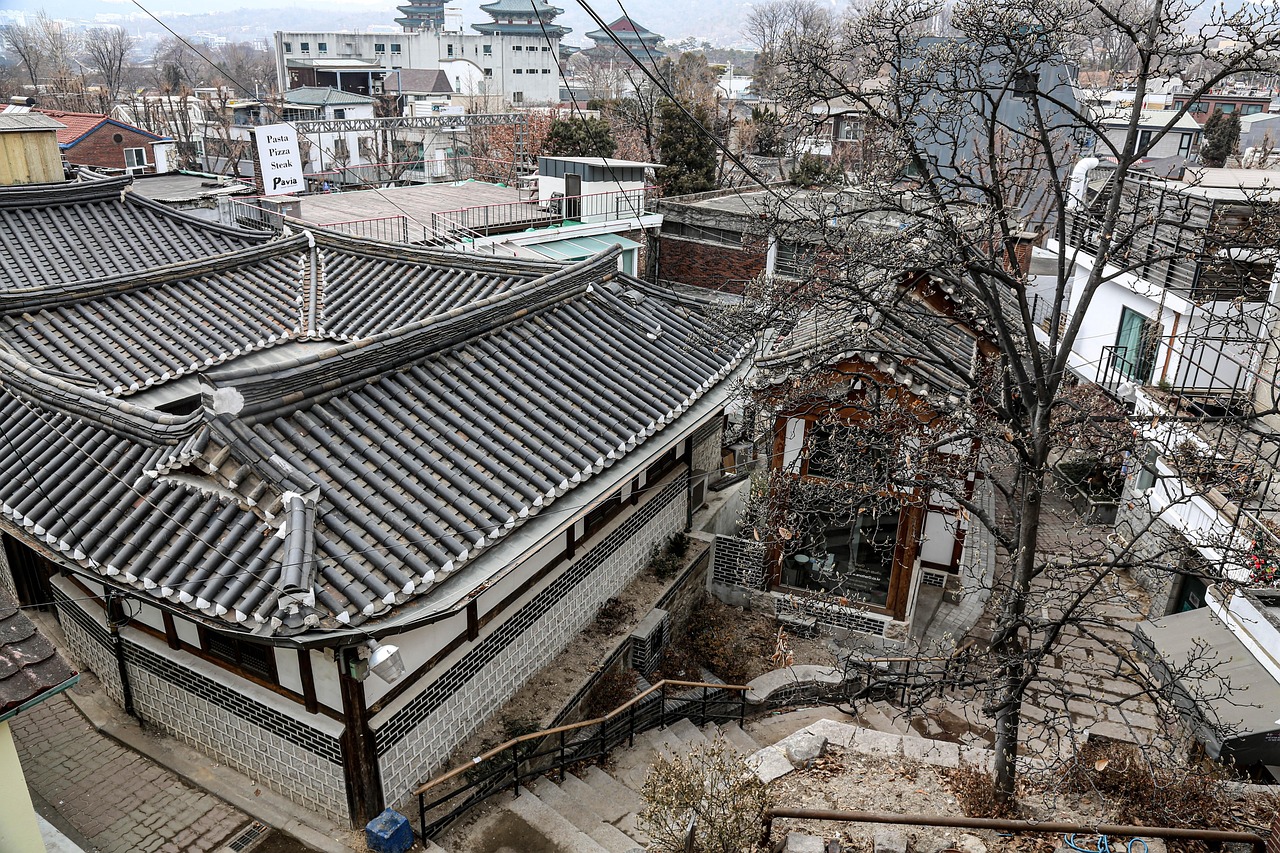
A quiet, curator-led morning through a living heritage neighbourhood
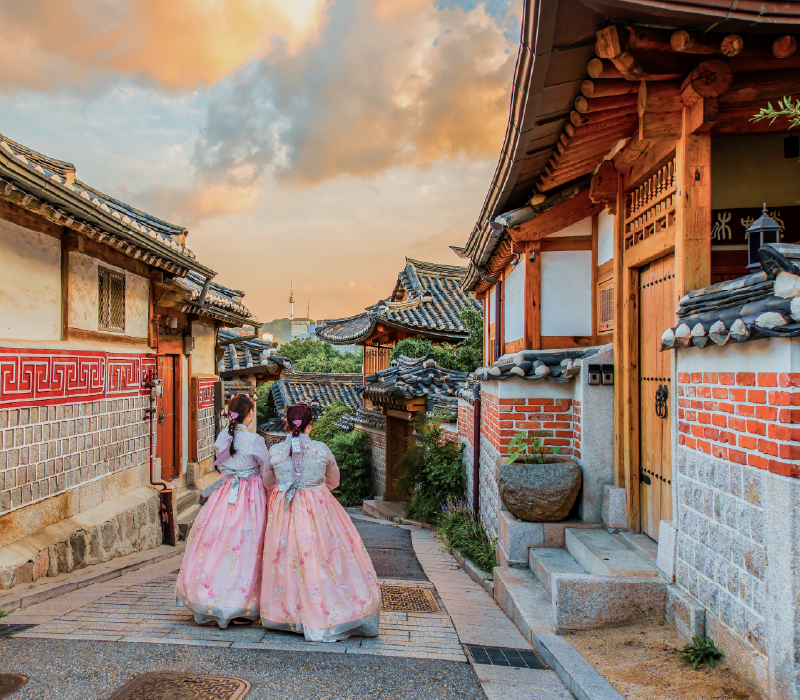
For many travellers, the most memorable luxury in Seoul is quiet intimacy—and that’s exactly what a Bukchon Hanok experience can offer. Rather than arriving as part of a crowd, explore with a curator-like guide who can interpret rooflines, door hardware, and the logic of courtyard living. You’ll also learn the unspoken rules of local residential streets, which is a form of respect that locals notice.
Done well, this isn’t “tick-box culture”; it’s crafted attention. Your guide can help you see how traditional forms influenced contemporary South Korean design, and why the smallest details (a threshold, a screen, a stone step) carry meaning. With a dedicated driver, transitions remain seamless—from the neighbourhood lanes to the palace gates and onward to tea—so you stay present rather than preoccupied.
Traditional dress photos and a private tea ceremony with cultural insight
A bespoke traditional outfit fitting followed by a short photoshoot near the main palace approach can be both beautiful and respectful. Choose a studio that explains etiquette and offers understated styling; then time your shoot to avoid peak congestion. A gentle reminder: ask before photographing others, keep voices low, and treat heritage spaces as living history, not a backdrop.
Later, step into a Gahoe-dong teahouse for a private tea ceremony. One solo traveller described it as “a lesson in mindfulness disguised as hospitality”—the warmth of the cup, the measured gestures, the permission to slow down. In a city that can sparkle, that kind of calm creates trust in your own pace.
Busan Itinerary by the Seaside: Haeundae, Haedong Yonggungsa Temple, and Gamcheon
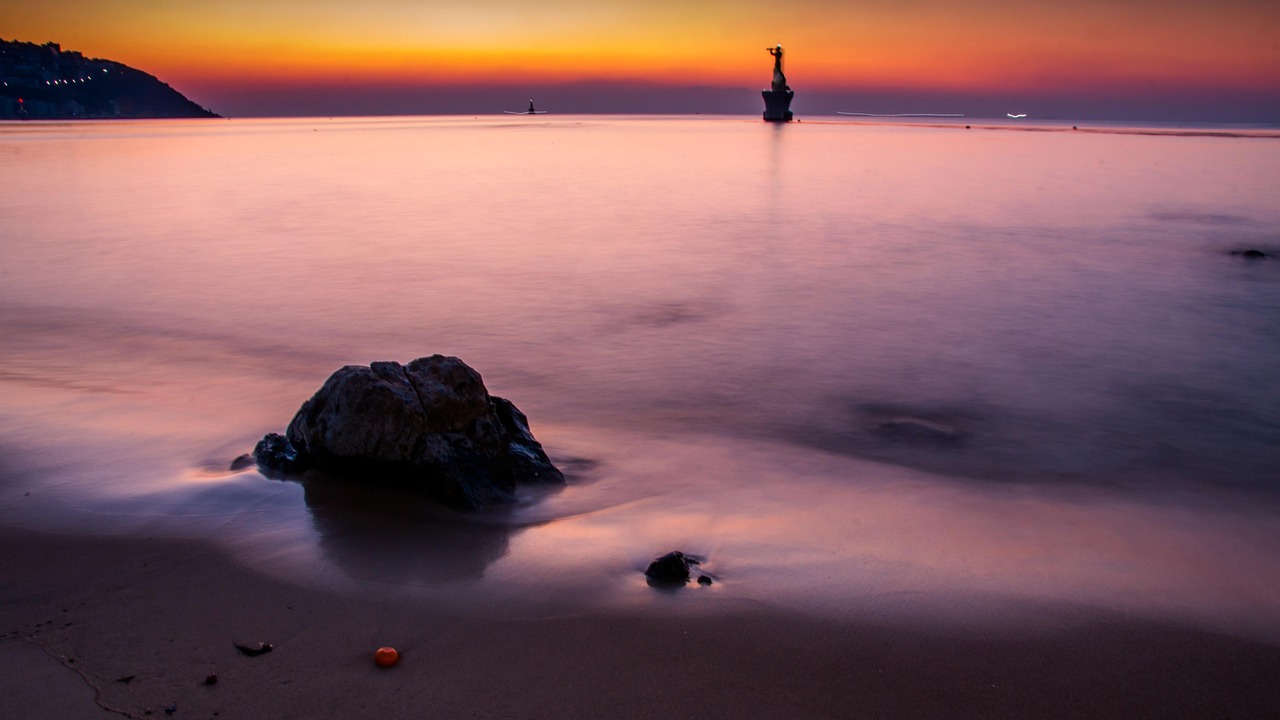
A coastal chapter designed for open skies and a softer pace
A Busan itinerary feels like opening a window after Seoul’s intensity. Busan is South Korea’s coastal counterpart—more open skies, a softer pace, and a different kind of design energy. If Seoul is about layers, Busan is about horizons.
Begin with a clean coastal walk, then ride the Haeundae blue line park for cinematic views that don’t demand heavy effort. For something more dramatic, plan an early visit to the cliffside sanctuary and let the morning stay quiet and reverent. If you’re curious about deeper history, a side excursion to Gyeongju can add an elegant heritage contrast.
A day to explore Busan: Gamcheon, Jagalchi, and space for changing weather
Gamcheon is best experienced on a guided walk through Gamcheon Cultural Village (often written as Gamcheon Culture Village) with the right framing. Go with a guide who understands the community context, keeps voices low, and helps you focus on craftsmanship and storytelling rather than rushing to take photos. Then balance the day with flavour: a gentle visit to Jagalchi market for tasting and local insight, before returning to your hotel for a refined reset.
- Rain-friendly option: swap the coast for galleries or cafés, and let the day unfold slowly.
- Slow-morning option: start later, then finish with a seaside dinner and a calm walk.
- Curiosity option: ask your guide what they’ve recently discovered—small exhibitions and pop-ups can be surprisingly memorable.
Food in South Korea: Michelin Restaurants in Seoul (La Yeon, Jungsik) and Delicious Street Food
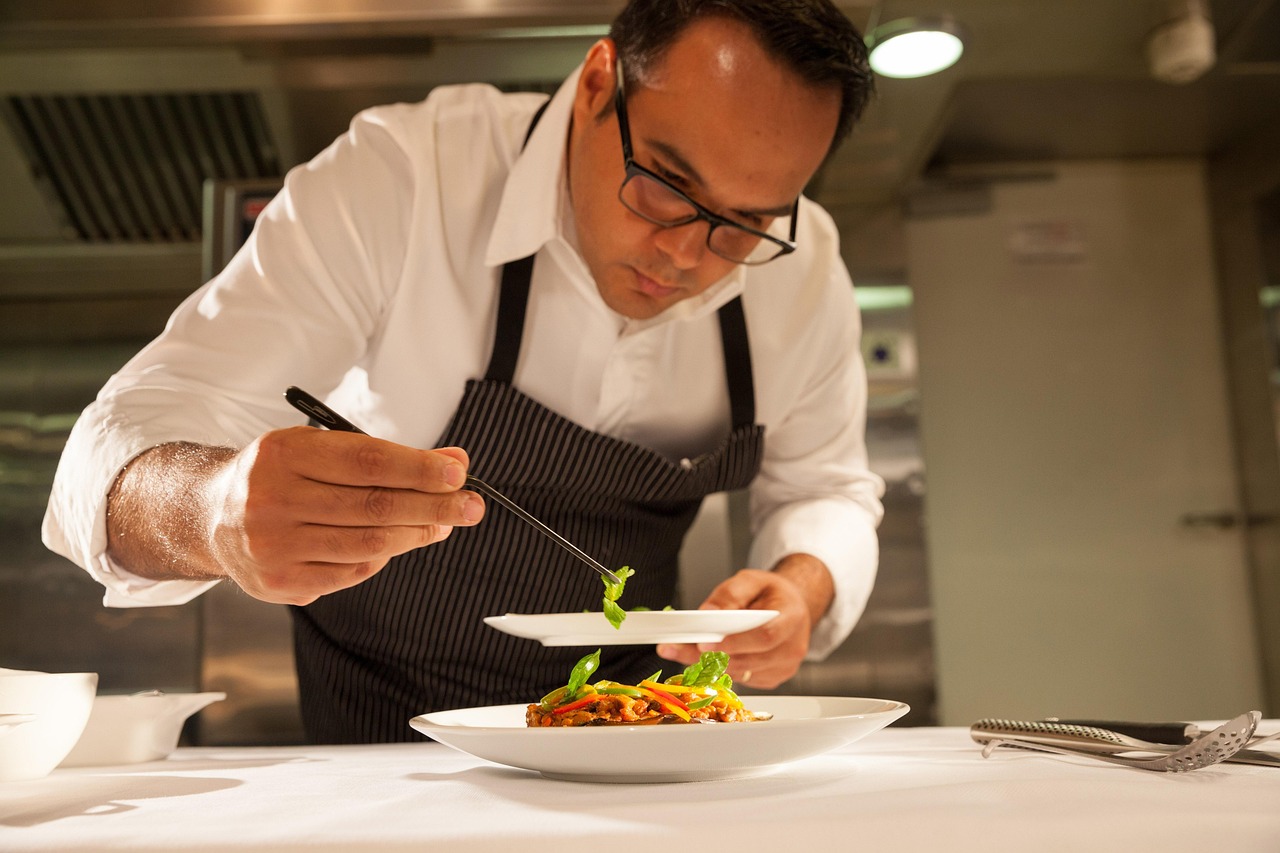
From tasting menus to market classics—Korean flavour, elevated
For many high-end travellers, food in Seoul isn’t just dining—it’s cultural insight, plated. A tasting menu can reveal the arc of Korean flavours: fermentation, smoke, sea, and seasonality, reinterpreted with modern technique. If you’ve only associated Korean cuisine with casual bites, this city has a way of gently changing your mind.
La Yeon is a serene, temple-like experience with thoughtful service that makes the evening feel choreographed but never stiff. Jungsik is innovative and contemporary, with a sense of play that still honours tradition. For both, advance reservations are essential; share dietary needs early, and your hotel concierge can help ensure seamless communication.
From market bites to fine dining: kimchi, rice cakes, and memorable contrast
For contrast, include one curated market stop chosen for quality, cleanliness and context rather than chaos. Try kimchi from a trusted vendor and freshly made rice cakes, then let that simplicity sit alongside your fine-dining memories. It’s not about choosing one or the other; it’s about discovering range with confidence.
A food lover once told me her multi-course meal at Jung Sik “reframed everything”. She arrived expecting bold flavours and left with an entirely new sense of Korean cuisine as gourmet craft—precise, seasonal, and deeply personal.
To keep the evening gentle, pair dinner with a quiet walk or an early night so you wake refreshed for the next day’s plans. Luxury travels best when you protect your energy.
Gangnam & Apgujeong Luxury Shopping in Seoul: Local Designers for a Stylish South Korea Trip
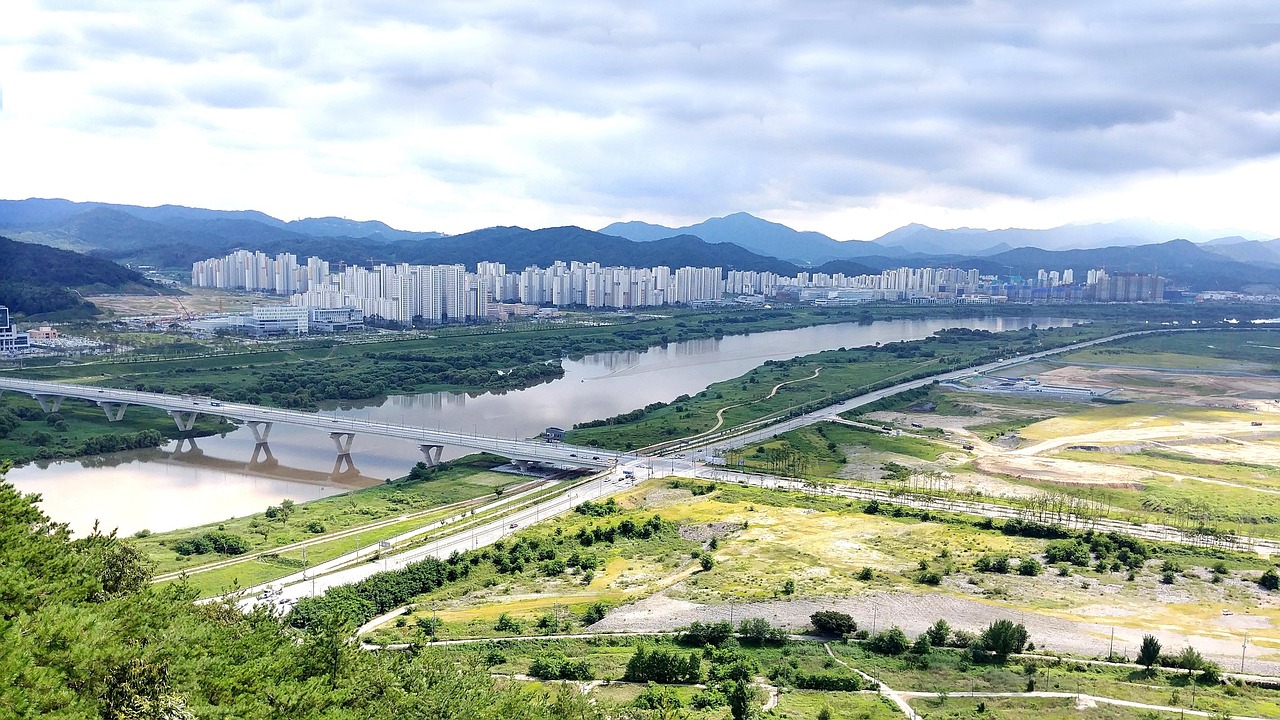
A stylist-led day for quiet, confident shopping in Seoul
If you’re mapping Gangnam and Apgujeong into your itinerary, think in terms of appointments rather than wandering. These districts are where flagship stores, discreet salons, and private styling sessions can be designed around you. With the right local support, shopping becomes a story you create—one that reflects who you are, not just where you’ve been.
To uncover emerging Korean labels, a stylist-led session is invaluable. They’ll advise on showroom etiquette, sizing nuances, and how to build a cohesive wardrobe. This is especially helpful if you want pieces that travel well and still feel like a quiet souvenir of Seoul’s design intelligence.
Travel tips for seamless shopping days in Seoul
A fashion enthusiast once shared the thrill of discovering exclusive Korean designers in Apgujeong—what she loved most was the confidence that came from local guidance. Instead of second-guessing, she could trust her choices, enjoy the process, and leave with pieces she still wears years later.
- Logistics: book a chauffeur loop between districts to avoid carrying bags and to keep your energy steady.
- Packaging: ask boutiques about shipping options and customs-friendly receipts.
- Pacing: build in a café stop or gallery visit to prevent sensory overload.
If you’d like a softly designed evening, choose a cocktail bar with calm acoustics or a small exhibition space—curated after-dark energy, not loud. It’s a beautiful way to end a day of detail.
DMZ VIP Private Tour: South Korea and North Korea History for a Respectful Day Trip
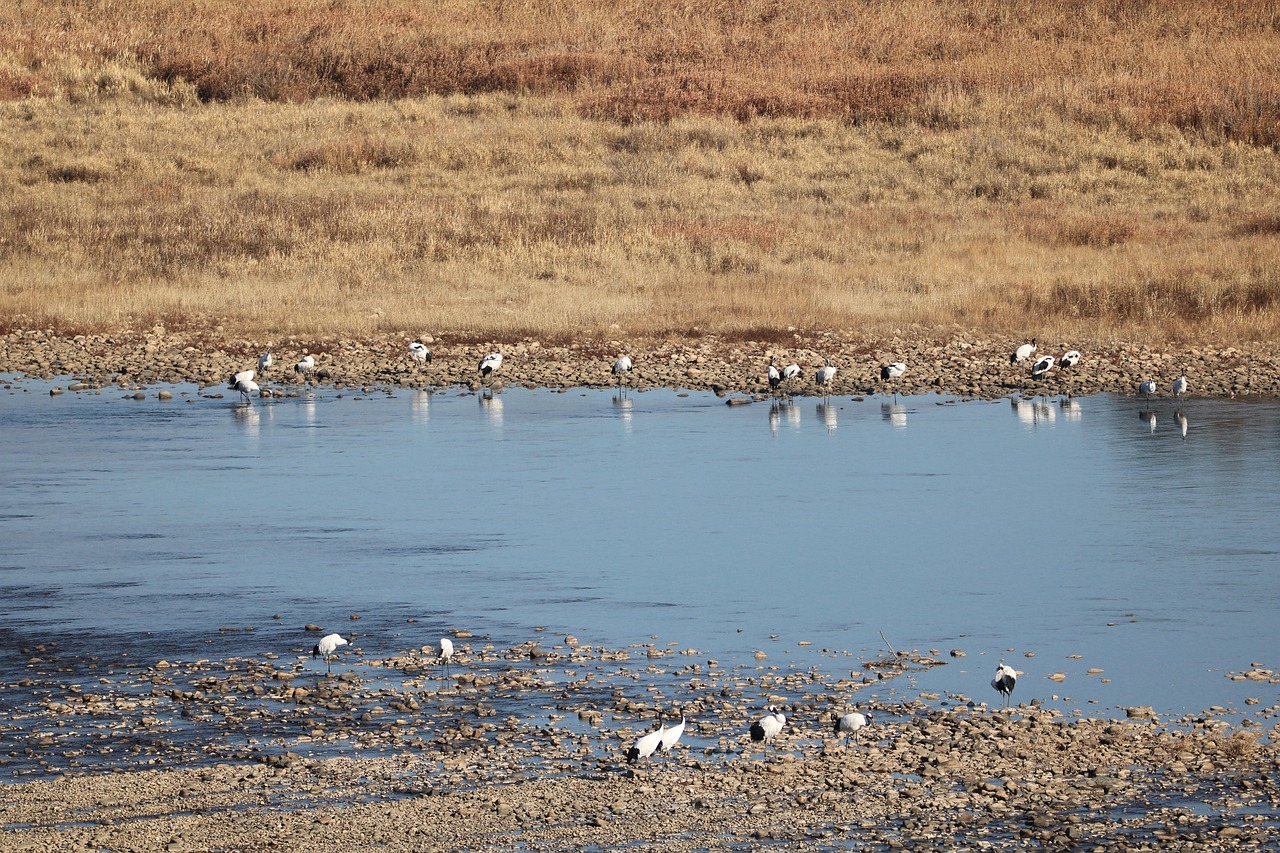
A private, context-led day with careful pacing and expert narration
A VIP private border-area tour is best approached with gravity and care. This is not an attraction in the usual sense; it’s a living reminder of unresolved history, and it deserves respectful attention. With an expert guide, the experience becomes less about spectacle and more about context—what happened, what it means now, and how ordinary lives have been shaped by borders.
The value of a VIP private tour lies in timing, narration, and a smoother passage through formalities. Where available, there may be rare access points, but everything operates within strict security protocols. Staying up to date on tour advisories is not just sensible—it protects everyone involved.
Plan your trip with documents, comfort, and questions that deepen insight
Bring the required identification for document checks, dress for comfort, and follow photography rules without pushing boundaries. The most meaningful part is often the conversation: ask your guide what daily life looks like for nearby communities, how perspectives have evolved, and how to present complex history without sensationalism.
One family described their VIP tour as the day their children truly understood the complexities of the Korean Peninsula. The guide made history come alive together—turning information into empathy—and they left quieter than they arrived, in the best possible way.
F.A.Qs: Planning a Trip to South Korea
How much does a trip to South Korea cost?
Costs vary by season and style. A high-end trip to South Korea in Seoul and Busan typically includes premium hotels, private drivers, guides, and advance dining reservations, so daily spend is higher than for mid-range travel. Expect better value when you book early and bundle experiences through a trusted concierge, as private tours often include thoughtful extras that reduce friction.
Is Korea friendly to American tourists?
Yes. Most visitors find South Korea welcoming and safe, especially in Seoul and Busan, where tourism infrastructure is strong. Courtesy goes a long way: greet politely, remove shoes indoors when required, and follow local guidance in quieter neighbourhoods. Hotels and private guides can also help bridge language gaps and cultural nuances so you feel supported throughout.
What is the three-five rule in South Korea?
The “3–5 rule” is commonly cited by some travellers as a courtesy guideline: maintain a respectful distance (around 3–5 steps) and be mindful of personal space, queues, and quiet zones, especially on public transport and in residential areas. It’s not an official law, but the spirit aligns with Korean etiquette—move considerately and avoid causing disruption.
How much money is enough for a trip to South Korea?
It depends on your itinerary and comfort preferences. For luxury travel, plan for premium accommodations, private transfers, and a few signature experiences, such as Michelin-starred dining or a private cultural tour. Carry a small amount of cash for markets and incidentals, but card payments are widely accepted. Your hotel concierge can help you estimate costs based on your reservations.
Final Thought
After South Korea, what often remains isn’t the list of places you went, but the feeling of how time moved while you were there. You may remember the warmth of tea in a quiet room, the stillness of a courtyard before the city fully woke, or the clean lift of coastal air when Busan opened out in front of you. Luxury, at its best, becomes space—space to notice, to listen, to feel, and to let meaning arrive without being forced.
Perhaps you’ll find yourself thinking about design in a new way: how a traditional threshold can change your pace, how careful service can make you feel supported, and how the blend of old and new can be more than aesthetic—it can be a way of moving through the world with care. There’s a particular reassurance in being looked after well, in trusting the details, and in letting your days unfold with calm confidence.
And when you’re home again, you might realise the country hasn’t disappeared at all. It’s simply become quieter—an inner reference point for what you value, and how you want to travel next time. If you’re ready to visit South Korea again, you’ll return with even more clarity about what matters to you.