Post Contents
- Time to visit South Korea in summer and stay cool luxury travel
- Seoul summer in Korea, Bukchon Hanok Village, Gyeongbokgung Palace, tea houses
- Festival energy with confidence at Boryeong Mud Festival
- Jeju Island luxury summer activities, South Korea beach, waterfalls
- Busan Haeundae Beach, Gyeongju place to visit in South Korea travel
- F.A.Qs: Summer in South Korea
- Final Thought
Time to visit South Korea in summer and stay cool luxury travel
Time to visit South Korea in summer and stay cool in style
For travellers searching for time to visit South Korea in summer, stay-cool luxury travel, the sweet spot is typically June to early August—a window that often feels like one of the best times to enjoy Korea during summer, before the rainy season and monsoon patterns intensify. In practice, July and August can be the most demanding weeks for humidity levels, especially if you’re moving between appointments in Seoul and day trips. With a thoughtful pace, though, summer is the perfect time to savour long evenings, rooftop views, and coastal air.
Summer weather, humidity in Korea and a way to stay cool
Expect summer weather that’s hot and humid, with an average temperature often around 25–33°C, depending on the region and the day. Afternoons can feel sticky, while mornings tend to be kinder—ideal for heritage walks and museum visits. The most reliable way to stay cool is to dress in breathable, upscale fabrics (linen blends, fine cotton, performance silk), build in a mid-day hotel reset, and keep hydration elegant but consistent.
If you’re concerned about high humidity, design your day in three acts: early exploration, a shaded or indoor pause, then a late dinner when temperatures and weather conditions soften. Small comforts help you beat the heat without sacrificing style: a cool towel, a parasol that looks crafted rather than sporty, and a chilled drink that’s more ritual than rescue.
Arrivals that feel seamless from Incheon to your hotel
Arriving well sets the tone for the whole trip to South Korea. Incheon International Airport offers first-class amenities and, where available, fast-track-style services that make immigration and baggage handling feel calmer. We always recommend a pre-arranged private chauffeur transfer—quiet, air-conditioned, and discreet—so your first hour in South Korea’s capital region feels like support rather than a test of stamina. If you’d like to explore inspiration before you fly, here’s our Trip gallery.
As a final comfort note, South Korea has four distinct seasons. Summer differs from the cherry blossom glow of the spring season, and it’s more intense than the crisp calm of the seasons of spring and autumn. That contrast is part of the country’s charm—especially when you plan to visit with confidence and a little extra breathing space built in.
Cultural ease, quietly observed: remove shoes when entering traditional homes, and use both hands when greeting elders or receiving items—small, respectful gestures that instantly signal care.
Seoul summer in Korea, Bukchon Hanok Village, Gyeongbokgung Palace, tea houses
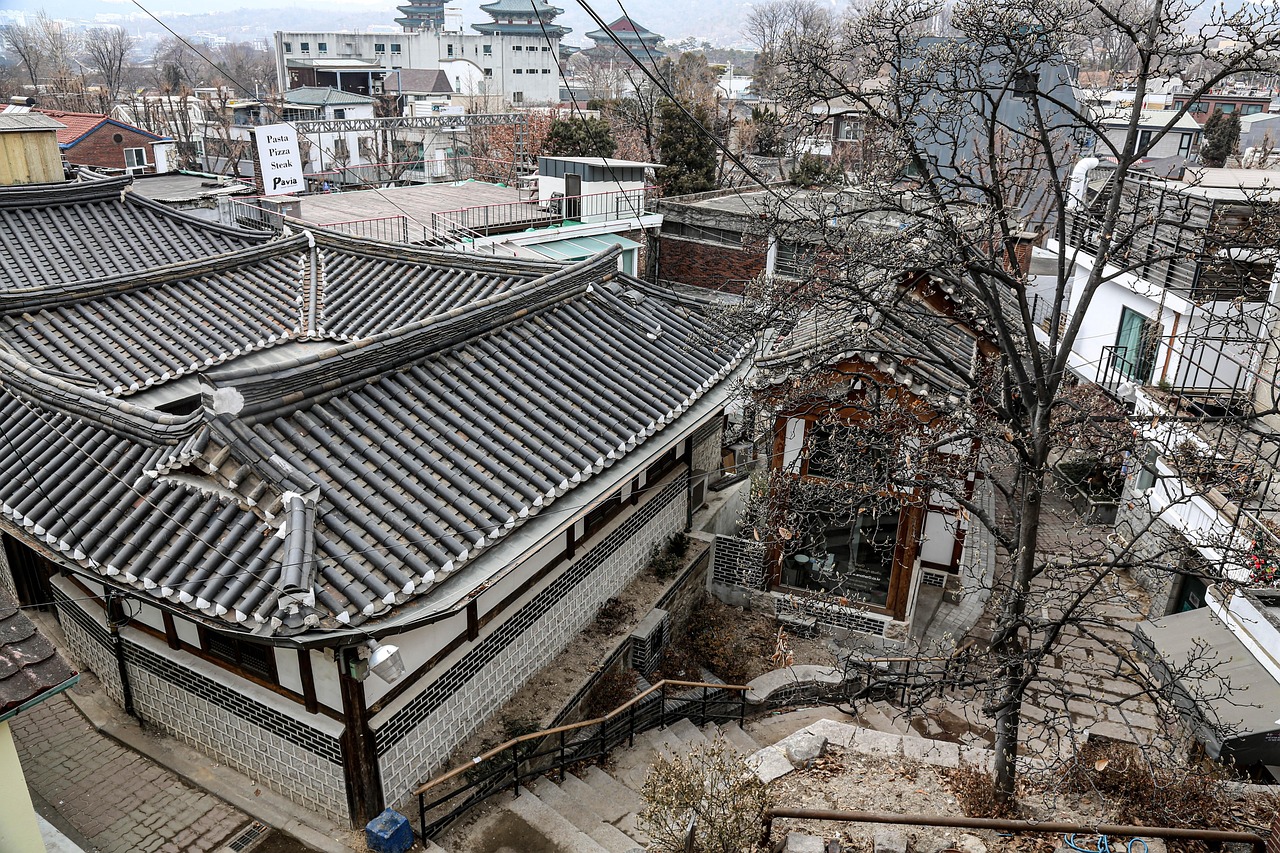
Seoul summer mornings in Bukchon and Gyeongbokgung Palace
If your bookmark reads Seoul summer in Korea, Bukchon Hanok Village, Gyeongbokgung Palace, tea houses, you’re already thinking like an expert: start early, stay close, and let the city open slowly. In Seoul, summer mornings are your most elegant advantage—cooler air, softer light, and space to explore Korean culture without feeling hurried. Aim for midweek or the beginning of the month if your calendar allows, then drift into a tea house before the lanes fill.
Activities in Seoul with calm timing in Bukchon
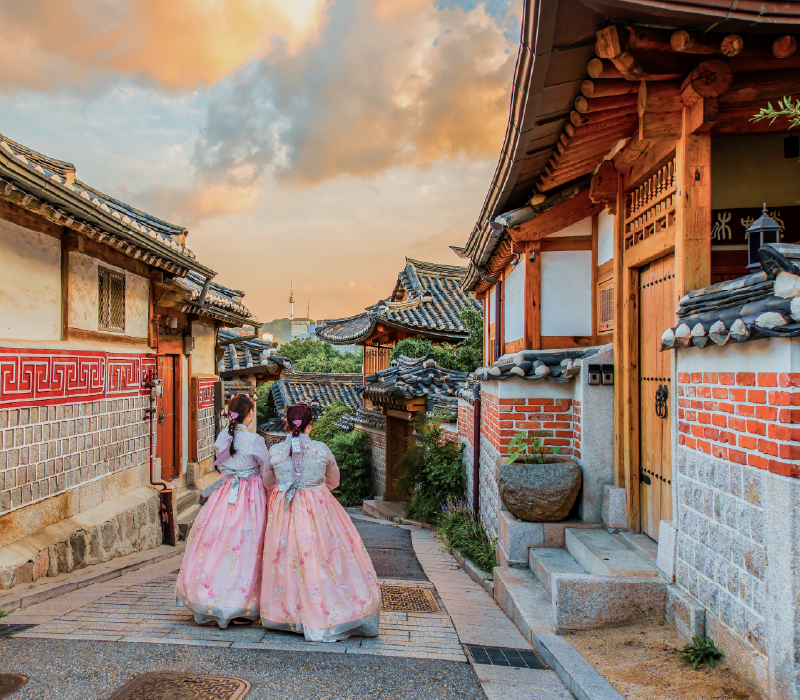
Begin in Bukchon Hanok Village while the neighbourhood still feels like a hush between rooftops. This is one of those places in Korea where luxury is simply time—time to notice door knockers, paper windows, and the sound of your steps. Choose a route with gentle gradients, pause often, and consider a short stop in nearby green spaces in Seoul to reset before the day warms.
A high-end traveller once shared a personal highlight from Bukchon: they joined a traditional hanbok workshop with local artisans and created a custom, beautifully crafted set in summer-weight fabric. The fitting felt intimate and respectful, and the final piece became more than clothing—it was insight you could carry home, and a memory anchored in hands-on learning rather than a quick photo.
Gyeongbokgung Palace with a private guide and trusted context
From Bukchon, it’s a graceful transition to Gyeongbokgung Palace, with its gates and gardens. In the softer morning light, the details photograph beautifully without looking harsh, and the pace stays comfortable. A private guide can make the difference between “seeing” and truly understanding—adding local context with warmth, and building trust as you move through courtyards with confidence.
By evening, Seoul becomes your playground. One traveller recounted their delight at uncovering hidden gourmet Korean barbecue spots in affluent Gangnam—luxury dining with local flavours, polished service, and immaculate cuts. On summertime nights, when the city is still warm, finish with a bowl of shaved ice at a sleek café and watch the neon glow in your glass as views of Seoul shift from historic to hypnotic.
Festival energy with confidence at Boryeong Mud Festival
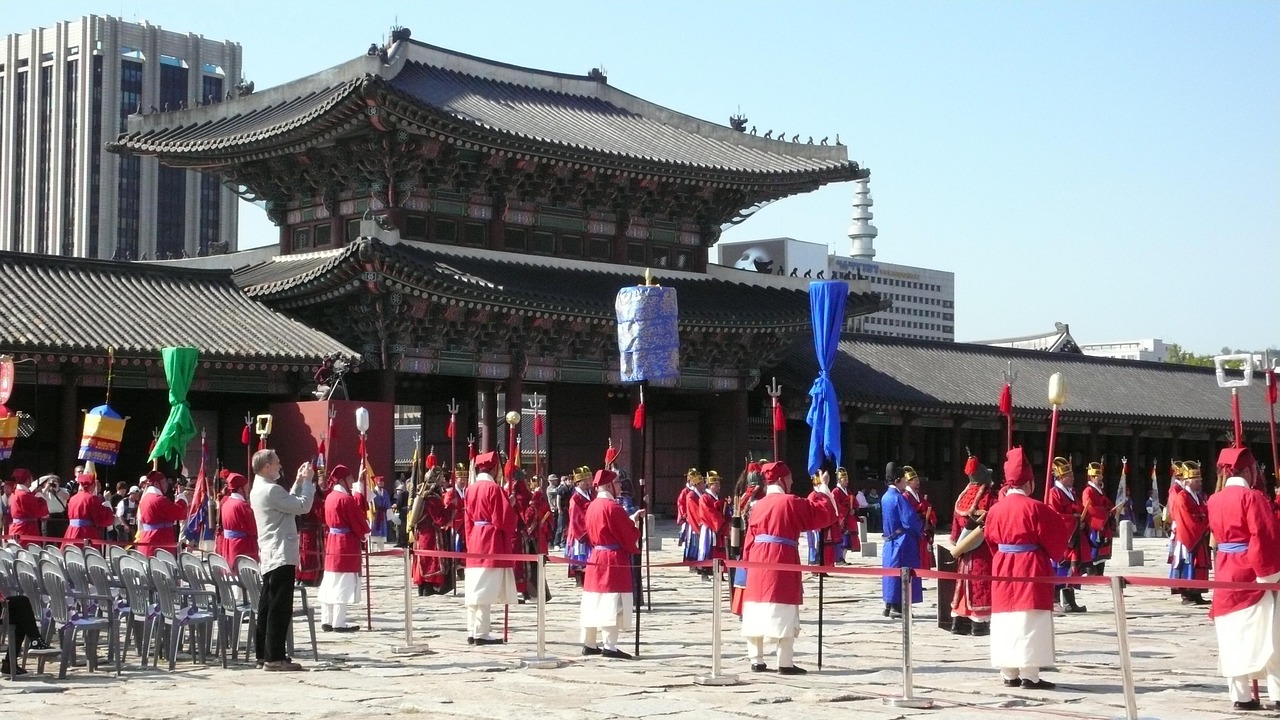
Festival energy with confidence at Boryeong Mud Festival
When guests ask about the Boryeong Mud Festival, South Korea, summer festivals, and outdoor activities, we describe it as the iconic answer to Korean festivals—joyful, playful, and surprisingly photogenic when you plan the day well. The festival atmosphere is upbeat and social, yet it can still feel high-end when your timing is structured, and your comfort is protected. It’s a wonderful contrast to the formality of palaces and the quiet grace of hanok alleys.
What to do at the festival with VIP-style pacing
At the heart of this festival are mud baths, beach-adjacent stages, and high-energy games—classic outdoor activities that somehow look even better in candid photos. The easiest way is a private car and driver (it’s an easy drive from Seoul), arriving earlier in the day, then building in shaded breaks so you never hit the wall. Think of it like a curated summer event: you’re there for delight, not endurance.
- Wear quick-dry swimwear under lightweight layers, plus sandals you don’t mind sacrificing.
- Protect skin with a water-resistant SPF and bring a gentle cleanser for after.
- Plan a rinse-and-change moment before any refined dinner back in the city.
Beat the heat with comfort, etiquette and discreet support
The simplest tactic to beat the heat is to keep a cool towel and chilled drinks within reach, then retreat to shaded lounges between activities. Festival etiquette is easy: follow signage, respect staff instructions, and keep your pace considerate of others. With humidity rising in the afternoon, you’ll appreciate having a driver, a clean change of clothes, and a calm place to reset.
When the day is designed with seamless transfers, pre-booked timings, and discreet support, you can fully enjoy the playfulness without feeling overexposed. That balance—high energy, handled with care—is what turns a popular summer moment into a designer journey you’ll remember with a smile rather than a sigh.
Jeju Island luxury summer activities, South Korea beach, waterfalls
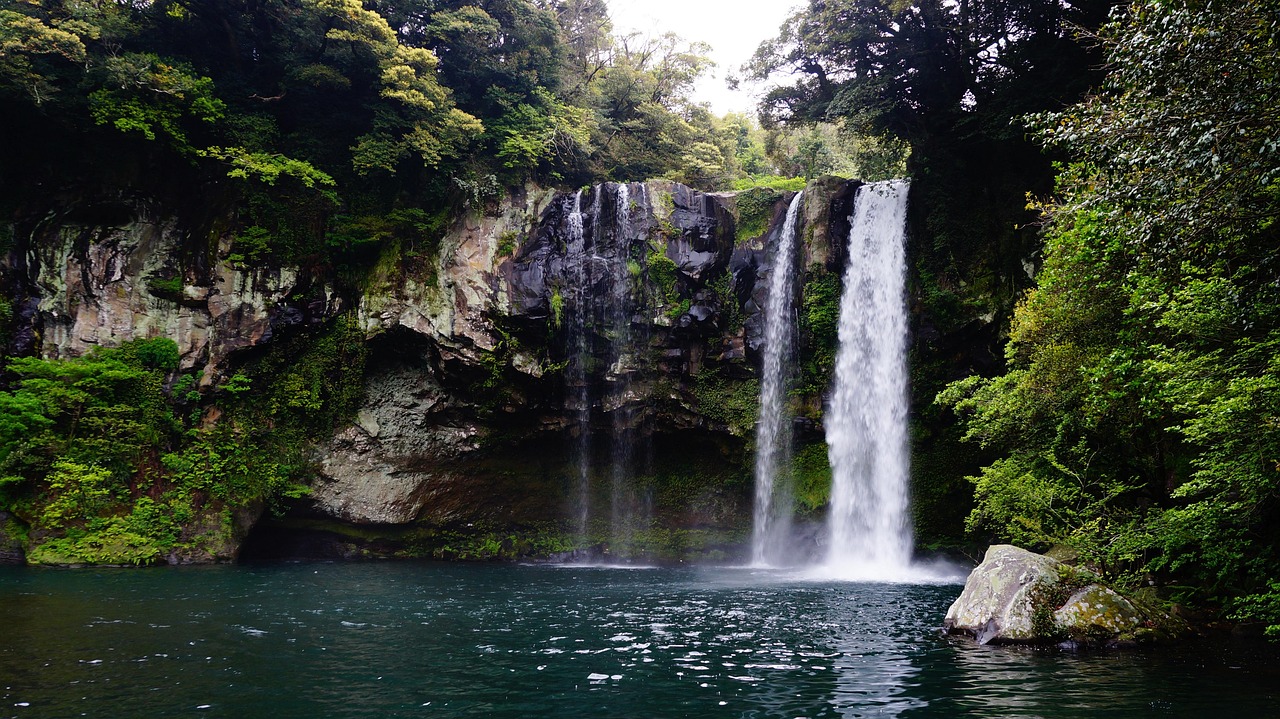
Jeju Island for waterfalls, beach calm and a private yacht day
For those seeking Jeju Island luxury summer activities and South Korea beach waterfalls, Jeju is the natural beauty counterpoint to cities like Seoul—greener, slower, and quietly restorative. It’s where a summer holiday can feel like an exhale: waterfalls in the morning, a calm beach in the afternoon, and a spa-forward evening that helps you stay luminous in warm air. It’s also a reassuring choice if you prefer privacy over crowds during the summer season.
Signature summer activities from waterfalls to spa evenings
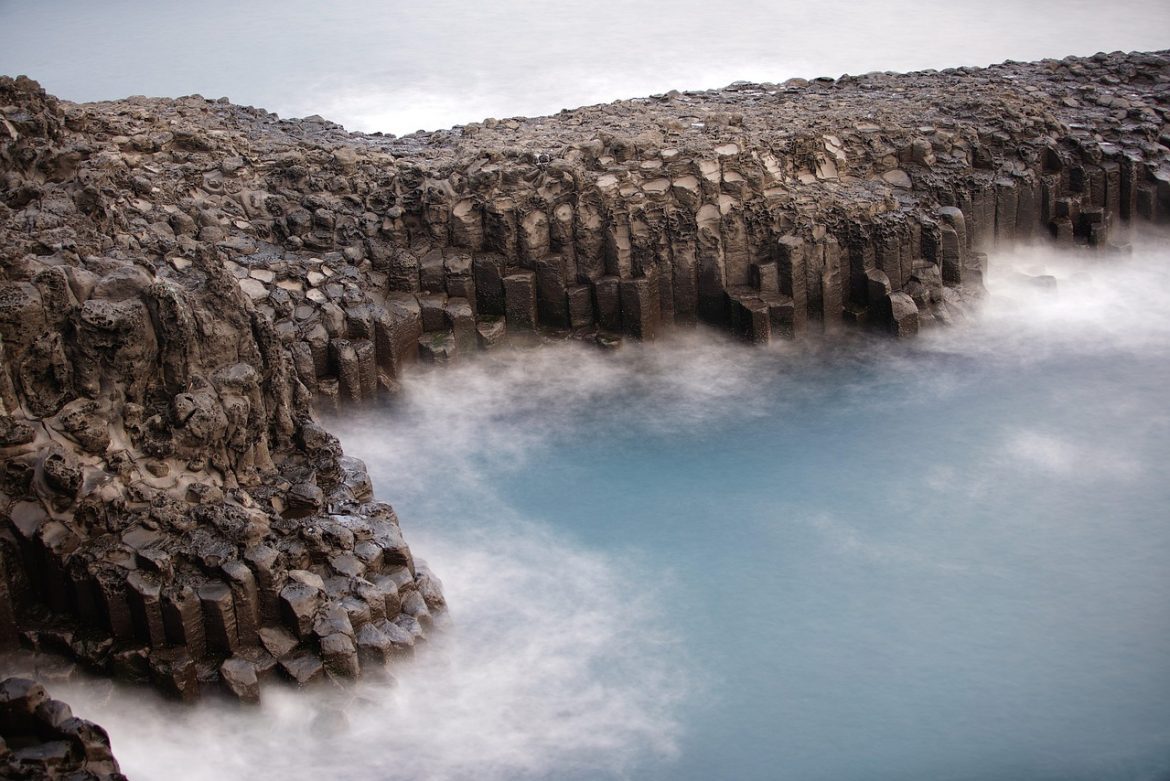
Start with a waterfall visit early, before tour buses and midday warmth. The sound of rushing water is its own kind of cooling, and the light is more flattering for photography. Then choose a quieter stretch of coast for an unhurried afternoon—Jeju Island offers plenty of pockets where you can simply listen to the tide and let the world soften.
You’ll still notice humidity levels, but Jeju makes comfort easy: more space, more breeze, and resorts that are skilled at crafting seamless downtime. A late-day treatment, a slow dinner, and a short walk under palms can feel like the perfect time to reset your body clock and restore your confidence.
A private yacht day to Udo Island in the far south
One high-end traveller told us their most personal summer memory in South Korea came from an exclusive yacht tour of Jeju Udo Island. It felt genuinely private—just their party, attentive crew, and the soft horizons of the far south. They described how the sea changed colour by the minute, and how the experience created trust in their own instincts: choosing less, but choosing well.
For logistics, lean on curated drivers and a resort concierge who can design your days with care. Pre-arranged timings protect your downtime, while still giving you the freedom to explore at your own rhythm—exactly what a luxury summer vacation should feel like.
Busan Haeundae Beach, Gyeongju place to visit in South Korea travel
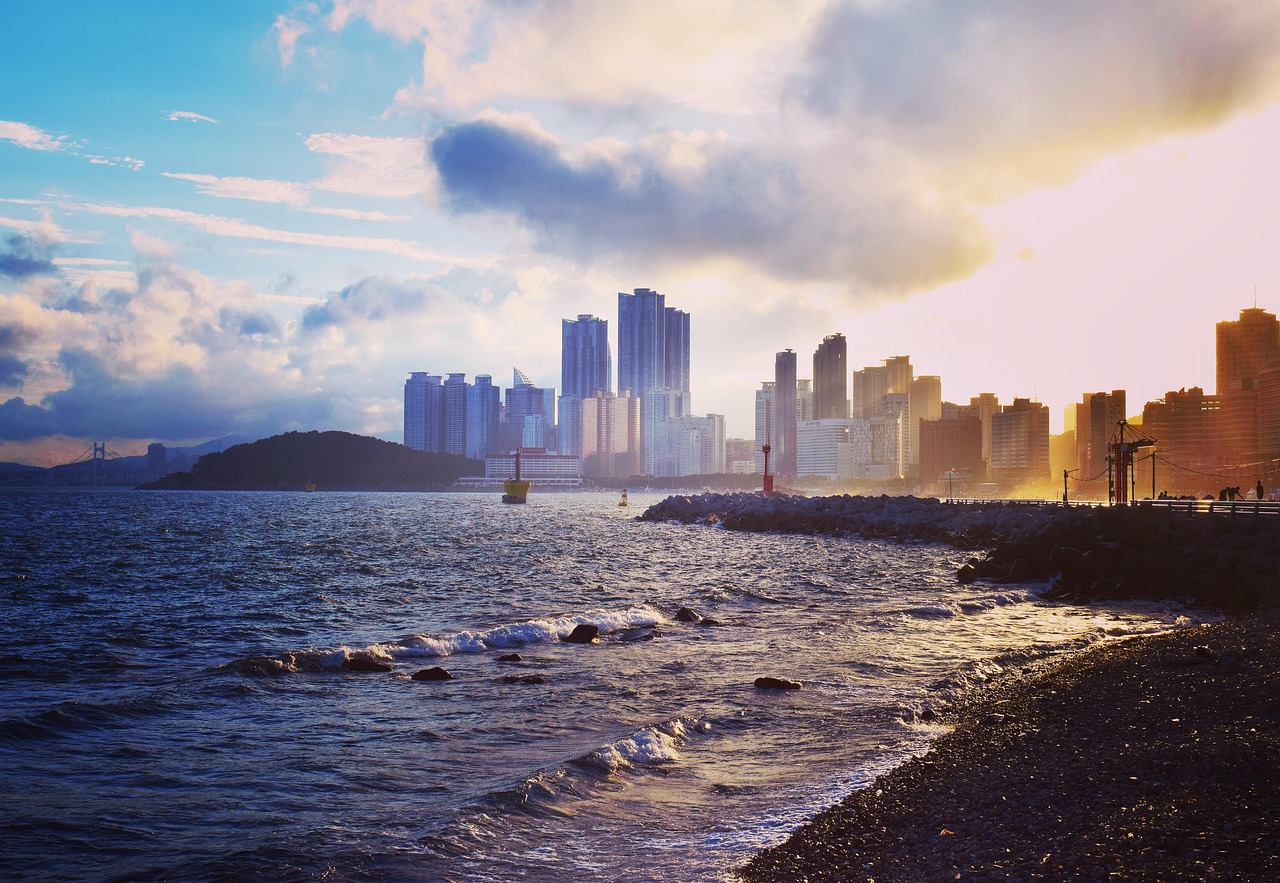
Beyond Seoul Busan coastlines, Haeundae Beach and a Gyeongju detour
For travellers looking to visit Busan Haeundae Beach, Gyeongju, and other places in South Korea, the appeal is simple: a coastal shift that still feels polished. Busan is one of South Korea’s coastal cities where the energy is lighter than Seoul, yet the dining and hotels remain refined. Make Haeundae your base on the shore, and you’ll find the city easy to navigate with private transfers and concierge support.
Busan and Haeundae Beach with refined dining and rooftop views
Spend your first afternoon settling into Haeundae Beach with a shaded cabana moment, a swim timed for gentler sun, and a late lunch that celebrates seafood with a modern edge. Busan suits a “less moving, more enjoying” style: a beach walk at golden hour, a rooftop cocktail, and a dinner reservation that feels carefully chosen rather than simply popular.
If you’re travelling through the summer months, this coastal rhythm can be a great time to enjoy longer daylight without packing in too many stops. It’s also where South Korea’s summer confidence shows itself—people are out late, dressed beautifully, and the city feels social in an understated way.
Gyeongju and nearby national parks for early calm
For a quieter counterpoint, add Gyeongju as a place to visit between Seoul and Busan (or as a day detour). The historic atmosphere encourages slower evenings, and it pairs beautifully with early walks in nearby national parks before the day warms. If you enjoy nature, this is where Korean parks can feel most intimate—misty, green, and gently cinematic.
- Travel tips: invest in a T-money card for easy, cashless transport, including taxis and subways.
- Reserve high-end experiences well ahead of time during peak travel season, especially in August in South Korea.
- Design your days with a mid-afternoon pause; it keeps the whole South Korea travel plan feeling seamless.
With these details handled, your South Korean coastal chapter feels relaxed, supported, and quietly luxurious—exactly the kind of ease you want when travelling to South Korea in warmer weather.
F.A.Qs: Summer in South Korea
What are the summer months in South Korea?
The summer months in South Korea are typically June, July and August. June often feels like the beginning of summer, with longer days, while July and August can bring higher humidity and heavier showers as the rainy season builds.
What is the hottest month in Korea?
July is often the hottest month, though August in South Korea can feel just as intense because humidity is often high. In cities such as Seoul, warm nights are common, so early starts and a mid-day hotel break can make the experience far more comfortable.
Which month is best to visit South Korea?
For a luxurious summer trip, June to early August is often the best time to visit South Korea, before peak monsoon patterns are at their strongest. If you prefer milder conditions overall, many travellers also love spring and autumn, including cherry blossom season.
Final Thought
After a journey shaped around South Korea’s summer, in South Korea, personal reflections: what stays with you is rarely the loudest moment. It’s the hush of hanok alleys before the city wakes, the sensation of cool stone underfoot at a temple threshold, and the salt air that follows you back from the coast. In South Korea’s summer light, even ordinary gestures can feel more vivid—someone guiding you to the correct doorway, a perfectly timed glass of water, a quiet nod that communicates respect without performance.
There’s a particular kind of confidence that grows when a trip is thoughtfully designed: when local encounters feel natural and respectful, and luxury feels like time, space and ease. You remember the care in small things—the way a hotel room stays calm at the hottest time of day, or how a private guide turns history into something human and close. And perhaps you notice, gently, that your own travel instincts have become more reliable.
In the end, South Korea’s summer doesn’t ask to be conquered. It simply offers itself—warm, bright, and full of texture—if you meet it with patience and trust. And when you imagine coming back to Korea, it may not be to repeat the same route, but to discover another season of yourself and the place, together.