Post Contents
- Choosing Chinese tours in China: a China tour and vacation packages that feel crafted for your China vacation packages
- Beijing private tours on a China tour: Great Wall of China highlights and the Forbidden City
- Guilin to Yangshuo on the Li River: China travel for the best tours with karst scenery
- Shanghai city stay: a modern China travel guide with Suzhou gardens and a tea-ceremony day
- 2026 tours in China: itinerary ideas, visa notes, and how to compare tour companies
- F.A.Qs: Tours in China travel faqs
- Final Thought
Choosing Chinese tours in China: a China tour and vacation packages that feel crafted for your China vacation packages

A crafted China tour begins with smart planning and a calmer Great Wall viewpoint
When you start comparing Chinese tours in China and premium vacation packages, “best” rarely means the longest list of stops. For a high-end guest, the best China tours are designed around your rhythm, your interests, and your comfort, so the travel experience stays inspiring rather than exhausting. The right route is as much about what you skip as what you explore, especially in long-haul China travel planning.
Private tours can be wonderfully freeing when you want flexibility, unhurried museum time, or a photographer’s pace. Yet small group tours can still feel intimate when they’re genuinely curated—think small groups of 12 people, a top guide, and a shared sense of discovery without the rush of a coach itinerary. If you enjoy meeting like-minded people but still want breathing space, that balance can be the sweet spot.
Private tours vs. refined small groups: what “crafted” means with tour guides
A crafted tour of China starts with the human details: tour guides who read the room, a driver who keeps water and tissues ready, and a day that’s paced for enjoyment rather than endurance. It also means knowing when a private arrangement is worth it—such as early entry to Beijing or a quiet boat day on the Li River—versus when a small group feels perfectly comfortable. Done well, even shared days can feel personal and authentic, local, not packaged.
It’s also where a trusted travel designer adds value beyond a standard China travel guide. They link popular destinations with restorative pauses, and they pressure-test every plan for real-world logistics (queues, transfers, and ticket windows), not just map distance. The result is a journey that flows smoothly and feels considered from the first hotel check-in to the final farewell.
A north-to-south itinerary for China trips: Beijing, Xi’an, Guilin and Shanghai
For many traveller couples and families, a first trip in China flows beautifully north to south: Beijing for imperial history, then Guilin for landscapes, then Shanghai for a modern finale. You can add Chengdu and Xi’an (or Xian) as a classic cultural pairing, or thread in a river chapter via Chongqing. The point isn’t to copy-and-paste an itinerary; it’s to create one that matches how you like to feel while travelling, day by day.
And if your imagination leans towards the edges, you can still keep the experience seamless: think the Silk Road through Gansu to Dunhuang, desert horizons in the Gobi, or wide-open skies in Inner Mongolia. For a remote mountain mood, Tibet and Lhasa can be profoundly moving when planned with care, permits, and acclimatisation days. Yunnan (with Lijiang) and Xinjiang can also be designed as elegant extensions, chosen for your interests and nationality requirements rather than trends—an immersive way to meet the Middle Kingdom on its own terms.
If you’d like a visual sense of what a designed journey can look like, browse the Trip gallery and imagine how your own days might unfold.
Testimonial: “We didn’t just see China—we felt guided, supported, and completely looked after, even in the busiest places.”


Beijing private tours on a China tour: Great Wall of China highlights and the Forbidden City
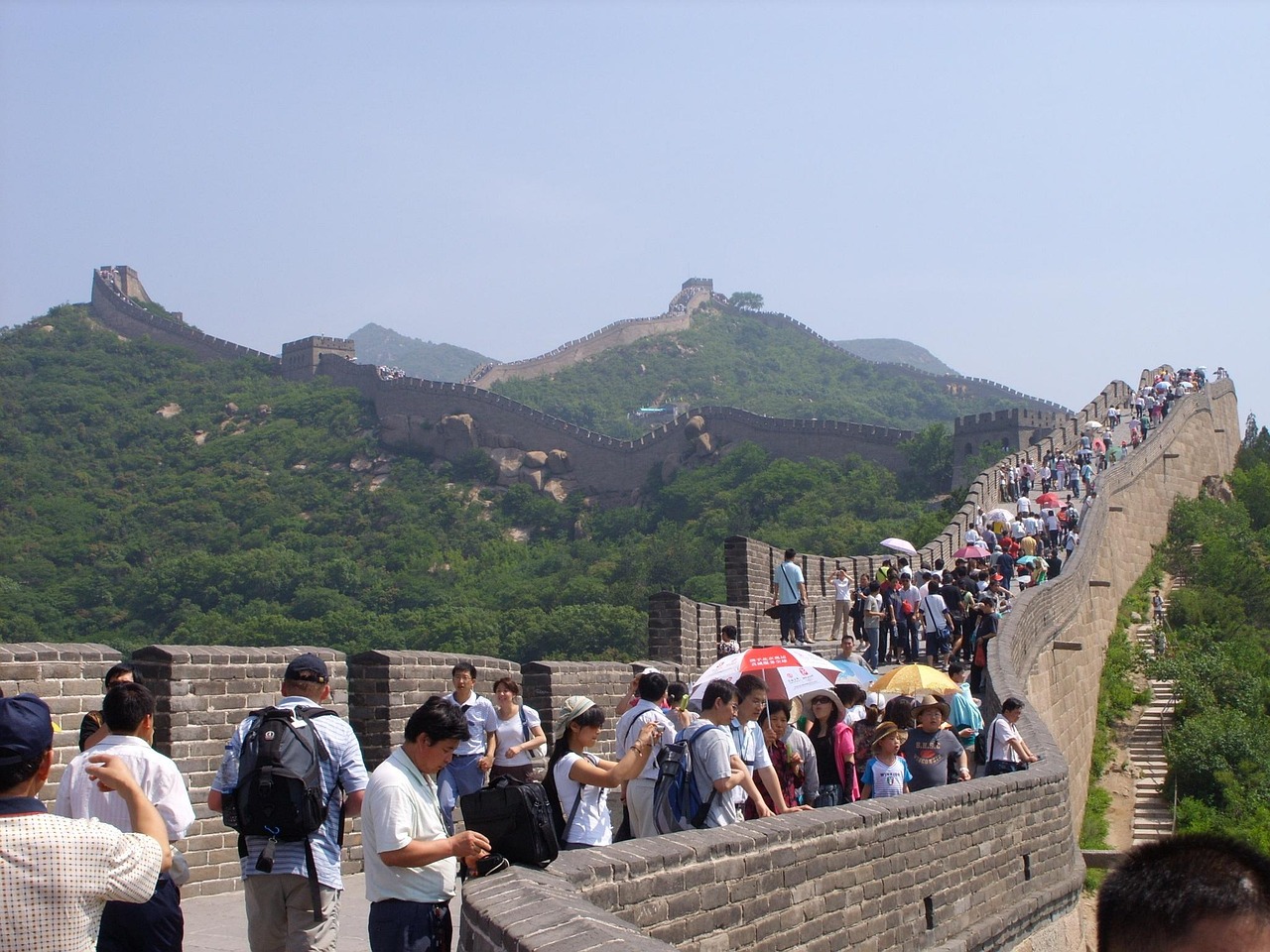
Beijing at dawn: private guiding for calmer Great Wall moments and imperial icons
For many guests, the emotional centre of a Beijing-led China tour is contrast: the scale of history, and the intimacy of a story told well. Beijing can feel grand and intense, which is exactly why private tours, smart timing, and thoughtful pacing matter. With the right plan, Beijing becomes not just impressive, but deeply personal—and far more comfortable.
Great Wall sunrise planning: quieter sections, better views, less rush
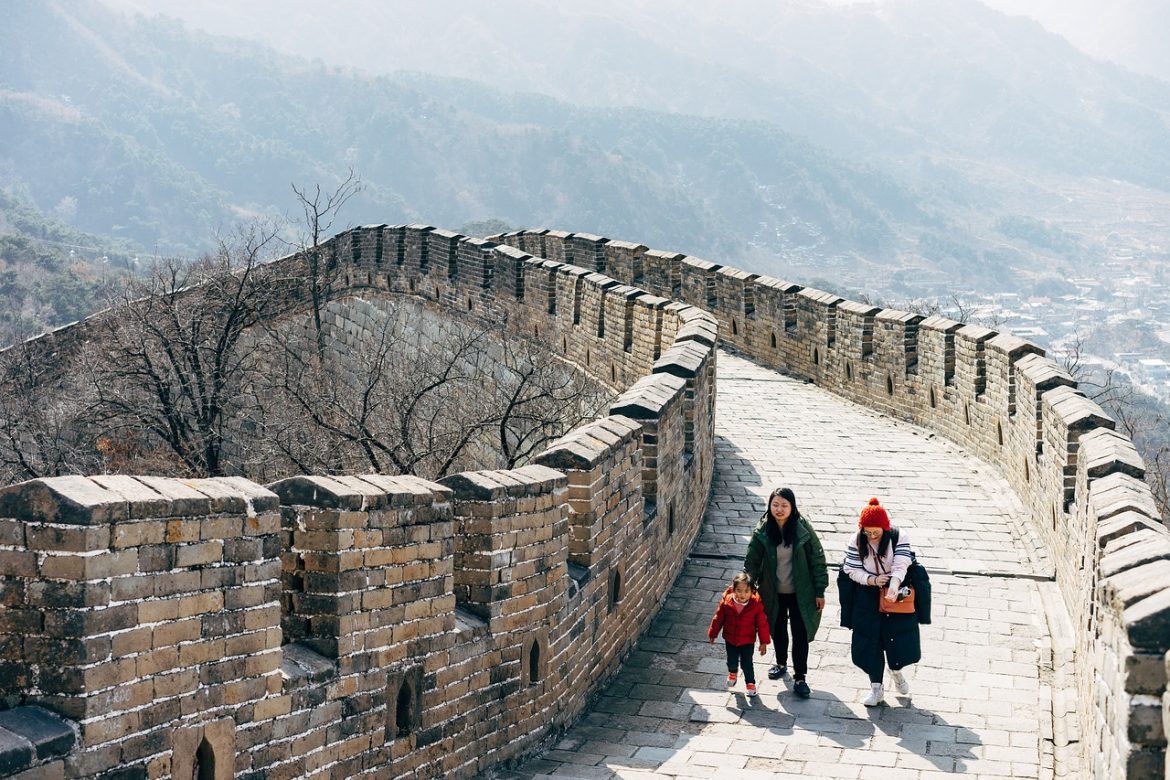
A private guided outing can uncover sections of the Great Wall that feel calmer than the headline viewpoints. One seasoned traveller once shared how a midnight hike to a secluded stretch transformed the Great Wall into something mystical—stone underfoot, the hush of the hills, and then a slow sunrise that made the watchtowers glow. It’s the kind of memory that stays with you long after the photographs, and it’s precisely where “exclusive access” is less about status and more about atmosphere.
Your guide can also shape the Great Wall day to your comfort: a gentle walk with the best vistas, or a slightly more adventurous route with time to pause. Either way, the aim is confidence—no scrambling, no guesswork, just quiet wonder and well-managed logistics.
Forbidden City and Summer Palace: VIP entry, timing, and context that matters
The palace museums and lakeside gardens reward context. VIP entry typically involves timed slots and ID checks, so carry a digital copy of your passport in addition to the original—especially when tickets are linked to your details. A strong guide will manage the practicalities while offering expert insight into why the courtyards are arranged as they are, how symbolism shaped architecture, and what daily life looked like within the imperial world.
A family we met described their private Beijing guide as the difference between “seeing rooms” and truly understanding them. The warm storytelling kept children engaged without rushing adults, and small pauses—shade, snacks, a quieter side hall—made the visit feel calm and educational together.
Beijing dining can be a highlight when it’s curated with care. Peking duck done well is a ceremony in itself, and hutong tastings can uncover local favourites in a way that feels immersive yet reassuring. If you have dietary needs, a thoughtful guide will pre-brief kitchens and clearly translate so you can explore with confidence.
Air quality is also part of modern Beijing planning. Built in gentle days, monitor conditions, and schedule indoor culture (galleries, tea rooms, craft studios) when the city needs a softer pace. You won’t lose momentum—you’ll gain comfort and enjoy Beijing with more ease.
- Photography timing: aim for early mornings at major sites for softer light and lighter crowds.
- Etiquette: greet with a slight nod; keep voices low in sacred halls and memorial spaces.
- Flexibility: when crowds surge, private pacing can switch routes or extend quieter sections without stress.
Guilin to Yangshuo on the Li River: China travel for the best tours with karst scenery
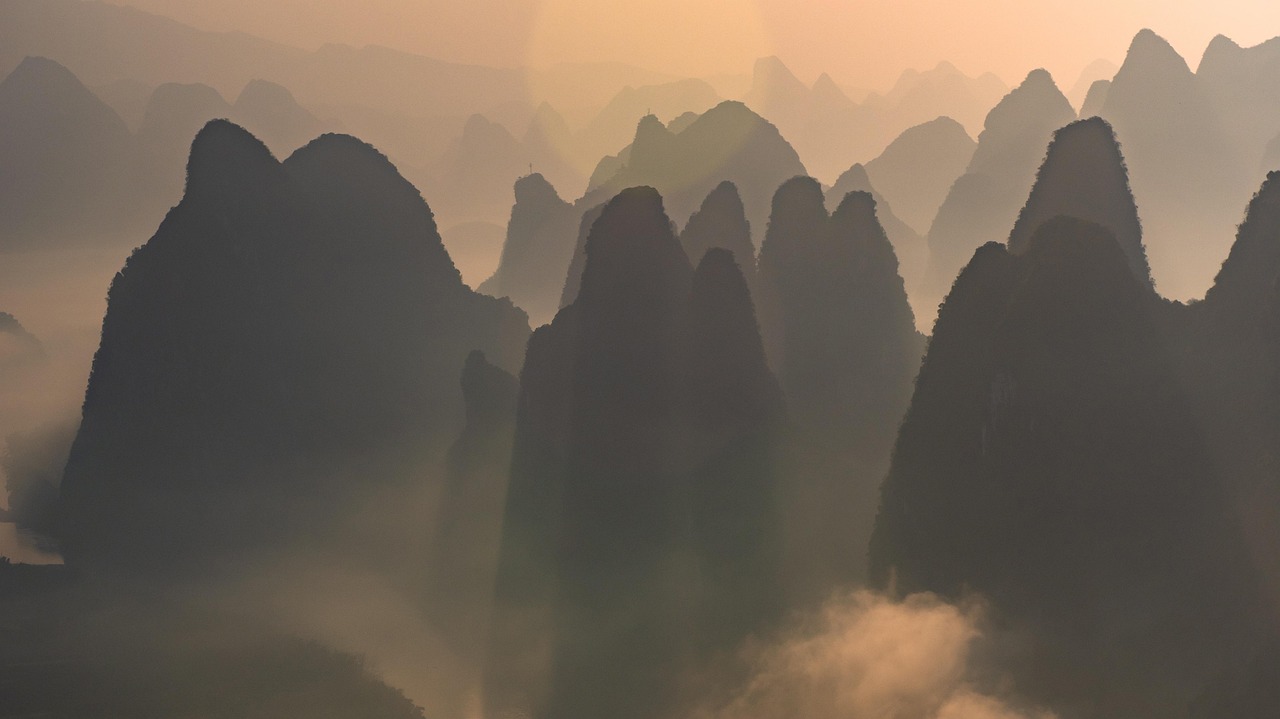
Guilin’s iconic river scenery: slow days, soft light, and karst peaks
In the middle of a fast-paced itinerary, Guilin can feel like an exhale. This is where a China tour becomes slow, scenic, and quietly restorative—ideal if you want the best tours in style without constant packing and rushing. The shift from city stone to river light is part of the magic, especially when comfort is built into every step.
Li River cruising from Guilin: private boats, quiet decks, and gentle service
A luxury cruise on the Li River from Guilin to Yangshuo can be arranged on a private boat with genuinely attentive service. Quiet decks, considered refreshments, and the freedom to linger make the landscapes feel closer. The real delight often comes from the exclusive stops—small villages, a tucked-away viewpoint, and moments that feel beautifully unplanned.
One luxury traveller told us the joy wasn’t only the scenery; it was the sense of being cared for. The crew seemed to anticipate needs—tea at the right moment, a warm towel after a breeze picked up—and the day felt effortless, together, from dock to dinner.
Karst valleys, easy walks, and a Yangtze River chapter via the Three Gorges
The karst peaks around Guilin invite you to explore at your own pace. Consider a sunset viewpoint, short riverside walks, or an e-bike ride that’s tailored to your energy level rather than a fixed mileage target. Your guide can design stops for texture and calm—fields, footbridges, quiet cafés—so the day stays beautiful without feeling strenuous.
If you love river journeys and want a different scale, a Yangtze cruise offers a grander mood. On the Yangtze River through the Three Gorges, Yangtze River cruises offer broader waters, larger ships, and a slower rhythm that pairs well with the inland culture and Shanghai’s skyline.
For water days, pack light layers, a rain cover, and comfortable shoes with grip. The most luxurious detail might simply be how seamless it feels: private transfers between docks and hotels, luggage handled, timings confirmed, and no need to negotiate on the spot.
Shanghai city stay: a modern China travel guide with Suzhou gardens and a tea-ceremony day
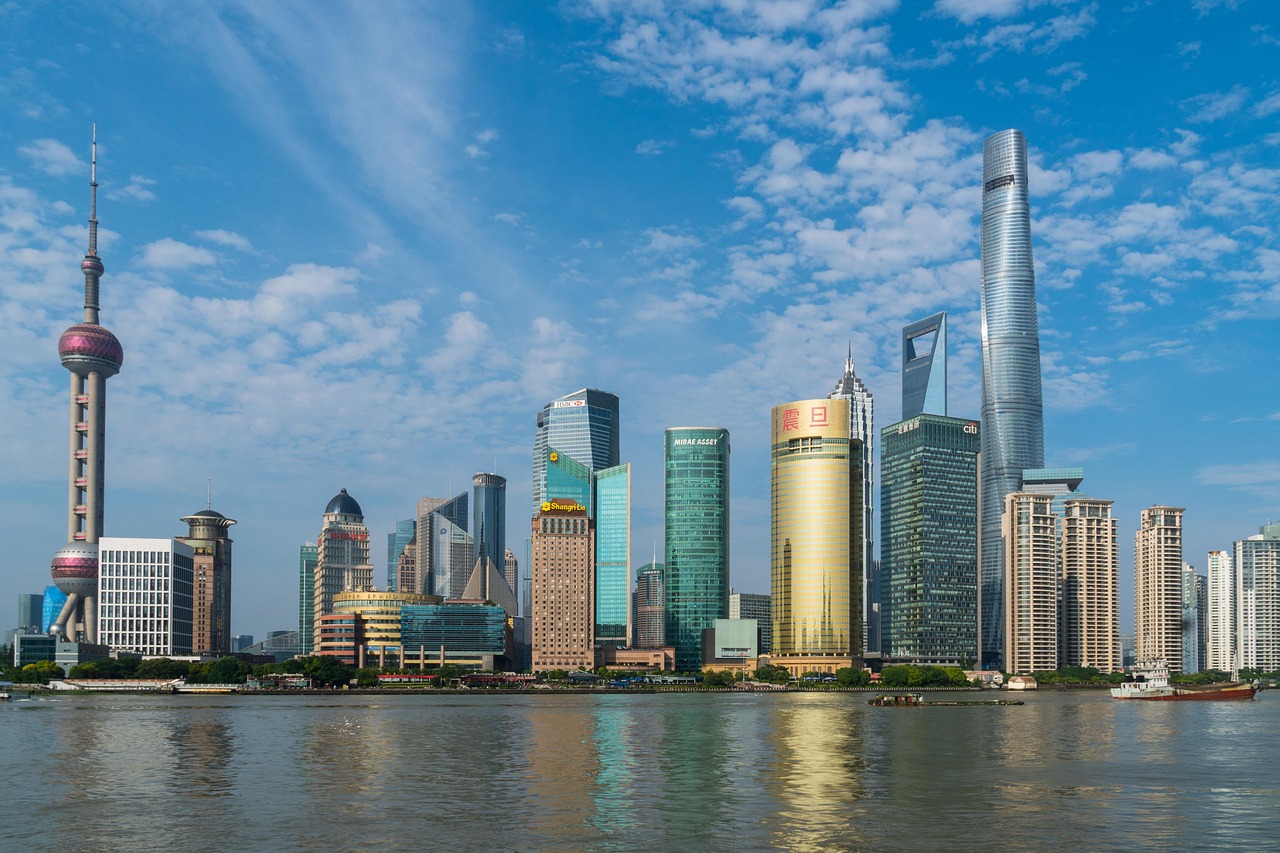
Shanghai style days: modern design, classic gardens, and an elegant tea ritual
For many guests, Shanghai planning is about balance—modern energy with elegant calm. Shanghai is a sophisticated anchor: easy to love, visually striking, and wonderfully comfortable in high-end hotels. After Beijing’s imperial intensity and Guilin’s scenery, Shanghai’s polish can feel like the perfect final act for a longer journey.
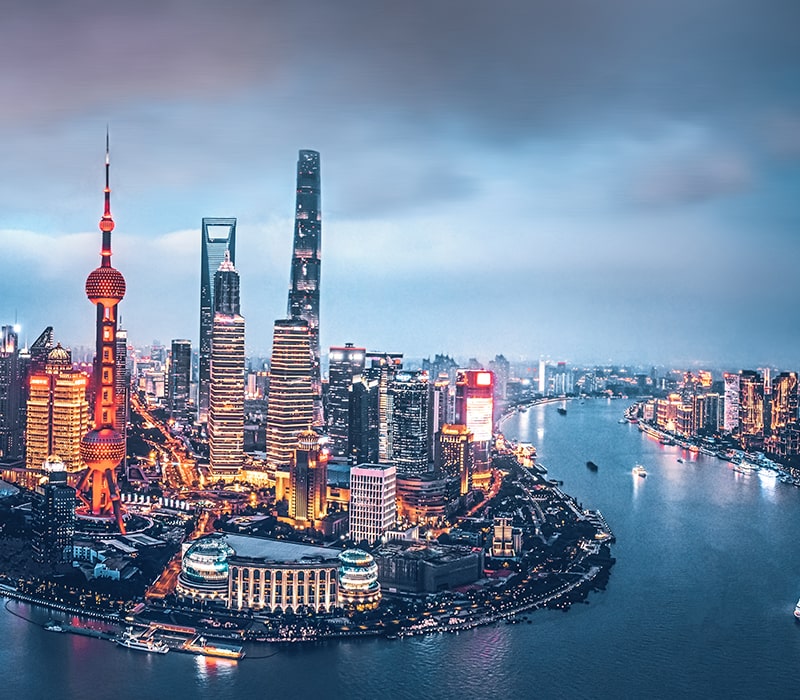
Shanghai as the modern anchor: the Historic Bund, skyline views, and design districts
Start with the Bund at a time that suits your style—early morning for quiet grandeur, or evening for a gentle glow across the water. Then build your Shanghai day around contrast: art spaces, design-forward neighbourhoods, and refined rooftop views where the city hum becomes a backdrop rather than a push. This is also a great place to add a curated shopping hour without letting it take over the trip.
Shanghai also excels at thoughtful luxury: discreet service, excellent spas, and restaurants where menus can be tailored without fuss. It’s a place to slow down without feeling like you’ve stopped exploring, and it helps many guests end their journey feeling refreshed.
Suzhou canals and one Hangzhou tea ceremony: crafted day trips that don’t feel rushed
Suzhou’s gardens and canals offer a softer, classical mood—ideal as a day trip when you want beauty without crowds. From there, a short extension to Hangzhou can bring West Lake and a calm cultural moment that feels private rather than staged.
A couple once described their intimate tea ceremony in a traditional teahouse as the moment the journey turned from “seeing” to “understanding”. Their host shared stories of ancient tea traditions, and showed them to lift the cup with two hands—a small gesture of respect that created trust and meaning in an instant. The warmth in the palms, the calm pace of pouring, the gentle conversation—it felt like culture offered with care, not performed.
Shanghai is also ideal for culinary experiences that feel both adventurous and reassuring: curated food walks, private cooking classes with top chefs, and market visits where your guide translates ingredients and context. For families and first-timers, menus can be designed with gentle introductions—one new flavour at a time—so everyone feels confident.
If you’re flying long-haul, Hong Kong can be a soft landing at the start or a smooth finale. The key is minimising hotel changes: thoughtful transfers, aligned flight times, and one calm buffer day so the transition feels seamless rather than sharp.
2026 tours in China: itinerary ideas, visa notes, and how to compare tour companies
A 2026 planning blueprint: seasons, routes, and practical travel questions
If you’re comparing 2026 tours in China, start with the seasons and the structure. For comfort and fewer crowds, spring (April–May) and autumn (September–October) are the sweet spots, particularly for Beijing and Xi’an. These windows shape not just your weather, but your hotel availability and the ease of securing timed entries, so booking well ahead is part of travelling well.
How to shape a 2026 itinerary: Beijing and Xi’an, Xi’an culture, then south to Shanghai
A classic first-time route often begins with Beijing and Xi’an, then moves south for scenery and modernity. In Xi’an (also written as Xi’an or Xian), the Terracotta Warriors bring history into sharp, human focus; paired with Beijing’s imperial scale, it creates a strong cultural foundation. Then you can soften the pace with Guilin, before ending in Shanghai for a comfortable, stylish finish—an easy framework for a first trip to China.
For wildlife and warmth, Chengdu is the signature addition. An early visit to a panda base can be the most joyful morning of the trip—giant pandas in Chengdu, and simply seeing giant pandas feels both playful and oddly moving. Chengdu also opens the door to Sichuan flavours, which can be curated for spice levels and preferences, and it’s where a giant panda encounter becomes a genuine highlight.
Choosing tour companies for the best China tours: trains, support, and a calm pace
China’s high-speed rail is superb on key routes and often outperforms flying in terms of door-to-door comfort. Use it between Beijing and Xi’an, and consider private transfers when comfort matters most—especially for early starts, rural hotels, or multi-generational travel. When comparing tour companies, look for licensed guides, transparent VIP ticketing, bilingual support, and contingency planning for weather, crowds, or mobility needs.
To keep the journey smooth, confirm how your operator handles reservations, on-the-ground communication, and backup plans. The best planning feels quietly invisible: you simply wake up, step out, and your day flows—without waiting, bargaining, or second-guessing.
- Best time to visit: April–May and September–October for comfortable weather.
- Documents: check visa requirements early; carry a digital passport copy for ID-based entries.
- Etiquette: accept tea with both hands; avoid loud conversations in temples and historic halls.
- Health: monitor Beijing air quality; consider comprehensive travel insurance for peace of mind.
- Comfort: build in restorative pauses so your journey stays inspiring, not relentless.
F.A.Qs: Tours in China travel faqs
What is the best tour company for China?
The best tour company is the one that aligns with your priorities: licensed guides, clear VIP ticketing, reliable bilingual support, and a proven ability to tailor the pace. For high-end travel, look for transparency on hotels, vehicles, and contingency planning, so your China tour feels seamless even when plans change.
Is 1000 dollars enough for a week in China?
It depends on travel style and cities. A USD 1,000 week can work for basic hotels, simple meals, and local transport, but it won’t usually cover premium rooms, private drivers, or top dining in Beijing or Shanghai. For luxury travel, you’ll want a higher budget to protect comfort and flexibility.
What is the best month to visit China?
April, May, September, and October are generally the most comfortable, with fewer extremes of heat and cold. For a first-time holiday to China, these months also make sightseeing in Beijing, Xi’an, and Guilin more pleasant, and they suit a pace that includes both iconic sites and quiet pauses.
How much to pay a tour guide in China?
Rates vary by city, language skills, and season. In major hubs like Beijing and Shanghai, experienced English-speaking guides typically cost more, especially for specialist guiding or long days. Agree on the rate in advance and confirm what’s included, such as museum guiding, transport coordination, and after-hours support.
Final Thought
After the flights are done and the suitcase is put away, what often remains from China isn’t the checklist of sights, but the feeling of certain moments returning at unexpected times. Dawn light on worn stone. The warmth of tea is held carefully in both hands. The soft hum of a night city below a hotel window—steady, alive, and oddly soothing.
It’s the human notes that linger. A guide in Beijing who made an old palace feel like a living story. A boat crew on the river who offered hospitality so quietly that it felt like kindness rather than service. A host who took time to share tradition without performance, as if welcoming you into something that mattered.
And then there are the pauses you didn’t plan: a shaded bench when the day grew bright, a calm courtyard away from the crowd, a brief exchange that needed no perfect language. In those small spaces, the Middle Kingdom can feel less like a destination and more like a mirror—showing you how you move through the world, and what you notice when you finally slow down.
In time, every tour of China becomes your own story, quietly edited by memory into something simpler and truer. You may find yourself wondering what you might uncover next—one more season, one more street, one more cup poured slowly—whenever the idea returns.