Post Contents
- Seoul, South Korea, highlights luxury travel for arrivals
- Seoul Gyeongbokgung Palace, Bukchon Hanok Village in South Korea, highlights
- Seoul Han River sunset cruise, Insadong tea ceremony, Lotte World Tower observation deck
- Seoul Michelin restaurants La Yeon Jungsik Gwangjang Market
- Highlights of South Korea itinerary from Seoul to Busan, Gyeongju, DMZ in comfort
- F.A.Qs: South Korea highlights planning
- After South Korea, What Stayed With Me
Seoul, South Korea, highlights luxury travel for arrivals
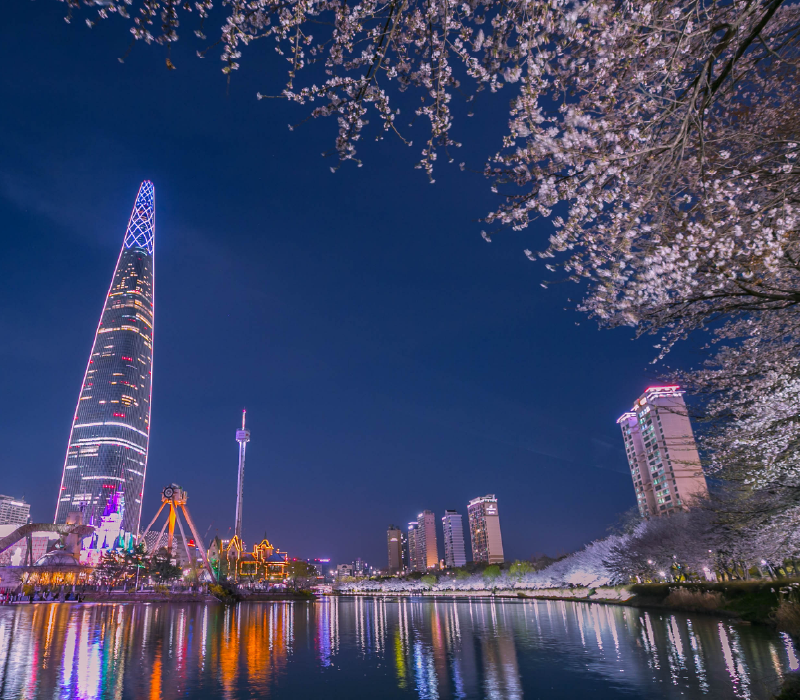
Seoul Arrivals and South Korea Highlights in Style with a first skyline view
For Seoul, South Korea, luxury travel highlights, the tone is set the moment you land at Incheon International Airport—efficient, polished, and quietly reassuring. South Korea is wonderfully straightforward once you know the rhythm, and your first day in Seoul can feel both effortless and special with the right pacing. If you’re arriving on an overnight flight, we always design a gentle start: an unhurried check-in, a freshen-up, and a short loop that gives you a true feel for the city without demanding too much.
Incheon International Airport arrivals in South Korea
Private transfers are the simplest luxury: your chauffeur meets you landside, handles the luggage flow, and you glide into the city without decisions. If you prefer premium rail, South Korea’s airport links are clear and comfortable, and even public transport can feel smooth when you know which carriage, which exit, and how to avoid peak commuter pressure. Either way, the goal is the same—arrive calm and keep your energy for what you came to explore.
To create a smooth first 12 hours in Seoul, consider this gentle rhythm:
- Late morning: check-in, light meal, and a short reset walk rather than a full sightseeing push.
- Mid-afternoon: a curated neighbourhood contrast—design boutiques, coffee culture, and one or two art galleries.
- Early evening: a first viewpoint over Seoul’s lights—classic Namsan is a beautiful, low-effort choice.
Seoul as Korea’s capital city and a feel for the city route
As Korea’s capital city, Seoul is a capital city of elegant contradictions: a forward-facing metropolis with pockets of stillness that make you slow down. This is the best kind of luxury—being able to move between worlds in minutes, then return to comfort without fuss. One evening viewpoint is often all you need on day one; the rest can wait until you’ve had sleep.
When you’re ready to go deeper, the cultural anchor is Seoul’s royal palaces, best visited in soft morning light for photography and lighter crowds. We’ll always protect your time in Seoul by shaping reservations, transport, and rest into the plan, so you have time to explore without ever feeling hurried. If you’d like inspiration before you arrive, our Trip gallery shows how we craft journeys with trust, care, and quiet confidence.
The best seasons in South Korea are spring (April–June) and autumn (September–November), which bring clear skies and gentle temperatures that suit long walks, courtyard visits, and skyline views.
Seoul Gyeongbokgung Palace, Bukchon Hanok Village in South Korea, highlights
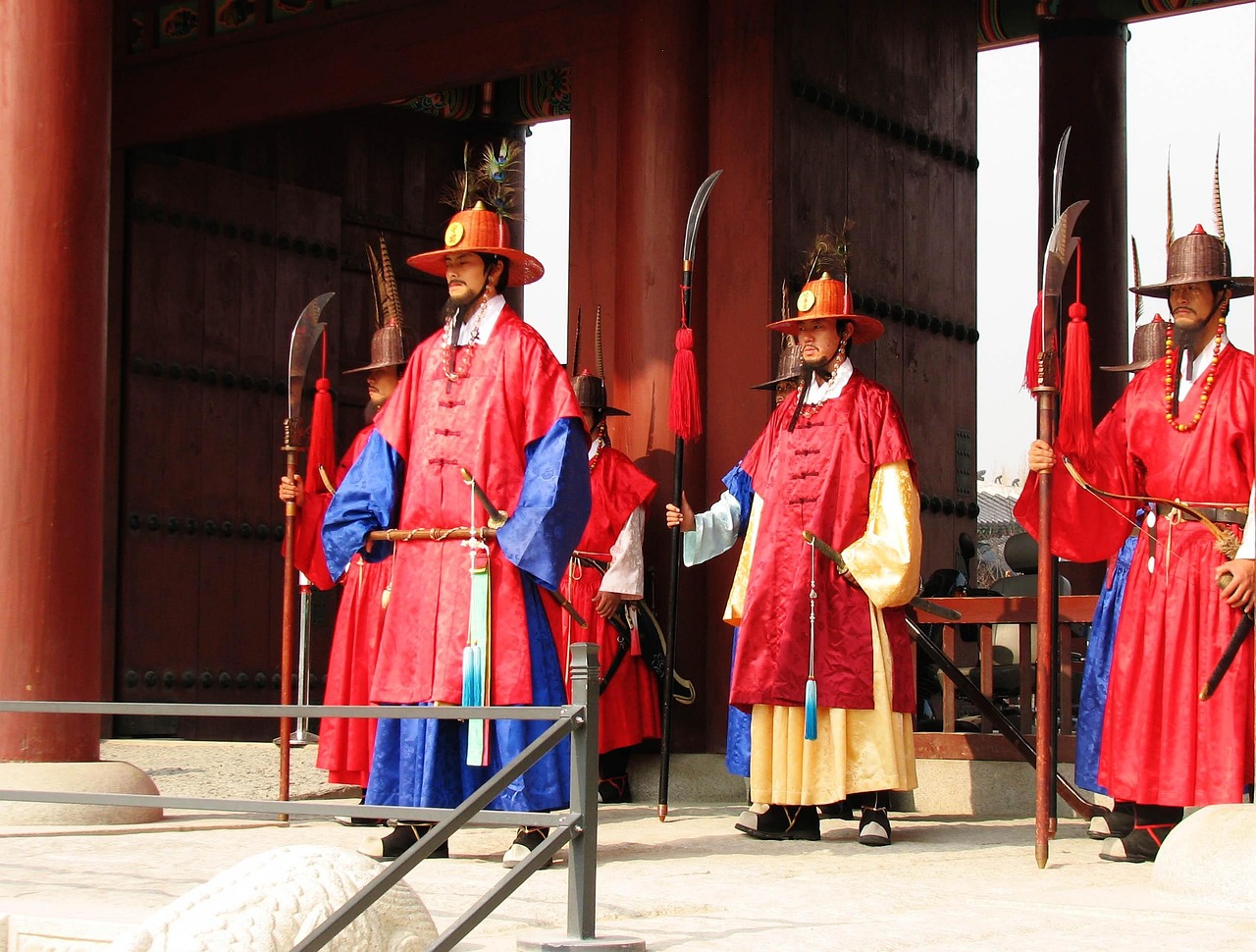
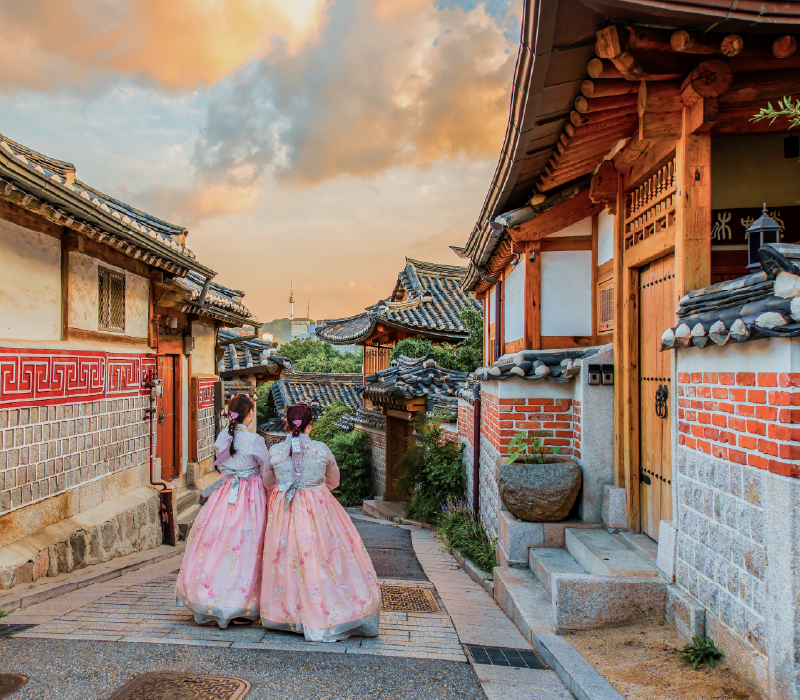
Seoul Heritage Gyeongbokgung Palace and Bukchon Hanok Village in morning light
A day built around Seoul Gyeongbokgung Palace, Bukchon Hanok Village is one of those South Korea moments that feels cinematic yet deeply human. Start with Gyeongbokgung Palace, the main royal palace of the Joseon dynasty, and then wander into the lanes of Bukchon Hanok Village, where heritage is lived-in rather than staged. With an expert guide and thoughtful timing, you can experience tradition with ease—and still return to your hotel feeling refreshed.
Gyeongbokgung Palace guided tour and the Gwanghwamun ceremony
Arrange a guided tour for Gyeongbokgung: it turns architecture into narrative, and narrative into emotional connection. Time your arrival near Gwanghwamun for the royal guard changing ceremony; one high-end traveller told us she felt history “move from a textbook into the air around us” as the music and colour unfolded, deepening her appreciation for Korean culture in a way she didn’t expect from a morning outing.
Inside the grounds, it’s worth weaving in the National Folk Museum for context, then taking a few quiet minutes in the on-site folk museum exhibits if you want the everyday details—dress, tools, family rituals—that complete the grander story. It’s also a perfect moment to notice how South Korea blends formality with warmth: staff are precise, but never cold.
Bukchon Hanok Village and traditional Korean culture in Seoul
From palace courtyards, transition to Bukchon Hanok Village, home to traditional hanok houses tucked between modern Seoul streets. A guest who stayed in a luxury hanok here described the experience as “soft light, clean lines, and perfect silence”—the look of tradition with the comfort of impeccable bedding, discreet climate control, and a beautifully prepared breakfast. It’s a rare kind of immersion that still feels indulgent.
A few etiquette details help you move through these spaces with confidence and care. Remove shoes upon entering hanok interiors, greet with a slight bow, and choose refined footwear that slips on and off easily. If you’d like a curated touch for photos in historical buildings, rent a hanbok from a reputable studio that focuses on fit and fabric quality; it can transform your sightseeing into a story.
If you’re craving one more heritage pause nearby, Jogyesa Temple offers a gentle, respectful contrast—incense, lanterns, and a slower breath in the heart of Seoul.
Seoul Han River sunset cruise, Insadong tea ceremony, Lotte World Tower observation deck
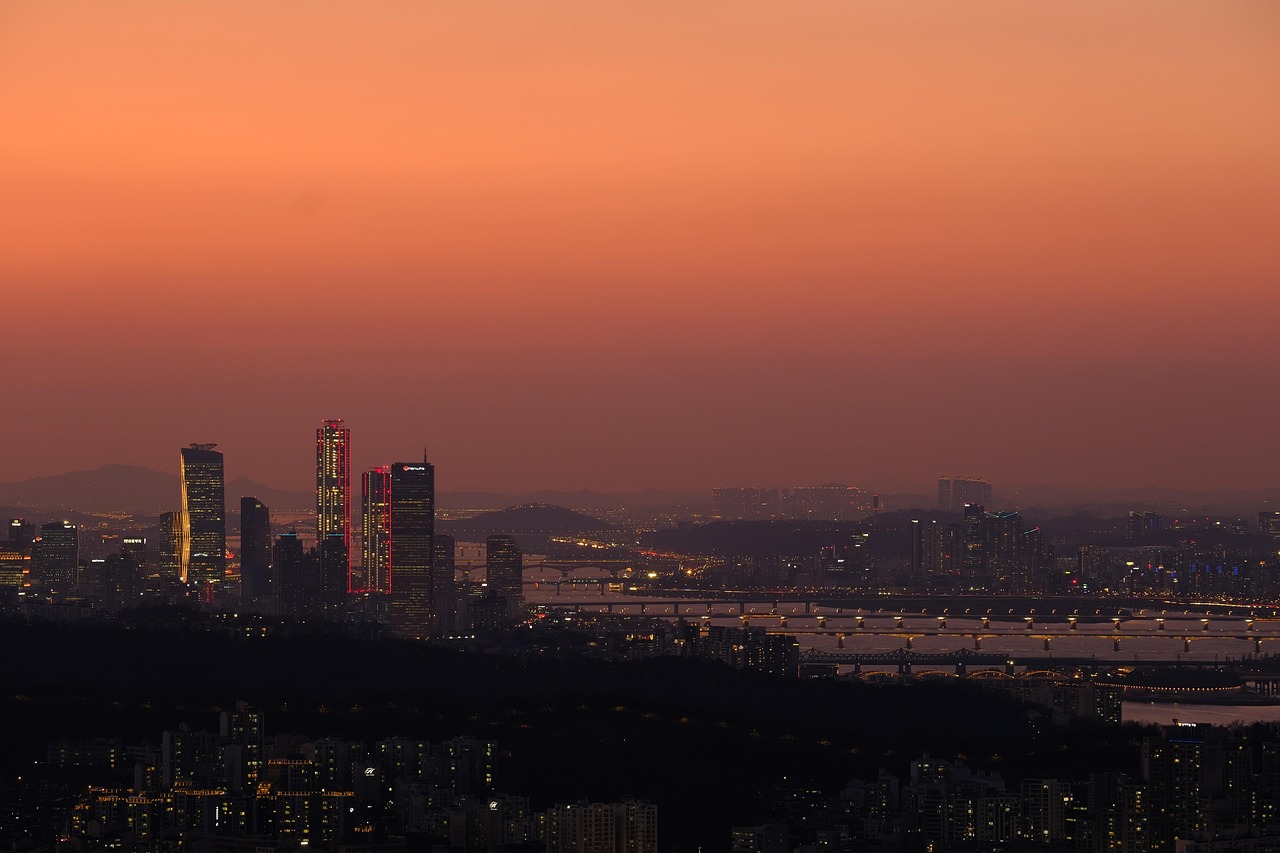
Crafted Evenings in Seoul Tea Ceremony Han River Cruise and Observatory at dusk
For Seoul Han River sunset cruise, Insadong tea ceremony, Lotte World Tower observation deck, think of the evening as a designed arc—golden hour into night—where each stop feels effortless. South Korea does evenings exceptionally well: the city lights are theatrical, but the hospitality can be quietly intimate when you choose the right venues. With the right chauffeur timing and a little breathing space, you can enjoy Seoul’s spectacle without giving up serenity.
Seoul Han River sunset cruise with personalised romance
A private Han River sunset cruise is one of the most luxurious ways to see Seoul. One couple told us their cruise became the romantic highlight of their South Korea stay—not because it was flashy, but because it was calm: soft drinks served exactly when they wanted them, a playlist that suited the mood, and a skyline that seemed to widen as the sun lowered. It’s the sort of experience that feels crafted for you, not for a crowd.
If you enjoy photography, plan a brief pause beforehand for a riverside photo stop; it’s a simple addition that makes the evening feel personal and complete.
Insadong tea ceremony and a night view from an observatory
Next, uncover a bespoke Korean tea ceremony in Insadong at a traditional teahouse. It’s not about formality—it’s about attention. Your host will guide you through fragrance, temperature, and pacing, and explain the small courtesies that make the ritual meaningful. Even in busy Seoul, a tea room can feel like a pocket of stillness, and that contrast is part of the pleasure.
Finish with a night at Lotte World Tower’s observation deck for panoramic views across districts and mountains beyond. Book a timed entry window and arrive slightly later than the first evening rush; the atmosphere often becomes more relaxed once the initial wave has passed.
To keep the night seamless, we suggest a simple upgrade checklist:
- Chauffeur on standby with clear pick-up points and a “no-rush” buffer between stops.
- A light snack plan after tea, so hunger never dictates decisions.
- One planned photo moment, then phones away—so the rest feels lived, not documented.
Seoul Michelin restaurants La Yeon Jungsik Gwangjang Market
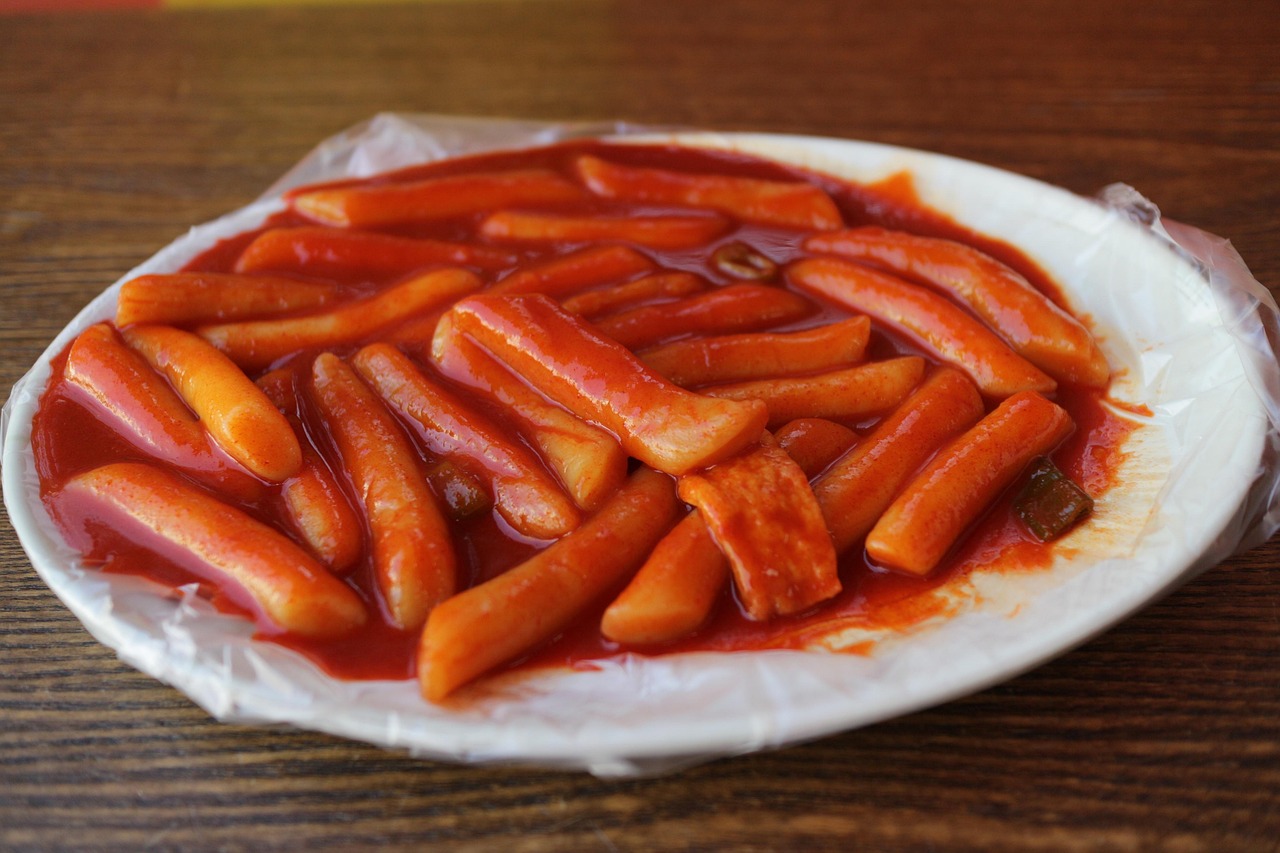
Seoul Food Scene From Michelin Stars to Gwangjang Market with comforting flavours
For Seoul Michelin restaurants La Yeon Jungsik Gwangjang Market, the pleasure is in contrast: high craft, then high energy. The Seoul food scene is sophisticated enough for the most seasoned palate, but it never loses its roots. In South Korea, fine dining and market snacking aren’t opposites—they’re two expressions of the same pride in ingredients, technique, and hospitality.
Michelin evenings at La Yeon and a private tasting at Jungsik
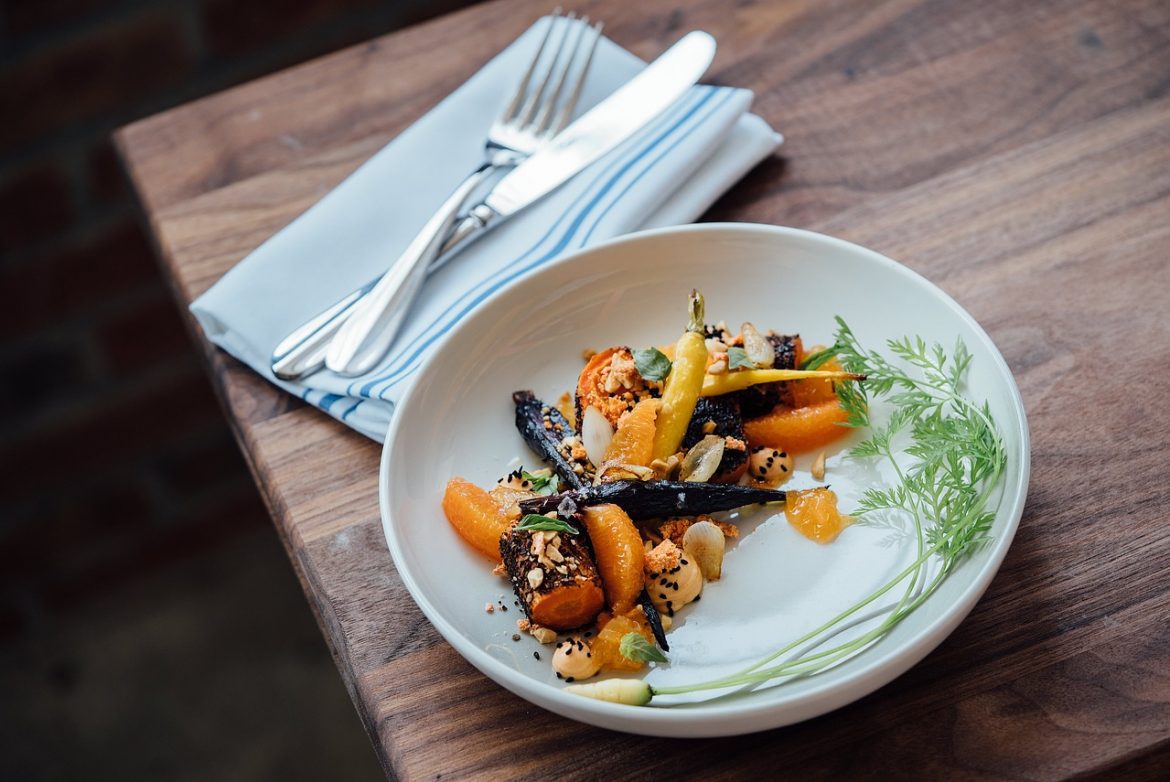
If you want modern refinement, begin with Michelin-starred La Yeon for a serene, elegant room and balanced flavours. Then consider a private tasting menu at Jungsik. A food critic we worked with described the meal as “meticulous presentation that turned each course into a small gallery”—proof that South Korean cuisine can be both intellectual and deeply comforting at once.
Reservations matter in Seoul, particularly on weekends. If you have allergies or dietary needs, communicate them in writing ahead of time; the teams are accommodating when they have notice. Dress codes are typically smart—think polished, understated, and ready for beautiful dining rooms.
Gwangjang Market and Myeongdong for authentic comfort
To balance the glamour, we love a guided market visit—especially Gwangjang Market, one of Seoul’s most characterful food markets. Here, comfort comes from the bustle: steam rising from stalls, vendors calling out, and the joy of trying something in the moment. Order bindaetteok, the crisp pancake made from mung bean, and sample a few bites of street food while your local host helps you navigate queues and choose the best stalls without stress.
Afterwards, Myeongdong is worth visiting for people-watching and curated snacks—just time it for later in the evening when the initial shopping crowds have eased. If you’re sensitive to congestion, we can design a short, satisfying loop rather than a long wander.
Practical dining support in South Korea is refreshingly simple:
- Reservations: book key restaurants in advance, especially for prime times.
- Etiquette: be on time, and keep voices soft in refined spaces.
- Tipping: not customary; discreet appreciation for exceptional service is welcome.
Highlights of South Korea itinerary from Seoul to Busan, Gyeongju, DMZ in comfort
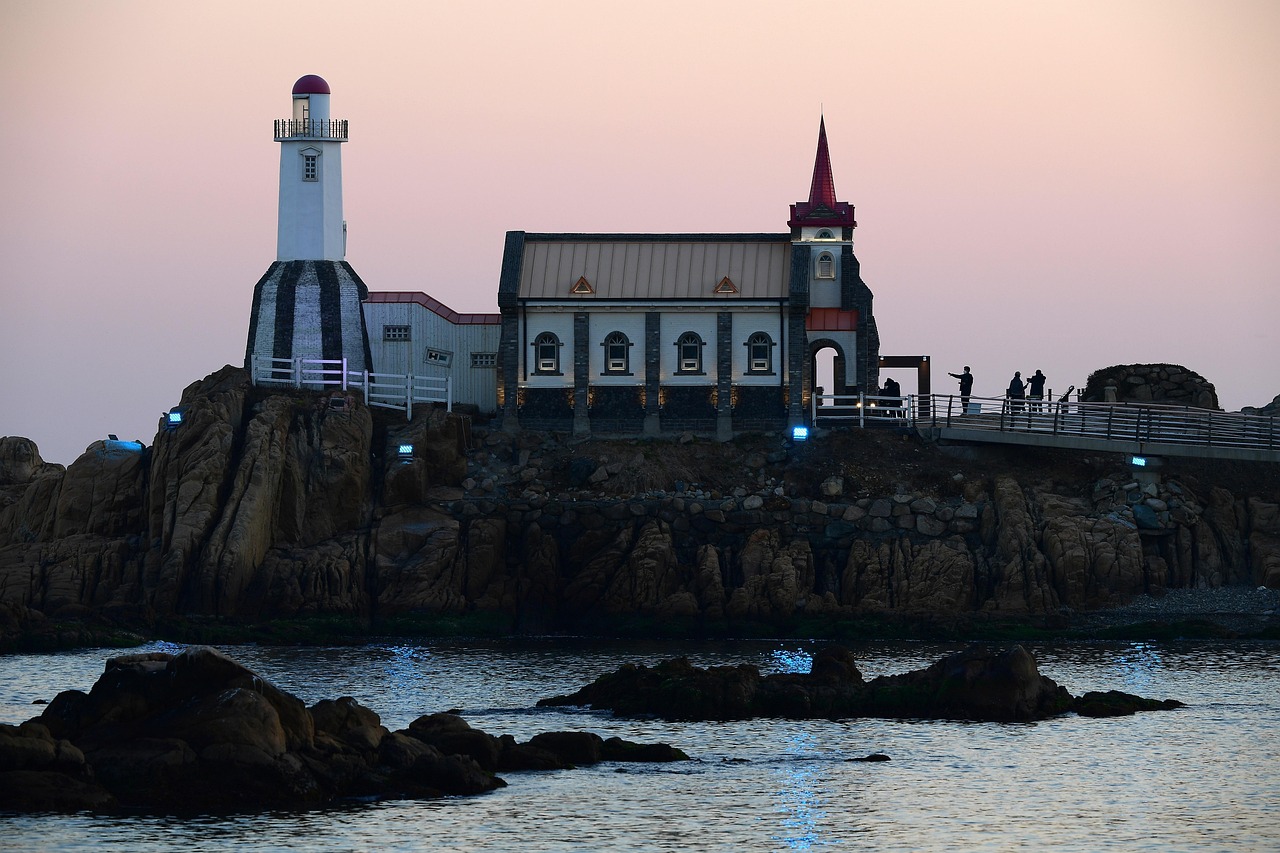
Itinerary Beyond Seoul Busan Gyeongju Seoraksan DMZ and Jeju with coastal views
For the highlights of the South Korea itinerary from Seoul to Busan, Gyeongju, and DMZ, comfort comes from smart sequencing and the right modes of transport. This is the one place in this guide where I’ll use the word itinerary, because it’s genuinely helpful: a stitched route that feels cohesive, not like a sprint. Your trip to South Korea can move between cities elegantly—premium rail seats for speed, private car days for countryside freedom, and short flights only when they truly save energy.
Leave Seoul after you’ve had enough time to settle, then head to Busan for a different mood: sea air, open horizons, and a playful edge. We like to design Busan as a two-night pause with one morning by the coastline at Haeundae, then a guided visit to Jagalchi fish market early for the freshest produce. With a local expert, tasting sea urchins becomes refined rather than daunting—served simply, explained carefully, and matched to what you actually enjoy.
From Busan, step into Gyeongju, the capital of the Silla (57 BC – 935 AD) and one of South Korea’s most quietly moving cultural stops. This is where history feels spacious. Focus on Bulguksa Temple and Seokguram Grotto, then linger at Cheomseongdae near dusk. Reserve museum time at Gyeongju National Museum, then end with a still moment beside a pagoda, where the air seems to settle around you.
These sites include a UNESCO World Heritage area and a designated UNESCO World Heritage site; your guide can add the cultural layers without turning the day into a lecture.
DMZ demilitarised zone sensitivity and nature at Seoraksan
A day trip to the DMZ can be powerful when carefully framed. The demilitarised zone is not a spectacle; it’s a living reminder of the Korean War and its long shadow. Where available, the Joint Security Area adds context, but access can change—so we plan flexibly and avoid overpromising. The focus is on understanding, not sensationalism, acknowledging the reality of North Korea with respect.
For nature, Seoraksan offers crisp air and cinematic ridgelines. You can take the cable car for wide views, then choose a gentle walk that suits your energy—especially if you’re balancing city days with slow recovery. If you want one of the best places for a calmer rhythm that still offers something for everyone, add Jeju Island for two or three nights, with Seongsan as a sunrise-ready landmark. With the right hotel and a private driver, South Korea feels both expansive and reassuringly easy.
To keep this portion of your South Korea journey comfortable, we generally avoid large-group tours on long days and instead offer private guiding where the pace stays human.
F.A.Qs: South Korea highlights planning
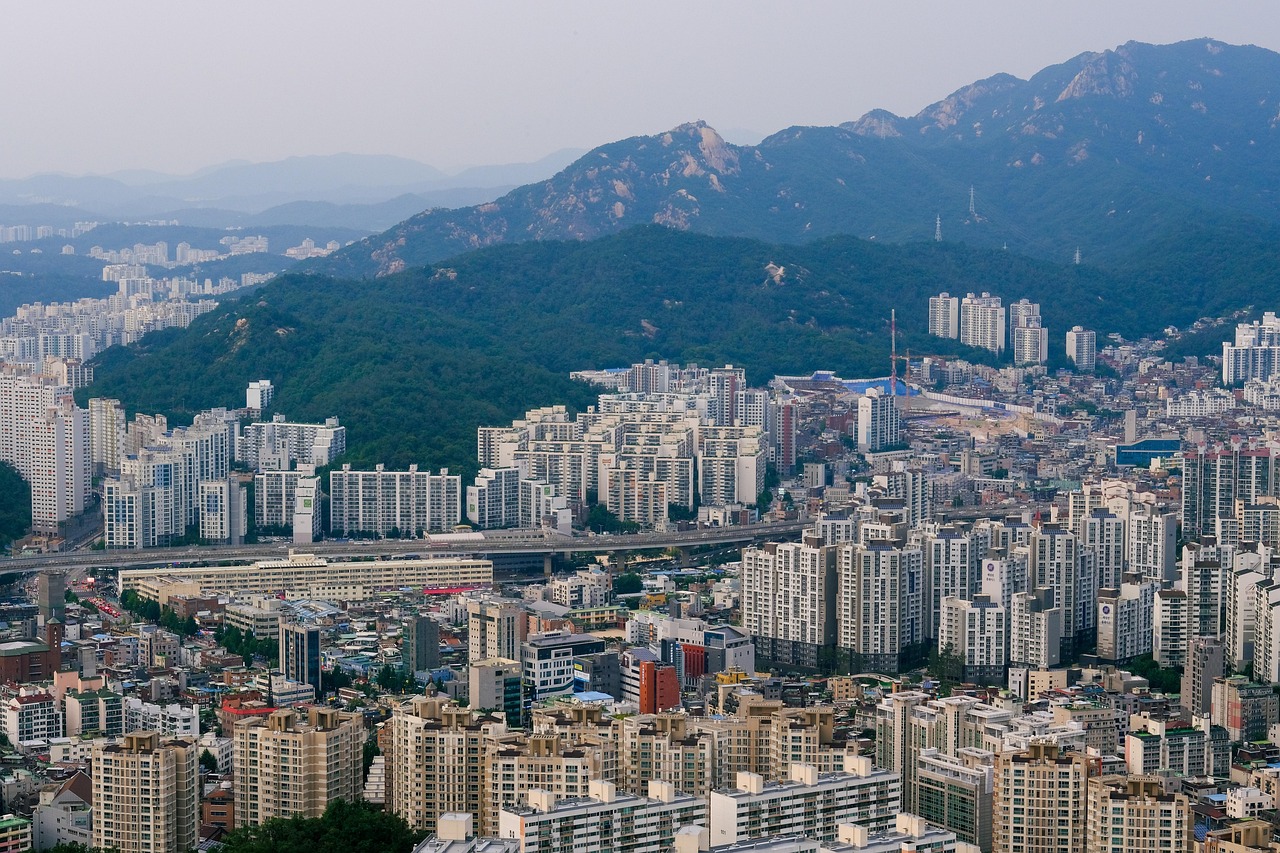
F.A.Qs: South Korea highlights planning essentials with a Seoul skyline
What is the 52-hour rule in Korea?
The “52-hour rule” usually refers to Korea’s 52-hour workweek cap, designed to limit excessive working hours. For travellers, it can subtly affect restaurant staffing, opening patterns, and how far ahead you should book premium experiences—especially on weekends. It’s not a tourist rule, but it’s a useful reminder to plan reservations early and keep timing flexible.
What should you not miss in South Korea?
Don’t miss at least one palace morning in Seoul, a crafted evening that includes a skyline view, and one deeply local food experience. Many travellers also value a thoughtful visit to the DMZ for context, approached with sensitivity. If you have time beyond the cities, add one nature day for contrast—South Korea is at its best when culture and landscape sit side by side.
What is the 3-day rule in Korea?
The “3-day rule” can mean different things depending on context (for example, short recommended observation or processing periods in certain administrative or health settings). It isn’t a standard tourism rule. For travel planning, a practical approach is to give yourself three days in Seoul to settle in, adjust to time zones, and experience heritage, dining, and neighbourhood life without rushing.
What is Korea most famous for?
Korea is famous for its blend of heritage and modernity: royal palaces, traditional neighbourhoods, and a world-leading contemporary lifestyle in Seoul. It’s also celebrated for cuisine—both market classics and fine dining—plus design, beauty culture, and warm everyday courtesy. For many high-end travellers, the standout is how seamlessly you can move between old and new with comfort and style.
After South Korea, What Stayed With Me
What lingers after South Korea is rarely the headline moment. It’s the sound of the ceremony drifting across stone courtyards, the soft glow of hanok light through papered windows, and the way Seoul’s pace can feel intimate and vast at the same time when you let it unfold rather than chase it. Somewhere between a quiet tea sip and the hush before night views, you realise you’ve been held by a place that knows how to balance precision with kindness.
I think about the small courtesies: the gentle patience when you hesitate at a doorway, the careful way a dish is set down, the unspoken understanding that comfort matters. South Korea’s colours and textures stay with you—silk, lacquer, steam, pine—and you begin to notice how travel changes when you move through it with trust. Not perfection, just a steadier ease.
And perhaps that is the true gift: travelling together with local knowledge, and feeling quietly supported, turns the same famous sights into something more personal. Long after you’ve unpacked, Seoul’s rhythm returns in unexpected flashes—on a cold morning, or when you catch the scent of tea—and it leaves a gentle question in the air about what else you might uncover next time.