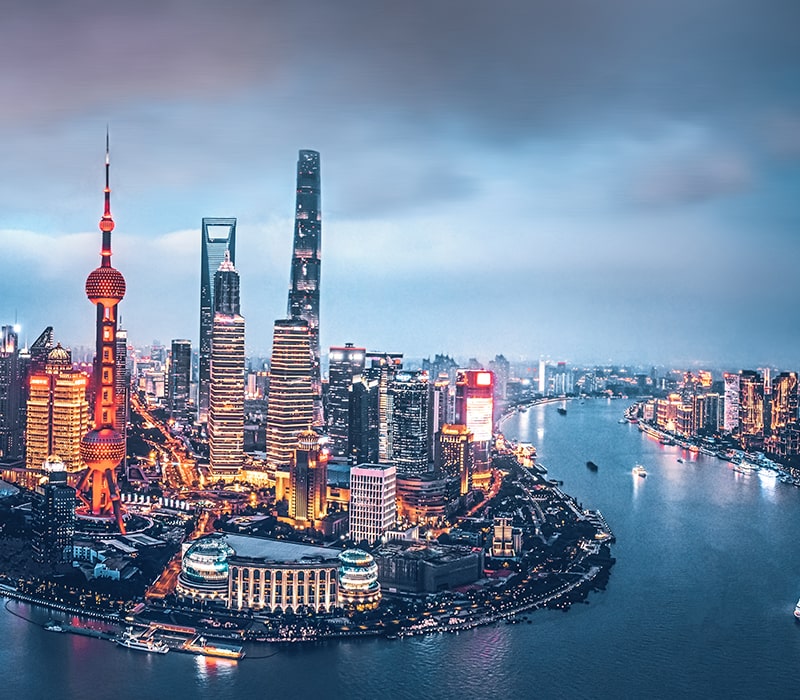
Post Contents
- Visit China in Luxury: Your Guide to China for a First Trip and One Time Zone Surprise
- Know Before Visiting China: Visa, Passport, Travel Insurance, and Arrival.
- Beijing’s Great Wall at Mutianyu and Jinshanling, and the Forbidden City.
- Trip to China Xi’an Terracotta Warriors Private Tour with Silk Road Depth
- Travel to Chengdu Panda Reserve with VIP access and indulge in Sichuan cuisine.
- Shanghai Bund Luxury River Cruise Itinerary for Major Cities and Beyond
- F.A.Qs:
- After China: What Stays With You Visiting China for the First Time Personal Reflections
Visit China in Luxury: Your Guide to China for a First Trip and One Time Zone Surprise

Visit China in Luxury: Your Guide to China for a First Trip
If you’re looking for a visit to China, a luxury guide to China, or a first trip perspective, begin with one gentle truth: China is a vast country, and the scale can be thrilling rather than overwhelming when your days are crafted with care. One detail that surprises many visitors to China is that the whole country runs on one time zone, even when sunrise and sunset feel as if they belong to a different latitude. The big cities can feel like film sets—sleek, bright, constantly moving—yet they become comfortable quickly when you’re supported by expert planning and local insight.
For a first trip, we like to create a high-end rhythm that feels unhurried. Fewer bases and longer stays give you space to recover from flights, enjoy late breakfasts, and design afternoons around private access rather than queues. It’s the difference between “ticking off” places to visit in China and truly beginning to discover China.
Guide to China pacing for a first trip with fewer bases
As a starting point, we often design a core route like Beijing and Shanghai, then add Chengdu and Xi’an for depth. Across China, some regions—especially remote frontier areas and certain rural areas—require different pacing, additional permissions, and greater flexibility. With the right partners on the ground, you can explore widely while keeping the journey seamless.
Our Designer Journeys approach is simple: we plan, we pre-empt, and we stay close. That means vetted private guides, reliable drivers, graceful problem-solving, and support that helps you feel held rather than hurried. You can browse a sense of style and texture in our Trip gallery, then imagine how your own itinerary could be shaped around what matters most to you.
Visit China with private access and slower mornings
Many high-end travellers still describe one moment more vividly than any photograph: dawn on the Great Wall, the stone cool beneath your hand, with only a private guide and soft sunrise for company. It’s quiet, personal, and unexpectedly moving—history felt rather than simply seen. That emotional connection is what we aim to uncover, together, from the very first day.


Know Before Visiting China: Visa, Passport, Travel Insurance, and Arrival.
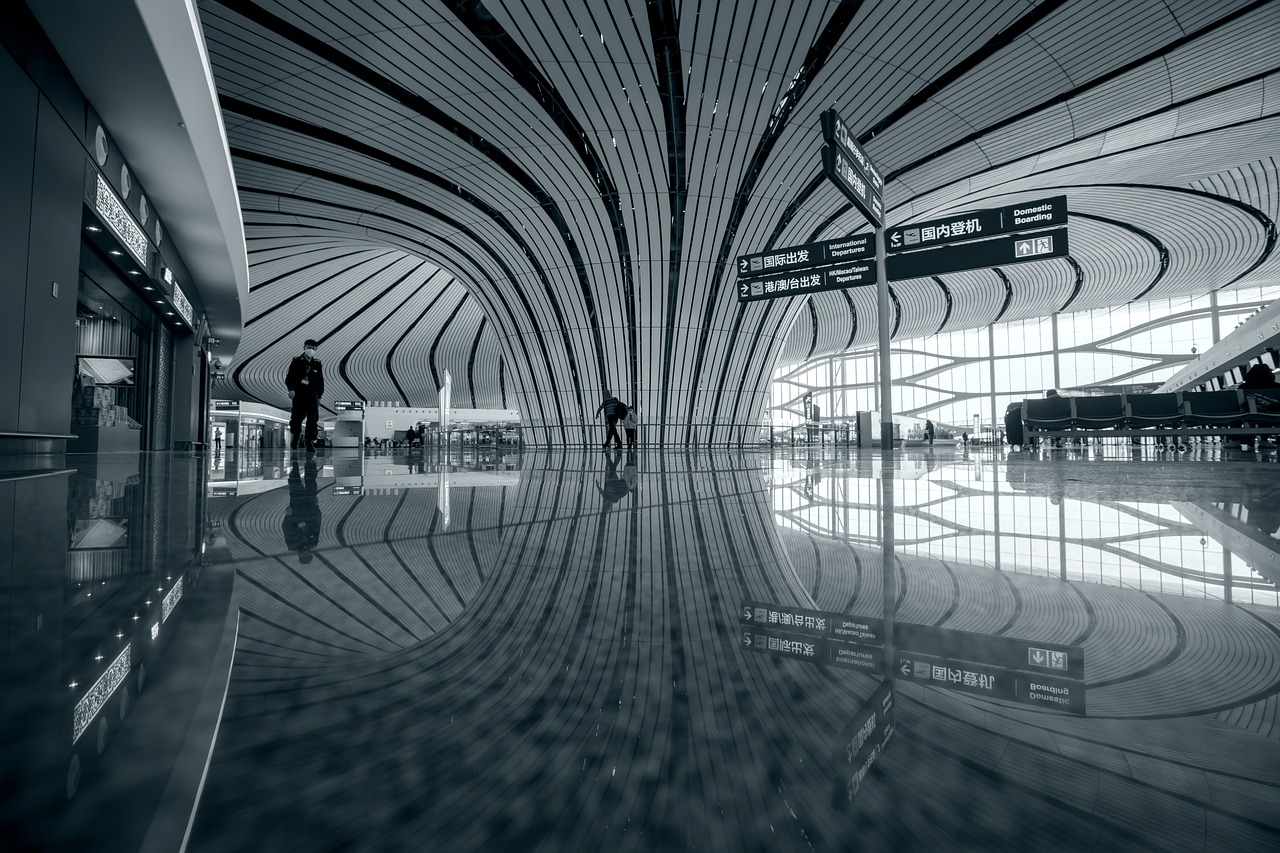
Know Before Visiting China: Visas, Passports, and a Smooth Arrival
To know before visiting China: visa, passport, travel insurance, and arrival in China, so you can protect the cost you’re paying. Most travellers will need a visa, and the correct visa matters—rules can vary by nationality and itinerary, and tourism entry is not the same as business or transit. Your passport must meet validity rules, and if you want the smoothest path, a consulate appointment or a professional consulate or visa service can be worth every penny.
Visa and passport essentials to enter China with confidence
In practical terms, you generally cannot enter China without a visa unless you qualify for a specific exemption. Apply early, keep digital and paper copies of your documents, and note that you should never overstay your visa; penalties can be serious and complicate future travel to China. For peace of mind, we also treat travel insurance as non-negotiable for a high-end trip—medical support, disruption cover, and evacuation provisions should match the level of your overall planning.
On arrival, premium support is less about status and more about calm. A meet-and-greet, luggage assistance, and a private transfer remove the guesswork at the moment you’re tired and disoriented. We also build in buffer time for travel delays, often with a gentle first night that allows you to reset before touring begins.
Arriving in China as a foreigner with seamless support
There are a few “foreigner realities” that are completely normal and easier when you’re expecting them. Hotels may ask to see your passport at check-in, and depending on where you stay, registration may be required within 24 hours. It’s wise to carry your passport (or have it readily accessible) for occasional checks, especially when travelling between major cities.
Digital preparation matters too. WeChat is used for messaging and many bookings, while Alipay is widely used for cashless payments; some travellers also like to keep a small amount of cash for peace of mind. Finally, be aware that a vpn may not work consistently: a vpn in China may be restricted, and the Chinese government may limit sites and apps you rely on. In the People’s Republic of China, regulations can change, and while this falls within the broader governance of the Chinese Communist Party, your best strategy is simple: download what you need in advance and keep offline backups of key reservations and addresses.
- Remember to bring: printed hotel confirmations, a pen for arrival forms, and a screenshot of your first transfer details.
- Keep your hotel address saved in Chinese characters, plus a Romanised version for reference.
- Choose insurance with strong medical cover and 24/7 assistance that’s available in English.
Beijing’s Great Wall at Mutianyu and Jinshanling, and the Forbidden City.

Beijing Private Great Wall Days and Imperial Insight
For many travellers, the heart of a first trip is the Great Wall of China, Mutianyu, Jinshanling, and the Forbidden City in Beijing—a pairing of open-air grandeur and intimate detail. In Beijing, we design days around early starts and private timing because the light is softer, the air feels clearer, and the experience becomes personal rather than performative. The Great Wall is never just a viewpoint; it’s a long, human story written across ridgelines.
Great Wall of China at Mutianyu and Jinshanling with calm timing
For a luxurious experience, Mutianyu and Jinshanling are often the sweet spot: dramatic panoramas, fewer crowds, and a sense of space that allows conversation to unfold. At the Great Wall, your guide can help you uncover how different dynasties built, repaired, and lived with this boundary, so it becomes more than a photograph. If your preference is maximum quiet, we can design a window that avoids peak arrivals, creating the feeling of having the landscape almost to yourselves.
Forbidden City in Beijing with historian insight and curated stories
Back in the city, a private tour of the Forbidden City in Beijing with an expert historian turns landmarks into layered lives. Rather than rushing through attractions like the Forbidden City, you’ll explore symbolism, ceremony, and design—why certain gates matter, how colour was used, and what daily life looked like behind those vast walls. From there, the Summer Palace is a graceful counterpoint: gardens, lakes, and stories that bring imperial leisure into focus.
In a city of this scale, transport choices set the tone. A pre-arranged car and driver removes language friction and decision fatigue, while a taxi can be perfectly fine for short hops if you’re comfortable showing destinations in Chinese characters. For most high-end travellers, private transport is the quieter option—calm, predictable, and designed around your pace.
Dining here is culture, not just cuisine. One guest still laughs about learning the art of lacquered skin with a master chef while preparing Peking duck; it was a lesson in patience, heat, and craft. Pair that with Michelin-starred contemporary Chinese food on another evening, and you’ll feel the city’s tradition and innovation sitting side by side.
Small etiquette touches deepen local warmth: greet elders first, dress modestly when visiting temples, and try a few Mandarin phrases. These gestures are simple, but they signal care—and in return, you often receive generosity of spirit.
Trip to China Xi’an Terracotta Warriors Private Tour with Silk Road Depth
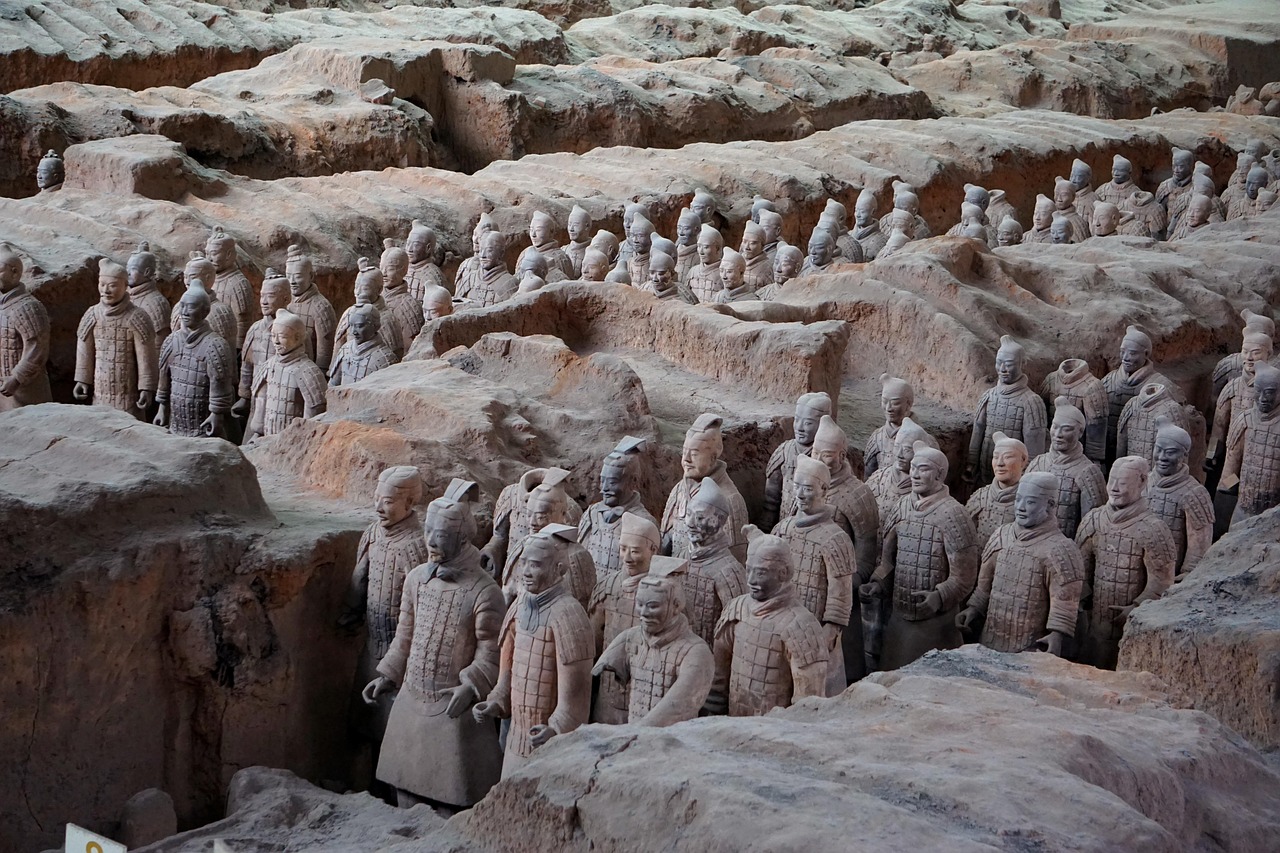
Xi’an and the Silk Road Terracotta Encounters in Private
If you’re planning a trip to China, Xi’an terracotta warriors private tour, Xi’an is where scale becomes intimate again. A privately timed visit to the terracotta site, guided by someone with an archaeologist’s eye, changes everything: you stop seeing “an army” and start seeing individual faces, techniques, and unanswered questions. In a quieter timeframe, you can explore without feeling pulled along by the crowd’s current.
Terracotta Warriors with expert context beyond the headline
With the right guide, you’ll uncover what most visitors miss—restoration work, traces of original pigment, and the logic behind formation. There’s a particular kind of confidence that comes from understanding what you’re looking at, rather than simply looking. It’s also a moment that gently widens the lens: trade, belief, and craft travelled throughout China long before modern borders and timetables.
High-speed train comfort between major cities
Xi’an also introduces one of modern China’s quiet luxuries: the high-speed train. China’s high-speed rail network is fast, comfortable, and reliable across major cities, reaching near 200 miles per hour on some routes. With lounge access at key stations and pre-booked assistance, it can feel more civilised than flying—especially when you want to arrive in the heart of the city rather than an out-of-town terminal.
Beyond the headline sites, the city wall at golden hour is a beautiful reset—wind in your face, a soft light over rooftops, and space to breathe. We also like to include a short, curated stop where your guide explains Chinese characters you’ll see on signage and souvenirs, so navigating feels less like guesswork and more like gentle recognition.
And yes—this is a place for one well-chosen, trusted street food moment. In a clean setting selected by your guide, you can taste something local and beloved, balancing refinement with authenticity without taking unnecessary risks.
- Choose timed entry where possible for quieter galleries and better photography.
- For rail days, pack a light day bag and keep your passport accessible for checks.
- Let your guide curate one adventurous bite, then return to a refined dinner for balance.
Travel to Chengdu Panda Reserve with VIP access and indulge in Sichuan cuisine.

Chengdu Panda Conservation and Sichuan Indulgence
To travel to China and visit the Chengdu Panda Reserve, with VIP access in Sichuan, is to see a softer side of the country—one shaped by conservation, research, and quiet dedication. With VIP access, you can go behind the scenes to learn about animal care routines and the science of long-term protection. When it’s done ethically, your visit supports the work, rather than distracting from it.
Living in China from a conservation perspective through everyday norms
One traveller described an emotional moment—holding and feeding a baby panda under expert supervision—as “the opposite of flashy”. The memory stayed because it was handled with clear welfare boundaries and genuine tenderness. It’s also a gentle window into life in China: queues can be brisk, personal space is handled differently, and service can be efficient rather than effusive, as is common in China. A private guide helps you feel anchored, translating not just language, but rhythm.
Chinese food in Chengdu from refined hotpot to technique and story
Chengdu is also where flavour becomes a kind of education. A refined hotpot evening can be as elegant as any tasting menu when ingredients are pristine, and the pacing is calm. For contrast, we’ll design one carefully selected Sichuan dinner focused on technique and storytelling, showing how spice can be layered rather than simply loud, and how Chinese food carries regional identity with pride.
Comfort matters here, too. Air quality can shift in major cities, so we recommend hotels with purification systems and the flexibility to move outdoor plans by a few hours. If conditions change, your guide can redesign the day—museum in the morning, gardens later—so you never feel you’re “missing out”, only moving with care.
As a practical note, drivers and guides also help with day-to-day habits that can surprise first-timers: the flow of foot traffic, when to assert your right of way, and how to handle busy entrances without stress. It’s the reassurance in small moments that’s where luxury truly lives.
Shanghai Bund Luxury River Cruise Itinerary for Major Cities and Beyond
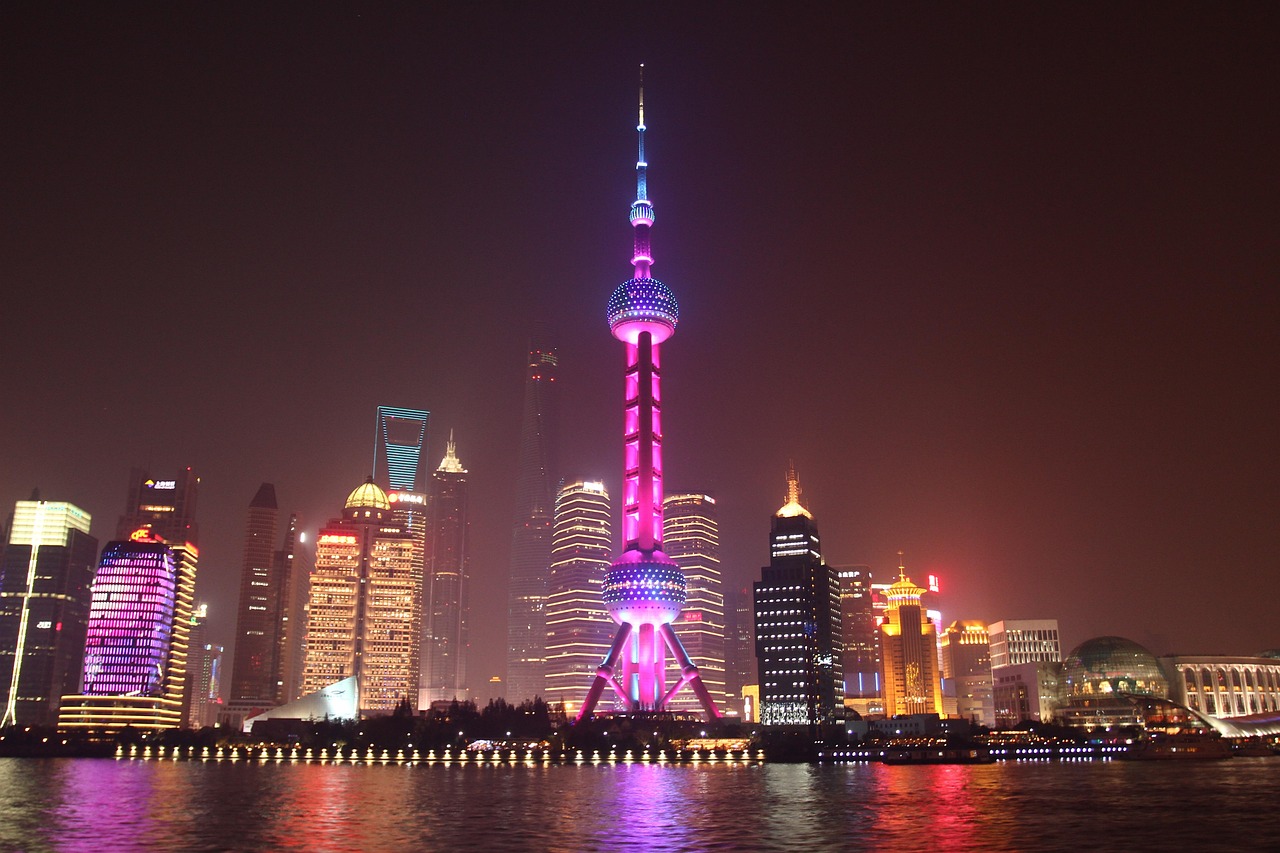
Shanghai Nights and a Seamless Luxury Itinerary Across Major Cities
A Shanghai Bund luxury river cruise itinerary, the major cities travel to China chapter is where modernity arrives in full light. Shanghai is exhilarating, but it can also be surprisingly romantic—especially when you explore it in a way that feels designed rather than rushed. An architecture-focused walk along the Bund reveals how historic façades hold their ground against futuristic towers, and why that contrast feels so uniquely Chinese.
Shanghai nights on the Bund and a private-deck river cruise
Later, a luxury river cruise at night—ideally from a private deck—lets the skyline unfold at a slow, cinematic pace. Many guests describe this as the moment they feel the city’s “timeless luxury”: history on one bank, the future on the other, and you in the middle with space to breathe. It’s also wonderfully photogenic, without the pressure of constant movement.
WeChat, Alipay and a version of Uber for seamless city days
To keep the experience seamless, it helps to set up the practicalities early. WeChat mini-programs can support bookings and messaging, and Alipay is widely accepted for day-to-day payments; some travellers also notify their bank, and the Bank of China can be useful for certain currency or card queries. For getting around, ride-hailing apps provide a version of the Uber experience, and your guide can help you translate addresses and save them properly—especially when a taxi driver needs the destination in Chinese characters.
This is also the chapter where your multi-city plan comes together. A classic loop might run Beijing to Xi’an to Chengdu to Shanghai, mixing flights where they save time and high-speed rail where it feels more civilised. In spring and autumn—often the best times to visit China—this rhythm can feel effortless, with mild weather and fewer crowds.
For restoration, we love pairing Shanghai with Hangzhou’s West Lake. A tailored tea ceremony in tranquil gardens can be quietly transformative: steam rising from the cup, a stillness that settles your shoulders, and a sense of culture that feels intimate rather than staged. One guest told us it was the moment they stopped “trying to understand China” and simply allowed it to be felt.
And if your imagination reaches the edges of the map, we can design add-ons with clarity and trust. Tibet can be extraordinary, but permits and altitude need respect, and a Tibetan cultural experience is best approached with humility and time. Xinjiang may be restricted at times, and routes must be assessed carefully. If you want a beach reset, Hainan offers an easy exhale; if you want landscape poetry, Guilin is a dream—especially when the light turns the river into ink.
- Best seasons for comfort: April to May and September to October; summer can be hot and humid in some regions.
- Save key hotel names and addresses offline so you’re covered if websites and platforms load slowly.
- Use Pleco (pleco) for quick character look-ups and polite phrases on the go.
F.A.Qs:
Is China friendly to tourists?
Yes. In most tourist areas, people are welcoming and helpful, even if English isn’t widely spoken. A private guide makes a big difference for smooth logistics, cultural nuance, and reassurance. Normal city awareness applies, but overall safety is high in well-travelled districts, and luxury hotels are experienced in supporting international guests.
What is the 9 6 6 rule in China?
The “9-9-6” rule refers to a work culture reported in some sectors: working 9 am to 9 pm, six days a week. It’s not a travel rule, but visitors may notice the busy rhythms of big cities and efficient service. For travellers, it’s simply a reminder to design your itinerary with restorative pauses.
Is $1000 USD a lot in China?
$1000 USD can go a long way for everyday spending—meals, local transport, and entry tickets—especially outside the most premium districts. For high-end travel, however, it won’t cover luxury hotels or private touring for long. Think of it as a comfortable discretionary amount for shopping, experiences, and dining, depending on your style.
What is the 3-hour rule in China?
The “3-hour rule” can refer to different things depending on context, but travellers most often hear it in relation to operational cut-offs—such as recommended airport arrival buffers or booking changes. In practice, for a smooth trip, allow generous time for transfers, station security, and check-ins, especially during peak travel periods like the Chinese New Year.
After China: What Stays With You Visiting China for the First Time Personal Reflections
For many people visiting China for the first time, personal reflections arrive quietly, long after the suitcase is unpacked. It can be the feeling of scale and intimacy held together—whispered history at dawn, and modern light after dark—each making the other more vivid. You may find yourself remembering the stone underfoot on the Wall, or the way your guide’s voice softened when a story became personal.
Some memories return as pure sensory anchors: tea steam curling in a still room, silk brushing your wrist as you pass through a boutique, the soft weight of a city at night when the traffic finally thins. There is a tenderness in those moments, a sense that you were allowed to look closely rather than just look quickly.
Confidence doesn’t come from knowing everything about the People’s Republic of China, or from mastering every custom. It grows from support, expert planning, local reassurance, and the freedom to explore without constantly second-guessing yourself. Even if you’ve never travelled this far before, you may notice how natural trust can settle in when details are handled well.
And perhaps that is what stays with you most: a renewed perspective, and a quiet curiosity about what else is waiting—beyond the next gate, across the next river, in the pause between one thought and the next.