Post Contents
- Busan in November: coastal climate overview, average weather patterns, and what to expect day to day
- Busan in November: average temperature, rainfall, sunshine hours and daily details
- Busan in November trip itinerary: Haeundae, Gamcheon, Taejongdae and top city attraction ideas
- Busan, South Korea, in November: cultural festivals, film events and cosy nights
- Preparing for Busan in November: packing tips, luxury transport, safety and Jagalchi seafood planning
- F.A.Qs: Busan November weather, temperatures and travel basics
- Busan in November: a South Korea travel reflection and what stayed with us
Busan in November: coastal climate overview, average weather patterns, and what to expect day to day
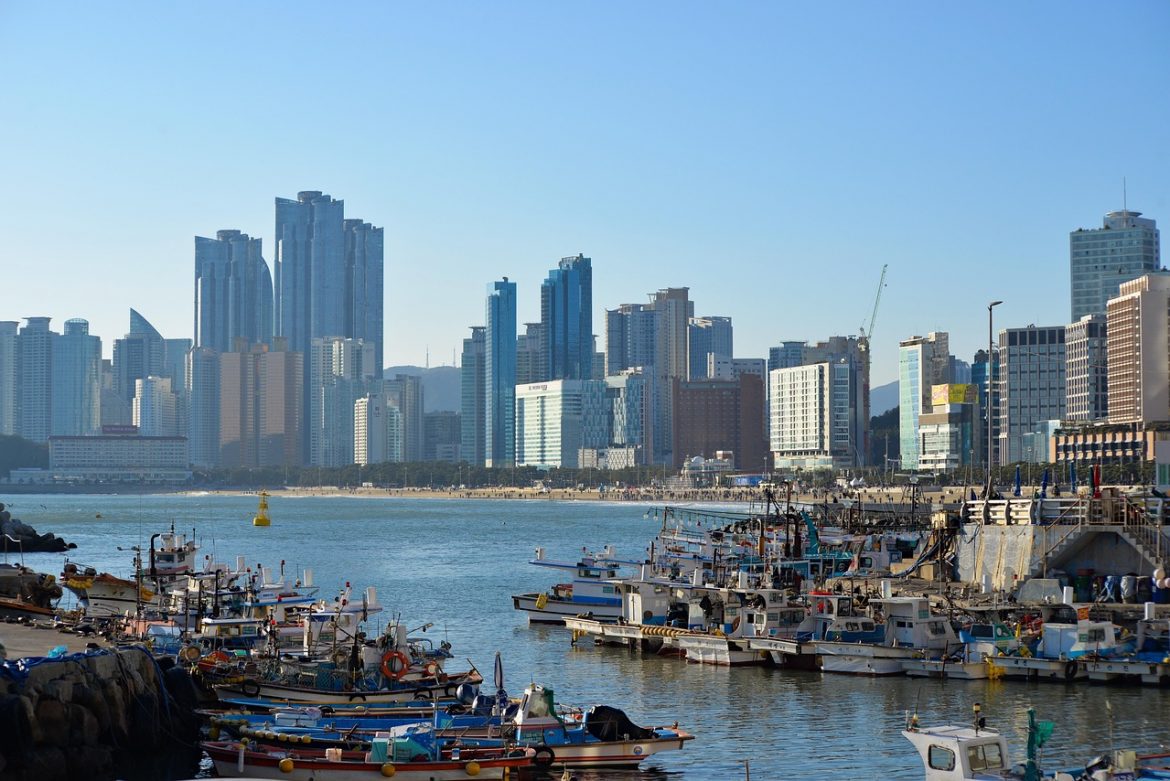
Busan in November at a glance: coastal climate overview
If you’re researching weather in Busan, Korea, in November, picture a coastal city where the sea keeps the climate relatively gentle, the air often feels dry, and the light can be strikingly clear between passing systems. Because Busan sits on the East Sea, it’s softened compared with more continental inland areas of South Korea—yet that same shoreline can make it feel sharper when a sea wind arrives.
As a rule of thumb, the temperature typically falls within a comfortable range of 10–18°C, with evenings tending colder and occasional chilly spells slipping in. In this shoulder-season period, comfort is about layers and timing rather than endurance, and many travellers like how the overall pace feels calm without the peak-season rush. If you’re comparing the weather in Busan with other Korean destinations, keep in mind that the coast can feel cooler than the numbers suggest.
November in the city: late-autumn calm with early winter hints
November is a graceful hinge in Busan: evenings deepen, cafés become cosier, and the average rhythm supports long outdoor time without mid-summer heaviness. Many days feel crisp but comfortable, and after sunset, you’ll appreciate warm interiors, good lighting, and a slower pace that suits lingering dinners.
For many visitors, Busan also feels more spacious in this month: fewer queues, calmer promenades, and better availability for suites, spa bookings, and refined dining. It’s easier to explore at your own pace, catch a sunny moment on the waterfront, and notice small local details that can get lost in peak-season noise.
Luxury timing: flexible planning for changeable conditions
This is a month made for crafted mornings: unhurried breakfasts, quiet museums, and seaside walks that feel personal. Reservations tend to be simpler, and concierge teams can add thoughtful touches with care rather than a rush, especially on weekdays.
Set expectations for changeability. A bright day can turn overcast as pressure systems drop, and that’s where expert planning builds trust: design a day with one outdoor anchor and one elegant indoor alternative, so your trip stays seamless no matter what the weather decides.
Busan in November: average temperature, rainfall, sunshine hours and daily details
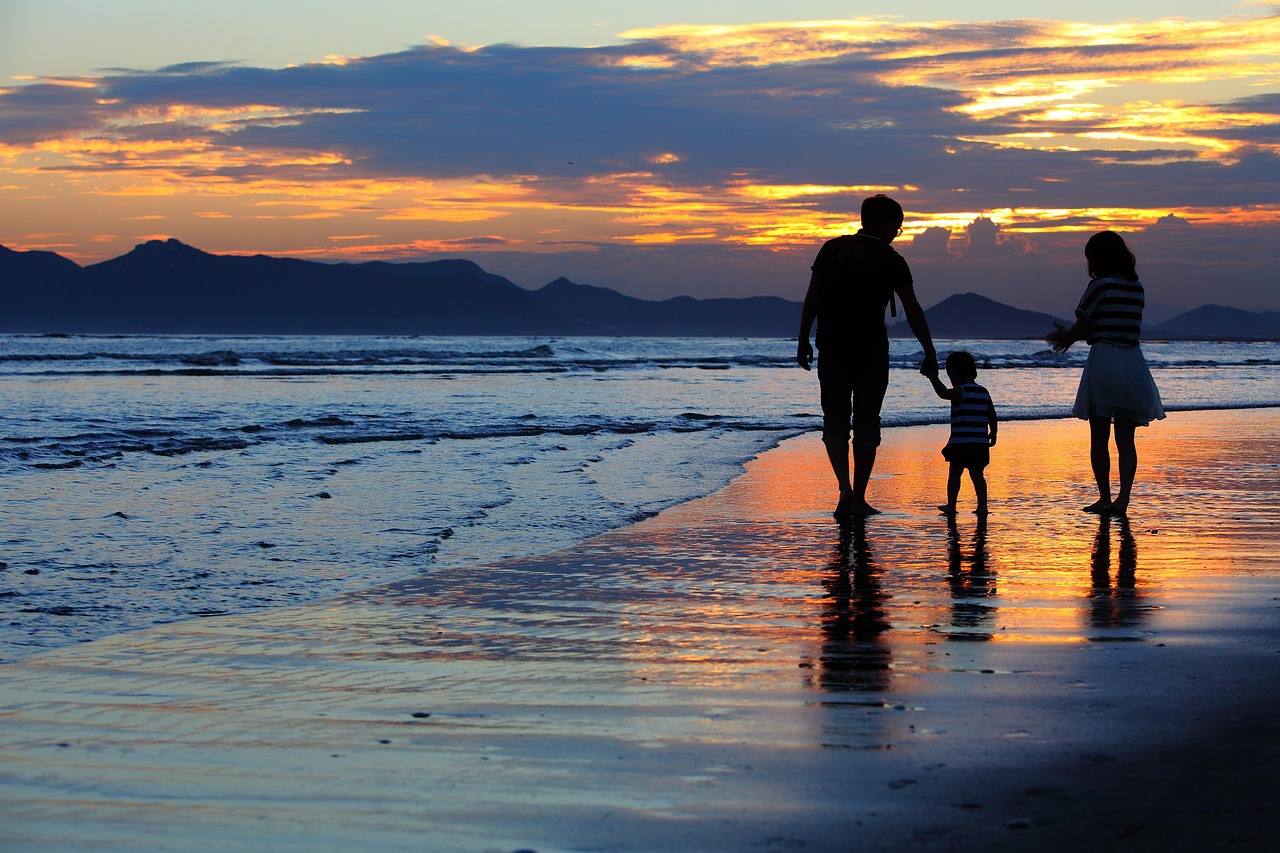
November in Busan day by day temperatures, rain and coastal breezes
For detailed average patterns, the pace is gentle rather than dramatic: crisp mornings, mild afternoons, then a noticeable dip after dark. A useful benchmark is an average high around 59°f (15°c) and an average low around 48°f (9°c), though the temperature can swing with coastal breezes and passing systems. Think of these as an average guide for comfort, not a promise for every single date.
In practical terms, you’ll often experience a steady daily temperature, then one or two moments when it feels suddenly sharper. A good rhythm is to begin outdoors, then move inward for lunch, galleries, or a spa hour once the breeze starts to blow, keeping your day polished and unhurried. This kind of daily pacing helps you enjoy viewpoints without chasing the warmest hour.
Rain, precipitation and the number of days you might see showers
November is usually drier than the summer rainy season, but rain can still appear as quick coastal showers. Expect a few days with wet weather; for accurate information, check a trusted climate table near your departure for precipitation patterns, total rainfall in mm, and how these seasonal shifts may affect your specific dates.
When a wet spell arrives, Busan still delivers: department-store art spaces, intimate coffee bars, and hotel lounges keep the day feeling intentional rather than interrupted. Many travellers find the overall average comfort level stays high with a light shell, and a brief shower can be followed by a pleasantly sunny break along the promenade.
Wind, daylight and a year-round comparison for Busan
The coastline can turn windy, and even a modest breeze changes comfort by the waterline. It’s not unusual for gusts to sit around 10–15 mph in exposed places, which can make a beachfront walk feel colder than nearby streets. If you’re sensitive to the wind, plan your seaside stops earlier and save sheltered cafés for later.
Daylight shifts earlier throughout November, with sunrise edging later and sunset arriving sooner, so golden-hour views reward early pacing. For context throughout the year: June, July and August can feel more humid with heavier rain, March is fresher and brighter, and the season deepens by February; by December, nights in Busan can feel properly cold, while inland destinations can even flirt with 0°c.
Busan in November trip itinerary: Haeundae, Gamcheon, Taejongdae and top city attraction ideas
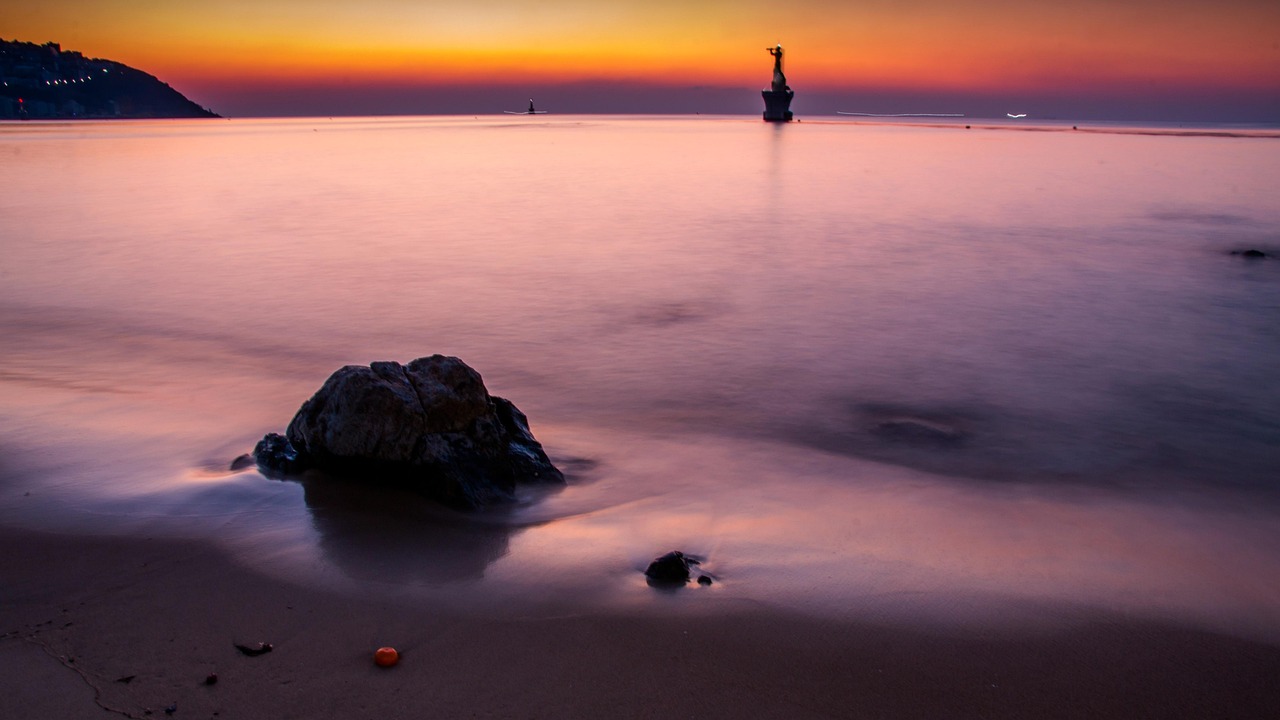
Busan in November: Haeundae, Gamcheon and Taejongdae highlights
For Busan in November, the smart approach is simple: start early when visibility is often at its best, then shift to more sheltered lanes when the coastal breeze picks up. This kind of day is easy to design with a driver or luxury car service, keeping transitions seamless and leaving you free to explore without watching the clock.
Because the average temperature can feel different by neighbourhood, treat the city like a set of microclimates. The shore can bite a little more; the hills often warm as you climb; and indoor stops feel especially welcoming—an effect that’s relatively consistent in this month as the season turns. With a flexible route, you can keep your comfort range steady even as conditions change.
Haeundae Beach at dawn: crisp views and a crafted reset
Begin at Haeundae Beach, where early light makes the sand look almost silver, and the sky can feel unusually open. One luxury traveller told us about a peaceful yoga session here: brisk breezes sharpened focus, and the quietness made it feel like a private studio with the sea as a soundtrack.
Afterwards, create an indulgent contrast: return for a private hotel breakfast, then a spa hour. It’s an elegant way to respect temperature ranges without rushing your body from outdoors to indoors, especially if the coastline turns brisk.
Gamcheon & Taejongdae: fall colour, cliff walks and Yeongdo island views
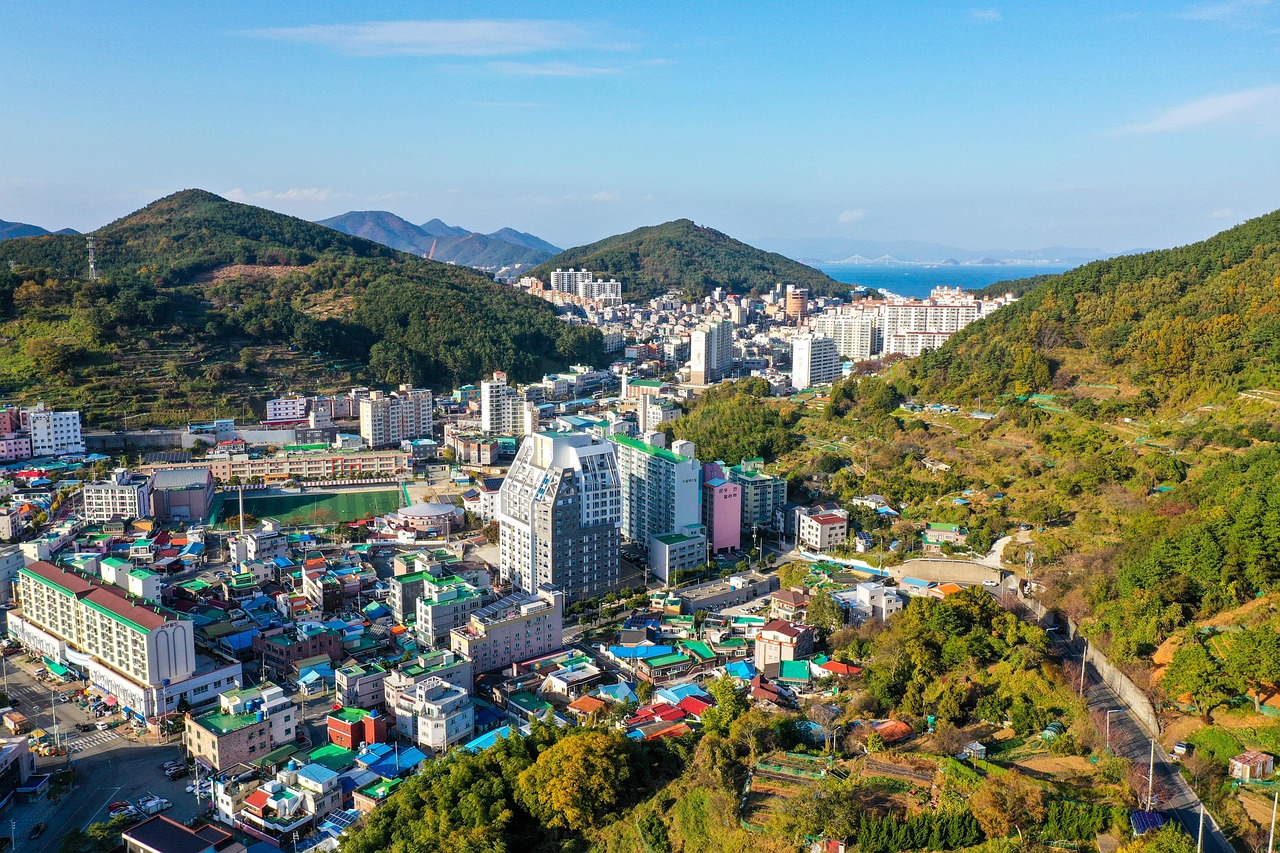
Next, head to Gamcheon Culture Village. The lanes are hilly and best enjoyed with comfortable walking shoes; in the fall, the murals feel more intimate, free of peak-season crowds. Another visitor shared how wandering Gamcheon’s quieter streets became a reflective, personal experience—less about ticking off photo points, more about noticing everyday life and local creativity.
Later, make your way to Taejongdae Park for dramatic cliffs over the East Sea. A couple once celebrated an anniversary here with a private cliffside dinner: the temperature dropped quickly after dusk, but the stillness and views created a moment that felt theirs entirely. Consider timing your viewpoint walk before the light fades, then moving to a warm dining setting as the coast turns brisk.
Micro-logistics to keep the day effortless
- Haeundae: straightforward via Busan Metro Line 2; taxis are plentiful for door-to-door comfort.
- Gamcheon: a short taxi transfer helps with hills; save energy for exploring on foot.
- Taejongdae: arrange a car for viewpoints and dinner timing, especially if it turns cloudy or breezy.
Busan, South Korea, in November: cultural festivals, film events and cosy nights
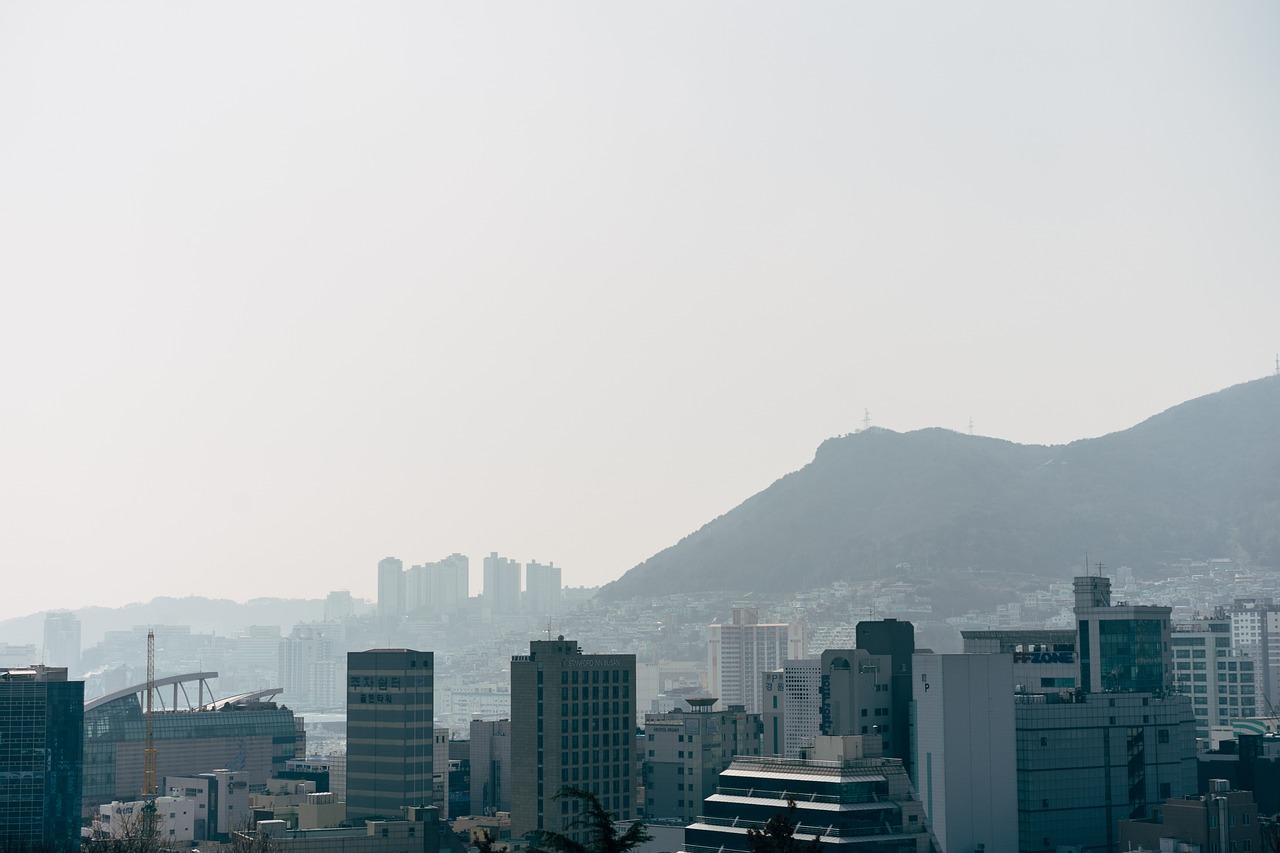
Busan in November cultural life: festivals, galleries and film nights
For weather in november planning that includes culture, think of evenings designed for softness. When the temperature falls after dark, Busan offers a reassuring rhythm: cinema, galleries, and slow dinners that feel especially satisfying after time outdoors. This balance is part of the local climate advantage—coastal energy by day, cosy interiors by night.
This is where November weather becomes a feature rather than a compromise. You’re not battling heat or crowds; you’re settling in and letting the city reveal itself, one restaurant reservation and gallery visit at a time.
Film evenings: what may happen after the October dates
The Busan International Film Festival is typically in October, so treat it as something that may not run in November. With that said, it’s worth checking for related screenings, retrospectives, or industry-adjacent events that can appear later in the season, especially in cinemas that champion Korean film culture.
Luxury planning keeps it effortless: ask your hotel concierge about premium seating where available, then book a late dinner nearby so your evening flows without logistical friction. If an outdoor red-carpet style event isn’t on, you can still enjoy a polished night with minimal waiting and an easy return.
Local festivals, gallery hour ideas and etiquette in this period
If a rainy spell arrives, pivot towards local cultural festivals, museum late openings, and design-led neighbourhoods where you can uncover contemporary craft. The point isn’t to overplan; it’s to keep options curated so you always have a beautiful next step in this period, whatever the conditions outside.
Small etiquette touchpoints also deepen connection: greet staff warmly, and accept items (a ticket, a drink, a card) with both hands. These gestures feel natural, and they invite a gentler, more human exchange that suits a quieter shoulder season.
Preparing for Busan in November: packing tips, luxury transport, safety and Jagalchi seafood planning
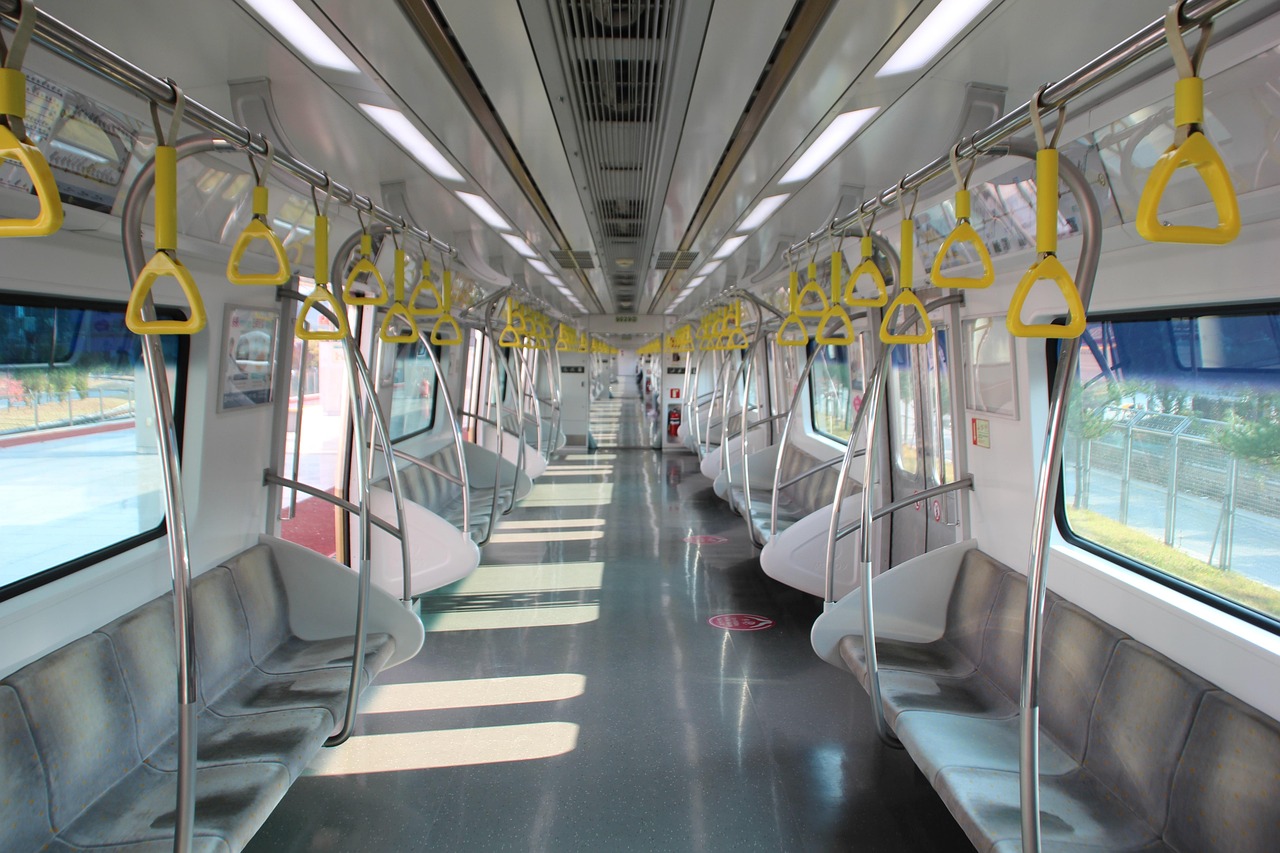
Seamless luxury planning for Busan in November
For packing, transport, and seafood, the goal is simple: look polished, feel comfortable, and keep your days adaptable. With the average band feeling mild but dipping at night, layers are your best friend—especially for waterfront dinners and early market mornings when the temperature can drop quickly.
It also helps to remember the seasonal direction. September can still feel pleasantly warm, and by December the evenings turn sharper. In mid-summer, heat can spike (the peninsula can see 32°c at times), yet this shoulder season feels more refined and breathable by comparison, with less humidity and fewer crowds.
Packing layers for daily comfort and chilly evenings
Build outfits you can adjust all day, moving from beach walks to indoor tastings without a wardrobe change. Bring a light raincoat, a scarf for breezy promenades, and one smarter evening layer that handles a chilly terrace. If you tend to feel the cold by the sea, choose fabrics that block the breeze while staying easy to fold into a day bag.
A quick packing checklist for this month
- Light knit + tailored outer layer for variable temperature
- Comfortable walking shoes for hills and long viewpoints
- Compact umbrella or rain shell for the chance of showers
- Evening piece for a waterfront dinner when it turns cold
Transport, markets and seafood with local care
Getting around can be as simple or as elevated as you like: the Busan Metro is efficient, taxis are easy, and private drivers offer door-to-door ease after dark. If you’re weaving multiple stops into one day, a car service keeps the experience seamless, especially when the sea air feels brisk along the waterfront, and gusts pick up.
For an insider morning, visit Jagalchi early to watch fishermen prepare the fresh catch. A solo traveller once told us how vendors shared stories of seasonal seafood traditions with such warm hospitality that it didn’t matter it was off-peak; the welcome changed the rhythm of the whole day.
If you love dining as an art form, ask your concierge to arrange a private seafood tasting or a chef’s table focused on what’s best right now as waters turn colder. It’s one of the most delicious ways to connect with Busan’s identity, and a beautiful indoor counterpoint if the coast feels windy.
Safety and well-being checklist
- Busan is considered very safe; keep standard city awareness in busy areas.
- For couples, save your hotel card in the local language and agree on a meeting point in crowded markets.
- For solo travellers, choose well-lit routes after dusk and use licensed taxis for late returns.
- Carry a small layer in your bag so you stay comfortable when the temperature falls unexpectedly.
If you’d like visual inspiration for refined itineraries, you can browse our Trip gallery and imagine what you might create next.
F.A.Qs: Busan November weather, temperatures and travel basics
Is Busan cold in November, especially near the coast?
Busan can feel cool rather than severe in November. The average temperature is often mild by regional standards, but coastal gusts can make mornings and evenings feel colder. If you plan layers and time outdoor stops earlier in the day, it’s very comfortable for exploring.
What to wear in Busan in November for day and night?
Wear smart layers: a light knit, a tailored jacket or coat, and comfortable walking shoes for hills and viewpoints. Add a scarf for the waterfront and a light rain layer in case of showers. In the evenings, bring one warmer piece for dinner when the temperature drops—this is when the average high temperature matters less than the after-dark breeze.
How cold is Korea in November compared with Busan?
Conditions in Korea vary by region. Coastal Busan is often milder, while inland areas can feel colder earlier. Across the month, nights generally turn brisk first, and by the last week you may notice a sharper edge after dusk, especially if breezes pick up.
What is the best month to go to Busan for the weather and fewer crowds?
The best month depends on your travel style. November suits travellers who want fewer crowds, a comfortable daytime temperature and a calmer pace. For beach heat, summer is best but more humid; for blossoms, spring is popular; for crisp views and an easy-going vibe, the shoulder seasons can be ideal.
Busan in November: a South Korea travel reflection and what stayed with us
For a late-year reflection, what lingers isn’t a checklist of sights, but the feeling of moving through Busan with time on your side. There’s a particular clarity in the light at this time of year—softer, lower, and more forgiving—making ordinary streets feel cinematic without trying, even when the air is crisp.
You remember the sea air on your sleeves, the way a quiet café window held back the breeze, and how the coastline looked when the sky turned pale and still. The average pace of the day seems to slow down, and with it comes a calm confidence: you don’t need to hurry to “get it all done”. The temperature becomes part of the mood—cooler, cleaner, and ideal for long walks between stops.
Small human moments stay close. A respectful greeting in a shop, a shared story at the market counter, the gentle choreography of receiving a drink with both hands—each one a reminder that care is a language of its own, spoken fluently here.
And perhaps that is the gift of this month in Busan: it makes space for thought, for togetherness, and for personal meaning that travels home with you. Long after the trip, you may find yourself returning to that softened light in memory—quietly curious about what else the country might reveal when you arrive with the same unhurried attention.