Post Contents
- Things to do in Shanghai start with a smooth arrival and luxury planning.
- Imagine Shanghai’s skyline along the Bund promenade, a key attraction in Shanghai, China.
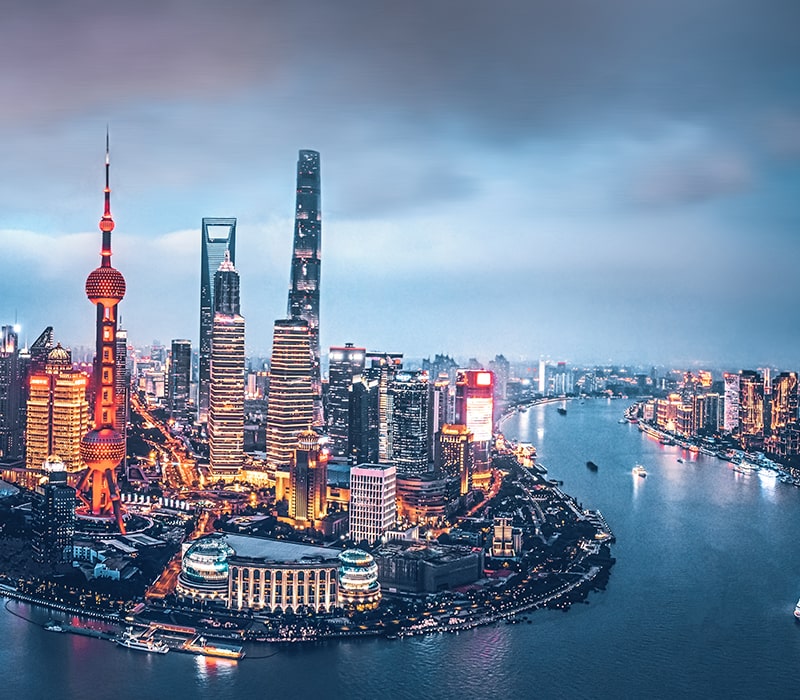
- Huangpu River at dusk: private cruise and Pudong icons for Huangpu River cruise, Pudong, Shanghai Tower observation deck.
- Yu Garden and Yuyuan offer a peaceful old city core among Shanghai’s attractions.
- Former French Concession walking tour for style and soul in Shanghai’s places to eat.
- Shanghai Museum and sacred pauses near People’s Square for Jing’an Temple and Jade Buddha.
- Power Station of Art explores Shanghai’s urban creativity at its contemporary art gallery.
- Nanjing Road luxury shopping and evenings by design for the Nanjing Road area at Shanghai Grand Theatre.
- F.A.Qs: Things to do in Shanghai
- What stayed with us after Shanghai for things to do in Shanghai, China, luxury reflections
Things to do in Shanghai start with a smooth arrival and luxury planning.
When you’re mapping out things to do in Shanghai, China, luxury planning, it helps to think of the city as the heart of Shanghai for travellers who love contrast: architecture and modern life beside traditional buildings, and quiet rituals threaded between bold new districts. We like to begin with a gentle premise—Shanghai will meet your pace if you design the days with care, leaving room for discovery and a little breathing space.
Things to do in Shanghai begin with a seamless arrival as the Huangpu River glows at dusk
Attractions in Shanghai and the best seasons to feel comfortable
The sweetest seasons are spring (March to May) and autumn (September to November), when you’ll find pleasant temperatures and fewer pinch-point crowds at major attractions in Shanghai. We also recommend checking air-quality forecasts; on hazier days, plan more indoor activities and longer lunches, knowing that top hotels and museums offer excellent filtration. It’s a small act of support that keeps the experience feeling calm and considered.
If you’re travelling with family, you can keep one day flexible for Shanghai Disneyland—but for most luxury itineraries, the city’s classic waterfronts, dining, and design-led districts will naturally take centre stage.
Where to stay and how to get around throughout the city
For bases, choose between Puxi heritage (near the Bund, Xintiandi, and the French Concession) or Pudong’s high-rise energy, located in Pudong near Lujiazui. Puxi suits travellers who want tree-lined neighbourhoods and walkable evenings; Pudong suits those who love waking up to a skyscraper skyline and glossy river views.
Getting around is reassuringly straightforward. The metro is efficient and safe throughout the city, while taxis are convenient—just insist on the meter. Beyond tourist zones, English can be limited, so keep a translation app ready; it builds trust quickly and keeps small interactions warm and easy.
- Reserve early for high-end restaurants, VIP tickets, and performances.
- Plan around the weather for the highest viewpoints and open-air promenades.
- Dress elegantly for upscale venues and keep your voice soft in quieter spaces.


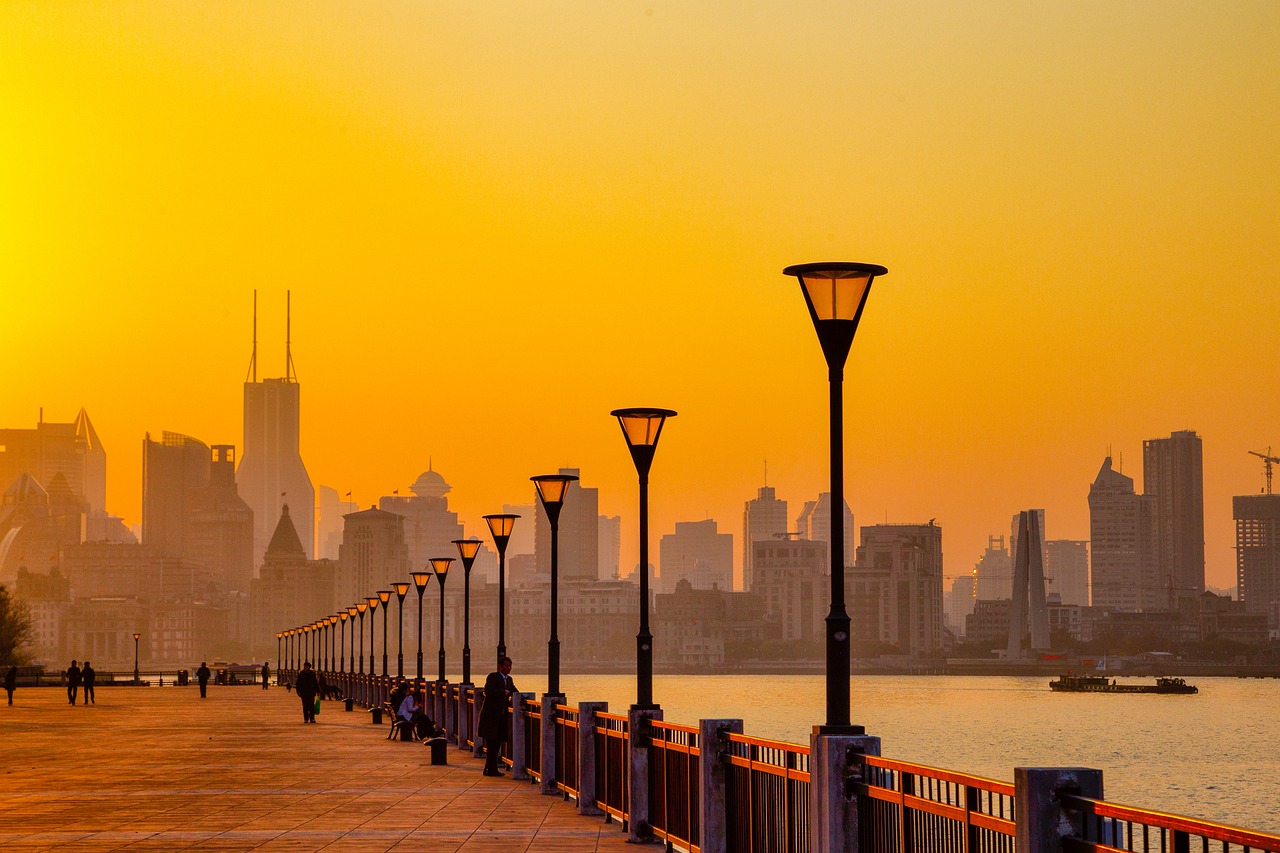
Imagine Shanghai’s skyline along the Bund promenade, a key attraction in Shanghai, China.
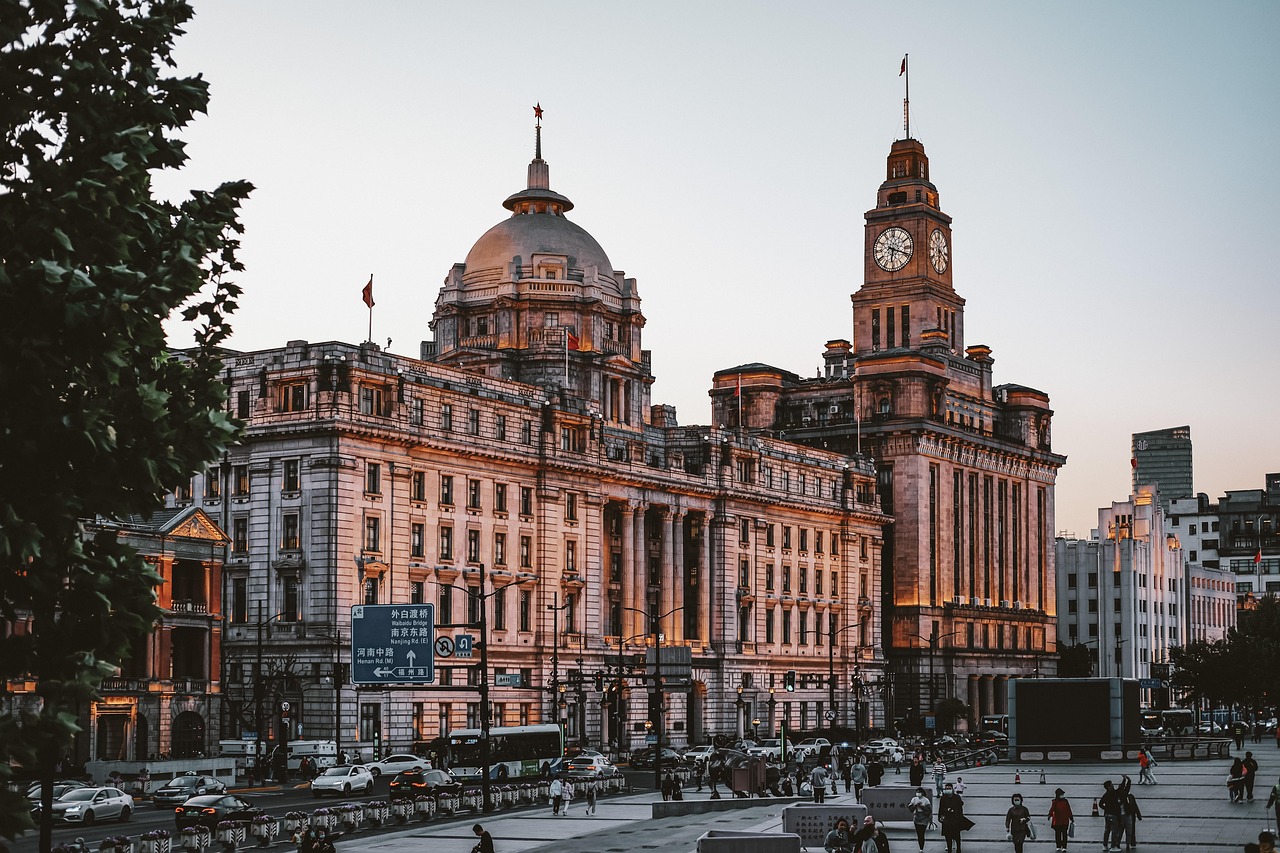
One of the most iconic Bund promenade things to do in Shanghai China is simply to slow down and let the waterfront tell its story. Along the Bund, ornate colonial buildings line the Puxi side, while Pudong rises opposite with glass and steel—across the river like a future-forward stage set. Shanghai’s confidence shows in the details: curves of stonework, art deco lines, and the way the city holds both grandeur and intimacy together.
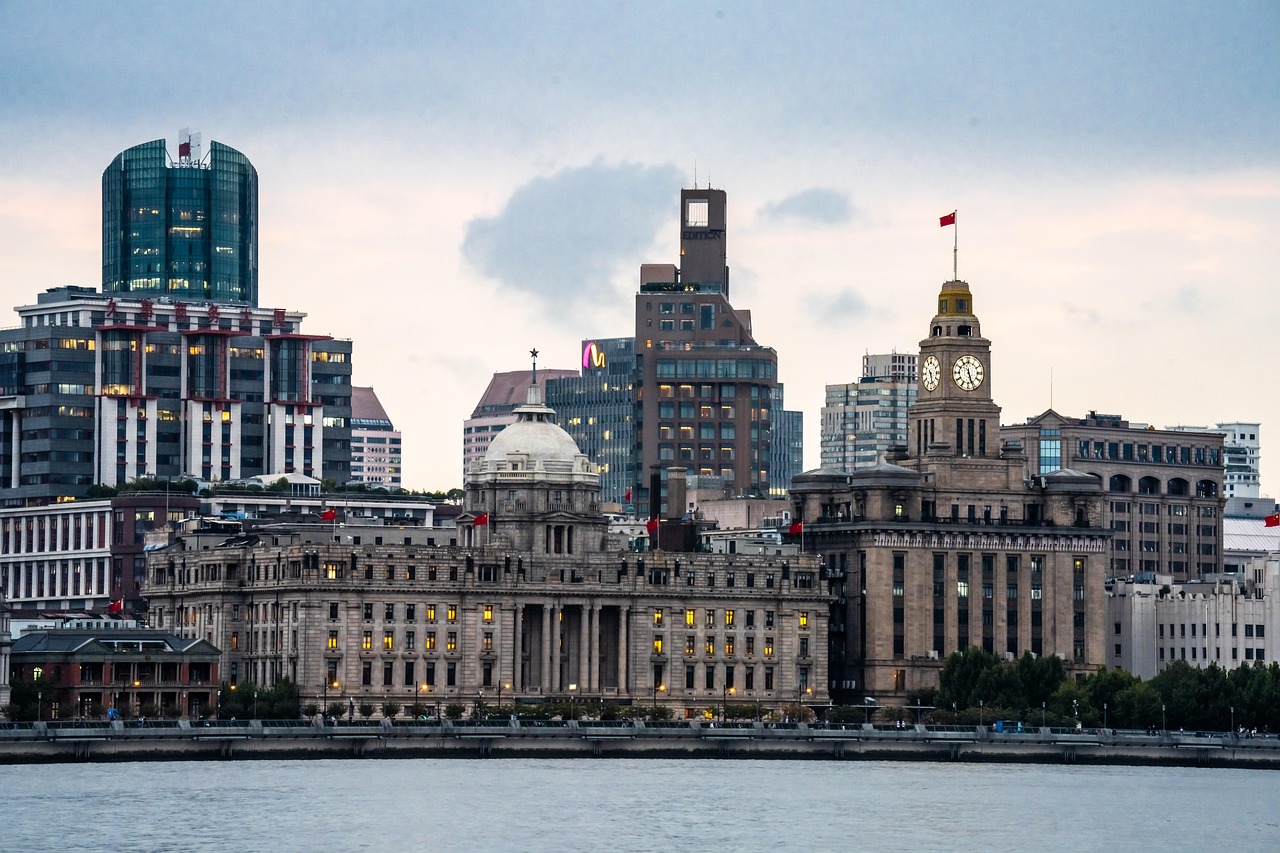
Along the Bund promenade, imagine Shanghai’s skyline story with colonial façades and Pudong beyond
Bund pause points on the bank of the Huangpu River
We love a designer-paced walk at golden hour, starting near Zhongshan East Road and flowing north to avoid the busiest pinch points. Keep an eye on the bank of the Huangpu River for moments that feel elevated: a quiet bench with space to sit together, a terrace with an uninterrupted view, or a hotel bar where service is polished but unhurried.
For photographs, aim for a few deliberate frames rather than constant stopping—your best images will come when you feel present. Notice the different architectural styles and the way the waterfront area changes tone as the light fades.
Stroll along the Bund with local insight
To make the Bund feel personal, arrange a private guide who can translate the façades into lived history—trade-era ambition, design movements, and the district’s reinvention of its nightlife. It’s one of those things to do in Shanghai that becomes richer with context, especially if you’re travelling with first-time visitors who appreciate gentle reassurance and expert framing.
Huangpu River at dusk: private cruise and Pudong icons for Huangpu River cruise, Pudong, Shanghai Tower observation deck.
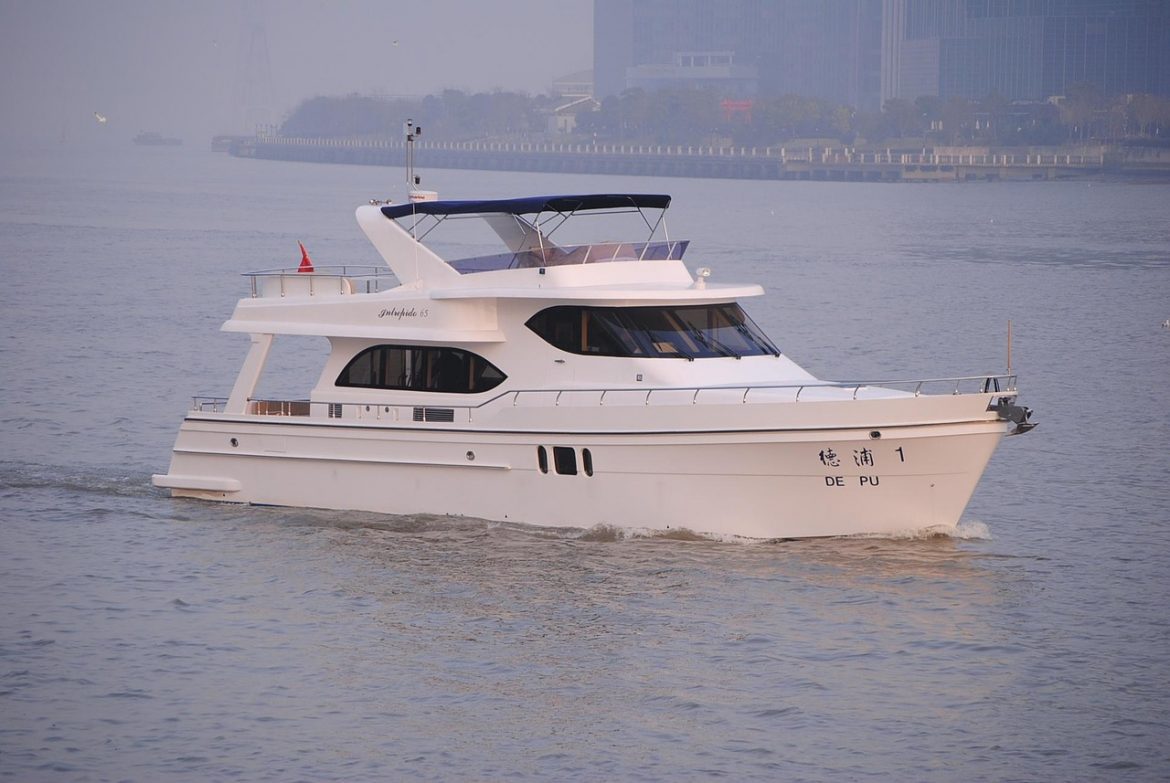
If you choose one signature evening, let it be the Huangpu River cruise, Pudong Shanghai Tower observation deck pairing—designed as a seamless crescendo from water to sky. Begin with a private cruise at dusk, when the city’s energy rises, and the sides of the river start to glitter. The view is cinematic, but the feeling can be surprisingly intimate when you’re not jostling for space.

Huangpu River at dusk private cruise and Pudong icons for a luxury Shanghai evening
Huangpu River is calm with a private deck
A luxury traveller once told us the moment that stayed with them wasn’t the loudness of the skyline—it was the calm confidence of being gently looked after. From a private deck on the Huangpu River, they watched the sunset while sipping rare Chinese teas, feeling the city’s electric pulse without the crowds. That’s the magic of a crafted experience: you don’t need to rush to feel like you’re in the centre of it all.
- Book in advance, ideally for dusk, and confirm boarding details with your hotel concierge.
- Pack a light layer for breezes on the open deck, even in warmer months.
- Choose comfort with premium seating and attentive service for a more personal feel.
Shanghai Tower observation deck and Lujiazui landmarks
From the water, you’ll spot Lujiazui’s icons in quick succession: the Oriental Pearl TV Tower with its unmistakable spheres, the Shanghai World Financial Centre, and the sleek rise of Shanghai Tower—the tallest building in China and a true statement of the city’s modern ambition. The Pearl Tower silhouette is classic, and the TV tower profile reads like a Shanghai signature.
Plan the observation deck for a clear-weather window; standard tickets are around 180 RMB, while VIP options offer skip-the-line ease. A family we spoke to were delighted by how child-friendly and safe the experience felt—fast lifts, clear signage, and staff presence that made the height thrilling rather than stressful. At the top, the panoramic views remind you you’re standing in one of the tallest towers in the world, yet still feeling supported.
Yu Garden and Yuyuan offer a peaceful old city core among Shanghai’s attractions.
For a softer counterpoint to the skyline, build time for Yu Garden, Yuyuan Old City, and other attractions in Shanghai, where beauty is measured in detail rather than scale. Yu Garden (also known as Yuyuan) is a classical Chinese garden rooted in Ming dynasty sensibilities—crafted rock forms, graceful corridors, and framed views that invite unhurried attention. It’s a pocket of stillness that helps you uncover the city’s older heartbeat.
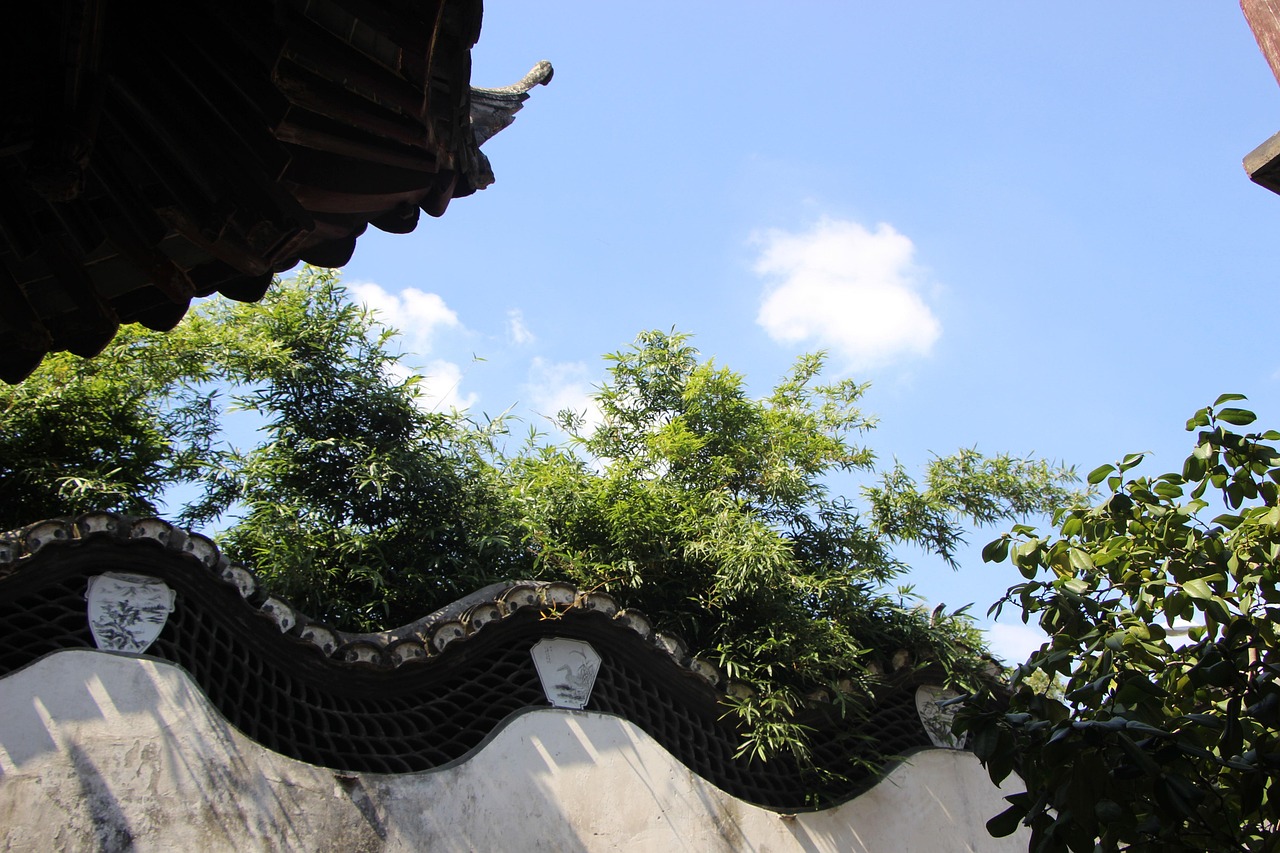
Yu Garden and Yuyuan uncover a quiet old city heart with classical pavilions
Yu Garden at dawn for a classical Chinese pause
Arrive early, before the tour groups, and the garden becomes almost meditative. A solo traveller once described wandering in near-silence, finding a quiet space of reflection among the rockeries, a still pond, and delicate architectural lines—pure classical Chinese balance. You may also sense later layers from the Qing dynasty, but the atmosphere remains gentle and composed.
Move slowly, and let the garden do what it does best: restore your attention. In a city of scale and speed, this is where care feels tangible.
Old City lanes, boutique craftsmanship and street food
Just outside, the surrounding lanes offer boutique shopping and small art objects that feel meaningful rather than loud—beautiful finishes, traditional craftsmanship, and keepsakes you’ll actually use. Keep your street food choices selective: look for well-run food stalls with steady local queues. Try one standout dumpling and a warm bao, then step aside to savour it rather than eating on the move.
Yu Garden is in the Huangpu District, and taking the metro is the simplest way to stay seamless and avoid traffic bottlenecks.
Former French Concession walking tour for style and soul in Shanghai’s places to eat.
For the Former French Concession walking tour, places to eat in Shanghai, set aside a half day and let the neighbourhood change the tempo of your trip. The French Concession offers tree-lined boulevards, boutique cafés, and a lived-in elegance that feels both cosmopolitan and quietly local. It’s where you can explore Shanghai’s design confidence at street level, with small surprises tucked into side streets.
Former French Concession walking tour for style and soul on leafy Shanghai streets
Walking tour highlights from Wukang Road to shikumen lanes
Begin on Wukang Road, where the buildings along Wukang Road feel like a living gallery of early-20th-century style. From there, drift into quieter lanes to uncover shikumen heritage—stone-gated residences that hold stories of daily life, change, and resilience. If you want a modern counterpoint, weave towards Xintiandi, where shikumen-inspired architecture meets polished dining and fashion.
Then, for creativity with texture, spend time in Tianzifang. Its narrow alleyways are filled with art studios and tiny shops; the charm is in unplanned turns and small conversations, rather than ticking boxes.
Places to eat and intimate cocktail bars with confidence
For places to eat, let your hotel or a trusted fixer secure reservations—especially at Michelin-starred rooms and chef’s tables. A couple once shared their favourite French Concession evening: a hidden gem with personalised service and avant-garde Chinese cooking, paced perfectly so each course felt like a small performance. The reassurance came from knowing they didn’t need to second-guess anything; the night was simply designed well.
- Dress elegantly for cocktail bars and keep your voice soft in close spaces.
- Reserve ahead for tasting menus and weekend tables.
- Ask for a corner table if you’d like a quieter, more personal experience.
Shanghai Museum and sacred pauses near People’s Square for Jing’an Temple and Jade Buddha.
For a restorative cultural anchor, plan a day at the Shanghai Museum, People’s Square, and Jing’an Temple, Jade Buddha, with beautiful interiors and quieter streets. The Shanghai Museum near People’s Square is a gift when you want a break from walking, or the weather nudges you indoors. It’s also where deeper insight arrives—history not as a headline, but as something you can actually stand in front of and contemplate.
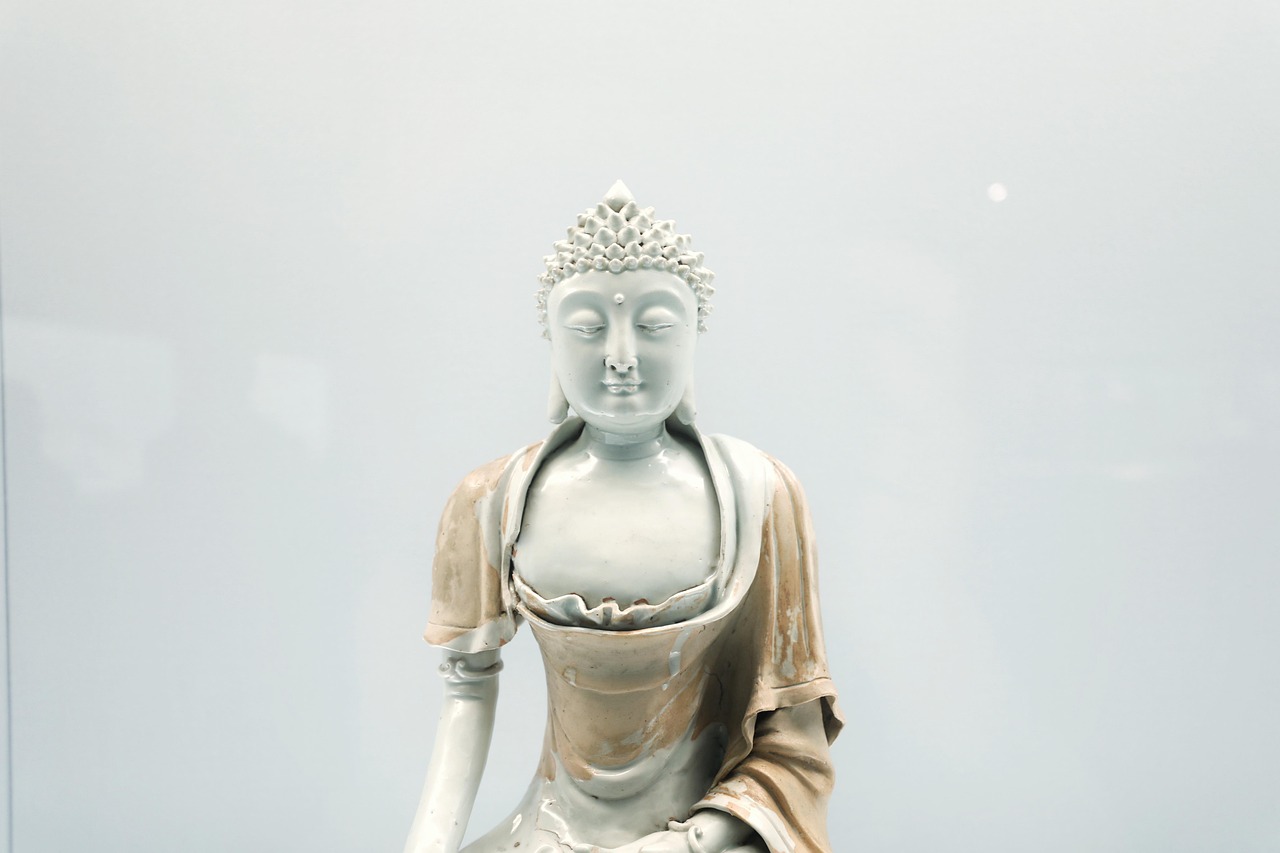
Shanghai Museum and sacred pauses near People’s Square for a cultured Shanghai day
Shanghai Museum highlights for ancient Chinese art
A focused visit to the Shanghai Museum is one of the most rewarding ways to connect with Chinese culture. Spend time with ancient Chinese art, especially bronzes and ceramics, and consider hiring a guide if you’d like the symbolism and dynastic shifts explained with clarity. The galleries are thoughtfully curated, and you’ll share the space with locals and visitors moving at an equally respectful pace.
Keep your schedule light around this visit; museums land best when you have room to think afterwards, perhaps with tea in a quiet lounge.
Jade Buddha Temple and Jing’an Temple for a Buddhist calm
For spiritual pauses, step into the Buddhist atmosphere at Jade Buddha Temple, home to the luminous jade Buddha statue that draws pilgrims and curious travellers alike. Then contrast it with Jing’an and the Jing’an Temple, where incense and golden detailing create a different kind of calm right within the city’s pace.
If you’re up early, you might also spot tai chi in nearby parks. Observe quietly and respectfully—this is an everyday ritual, not a performance—and it can be a surprisingly personal window into local life.
Power Station of Art explores Shanghai’s urban creativity at its contemporary art gallery.
For Power Station of Art, Shanghai’s contemporary art gallery, head to China’s first state-run contemporary art museum, housed in an industrial shell that makes design feel tangible. Here, scale and texture create a different rhythm from the Bund: concrete, open space, and ideas that ask you to slow down and look again. It’s a beautiful way to discover the urban creativity of Shanghai—bold, questioning, and unexpectedly human.
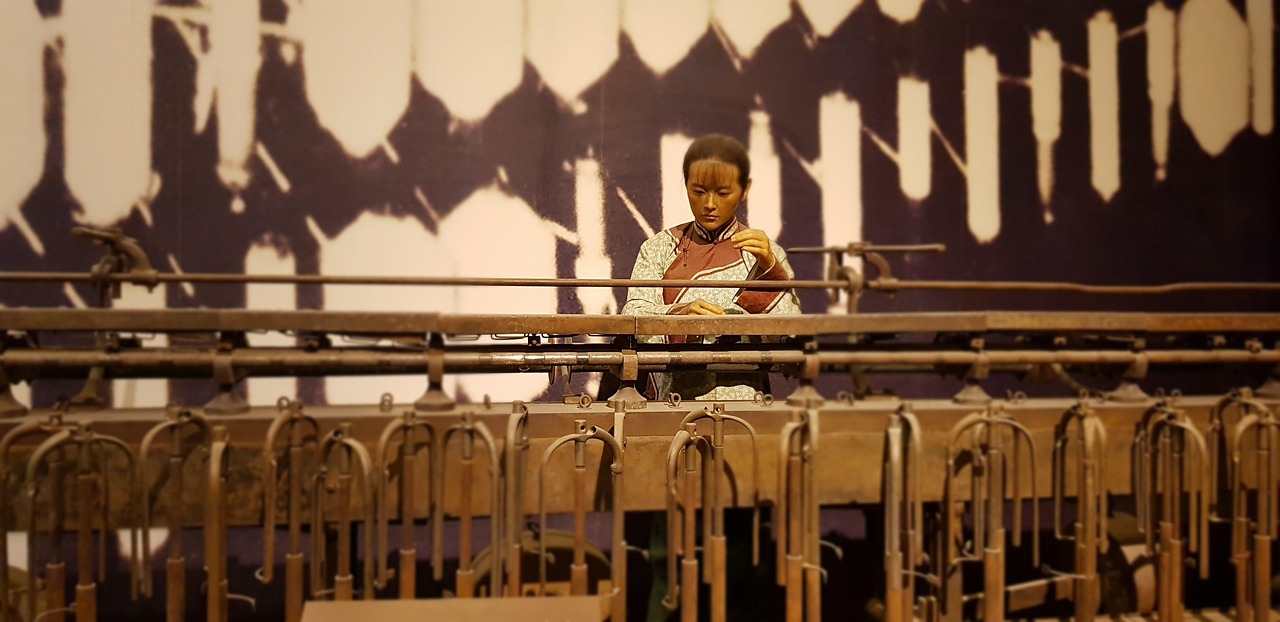
Power Station of Art discovers Shanghai urban creativity inside an industrial contemporary space
Gallery stories that make contemporary work feel personal
A group of art aficionados once reminisced about a private guided tour here, where the guide translated context—materials, social commentary, humour—without telling them what to think. That kind of expert support builds confidence, especially if contemporary work feels unfamiliar. Suddenly, the pieces stop being intimidating and start becoming conversations you can carry with you.
If you enjoy collecting, this is also where you can uncover emerging names and learn how to buy thoughtfully, rather than impulsively.
Riverside promenade pairing for a calmer perspective
After the museum, step outside for a riverside promenade and a different angle on the city’s waterfront. It’s less showy than the Bund, and that’s exactly why it works—fresh air, fewer crowds, and space to process what you’ve seen. Add a curated coffee stop, and you’ve created a half day that feels seamless without feeling over-managed.
Nanjing Road luxury shopping and evenings by design for the Nanjing Road area at Shanghai Grand Theatre.
For the Nanjing Road luxury shopping area, Shanghai Grand Theatre, think of the day as a curated sequence rather than a marathon. Nanjing Road is Shanghai’s famous shopping area, and it can feel intense if you arrive without a plan. With concierge appointments and a paced route, it becomes a pleasure—flagship boutiques, jewellers, and ateliers that blend high fashion with Chinese details.
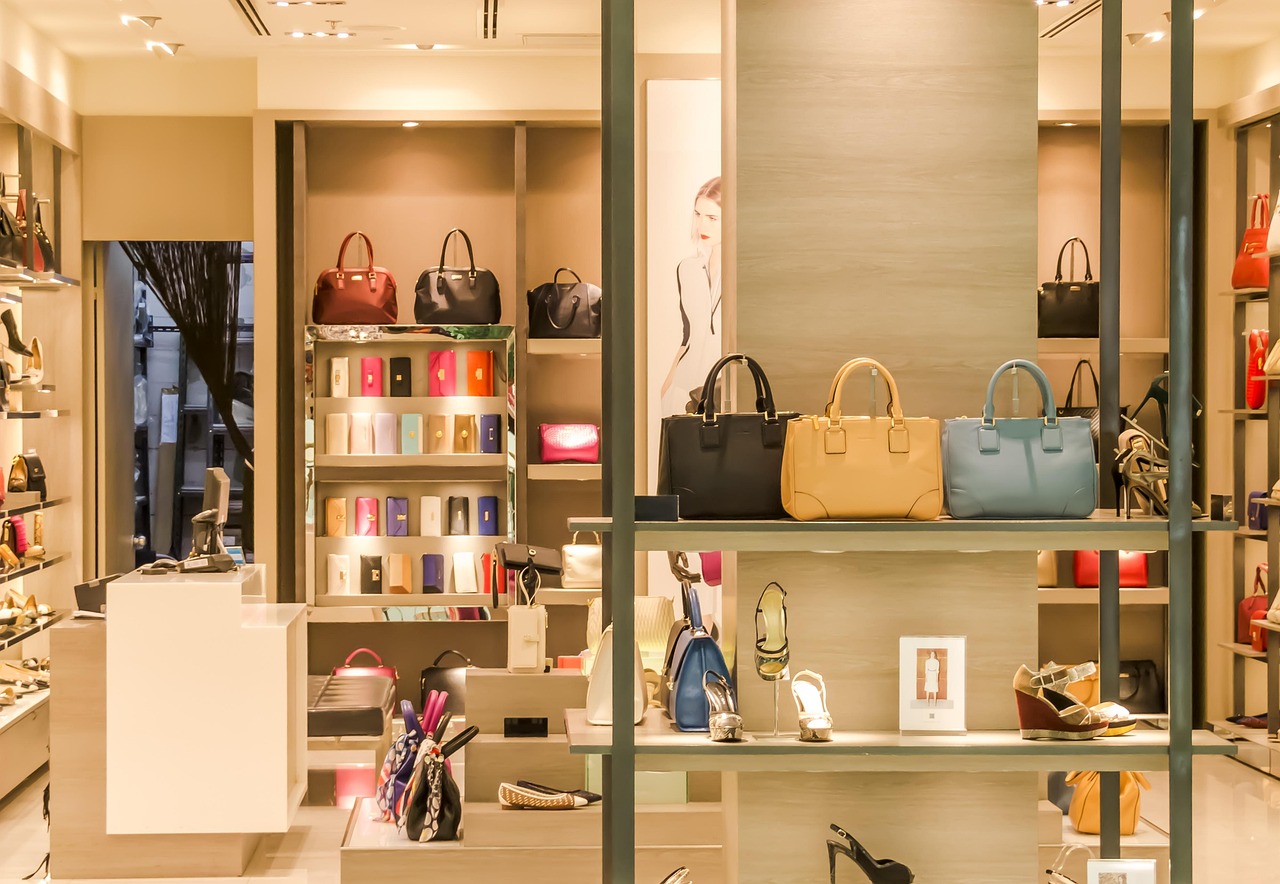
Nanjing Road luxury shopping and evenings by design with flagship boutiques and city lights
Nanjing Road shopping with concierge support
Ask your hotel to arrange store appointments and to advise on any tax-free guidance where applicable. Visit Nanjing Road earlier in the day to avoid peak-hour crowds, then take a late afternoon break so your evening feels effortless. If you’re buying gifts, seek pieces that showcase Chinese craftsmanship—small objects with a story tend to outlast logo-heavy purchases.
If you’d like inspiration for broader journeys across China, explore our Trip gallery for beautifully paced routes and hotel-led experiences.
- Go weekday mornings for the calmest browsing on Nanjing Road.
- Build in a pause for tea or a quiet lounge to reset.
- Let purchases come last, so you’re not carrying bags all day.
Shanghai Grand Theatre and optional day trips
After dinner, dress well and enjoy an elegant performance at the Shanghai Grand Theatre—opera, ballet, or orchestra in plush surroundings with confidence-inspiring service. It’s a sophisticated way to end the day, especially after the buzz of shopping.
If you have extra days, consider a curated escape to Zhujiajiao for water-town calm, or a day trip to Suzhou for gardens and classical beauty. Some travellers also add Hangzhou for its lake scenery, but even a half-day outside the city can make Shanghai feel fresher when you return.
F.A.Qs: Things to do in Shanghai
What not to miss in Shanghai?
Don’t miss the Bund at golden hour, a dusk cruise on the Huangpu River, and sky-high views from Shanghai Tower’s observation deck. Balance that glamour with a visit to Yu Garden early in the morning, a slow French Concession wander for style and dining, and a cultural pause at the Shanghai Museum for context and calm.
What can $1 get you in China?
$1 can still buy small everyday comforts in China, especially outside luxury settings—think bottled water, simple bakery items, or a quick local snack. In Shanghai, prices vary by neighbourhood, but you can often enjoy a modest street-food bite or a metro ride portion while saving your splurges for private cruises, fine dining, and theatre nights.
What is Shanghai best known for?
Shanghai is best known for its dramatic skyline, the Bund’s historic waterfront architecture, and its sense of modern ambition. It’s also admired for neighbourhood character in the Former French Concession, refined shopping along Nanjing Road, and a cultural scene that ranges from classical museums to contemporary spaces like the Power Station of Art.
Is Shanghai worth visiting as a tourist?
Yes—Shanghai is worth visiting, especially if you enjoy cities that mix design, dining, and cultural depth. It’s well connected, generally easy to navigate by metro, and offers experiences that feel both iconic and personal, from serene gardens to world-class restaurants. With good planning and reservations, the city can feel seamless and reassuring.
What stayed with us after Shanghai for things to do in Shanghai, China, luxury reflections
Long after the lists of things to do in Shanghai, China, luxury reflections fade, what remains is the feeling of contrast held gently in one place. You remember the hush of Yu Garden at dawn, when the stones seemed to cool the air, and the city’s noise sat at a respectful distance. You remember the glow along the Bund, where the water carried light as if it were a language.
And you remember how easy it was to feel supported—how small acts of care (a perfectly timed reservation, a calm driver, a quiet table) allowed you to arrive in each moment with confidence. Shanghai doesn’t ask you to be someone else; it simply invites you to notice more, to trust your instincts, and to honour local rhythms with warmth and respect.
In the end, the city stays with you not as spectacle, but as atmosphere: the soft weight of evening air, a fleeting kindness, the sense that the modern and the timeless can live side by side. And perhaps, in a different season, you’ll come back to uncover a new version of the same story—familiar, yet quietly changed.