Post Contents
- Designing a Luxury China Bucket List – Fun Experiences, Iconic Landmarks & Calm Moments
- Beijing Imperial Highlights – Forbidden City, Sacred Temples & Private Guiding
- Sunrise on the Great Wall – Jinshanling Ridge Hike & Private Tour Notes
- Beijing Duck After Dark – Refined Food Tour & Places to Eat
- Chengdu & the Giant Pandas – Sichuan Flavours, Teahouses & Slow Mornings
- Zhangjiajie National Forest Park – Sandstone Pillars, Cable Car Views & Quiet Trails
- Shanghai Nights on the Bund – Huangpu River Cruises and City Lights
- Water Town Elegance Near Shanghai – Zhujiajiao, Wuzhen & Lantern-Lit Waterways
- F.A.Qs: Things to know before you go to China
- After China: What Lingers from Beijing to Shanghai
Designing a Luxury China Bucket List – Fun Experiences, Iconic Landmarks & Calm Moments
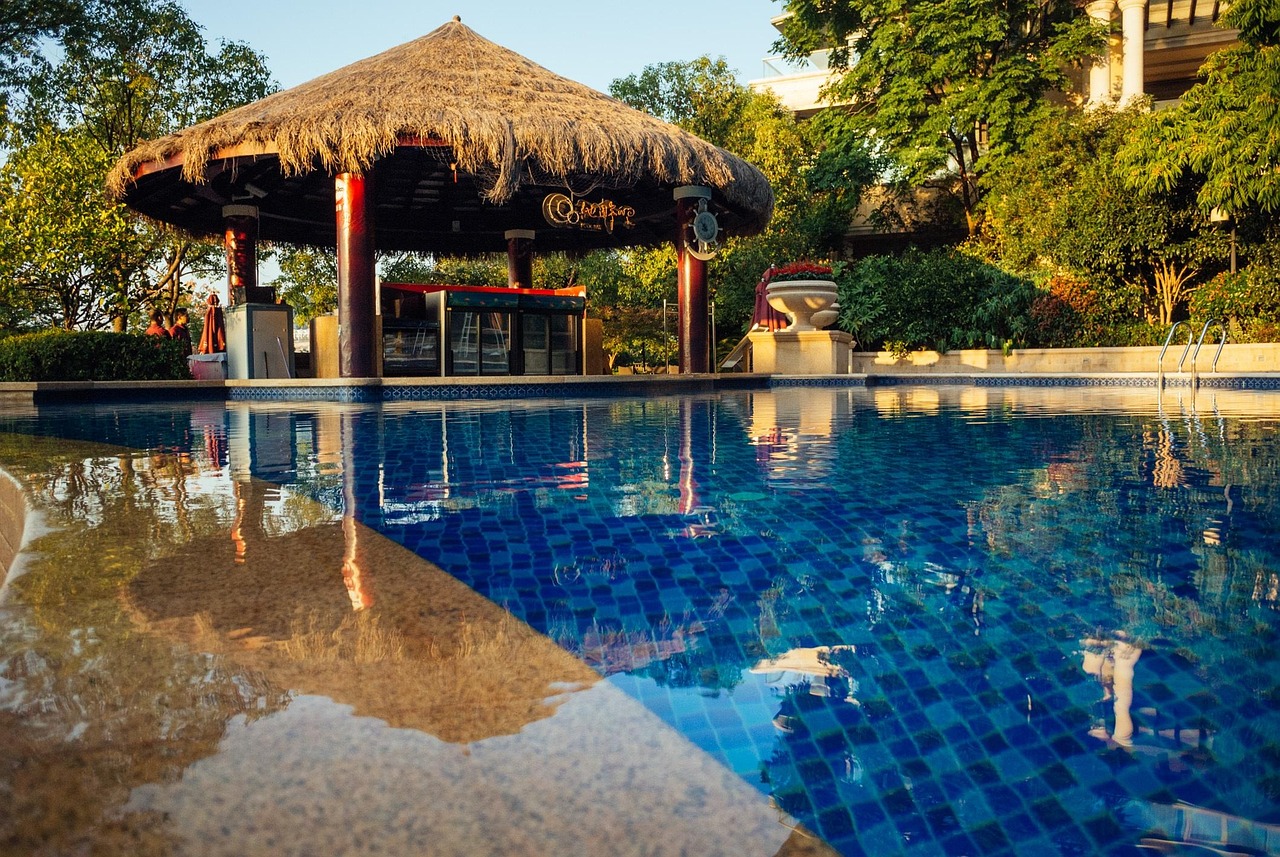
Designing a luxury China itinerary with poolside calm and thoughtful pacing
If you’re looking for fun things to add to a high-end itinerary, think in crafted moments rather than a checklist. This is where fun things to do in China can feel genuinely personal: one hour of silence in a courtyard, a perfectly timed museum entry, or a private guide who turns context into meaning. China offers a rare blend of landmark scale and quiet local detail—tea poured with care, lantern light on water, and design-led neighbourhoods that reward slow wandering. This travel guide also highlights a few standout attractions in China that pair well with comfort, privacy, and excellent service.
The best time to visit is typically spring (April–May) and autumn (September–October). These shoulder seasons bring pleasant weather, clearer scenic days, and fewer crowds—ideal for unhurried mornings in Beijing and lingering evenings in Shanghai’s gallery and design districts.
Practical planning essentials – visas, timed tickets & a seamless travel guide
Before you visit China, a little forward planning protects your time and peace of mind. Visas and any region-specific permits can take longer than expected, so confirm requirements early and keep digital copies handy. For headline sights, advance bookings matter: timed entry for the Forbidden City, pre-arranged transfers for the Great Wall, and reserved seating for cultural performances help you avoid queue-heavy bottlenecks and keep your days feeling light.
High-end hotels in Beijing and Shanghai often have concierge teams who can shape an itinerary you can trust, from smart museum routing (where available) to restaurant reservations and an English-speaking driver. That extra layer of support is especially reassuring if you’re navigating jet lag, language barriers, or simply want your time to feel calm and intentional.
Getting around with ease throughout China – transport, money & temple etiquette
Getting around can be surprisingly comfortable. Metro systems in Beijing and Shanghai are efficient, but for door-to-door ease, ride-hailing apps or private car services are often the best fit. Keep a little local currency for small purchases, carry water (staying hydrated makes long days far more enjoyable), and dress modestly when visiting a temple or historic residence.
- Comfort tip: Ask your concierge to build “soft landings” into busy days—late breakfasts, shaded breaks, and a quieter stop between major sights.
- Wish-list add-on ideas: Xi’an for the Terracotta Warriors created for the first emperor of China, Qin Shi Huang (Qin Shi Huang), Hangzhou for lakeside elegance, or a Yangtze cruise for slow, cinematic scale.
- Local etiquette: A slight nod as a greeting, calm voices in sacred spaces, and a patient pace in crowded areas go a long way.
With that foundation, you can explore China with confidence—and let the journey feel as beautiful as it looks in your imagination.


Beijing Imperial Highlights – Forbidden City, Sacred Temples & Private Guiding
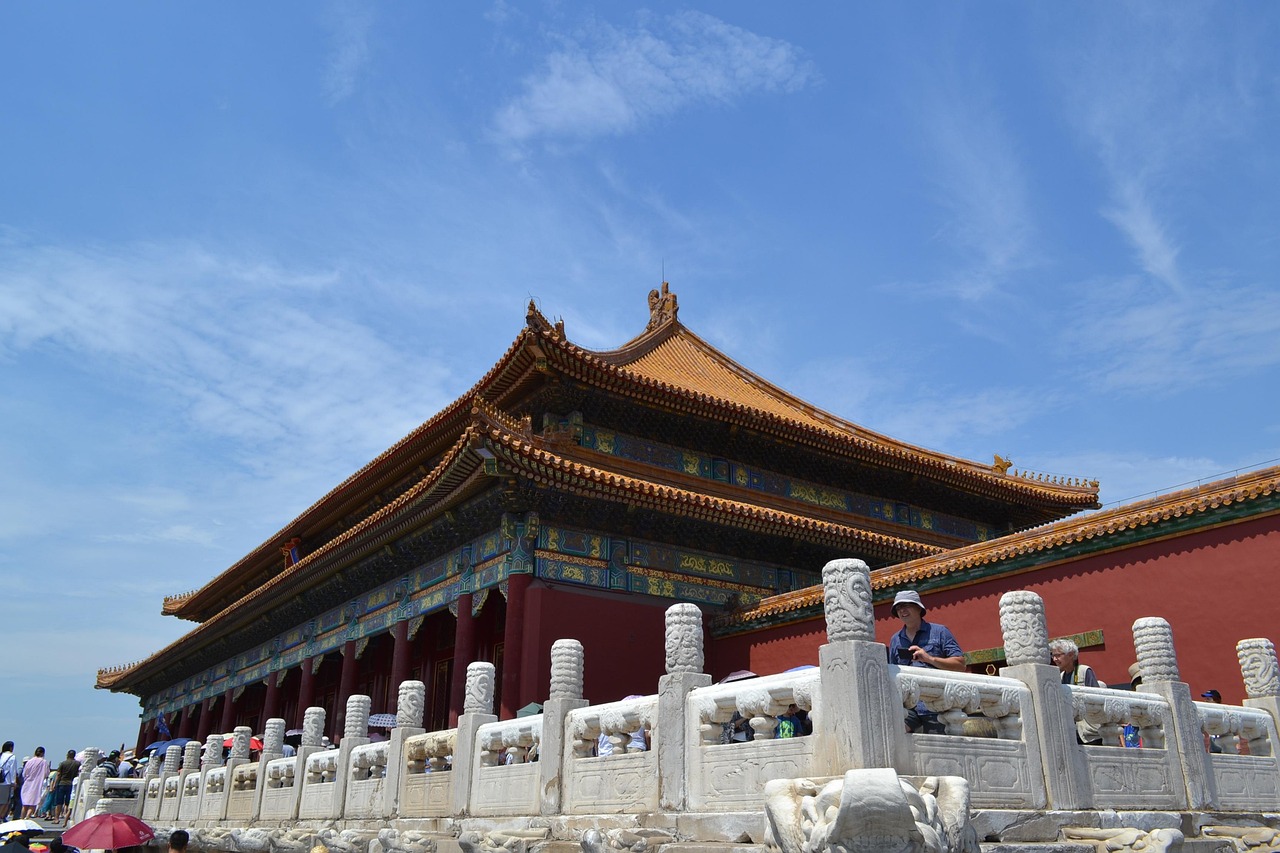
Beijing’s imperial courtyards and story-rich walks with a personal guide
For travellers seeking Beijing highlights like the Forbidden City, Summer Palace and Temple of Heaven, the city becomes most rewarding when you slow it down and go deeper. Beijing is a cornerstone attraction: an early start, a knowledgeable private guide, and smart timing can transform grand spaces into something intimate. With expert storytelling, you’ll move beyond facts into the nuances of the Ming dynasty and the detail of the Qing era, uncovering how power, ritual, and daily life once intertwined—an ideal start to any trip to Beijing.
Forbidden City: timed entry, symbolism & quiet courtyards
The Forbidden City is vast, so the key is rhythm. Book timed tickets well in advance and enter with a simple plan: a few primary halls, one quiet courtyard pause, then a gentle exit before fatigue sets in. A personalised guide helps you find ideal photo windows and interpret symbolism—dragons, colours, thresholds—so the experience feels human rather than overwhelming.
If you enjoy trusted references, even Lonely Planet readers often note that planning is everything here; luxury travel simply adds comfort, pacing, and perspective.
Summer Palace, Temple of Heaven & hutongs – pavilion views and local life
To balance scale with serenity, add the Summer Palace for lakeside paths, a pavilion view across the water, and gentle views of the city that feel almost painterly. The Temple of Heaven offers ritual architecture and calm courtyards—an ideal counterpoint to Beijing’s busier avenues, especially in the morning when locals gather nearby.
For a more local perspective, weave in the Drum and Bell Towers—Beijing’s historic drum and bell landmarks—and nearby alleyways. A short calligraphy experience or a curated tea stop in the hutongs can feel quietly luxurious—less about spectacle, more about connection. If it’s your first visit, let your day end early; a balanced pace respects jet lag and still feels expansive.
Sunrise on the Great Wall – Jinshanling Ridge Hike & Private Tour Notes
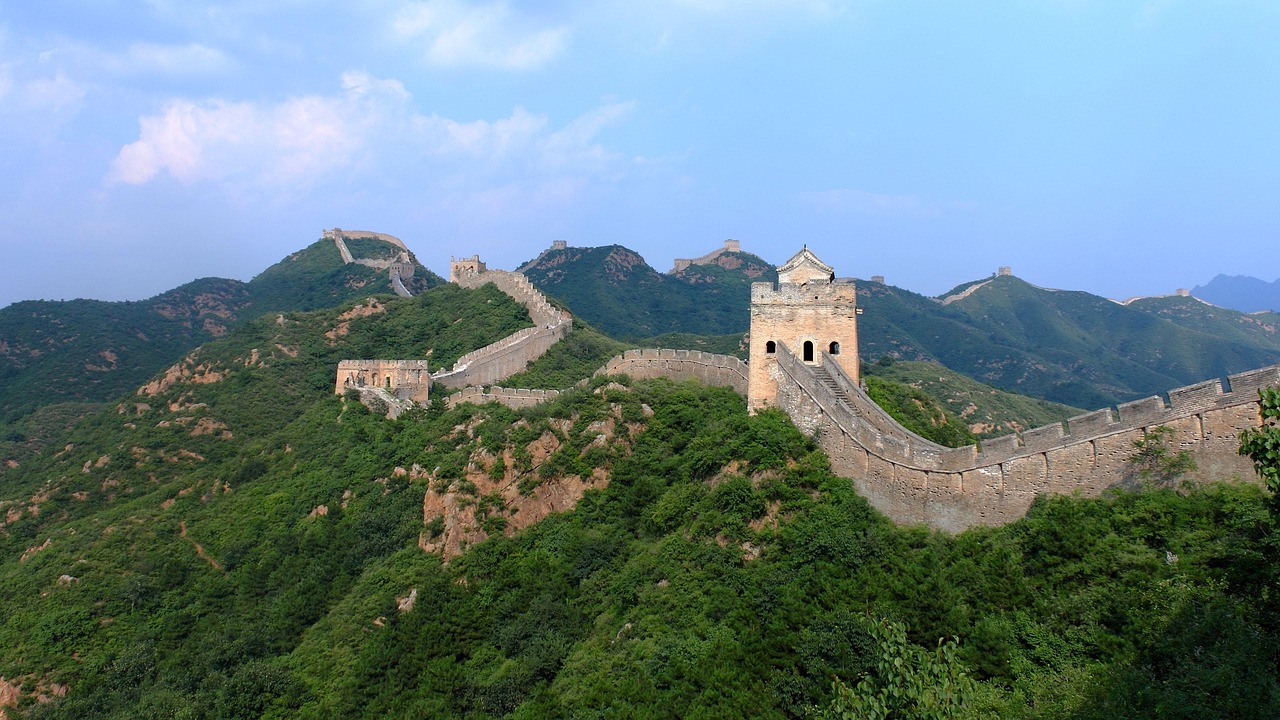
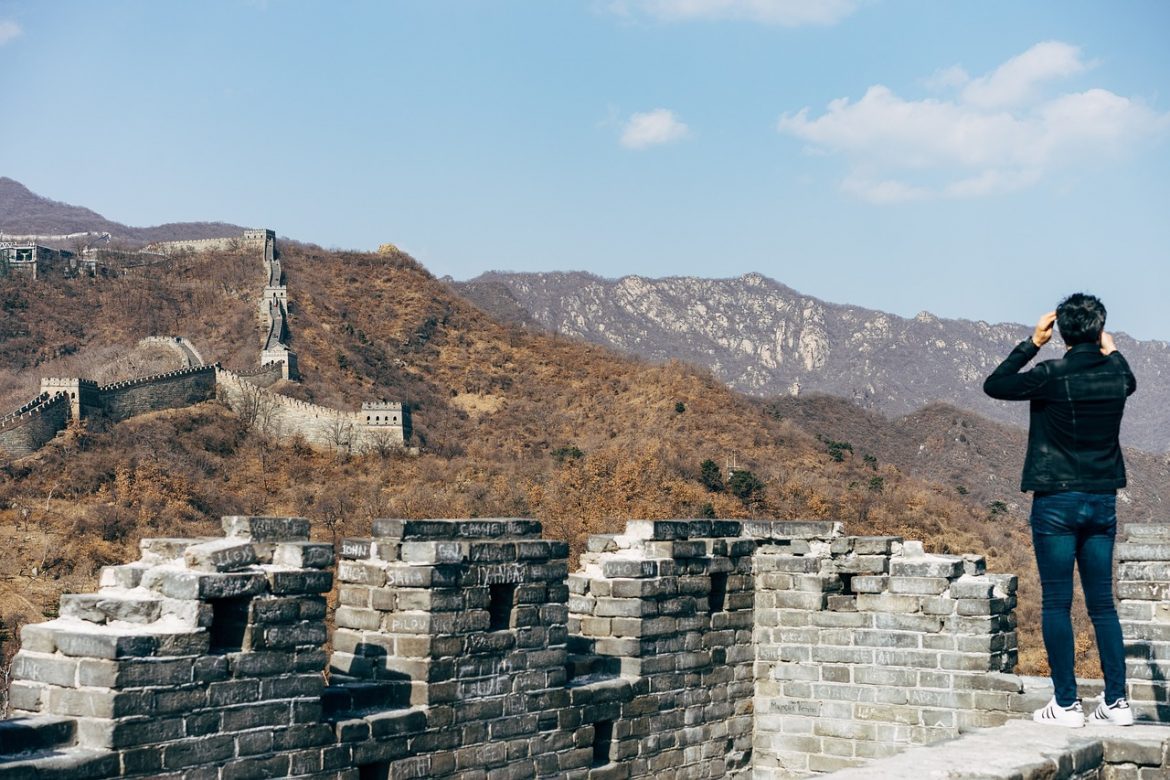
A quiet sunrise ridge walk with wide-open views along the wall
If your dream is a private Great Wall tour with Jinshanling atmosphere, sunrise changes everything. This is one of the world’s defining experiences, and yet it can feel deeply personal when you time it well. Visiting the Great Wall before day-trippers arrive lets you hear the wind, notice watchtower details, and see how the landscape shapes the wall’s dramatic line—especially on a quieter section of the Great Wall.
A seasoned traveller once described her serene sunrise hike on the Jinshanling section of the Great Wall: she watched the horizon lift into soft gold, found stunning views without the crowds, and felt a renewed sense of wonder that stayed with her long after returning to Beijing.
Private Great Wall tour notes – comfort breaks, watchtowers & picnic
A private guide matters here—not only for routes and timing, but for storytelling and care. Your driver can coordinate flexible pick-up, your guide can choose the most suitable watchtower stretch for your mobility, and you can build in comfort breaks that keep the morning enjoyable. Many guests love adding a simple picnic with local flavours afterwards: fresh fruit, warm pastries, and a flask of tea, slowly savoured.
- Mutianyu: Easier access, good infrastructure, and the playful toboggan descent if you want a light-hearted finish.
- Badaling: Convenient, but typically busier—best if time is tight and you’re comfortable with crowds.
- Jinshanling: Ideal for atmosphere, photography, and a more spacious feeling along the ridgeline.
Photography and safety – from hotel pick-up to a calm return
Wear grippy footwear, dress for wind shifts, and keep layers handy; the weather can change quickly. Sunrise light is the most flattering for photos, but fog can be part of the magic, too. As a UNESCO World Heritage Site, the wall deserves time and care; a well-run private experience keeps the day seamless—hotel pick-up, managed entry, a clear meeting point, and a calm return—so the Great Wall of China feels inspiring, not exhausting.
Beijing Duck After Dark – Refined Food Tour & Places to Eat

A refined evening of Beijing duck and chef-led dining in a lantern-lit courtyard
For a high-end evening that feels rooted and elevated, try a Beijing duck approach: a curated sequence of flavours designed for comfort. Beijing is known for its food, and a thoughtful, guided night can reveal the city’s warmth—where technique, hospitality, and history meet. With the right pacing, you’ll taste more while walking less.
One luxury traveller shared a standout memory: Peking duck prepared by a master chef in a historic Beijing courtyard. The room glowed with lantern light, the slicing was almost ceremonial, and each bite felt like culture you could taste—crispy skin, delicate pancakes, and a quiet attentiveness that signalled genuine care.
Places to eat in Beijing – build a guided food tour with dumplings
Start with a signature duck reservation, then add a dumpling tasting at a refined kitchen that focuses on seasonal fillings. If you’d like to sample street food, do so safely and well: choose reputable stalls, go early, and ideally go with a guide so you understand what you’re trying and why it matters.
To keep the night relaxed, ask your hotel to create a route with minimal walking and a private car between stops. In a city as dynamic as Beijing, that small design choice preserves your energy—and your appetite.
Tea, toasts, and tipping with confidence
Tea service is often gentle and ritualised; follow your host’s lead and sip slowly. For toasting, raise your glass with a smile and keep it slightly lower than an elder’s as a sign of respect. Tipping in upscale venues is appreciated but not mandatory, and your concierge can advise on what feels appropriate in each setting.
Chengdu & the Giant Pandas – Sichuan Flavours, Teahouses & Slow Mornings
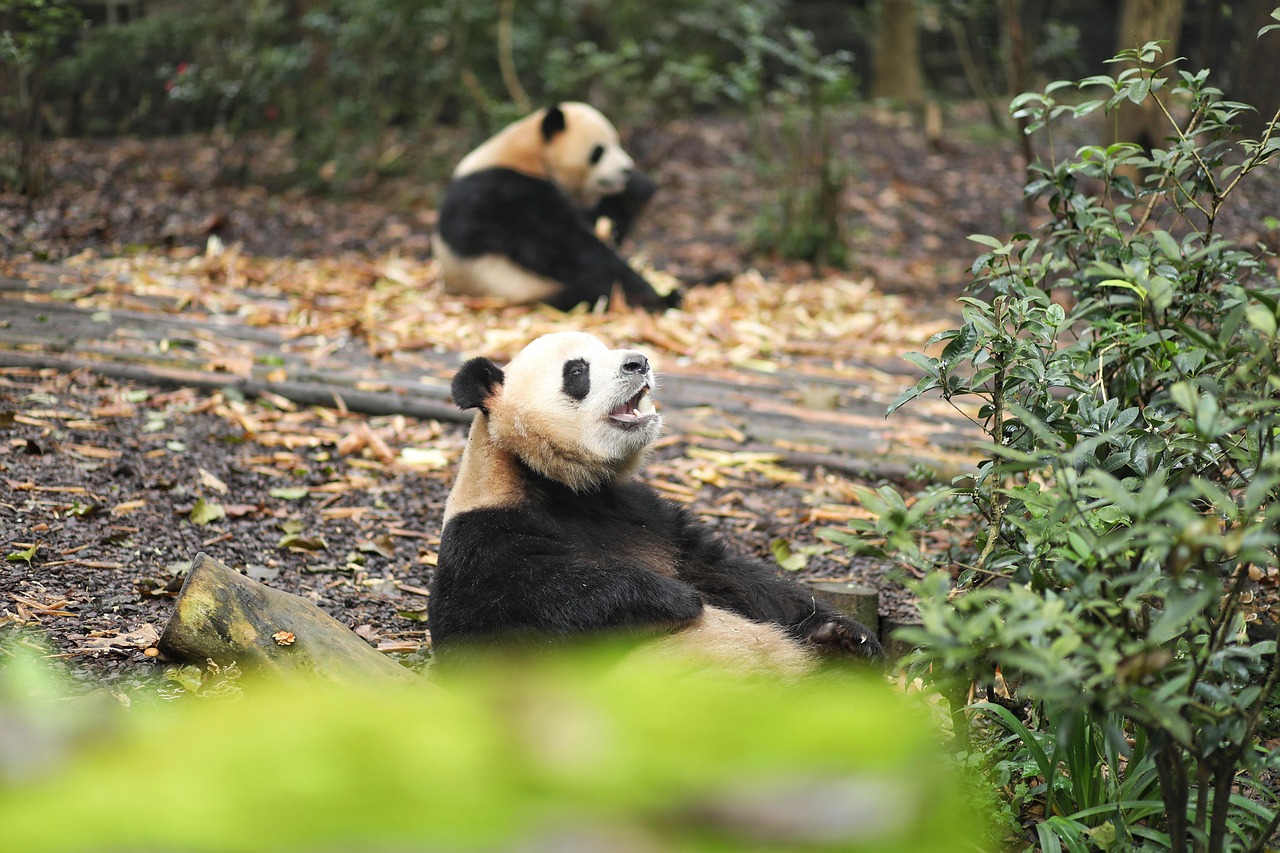
Chengdu’s gentle pace: teahouse, calm, and conservation-focused wildlife visits
If you’re searching for a beautiful reset, Chengdu is exactly what you’re looking for. After the momentum of Beijing and Shanghai, Chengdu’s pace feels softer—yet still deeply special when curated well. It’s a city where morning mist, teahouses, and thoughtful dining combine into something soothing, and where you can see giant pandas in a way that feels respectful rather than rushed.
Early-morning visits with responsible, conservation-led planning
To see animals at their most active, going early in the morning is typically best. Visit official centres responsibly, with an expert guide who understands respectful distances and welfare standards. Depending on season and availability, VIP-style access may be possible in controlled settings, but the most meaningful encounters are often the simplest: watching a panda settle in for breakfast in the gentle light.
Sichuan cuisine and the Leshan Buddha – day trips, spice levels & scenery
Sichuan cuisine can be bold, but a curated approach keeps it refined. A luxury hotpot experience can be tailored to your spice tolerance, balancing chilli heat with fragrant peppers, mushrooms, and high-quality local ingredients. Your guide can also help you uncover lesser-known dishes that feel nuanced rather than overwhelming.
For a spiritual and scenic day trip, the Leshan Buddha is unforgettable—an immense riverside Buddha with viewpoints that change as you move. Accessibility varies by route, so private planning matters: choose the most comfortable walking sections, add shaded breaks, and consider a boat perspective if conditions suit.
- Optional extension: Chongqing for dramatic architecture at the confluence, plus bold night lights that contrast beautifully with Chengdu’s calm.
Zhangjiajie National Forest Park – Sandstone Pillars, Cable Car Views & Quiet Trails
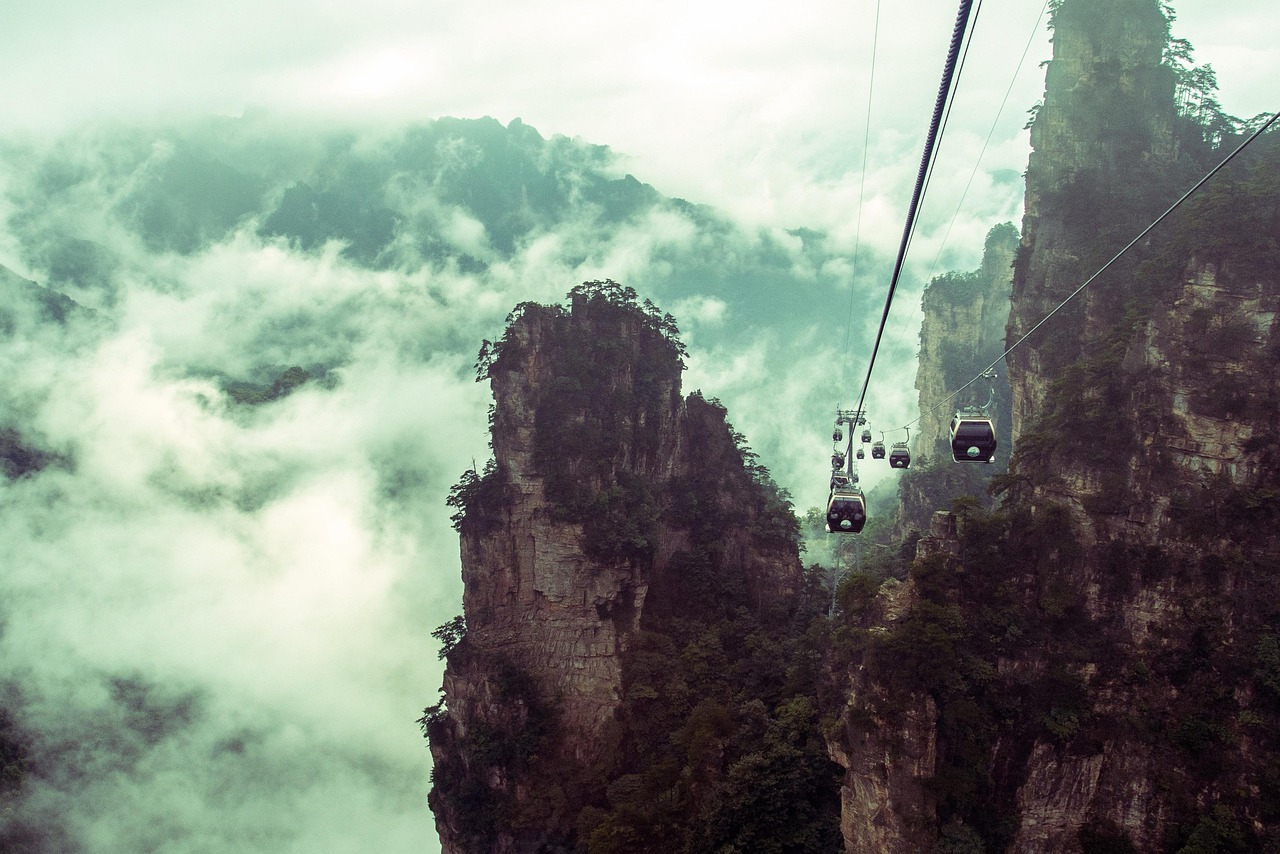
Misty peaks and soaring stone pillars in Zhangjiajie National Forest Park
For nature-led travellers, Zhangjiajie National Forest Park belongs near the top of your list. Zhangjiajie is one of the most beautiful landscapes in China: towering sandstone pillars, drifting mist, and that unmistakable sense of scale that makes you go quiet. It’s widely noted as the inspiration for the floating mountains in the movie Avatar, and in person, the atmosphere feels even more otherworldly.
Route planning and cable car comfort – timing, weather & viewpoints
The secret to a serene day is timing and flexibility. Aim for early entry for quieter trails, and keep a private driver on standby so you can move when the weather shifts. A cable car can save energy and open up panoramic viewpoints, but queues build quickly; your guide can plan around peak times and choose routes with smoother access where possible.
Weather changes fast here, so pack a light rain layer and take care on damp steps. If you want a glass-walk experience, add it as an optional flourish rather than the centrepiece—so the day still feels unhurried and personal.
Best places to visit nearby – Guilin’s Li River, Tiger Leaping Gorge & Yunnan
If you’re building a broader nature menu, Guilin offers calm water-and-karst beauty along the Li River, ideal for travellers who prefer gentle days. For more drama, consider Tiger Leaping Gorge in Yunnan province; it’s spectacular, but best with careful safety planning and a pace that matches your comfort.
If alpine views call to you, Jade Dragon Snow Mountain can be extraordinary—yet ice and snow conditions may affect access. For epic-altitude ambition, some travellers also plan permits and logistics for Everest Base Camp; whichever direction you choose, go safety-first and confirm requirements in advance.
Shanghai Nights on the Bund – Huangpu River Cruises and City Lights
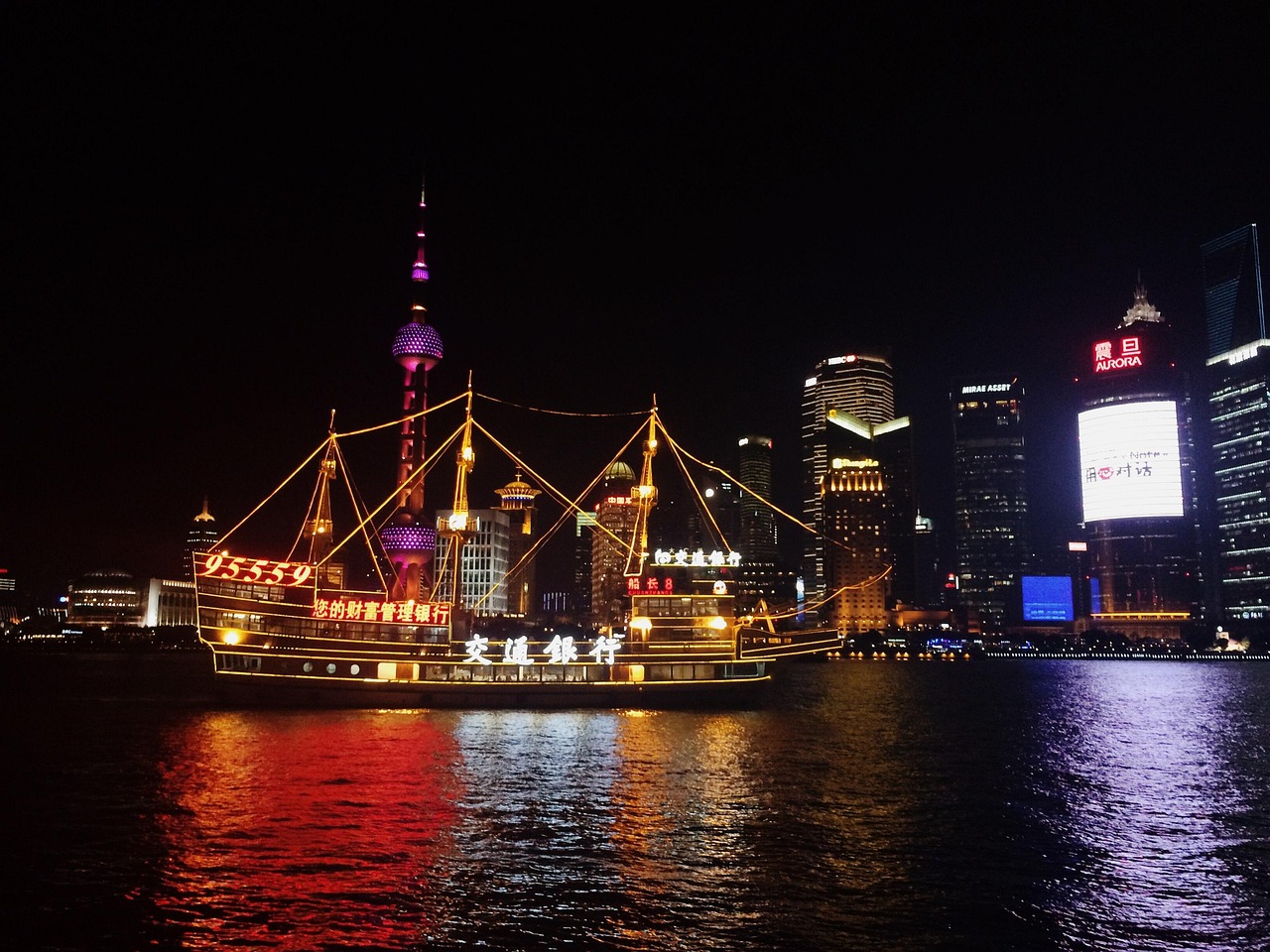
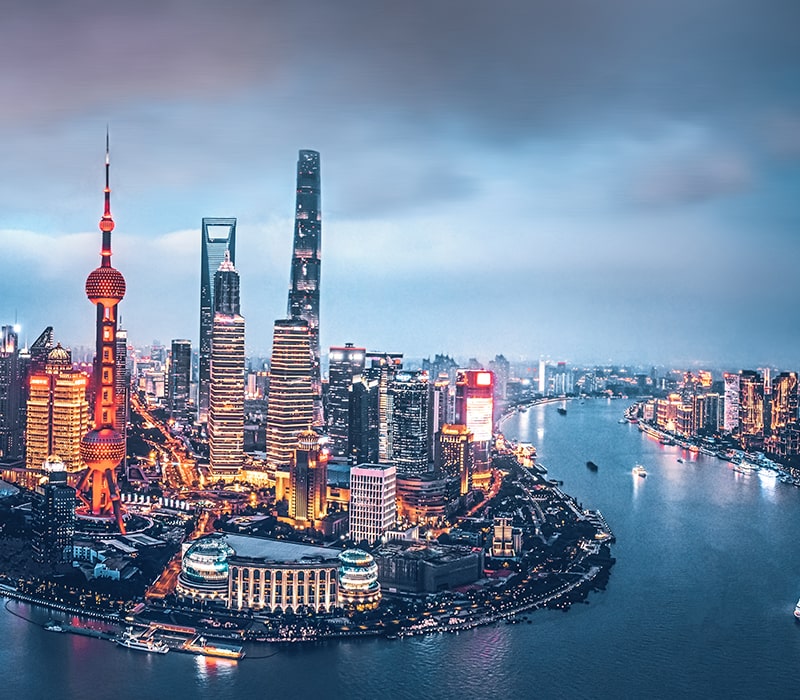
Shanghai nights: a Bund stroll and a private cruise with candlelit calm
For travellers collecting unforgettable Shanghai evenings, the city can feel like a finale written in light. Think art, design, and effortless glamour—where the riverfront becomes a private backdrop, and the energy feels exciting, yet entirely manageable with expert planning. It’s also a natural contrast to Beijing: less imperial formality, more modern momentum.
A couple once described their private yacht dinner across the Huangpu River: the Bund glowed in soft gold, Shanghai’s towers shimmered like theatre scenery, and the skyline gave the whole city a calmer pulse. They spoke about feeling both held and free—supported by a discreet crew, yet immersed in the vibrancy of Shanghai’s night.
Bund promenade to private cruise – timing for peak lights
Begin with a relaxed walk along the Bund promenade, then board when the lights hit their stride. A curated menu and a warm, unhurried service style make the evening feel crafted rather than commercial. Afterwards, a rooftop digestif is an elegant close—especially if your hotel can arrange swift transfers that keep everything seamless.
Old City by day – Yu Garden and lanes beyond the lights
To balance Shanghai’s modernity, spend part of the day in the Old City lanes and traditional garden quarter, then retreat to quieter pockets for tea or boutique browsing. Smart timing matters: arrive early to avoid peak crowds, and choose a guide who can steer you through details rather than just photo stops. For travellers who love creative culture, Shanghai’s design scene shines with gallery-hopping, luxury shopping, and expert-led cocktail routes that still feel warm and safe.
- Neighbourhood ideas: French Concession for heritage architecture and design stores; West Bund for contemporary art; Nanjing Road for classic, high-energy shopping (best with a plan).
Whether you stay for two nights or five, China’s most style-forward city often wins people over with contrast—old lanes, bold towers, quiet cafés, and little moments that feel unexpectedly intimate.
Water Town Elegance Near Shanghai – Zhujiajiao, Wuzhen & Lantern-Lit Waterways
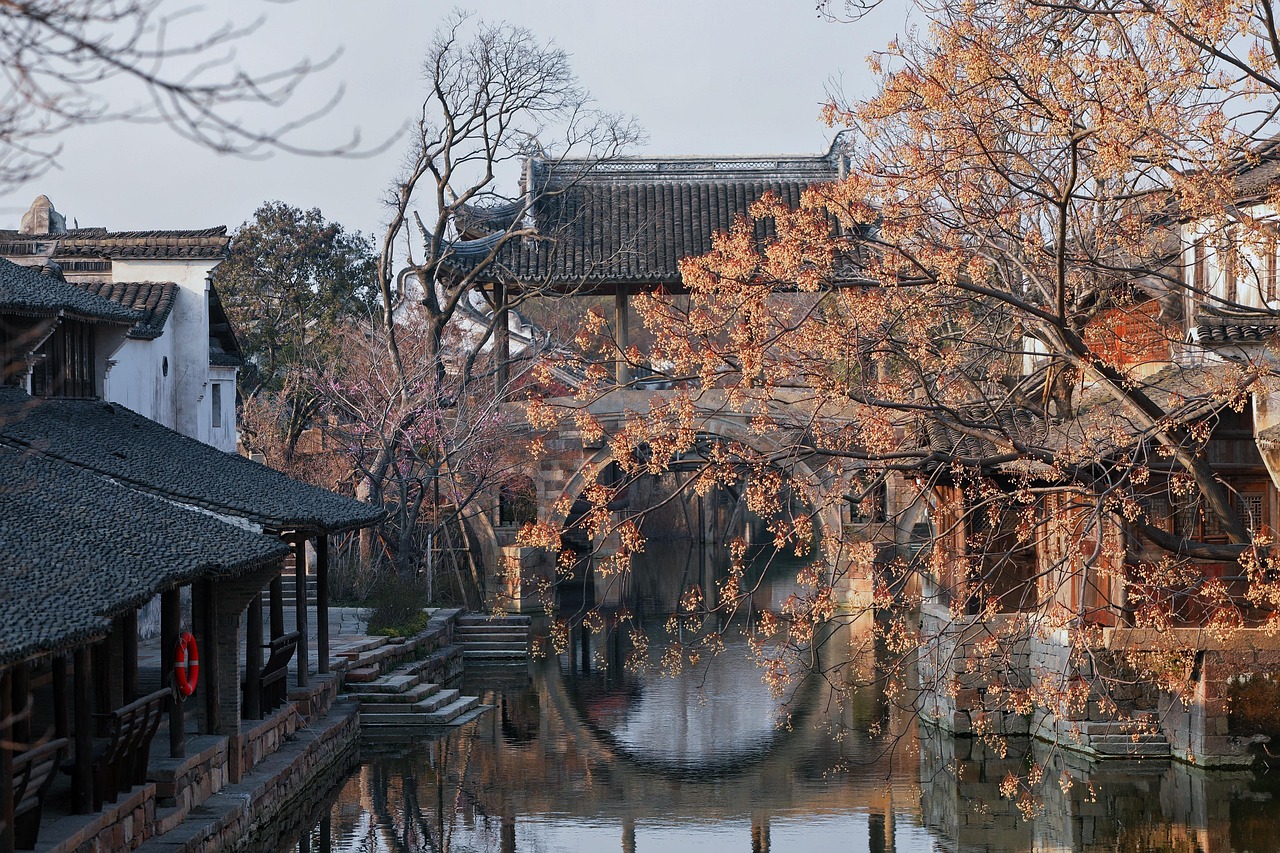
Lantern reflections and bridge walks in classic water towns near Shanghai
For a softer day outside the city, a Zhujiajiao water town day trip from Shanghai Wuzhen offers a gentle transition from modern pace to tradition. These towns feel like a quieter form of time travel—arched bridges, lantern reflections, and small courtyards where craft still matters. From Shanghai, Zhujiajiao is a classic day trip; Wuzhen can feel more immersive if you stay overnight.
Zhujiajiao water town walk – bridges, artisan stops & jade shopping
What to do beyond the postcard shot? Choose private walks through heritage lanes, visits to artisan studios, and time to browse textiles or a jade piece chosen slowly, with insight rather than pressure. Look for a gentle canal bend at sunset, and you may even spot a distant pagoda silhouette beyond the rooftops. Early morning and late afternoon are the most flattering times for photos—and they also feel calmer.
Your guide can handle tickets and suggest the best vantage points without rushing, so the day stays graceful rather than hectic.
Suzhou opera night – intimate performance and cultural confidence
An art enthusiast once described attending a traditional Chinese opera performance: the setting was small, the gestures precise, and the intimacy made every note feel closer. Rather than a staged spectacle, it felt like a living thread—local, personal, and unexpectedly moving. Moments like this create the kind of cultural confidence that stays with you.
As always, a respectful approach matters. Dress modestly around temple precincts and historic residences, keep voices soft, and let the towns set the pace.
F.A.Qs: Things to know before you go to China
What activities do people do in China as first-time visitors?
People explore major landmarks, join local dining experiences, enjoy national parks, shop in modern districts, and attend cultural performances. Many travellers also take day trips to water towns, visit temples and gardens, and book guided tours for big highlights to make the experience smoother and more personal.
Is $1000 USD a lot in China for a short trip?
It depends on your travel style and where you are. In major cities like Beijing and Shanghai, $1000 USD can cover a comfortable short stay with mid-range hotels and tours, but it won’t stretch as far for luxury accommodation and private experiences. In smaller cities, the same amount can go further for dining, transport and local touring.
What are the top five experiences most travellers choose in China?
A classic top five includes visiting the Great Wall, exploring the Forbidden City, experiencing the Bund at night in Shanghai, seeing wildlife in Chengdu, and visiting a dramatic natural landscape such as Zhangjiajie. Many travellers also add the terracotta warriors if time allows.
What are the three forbidden ts in China?
A common piece of etiquette advice is to avoid discussing certain sensitive “T” topics in casual conversation: Taiwan, Tibet, and Tiananmen. If you’re unsure, follow your host’s lead and keep conversations respectful and neutral, especially in professional or formal settings.
After China: What Lingers from Beijing to Shanghai
What lingers after China is rarely the loudest memory. It’s the feeling of scale—yes, but softened by small moments that return later, uninvited: lantern light on a calm canal, the hush before dawn on stone steps, the warmth of tea poured without fuss. Long after you’ve unpacked, you may find your sense of distance and beauty has subtly shifted, as if your inner map has been redrawn.
There’s a particular reassurance that comes from moving through a place this vast with trust and thoughtful design. When logistics are seamless, curiosity has room to breathe. You notice textures—roof tiles after rain, a quiet smile in a courtyard, the way history sits alongside modern life without asking you to choose between them.
Perhaps that’s the gift: not a finished list, but a calm confidence that you can return to anywhere—another city, another country, another season of your own life—and still travel with care. And if, one evening, you catch yourself imagining a river at dusk or a horizon at first light, you’ll know the journey is still gently unfolding.