Post Contents
- Great Wall of China history: Qin to Ming storylines, UNESCO context, and architectural insight
- Visit the Great Wall from Beijing: transport, tickets, and timing for an easy day trip
- Badaling: panoramic views on a well-preserved section of the Great Wall
- Mutianyu sunrise and cable car access: an easy adventure on the Wall
- Jinshanling hiking trek on the Great Wall of China: rugged towers and fewer crowds
- Beyond Beijing: from Shanhaiguan to the western passes—sea and desert in Gansu province
- Local villages near Beijing: legends, crafts, and cultural performances by the Wall
- F.A.Qs: Great Wall travel and China context (Britannica-style)
- What stayed with me after the Wall: a personal reflection in China
Great Wall of China history: Qin to Ming storylines, UNESCO context, and architectural insight
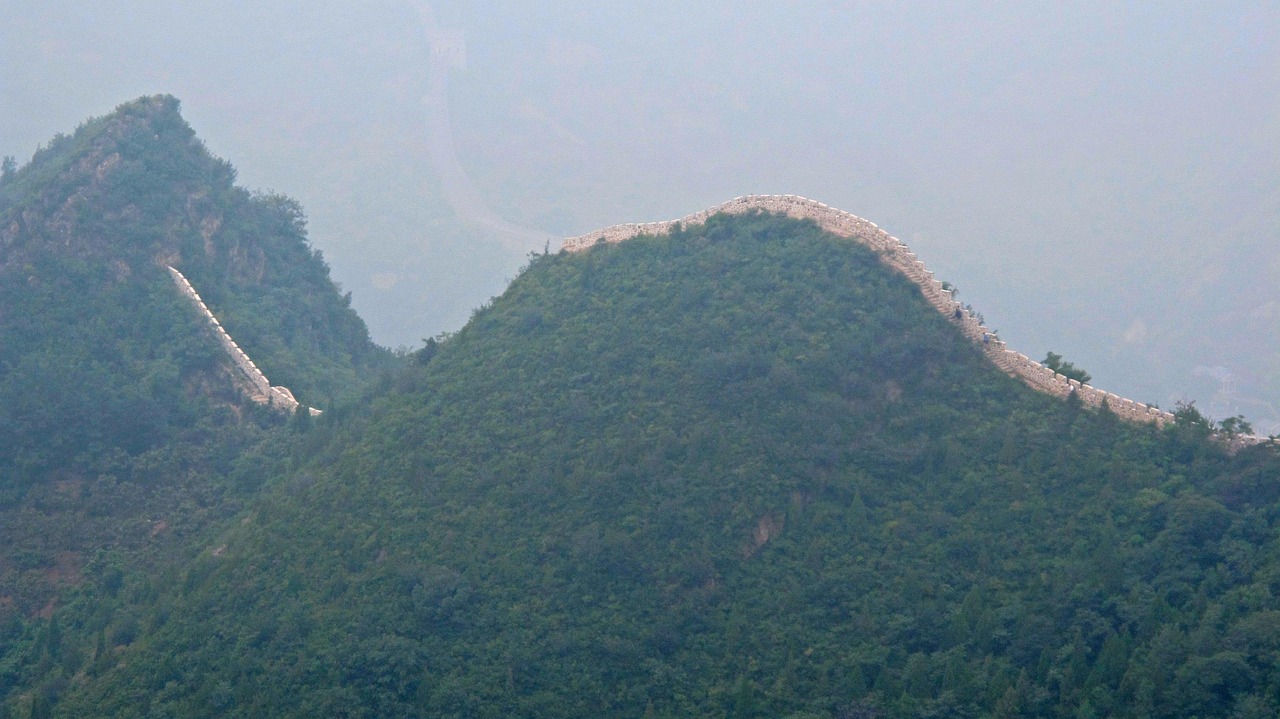
Qin to Ming storylines with UNESCO insight on the Wall
If you’ve typed ” Chinese wall china into a search bar looking for clear history, it helps to picture the Great Wall as a long-running fortification system—not a single continuous wall built once and finished. Across northern china, rulers repeatedly built to protect border communities during periods of invasion and uneasy peace, creating an architectural wonder that still feels profoundly human. Today, parts are recognised by unesco, and the result is as much an evolving landscape as it is a monument.
The timeline becomes easier when you anchor it to key turning points. Early border fortifications existed by the 4th century, including works associated with states such as qi. The story most visitors recognise begins with the first emperor, qin consolidation, and the unifying push often dated to 220 b.c—you’ll also see b.c and century bc used in older sources; in this era, qin shi huang connected and expanded earlier lines. Later, the han maintained frontier routes as trade grew in importance, and by the 1st century a.d the frontier was managed with logistics as much as walls (including older measures such as li). Over time, construction continued under later regimes, including the yuan dynasty, and the most familiar brick-and-stone work dates largely to the ming dynasty (1368–1644, also written as 1368-1644), beginning from 1368.
Architectural and defence details to spot while exploring the Wall
Once you’re on the stones, the great wall’s “language” is wonderfully practical. Look for beacon towers positioned to relay smoke and fire signals, a single garrison hub where troops lived and stored supplies, and gate complexes engineered to control movement through valleys. On many stretches, Ming-era rebuilding used brick, stone, and mortar that still holds firm centuries later, alongside steeper stairways designed to slow attackers and resist tools like a battering ram.
For the culturally curious, it’s satisfying to connect these details to lived reality: parapets angled for archers, drainage channels cut into stone, and “horse tracks” worn into routes that once carried daily patrols. In places, you’ll notice repairs beside older, rougher layers—an honest reminder that the Wall is both ancient china and modern stewardship, shaped by weather, war, and ongoing care.
Britannica-style myth checks for travellers who want reliable insight
If you like your facts clean and dependable, take a Britannica-style approach: confirm claims, keep context, and allow for nuance. The most famous myth—seen from the moon—doesn’t hold up in practice; the Wall is impressive, but it isn’t a bold line visible from that distance with the naked eye. What is true is more interesting: a man-made network of walls, trenches, and natural landforms, built for communication and control—and at key moments, explicitly intended to protect the Chinese Empire.
As a bonus for the early imperial context, many travellers pair a Wall trip with Xi’an’s terracotta legacy on a longer itinerary. Different sites, similar emotion: the quiet dignity of effort, scaled far beyond what you expect.


Visit the Great Wall from Beijing: transport, tickets, and timing for an easy day trip

A seamless day-trip plan: transport, tickets, and timing
Planning a smooth trip is really about one thing: designing your day so you arrive early and return without stress. From Beijing, you can use well-marked public transport options—buses and trains—to reach major sites, and it’s very doable if you start early and keep your plan simple.
A decision framework helps you choose your preferred experience based on time, fitness, and crowd tolerance. Different sections of the wall suit different travellers—restored viewpoints for a quick win, or rougher hikes for those who want space. If you want a first-see-the-great-wall moment with minimal effort, prioritise accessibility; if you want a quieter day, accept a longer travel time and a slower pace.
How to choose the right section for your schedule, energy, and interests
Think in time windows. Half a day suits a restored highlight close to the city; a full day lets you linger, take more photo breaks, and still enjoy a long lunch. For a classic restored choice, Badaling or Mutianyu is a good option; for a more atmospheric, less restored outing, options like Gubeikou can feel raw and rewarding. Whichever you pick, you’re choosing a particular section of the Great Wall with its own mood, materials, and gradient.
Entry fees are refreshingly straightforward: Badaling is about 45 RMB, while Mutianyu and Jinshanling often sit around 40–60 RMB. You can pre-book where available in peak season, but many travellers still pay on arrival—just keep your passport and payment method ready.
Comfort and safety checklist for when you visit the Great Wall
A calm mindset matters as much as kit. Weather can change quickly on the ridge, so build in flexibility and trust your instincts if conditions turn windy, rainy, or foggy.
- Footwear: sturdy hiking shoes with grip for uneven steps
- Sun and hydration: water, sunscreen, and a hat; pack extra for longer outings
- Energy: snacks you actually enjoy, plus a small salty option
- Warmth: a light layer even in spring and autumn
If you’re building a bigger, high-end itinerary beyond the day trip, browse our Trip gallery for crafted ideas that keep logistics seamless while leaving room for personal discovery.
Badaling: panoramic views on a well-preserved section of the Great Wall
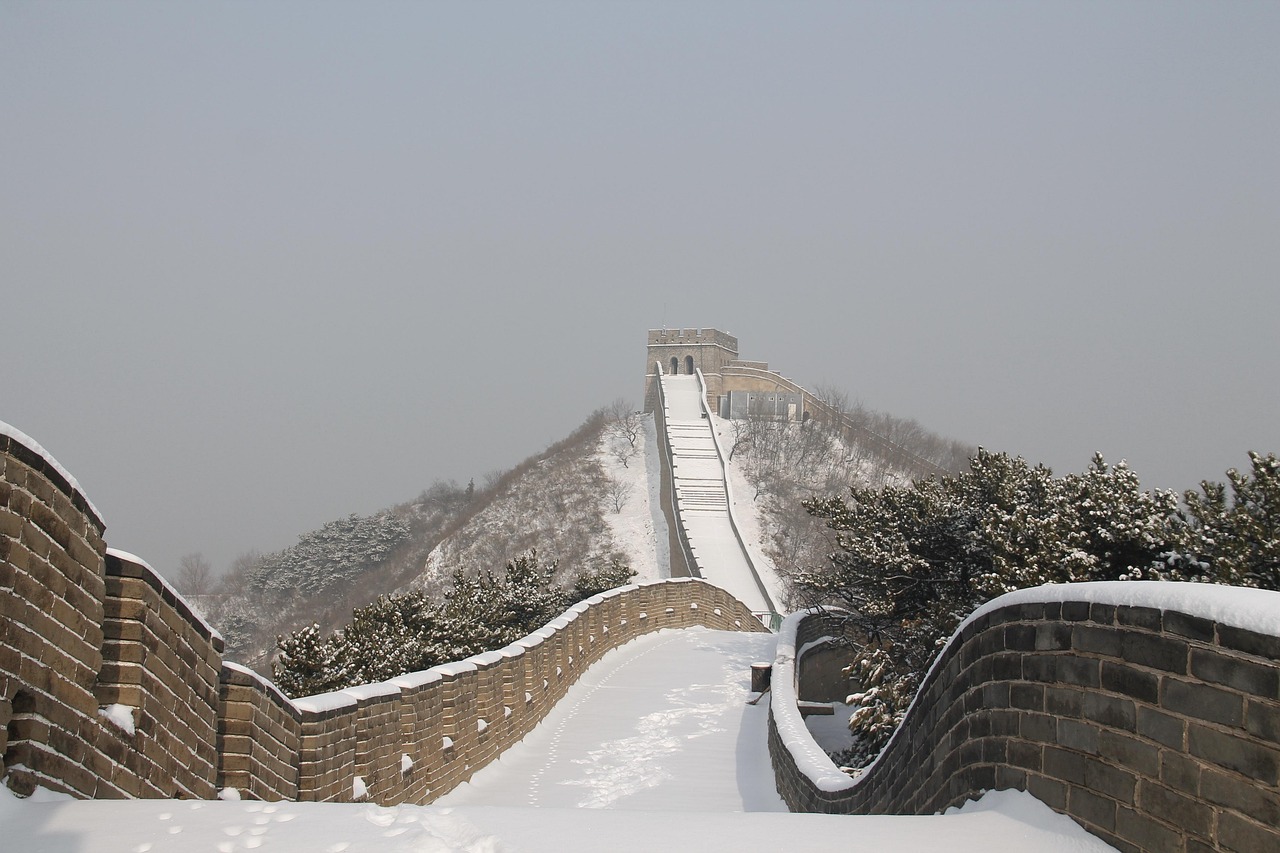
Badaling’s classic curves and panoramic viewpoints
If you’ve been chasing that classic, cinematic perspective, Badaling delivers. This section of the Great Wall is broad underfoot, with restored stonework, strong sightlines, and a well-preserved feel that reads beautifully in photos—an ideal choice for first-timers who want maximum impact with minimal uncertainty.
It’s also where the Wall often “clicks” into place: suddenly it’s not an abstract idea, but a real line of strategy you can touch. Even if you’re usually drawn to wilder terrain, the iconic viewpoint is worth experiencing at least once.
Crowd strategy to enjoy Badaling with confidence
Design your crowd strategy like a small luxury: arrive early, aim for an off-peak weekday, and set a clear turnaround point. A short loop helps you avoid bottlenecks while still giving you time to pause and appreciate the architectural rhythm of towers, crenellations, and stair runs.
Bring water even for a shorter visit; the incline can surprise you. If you need a gentler pace, take more breaks, and remember: the most elegant way to travel is to keep your day comfortable enough that you’re still curious at the end.
A foggy morning moment on the Great Wall of China
One traveller told me about arriving in a soft, grey hush—fog pooling in the valleys so the Wall seemed to float. Standing on the stone, they imagined ancient soldiers listening for signals, builders hauling supplies, and the weight of defence pressed into every step. It’s a deeply personal feeling, as if modern noise has been turned down for a moment of pure perspective.
Do your part to protect this place: stay off fragile areas, keep to signed routes, and take every wrapper back with you. Small acts of care keep this landmark powerful for the next generation.
Mutianyu sunrise and cable car access: an easy adventure on the Wall
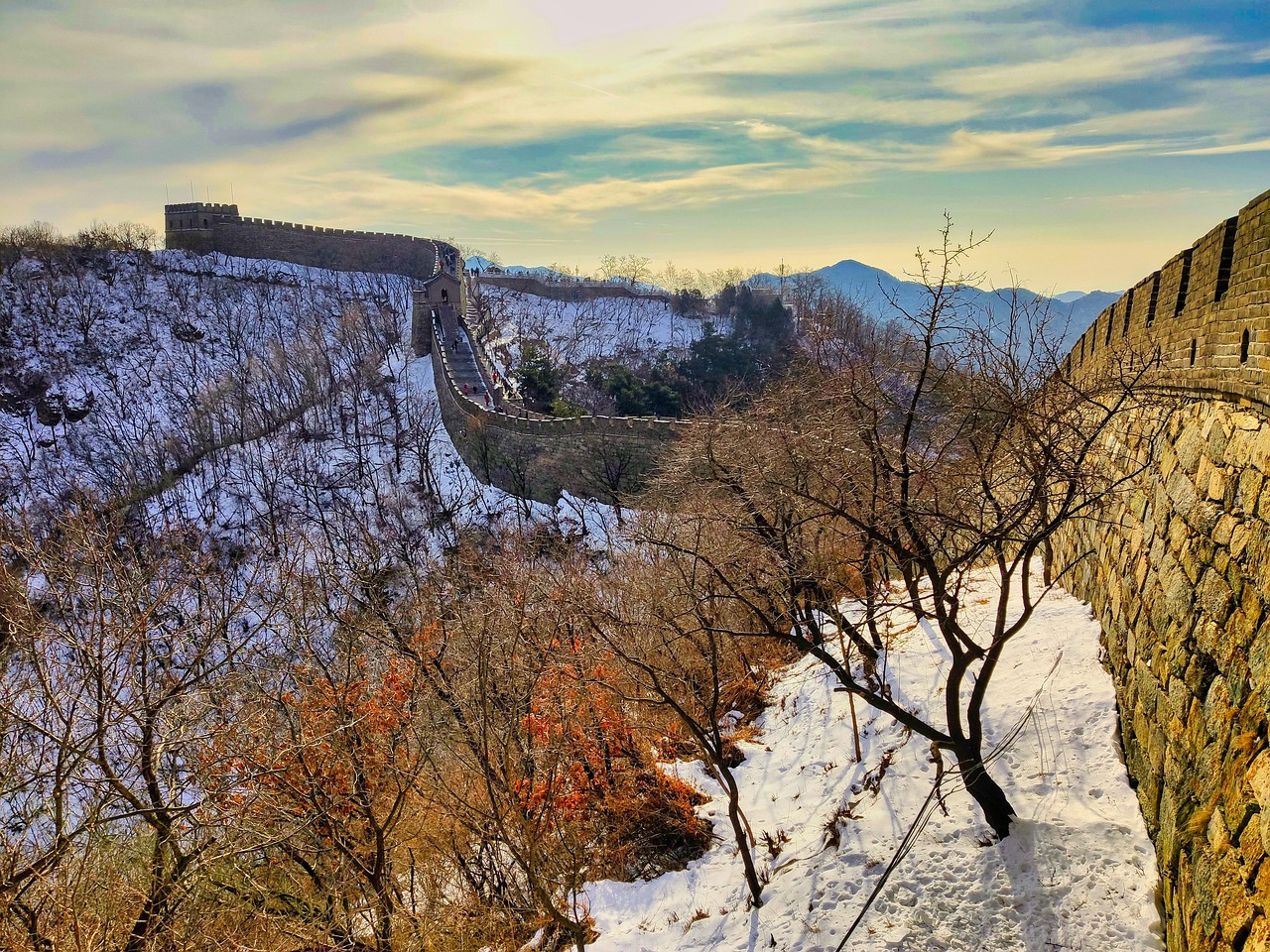
Mutianyu sunrise and the cable car adventure on the Great Wall
For travellers who want “adventure-with-ease,” this is a smart choice. Mutianyu lets you take a cable car for a time-saving ascent, then continue along a high crest where the Wall rises and falls like a stone wave across the hills.
It’s also ideal if you want a big day without overtaxing your legs early. You can explore towers at your own pace, then decide whether to extend your walk or keep it relaxed and seamless.
Sunrise hush as you walk the Great Wall
One adventurer shared a pre-dawn start that felt almost ceremonial: arriving in the dark, layering up, and stepping out just as the first light brushed the watchtowers. Before the crowds arrived, the air was still, and each footstep sounded deliberate. It’s the kind of morning that makes you feel you’ve uncovered a private version of a world-famous place.
For timing, spring (April–May) and autumn (September–October) are ideal. You’ll want warm layers for early starts, even when the daytime forecast looks mild.
Photography pauses for spectacular views and dusk light
For spectacular views, pause where the Wall curves away in both directions—those are the frames that convey scale. If you stay later, watch how dusk softens the stone and deepens the greens; it’s gentler, more flattering light than midday glare. Keep your day flowing with small water breaks and a snack before the longer stair runs.
As with any popular site, comfort is your ally: arrive early, keep your essentials close, and let the experience feel crafted rather than rushed.
Jinshanling hiking trek on the Great Wall of China: rugged towers and fewer crowds
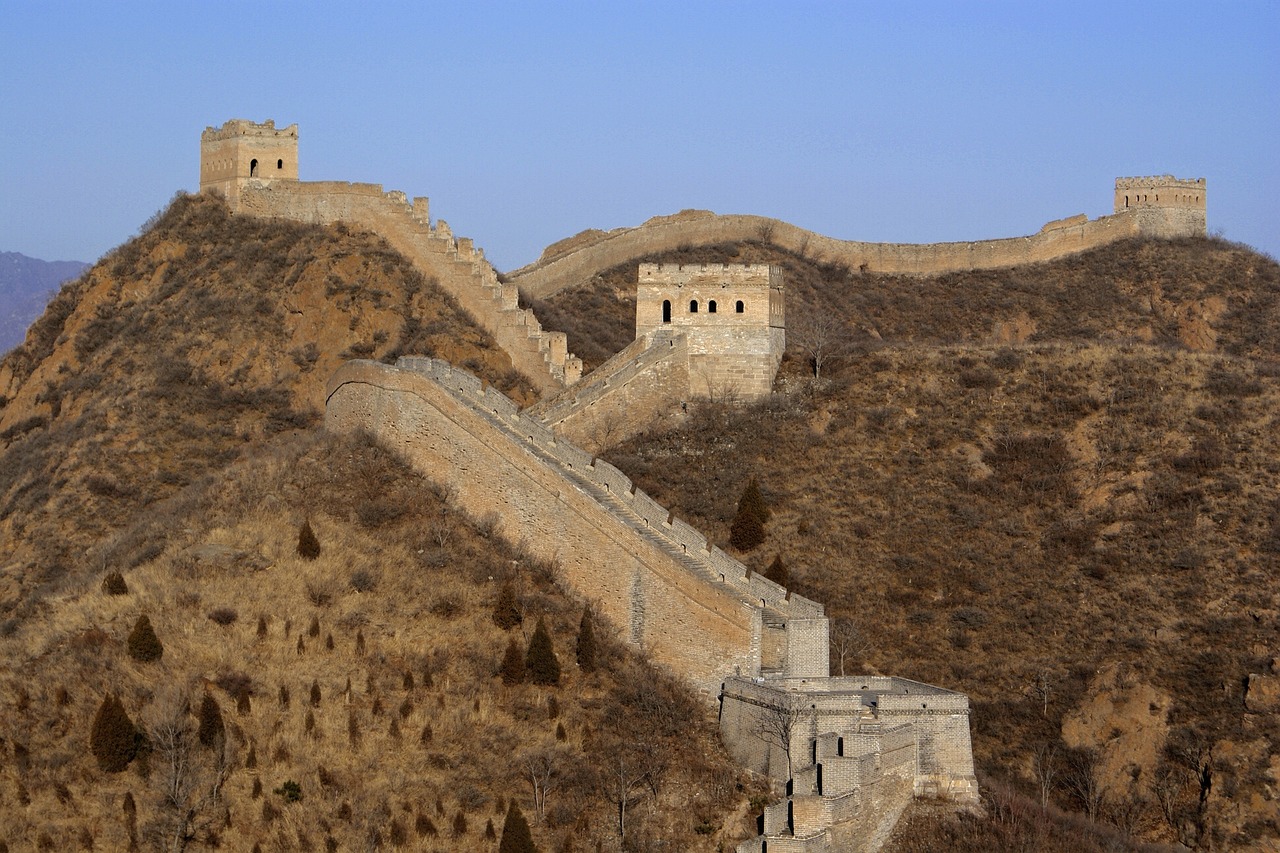
Jinshanling for rugged towers and a deeper, quieter hike
If you’re leaning into the wilder side, Jinshanling rewards that choice. This lesser-crowded section of the wall brings steeper steps, varied surfaces, and dramatic towers that feel more like a journey than a single viewpoint.
Here, the Wall stops behaving like a monument and becomes terrain. For Adventure Seekers, that shift can be thrilling: you’re not just looking at history, you’re moving through it—one demanding, memorable stretch at a time.
Safety-first pacing for steeper steps and longer hiking days
Footing matters. Some stair runs are high and uneven, so take a steady pace and keep a hand free. If you’re planning a longer trek, map a complete route before you start; a certified local guide can also support route choices, check the weather, and keep you calm if conditions change—especially when the wind picks up along exposed slopes.
For pacing, plan by distance: a satisfying hike might be 6–10 kmc, depending on entry and exit points, with plenty of vertical gain. Carry more water than you think you’ll need; for longer routes, many hikers budget at least 1.5–2 litres per person.
Legends, guides, and a deeper connection along the northern border
One of my favourite stories comes from a trek where travellers bonded with local guides who shared construction insight and old legends with warm humour. Between breathless climbs, they talked about signalling systems, patrol life, and why fears of invasion shaped this northern border landscape. The result wasn’t just knowledge—it was trust, built together step by step.
The best seasons mirror the rest of the route: spring and autumn offer comfort and clear visibility. In summer, start early; in winter, expect cold stone and a slower, more careful rhythm.
Beyond Beijing: from Shanhaiguan to the western passes—sea and desert in Gansu province
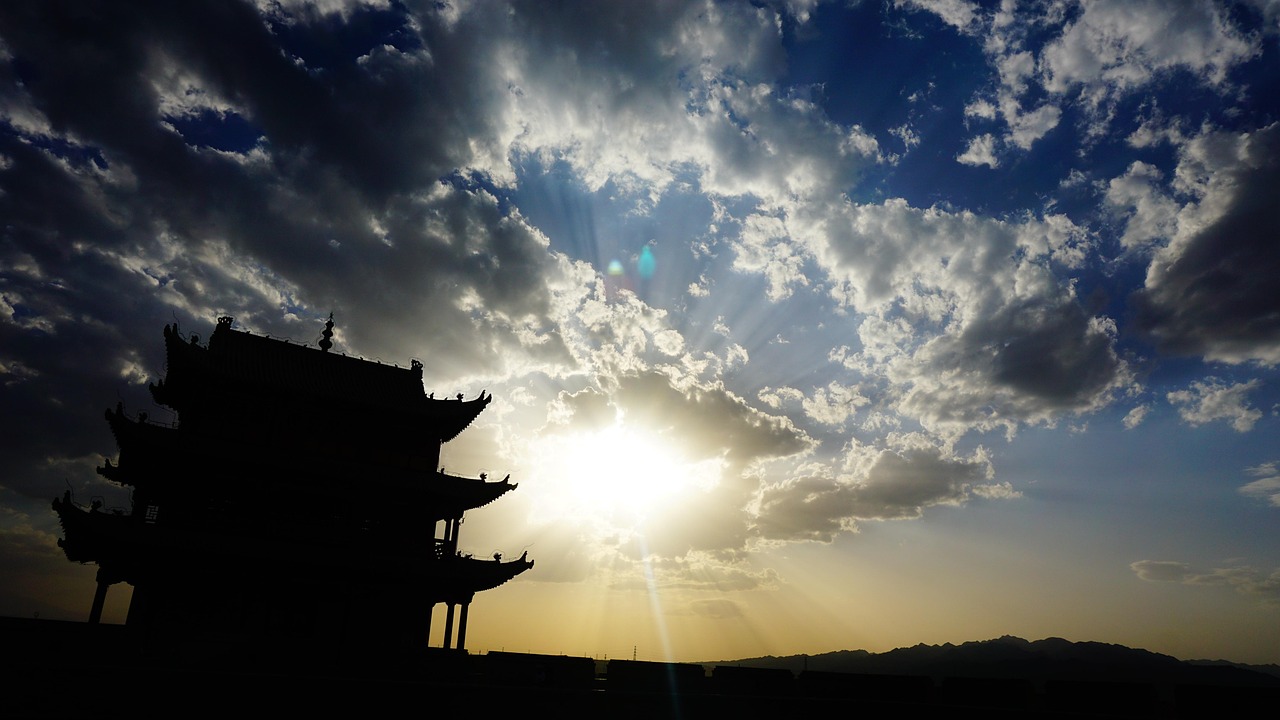
Beyond the capital: sea-to-desert contrasts along the Wall
Look beyond the familiar day trips, and the geography becomes the headline. In plain terms, the wall stretches across huge distances; summaries often quote its total length, but what matters on the ground is how each region shaped materials, strategy, and the feeling of place.
Once you travel farther afield, the contrasts become vivid. You start to see how terrain itself was treated as a defensive ally: slopes that felt impassable, valleys controlled by gates, and lines linking strongpoints rather than forming one tidy line.
Shanhaiguan: where the Wall meets the Bohai Sea
Often called Shanhai Pass in English-language guides, Shanhaiguan is famed as the point where the Wall meets the Bohai Sea. Located in Hebei province, it’s a striking change of mood from the mountains—more coastal, more expansive—and some itineraries continue onward toward Liaoning province depending on your route. It’s a powerful reminder that strategy wasn’t only about height; it was about controlling access, managing supply, and reading the landscape with expert pragmatism.
Jiayuguan and Jiayu Pass at the northwestern edge of Gansu province
Far to the west sits Jiayuguan, also called Jiayu Pass, in Gansu province at the northwestern edge of the Ming frontier. Here, the surrounding desert and the wider Gobi Desert scenery make the architecture feel stark and resolute, as if the wind itself is part of the design.
Along the frontier, regions such as Inner Mongolia and other autonomous regions remind us that history here involved nomadic movement, trade, and the interaction of nomadic civilisations with settled communities. It wasn’t only conflict; it was also collision and exchanges that shaped languages, goods, and identities across the borderlands.
Local villages near Beijing: legends, crafts, and cultural performances by the Wall
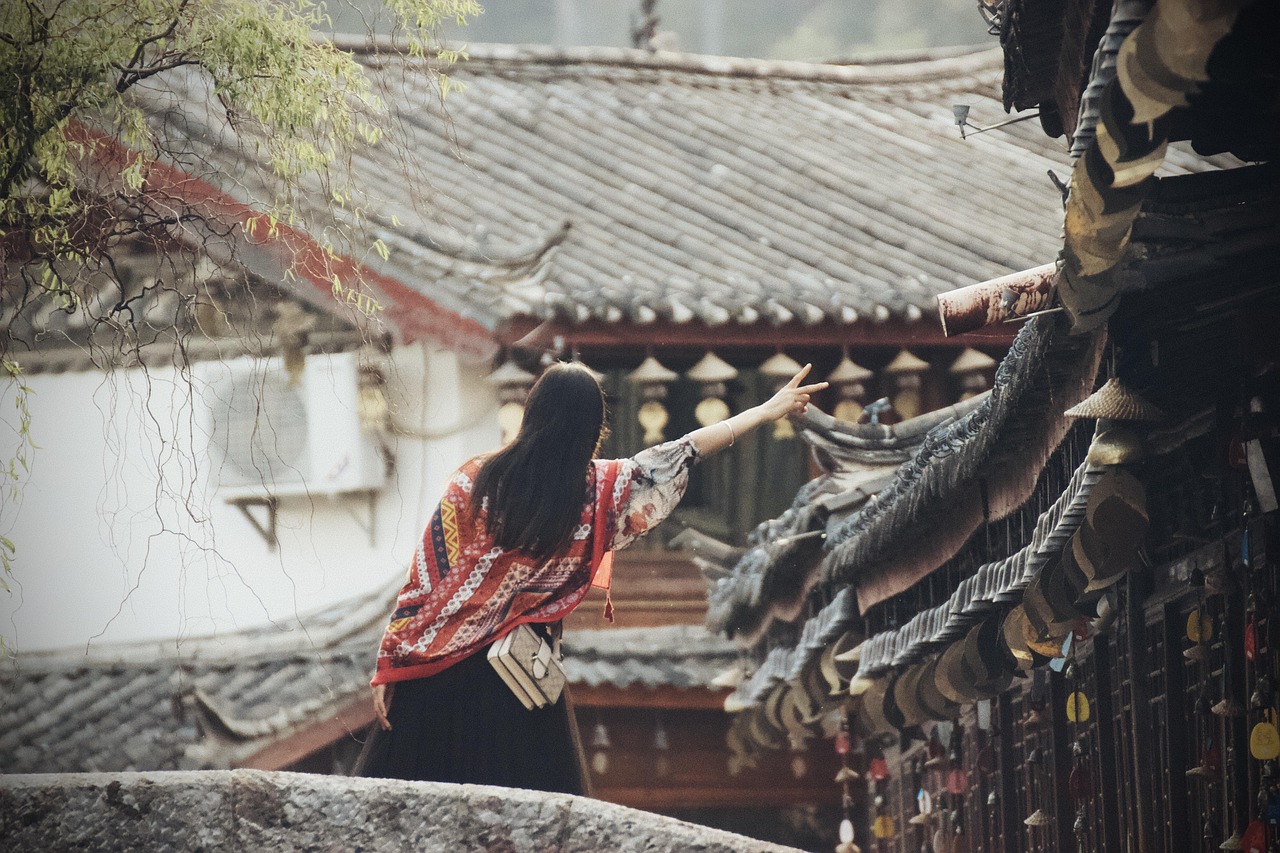
Local villages, crafts, and performances near the Wall
Adding village time to your itinerary turns a landmark into a lived experience. When you’re exploring around Beijing, nearby communities can offer folk music, small cultural performances, and crafts that bring warmth to a day of stone and sky—moments that feel personal rather than packaged.
This is also where you can slow down with intention: a cup of tea, a conversation, and the chance to discover how local life continues in the Wall’s shadow. It’s a gentle way to support communities without overthinking it.
Local etiquette and care when meeting artisans near the Wall
A little etiquette goes a long way. Offer polite greetings, ask before photographing, and buy a small crafted item if you can—simple gestures that show respect. Your presence becomes lighter when it’s grounded in care, and the exchange feels mutual rather than transactional.
If you’re travelling with children or older family members, this “slow hour” can be the most comfortable part of the day. It creates space to rest while still staying connected to the place.
Guide-led insight, signal towers, and the legends people remember
Certified guides shine here, not only in safety briefings but also in storytelling that makes details stick. They might explain how signal systems worked, point out subtle masonry changes, or share legends tied to names and characters—one tale I heard was linked to Huang, told with a wink as the wind rose.
That kind of insight transforms “information” into memory. And it helps you travel with trust: you’re not guessing what you’re seeing, you’re understanding it.
F.A.Qs: Great Wall travel and China context (Britannica-style)
Why is the Wall of China in China?
The Great Wall of China was built and rebuilt by successive states and dynasties to guard northern frontiers, manage movement through key passes, and support border defence. It reflects the geography and pressures of the frontier zone, where settled farming regions met shifting borderlands and trade routes. Today, it’s part of China’s national story and protected cultural heritage.
Is it cheaper to live in China or the USA?
It depends on the city and lifestyle, but many day-to-day costs can be lower in China than in the USA, especially local transport, casual dining, and some services. However, premium imported goods, international schooling, and certain healthcare options can raise costs in major Chinese cities. For travellers, China’s cities can feel excellent value once you plan thoughtfully and travel with local insight.
What is the true story of the Great Wall of China?
The true story is that the Great Wall is a network of walls, passes, and fortifications built and rebuilt over centuries, rather than a single structure from a single era. Early works existed long before the Qin; later expansions occurred under dynasties like the Han, and the most visible stone-and-brick sections many visitors see today are largely Ming rebuilding. It’s best understood as evolving frontier infrastructure.
What is the famous wall in China called?
The famous wall is commonly called the Great Wall of China. In travel planning, people often refer to specific sections—such as Badaling, Mutianyu, or Jinshanling—because each offers a different balance of restoration, scenery, and hiking challenge. Choosing the right section helps you match your day to your comfort level and sense of adventure.
What stayed with me after the Wall: a personal reflection in China
When you search for reflections after a trip, you’re often looking for the part guidebooks can’t quite hold: the afterglow. For me, what lingered wasn’t a checklist of towers or an exact count of steps, but the feeling of scale settling quietly into the body—kilometre after kilometre of human intention, laid across mountain spines as if the earth itself had been stitched. It’s hard not to think of it as one of the largest projects ever built in its time.
I keep thinking about contrasts. The busy laughter at restored sections, the sudden silence on a wilder path, the way restoration can feel both helpful and strange. In one moment, you’re surrounded by people; in the next, a bend in the Wall opens into mist, and you’re alone with the sound of wind and your own breathing.
And then there’s the dignity of the unseen: builders, sentries, and travellers across centuries, each with their own reasons for being there. Even on a modern visit, you sense how effort accumulates—stone by stone, decision by decision—until it becomes something larger than any one person.
Back in ordinary life, I found myself noticing boundaries and horizons differently, with a little more gratitude and a little more patience. If you go, I hope you leave space for that quiet shift—the sort that doesn’t demand words, only a lingering curiosity about what else China might reveal when you look closely.