Post Contents
- Leshan Giant Buddha in Sichuan province, a confluence of three rivers and a heritage site, is calm
- Leshan Giant Buddha history, Tang dynasty UNESCO world heritage and culture heritage
- Chengdu to Leshan Giant Buddha scenic area: high-speed train, bus and travel tips
- Leshan Giant Buddha scenic area route, narrow steep stairs, viewpoints and Lingyun insight
- Minjiang boat tour, Leshan Giant Buddha, Mount Emei, UNESCO World Heritage Site adventures
- F.A.Qs: Leshan Giant Buddha and Mount Emei planning
- Leshan Giant Buddha Mount Emei reflection cultural heritage journey
Leshan Giant Buddha in Sichuan province, a confluence of three rivers and a heritage site, is calm
Leshan Giant Buddha in Sichuan, where three rivers meet
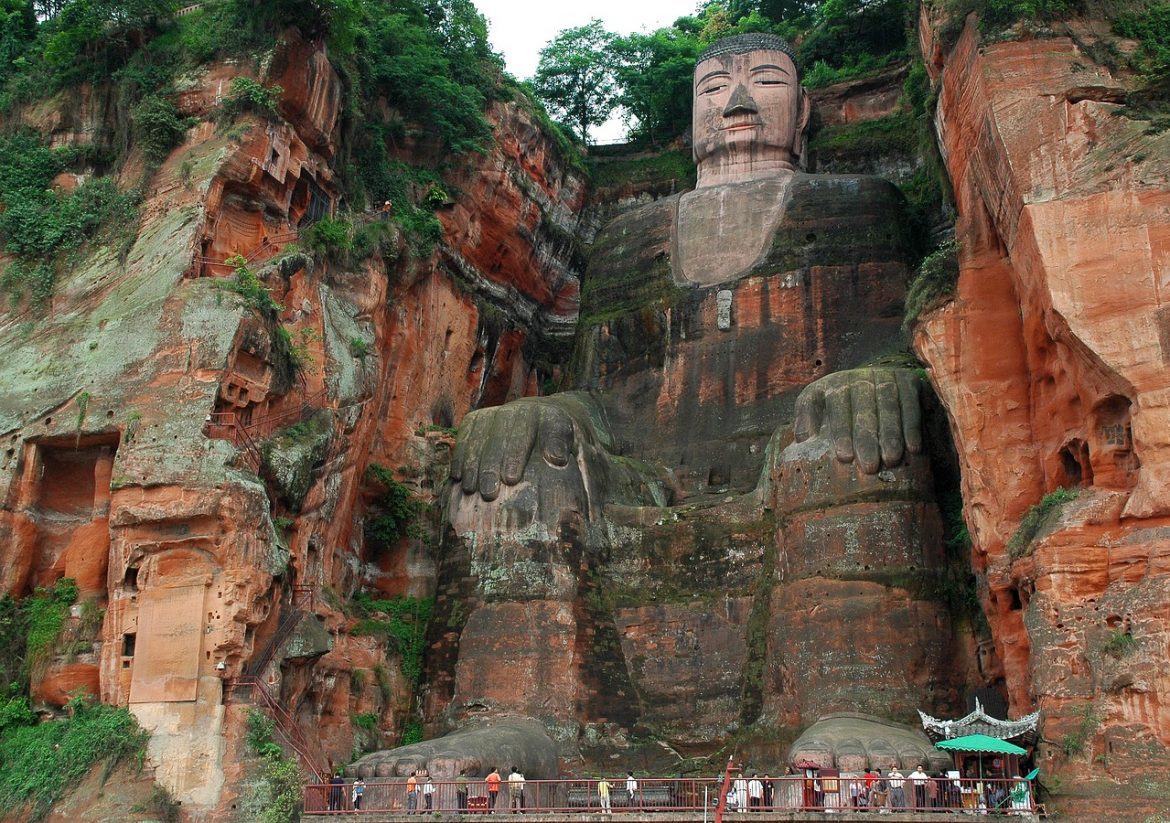
The Leshan Giant Buddha in Sichuan province, at the confluence of three rivers, is not just a line on a map—it’s a living landscape where water and stone have negotiated for centuries. In Leshan city, the Minjiang, Dadu, and Qingyi rivers meet in a single confluence, and those turbulent waters once made boat travel genuinely dangerous. Standing at the banks today, it’s easy to imagine the roar that used to echo between the cliffs, long before the modern embankments and ferries.
That context helps the Leshan Giant Buddha feel even more “alive” in its setting. The statue is colossal, yet the mood around it can be surprisingly still—especially if you arrive early enough to hear only footsteps and river-sound. It draws tourists and pilgrims together, and somehow there’s room for both: the wide-eyed first-time sightseeing moment and the quieter, more personal pause.
Leshan Giant Buddha scenic area layout and viewpoints
The Buddha scenic area is designed as a series of perspectives, and it helps to plan it gently before the crowd energy builds. From the upper paths, you look down over the cliff face, then you descend to the feet, and later you can drift to riverside areas where the statue becomes part of a broader panorama. This simple structure supports a calmer visit, even on busier days.
- Start high for the first full sense of scale from above.
- Descend slowly to the feet for intimate carving details.
- End by the water to reset your pace and take in the meeting of the three rivers.
For a quieter local corner, slip towards Wuyou Temple for a reflective breather. Wuyou Temple is often less pressured than the main stair bottlenecks, and it’s a warm reminder that this is a heritage site with daily rhythms, not just a photo stop.


Leshan Giant Buddha history, Tang dynasty UNESCO world heritage and culture heritage
A carved cliff face story from the Tang dynasty to the UNESCO world
The Leshan Giant Buddha’s history, the Tang dynasty, and the UNESCO World Heritage story begin with a monk named Hai Tong, often written as Haitong, and an audacious idea: to carve a stone Buddha from red sandstone to calm the river and protect travellers. This wasn’t a decorative project—it carried exceptional cultural significance, blending engineering intuition with spiritual intent in a way that still feels profoundly human.
Work began in 713 during the Tang dynasty, and the figure was completed in 803. It took 90 years, and that time span matters: generations of hands shaped this carving, and the removed stone is said to have altered the riverbed, easing currents where boats once feared to pass. Even if you arrive with an expert’s checklist of facts, the place quickly becomes about something softer—how patience accumulates in stone.
UNESCO world recognition and the scale of the statue
In simple terms, the Leshan Giant Buddha is 71 meters tall (233 feet), the largest and tallest stone Buddha and the tallest pre-modern statue of its kind. It’s also a Maitreya Buddha statue—Dafo—seated, open, and enduring. Up close, you’ll notice how the proportions are designed for distance: the shoulders span 28 meters (92 feet), and the features read clearly from afar.
Today, the site is part of a UNESCO World Heritage site listing alongside Mount Emei, making it one of China’s most meaningful UNESCO world pairings. It remains a cornerstone of Chinese Buddhism and broader Buddhist culture, with layers of stewardship across eras—repairs and care recorded through the Ming and Qing dynasties, ensuring the statue could withstand weather, water, and time.
Chengdu to Leshan Giant Buddha scenic area: high-speed train, bus and travel tips
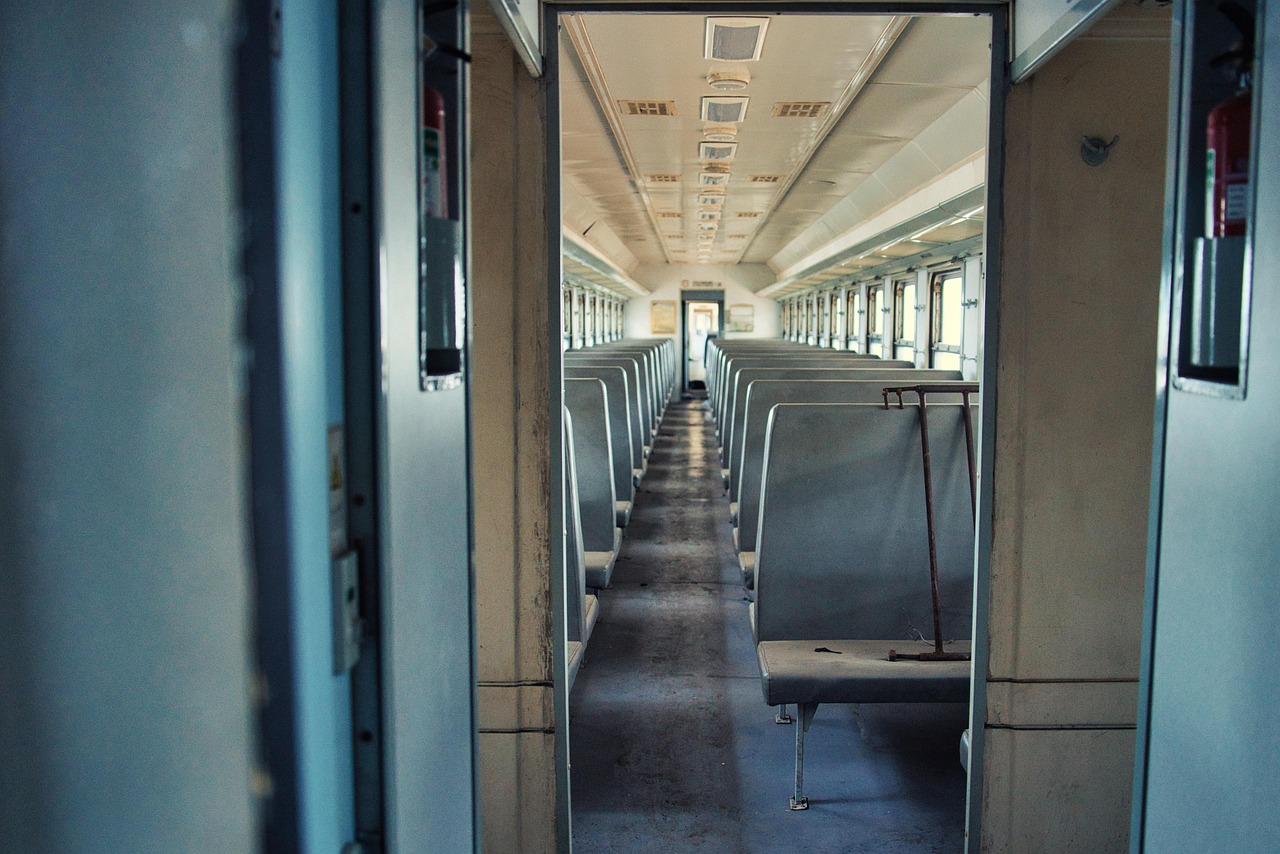
Getting to the Buddha scenic area from Chengdu by high-speed train
For most travellers, the smoothest route is Chengdu to Leshan Giant Buddha scenic area high-speed train bus planning, with the train being the most seamless option. You can take the high-speed service from Chengdu East or South Station—many people search “South station to Leshan” for good reason—and you’re typically in Leshan in under two hours. A long-distance bus is a budget alternative, but the train tends to offer more confidence in timing and comfort.
Once you reach Leshan station, taxis are straightforward, and local buses also run to the main entrance of the Leshan Giant Buddha scenic area. Ticketing is simple: you can buy at the gate or via official platforms, depending on the season, and the entry fee is commonly around 90 RMB, with discounted tickets for students and seniors. If you’re travelling in summer, build in a little extra water and shade time—Sichuan heat can be quietly draining.
Opening hours strategy and avoiding public holidays
Check opening hours before you lock anything in, then design your morning around calm. Arriving early is the insider move: you’ll uncover quieter viewpoints before large tour groups gather, and the atmosphere feels more contemplative. If you can, avoid public holidays, when queue pressure can spill onto the steps and narrow paths.
- Crafted morning plan: early train, arrive at opening, start on the cliff-top viewpoints first.
- Mid-morning: descend to the feet when your legs are fresh and your focus is sharp.
- Late morning: shift to the river for the boat view, then pause somewhere local for lunch.
If you want to go deeper than a single stop, consider pairing the Buddha scenic area with the nearby Oriental Buddha Park for an extra layer of sculpture and gardens—especially if you’re travelling with someone who likes to explore at a gentler pace.
Leshan Giant Buddha scenic area route, narrow steep stairs, viewpoints and Lingyun insight
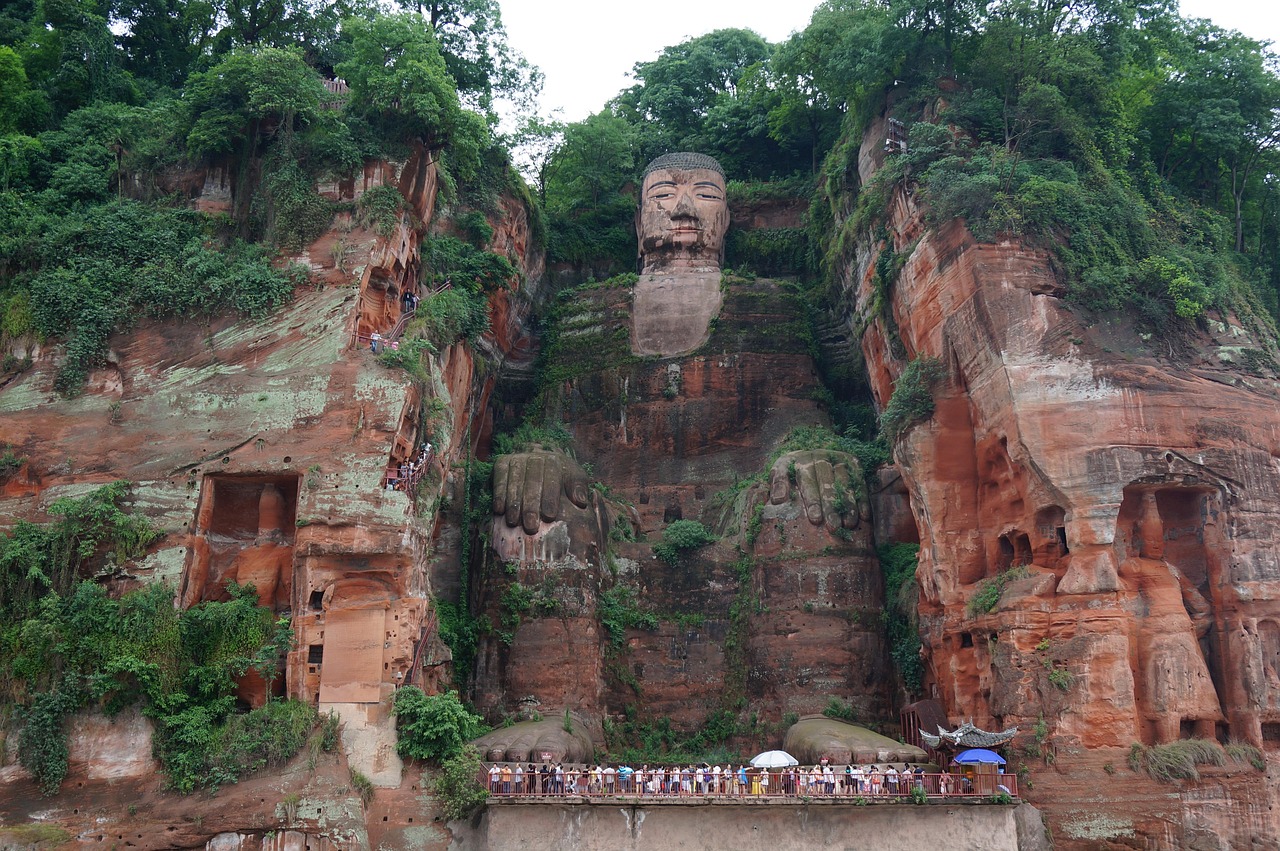
Inside the Leshan Giant Buddha scenic area on foot, along narrow stairs
The Leshan Giant Buddha scenic area route, with narrow, steep stairs and viewpoints, is really about balancing awe with safety. Start at the upper viewing platforms to take in the statue’s full outline, then commit to the descent: the narrow, steep stairs are part of the experience and can feel more challenging than people expect. Move slowly, let others pass, and keep your hands off ancient surfaces—care is part of the respect this place quietly asks for.
Many travellers describe the first look down the cliff face as a genuine moment of hush, as if your body understands the scale before your mind catches up. I still remember the odd mix of exhilaration and steadiness: legs working hard on the steps, then a surprising peace once you reach the base. Close to the feet, the Leshan Giant Buddha becomes intimate—less “monument” and more presence, with weathered textures that hold centuries of light and rain.
Travel tips for comfort, bottlenecks, and photo patience
Wear grippy shoes and bring water, especially in summer. The path can bottleneck at popular photo points, so trust your pace: if a landing is crowded, take a breath, step aside, and let the moment come to you rather than forcing it. You’ll also see inscribed-style signboards and interpretive plaques around the Lingyun area, which add insight without turning your visit into a lecture.
- Footing: shoes with tread for damp stone steps.
- Etiquette: keep noise low near temples, and don’t touch the carving.
- Energy: plan micro-pauses on stair landings to avoid rushing.
As you climb back up, notice how the soundscape changes—water below, wind in trees above—and how the Buddha scenic area subtly guides you from intensity to calm.
Minjiang boat tour, Leshan Giant Buddha, Mount Emei, UNESCO World Heritage Site adventures
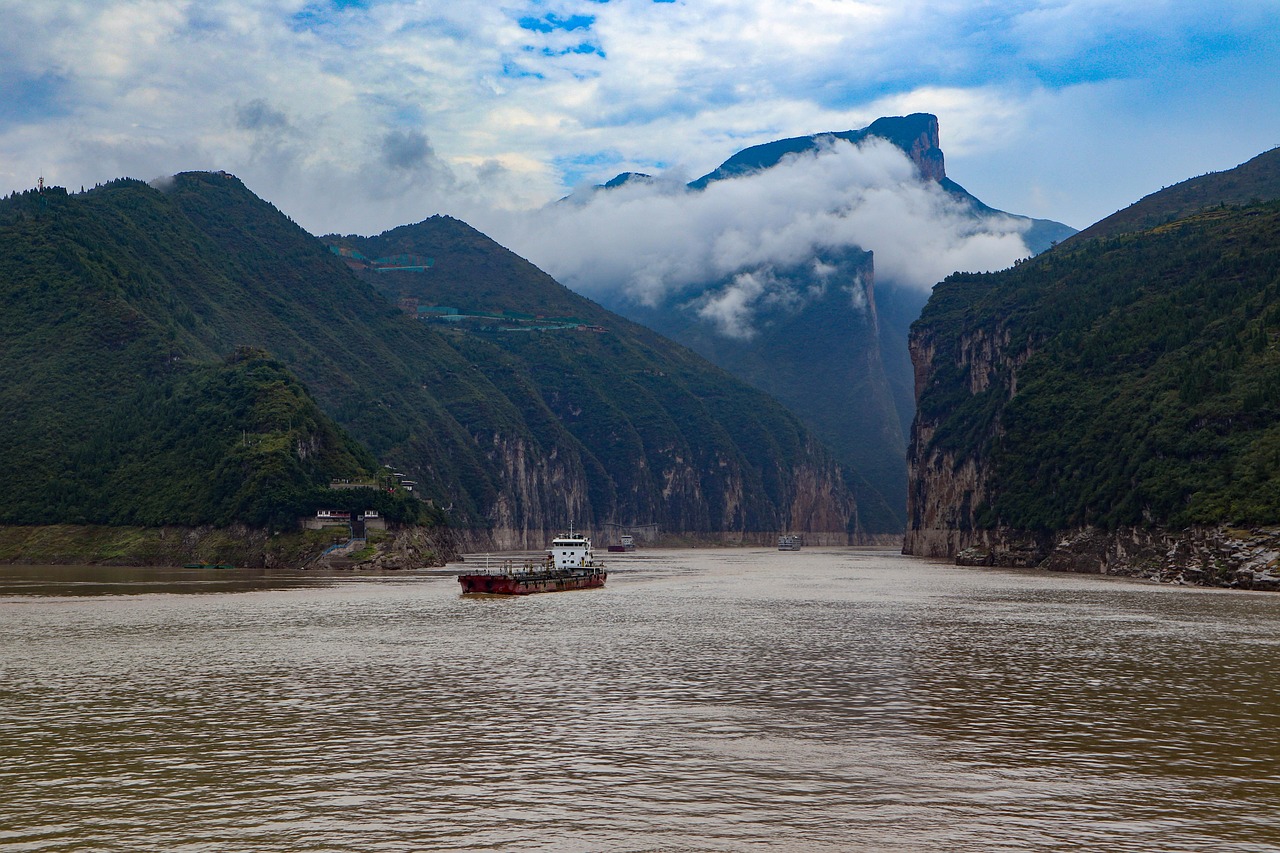
Minjiang boat tour views plus Mount Emei trails and temples
The Minjiang boat tour, Leshan Giant Buddha, Mount Emei, and UNESCO World Heritage Site combination is where the day begins to feel beautifully designed. On the water, the Minjiang flow is a gentle counterpoint to the cliff—calm, wide, and unhurried—giving you the easiest way to see the full figure at once. From this angle, the confluence and surrounding hills frame the statue naturally, which is why photographers love it, and first-timers often relax into a quiet smile.
One traveller once told me the boat ride felt like a reset: the serene water against the imposing monument made the whole scene humbling. It’s also wonderfully practical—if you’re short on time or mobility, the boat view can be the most complete “big picture” sightseeing moment of the Leshan Giant Buddha in one sweep.
Mount Emei Emeishan trails, temples in China, and crafted choices
Then, if you’re ready to explore further, Mount Emei (Emeishan) is waiting—one of China’s sacred Buddhist mountains, layered with forest, mist, and temple courtyards. It’s a place where Buddhism first became established in the region, and you’ll feel that continuity in the incense, the worn thresholds, and the steady pace of pilgrims. For adventure seekers, you can design anything from a short temple-and-forest walk to a full hiking day, with optional time at the Golden Summit for big-sky views.
- Short option: forest paths, a temple visit, and a quiet courtyard tea stop.
- Full day: longer hikes with rest breaks and layered viewpoints.
- Recovery: warm local snacks between climbs for steady energy.
Paired together, the Leshan Giant Buddha and Mount Emei create a journey that’s both grounded and expansive—stone, water, and mountain, held together by time.
F.A.Qs: Leshan Giant Buddha and Mount Emei planning
Is the Leshan Giant Buddha worth it?
Yes—especially if you enjoy places where cultural heritage meets real atmosphere. The Leshan Giant Buddha is overwhelming in scale, yet the riverside setting can feel peaceful, and the boat view is genuinely memorable. With an early start, you can experience both the dramatic cliff-top perspectives and quieter corners without feeling rushed.
Why is the Leshan Giant Buddha so popular?
It’s popular because it’s an engineering and spiritual landmark at the meeting of three rivers, and the statue remains deeply tied to local life. People come for the world-record scale, the Tang dynasty story, and the sense of calm many feel on arrival. Pairing it with Mount Emei also makes the trip feel complete.
Is the Leshan Buddha real?
It’s absolutely real: the Leshan Giant Buddha is a monumental stone figure carved into a cliff, not a modern replica. You can see tool-shaped textures, weathering, and restoration work from different periods. Visiting in person makes it clear how the sculpture was designed to be read from the river and from the paths.
How old is the Leshan Giant Buddha?
Construction began in 713 and finished in 803, so the figure is over 1,200 years old. That long timeline is part of what you feel on site: layers of human effort, maintenance, and changing dynasties, all focused on preserving a single calm presence above the water.
Leshan Giant Buddha Mount Emei reflection cultural heritage journey
The Leshan Giant Buddha Mount Emei reflection cultural heritage journey doesn’t end when you leave the gate; it follows you in smaller, quieter ways. I still think of the moment the stone Buddha seemed to hold the entire river valley in a single, unblinking calm—no performance, no demand, just presence. In the air, there was a hush that felt like Buddhism without explanation, simply felt in the space between voices.
Later, what stayed with me wasn’t only the scale of the statue, or even the thrill of the steps, but the gentle weight of time. Water moving below the cliff, incense drifting near temple doors, footsteps on worn stone—details so ordinary they become timeless. There’s a kind of trust you can create in yourself here: to slow down, to look properly, and to travel with care even when a place is famous.
And perhaps that’s the quiet gift of Leshan and Emeishan together: they don’t ask you to do more, only to notice more—so you leave with a little extra patience in your body, and a little more wonder ready for wherever you go next.