Post Contents
- Designing a Luxury Itinerary in Southern China: A Personal Travel Story and Route Plan
- Best Time to Visit Southern China: Weather, Seasons, and Luxury Travel Logistics in China
- Guangzhou, China: Luxury Attractions, Cantonese Cuisine, and Riverfront Evenings
- Guilin & the Li River Cruise: Karst Scenery and Calm in South China
- Longji Rice Terraces Hike Guide: A Living Cultural Landscape in China
- Foshan & Dali: Ancient Heritage Districts and Slow Luxury Travel in China
- F.A.Qs:
- Final Thought
Designing a Luxury Itinerary in Southern China: A Personal Travel Story and Route Plan

Designing Your Southern China Travel Story and Luxury Itinerary for Southern China Travel Guide
A luxury itinerary in South China works best when you treat it like a story you can step into, crafted, personal, and unhurried. This part of China balances bold modern energy with quiet heritage: a glittering downtown district in one place, then a riverside village where the pace softens. If you decide on the main highlight moments first, the route often falls into place with surprising ease.
Start by picturing two anchor points: Guangdong for cosmopolitan comfort and Guangxi for karst drama. A classic flow is Guangzhou, Guilin (the city of Guilin as your base), and Longji again, with plenty of room for gentle detours. Optional add-ons fit neatly at the edges: Hong Kong, a familiar international gateway; the coastal Pearl River Delta for waterfront photography (including a mile-long promenade on Zhuhai’s Lovers’ Road); or Hainan, for warm coastal air and a laid-back beach finish.
Explore South China’s contrasts as a region, from skyline to riverside calm
This region rewards a traveller who enjoys contrasts rather than checklists. One day, you’re dressing for a refined restaurant and skyline views; the next, you’re watching river mist drift over limestone silhouettes. The transition can feel wonderfully seamless when you add an expert guide, private transfers, and boutique hotels that deliver calm, so you can focus on what’s beautiful, not the logistics.
Route-defining moments in China highlights to design around
For many high-end itineraries, the core set pieces are clear: a skyline evening, the Li River’s scenery, the Longji terraces’ layered field patterns, and photogenic waterfronts after dark. From there, you can choose your style: a private cruise versus a shared boat, or a guided hike versus self-led wandering. Those choices don’t just change cost; they shape atmosphere, pacing, and the sense of support you feel on the ground.
To browse what a polished, curated trip can look like, you can explore our Trip gallery for China and see how journeys can be designed with warmth and confidence.
Next, we ll make timing and transport feel easy, so every special moment lands exactly as it should.


Best Time to Visit Southern China: Weather, Seasons, and Luxury Travel Logistics in China

Best Time to Visit Southern China and Luxury Travel Logistics in China
The best time to visit this part of China is when confidence begins to grow. In general, October to April is most pleasant, with clearer days for scenery and comfortable temperatures for exploring. Even then, winter evenings can be cool, ideal for a cashmere layer and a slow tea, while summer brings humidity and rain that can soften visibility around each peak.
International arrivals and moving easily across the region
Most travellers arrive on flights via major hubs, then connect by high-speed train or chauffeured car. First-class rail is calm and efficient; private transfers offer door-to-door convenience, especially in areas with tight timing, such as terraces. If you’re adding Hainan, treat it as a restorative interlude, two or three nights of coast and beach after the countryside.
For high-end travellers, what you book early shapes the whole feel of a journey: a private Li River cruise slot at sunrise, excellent opera seating, and top-table reservations when you want Chinese food at its most elegant. Entry fees vary widely by attraction, but private guiding and curated tastings often bring the most value, quieter access, smoother pacing, and insider context when details matter.
Quick luxury logistics checklist
- Timing: October, April for comfort; bring a light layer for winter nights.
- Comfort: bottled water, and choose restaurants with high hygiene standards for food safety.
- Etiquette: polite greetings, respect temple customs, and bargain cautiously in markets.
- Flow: mix first-class rail with private transfers to make the journey feel seamless.
With the practicalities handled, you’re free to enjoy the pleasures of a Pearl River Delta hub, where Cantonese culture meets modern luxury.
Guangzhou, China: Luxury Attractions, Cantonese Cuisine, and Riverfront Evenings
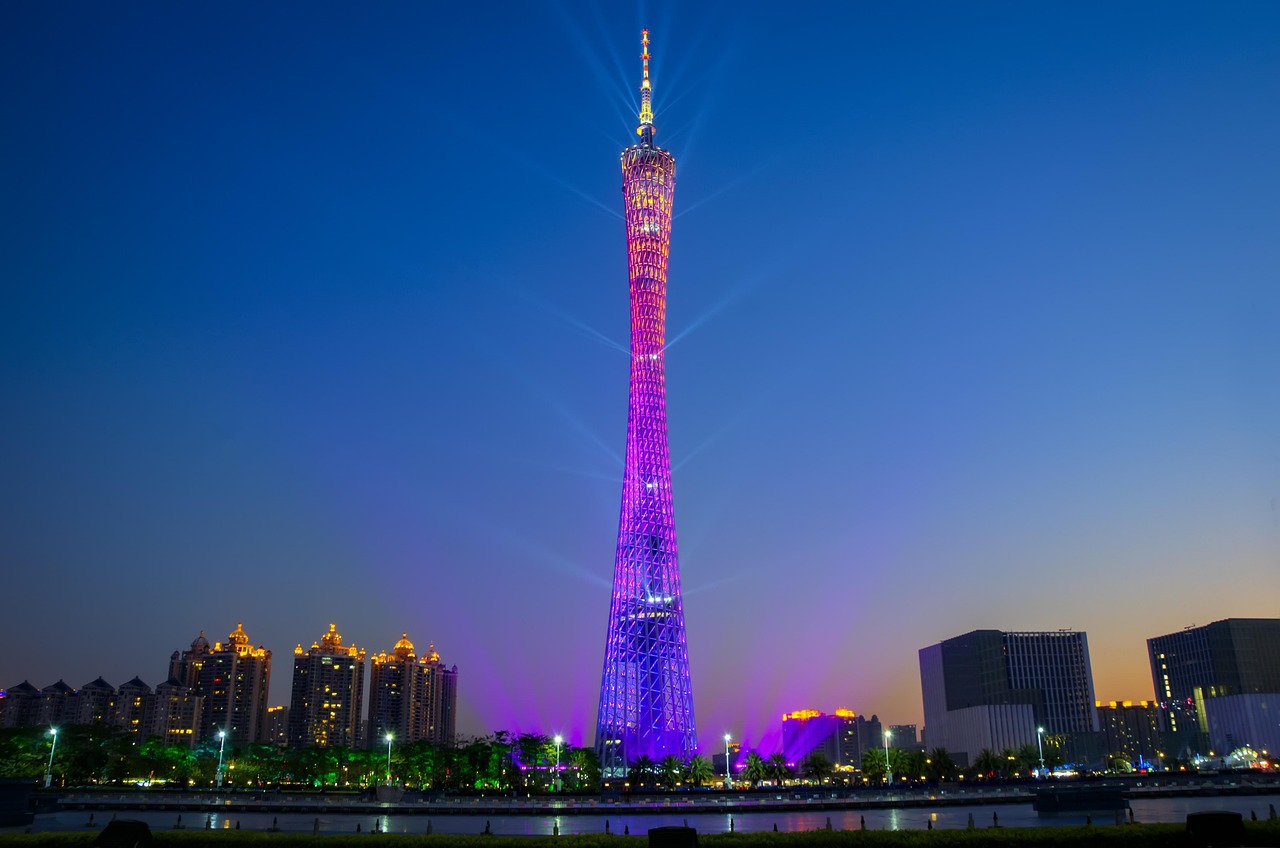
Guangzhou, China: Luxury Attractions and Cantonese Dining in Southern China
This chapter is your invitation into a polished, deeply local gateway. As one of the great southern Chinese centres of cuisine and commerce, Guangzhou gives you an easy start: excellent hotels, refined service, and an extensive range of experiences from galleries to late-night tea houses. Modern design sits comfortably beside quiet courtyards and historic lanes, so the mood never feels one-note.
Canton Tower: a signature skyline attraction in China
Begin with the Canton Tower, among the world’s highest structures of its kind, for a clear arrival moment. Go near sunset for wide views across the delta and the skyline, then linger as lights appear one by one. It’s a simple attraction, yet it frames the scale of modern China in a single glance.
Evening waterfront strolls, opera, and delicious Cantonese dining
After dark, the riverfront becomes a moving gallery of reflections. If you prefer a quieter approach, design a private stroll with photo stops under the bridges, then pause where the neon turns the water into an array of colour. For something more intimate, consider an opera performance in historic neighbourhoods, gently guided through story and gesture so you feel included, not lost.
Dining is where this stop becomes truly special. One guest described the joy of a Michelin-starred dim sum lunch, delicious, precise, and still warm with tradition, where an expert helped them order signature Chinese dishes with confidence. If you’d like a slower hour, add a curated tea experience, then continue shopping in flagship districts or visit Zhongshan Memorial Hall for a calmer historical note in a large public square.
When you’re ready to exchange city sparkle for quiet water and karst shapes, Guilin brings a different kind of luxury: space, silence, and early light.
Guilin & the Li River Cruise: Karst Scenery and Calm in South China
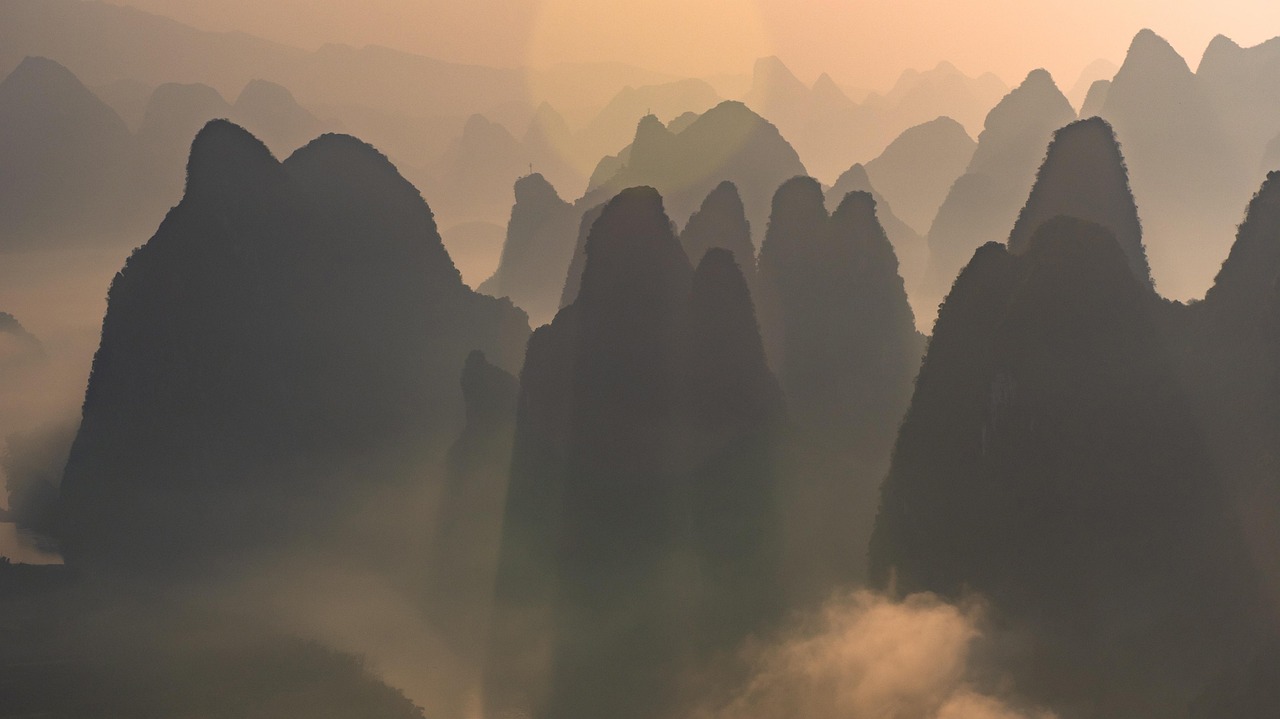
Guilin Li River Cruise Luxury Southern China Through Karst Scenery
A Li River cruise is all about atmosphere, the hush before sunrise, the first pale light, and the way each limestone form appears like ink on silk. The terrain feels both dramatic and gentle: a sheer cliff rising cleanly from the river, then a quiet bend where you only hear water and birds. It’s the kind of natural beauty that doesn’t demand speed.
Imagine dawn on the Li River: Explore the magical calm
A luxury traveller once told us their most memorable moment here was a private boat at sunrise. They watched mist drift between every peak, then saw traditional fishermen casting nets in slow arcs, formerly a working practice, now often a cultural scene, yet still moving when you have space to watch. The intimacy mattered: no crowd noise, just the boat s soft wake and a steady sense of timing.
Practical planning: Boat types, timing, and where to stay near Guilin
For planning, the key decisions are boat type and departure time. Private sampans and small craft give flexibility; shared boats are more budget-friendly but less personal. Choose accommodation close to the river for effortless early starts, especially if you re also spending time around Yangshuo, which makes countryside detours easy.
Photo guidance for a curated collection
- Wide vistas: include river bends with layered peaks to show scale.
- Reflections: pause when the water is still, and let the scene compose itself.
- Textures: capture rock patterns and bamboo lines for detail.
- Restraint: aim for a thoughtful collection rather than every viewpoint.
Later, balance the river s drama with something gentle: cycling through the countryside or an evening walk when lantern light softens the streets. The next day, Longji offers a different kind of wonder, human and living, patiently shaped over time.
Longji Rice Terraces Hike Guide: A Living Cultural Landscape in China
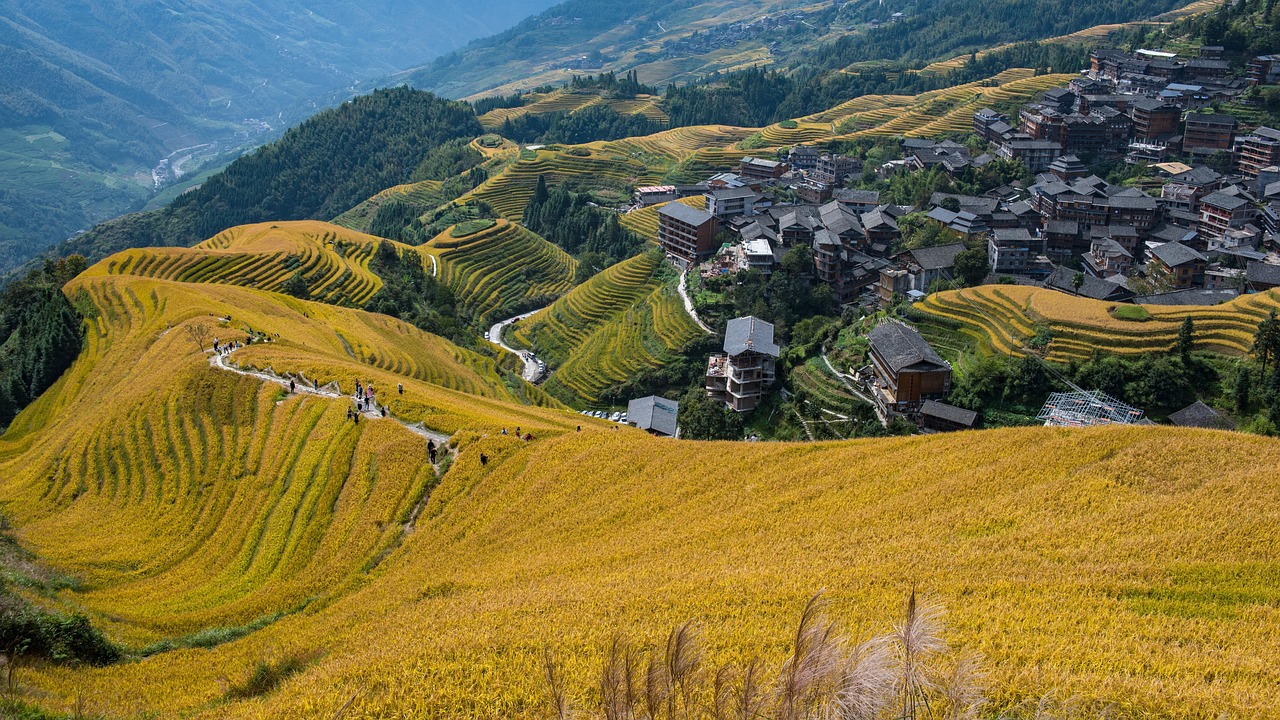
Longji Rice Terraces Hike Guide: Southern China and Cultural Landscape in China
The Longji terraces introduce you to a spectacular cultural landscape where community knowledge is written into the hills. These curves are not simply scenic; they are a working system, engineered with patience and shaped over a century by families who understood water, soil, and seasons. Seeing the lines ripple across the slopes feels like watching craft become geography.
Explore Longji with a local Designer: Explain the traditional steps step by step
A couple once shared a story that stayed with us: they hiked with a local elder who explained how planting and irrigation work, and why the terraces still matter today. The guide didn’t lecture; they translated the meaning with warmth, answering questions as they rose and fell with the path. That kind of insight turns a beautiful view into something you understand and remember.
Design a comfortable day gentle routes, pacing, and support
For comfort, begin with a private transfer that arrives after the morning rush, then choose a gentle route with scenic rest stops. A good guide provides pacing support, encouraging you to pause where the light is best and keeping the day calm rather than strenuous. It’s also the simplest way to navigate paths respectfully without feeling you’re intruding.
Seasonally, the mood shifts: spring brings mirrored water during planting, summer turns the slopes intensely green, autumn glows gold, and winter is quiet and crisp. Whichever season you choose, practise cultural sensitivity: ask before close portraits, keep voices soft near homes, and buy crafts thoughtfully so your spending sustains makers with care.
From here, the story becomes even more intimate, small places where tradition isn’t staged, just lived.
Foshan & Dali: Ancient Heritage Districts and Slow Luxury Travel in China
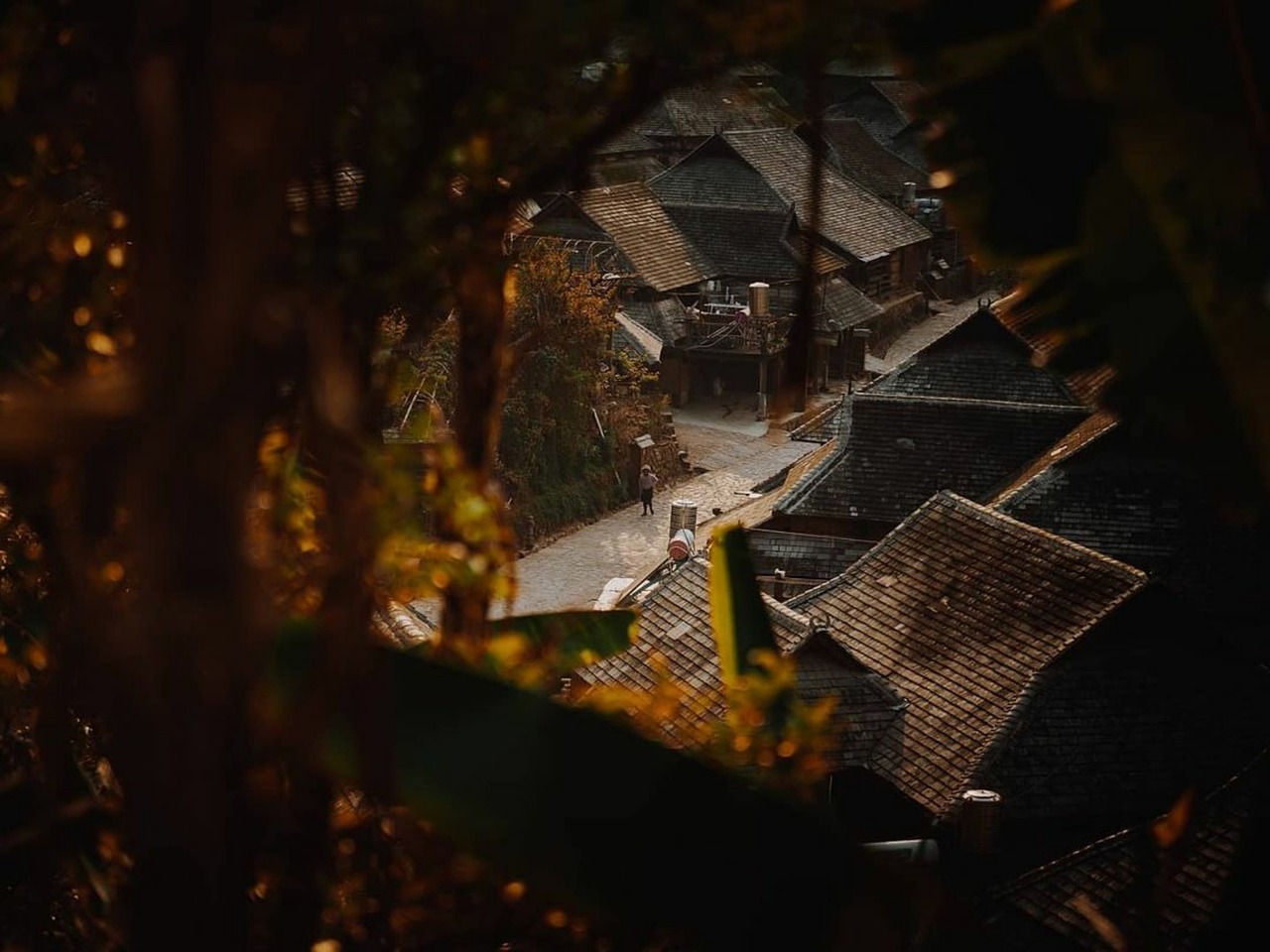
Foshan and Dali Ancient Town Luxury Cultural Travel in Southern China
These slower stops suit travellers who want to exhale without losing depth. After the big urban highlights, Foshan in Guangdong feels like a reset: temples, courtyards, and a quieter counter-rhythm to modern pace. It’s a place to uncover craftsmanship, ceramics, folk arts, and the heritage of lion dance, where the detail becomes the reward.
Foshan in Guangdong province: Temples, workshops, and unique craft
In Foshan, you can explore temple spaces with a guide who explains what to do, where to stand, and how to be respectful, a small reassurance that protects comfort. Seek out artisan workshops for a private studio visit, where you meet makers and learn what separates a souvenir from a piece with a story. Choosing one object, one bowl, one ink stone, one small sculpture, can become a personal memory rather than just a decoration.
Dali in China’s Southern West: Architecture, statues, and sleepy lanes
Dali, in the west of China’s southern arc, offers a restorative calm: well-preserved architecture, stone lanes, and lakeside light that feels restorative. It’s a place where you can wander without a strict plan, then pause in quiet squares where a gate, a carved statue, or a repeated building motif suddenly makes sense once someone shares the context. You’ll hear about the dynasty influences that shaped historic layouts, but in a human way, linked to daily life rather than textbooks.
Optional diversions that keep the pace gentle
- Viewpoints close by for soft morning light and fewer people.
- Boutique courtyard stops for tea or a quiet read.
- A slow walk through a market area to observe craft, colour, and routine.
These are the details that make a destination feel lived-in, not performed, and when you leave, it’s often these smaller moments that stay closest.
F.A.Qs:
What is considered the south of China?
The south of the country is a broad region, often referring to provinces such as Guangdong and Guangxi, as well as nearby areas with similar climates, cultures, and trade links. It s known for subtropical weather, coastal influence, and Cantonese heritage, with a mix of river valleys and karst hills.
Which cities are in the south of China?
Commonly referenced examples include Guangzhou, the provincial capital of Guangdong province, and Foshan in Guangdong province, as well as Guilin in Guangxi. Depending on context, other delta hubs may be included when discussing the wider region.
Is the south of China richer than the north?
Many parts of the South, especially major coastal areas, are economically strong and globally connected. However, prosperity varies across China, and both the north and the south contain wealthy districts as well as rural communities.
Is China Southern a good and safe airline?
China Southern is a major Chinese airline used on domestic and international routes. As with any carrier, safety is governed by regulatory standards and operational oversight, and most travellers experience it as a reliable option. For added comfort, consider premium cabins and plan connections with a sensible transfer time.
Final Thought
Reflections arrive later, when you’re home, and something ordinary steams from a kettle; a brief light on the pavement returns you to China. It isn’t the number of sights you managed to see; it’s the way river mist held the morning still, or how the terraces curved like quiet handwriting along a hillside. Even the urban energy lingers differently in memory: warm hospitality, an opera night, and a waterfront glow that felt endless.
True luxury, in the end, is feeling held. It’s the calm reassurance of a guide who notices when you need a pause, a perfectly timed meal that restores you, and the trust that comes from being cared for in small, steady ways. Whether you travelled as a couple, with family, or solo, the best moments often happened when you were simply together with the place, unhurried, attentive, and free to imagine what life is like beyond the frame of a photograph.
And perhaps that’s why Southern China continues to call quietly. Not with urgency, but with a gentle invitation: a different season on the Li River, another lane in an ancient district, a new slant of light on water, waiting for the next time you’re ready to return.